
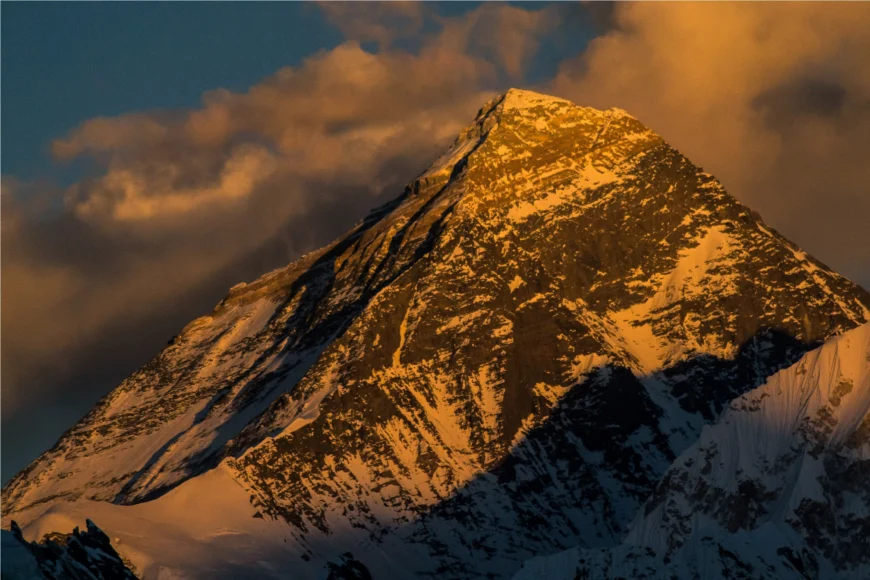
Nepal’s Geographical Landscape and Mount Everest
Nepal is a landlocked country located in South Asia, bordered by China to the north and India to the south, east, and west. The highest point in Nepal is Mount Everest, towering at 8,848 meters above sea level. Nepal’s unique geographical structure lies between two tectonic plates, the Indian Plate and the Tibetan Plate, which cause frequent earthquakes. Due to this, Mount Everest and Earthquake events are deeply interconnected, with seismic activity impacting the region’s stability. The region’s tectonic instability makes Mount Everest and earthquakes a critical focus for both geologists and climbers alike.
Nepal: A Land of Earthquakes
Since the formation of the Himalayas, including Mount Everest, millions of years ago, earthquakes have shaped the region. The Indian Plate is constantly moving northward into the Tibetan Plateau, generating pressure and causing seismic activity, which in turn triggers earthquakes in Nepal. As a result, Mount Everest and earthquakes are often inextricably linked, with major earthquake events shaking the mountain and causing avalanches, glacier shifts, and disruptions to the climbing routes.
Mount Everest and Earthquakes: A History of Destruction
The 2011 Earthquake
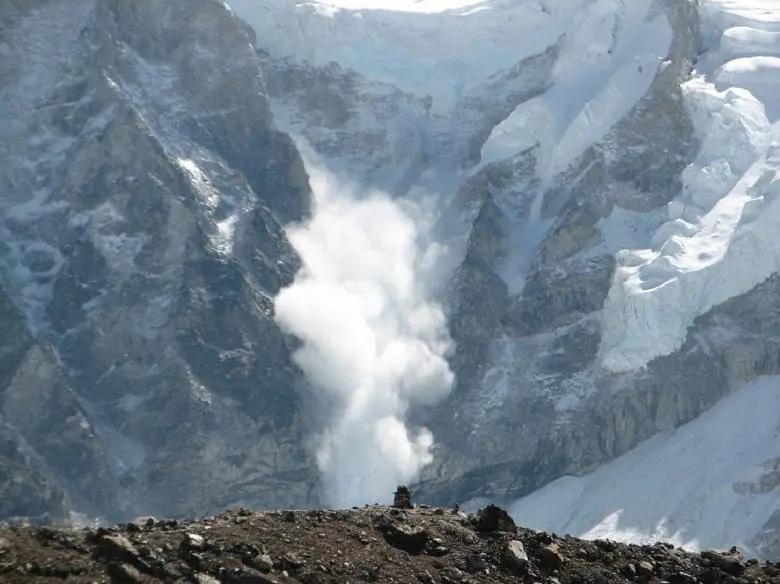
On September 18, 2011, a 6.9 magnitude earthquake struck the Sikkim region in India, and its tremors were strongly felt across eastern Nepal, including the Mount Everest and Earthquake region. Although the epicenter was not directly under Mount Everest, the Mount Everest Earthquake event triggered avalanches on the mountain, causing significant damage to climbing routes. Deaths in Mount Everest earthquake that year claimed the lives of 12 Sherpas. Climbing routes, especially in the Khumbu Icefall and Camp 2 areas, were heavily damaged. The Mount Everest after earthquake led to delayed rescue operations due to aftershocks and poor weather conditions, affecting the climbers’ safety.
The 2015 Nepal Earthquake and Its Impact on Everest
On April 25, 2015, Nepal was struck by a catastrophic 7.8 magnitude earthquake, which triggered one of the most devastating events in Mount Everest and Earthquake history. The quake led to a massive avalanche that struck Everest Base Camp, burying tents, gear, and climbers under snow and ice. Over 22 climbers and Sherpas tragically lost their lives in the Mount Everest earthquake deaths, marking the deadliest day in the mountain’s history. The avalanche and the seismic activity caused significant damage to the climbing routes, with scientists even noting a slight decrease in Mount Everest’s height due to tectonic shifts. This event highlighted the vulnerability of Mount Everest and Earthquake to seismic activity.
Before the Earthquake on Mount Everest (2015)
Before the massive shake, Everest was a dream destination for climbers worldwide. Each year, during the spring Everest climbing season, hundreds of adventurers from all over the world gather at Everest Base Camp, preparing to summit the 8,848-meter peak.
- The mountain’s icefalls and glaciers were challenging but relatively stable.
- There were occasional avalanches or rockfalls, but nothing as deadly as an earthquake shake.
- Climbers were concerned more about the weather than about an earthquake on Mount Everest.
- During this time, tourism and mountaineering were major sources of income for Nepal, and the Everest region thrived during climbing seasons.
After the earthquake and its effect on Everest (2015)
On April 25, 2015, a powerful 7.8 magnitude earthquake near Mount Everest took place, shocking the entire nation. The epicenter was just 220 km away from Everest
- A massive avalanche on Mount Everest was triggered by the earthquake. Taking the small village that was settled at Everest Base Camp.
- More than 22 climbers and Sherpas died, and this was the deadliest day in Everest’s history.
- Many climbers, including Sherpa people, were injured in high camps.
- The Nepal earthquake and Mount Everest avalanche buried tents, gear, and even climbers under tons of snow and ice.
- Scientists noticed a slight drop in Everest’s height by a few centimetres, likely due to tectonic shifts.
- Cracks appeared on glacier surfaces, and some climbing routes had to be reassessed.
The 2023 Earthquake Near Mount Everest
In 2023, a 6.4 magnitude earthquake struck western Nepal. Although it wasn’t centered near Mount Everest, the tremors reached deep into the Himalayan region. The earthquake near Mount Everest triggered minor avalanches and glacier shifts, which raised concerns about the safety of the climbers in the area. Fortunately, there were no recorded Mount Everest earthquake deaths in 2023, but it reminded everyone of the continuing seismic risks in the Mount Everest and Earthquake region.
The 2025 Nepal Earthquake and Its Aftermath
The 2025 Nepal earthquake was particularly alarming as it struck closer to Mount Everest than previous quakes. A 6.7 magnitude earthquake shook the eastern Himalayas, triggering another large avalanche that swept across Mount Everest and Earthquake Base Camp. The avalanche buried tents and climbing equipment, and several climbers were injured. Tragically, three Sherpas lost their lives in the Mount Everest earthquake, adding another chapter to the mountain’s long history of earthquake-related tragedies. Mount Everest, after the earthquake, once again highlighted the devastating effects of seismic activity in this region and emphasized the need for climbers and rescue teams to be constantly prepared for these unpredictable events.
Why do Earthquakes Affect Mount Everest So Severely?
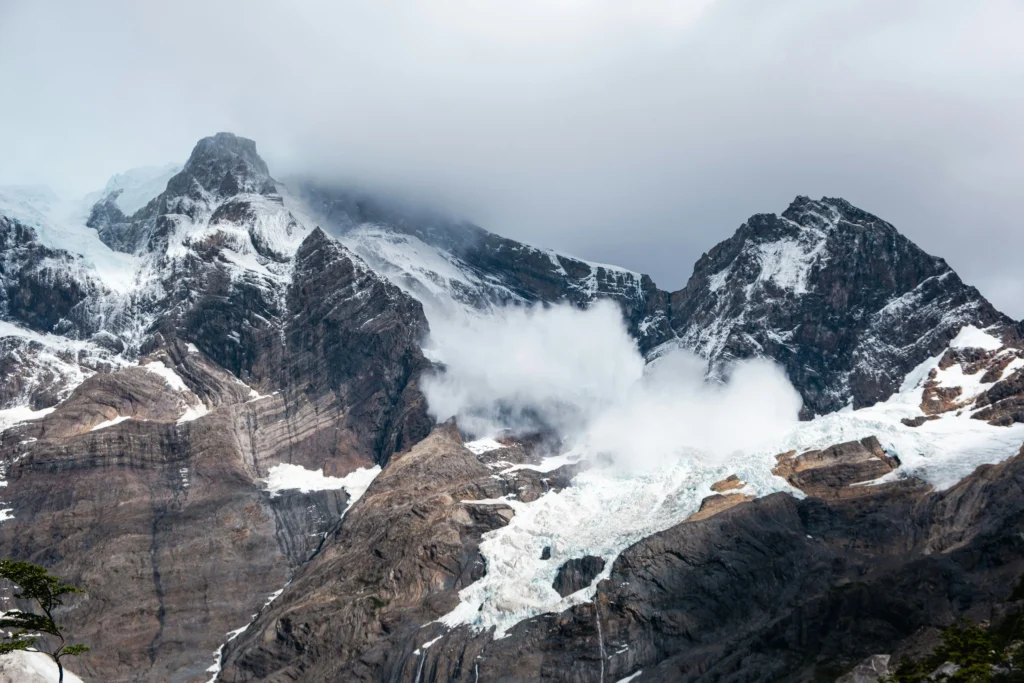
Mount Everest is located in a highly active seismic zone, where the Indian and Tibetan plates are locked in a constant collision. This tectonic activity causes earthquakes that can have far-reaching effects, even if the epicenter is not directly beneath Mount Everest. The intense seismic pressure leads to avalanches, icefalls, and glacier shifts, particularly in dangerous areas like the Khumbu Icefall. Even a distant earthquake can cause substantial disruption to climbing routes, with Mount Everest earthquake deaths being a tragic result of these natural events. The vulnerability of the mountain to seismic activity makes Mount Everest and earthquakes an ongoing concern for mountaineers.
The Mount Everest Earthquake Aftermath
After each major earthquake on Mount Everest, climbers face new challenges. Mount Everest after the earthquake is unpredictable. Following the 2015 disaster, climbing teams had to deal with massive avalanches, damaged equipment, and the loss of fellow climbers. The Mount Everest earthquake deaths were a sobering reminder of the danger posed by earthquakes in the region. Subsequent expeditions have implemented stricter safety protocols to minimize the risks posed by earthquakes and avalanches.
Earthquake Safety Tips for Climbers on Mount Everest
When earthquakes strike in the Mount Everest region, climbers must know how to react quickly to protect themselves. Here are essential safety tips for surviving earthquakes and their aftermath:
- Stay Calm and Protect Your Head: During an earthquake, move to an open area and protect your head from falling debris and ice.
- Avoid Steep Ice Walls and Overhangs: These areas are prone to avalanches, particularly after a Mount Everest earthquake.
- Follow Your Sherpa Leader: Sherpas are trained to deal with these risks and can help you navigate safely.
- Signal for Help: Use satellite phones or radios to reach rescue teams in case of emergency.
The 2015 Mount Everest Avalanche and Its Impact
The 2015 Mount Everest avalanche was one of the most catastrophic events in the mountain’s history. Triggered by a massive earthquake, it buried Everest Base Camp under tons of snow, killing 22 climbers and Sherpas. The Mount Everest earthquake deaths that day marked the darkest chapter in the history of climbing on Everest. The earthquake caused major disruptions to the climbing season, leading to a reevaluation of safety standards and evacuation plans for future expeditions. The Mount Everest after earthquake scenario showed that the mountain’s unpredictable nature requires climbers to be constantly vigilant.
How Climbers Now Prepare for Natural Disasters on Mount Everest
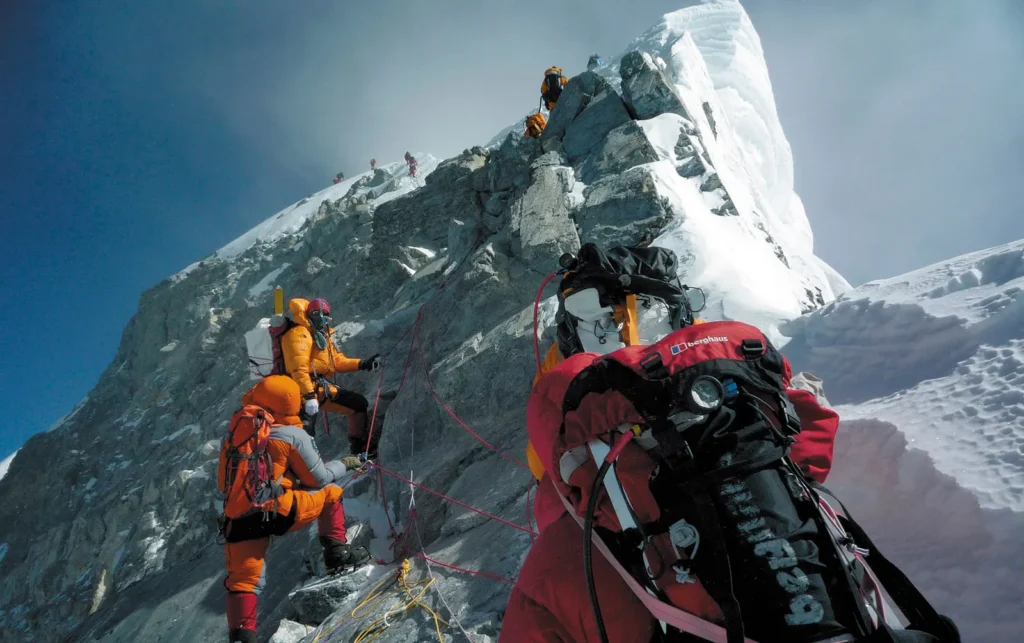
After the devastating earthquakes on Mount Everest, new safety measures and disaster preparedness plans have been implemented. These include:
- Improved shelters designed to withstand seismic tremors.
- Evacuation training for rapid response to avalanches and earthquakes.
- Enhanced safety protocols to assess and mitigate the risks posed by earthquakes and avalanches.
Climbers and Sherpas now undergo thorough training to handle natural disasters like earthquakes and avalanches, ensuring that they can act quickly to minimize harm during such unpredictable events.
Conclusion: The Ongoing Threat of Earthquakes on Mount Everest
Despite Mount Everest being a symbol of adventure and exploration, it remains one of the most dangerous mountains to climb due to its location in one of the most seismically active regions of the world. The Mount Everest earthquake deaths that have occurred over the years are a constant reminder of the mountain’s vulnerability to earthquakes. Climbers must take the threat of earthquakes seriously and prepare accordingly. With proper training, safety protocols, and equipment, mountaineers can reduce the risks, but the mountain’s unpredictable nature continues to pose a significant challenge to all who attempt to summit Mount Everest.
Read more: Everest Climbing Season: Best time for the Summit and Hiking
FAQs
1. What caused the 2015 Mount Everest earthquake avalanche?
The 2015 Mount Everest earthquake triggered a massive avalanche that swept through Everest Base Camp. The earthquake, with a magnitude of 7.8, shook the region, dislodging snow and ice from the slopes, resulting in a deadly avalanche that buried tents, climbers, and equipment. Mount Everest earthquake deaths occurred as a result of the avalanche, which was one of the most devastating events in the history of Everest expeditions.
2. How often does Mount Everest experience earthquakes?
Mount Everest is located in a tectonically active region, where the Indian Plate is continuously colliding with the Tibetan Plates. As a result, the region experiences earthquakes regularly, though not every earthquake leads to catastrophic consequences. The frequency of earthquakes on Mount Everest depends on the seismic activity along the Himalayan fault lines, which are constantly shifting.
3. How many people died in the 2015 Mount Everest earthquake?
22 people, including Sherpas and climbers, died in the massive avalanche that occurred at base camp as a result of the 2015 Nepal earthquake.
4. Was Everest affected by the 2023 earthquake in Nepal?
Yes, the 2023 earthquake near Mount Everest caused minor avalanches and glacier shifts, despite the fact that it was centred in western Nepal. Fortunately, there were no recorded fatalities from the Mount Everest earthquake that year.
5. Did the 2025 Nepal earthquake cause another avalanche on Everest?
Indeed. Three Sherpas lost their lives, and others were injured when the 2025 earthquake in the Mount Everest region caused an avalanche on Mount Everest in Nepal. It brought attention to the continuous threat that seismic activity in high-altitude areas poses.
6. How dangerous are earthquakes for climbers on Mount Everest?
Very risky. Particularly close to routes like the Khumbu Icefall, an earthquake on Mount Everest can cause unexpected avalanches, ice falls, and rockslides, making rescue more challenging and raising the possibility of fatalities.
