Swipe to explore
BEST SELLER
Everest Base Camp Trek Packages – Cost, Itinerary & 12, 14 & 16 Day Options
12, 14 & 16 Days
Duration
Breakfast, Lunch, Dinner
Meals
HARD
Difficulty
1–14+ (Private & Group Departures Available)
Group Size
↑
5,545 meters/18,192 feet (Kalapatthar)
Max Altitude
March–May, September–November
Best Season
Hotel + Teahouse
Accommodation
Private Jeep/Flight
Transportation
Everest Base Camp Trek Overview
The Everest Base Camp Trek is Nepal’s most iconic Himalayan journey, taking you deep into the Khumbu region through traditional Sherpa villages, ancient monasteries, colorful prayer flags, suspension bridges, and some of the world’s most spectacular mountain landscapes.
Our Everest Base Camp Trek packages are available in three carefully designed options: the 12-day Express Trek for travelers with limited time, the 14-day Classic Trek for the ideal balance of trekking and acclimatization, and the 16-day Leisure & Extended Trek for those who prefer a slower and more immersive experience.
The trek takes you to Everest Base Camp at 5,364 m (17,598 ft), while the highest point of the journey is Kala Patthar at 5,545 m (18,192 ft), famous for its breathtaking sunrise views of Mount Everest, Lhotse, Nuptse, and the surrounding Himalayan peaks.
Although reaching Everest Base Camp does not require technical climbing skills or previous mountaineering experience, it is still a physically demanding high-altitude trek. Most days involve 5–8 hours of walking; thus, proper acclimatization is essential for a safe and enjoyable journey.
From Lukla (2,845), the trail gradually climbs through the heart of the Everest region, allowing you to experience Sherpa culture, Buddhist traditions, mountain villages, and incredible Himalayan scenery along the way.
With experienced local guides, carefully planned itineraries, trekking permits, accommodation, meals during the trek, and dedicated support, we designed our Everest Base Camp Trek package to provide a safe, comfortable, and memorable Himalayan adventure, just for you.
Trip Highlights
Fly into Lukla (2,845 m), home to one of the world's most famous mountain airports, with spectacular Himalayan views during the flight.
Cross several high suspension bridges, including the famous Hillary Suspension Bridge above the Dudh Koshi River gorge.
Spend an acclimatization day in Namche Bazaar, the historic Sherpa trading hub, with panoramic views of Kongde Ri, Thamserku, and surrounding peaks.
Visit Tengboche Monastery, one of the most important Buddhist monasteries in the Khumbu region, with the stunning Ama Dablam peak rising behind it.
Walk through the Thukla Memorial area, where stone chortens honor climbers and Sherpas who lost their lives on Everest and other Himalayan peaks.
Reach Everest Base Camp (5,364 m) and stand beneath the dramatic surroundings of the Khumbu Icefall.
Watch sunrise from Kala Patthar (5,545 m), the highest point of this trek and one of the best viewpoints for panoramic Everest views.
Stay in traditional Sherpa teahouses, experiencing authentic mountain hospitality from local families along the trail.
Experience the natural beauty of Sagarmatha National Park, home to Himalayan wildlife including Himalayan tahr and danphe, Nepal's national bird.
Which Everest Base Camp Trek Should You Choose?
Choosing the right itinerary depends on your available time, preferred trekking pace, and the type of experience you're looking for.
Choose the 12-Day Express Trek if:
You have limited time but still want to complete the classic Everest Base Camp route. This itinerary is best suited to trekkers with good physical fitness who are comfortable with slightly longer trekking days.
Choose the 14-Day Classic Trek if:
You want the most balanced Everest Base Camp experience. With proper acclimatization, a comfortable trekking schedule, and a contingency day for Lukla flight delays, this is our recommended itinerary for most first-time trekkers.
Choose the 16-Day Extended Trek if:
You prefer a slower journey with more opportunities to enjoy the mountain scenery, Sherpa culture, and the unique atmosphere of the Everest region without feeling rushed.
Note: All three Everest Base Camp itineraries follow the same classic route to Everest Base Camp and Kala Patthar. The differences lie in the overall trip duration, daily trekking pace, acclimatization schedule, and additional buffer or sightseeing days.
Pricing Note: The prices shown above are per person and apply to private trek bookings, based on the number of trekkers in your booking. For 2 or more trekkers, discounted private-group rates are available as shown in the table.
These prices do not represent the cost of joining a fixed group departure. Fixed group departures follow their own scheduled departure dates and pricing. If you prefer to join a fixed group departure, please contact us for the applicable group-departure price and availability.
Private trek prices may vary depending on group size, departure date, inclusions, and requested services. Contact us for a customized quotation.
12 Day Express
$ 2,599
- Best for: Experienced trekkers with limited time
- Fast-paced Everest Base Camp itinerary
- 1 Acclimatization Day
- 9 Trekking Days
- Most physically demanding option
- Permits, domestic flights, guide & accommodation
Best Value
14 Day Classic (Most Popular)
$ 2,799
- Best for: First-time Everest Base Camp trekkers
- Balanced 14-day itinerary
- 2 Acclimatization Days
- 11 Trekking Days
- Better altitude adjustment
- 1 Buffer Day for weather delays
- Permits, domestic flights, guide & accommodation
16-Day Extended
$ 3,199
- Best for: Relaxed trekking & photography
- Slow-paced Everest Base Camp itinerary
- 2 Acclimatization Days
- 12 Trekking Days
- Extra Kathmandu sightseeing day
- More time for altitude adjustment
- Greater flexibility for weather delays
- Permits, domestic flights, guide & accommodation
Book this Trip
Tell us your preferences and we'll craft the perfect private tour for your group.
Itinerary
HotelWelcome Dinner (D)
Arrive at Tribhuvan International Airport, where a Walk Through Nepal representative will meet you and transfer you to your hotel. After check-in, you can use the remaining time to recover from your journey and prepare for the trek.
If your Lukla flight is scheduled for the following morning, use this day to organize your trekking gear, check that you have the required documents and permits, and make any necessary last-minute purchases in Kathmandu. Your guide will also brief you on the trekking route, expected walking conditions, altitude, weather, and important safety considerations.
In the evening, meet your trekking team for a final preparation session and welcome dinner. This is also a good opportunity to clarify any questions about the itinerary before beginning your journey toward the Everest region the next day.
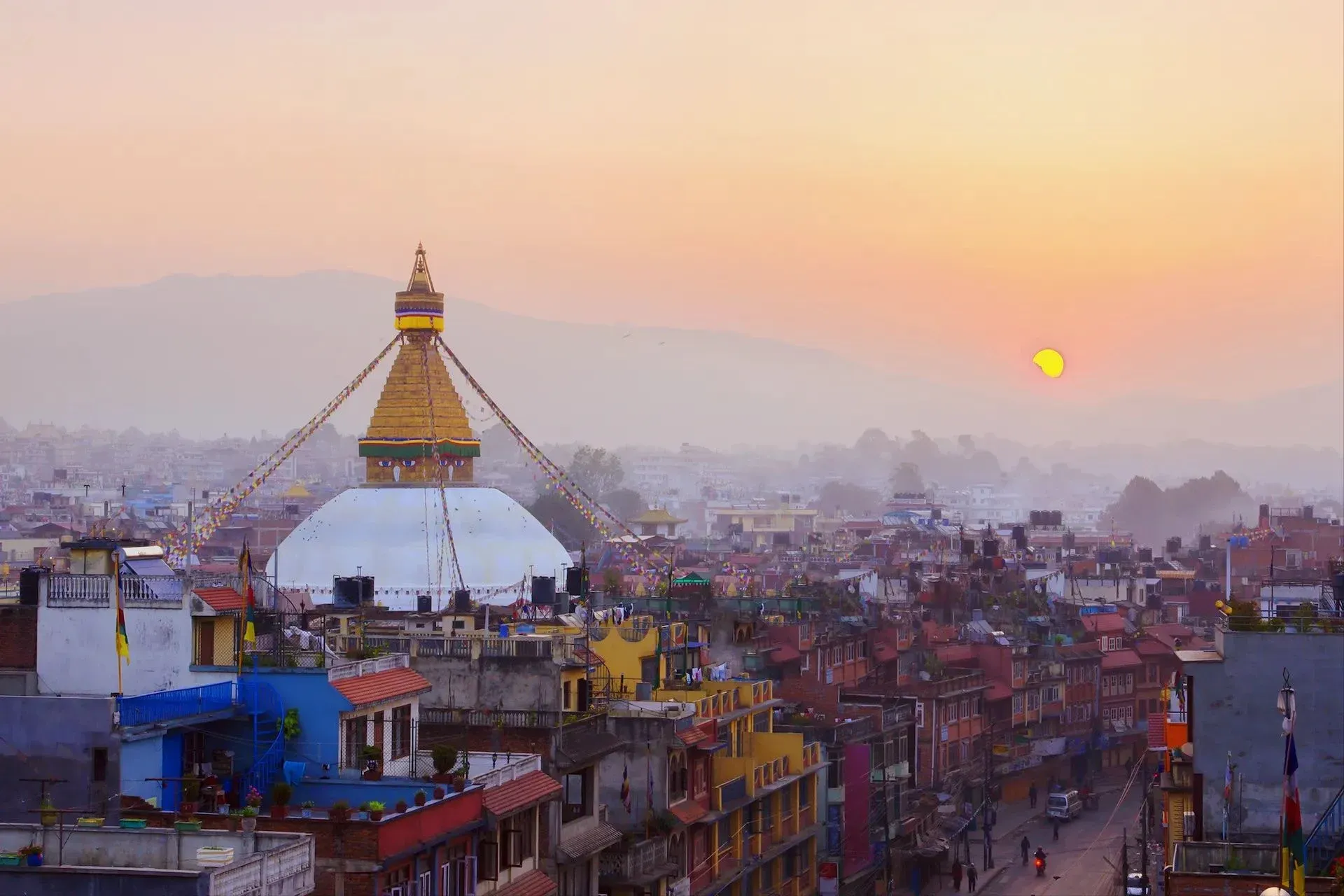
Kathmandu
~250 m 8 km TeahouseBreakfastLunchDinner
Flight duration: ~30 min | Trek: 3–4 hrs
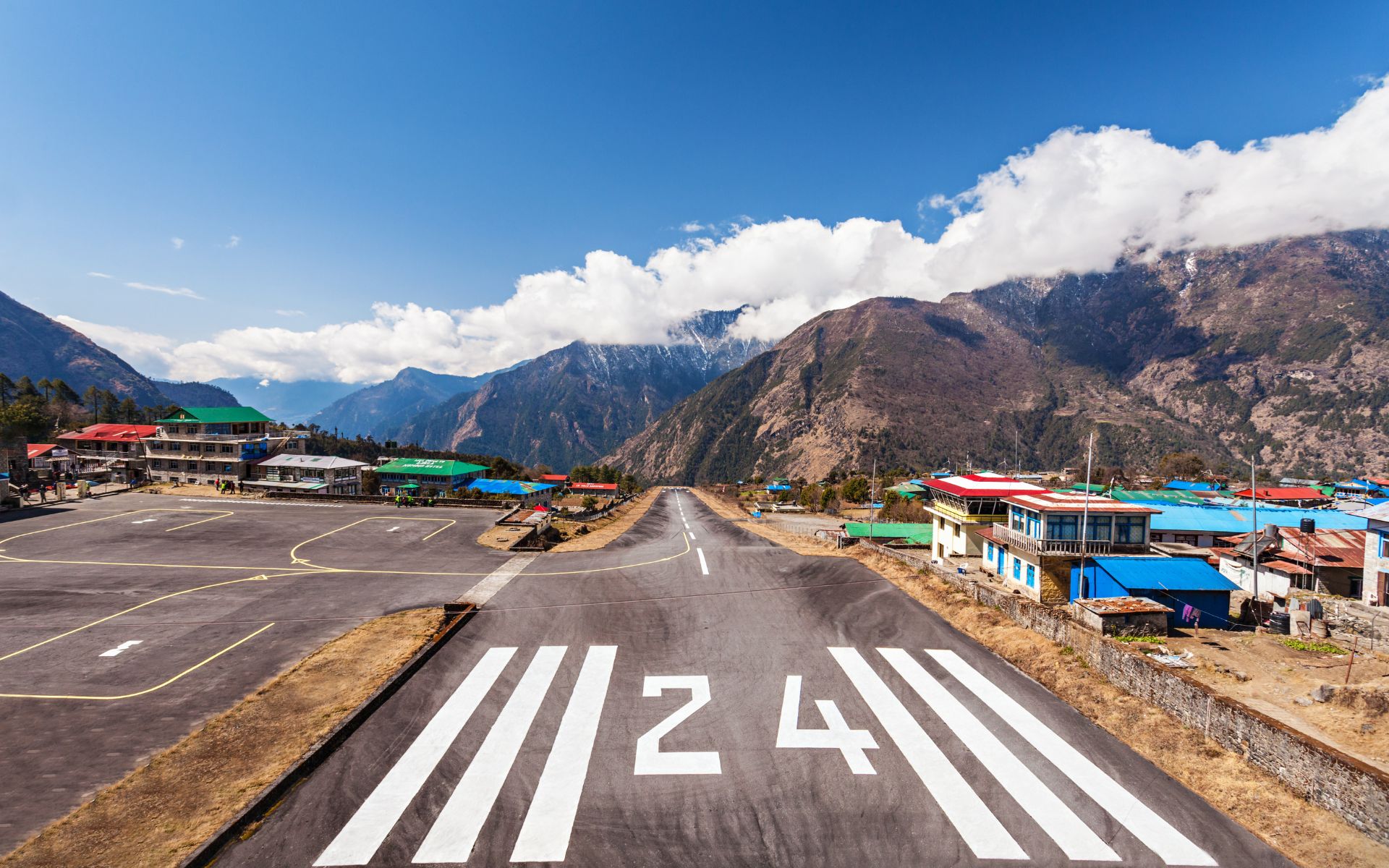
The early morning Lukla flight usually departs before 7:00 AM, touching down at Tenzing-Hillary Airport (2,845 m / 9,334 ft). Landing on one of the shortest, most sharply angled runways in commercial aviation is a genuine, adrenaline-spiking highlight in its own right.
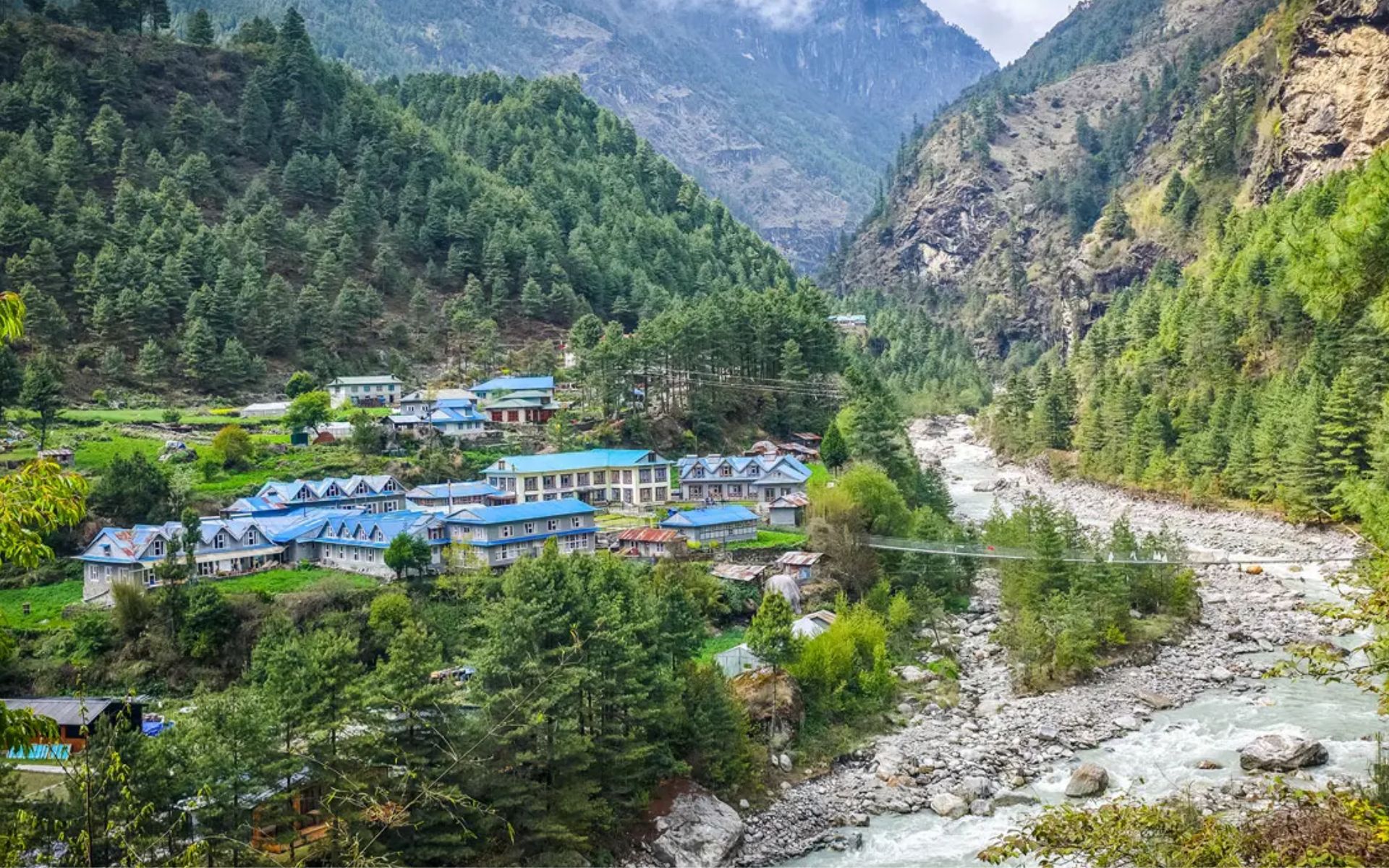
From Lukla, your foot journey officially begins. The trail drops gently through the hillside village of Chheplung (2,700 m / 8,858 ft) and traces the glacier-fed Dudh Koshi River down to Phakding (2,610 m / 8,563 ft). Along this stretch, you'll walk past beautifully carved stone mani walls and catch your first close look at traditional prayer wheels turned continuously by the river's current.
By losing roughly 250 meters of altitude from your initial landing point, this short 3-to-4-hour trek is a deliberate design choice. It gives your body a comfortable, low-stress head start to adapt to the mountain environment before the rigorous uphill climbing begins tomorrow.
~830 m 11 km 6–7 hrs TeahouseBreakfastLunchDinner
Today marks a noticeable change in the trek as you gain significant elevation while following the Dudh Koshi River toward Namche Bazaar. The trail passes through several small settlements and crosses suspension bridges before entering Sagarmatha National Park.
After leaving Phakding, you continue toward Monjo (2,835 m / 9,301 ft), the entrance point to Sagarmatha National Park. Your permits are checked at the park checkpoint before the trail continues through Jorsalle (2,740 m / 8,989 ft) and along the river toward Larja Dobhan.
You then cross the Hillary Suspension Bridge, followed by the steepest section of the day. The trail climbs through pine and rhododendron forests toward Namche, with the elevation increasing significantly over a relatively short distance. This section is best approached at a steady pace, with regular breaks and adequate hydration.
On clear days, you may get your first distant view of Mount Everest as the trail climbs toward Namche. After completing the final ascent, you arrive at Namche Bazaar (3,440 m / 11,286 ft), the main trading and trekking hub of the Khumbu region.
Because this is your first major altitude gain, feeling more tired than on the previous day is normal. Take the evening to rest, hydrate, and allow your body to begin adjusting to the higher elevation.
TeahouseBreakfastLunchDinner
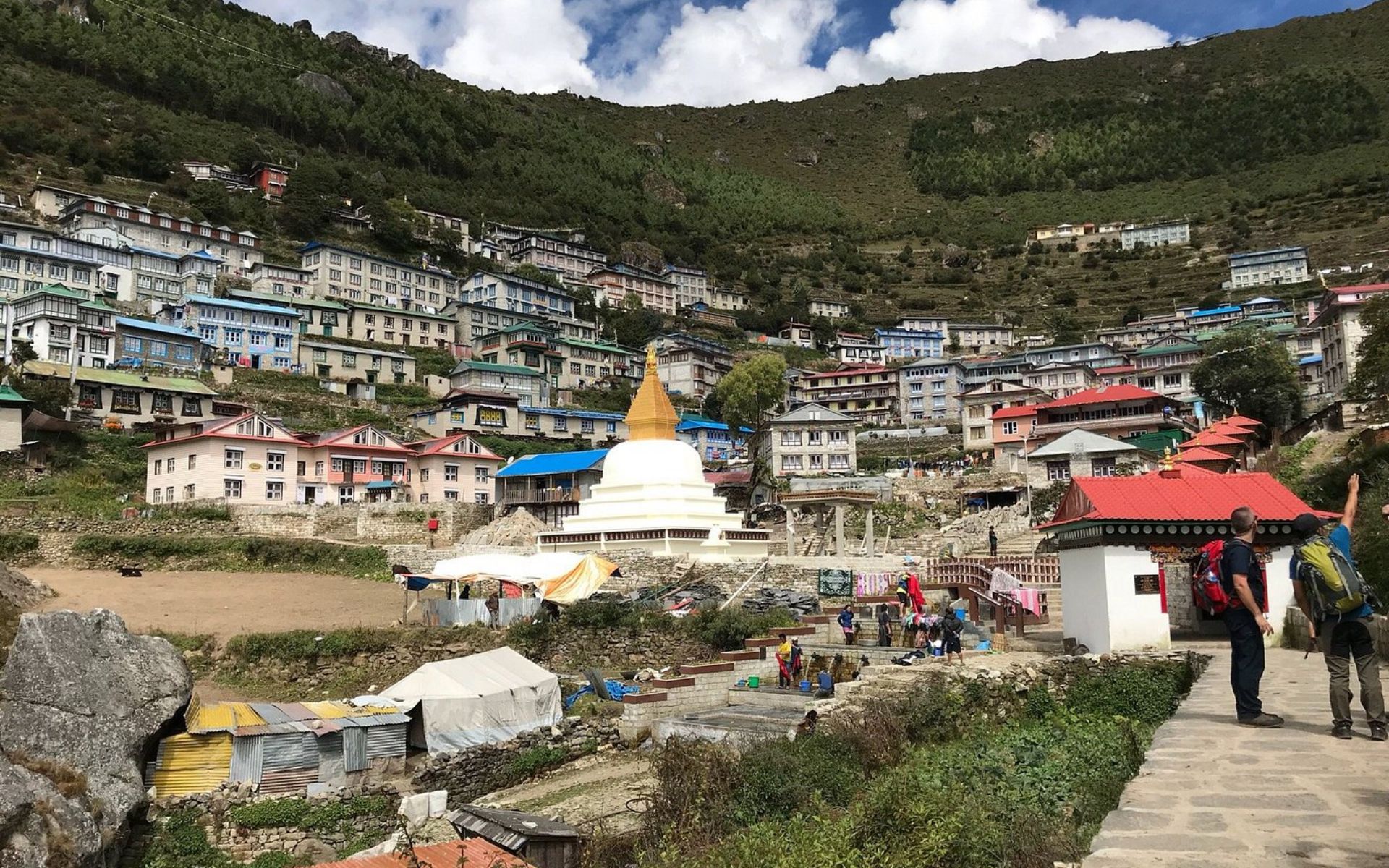
Spend a full day in Namche Bazaar (3,440 m / 11,286 ft) to give your body time to adjust to the increasing altitude before continuing deeper into the Everest region. Rather than remaining completely inactive, the day includes a short acclimatization hike to a higher elevation before returning to Namche to sleep.
After breakfast, hike toward the Hotel Everest View (3,880 m / 12,730 ft), one of the popular viewpoints above Namche. On a clear day, the trail offers impressive views of Mount Everest, Lhotse, Ama Dablam, and surrounding Himalayan peaks. Reaching a higher elevation during the day and returning to Namche for the night follows the commonly used acclimatization approach of “climb high, sleep low.”
The hike is intentionally paced to allow your body to adjust without adding unnecessary physical strain. Pay attention to how you feel, stay hydrated, and inform your guide if you experience symptoms such as persistent headache, dizziness, unusual fatigue, nausea, or difficulty breathing.
After returning to Namche, the afternoon is free for rest or exploration. You can visit the Sherpa Culture Museum, explore the local streets and bakeries, or simply relax at the lodge before the trek continues toward Tengboche the following day.
~420 m 10 km 5–6 hrs TeahouseBreakfastLunchDinner
Leave Namche Bazaar and follow the trail along a scenic ridge toward Tengboche (3,867 m / 12,687 ft). This section offers some of the most memorable mountain views of the trek, with Mount Everest, Lhotse, Nuptse, and Ama Dablam visible on clear days.
The trail initially follows a relatively gradual path before descending through forest toward Phunki Thanga (3,250 m / 10,663 ft) on the banks of the Dudh Koshi River. This is a good place to stop for lunch and rest before the main climb of the day.
After crossing the river, the trail becomes considerably steeper as it climbs through pine, fir, and rhododendron forests toward Tengboche. The ascent can feel demanding because you are gaining altitude again, so maintaining a steady pace and taking short breaks when needed is important.
After reaching Tengboche, visit Tengboche Monastery, one of the most significant Buddhist monasteries in the Khumbu region. Its setting, surrounded by Himalayan peaks and forested hills, makes it an important cultural and scenic highlight of the trek. Depending on the monastery's schedule and your arrival time, you may also have an opportunity to observe a prayer ceremony.
Spend the night in Tengboche and allow your body to adjust to the higher elevation before continuing toward the upper Khumbu region.
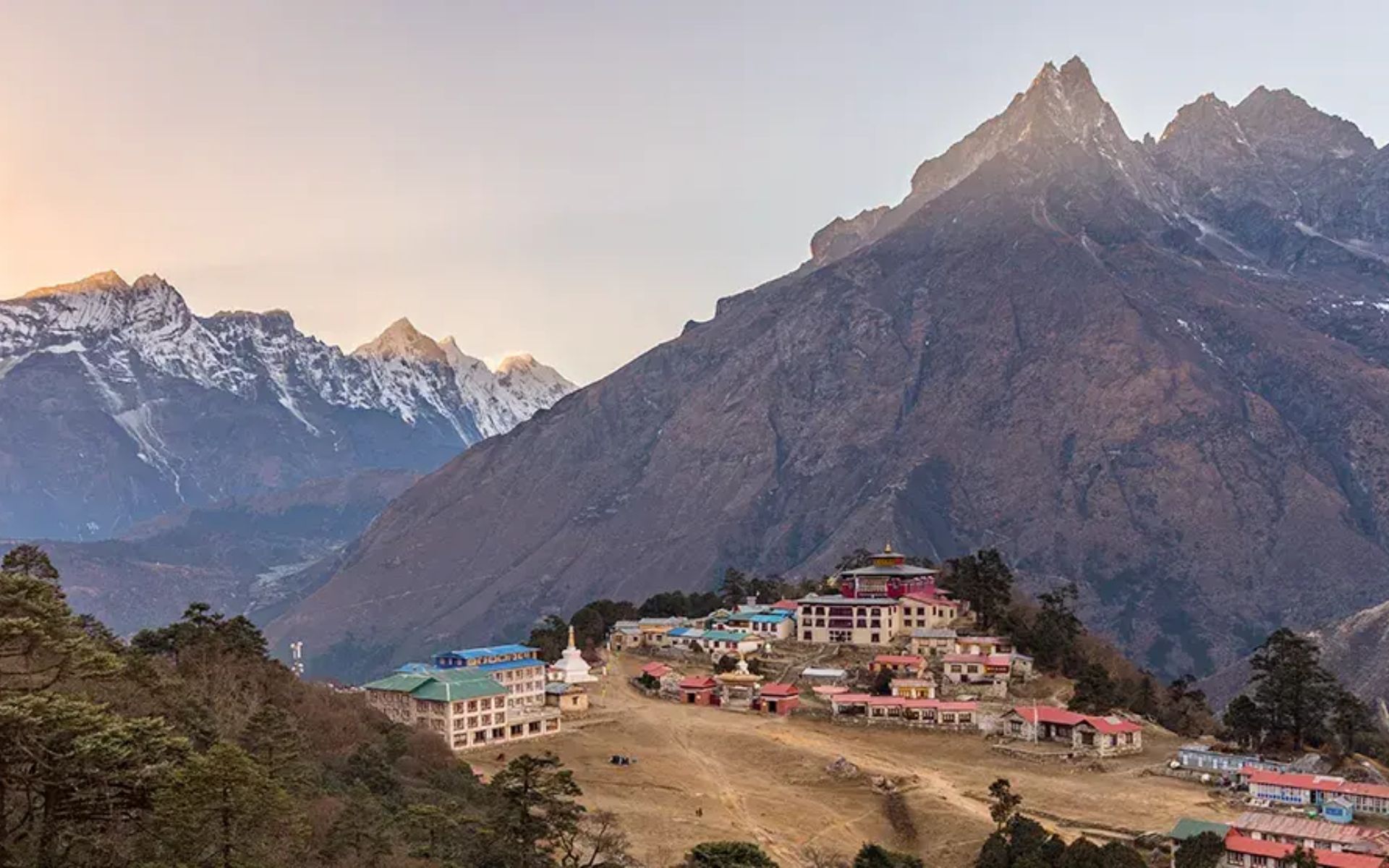
~550 m 11 km 5–6 hrs TeahouseBreakfastLunchDinner
The day begins with a gentle descent from the Tengboche ridge through the deep, moss-draped rhododendron and birch forests of Deboche. Keep an eye out for wildlife along this peaceful stretch, as Himalayan tahr and musk deer frequently graze near the trail.
The path soon reaches the bottom of the gorge, where you will cross a suspension bridge over the rushing waters of the Imja Khola (~3,750 m / 12,303 ft). From here, the trail steadily climbs up the valley wall to Pangboche (3,930 m / 12,893 ft). This historic village is one of the oldest permanent settlement in the entire Khumbu region and home to the revered Pangboche Monastery has long been associated with Everest expeditions and Sherpa mountaineering traditions.
As you push past Pangboche and hike toward the small settlement of Shomare (4,040 m / 13,254 ft), you will experience a dramatic environmental shift. The protective tree line disappears almost entirely, giving way to sparse alpine scrub, hardy bushes, and wind-scoured terrain. You have officially left the forest behind and stepped into the high-altitude alpine zone, where the massive, icy faces of Lhotse and Ama Dablam dominate an increasingly raw and beautiful horizon.
TeahouseBreakfastLunchDinner
Your second scheduled acclimatization day takes place in the high valley settlement of Dingboche (4,410 m / 14,468 ft). Because you are now well above the critical 4,000-meter threshold, this day is absolutely vital for ensuring a safe and successful push toward Base Camp over the coming days.
Just like in Namche, we maximize your recovery by putting the "climb high, sleep low" strategy into active practice. In the morning, we take on a challenging, steep acclimatization trek up Nangkartshang Hill.
While the thin air makes this a genuinely tough, slow-paced climb, crossing the 5,000-meter mark pays off immensely. From the rocky ridge line, you are rewarded with an extraordinary, sweeping view of the Imja Valley and the massive, icy block of Makalu (8,485 m / 27,838 ft)—the world's fifth-highest mountain—towering majestically to the east.
After spending some time at the top to let your body adjust to the higher altitude, we head back down to the warmer, oxygen-rich environment of Dingboche for a well-deserved afternoon of rest, hydration, and a hearty dinner.
~530 m 9 km 5–6 hrs TeahouseBreakfastLunchDinner
The journey resumes as you ascend a gentle slope out of the Dingboche valley, crossing a wide glacial terrace to reach the tiny collection of tea houses at Thukla (4,620 m / 15,157 ft). This is a perfect place to pause and mentally prepare for the steep, grueling hour-long climb directly ahead up the terminal moraine of the Khumbu Glacier.
At the crest of this climb lies Thukla Pass (4,830 m / 15,846 ft), widely considered one of the most poignant and memorable segments of the entire trek.
The ridge is lined with dozens of stone chortens (monuments) wrapped in weathered prayer flags, dedicated to the memory of climbers and Sherpas who lost their lives on Everest and neighboring peaks. Standing among the memorials of legendary mountaineers like Scott Fischer and Rob Hall, who perished during the infamous 1996 storm, presents a quiet, deeply sobering moment that underscores the raw, uncompromising power of the Himalayas.
Once you pass the memorials, the trail flattens out significantly. You will follow a rough, rock-strewn path tracking alongside the lateral moraine of the Khumbu Glacier before arriving at your high alpine outpost for the night: the stark, glacier-framed settlement of Lobuche.
~200 m net ~500 m 11.5 km 8–9 hrs TeahouseBreakfastLunchDinner
The trek pushes higher as you follow the rocky moraine of the Khumbu Glacier toward Gorak Shep (5,164 meters / 16,942 feet), the highest permanent lodge settlement on the route. You will reach this desolate, ice-rimmed outpost by late morning. Here, we stop briefly to drop our heavy duffel bags, grab a quick lunch, and fuel up for the monumental push to our ultimate goal.
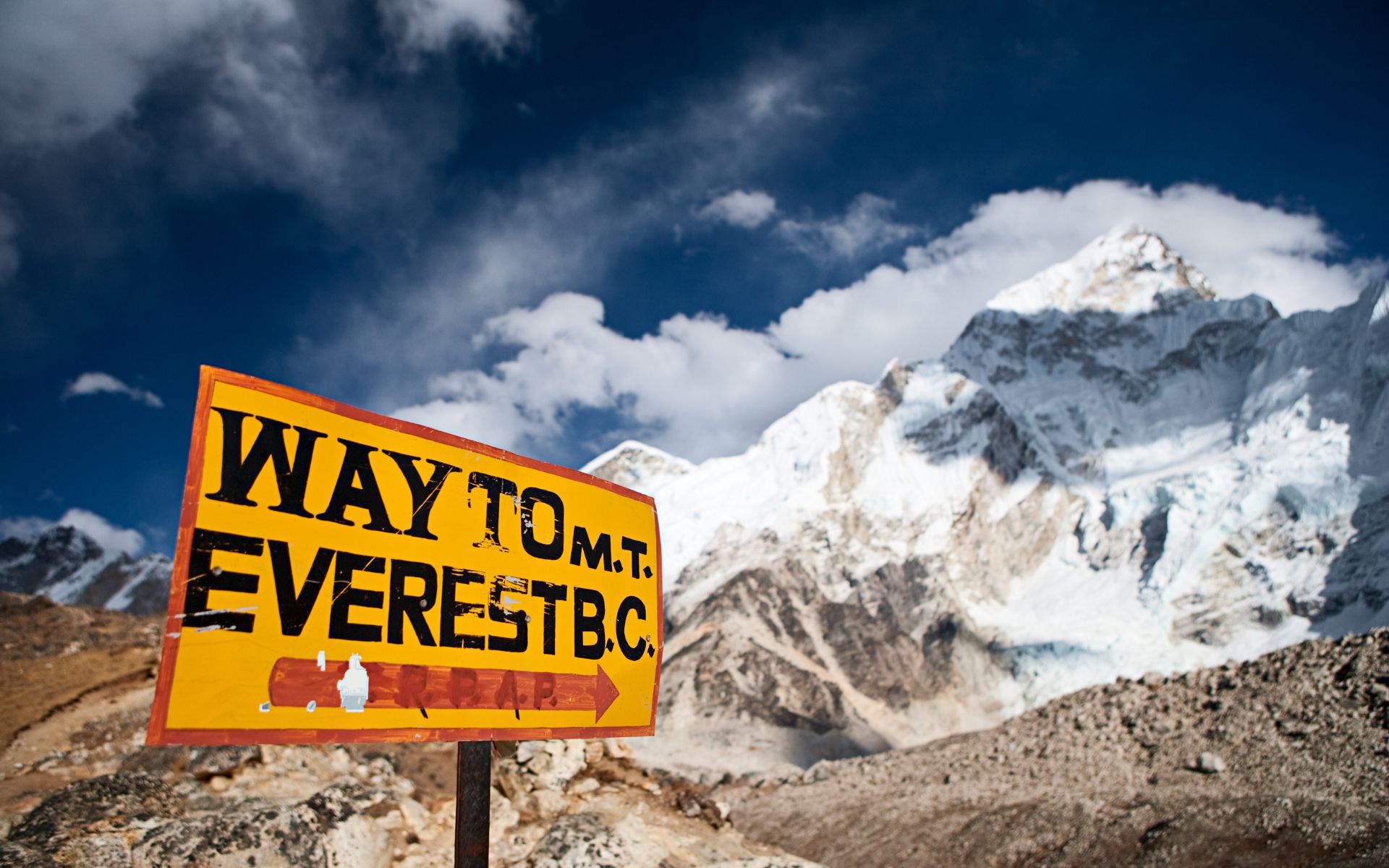
Leaving Gorak Shep, you begin the final 2.5-to-3-hour trek over the shifting rocks, gravel, and bare ice ridges of the active Khumbu Glacier toward Everest Base Camp (5,364 m / 17,598 ft).
As noted earlier, there is no view of the actual Everest summit from the ground here, the massive shoulder of Nuptse (7,861 m) entirely blocks it from this specific angle. However, standing directly at the base of the colossal, tumbling walls of the Khumbu Icefall is an intensely moving experience. If you trek during the spring climbing season, you will find yourself walking through a sprawling, vibrant city of colorful expedition tents filled with elite mountaineers preparing for the summit.
After spending time celebrating your arrival and taking photos at the iconic marker rock, you will retrace your steps for another 2.5 to 3 hours across the glacial moraine, returning to the relative shelter of Gorak Shep for a well-earned dinner and an early night.
~381 m ~1,170 m 16 km 7–8 hrs TeahouseBreakfastLunchDinner
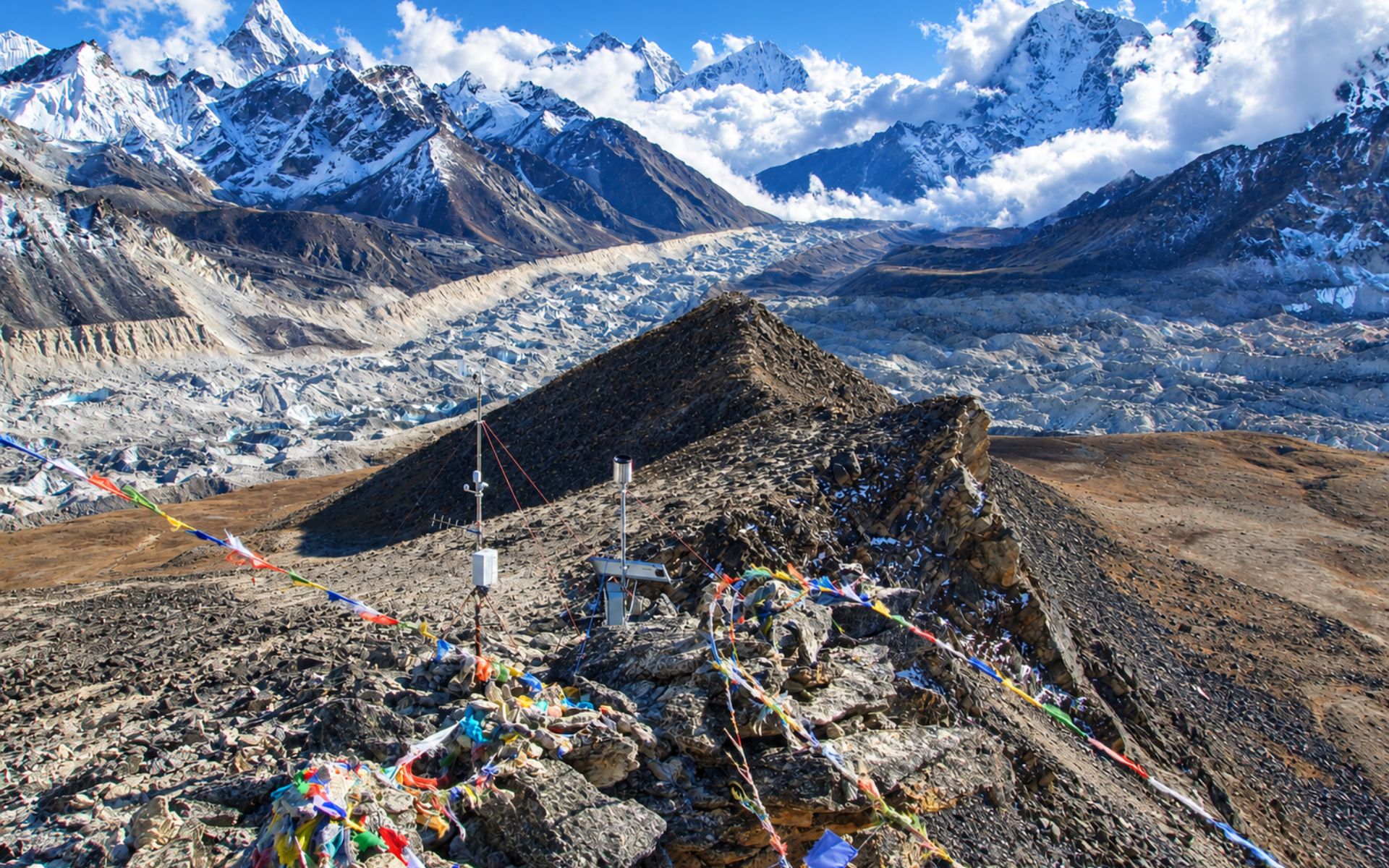
Today brings the ultimate mountain view of the entire journey. A pre-dawn start, usually around 4:30 AM in the freezing, biting air, begins the steep, demanding climb up to Kala Patthar (5,545 m / 18,192 ft). Kala Patthar is widely regarded as the best accessible viewpoint of Mount Everest during the trek. Watching the first golden rays of sunrise strike the apex of Everest, Lhotse, and Nuptse is a profoundly moving reward for your physical effort.
After capturing your landmark photos, you will descend back down the rocky slopes to the lodges at Gorak Shep (5,164 m / 16,942 ft) for a warm, heavy breakfast.
With bags packed, you'll begin the long journey home, retracing your steps back down the lateral moraine of the glacier. The trail winds past Lobuche (4,940 m / 16,207 ft) and shifts down the Thukla Pass before branching into the wide, wind-swept alpine meadows of Pheriche (4,371 m / 14,340 ft). By descending nearly 1,200 vertical meters from the morning's peak, your body is instantly flooded with thick, noticeably higher oxygen levels than Gorak Shep. This massive altitude relief brings immediate physical relaxation and almost always makes this the deepest, most restorative night of sleep of the entire trek.
~930 m 18 km 6–7 hrs TeahouseBreakfastLunchDinner
This is a classic, rewarding descent day as you retrace your steps back down the valley. Leaving the high alpine flats of Pheriche, the trail drops smoothly through the stone walls of Pangboche (3,930 m / 12,893 ft) and dips briefly through the forest at Deboche before climbing back onto the wide, spiritual saddle of Tengboche (3,867 m / 12,687 ft).
From Tengboche, you will plunge down a steep, dusty decline through rhododendron canopies until you reach the bridge over the Dudh Koshi River at Phunki Thanga (3,250 m / 10,663 ft). After a final, steady push back up the opposite valley wall, the trail smooths out into a spectacularly wide, cliff-hugging path.
With altitude no longer a limiting factor and oxygen levels steadily increasing with every hour of descent, your pace will pick up noticeably. Lungs feel clear, muscles move easily, and the sheer joy of walking through thick air makes this one of the most celebratory and genuinely enjoyable days of the entire expedition. The day concludes as you walk back into the amphitheater of Namche Bazaar (3,440 m / 11,286 ft), where hot showers, bakeries, and Wi-Fi await.
~595 m 19 km 6–7 hrs TeahouseBreakfastLunchDinner
The final trekking day brings your incredible Himalayan loop full circle. Leaving Namche Bazaar in the morning, you will retrace your steps back down the steep valley walls toward the riverside pathways.
You’ll cross the Hillary Suspension Bridge one last time and pass through the national park checkpoints at Jorsalle (2,740 m / 8,989 ft) and Monjo (2,835 m / 9,301 ft). From there, the trail winds smoothly along the glacier-fed waters of the Dudh Koshi River, guiding you back through the familiar lunch stop of Phakding (2,610 m / 8,563 ft). While this is a long day of hiking, covering roughly 19 kilometers, the terrain is safely in your favor, almost entirely trending downhill or flattening out.
The final hour of the trek presents a gentle, steady uphill incline that brings you directly through the stone pillars of the Pasang Lhamu Memorial Gate in Lukla (2,860 m / 9,383 ft). Walking back into town with the entire 130-kilometer route behind you brings an unforgettable, profound sense of closure. Tonight, you'll share a celebratory final dinner with your guiding team and porters, raising a toast to an incredible journey before your early morning flight back to Kathmandu tomorrow.
HotelBreakfastFarewell Dinner (D)
Flights out of Lukla are strictly weather-dependent, and mountain flight delays are common, particularly during the shoulder seasons. We deliberately build this buffer day into our itinerary to absorb that weather risk, ensuring a flight delay never threatens your international departure out of Kathmandu.
If our morning flight departs exactly as scheduled, you will land back in the capital by mid-morning, leaving the rest of the day entirely yours to enjoy. It’s a perfect afternoon for a long, hot luxury shower, hunting for cashmere and spices in the bustling alleys of Thamel, or sharing a final, celebratory farewell dinner with your guiding team to toast your successful return from Everest Base Camp.
Our Safety Policy: Because your international connection is a priority, Walk Through Nepal actively monitors real-time Khumbu weather tracking networks. In the rare event of prolonged flight cancellations, having this built-in buffer day gives us the critical window needed to arrange alternative logistics, such as helicopter back-ups, without disrupting your travel plans.
Breakfast
Your final day begins with a smooth, private transfer from your hotel to Tribhuvan International Airport in Kathmandu, timed perfectly to align with your international flight's check-in window.
Because every Walk Through Nepal expedition is built around a fully coordinated, seamless loop, our service doesn't have to end in the capital. If your travel plans include extending your journey onward to the beautiful lakeside city of Pokhara (822 m / 2,697 ft), our team will completely coordinate those internal logistics for you.
We seamlessly manage your domestic flight or private vehicle bookings and handle your terminal transfers right from Kathmandu. Whether you are boarding your long-haul flight back home or heading out to explore the gateway of the Annapurnas, we ensure your departure is entirely fluid and stress-free up to the very last moment.
Everest Base Camp Cost Breakdown
The cost of an Everest Base Camp Trek varies depending on the itinerary duration, accommodation standard, group size, guide services, and the level of support provided. A properly organized trek is not only about reaching Everest Base Camp; it is about having experienced guides, reliable logistics, safe acclimatization planning, and proper support throughout the journey.
Feature | 12-Day Express | 14-Day Classic (Recommended) | 16-Day Extended |
Price per Person | USD 2,599 | USD 2,799 | USD 3,199 |
Trip Duration | 12 Days | 14 Days | 16 Days |
Trail Days | 9 | 11 | 12 |
Acclimatization Days | 1 | 2 | 2 |
Pace | Fast-paced | Balanced | Relaxed |
Kathmandu Stay | 2 Nights | 2 Nights | 3 Nights |
Buffer Day | No | Yes | Yes |
Cultural Experience | Basic | Moderate | Extended village & Kathmandu time |
Guide & Porter | Shared Guide + 1 Porter per 2 Trekkers | Shared Guide + 1 Porter per 2 Trekkers | Shared Guide + 1 Porter per 2 Trekkers |
Meals on Trek | B,L & D | B,L & D | B,L & D |
Domestic Flights | Included | Included | Included |
Permits | Included | Included | Included |
Airport Transfers | Included | Included | Included |
Best For | Limited vacation time | Most trekkers | Relaxed pace & cultural experience |
Note: Prices are fixed per person for the listed duration and group departure. No minimum group size is required, solo trekkers are welcome. Contact our team for custom dates or group arrangements.
Why Is Our Everest Base Camp Trek Pricing Different?
We focus on transparent pricing rather than artificially low costs. Proper guide wages, porter welfare, permits, accommodation, and safety support are essential parts of a responsible Everest Base Camp experience.
What's Included
Private vehicle pickup and drop-off at Tribhuvan International Airport for both your international arrival/departure and domestic flight connections
Kathmandu–Manthali–Kathmandu private jeep transportation (when flights operate from Manthali instead of Kathmandu)
Round-trip Kathmandu–Lukla flights (or Kathmandu–Manthali–Lukla during peak season), including all airport departure taxes
Sagarmatha National Park entry permit
Khumbu Pasang Lhamu Rural Municipality entry permit
A government-licensed, first-aid trained, English-speaking trekking guide (an additional guide is assigned for groups larger than 7)
Strong, experienced porters to carry your luggage (1 porter shared between every 2 trekkers)
Full wages, insurance, meals, accommodation, and gear for all guides and porters, so you don't need to worry about tipping for basic welfare
Twin-sharing 3-star hotel accommodation in Kathmandu with breakfast included (private rooms available on request for an extra cost)
Twin-sharing teahouse accommodation for every night spent on the trekking trail, with attached bathrooms available in Lukla, Phakding, and Namche Bazaar
Three full meals a day (breakfast, lunch, and dinner) throughout the trek, chosen from local teahouse menus
Complimentary 1-hour post-trek massage in Kathmandu, designed to help you relax and recover after your trek
Kathmandu sightseeing tours and any related entrance fees or transport
Safe drinking water on the trail via filter or purification tablets
A farewell dinner in Kathmandu on your final night in Nepal
A comprehensive group first-aid kit
Daily pulse oximeter checks to monitor your oxygen saturation and heart rate at altitude
All government taxes, local tourism fees, and office service charges
What's Excluded
Nepal entry visa fee, payable in cash on arrival at Tribhuvan International Airport (USD 30 for 15 days, USD 50 for 30 days, USD 125 for 90 days)
International airfare to and from Nepal, including airport departure taxes
Comprehensive travel insurance covering medical emergencies, high-altitude trekking up to 6,000m, and emergency helicopter evacuation (mandatory, please arrange before departure)
Personal equipment such as down jackets, sleeping bags, hiking boots, and trekking poles (good-quality rentals are easily available in Kathmandu)
Lunch and dinner in Kathmandu (breakfast at the hotel is included; a farewell dinner on your final night is also included - see Cost Includes)
Hot showers, Wi-Fi access, and device charging fees on the trail (these are charged locally by teahouses and increase with altitude)
All beverages, including alcoholic drinks, sodas, and bottled or boiled water
Tips for your guide and porter team (customary, though not mandatory - a common guideline is around 10% of the trip cost for the guide and 5% for the porter)
Any personal expenses not explicitly listed in the Cost Includes section
Everest Base Camp Trek Route Map
The legendary Everest Base Camp (EBC) trek is a classic fly-in, fly-out corridor through the Khumbu Valley. The single, well-marked path begins with a thrilling mountain flight into Lukla, traces the Dudh Koshi River, and climbs steeply to Namche Bazaar.
The route demands built-in acclimatization days as you move through Sherpa hubs and glacial terrain, culminating in the ultimate push to Everest Base Camp and a pre-dawn climb up Kala Patthar (5,545 m) for panoramic views of Mount Everest.
EBC Trek Distance, Duration & Altitude Chart
The Everest Base Camp trek covers approximately 130 km (80 miles) round trip from Lukla, about 65 km (40 miles) one way. The table below breaks down the Everest Base Camp trek stop by stop, elevation, distance covered, and walking time for each stage.
Note: Thin air above 3,500 m makes distances feel much longer than at sea level. Elevation gain is intentionally limited to 400–800 meters per day to ensure safe acclimatization.
Stop | Elevation | Distance | Walking Time |
Lukla → Phakding | 2,845 m → 2,610 m | 8 km | 3–4 hrs |
Phakding → Namche Bazaar | 2,610 m → 3,440 m | 10–12 km | 5–7 hrs |
Namche Bazaar (acclimatization) | 3,440 m (hike to 3,880 m) | 3–4 km | 3–4 hrs |
Namche Bazaar → Tengboche | 3,440 m → 3,867 m | 10–11 km | 5–6 hrs |
Tengboche → Dingboche | 3,867 m → 4,410 m | 11–12 km | 5–6 hrs |
Dingboche (acclimatization) | 4,410 m (hike to 5,083 m) | 5–6 km | 3–4 hrs |
Dingboche → Lobuche | 4,410 m → 4,940 m | 12 km | 5–7 hrs |
Lobuche → Gorak Shep → EBC → Gorak Shep | 4,940 m → 5,164 m → 5,364 m | 13–15 km | 7–8 hrs |
Gorak Shep → Kala Patthar → Pheriche | 5,164 m → 5,545 m → 4,371 m | 13–14 km | 7–8 hrs |
Pheriche → Namche Bazaar | 4,371 m → 3,440 m | 14–15 km | 7 hrs |
Namche Bazaar → Lukla | 3,440 m → 2,845 m | 18–19 km | 7–9 hrs |
Major Stops Along the Trail
Lukla – Gateway to the Khumbu, reached by a short mountain flight into Tenzing-Hillary Airport at 2,845 m.
Namche Bazaar – The Sherpa capital and main acclimatization hub at 3,440 m, with the region's best infrastructure and mountain views.
Tengboche – Home to the Khumbu's most significant monastery, set against a backdrop of Ama Dablam.
Dingboche – A second key acclimatization stop at 4,410 m, marking the transition into high alpine terrain.
Lobuche – A small, high-altitude settlement at the edge of the Khumbu Glacier, the last stop before Gorak Shep.
Gorak Shep – The final overnight village at 5,164 m, launch point for both Everest Base Camp and Kala Patthar.
Classic Route vs Alternative Routes
The classic route described above is the standard fly-in, fly-out itinerary most trekkers choose, direct, well-supported by teahouses, and completable in 12–14 days.
Two common alternatives extend or vary this path:
Gokyo Lakes Extension (15–18 Days): Diverges to target the pristine, turquoise Gokyo Lakes and Gokyo Ri summit before crossing the challenging Cho La Pass to rejoin the main EBC trail.
Three Passes Circuit (18–21 Days): The ultimate high-altitude challenge looping through Kongma La, Cho La, and Renjo La passes alongside Base Camp.
Jiri / Salleri Overland Approach: Skips the Lukla flight entirely, adding 4 to 5 days of strenuous, low-altitude trekking through local villages (200+ km total).
Altitude Profile
Packing List
Packing properly for the Everest Base Camp Trek is essential for both comfort and safety. Temperatures, weather, and trail conditions change significantly as you gain altitude, so bringing the right clothing and equipment will help you stay warm, dry, and prepared throughout the journey.
Pack light but wisely. Your main duffel bag will be carried by a porter, while you'll carry a daypack with daily essentials. Choose lightweight, quick-drying clothing and dress in layers so you can easily adjust to changing temperatures.
Clothing Checklist
A proper layering system is the best way to stay comfortable in the Himalayas.
Base Layers (2–3 sets): Merino wool or synthetic thermal tops and bottoms.
Mid Layer (1–2): Breathable fleece or softshell jacket.
Down Jacket (1): Hooded down jacket rated to at least -10°C.
Outer Shell (1): Waterproof and windproof jacket (Gore-Tex or similar).
Trekking Pants (2 pairs): Lightweight, quick-drying hiking pants.
Headwear: Sun hat and warm thermal beanie.
Gloves: Lightweight inner gloves and insulated waterproof outer gloves.
Footwear
Comfortable footwear is one of the most important parts of your packing list.
Waterproof, high-cut trekking boots with ankle support (well broken-in before the trek)
Lightweight camp shoes or sandals for evenings
4–5 pairs of cushioned merino wool hiking socks
Backpack & Luggage
Bring a 30–35L daypack for water, extra layers, snacks, camera, and rain gear. Your remaining gear can be packed in a duffel bag carried by your porter during the trek.
Sleeping Gear
A 4-season down sleeping bag rated to -15°C or lower is recommended, especially during spring, autumn, and winter treks for added warmth in teahouses.
Electronics
Headlamp with spare batteries
Power bank (20,000mAh or larger)
Phone and charging cable
Camera and spare batteries (optional)
Universal travel adapter
Documents
Carry the following documents in a waterproof pouch:
Passport (valid for at least six months)
Nepal visa
Travel insurance covering high-altitude trekking
Flight tickets and itinerary
Passport-sized photos
Emergency contact information
Personal Items
Don't forget everyday essentials, including:
SPF 50+ sunscreen
Lip balm with UV protection
Sunglasses with UV protection
Reusable water bottles or hydration bladder
Water purification tablets or filter
Toiletries and quick-dry towel
Wet wipes and hand sanitizer
Medical Items
Carry a small personal first-aid kit with:
Blister treatment (Compeed or moleskin)
Ibuprofen or paracetamol
Rehydration salts
Personal medications
Diamox (only if prescribed by your doctor)
Bandages and antiseptic wipes
What Can You Rent in Kathmandu?
If you don't want to purchase expensive trekking equipment for a single trip, Kathmandu has many reputable rental shops. You can easily rent:
Down jackets
Sleeping bags (-15°C or lower)
Trekking poles
Gaiters and crampons (seasonal)
Rental prices typically range from USD 1–3 per item per day, making this a cost-effective option for many trekkers.
Seasonal Packing Advice
Your packing list should reflect the season of your trek.
Spring (March–May): Layered clothing for warm days and freezing nights.
Autumn (September–November): Similar to spring with crisp mornings and evenings.
Winter (December–February): Extra thermal layers, heavier gloves, and warmer sleeping gear are essential.
Monsoon (June–August): Waterproof clothing, rain covers, and quick-drying gear become especially important.
Useful Info
Visa on arrival: You can obtain your Nepal tourist visa at Tribhuvan International Airport (TIA). Complete the online form before arrival or at the airport kiosk, pay the visa fee, and proceed to immigration with your passport. Carrying some cash is recommended as a backup.
Travel insurance is mandatory, not optional. Make sure your policy specifically covers high-altitude trekking up to 6,000m and helicopter evacuation, as standard travel insurance often excludes this.
Tipping is customary in Nepal's trekking industry, though never mandatory. As a general guideline, trekkers often set aside around 10% of their trip cost for the guide and 5% for the porter, shared among the team at the end of the trek.
Gear rental is easy in Kathmandu: If you don't want to fly with bulky gear, most trekking shops in Thamel offer good-quality rental down jackets, sleeping bags, and trekking poles at affordable daily rates.
Costs rise with altitude: Wi-Fi, charging, hot showers, and bottled water get more expensive the higher you trek, since everything is carried up by porters or mules.
Carry enough cash for personal expenses: Bring sufficient Nepalese Rupees for personal expenses like drinks, Wi-Fi, charging, hot showers, laundry, souvenirs, and tips, as ATMs and card payments are limited beyond Namche Bazaar.
Lukla Flights operate from Kathmandu during off-season and from Manthali (Ramechhap) during most peak trekking months, depending on CAAN flight schedules.
The Everest Base Camp Trek is generally rated as challenging but not technical. No climbing or mountaineering experience is required, as the route follows well-established trekking trails. However, the combination of high altitude, long walking days, rugged terrain, and changing weather makes it more demanding than a typical multi-day hike.
How Difficult Is the Everest Base Camp Trek?
Most trekkers complete the journey successfully with good preparation. The biggest challenge is adjusting to the high altitude rather than the distance itself. With proper acclimatization, a steady pace, and experienced guides, the trek is achievable for many first-time Himalayan trekkers.
Main Challenges of the Everest Base Camp Trek
Altitude: The trail reaches 5,364 m (17,598 ft) at Everest Base Camp and 5,545 m (18,192 ft) at Kala Patthar. As altitude increases, oxygen levels decrease, making proper acclimatization essential.
Walking Hours: Expect to trek 5–8 hours per day over consecutive days. Some sections, particularly the climb to Namche Bazaar and the final approach to Gorak Shep and Everest Base Camp, are physically demanding.
Terrain: The route consists of rocky paths, uneven stone steps, suspension bridges, and gradual mountain trails. While no technical climbing is involved, good balance and endurance are important.
Weather: Weather in the Himalayas can change quickly, especially at higher elevations. Cold temperatures, strong winds, and occasional snowfall can make trekking more challenging.
Can Beginners Do the Everest Base Camp Trek?
Yes. Many first-time trekkers successfully complete the Everest Base Camp Trek each year. Good physical fitness, proper acclimatization, and following your guide's advice are more important than previous trekking experience.
Fitness Requirements
The trek is suitable for healthy adults with a reasonable level of cardiovascular fitness. You should be comfortable walking several hours a day on consecutive days while carrying a light daypack. If you have pre-existing heart, lung, or blood pressure conditions, consult your doctor before booking.
Training Plan
We recommend preparing for at least 8–10 weeks before your trek. Focus on:
Cardio exercises such as running, cycling, or stair climbing 3–4 times per week
Regular hiking with a light backpack
Leg and core strengthening exercises
Gradually increasing walking distance and elevation gain
Age Considerations
The Everest Base Camp Trek is generally suitable for healthy trekkers aged 12 to 70 years. Age is less important than overall fitness, endurance, and the ability to adapt to high altitude.
Tips From Our Guides
Walk slowly and maintain a steady pace.
Stay well hydrated throughout the trek.
Follow the acclimatization schedule without rushing.
Eat regular meals to maintain energy.
Listen to your guide if symptoms of altitude sickness develop.
Prepare physically before arriving in Nepal to make the trek more enjoyable.
The weather in the Khumbu region dictates everything from flight schedules to trail safety. While the trek is technically open year-round, the calendar is divided into two peak windows and two challenging off-seasons.
Quick Season Comparison Table
Trekking Season | Months | Daytime Temp (Lower Trails) | Nighttime Temp (Above 4,000m) | Trail Conditions & Visibility |
Spring (Peak) | March – May | 10°C to 20°C | -5°C to -10°C | Blooming rhododendrons, clear mornings, active climbing camps. |
Autumn (Peak) | September – November | 10°C to 15°C | -10°C to -15°C | Crispest skies, highly stable weather, dry trails. |
Winter (Off-Peak) | December – February | 5°C to 10°C | -20°C to -30°C | Freezing temperatures, high snow risk, empty trails. |
Monsoon (Off-Peak) | June – August | 15°C to 25°C | 0°C to 5°C | Heavy rain, muddy trails, frequent flight delays. |
Spring (March–May)
Daytime temperatures on the trail typically run 10–15°C at lower elevations, dropping well below freezing at night above Dingboche. This is peak season, rhododendrons bloom through the mid-elevation forests, skies are generally clear, and it overlaps with the Everest expedition season, so Base Camp itself is active with climbing teams. Trails and teahouses are busier; book well ahead.
Autumn (September–November)
Widely considered the most reliable season for mountain visibility, with stable weather following the monsoon. Daytime temps sit similar to spring, but skies tend to be even clearer. This is the other peak season, so expect crowds on popular days, particularly around Base Camp and Kala Patthar sunrise viewing.
Winter (December–February)
Cold - often well below -15°C at higher elevations at night, but with the clearest air of the year and far fewer trekkers. Some higher teahouses close or run limited services. Suited to trekkers who are well-prepared for genuine cold and want solitude on the trail over comfort.
Monsoon (June–August)
Not recommended for EBC. Heavy rain, leeches at lower elevations, frequent Lukla flight cancellations due to cloud cover, and poor mountain visibility. Landslide risk also increases on some sections.
Everest Base Camp Trek Month-By-Month Guide
Month | Conditions | Recommendation |
March | Cold mornings, improving weather | Good |
April | Stable weather, blooming forests | Excellent |
May | Warmer, expedition season | Excellent |
June-August | Rain/clouds possible | Less preferred |
September | Improving after monsoon | Good |
October | Best overall conditions | Excellent |
November | Clear skies, colder nights | Excellent |
December-February | Cold but quiet | Experienced trekkers |
Our Recommended Trekking Seasons
For the best Everest Base Camp experience, we recommend trekking during spring (March to May) or autumn (September to November). These seasons offer the most stable weather, clear mountain views, comfortable trekking conditions, and fully operational teahouses along the route.
If you prefer quieter trails and don't mind colder temperatures, winter (December to February) can also be rewarding with proper preparation. We generally do not recommend the monsoon season (June to August) due to heavy rainfall, poor visibility, muddy trails, and frequent Lukla flight delays.
| Requirement | Cost (Foreign Nationals) | Cost (SAARC Nationals) | Where to Obtain & Crucial Info |
| Sagarmatha National Park Entry Permit | NPR 3,000 | NPR 1,500 | Kathmandu (Nepal Tourism Board) or the Monjo entry gate. |
| Khumbu Pasang Lhamu Municipality Permit | NPR 3,000 | NPR 1,500 | Purchased on arrival in Lukla or at the Monjo checkpoint. Cannot be bought in Kathmandu. |
| TIMS Card | Not Required | Not Required | Completely replaced by the local municipality permit since 2018. |
Crucial Details to Keep in Mind
1. Sagarmatha National Park Entry Permit
This permit grants you access to the protected UNESCO World Heritage zone. It is checked multiple times along the trail. While you can buy it at the Monjo gate, buying it beforehand at the Nepal Tourism Board office in Kathmandu can save you from waiting in long queues during peak trekking seasons.
2. Khumbu Pasang Lhamu Rural Municipality Permit
This fee goes directly to local infrastructure and trail maintenance in the Khumbu region. While older guides and websites frequently quote NPR 2,000, local government revisions implemented after September 2024 have bumped this to NPR 3,000 for independent or un-packaged sectors. Always carry extra cash in Nepalese Rupees to cover potential local fee adjustments.
3. The Guide Policy & The Khumbu Exception
While the Nepal Tourism Board introduced a nationwide mandatory guide policy in 2023, the local authority governing the Everest region (Khumbu Pasang Lhamu Rural Municipality) chose not to enforce it. As a result, independent solo trekking without a professional guide is still fully permitted within Sagarmatha National Park.
Checkpoints along the route do not turn away solo travelers; instead, they focus on verifying your autonomous entry permits, specifically the local municipality permit and the national park pass. While a licensed guide isn't a legal prerequisite here, hiring one is still strongly recommended for high-altitude logistics and safety.
Route-Specific Expertise: Our lead guides specialize exclusively in the Khumbu region and EBC route. They know the exact pacing, acclimatization points, and early signs of altitude sickness to keep you safe.
Direct, One-on-One Support: Skip the call centers and department hand-offs. The expert who builds your itinerary is your single, direct point of contact before and during your trek.
Small Groups by Design: We strictly cap group sizes (upto 14 people) so guides can monitor and tailor the acclimatization pace to individual needs, rather than forcing a massive group to conform to one speed.
Transparent, All-Inclusive Pricing: What you are quoted is exactly what you pay. There are zero hidden fees, and all permits, park entry fees, and guide costs are covered from the start.
Seamless End-to-End Logistics: We manage your entire journey, from Kathmandu arrivals and Lukla flights to the trek itself, as one cohesive itinerary, without ever outsourcing to third-party operators.
Fully Licensed & Accredited: Travel with peace of mind. We are an officially registered operator authorized by the Ministry of Tourism, the Nepal Tourism Board (NTB), and TAAN.
Advanced Medical Safety: Guides carry satellite comms and comprehensive medical kits, conducting mandatory daily oximeter checks. Every lead guide is Wilderness First Aid (WFA) certified.
Ethical Porter Welfare: We treat our mountain teams with respect by enforcing strict weight limits and providing fair wages, proper alpine gear, and full medical insurance.
Nepal Tourist Visa on Arrival
Most trekkers can obtain a Nepal tourist visa on arrival at Tribhuvan International Airport (TIA) in Kathmandu, so you do not necessarily need to arrange a visa through a Nepalese embassy before travelling. TIA provides a Visa on Arrival facility for eligible travellers.
For a typical Everest Base Camp trek of around 12–14 days, a 30-day tourist visa is generally the most practical option. It gives you additional time for your arrival, departure, and possible travel or flight delays.
Current tourist visa fees:
15 days: USD 30
30 days: USD 50
90 days: USD 125
How the Visa on Arrival Process Works
To save time at the airport, complete the Online Tourist Visa form through Nepal's official immigration portal before you travel. The submission receipt includes a barcode and is valid for 15 days. You can also complete the form using the kiosks at TIA after arrival if necessary.
After completing the form:
Fill out your arrival card and online tourist visa form.
Save or print your submission receipt with the barcode.
Pay the visa fee using an accepted payment method. Payment can be made at the airport bank counter, and online card payment is also available through the official immigration system.
Take your application/receipt, payment confirmation and passport to the immigration desk.
The immigration officer will process and issue your tourist visa.
Your passport should have at least six months of validity remaining when you travel.
Tip: Although cash is not the only payment option, carrying some USD as a backup is sensible when travelling through the airport. Always use Nepal's official immigration portals for visa applications and payments.
Every Everest Base Camp itinerary on this page, the 12-day, 14-day, and 16-day options is offered as our Classic package, a comfortable, well-supported way to trek with fixed group departures, twin-share teahouse stays, and all core permits, meals, and transfers included.
If you're looking for more privacy, comfort, and flexibility along the way, think private vehicles, dedicated guides, upgraded lodges, and flexible departure dates, we also offer a dedicated Luxury EBC Trek package, available as a separate booking option with its own detailed itinerary and pricing.
[View Luxury EBC Trek Package →]
By default, this page displays the 14-day Classic package. You can switch between the 12-day, 14-day, and 16-day itineraries using the tabs above.
Altitude is one of the most important factors to understand before starting the Everest Base Camp Trek. The challenge is not technical climbing but allowing your body enough time to adjust to lower oxygen levels as you gradually gain elevation.
Understanding Everest Region Elevation
As you trek deeper into the Khumbu region, the elevation increases steadily, making acclimatization essential. The highest overnight stay is at Gorak Shep (5,164 m), while the trek reaches Everest Base Camp (5,364 m) and the highest viewpoint, Kala Patthar (5,545 m).
Location | Elevation |
Lukla | 2,860 m |
Namche Bazaar | 3,440 m |
Tengboche | 3,867 m |
Dingboche | 4,410 m |
Lobuche | 4,940 m |
Gorak Shep | 5,164 m |
Everest Base Camp | 5,364 m |
Kala Patthar | 5,545 m |
Why Acclimatization Matters
As altitude increases, oxygen levels decrease, making it harder for your body to function normally. Proper acclimatization allows your body to adapt gradually, reducing the risk of Acute Mountain Sickness (AMS) and improving both safety and trekking performance.
Namche & Dingboche Acclimatization Days
Our itineraries include dedicated acclimatization days in Namche Bazaar and Dingboche, following the proven "climb high, sleep low" principle. During these rest days, you'll hike to a higher elevation before returning to sleep at a lower altitude, helping your body adapt naturally before continuing higher into the Everest region.
Altitude Sickness: Symptoms & Awareness
Mild symptoms of Acute Mountain Sickness (AMS) can include headache, nausea, fatigue, dizziness, loss of appetite, and disturbed sleep. While these are relatively common at high altitude, symptoms such as confusion, loss of coordination, severe headache that does not improve, or shortness of breath while resting may indicate High Altitude Pulmonary Edema (HAPE) or High Altitude Cerebral Edema (HACE). These are serious medical emergencies that require immediate descent and professional medical attention.
How Our Guides Support Your Safety
Your safety is our highest priority. Our experienced local guides continuously monitor your condition throughout the trek, checking for early signs of altitude sickness and adjusting the pace when necessary. If a trekker's health begins to deteriorate, our lead guide has the authority to stop the ascent and begin a safe descent immediately.
Emergency Procedures & Insurance
In severe cases, we immediately coordinate emergency helicopter evacuation through our Kathmandu operations team in partnership with your travel insurance provider. If weather conditions temporarily prevent helicopter flights, our guides stabilize the patient and arrange evacuation by stretcher or horse to the nearest lower medical facility until air rescue becomes possible. For this reason, comprehensive travel insurance covering high-altitude trekking and helicopter evacuation is mandatory for all trekkers.
Tips for Better Acclimatization
Walk slowly and maintain a steady pace.
Stay well hydrated throughout the trek.
Eat regular, nutritious meals.
Avoid alcohol and smoking at high altitude.
Follow the planned acclimatization schedule.
Report any symptoms to your guide immediately.
Never ignore signs of altitude sickness or continue ascending if symptoms worsen.
Before your Everest Base Camp Trek, consult a travel health clinic 4–6 weeks before departure. While no vaccines are required for Nepal, Hepatitis A, Typhoid, Tetanus, and Hepatitis B are commonly recommended.
If you have any pre-existing medical conditions, get your doctor's approval before trekking. Many trekkers also discuss Diamox (Acetazolamide) with their doctor to help with acclimatization.
Pack your regular medications, a basic first-aid kit, blister treatment, pain relievers, and oral rehydration salts, as medical supplies are limited in the Everest region.
Finally, ensure you have travel insurance covering high-altitude trekking (up to 6,000 m) and emergency helicopter evacuation before your trip.
Planning your classic trek to the world's highest base camp involves navigating distinct lodging styles, from city comfort to rustic mountain lodges. Here is exactly what to expect from your stay in Kathmandu and the teahouses along the Khumbu trail.
1. Kathmandu Hotels: Pre and Post-Trek Lodging
Your Himalayan adventure begins and ends in Nepal’s vibrant capital city. Hotel tiers vary depending on your choice of trekking package:
Standard Trekking Packages: Typically include a clean, comfortable 3-star hotel located in or near Thamel, the main tourist hub packed with gear shops and restaurants.
Luxury Trekking Upgrades: Feature premium 4-star to 5-star hotels for maximum relaxation and high-end amenities before and after your trek.
2. Teahouses on the EBC Trail: What to Expect
Teahouses are simple, family-run mountain lodges that offer authentic Sherpa hospitality and essential shelter without requiring heavy camping gear.
The Rooms: Expect basic, unheated twin-share rooms featuring two single beds with thin mattresses. Because the walls are typically made of thin plywood, sound travels easily between rooms.
The Bathroom Facilities: Shared bathrooms are standard. Western-style sit-down flush toilets are common in lower hubs like Namche Bazaar, but as you climb higher, traditional squat toilets become the norm.
Staying Warm: Guest rooms are completely unheated. You must pack a cold-weather sleeping bag (rated down to -15°C or -20°C) to stay warm at night, especially when sleeping indoors above Namche. The only heated space in the lodge is the communal dining room, which is warmed by a central stove burning wood or yak dung in the evening.
3. Extra Trail Costs: Wi-Fi, Device Charging & Hot Showers
While remote, the Everest region keeps you connected, but amenities come at a premium that scales up significantly with altitude due to solar power limits and supply logistics.
Amenity | Lower Trail (Lukla to Namche) | High Altitude (Lobuche to Gorak Shep) | Connectivity & Tech Details |
Hot Showers | USD 3 – USD 5 per use | USD 8 – USD 10 per use | Gas-geyser or gas-heated bucket showers. |
Device Charging | USD 1 – USD 3 per hour | USD 5 – USD 8 per full charge | Solar-powered charging stations in common areas. |
Wi-Fi Access | USD 2 – USD 5 per hour | USD 10 – USD 20 (Data packages) | Available via local NCell SIM data or prepaid Everest Link cards. |
Pro-Tip for Trekkers: Wi-Fi speeds slow down considerably at higher elevations due to weather interference and high user volume. For the best value, purchase a regional data package card (like Everest Link) rather than paying hourly rates at individual teahouses.
4. Money, ATMs & Currency on the Trail
Cash is essential for the Everest Base Camp Trek. While ATMs are available in Kathmandu, Lukla, and Namche Bazaar, they can be unreliable. There are no ATMs beyond Namche, so it's best to withdraw all the cash you need before leaving Kathmandu.
Most teahouses and shops accept cash only, and Nepali Rupees (NPR) are the preferred currency. Carry smaller notes, as change can be limited.
For personal expenses such as Wi-Fi, hot showers, charging, snacks, and drinks, budget around USD 25–40 (NPR 3,300–5,300) per day, plus a small emergency reserve. Keep your cash in a waterproof pouch and store it in separate places for added security.
When planning your daily meals, you will find that Everest Base Camp trek food menus are surprisingly consistent across the various teahouses on the trail. The ultimate fuel for hikers is Dal Bhat, a high-energy, easily digestible platter of lentil soup, rice, and vegetable curry that automatically comes with free refills. Other popular carbohydrate-heavy options include fried noodles, pasta, vegetable momos, and porridge.
However, the most critical rule for food safety at high altitude is to strictly avoid meat dishes once you climb past Namche Bazaar. Because local animal slaughter is forbidden in the sacred Khumbu Valley, all meat must be carried up the mountains by porters or yaks over multiple days without refrigeration, making vegetarian meals the safest choice by far.
Staying properly hydrated with three to four liters of fluids daily is your best defense against altitude sickness. To protect the fragile Himalayan ecosystem, single-use plastic bottles are restricted in the region, meaning you will need alternative clean water sources.
While you can always purchase boiled water from the teahouses, the price climbs steeply with the elevation. The most cost-effective and eco-friendly method for EBC trek water purification is to bring your own reusable, insulated bottle and treat local tap water yourself using a personal water filter or chlorine dioxide purification tablets.
Option | Duration | Best For |
EBC Trek + Helicopter Return | 9–10 days | Time-constrained trekkers who still want to walk in |
Classic EBC Trek | 12–16 days | Most trekkers - see our 12, 14, and 16-day itineraries above |
EBC + Gokyo Lakes | 16–18 days | Trekkers wanting to add the Gokyo Ri viewpoint and Cho La Pass |
EBC via Jiri (classic approach) | 18–20 days | Trekkers wanting the original Hillary route without flying into Lukla |
Everest Three Passes | 20–22 days | Experienced trekkers seeking the most demanding Khumbu circuit |
Note: Our own 16-day itinerary above (the Cultural Explorer route) is distinct from the "EBC + Gokyo Lakes" extension listed below, the Cultural Explorer adds village time and unhurried pacing along the classic route, while EBC + Gokyo Lakes adds an entirely separate high pass and alpine lake system.
The Khumbu is the sacred, ancestral homeland of the Tibetan Buddhist Sherpa people. Trekking responsibly means treating this fragile region as a living cultural landscape rather than an open-air tourist attraction.
1. Monasteries & Sacred Spaces
Active monasteries like Tengboche are the spiritual heart of the valley. When visiting these sacred sites, remember these key protocols:
Entry & Dress: Always remove your shoes and hat before entering a gompa (prayer hall). Ensure your shoulders and knees are fully covered on monastery grounds.
Photography: Taking photos in open courtyards is completely fine, but indoor photography is strictly prohibited during active prayer sessions. Never use a flash, and always ask a monk for permission before taking their portrait.
2. Trail Etiquette & Local Customs
Observing local traditions shows deep respect for the community.
The Clockwise Rule: Always pass mani walls (carved stone tablets), chortens (shrines), and prayer wheels on your right-hand side. Walking clockwise aligns your journey with Buddhist prayer traditions.
Human Connections: Always ask for explicit verbal consent before taking photos of local villagers, elders, or children, especially in remote settlements.
3. Sustainability & "Leave No Trace"
With thousands of annual visitors, protecting this fragile alpine ecosystem is crucial.
Eliminate Plastic: Single-use plastic water bottles are heavily restricted. Use a personal water filter or purification tablets to safely refill from teahouse taps.
Pack It Out: Carry all personal trash, especially toxic waste like dead batteries and non-recyclable wrappers, back to Kathmandu or your home country.
"Carry Me Back" Initiative: We proudly partner with the Sagarmatha Pollution Control Committee (SPCC). You can actively help by picking up a designated 1 kg pouch of shredded trail waste from Namche Bazaar and dropping it at the Lukla airstrip to be flown to Kathmandu for proper recycling.
Your safety is our highest priority throughout the Everest Base Camp Trek. From experienced local guides and proper acclimatization schedules to environmentally responsible trekking practices, we are committed to ensuring every journey is safe, enjoyable, and respectful of the Everest region.
Trek with Experienced Local Guides
Our licensed and experienced trekking guides are trained in high-altitude safety, route navigation, and emergency response. They monitor each trekker's health, adjust the pace when necessary, and provide support throughout the journey.
Your Safety on the Trail
Following the planned itinerary, staying hydrated, walking at a steady pace, and listening to your guide are the best ways to reduce trekking risks. We never compromise on acclimatization or encourage trekkers to ascend if it may affect their health.
Emergency Support & Rescue
In the event of a medical emergency, our guides coordinate immediate assistance and, if required, arrange helicopter evacuation through your travel insurance provider. Every trekker must have insurance that covers high-altitude trekking and emergency evacuation.
Responsible Trekking Practices
We encourage all trekkers to follow Leave No Trace principles by carrying reusable water bottles, minimizing plastic waste, respecting local customs, and disposing of rubbish responsibly. Protecting the fragile Himalayan environment helps preserve the Everest region for future generations.
Respecting Local Culture
The Khumbu region is home to the Sherpa community and centuries-old Buddhist traditions. Dress modestly, ask permission before photographing people or religious sites, walk clockwise around stupas and mani walls, and respect local customs throughout your trek.
Our Commitment to Sustainable Tourism
At Walk Through Nepal, we work with experienced local guides and porters, support local teahouses and communities, and promote responsible tourism that benefits both visitors and the people of the Everest region.
Ready to turn your Everest dream into reality? Trek with Walk Through Nepal for a safe, well-organized, and unforgettable Himalayan adventure. From airport pickup and experienced local guides to permits, accommodation, and on-ground support, we take care of every detail so you can focus on the journey.
Whether you're a first-time trekker or an experienced adventurer, our team is here to help you choose the itinerary that best fits your schedule and experience level.
Contact us today to reserve your Everest Base Camp Trek and start planning your adventure in the Himalayas.
Couldn't find what you're after?
Reach out to our travel experts.
$2,799/pp$3,199
Group booking discount
| No. of people | Price per person |
|---|---|
| 2-3 Pax | $2,51910% Off |
| 4-7 Pax | $2,37915% Off |
More than 7 people? Inquire us!
Need Help Planning?
Our travel experts are here to help you plan your perfect trip.
+977-9866266688
info@walkthroughnepal.com
Frequently Asked Questions
General
The classic route covers approximately 130 km (80 miles) round trip from Lukla and is typically completed in 12 to 14 days, including two dedicated acclimatization days.
Not at all. The Everest Base Camp trek is a non-technical trek, meaning it is purely a long, high-altitude walk on established, rocky dirt trails. There is no rock climbing, technical mountaineering, ice axe work, or rope clipping involved.
Yes, motivated beginners can absolutely complete this trek. The key is choosing a standard 12-to-14-day itinerary that includes built-in rest and acclimatization days. Beginners who struggle usually do so because they try to rush the itinerary or fail to train their legs for back-to-back days of incline walking.
There is no strict age limit for the Everest Base Camp Trek. The trek is generally suitable for healthy children aged 12+ and adults up to 70 years, provided they are physically fit. Overall health, fitness, and proper acclimatization are more important than age. If you have pre-existing medical conditions, we recommend consulting your doctor before booking.
The absolute best months are October and November (autumn peak) and April to May (spring peak). Autumn brings incredibly crisp, crystal-clear morning skies and highly stable weather. Spring offers slightly warmer temperatures and beautiful blooming rhododendrons, plus a bustling energy at Base Camp as international climbing expeditions prepare for their summit bids.
Season | Trail/Base Camp Conditions |
Spring & Autumn (Peak) | Sunny, clear mornings with daytime trail temps around 10°C to 15°C. Nights turn freezing quickly, dropping to -5°C to -10°C at higher sleeping stops. |
Winter (Dec–Feb) | Razor-sharp, perfectly clear morning views but brutally cold temperatures. Daytime is brisk, but night temperatures past Namche routinely plunge to -15°C or -20°C. |
Monsoon (Jun–Aug) | Heavy rain, high humidity, cloudy views, mud, and trail leeches. Flight cancellations to and from the mountains peak sharply during these months. |
Yes, it is entirely walkable in December and January if you pack heavy-duty layers and a deep-winter (-20°C rated) sleeping bag. The massive perk of winter is having the iconic viewpoints completely to yourself and enjoying highly reliable morning visibility, though a few high-altitude teahouses do close up for the season.
Cost & Booking
Ideally, aim for 3 to 6 months in advance, especially if you plan to trek during the peak spring (March–May) or autumn (September–November) windows. Booking early guarantees your domestic flight slots, helps secure the most experienced licensed guides, and gives you plenty of time to build up your physical stamina.
Most reputable local agencies require a 20% to 30% non-refundable deposit at the time of booking to lock in your domestic flights, national park entries, and team logistics. If you cancel at least 30 days before departure, most companies will let you roll that deposit over to a future trek date. Last-minute cancellations inside 30 days usually mean forfeiting the deposit due to pre-paid mountain logistics.
Absolutely. Most agencies offer private departures for solos, couples, or private groups. A private trek gives you complete control over your daily pacing, allows you to add extra acclimatization days if needed, and means you don't have to match anyone else's hiking speed.
Standard full-service agency packages generally include round-trip domestic flights to Lukla (including Ramechhap transfers), all mandatory local municipality and national park permits, teahouse accommodation throughout the route, three meals a day, and a certified English-speaking guide and team porters. Note: it almost never covers international flights, mandatory travel insurance, visa fees, equipment rentals, or personal luxury costs on the trail.
Budget roughly $25 to $40 USD (approx. 3,300 to 5,300 NPR) per day in cash. Everything past Namche Bazaar must be portered or flown up, meaning prices scale up with elevation.
Extra | Cost |
Hot showers | $3–$10 per shower (depending on altitude- high altitude, high price ) |
Device charging | $2–$8 per full charge (teahouse solar systems) |
Wi-Fi access | $3–$20 per night (or via internet cards) (price will vary according to altitude). |
Snacks/drinks | $3 for water, $4–$6 for candy bars or snacks |
While tips are technically discretionary, they are deeply woven into Nepal's mountain economy and represent a major slice of your crew's seasonal income. As a standard baseline, the group tip pool is usually about 10% to 15% of the total trek cost for your guide and porter (typically split as 10% guide / 5% porter), handed out on the final night in Lukla.
Difficulty & Safety
The Everest Base Camp Trek is considered challenging but non-technical. Compared to the Annapurna Base Camp Trek, it is more demanding due to its higher altitude and longer trekking days. However, it is generally easier than more advanced treks such as the Everest Three Passes Trek or Manaslu Circuit Trek, which involve longer distances, higher passes, and more remote conditions.
The key to avoiding Acute Mountain Sickness (AMS) comes down to a few strict golden rules:
Go slow: Keep a slow, deliberate "turtle pace," even if you feel full of energy.
Hydrate heavily: Drink 4 to 5 liters of clean water every single day to keep your blood oxygenated.
Acclimatize right: Never skip the standard acclimatization rest days at Namche Bazaar (3,440 m) and Dingboche (4,410 m).
Prevention: Many trekkers safely use Acetazolamide (Diamox) under medical guidance to help the body adapt faster.
Your guide will track your oxygen levels and symptoms daily. For mild symptoms, staying put or taking a rest day usually works. If you develop severe AMS symptoms (a persistent, debilitating headache, vomiting, or loss of balance), immediate descent to a lower altitude is the only cure. In severe, life-threatening cases, your guide will initiate emergency satellite coordination for a helicopter evacuation directly to a hospital in Kathmandu.
Yes, comprehensive travel insurance is mandatory. Crucially, your policy must explicitly cover emergency medical helicopter evacuation up to 6,000 meters. Standard worldwide travel insurance often caps out at 3,000 meters, which will leave you completely uncovered the moment you trek past the very first few days of the trail.
While the Nepal government has enforced a strict mandatory-guide policy across many of its mountain regions, the Khumbu/Everest region has historically operated under its own local authority, allowing solo trekkers to navigate independently using local permits. However, taking a guide is strongly encouraged for peace of mind, immediate safety during altitude sickness changes, and navigating complex flight re-bookings.
Preparation
You need two primary entry permits, checked at various checkpoints along the trail:
Khumbu Pasang Lhamu Rural Municipality Permit: 3,000 NPR (approx. $22 USD) per person.
Sagarmatha National Park Entry Permit: 3,000 NPR (approx. $22 USD) per person.
No. The local government of the Khumbu region replaced the standard TIMS (Trekkers' Information Management Systems) card with their own decentralized local municipality permit. You do not need a TIMS card if you are flying into Lukla for the standard EBC route.
Teahouses are rustic, simple, family-run wooden lodges. Rooms are basic and unheated, featuring two twin beds with thin foam mattresses and pillows. While blankets are usually provided, a warm sleeping bag is essential. Bathrooms are generally communal and basic. The focal point of every teahouse is the central dining hall, heated by a stove fueled by dried yak dung in the evening.
Yes, but don't expect streaming speeds. Cellular data (Ncell or NTC) works fairly well up to Namche Bazaar. Past that point, you'll want to buy an Everest Link or Air Jalma prepaid Wi-Fi card, which costs roughly $20 to $25 USD for a 10GB to 20GB package. It works at most high-elevation teahouses, though heavy cloud cover or solar outages can drop the signal entirely.
Menus are highly standardized but surprisingly diverse, featuring pasta, potatoes, eggs, oatmeal, pancakes, and momos (Tibetan dumplings). Your best friend is Dal Bhat (a hearty platter of rice, lentil soup, spiced potatoes, and greens) — always freshly cooked, packed with clean energy, and comes with free refills. It's highly recommended to eat completely vegetarian past Namche Bazaar, since no slaughtering is permitted in the sacred Khumbu region and all meat must be carried up unrefrigerated, creating a major risk for food poisoning.
Pack layered clothing, waterproof trekking boots, a warm down jacket, a 4-season sleeping bag, trekking poles, gloves, a hat, sunglasses, sunscreen, a reusable water bottle, a headlamp, a power bank, personal medications, and travel documents. If you don't own specialized trekking gear, items such as down jackets and sleeping bags can be rented easily in Kathmandu.
Travel & Logistics
Yes, most nationalities require a tourist visa, which is easily obtained on arrival at Tribhuvan International Airport in Kathmandu or at designated land borders. As of 2026, visa fees are USD 30 for 15 days, USD 50 for 30 days, and USD 125 for 90 days, payable in cash. Your passport must be valid for at least 6 months from your arrival date. Indian nationals do not need a visa to enter Nepal, and SAARC country citizens and select nations are eligible for free visas or visa exemption. Since flight delays are common on this trek, many trekkers opt for the 30-day visa to build in a safety buffer.
Flights into Lukla's Tenzing-Hillary Airport are notoriously unpredictable. Because pilots fly entirely by sight (Visual Flight Rules), even a small patch of heavy mountain fog, high winds, or low cloud cover at Lukla will ground all aircraft immediately.
If your flight is grounded due to weather, the airlines will automatically slide your ticket forward to the next clear weather window. Because backlogs can pile up quickly, it is absolutely vital to build 2 to 3 buffer days into your itinerary before your international flight leaves Kathmandu. If a multi-day weather delay threatens to ruin your itinerary, you can opt to split a group-sharing helicopter slot, which can often fly in lower visibility conditions for around $400 to $600 USD per person.
All of our Everest Base Camp treks begin and end in Kathmandu. If you're traveling from Pokhara, you'll need to return to Kathmandu before the trek starts. During the peak trekking seasons (March–May and September–November), most Lukla flights operate from Ramechhap (Manthali) Airport instead of Kathmandu, requiring an early morning drive from Kathmandu before the flight. During the off-season, flights typically operate directly from Kathmandu.
From
$2,799$3,199/pp