Swipe to explore
BEST SELLER
Langtang Valley Trek Packages – Cost, Itinerary & 8 or 10 Day Options
8 & 10 Days
Duration
Breakfast, Lunch & Dinner During Trek
Meals
MODERATE
Difficulty
1–14+ (Private & Group Departures Available)
Group Size
↑
4,773 m (Kyanjin Ri) / 4,984 m (Tserko Ri Optional)
Max Altitude
Spring (Mar–May) & Autumn (Sep–Nov)
Best Season
Hotel & Local Teahouse
Accommodation
Private Vehicle / Tourist Vehicle
Transportation
Langtang Valley Trek Overview
The Langtang Valley Trek is one of Nepal's most rewarding short Himalayan adventures, combining spectacular mountain scenery, rich Tamang culture, and peaceful trekking trails just north of Kathmandu. Located within Langtang National Park, the trek passes through lush forests, traditional villages, and glacial valleys before reaching Kyanjin Gompa (3,870 m / 12,697 ft).
Less crowded than the Everest and Annapurna regions, Langtang offers a more authentic trekking experience with stunning views of Langtang Lirung (7,227 m), Gangchempo, Dorje Lakpa, and Yala Peak. Trekkers can also hike to Kyanjin Ri (4,773 m) or Tserko Ri (4,984 m) for breathtaking Himalayan panoramas.
At Walk Through Nepal, we offer both 8-day and 10-day Langtang Valley Trek packages. The 8-day itinerary is ideal for travelers with limited time, while the 10-day Classic Trek includes an acclimatization day for a more relaxed pace and a safer, more enjoyable experience. With experienced local guides, comfortable teahouse accommodation, and transparent pricing, we ensure an unforgettable adventure in the heart of the Langtang region.
Trip Highlights
Trek through the spectacular Langtang National Park, Nepal's first Himalayan national park.
Experience authentic Tamang culture and warm mountain hospitality.
Visit the beautiful Kyanjin Gompa, one of the most iconic monasteries in the Langtang region.
Hike to Kyanjin Ri for breathtaking panoramic views of Langtang Lirung, Dorje Lakpa, Yala Peak, and surrounding Himalayan giants.
Explore traditional villages including Syabrubesi, Lama Hotel, Langtang Village, and Kyanjin Gompa.
Walk through lush rhododendron and bamboo forests inhabited by red pandas, Himalayan black bears, and diverse birdlife.
Taste locally produced yak cheese at the famous Kyanjin Cheese Factory.
Follow glacial rivers, waterfalls, alpine meadows, and dramatic mountain landscapes throughout the journey.
Enjoy one of Nepal's best short Himalayan treks with relatively easy access from Kathmandu.
Trek with experienced local guides from Walk Through Nepal, ensuring safety, cultural insights, and personalized service.
Which Langtang Valley Trek Package Should You Choose?
Choosing the right Langtang Valley Trek package depends on your available time, trekking experience, preferred pace, and how much time you want to spend exploring the Himalayan landscapes. Both the 8-Day Express and 10-Day Classic itineraries follow the same stunning route through Langtang National Park, reaching the beautiful village of Kyanjin Gompa, but they offer different trekking experiences.
Choose the 8-Day Langtang Valley Trek If:
The 8-Day Express Langtang Valley Trek is ideal if you have limited time in Nepal but still want to experience the beauty of the Himalayas. This itinerary covers all major highlights, including Langtang Village, Kyanjin Gompa, and Kyanjin Ri, while maintaining a faster pace.
This option is best suited for:
Travelers with a short Nepal itinerary
Trekkers with good physical fitness
Experienced hikers comfortable with longer walking days
Those looking for a more budget-friendly option
Adventurers who want to experience Langtang without extra rest days
Although the pace is quicker, you will still enjoy spectacular mountain views, Tamang culture, Buddhist monasteries, and the natural beauty of Langtang National Park.
Choose the 10-Day Langtang Valley Trek If:
The 10-Day Classic Langtang Valley Trek is the recommended option for most travelers. The additional day at Kyanjin Gompa allows better acclimatization, a more comfortable pace, and more time to explore the surrounding Himalayan viewpoints.
This option is best suited for:
First-time trekkers in Nepal
Travelers who prefer a relaxed pace
Families and mixed-experience groups
Photographers and nature lovers
Those who want more time to enjoy the mountains
With an extra day in the upper valley, you can explore Kyanjin Ri or Tserko Ri, visit the monastery and yak cheese factory, and fully experience the peaceful atmosphere of this beautiful Himalayan destination.
Our Recommendation
For most trekkers, we recommend the 10-Day Langtang Valley Trek (Classic). The extra time allows your body to adjust naturally to the altitude, reduces daily walking pressure, and gives you a deeper experience of the landscapes, culture, and local lifestyle of the Langtang region.
However, if your Nepal trip is limited and you are physically prepared for a faster pace, the 8-Day Express Langtang Valley Trek remains an excellent choice to experience the best highlights of Langtang Valley.
8-DAY EXPRESS
$ 1,499
- Best for: Travelers with limited vacation time
- Fast-paced Langtang Valley itinerary
- 5 Trekking Days
- Kyanjin Gompa overnight stay
- Kyanjin Ri / Tserko Ri hike included
- Experienced guide + porter service
- Breakfast, lunch & dinner
- Transportation to/from Syabrubesi
- Permits included
- Airport transfers included
Best Value
10-DAY CLASSIC
$ 1,699
- Best for: A relaxed and complete Langtang experience
- Comfortable & balanced trekking pace
- 6 Trekking Days
- 1 Acclimatization Day at Kyanjin Gompa
- 2 Nights at Kyanjin Gompa
- Kyanjin Ri / Tserko Ri hike with more flexibility
- Experienced guide + porter service
- Breakfast, lunch & dinner
- Transportation to/from Syabrubesi
- Permits included
- Airport transfers included
Book this Trip
Tell us your preferences and we'll craft the perfect private tour for your group.
Itinerary
30–45 minutes HotelWelcome Dinner
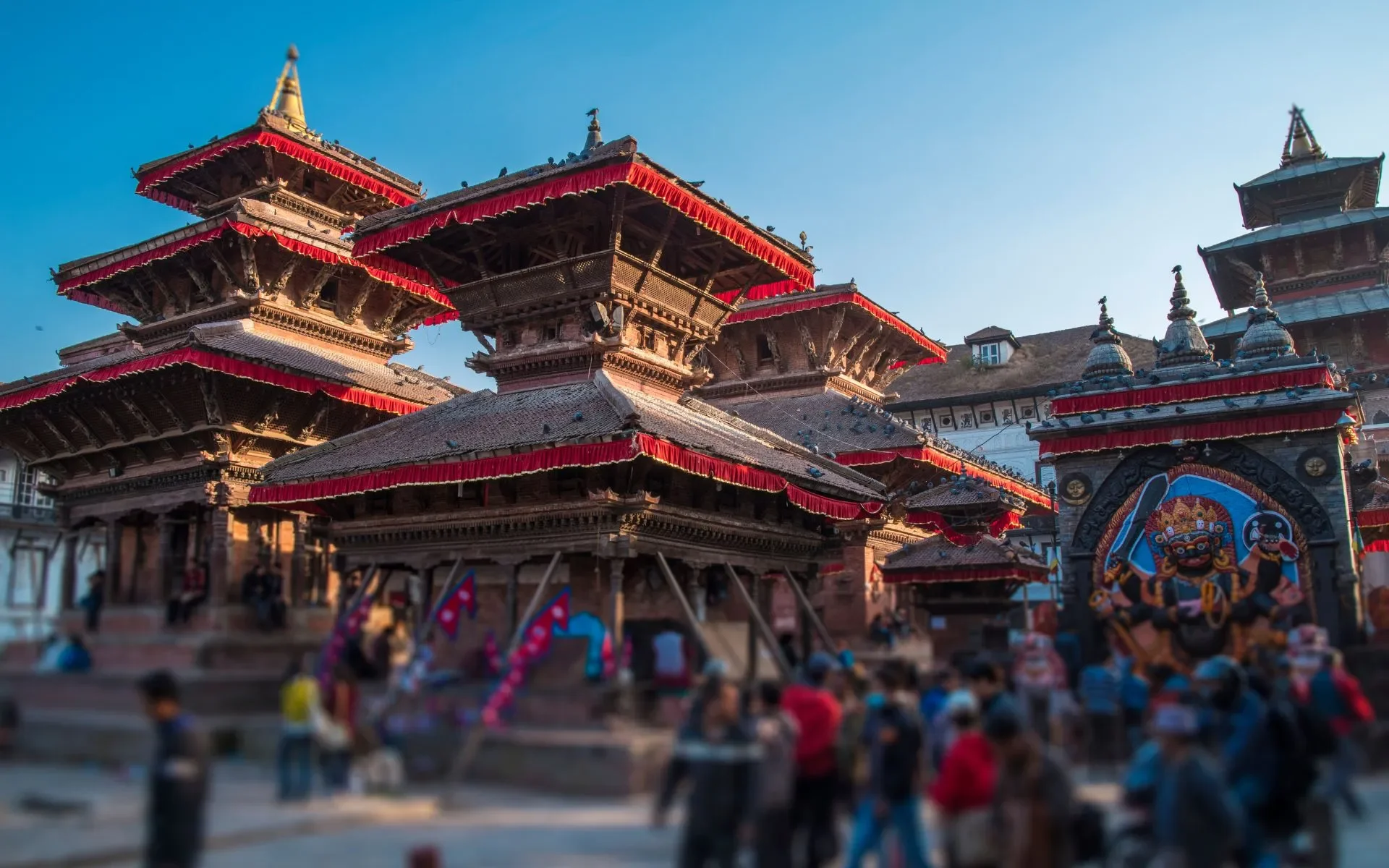
Welcome to Nepal! Upon arrival at Tribhuvan International Airport, a representative from Walk Through Nepal will greet you and transfer you to your hotel in Kathmandu. After checking in, you'll have time to relax after your journey or explore Thamel, the city's vibrant tourist district known for its trekking shops, cafés, restaurants, and lively atmosphere. If you need any last-minute trekking gear, this is the perfect place to shop or rent equipment.
In the evening, you'll meet your trekking guide for a pre-trek briefing. Your guide will explain the Langtang Valley Trek itinerary, review the latest trail and weather conditions, discuss altitude safety, check your trekking gear, and answer any questions before the adventure begins. The day concludes with a traditional Nepali welcome dinner, where you'll enjoy local cuisine while getting to know your guide and fellow trekkers.
Take the evening to relax and prepare for tomorrow's scenic drive to Syabrubesi, the gateway to Langtang National Park and your Himalayan adventure.
Today's Highlights
Airport pickup by the Walk Through Nepal team
Comfortable transfer to your hotel in Kathmandu
Free time to explore the vibrant streets of Thamel
Trek briefing and final equipment check
Traditional Nepali welcome dinner
Overnight stay in Kathmandu
Approx. 122 km / 76 mi 7–8 hours TeahouseBreakfastLunchDinner
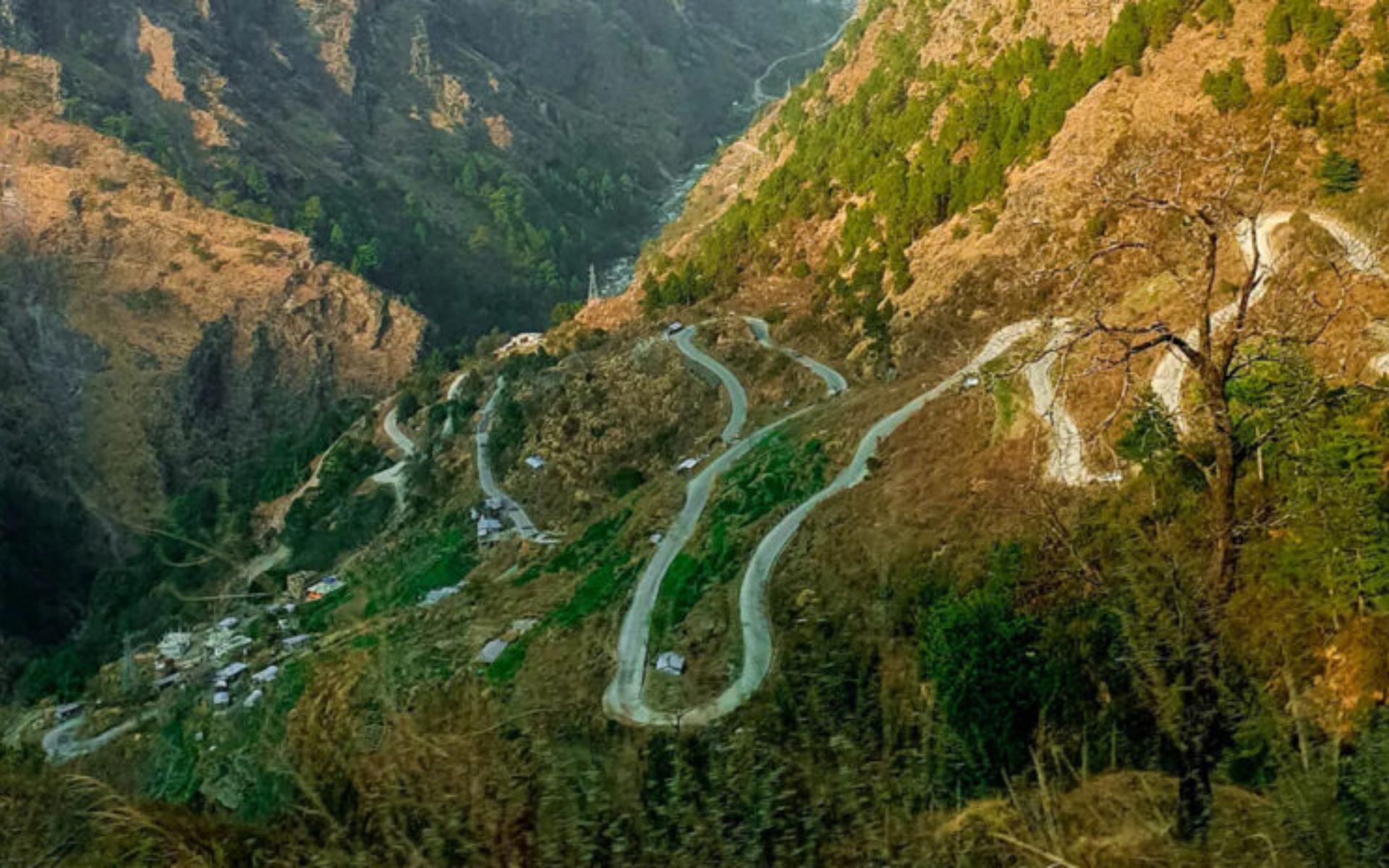
After an early breakfast, you'll leave the bustling streets of Kathmandu behind and begin a scenic drive north toward Syabrubesi, the starting point of the Langtang Valley Trek. The journey follows the Trishuli Highway through rolling hills, terraced farmlands, riverside villages, and dense forests, offering a glimpse into rural life in Nepal.
As you travel deeper into the Rasuwa District, the landscape becomes increasingly mountainous. The winding road follows the Trishuli River for much of the journey before climbing through charming hillside settlements and lush green valleys. On clear days, you'll catch your first distant views of the snow-capped Himalayas, building excitement for the adventure ahead.
By late afternoon, you'll arrive in Syabrubesi, a peaceful mountain village located on the banks of the Bhote Koshi River. After checking into your teahouse, you'll have time to relax, organize your trekking gear, and enjoy your first evening in the mountains before beginning your trek into Langtang National Park the following morning.
Today's Highlights
Scenic drive through the Trishuli River Valley
Pass traditional villages and terraced farmland
First views of the Himalayan foothills
Arrive at the gateway to Langtang National Park
Overnight stay in Syabrubesi
1,010 m / 3,314 ft Approx. 11 km / 6.8 mi 5-6 hours TeahouseBreakfastLunchDinner
Your trekking adventure officially begins today as you leave Syabrubesi and follow the Langtang Khola into Langtang National Park. Crossing a suspension bridge early in the morning, the trail winds through dense forests of oak, bamboo, and rhododendron, creating a cool and peaceful atmosphere throughout the day.
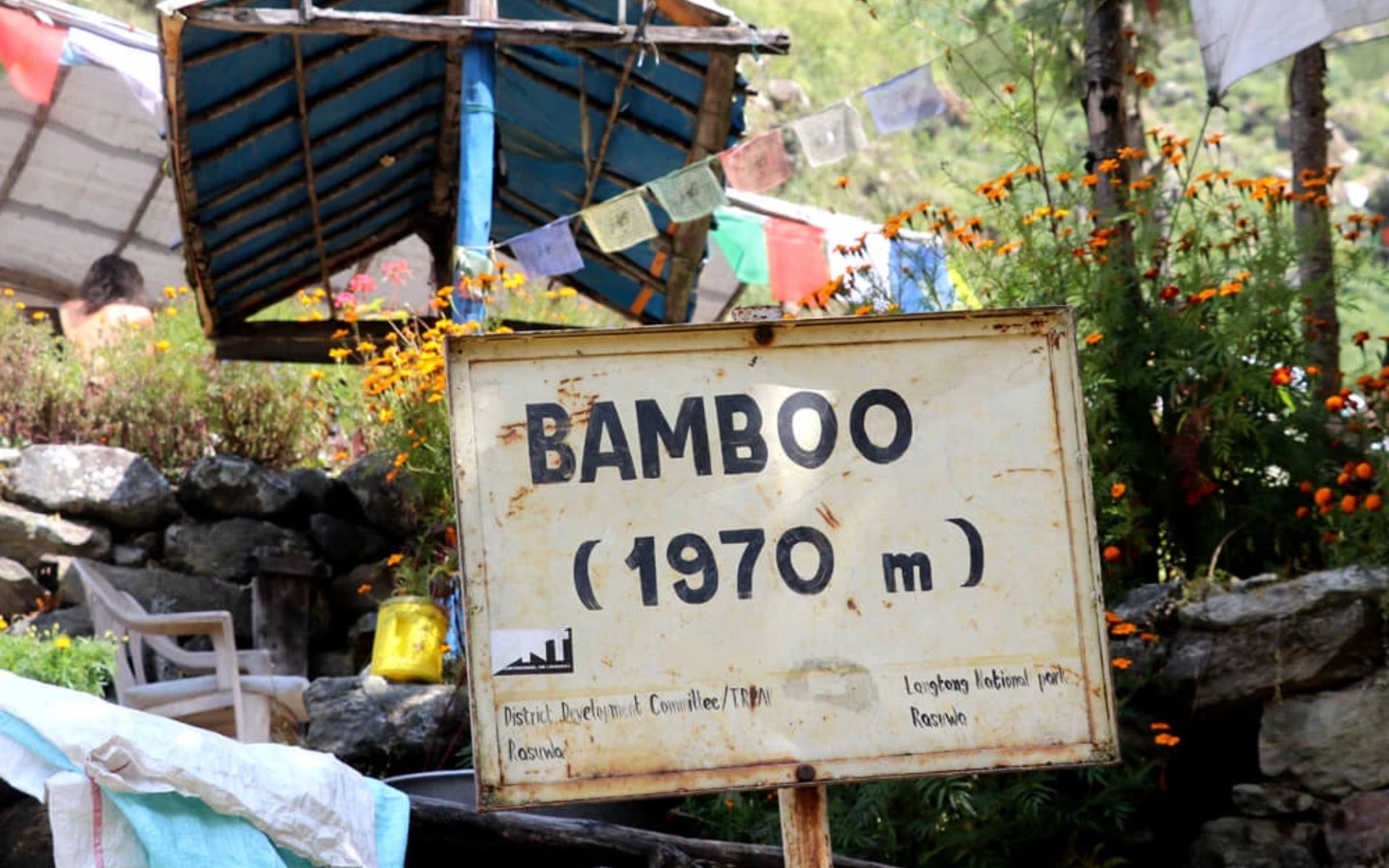
The route passes small settlements such as Bamboo and Rimche, where you'll stop for lunch while enjoying views of the river rushing through the valley below. The gradual climb is rewarded with beautiful waterfalls, moss-covered cliffs, and occasional glimpses of langur monkeys and colorful Himalayan birds. If you're particularly fortunate, this region is also one of the few places in Nepal where the elusive red panda lives, although sightings are extremely rare.
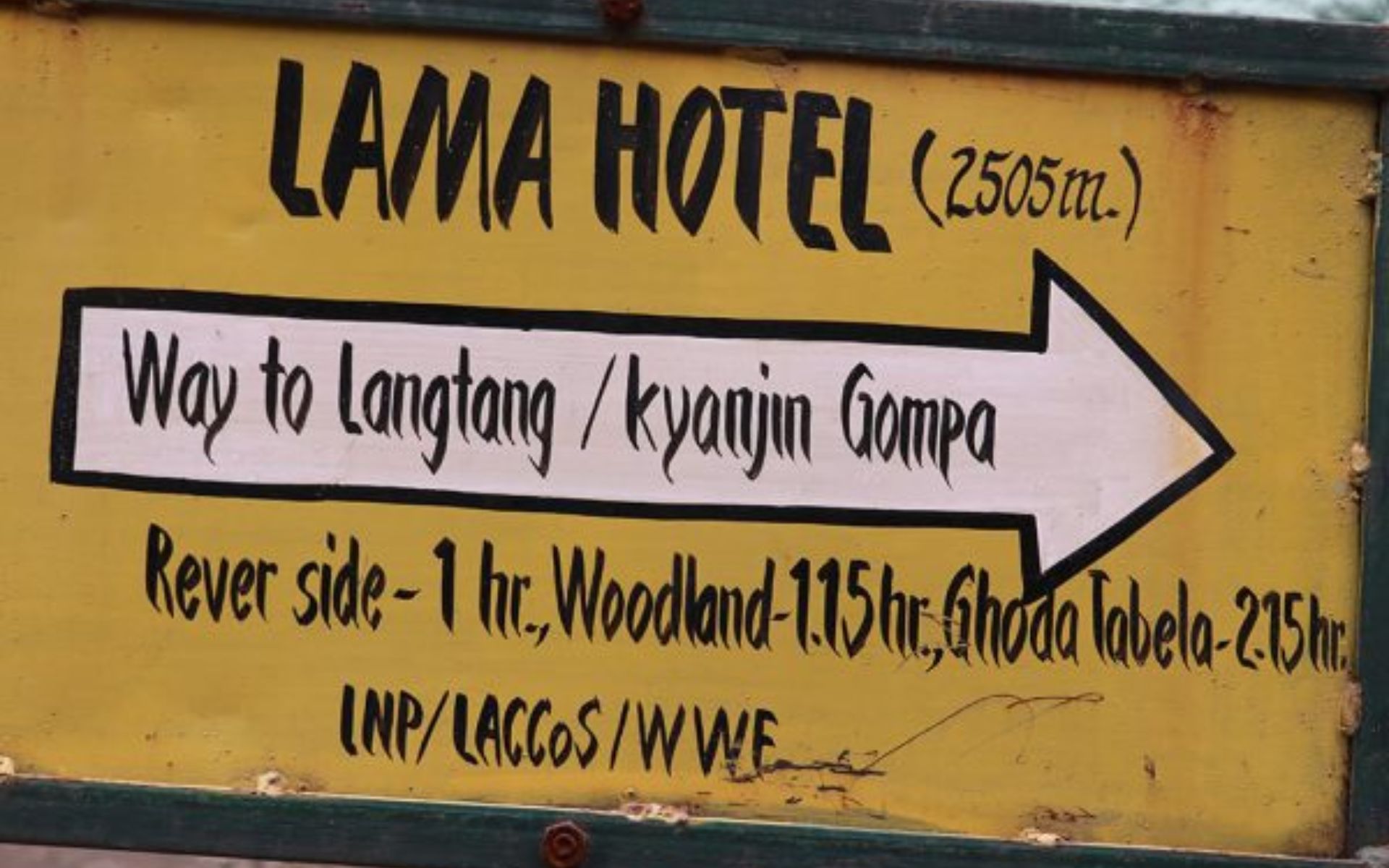
During the afternoon, the trail continues through thick forest before reaching Lama Hotel, a small collection of traditional mountain lodges surrounded by towering pine trees. As the air becomes cooler and fresher, you'll begin to notice the change in altitude. Spend the evening relaxing at your teahouse, enjoying a warm meal, and preparing for tomorrow's trek toward Langtang Village, where the surrounding Himalayan peaks begin to dominate the landscape.
Today's Highlights
Begin trekking through Langtang National Park
Walk alongside the beautiful Langtang Khola
Pass Bamboo and Rimche villages
Trek through forests of bamboo, oak, and rhododendron
Chance to spot langur monkeys, Himalayan birds, and the rare red panda
Overnight stay at Lama Hotel
960 m / 3,149 ft Approx. 14 km / 8.7 mi 5–6 hours TeahouseBreakfastLunchDinner
After breakfast, today's trek gradually leaves the dense forests behind as you climb higher into the Langtang Valley. The trail follows the Langtang Khola through peaceful woodlands before opening into wide alpine meadows with spectacular views of the surrounding mountains. As you gain elevation, you'll notice the landscape becoming more rugged, with snow-capped peaks beginning to dominate the horizon.
Along the way, you'll pass Ghodatabela (3,030 m), a scenic resting point surrounded by towering Himalayan peaks. From here, the valley widens and the trail leads through yak pastures, traditional stone houses, prayer flags, and small chortens. The route also offers an opportunity to learn about the remarkable resilience of the local communities, as Langtang Village was rebuilt following the devastating 2015 earthquake.
By afternoon, you'll arrive at Langtang Village, one of the largest settlements in the valley. Surrounded by breathtaking mountain scenery, it's a wonderful place to experience authentic Tamang culture, visit local teahouses, and enjoy a peaceful evening in the heart of the Himalayas.
Today's Highlights
Trek through beautiful alpine landscapes
Pass the scenic settlement of Ghodatabela
Enjoy stunning views of Langtang Lirung and surrounding peaks
Experience the rich Tamang culture in Langtang Village
Learn about the village's inspiring post-earthquake recovery
Overnight stay in Langtang Village
440 m / 1,444 ft Approx. 7 km / 4.3 mi 3–4 hours TeahouseBreakfastLunchDinner
Today's trek is shorter but incredibly rewarding as you make your way to Kyanjin Gompa, the highlight of the Langtang Valley Trek. The trail gradually ascends through open yak grazing fields, crossing wooden bridges and glacial streams while offering magnificent views of Langtang Lirung (7,227 m), Gangchempo, and the surrounding Himalayan peaks.
As you approach Kyanjin Gompa, the valley opens into a spectacular alpine basin framed by glaciers and towering mountains. After arriving, you'll have plenty of time to explore this picturesque mountain village. Visit the historic Kyanjin Monastery, spin the colorful prayer wheels, or stop by the famous Kyanjin Cheese Factory, where locally produced yak cheese has been made for decades.
Spend the afternoon relaxing, soaking in the incredible mountain scenery, or taking a short walk around the village to prepare for tomorrow's early hike to Kyanjin Ri. With its peaceful atmosphere and panoramic Himalayan backdrop, Kyanjin Gompa is one of the most memorable destinations in Nepal.
Today's Highlights
Reach the beautiful village of Kyanjin Gompa
Spectacular views of Langtang Lirung and surrounding glaciers
Visit the historic Kyanjin Monastery
Explore the famous yak cheese factory
Relax in one of Nepal's most scenic Himalayan villages
Prepare for tomorrow's sunrise hike to Kyanjin Ri
903–1,114 m / 2,963–3,655 ft 4–7 hours TeahouseBreakfastLunchDinner
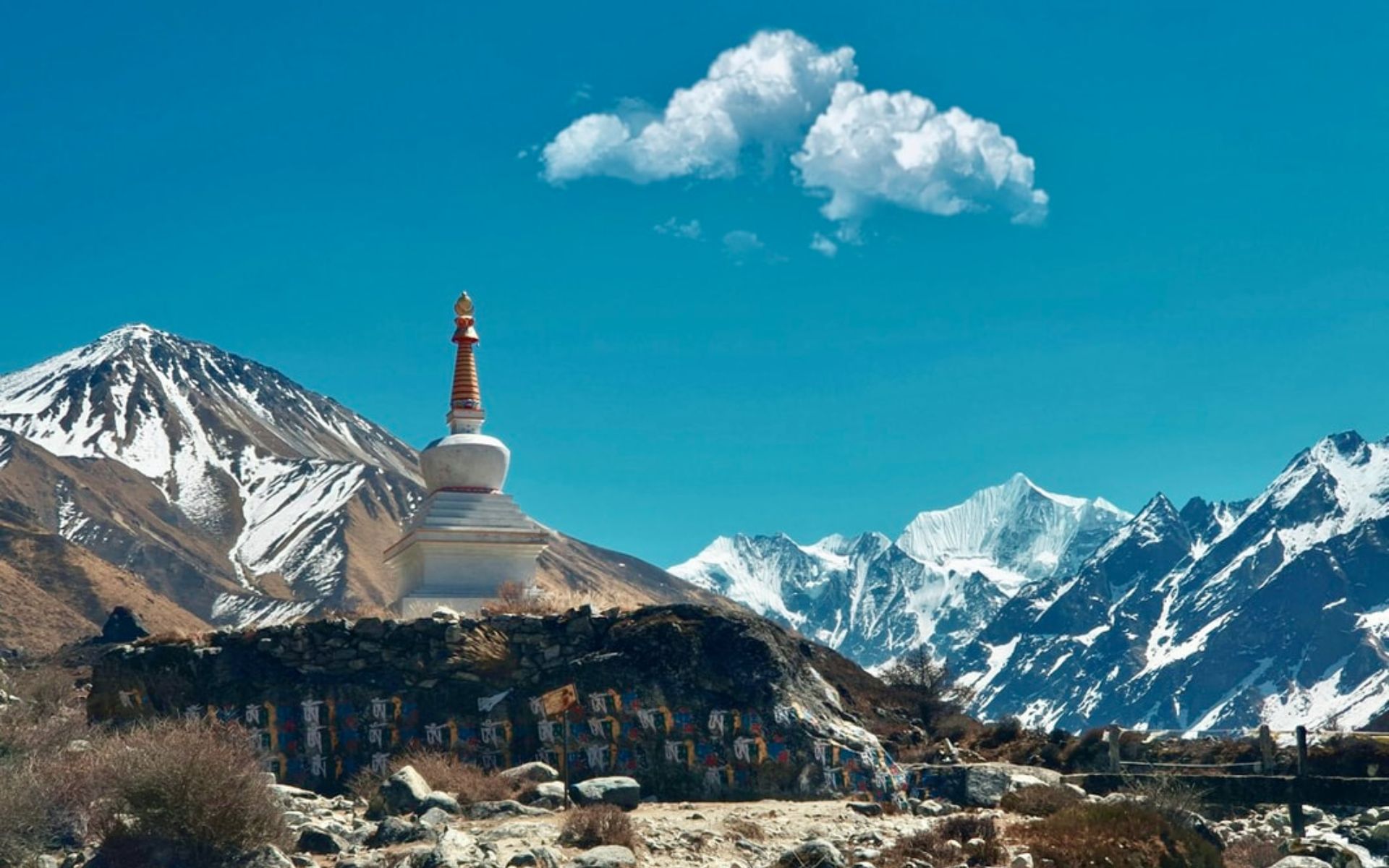
Today is reserved for acclimatization, allowing your body to adjust to the higher altitude while exploring the spectacular surroundings of Kyanjin Gompa. Rather than resting all day, you'll take an optional hike to either Kyanjin Ri (4,773 m) or the more challenging Tserko Ri (4,984 m). Following the mountaineering principle of "climb high, sleep low," this extra day helps reduce the risk of altitude sickness while rewarding you with some of the finest mountain views in the Langtang region.
The hike offers breathtaking panoramas of Langtang Lirung, Dorje Lakpa, Gangchempo, Yala Peak, and the surrounding glaciers. On a clear day, the sweeping views stretch across the entire Langtang Valley, making this one of the highlights of the trek.
After returning to Kyanjin Gompa, you can visit the historic monastery, explore the famous yak cheese factory, or simply relax and soak in the peaceful Himalayan atmosphere before beginning the return journey tomorrow.
Today's Highlights
Acclimatization at 3,870 m
Optional hike to Kyanjin Ri or Tserko Ri
Incredible panoramic Himalayan views
Visit the historic Kyanjin Monastery
Explore the famous yak cheese factory
Overnight stay in Kyanjin Gompa
1,400 m / 4,593 ft Approx. 21 km / 13 mi 6–7 hours TeahouseBreakfastLunchDinner
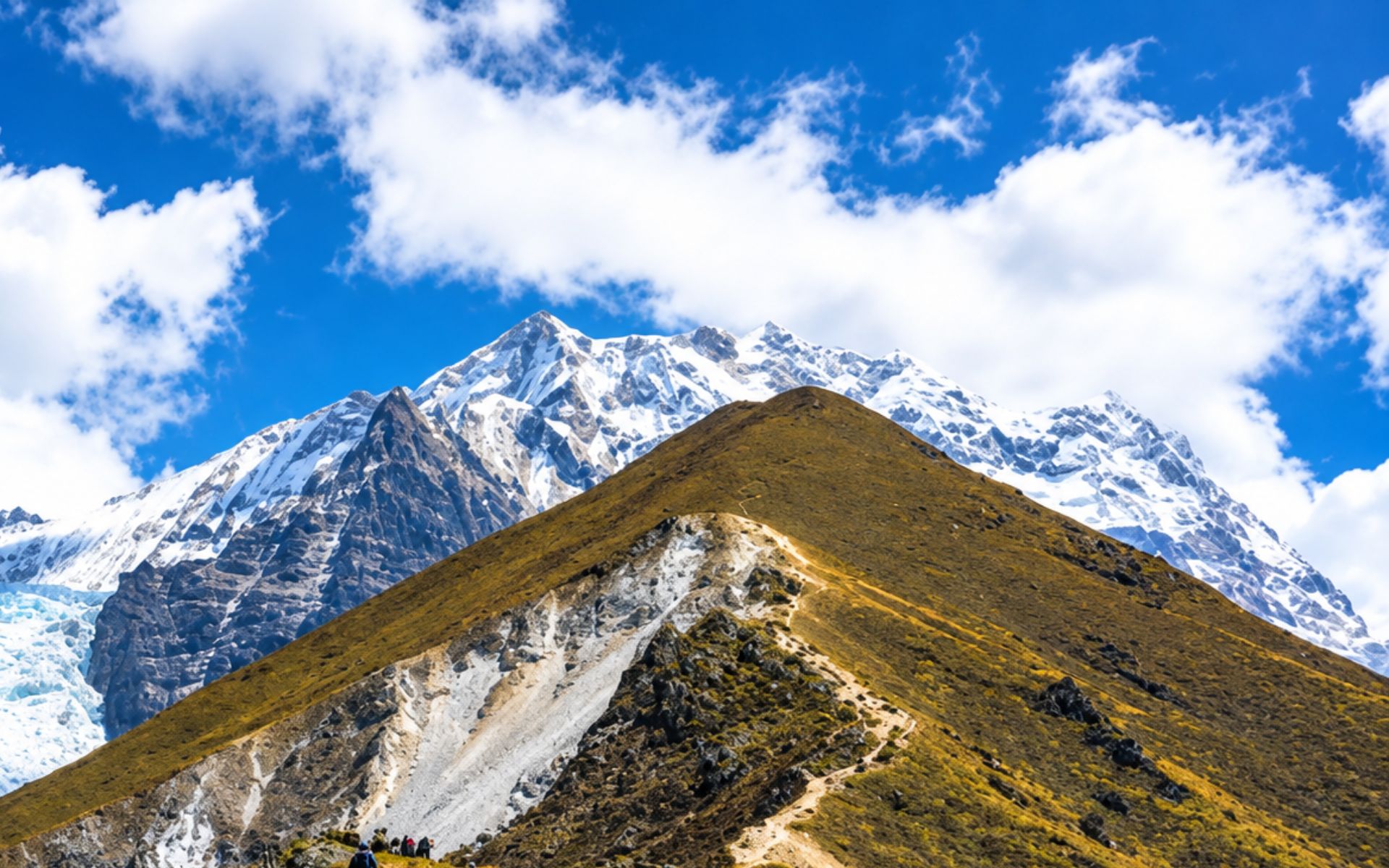
After breakfast, you'll begin your descent from Kyanjin Gompa, retracing your steps through the beautiful Langtang Valley. The trail passes yak pastures, glacial streams, and traditional stone villages, offering a different perspective of the landscapes you experienced on the ascent.
You'll walk through Langtang Village and Ghodatabela, where the open alpine scenery gradually gives way to dense forests of pine, bamboo, and rhododendron. With more time than the express itinerary, today's pace is comfortable, allowing you to appreciate the natural beauty and peaceful surroundings along the trail.
By late afternoon, you'll arrive back at Lama Hotel, where you can relax with a warm meal and enjoy your final night in the heart of Langtang National Park.
Today's Highlights
Scenic descent through Langtang Valley
Pass Langtang Village and Ghodatabela
Walk through forests and alpine landscapes
Enjoy a relaxed trekking pace
Overnight stay at Lama Hotel
1,010 m / 3,314 ft Approx. 11 km / 6.8 mi 5–6 hours TeahouseBreakfastLunchDinner
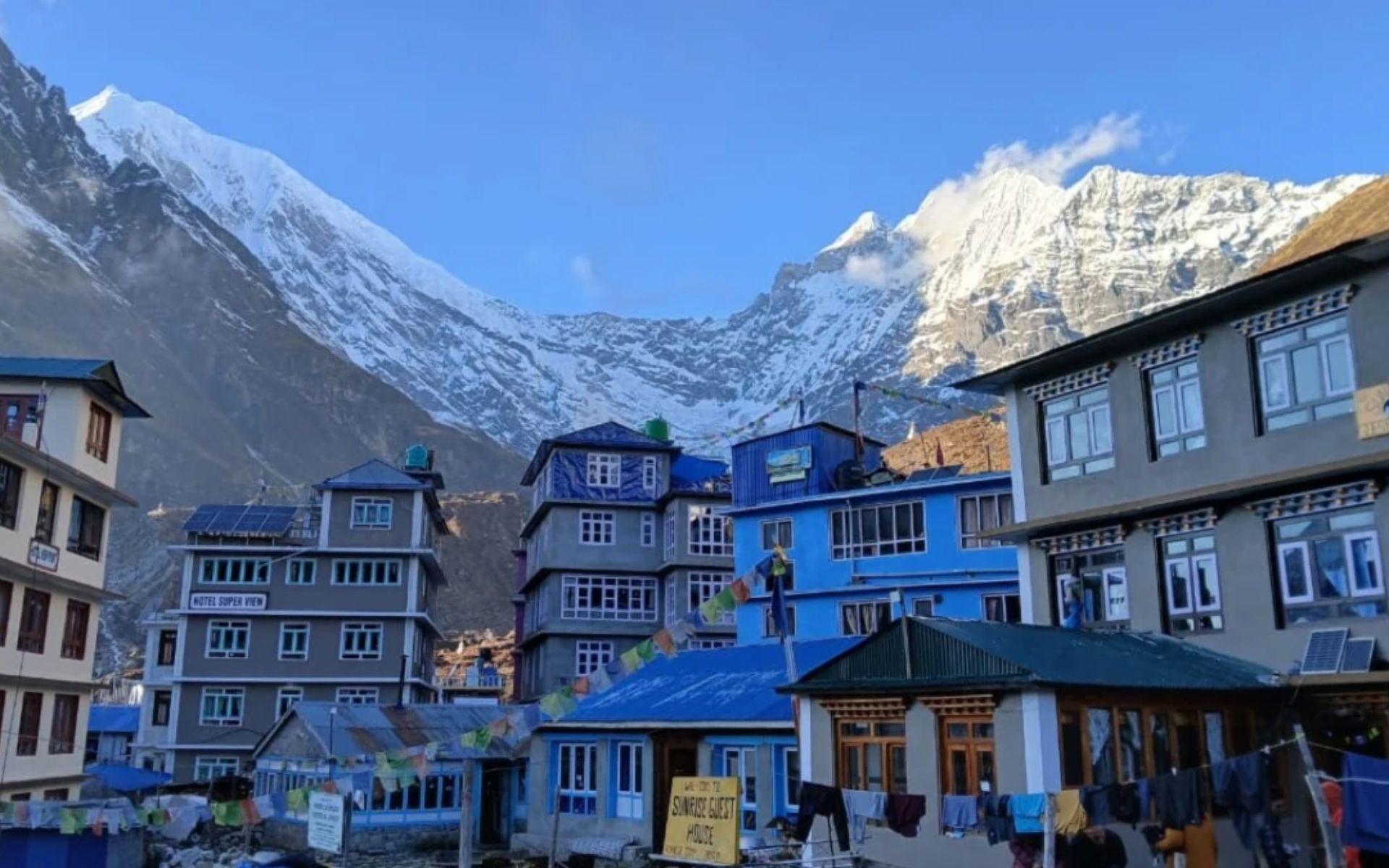
Leaving Lama Hotel after breakfast, you'll continue descending through the lush forests of Langtang National Park. The trail follows the Langtang Khola, crossing suspension bridges and passing familiar villages such as Rimche and Bamboo before reaching Syabrubesi.
With the hardest days of the trek behind you, today's walk is relaxed and gives you time to reflect on your journey through one of Nepal's most beautiful Himalayan valleys. After arriving in Syabrubesi, spend the evening celebrating the successful completion of your trek with your guide and fellow trekkers.
Today's Highlights
Final day of trekking
Walk through forests and riverside trails
Pass Bamboo and Rimche villages
Celebrate the completion of your trek
Overnight stay in Syabrubesi
Approx. 122 km / 76 mi 7–8 hours HotelBreakfastLunch
After breakfast, you'll board your vehicle for the scenic drive back to Kathmandu. The route follows the Trishuli River through picturesque hills, terraced farmland, and traditional villages, offering one last opportunity to enjoy Nepal's beautiful countryside.
Upon arrival in Kathmandu, you'll check into your hotel and have the remainder of the day free to relax, explore the city, shop for souvenirs in Thamel, or enjoy a farewell dinner with your trekking companions.
Today's Highlights
Scenic drive back to Kathmandu
Beautiful views of rivers and hillside villages
Free time to explore Thamel
Overnight stay in Kathmandu
30–45 minutes Breakfast
Your Langtang Valley Trek comes to an end today. Depending on your flight schedule, you'll have some free time for a final stroll around Kathmandu or some last-minute shopping before our team transfers you to Tribhuvan International Airport for your onward journey.
We hope your adventure through the spectacular Langtang Valley has been filled with unforgettable mountain views, meaningful cultural encounters, and lifelong memories. Thank you for choosing Walk Through Nepal, and we look forward to welcoming you back for another Himalayan adventure in the future.
Today's Highlights
Breakfast at your hotel
Airport transfer by Walk Through Nepal
End of your Langtang Valley Trek
Farewell and safe travels home
Langtang Valley Trek Cost Breakdown
The cost of the Langtang Valley Trek depends on the itinerary duration, group size, transportation arrangements, accommodation standards, guide and porter services, and the level of support included in your package. A well-organized Langtang trek is not only about reaching Kyanjin Gompa; it is about having experienced local guides, proper altitude planning, reliable logistics, comfortable teahouse accommodation, and safety support throughout the journey.
At Walk Through Nepal, we focus on providing transparent trekking packages with no hidden costs, ensuring you receive quality service, experienced support, and an authentic Himalayan experience.
Feature | 8-Day Express | 10-Day Classic (Recommended) |
Price per Person | USD 1,499 | USD 1,699 |
Trip Duration | 8 Days | 10 Days |
Trekking Days | 5 Days | 6 Days |
Acclimatization Days | No separate acclimatization day | 1 Day at Kyanjin Gompa |
Pace | Fast-paced | Comfortable & balanced |
Kathmandu Stay | 2 Nights | 2 Nights |
Kyanjin Gompa Stay | 1 Night | 2 Nights |
Kyanjin Ri / Tserko Ri Hike | Included | Included with more flexibility |
Guide & Porter | Experienced Guide + Porter service (as per group arrangement) | Experienced Guide + Porter service (as per group arrangement) |
Meals on Trek | Breakfast, Lunch & Dinner | Breakfast, Lunch & Dinner |
Transportation | Kathmandu–Syabrubesi–Kathmandu by local/private transportation (as per package) | Kathmandu–Syabrubesi–Kathmandu by local/private transportation (as per package) |
Permits | Included | Included |
Airport Transfers | Included | Included |
Best For | Travelers with limited vacation time | Trekkers wanting a relaxed and complete Langtang experience |
Note: Prices are quoted per person for private treks, with group discounts available based on the number of trekkers. Fixed group departures are also available at applicable per-person rates. Solo trekkers are welcome, and private departures or customized itineraries can be arranged based on your preferred dates, group size, trekking requirements, accommodation preferences, and additional services. Contact our team for the latest pricing, group discounts, and customized Langtang Valley Trek packages.
Why Is Our Langtang Valley Trek Pricing Different?
At Walk Through Nepal, we believe a quality trekking experience requires proper planning, responsible service, and experienced local support. Extremely cheap trekking packages often reduce costs by compromising on guide quality, safety measures, accommodation standards, or fair treatment of local staff.
Our Langtang Valley Trek packages are designed to provide:
Experienced and licensed local trekking guides
Properly planned itineraries with safe altitude progression
Reliable transportation and accommodation arrangements
Fair wages and support for local trekking staff
Transparent pricing with no hidden charges
Personalized assistance from arrival to departure
Our goal is to provide a safe, comfortable, and memorable Himalayan journey while supporting the local communities that make the Langtang region special.
What's Included
Private airport pickup and drop-off at Tribhuvan International Airport for your international arrival and departure
Kathmandu–Syabrubesi–Kathmandu transportation by comfortable private vehicle (or shared transportation depending on group arrangement)
Langtang National Park entry permit and all required trekking permits
TIMS Card (Trekkers' Information Management System) if required for your trekking period
A government-licensed, experienced, English-speaking trekking guide with knowledge of the Langtang region, local culture, trail conditions, and altitude safety
Experienced porter service to carry your trekking luggage (typically 1 porter shared between every 2 trekkers)
Full coverage of guide and porter expenses, including their wages, insurance, meals, accommodation, and necessary trekking equipment
Twin-sharing 3-star hotel accommodation in Kathmandu with breakfast included before and after the trek (private room available on request at additional cost)
Twin-sharing teahouse accommodation throughout the trekking route in Syabrubesi, Lama Hotel, Langtang Village, Kyanjin Gompa, and other overnight stops
Three meals daily during the trek (breakfast, lunch, and dinner) selected from available teahouse menus
Complimentary 1-hour post-trek massage in Kathmandu, designed to help you relax and recover after your trek
Safe drinking water arrangements during the trek through purification tablets or filtration system
Welcome dinner in Kathmandu on your arrival day
A comprehensive first-aid kit carried by the trekking team
Basic altitude monitoring and safety support throughout the trek
Trekking map and necessary trip documentation
All government taxes, local tourism fees, and company service charges
What's Excluded
Nepal entry visa fee, payable upon arrival at Tribhuvan International Airport
(USD 30 for 15 days, USD 50 for 30 days, USD 125 for 90 days)
International airfare to and from Nepal, including airport taxes
Comprehensive travel insurance covering medical emergencies, high-altitude trekking, and emergency helicopter evacuation (mandatory before starting the trek)
Personal trekking equipment such as trekking boots, down jacket, sleeping bag, trekking poles, backpacks, and personal clothing (quality gear rental is available in Kathmandu)
Lunch and dinner in Kathmandu except for the included welcome/farewell meals mentioned in the package
Hot showers, Wi-Fi access, and electronic device charging fees at teahouses during the trek (available at additional local cost)
Personal expenses including snacks, beverages, bottled drinks, alcohol, desserts, and extra services during the trek
Additional accommodation or meals caused by unexpected delays, weather conditions, natural disasters, illness, or changes beyond the company's control
Rescue or emergency evacuation costs (covered by your travel insurance)
Tips for your trekking guide, porter, and support staff (customary but not mandatory; based on your satisfaction and service quality)
Kathmandu sightseeing tours and entrance fees unless specifically included in your customized package
Any expenses not specifically mentioned under the "What's Included" section
Langtang Valley Trek Route Overview
The Langtang Valley Trek begins with a scenic drive from Kathmandu to Syabrubesi, a charming mountain town that serves as the gateway to Langtang National Park. From here, the trail follows the Langtang Khola River through lush forests of rhododendron, bamboo, and oak, gradually ascending into the heart of the Himalayas.
Your first trekking day takes you to Lama Hotel, passing waterfalls, suspension bridges, and dense woodland where you may spot langur monkeys and colorful Himalayan birds. The trail then climbs steadily to Langtang Village, offering your first close-up views of the surrounding snow-capped peaks while passing traditional Tamang settlements rebuilt after the 2015 earthquake.
Continuing north, you'll reach Kyanjin Gompa (3,870 m / 12,697 ft), the highlight of the trek. Surrounded by towering mountains and glaciers, this peaceful village is home to an ancient Buddhist monastery and the famous yak cheese factory. During the 10-day itinerary, you'll have an extra day to acclimatize and hike to Kyanjin Ri (4,773 m / 15,659 ft) or Tserko Ri (4,984 m / 16,352 ft) for spectacular panoramic views of Langtang Lirung, Dorje Lakpa, Yala Peak, and the Langtang Himalayan range.
After exploring the valley, the return journey follows the same scenic trail back through Langtang Village, Lama Hotel, and Syabrubesi, before driving back to Kathmandu, bringing your Himalayan adventure to a memorable close.
Langtang Valley Trek Route at a Glance
Kathmandu → Syabrubesi → Lama Hotel → Langtang Village → Kyanjin Gompa → Kyanjin Ri (Optional) → Lama Hotel → Syabrubesi → Kathmandu
Langtang Valley Trek Distance, Duration & Altitude Chart
The Langtang Valley Trek covers approximately 65–70 km (40–44 miles) round trip from Syabrubesi to Kyanjin Gompa. While the distance is relatively short compared to many Himalayan treks, the gradual elevation gain and mountain terrain make each day both rewarding and manageable.
The table below outlines the daily trekking distance, elevation, and estimated walking time for the classic Langtang Valley Trek.
Note: Walking times are approximate and may vary depending on your pace, weather conditions, trail conditions, and acclimatization needs.
Destination | Elevation | Distance | Trekking Time |
Kathmandu | 1,400 m (4,593 ft) | — | — |
Syabrubesi | 1,460 m (4,790 ft) | Drive (122 km) | 7–8 hrs |
Lama Hotel | 2,470 m (8,104 ft) | 11 km | 5–6 hrs |
Langtang Village | 3,430 m (11,253 ft) | 14 km | 5–6 hrs |
Kyanjin Gompa | 3,870 m (12,697 ft) | 7 km | 3–4 hrs |
Kyanjin Ri (Optional) | 4,773 m (15,659 ft) | 5 km (round trip) | 3–4 hrs |
Lama Hotel | 2,470 m (8,104 ft) | 21 km | 6–7 hrs |
Syabrubesi | 1,460 m (4,790 ft) | 11 km | 5–6 hrs |
Kathmandu | 1,400 m (4,593 ft) | Drive (122 km) | 7–8 hrs |
Altitude Profile
Packing List
Packing properly for the Langtang Valley Trek ensures a comfortable and safe experience in changing Himalayan conditions. The trek reaches high elevations, including Kyanjin Gompa (3,870 m / 12,697 ft) and optional viewpoints like Kyanjin Ri (4,773 m / 15,659 ft), where temperatures can drop significantly.
Pack lightweight, warm, and practical gear while avoiding unnecessary items that add extra weight.
Clothing
Base Layers (2–3 sets): Moisture-wicking thermal tops and bottoms for warmth at higher elevations.
Mid Layer (1–2): Fleece or softshell jacket for insulation.
Down Jacket (1): Warm insulated jacket recommended for cold mountain temperatures.
Outer Shell (1): Waterproof and windproof jacket for rain and snow protection.
Trekking Pants (2 pairs): Lightweight, quick-drying hiking pants.
Headwear: Sun hat and warm thermal beanie.
Gloves: Lightweight inner gloves with insulated outer gloves for colder conditions.
Footwear
Waterproof trekking boots with good ankle support (well broken-in before the trek)
Lightweight camp shoes or sandals for evenings at teahouses
4–5 pairs of comfortable trekking socks (merino wool recommended)
Backpack & Luggage
Bring a 30–40L daypack to carry daily essentials such as:
Water bottle
Snacks
Camera
Extra layers
Rain gear
Personal items
Your remaining trekking equipment can be packed in a duffel bag carried by the porter during the trek.
Sleeping Gear
Sleeping Bag: A warm sleeping bag rated around -10°C to -15°C is recommended, especially for spring, autumn, and winter treks when nights at higher elevations can be very cold.
Electronics
Headlamp with spare batteries
Power bank (10,000–20,000 mAh recommended)
Phone and charging cable
Camera and spare batteries (optional)
Universal travel adapter
Documents
Passport (valid for at least six months)
Nepal visa
Travel insurance covering high-altitude trekking and emergency evacuation
Flight tickets and travel itinerary
Passport-sized photos
Emergency contact information
Personal Items
SPF 50+ sunscreen
Lip balm with UV protection
Sunglasses with UV protection
Reusable water bottle or hydration bladder
Water purification tablets or filter
Toiletries and quick-dry towel
Wet wipes and hand sanitizer
Small personal snacks (energy bars, nuts, chocolate)
Medical Items
Blister treatment (Compeed or moleskin)
Pain relievers (ibuprofen or paracetamol)
Rehydration salts
Personal medications
Diamox (only if prescribed by your doctor)
Bandages and antiseptic wipes
What Can You Rent in Kathmandu?
If you do not want to purchase expensive trekking equipment, many items are easily available for rent in Kathmandu, including:
Down jackets
Sleeping bags
Trekking poles
Gaiters (seasonal)
Other trekking accessories
Useful Info
Before booking your Langtang Valley Trek, consider the following to ensure a safe and enjoyable experience.
Your passport should be valid for at least six months from your arrival date.
Obtain a Nepal tourist visa before or upon arrival at Tribhuvan International Airport.
Purchase travel insurance that covers high-altitude trekking and emergency helicopter evacuation.
Maintain a reasonable level of physical fitness, as the trek involves 5–7 hours of walking each day.
Carry enough Nepalese Rupees (NPR) for personal expenses, as ATMs are unavailable after leaving Kathmandu.
Bring appropriate trekking clothing and equipment suitable for changing mountain weather.
Arrive in Kathmandu at least one day before the trek to allow time for trip briefing and gear preparation.
Inform us in advance about dietary requirements, medical conditions, or special requests so we can make suitable arrangements.
Choosing the right trekking company is just as important as choosing the right trekking destination. At Walk Through Nepal, we focus on providing safe, authentic, and personalized trekking experiences led by experienced local professionals who know the Himalayas inside and out.
Why trek with us?
Government-licensed and experienced local trekking guides
Carefully planned itineraries with proper acclimatization
Transparent pricing with no hidden charges
Small groups and personalized service
Comfortable accommodation and reliable transportation
24/7 support before, during, and after your trek
Ethical porter policy with fair wages and proper insurance
Flexible private departures and customized itineraries
Strong focus on safety, sustainability, and responsible tourism
Excellent local knowledge of the Langtang region
Whether you choose the 8-Day Express or the 10-Day Classic itinerary, our goal is to provide a memorable Himalayan experience while supporting local communities and protecting Nepal's mountain environment.
The Langtang Valley Trek is one of Nepal's most rewarding short treks, offering the perfect blend of stunning Himalayan scenery, rich Tamang culture, and peaceful mountain trails. Just a day's drive from Kathmandu, it's an excellent alternative to the busier Everest and Annapurna regions.
Spectacular Himalayan Views – Enjoy breathtaking panoramas of Langtang Lirung (7,227 m), Dorje Lakpa, Gangchempo, Yala Peak, and surrounding glaciers from viewpoints like Kyanjin Ri.
Easy Access from Kathmandu – Reach the trailhead by scenic road, avoiding domestic flights and weather-related delays.
Authentic Tamang Culture – Trek through traditional villages, visit ancient Buddhist monasteries, and experience the warm hospitality of the local Tamang community.
Ideal for Most Trekkers – With well-established trails and moderate difficulty, it's suitable for both beginners and experienced hikers.
Explore Langtang National Park – Walk through forests, alpine meadows, and glacial valleys while keeping an eye out for wildlife such as red pandas and Himalayan birds.
Visit Kyanjin Gompa – Discover the famous monastery, local yak cheese factory, and one of the most scenic mountain villages in Nepal.
Perfect Short Himalayan Adventure – Available in 8-day and 10-day itineraries, making it ideal for travelers with limited time.
Travel with Walk Through Nepal – Benefit from experienced local guides, carefully planned itineraries, transparent pricing, and personalized service for a safe and memorable trekking experience.
The Langtang Valley Trek is considered a moderate-level trek in Nepal, making it an excellent choice for both beginners with good fitness and experienced trekkers looking for a shorter Himalayan adventure. Compared to challenging high-altitude treks like Everest Three Passes or Manaslu Circuit, Langtang is more accessible, but it still involves daily walking, steep ascents, and changing mountain terrain.
The trek reaches a maximum altitude of 4,773 m (15,659 ft) at Kyanjin Ri or 4,984 m (16,352 ft) at Tserko Ri (optional), meaning proper pacing and altitude awareness are still important.
How Difficult Is the Langtang Valley Trek?
The difficulty of the Langtang Valley Trek mainly depends on your fitness level, walking experience, weather conditions, and how well your body adapts to altitude. The trail does not require technical climbing skills, but trekkers should be prepared for several hours of walking each day on mountain terrain.
Most days involve:
5–7 hours of walking per day
Gradual altitude gain from Syabrubesi to Kyanjin Gompa
Stone steps, forest trails, rocky paths, and uneven terrain
Long uphill sections, especially between Lama Hotel and Langtang Village
A challenging but rewarding climb to Kyanjin Ri or Tserko Ri
With a steady pace, proper preparation, and a well-planned itinerary, most healthy travelers can successfully complete this trek.
Difficulty Level: Moderate
Factor | Difficulty Level |
Trek Duration | Moderate (8–10 Days) |
Maximum Altitude | Challenging but manageable (4,773 m–4,984 m) |
Daily Walking Hours | 5–7 Hours |
Trail Condition | Moderate mountain trails |
Technical Skills Required | Not Required |
Previous Trekking Experience | Helpful but not mandatory |
Fitness Requirement | Moderate fitness level |
Langtang Valley Trek Difficulty Compared to Other Popular Treks
Trek | Maximum Altitude | Difficulty |
Ghorepani Poon Hill Trek | 3,210 m | Easy–Moderate |
Langtang Valley Trek | 4,773 m–4,984 m | Moderate |
Annapurna Base Camp Trek | 4,130 m | Moderate |
Everest Base Camp Trek | 5,545 m | Hard |
Manaslu Circuit Trek | 5,106 m | Moderate |
The Langtang Valley Trek offers a great balance between adventure and accessibility. It reaches impressive Himalayan elevations without requiring the longer duration or extreme endurance needed for some other high-altitude treks.
Is Langtang Valley Trek Suitable for Beginners?
Yes, the Langtang Valley Trek is suitable for beginners who maintain a reasonable level of fitness and prepare properly before the journey. Many first-time trekkers choose Langtang because:
It is easily accessible from Kathmandu
The route has comfortable teahouse accommodation
The trail is well established
The altitude gain can be managed gradually
Professional guides provide safety support throughout the trek
However, beginners should not underestimate the challenge. Regular walking, hiking practice, and cardiovascular training before the trek will greatly improve your experience.
What Makes Langtang Valley Trek Challenging?
Although it is a moderate trek, some sections require more effort:
Lama Hotel to Langtang Village: This section includes a steady uphill climb through forests with significant elevation gain.
Langtang Village to Kyanjin Gompa: Although shorter, the increasing altitude means you may feel the effects of thinner air.
Kyanjin Ri/Tserko Ri Hike: The viewpoint hikes are optional but involve steep climbs at high altitude. The reward is some of the best Himalayan scenery in the region.
Preparing well before your Langtang Valley Trek will make your journey safer, more enjoyable, and less physically demanding. Although the trek is considered moderate, good fitness and proper preparation will help you adapt more comfortably to the mountain environment.
Physical Preparation
We recommend beginning your training at least 4–6 weeks before departure.
Focus on:
Walking or hiking several times a week
Stair climbing or uphill walking
Cardiovascular exercises such as running, cycling, or swimming
Strength training for your legs and core
Practicing hikes with a light backpack
Gear Preparation
Before arriving in Nepal, ensure you have:
Comfortable trekking boots
Warm layered clothing
Waterproof jacket
Daypack
Sleeping bag (if required)
Trekking poles
Reusable water bottle
Most trekking equipment can also be rented in Kathmandu.
Mental Preparation
Mountain trekking requires patience and flexibility. Weather conditions, trail conditions, and walking times can vary. Maintaining a positive attitude and trekking at a steady pace will greatly enhance your overall experience.
Altitude is one of the most important factors to consider when trekking in the Himalayas. Although the Langtang Valley Trek is considered a moderate trek, the trail reaches high elevations, with Kyanjin Gompa at 3,870 m (12,697 ft) and optional viewpoints like Kyanjin Ri at 4,773 m (15,659 ft) and Tserko Ri at 4,984 m (16,352 ft). Understanding altitude sickness and following proper acclimatization practices are essential for a safe and enjoyable journey.
What Is Altitude Sickness?
Altitude sickness, also known as Acute Mountain Sickness (AMS), occurs when your body struggles to adapt to lower oxygen levels at higher elevations. It can affect anyone regardless of age, fitness level, or previous trekking experience.
Symptoms usually appear above 2,500 m (8,200 ft) and may become more noticeable as you climb higher.
Common symptoms include:
Headache
Difficulty sleeping
Loss of appetite
Nausea or dizziness
Fatigue and unusual tiredness
Shortness of breath
Mild swelling of hands or feet
In rare cases, severe altitude-related conditions such as High Altitude Pulmonary Edema (HAPE) or High Altitude Cerebral Edema (HACE) can occur and require immediate descent.
How Do We Manage Altitude on the Langtang Valley Trek?
The Langtang Valley Trek is designed with a gradual ascent, allowing your body time to adjust naturally. The route starts from Syabrubesi (1,460 m) and gradually climbs through Lama Hotel and Langtang Village before reaching Kyanjin Gompa.
Our itinerary focuses on:
Gradual elevation gain
Comfortable daily walking distances
Proper hydration and nutrition
Rest periods when needed
Experienced guides monitoring your condition
The 10-Day Classic itinerary includes an additional acclimatization day at Kyanjin Gompa, giving trekkers more time to adjust before attempting higher viewpoints.
Acclimatization Day at Kyanjin Gompa
The extra day at Kyanjin Gompa (3,870 m) is one of the biggest advantages of the classic itinerary. Instead of rushing back down, trekkers can explore the surrounding area while allowing their bodies to adapt to the altitude.
During this day, you can:
Hike to Kyanjin Ri (4,773 m)
Attempt Tserko Ri (4,984 m) (for experienced trekkers)
Explore Kyanjin Monastery
Visit the yak cheese factory
Enjoy panoramic Himalayan views
This follows the principle of "climb high, sleep low," which helps improve acclimatization.
Tips to Prevent Altitude Sickness
To reduce the risk of altitude-related problems during the Langtang Valley Trek:
Walk at a Comfortable Pace: Avoid rushing uphill. A slow and steady pace helps your body adjust better to changing altitude.
Stay Hydrated: Drink plenty of water throughout the trek. Dehydration can increase the effects of altitude sickness.
Eat Properly: Your body needs enough energy at higher elevations. Eat balanced meals with carbohydrates and protein to maintain strength.
Avoid Alcohol and Smoking: Alcohol and smoking can affect your body's ability to adapt to altitude and increase dehydration.
Listen to Your Body: Inform your guide immediately if you experience unusual symptoms. Early awareness helps prevent serious problems.
Do You Need Medicine for Altitude Sickness?
Some trekkers use Diamox (Acetazolamide) as a preventive medication, but it should only be taken after consulting a medical professional. Many trekkers successfully complete the Langtang Valley Trek without medication by following proper acclimatization practices.
Your guide will monitor your condition throughout the trek and advise you if any changes are needed.
Is Langtang Valley Trek Safe Regarding Altitude?
Yes, the Langtang Valley Trek is generally considered safe when completed with proper preparation, gradual pacing, and experienced guidance. Unlike some longer high-altitude routes, Langtang allows a manageable ascent profile while still offering incredible Himalayan scenery.
Choosing the 10-Day Classic Langtang Valley Trek is recommended for travelers who prefer a more comfortable pace and additional acclimatization time.
The best time for the Langtang Valley Trek is during Spring (March–May) and Autumn (September–November) when the weather is stable, skies are clear, and mountain views are at their best. These seasons offer the most comfortable trekking conditions with pleasant temperatures, excellent visibility, and safer trail conditions.
However, Langtang Valley can be trekked throughout the year, and each season offers a different experience. Winter brings peaceful trails and snow-covered landscapes, while monsoon transforms the valley into a lush green paradise with fewer trekkers.
Langtang Valley Trek Season Overview
Season | Months | Weather & Conditions | Best For |
Spring | March–May | Warm days, clear mountain views, blooming rhododendrons | Photography, nature lovers, first-time trekkers |
Summer/Monsoon | June–August | Rainy conditions, cloudy skies, green landscapes | Experienced trekkers seeking fewer crowds |
Autumn | September–November | Stable weather, clear skies, excellent visibility | Best overall trekking season |
Winter | December–February | Cold temperatures, snow at higher elevations, peaceful trails | Snow lovers and experienced trekkers |
Spring (March–May) – Best for Mountain Views & Flowers
Spring is one of the most popular seasons for the Langtang Valley Trek. The weather becomes warmer, trails are comfortable, and the valley comes alive with colorful rhododendron forests and blooming wildflowers.
Average Temperature:
Lower elevations: 10°C to 20°C
Higher elevations: -5°C to 10°C
Summer/Monsoon (June–August) – Green Landscapes & Fewer Crowds
The monsoon season brings frequent rainfall to the lower sections of the Langtang region. Although this is not the most popular trekking season, the valley becomes incredibly green and vibrant.
Rain is usually heavier at lower elevations, while upper sections may still offer pleasant trekking conditions. Trekkers should be prepared for wet trails, slippery sections, and occasional weather disruptions.
Average Temperature:
Lower elevations: 15°C to 25°C
Higher elevations: 5°C to 15°C
Autumn (September–November) – Best Overall Season
Autumn is widely considered the best season for the Langtang Valley Trek. After the monsoon clears the atmosphere, the skies become crisp and blue, offering some of the best Himalayan views of the year.
The trails are dry, temperatures are comfortable, and the mountain scenery is at its peak.
Average Temperature:
Lower elevations: 10°C to 20°C
Higher elevations: -5°C to 10°C
Winter (December–February) – Snowy Landscapes & Quiet Trails
Winter transforms Langtang Valley into a peaceful snow-covered Himalayan destination. The number of trekkers decreases significantly, offering a quieter and more authentic mountain experience.
Higher sections around Kyanjin Gompa can become very cold, and snowfall may cover some trails.
Average Temperature:
Lower elevations: 5°C to 15°C
Higher elevations: -10°C to 5°C
Best Month-by-Month Guide for Langtang Valley Trek
Month | Conditions | Recommendation |
January | Cold, possible snowfall | Suitable for experienced trekkers |
February | Cold but improving weather | Good for quiet trekking |
March | Beginning of spring, clear views | Excellent |
April | Rhododendron bloom, stable weather | ⭐ Best month |
May | Warm, good visibility | Excellent |
June | Beginning of monsoon | Possible |
July | Rainy and cloudy | Less recommended |
August | Green landscapes, fewer crowds | Possible |
September | Clear skies after monsoon | Excellent |
October | Perfect weather and views | ⭐ Peak season |
November | Stable weather, fewer crowds | Excellent |
December | Cold but clear skies | Good with preparation |
Our Recommendation
For the best overall experience, we recommend trekking the Langtang Valley Trek during March–May and September–November. These months provide the ideal combination of clear Himalayan views, comfortable temperatures, and safer trekking conditions.
If you prefer fewer crowds and a quieter adventure, late November, February, or early December can also be excellent choices with proper preparation.
Before starting the Langtang Valley Trek, trekkers need to obtain the required permits to enter the protected areas and complete the trek legally. Since the trail passes through Langtang National Park, all trekkers must carry a valid entry permit.
At Walk Through Nepal, we arrange all necessary permits and documentation before your trek, allowing you to focus on enjoying the Himalayan adventure.
Required Permits for Langtang Valley Trek
Permit | Required | Cost |
Langtang National Park Entry Permit | Required | NPR 3,000 (Approx. USD 23) for foreign trekkers |
TIMS Card (Trekkers’ Information Management System) | Required where applicable | NPR 2,000 (Approx. USD 15) for foreign trekkers |
1. Langtang National Park Entry Permit
The Langtang National Park Entry Permit is mandatory for the Langtang Valley Trek as the entire route from Syabrubesi to Kyanjin Gompa passes through this protected area. The permit supports conservation efforts and helps protect the region’s forests, wildlife, and Himalayan ecosystem.
Permit Cost:
Foreign Trekkers: NPR 3,000 per person
SAARC Nationals: NPR 1,500 per person
Nepali Citizens: NPR 100 per person
2. TIMS Card (Trekkers’ Information Management System)
The TIMS Card is a trekker registration and safety management system used for Nepal’s major trekking regions, including Langtang. For trekkers joining a registered trekking agency, the TIMS processing is handled by the agency as part of the trekking package.
TIMS Card Cost:
Foreign Trekkers: NPR 2,000 (Approx. USD 15)
SAARC Nationals: NPR 1,000 (Approx. USD 8)
Where TIMS Is Processed:
Nepal Tourism Board offices
TAAN (Trekking Agencies’ Association of Nepal) offices
Registered trekking agencies
Is a Restricted Area Permit Required for Langtang?
No. The standard Langtang Valley Trek does not require a Restricted Area Permit. Unlike restricted trekking regions such as Manaslu Circuit or Upper Mustang, Langtang can be completed with the standard permits mentioned above.
Additional permits may apply if you extend your trek toward routes such as Gosaikunda Lake or Ganja La Pass.
Documents Required for Permits
Trekkers should provide:
Valid passport copy
Nepal visa details
Passport-size photographs (if required)
Emergency contact details
Trekking itinerary information
With Walk Through Nepal, all required permits and documentation are arranged before departure, ensuring a smooth and hassle-free start to your Langtang Valley adventure.
The Langtang Valley Trek starts from Syabrubesi (1,460 m / 4,790 ft), a scenic mountain village in Rasuwa District located north of Kathmandu. Unlike Everest or some remote trekking regions, Langtang does not require domestic flights, making it one of the most accessible Himalayan treks from the capital.
The journey from Kathmandu to Syabrubesi follows the Trishuli River Valley, passing through terraced hills, riverside villages, waterfalls, and beautiful countryside landscapes.
Kathmandu to Syabrubesi Drive
Route | Distance | Duration | Transportation |
Kathmandu → Syabrubesi | Approx. 122 km / 76 mi | 7–8 hours | Private Jeep / Tourist Vehicle |
The final section of the road includes winding mountain roads and some rough sections, which is normal for Himalayan routes. A comfortable vehicle ensures a smoother journey before starting the trek.
Transportation Options
Private Jeep (Recommended)
A private jeep offers the most comfortable and flexible option, allowing you to travel at your own pace with stops for meals, photos, and breaks.
Best for:
Private groups and families
Travelers seeking comfort
Trekkers carrying extra luggage
Shared Tourist Vehicle
Shared transportation is a more affordable option commonly used by solo trekkers and budget travelers. It follows a fixed schedule and may include additional stops.
Best for:
Budget-conscious travelers
Solo trekkers joining group departures
Return Journey to Kathmandu
After completing the Langtang Valley Trek, you will drive back from Syabrubesi to Kathmandu following the same scenic route. The journey takes approximately 7–8 hours, depending on road and traffic conditions.
With easy road access, no domestic flights, and flexible transportation options, the Langtang Valley Trek is one of Nepal's most convenient Himalayan adventures from Kathmandu.
Accommodation on the Langtang Valley Trek includes a comfortable hotel stay in Kathmandu and traditional teahouse accommodation throughout the trekking route. The teahouses provide a simple but authentic Himalayan experience, allowing trekkers to stay close to local communities while enjoying the beauty of the Langtang region.
Although facilities become more basic as you gain altitude, most teahouses offer everything needed for a comfortable trekking experience, including warm meals, private rooms, and common dining areas.
Kathmandu Accommodation
Before and after the trek, you will stay at a comfortable 3-star hotel in Kathmandu.
Includes:
Twin-sharing room accommodation
Private bathroom facilities
Breakfast included
Wi-Fi access
Convenient location for trekking preparation
Private rooms can also be arranged upon request at an additional cost.
Teahouse Accommodation During the Trek
During the trek, accommodation is provided in local mountain teahouses located along the Langtang route, including:
Syabrubesi
Lama Hotel
Langtang Village
Kyanjin Gompa
Other overnight stops depending on the itinerary
Teahouses usually provide:
Twin-sharing rooms
Basic beds with mattresses and blankets
Shared bathrooms (attached bathrooms available in some locations)
Dining areas with heating stoves
Local meals and hot drinks
Room Facilities & Comfort Level
Accommodation becomes more basic at higher elevations, especially near Kyanjin Gompa, due to the remote mountain environment. Rooms are generally clean and comfortable, but trekkers should not expect luxury facilities.
Common facilities include:
✓ Comfortable sleeping rooms
✓ Warm dining areas
✓ Charging facilities (additional cost)
✓ Wi-Fi in some teahouses (additional cost)
✓ Hot showers where available (additional cost)
Accommodation Tips for Langtang Valley Trek
Carry a good-quality sleeping bag, especially during colder months
Electricity and Wi-Fi availability may be limited at higher elevations
Hot showers and charging facilities usually require an extra payment
Booking early is recommended during peak seasons (March–May and September–November)
The combination of simple teahouses, local hospitality, and stunning mountain surroundings makes accommodation on the Langtang Valley Trek a memorable part of the Himalayan experience.
Food on the Langtang Valley Trek is served at local teahouses along the trail, offering a mix of traditional Nepali meals and common trekking dishes. Meals are simple, nutritious, and designed to provide enough energy for long walking days in the Himalayas.
Your package includes three meals daily:
Breakfast
Lunch
Dinner
Typical Meals During the Trek
Popular food options include:
Dal Bhat (rice, lentils, vegetables, and curry) – the most common trekking meal
Noodles and fried rice
Pasta dishes
Momos (Nepali dumplings)
Soups
Pancakes and Tibetan bread
Eggs, porridge, and toast
Vegetarian and vegan options are available throughout the trek. If you have specific dietary requirements or allergies, inform your trekking team in advance.
Drinking Water
Safe drinking water is available at teahouses along the route. Trekkers can refill bottles using filtered water or purification methods. Carrying a reusable bottle and water purification tablets is recommended.
Food Tips
Eat enough carbohydrates to maintain energy
Stay hydrated throughout the trek
Carry personal snacks like energy bars or nuts
Avoid excessive alcohol at higher elevations
The simple teahouse meals combined with warm Himalayan hospitality make food an enjoyable part of the Langtang Valley trekking experience.
Staying connected during the Langtang Valley Trek is possible, but connectivity becomes limited as you move deeper into the mountains. Most villages along the route have basic communication facilities, although internet speed and mobile signals can vary depending on location and weather conditions.
Mobile Network Coverage
Mobile networks are available in many parts of the Langtang Valley.
Ncell and Nepal Telecom (NTC) SIM cards are the most commonly used
Signal is generally available in lower villages such as Syabrubesi and Langtang Village
Connectivity can become weaker around Kyanjin Gompa
Nepal Telecom usually provides better coverage in remote mountain areas.
Wi-Fi & Internet Access
Many teahouses offer Wi-Fi access for an additional fee.
However:
Internet speed is basic compared to cities
Connection may be slower at higher elevations
Weather conditions can affect reliability
For better connectivity, purchasing a local SIM card with a data package before the trek is recommended.
Electricity & Charging Facilities
Electricity is available at most teahouses along the Langtang route.
Charging facilities are available for:
Mobile phones
Cameras
Power banks
Additional charges may apply, especially at higher elevations.
Tips for Staying Connected
Carry a power bank for backup
Download offline maps before starting the trek
Keep devices protected from cold temperatures
Do not rely on constant internet access
The Langtang Valley Trek offers a chance to disconnect from busy city life while still having enough connectivity for essential communication and sharing your Himalayan adventure.
Managing your money properly is important before starting the Langtang Valley Trek because ATM facilities are not available once you leave Kathmandu. While your main trekking expenses are covered in your package, you should carry enough Nepalese Rupees (NPR) for personal expenses, snacks, drinks, charging, Wi-Fi, hot showers, and tips.
Currency Used in Nepal
The official currency of Nepal is the Nepalese Rupee (NPR).
It is recommended to exchange your foreign currency in Kathmandu before starting the trek, as exchange facilities are limited in the Langtang region.
ATM Availability During the Trek
ATM facilities are not available along the Langtang Valley Trek route.
The last reliable place to withdraw cash is Kathmandu. Make sure to carry enough Nepalese Rupees before driving to Syabrubesi.
How Much Cash Should You Carry?
For personal expenses, we recommend carrying approximately:
NPR 10,000–15,000 per person for the trek duration.
This can cover additional expenses such as:
Hot showers
Wi-Fi charges
Charging electronic devices
Extra drinks and snacks
Personal purchases
Tips for guides and porters
The amount may vary depending on your spending habits and preferences.
Extra Expenses During the Trek
Some common additional costs include:
Service | Approximate Cost |
Hot shower | NPR 300–800 |
Device charging | NPR 200–500 |
Wi-Fi access | NPR 300–800 |
Snacks & beverages | Depends on item |
Tips for guide & porter | Based on service satisfaction |
(Prices may vary depending on altitude and teahouse location.)
Money Tips for Langtang Valley Trek
Carry enough cash from Kathmandu
Keep money in a waterproof pouch
Carry small Nepalese notes for easier payments
Inform your bank before international travel
Avoid depending on cards during the trek
With proper preparation, managing money on the Langtang Valley Trek is simple, allowing you to focus on enjoying the Himalayan scenery and local culture.
Having comprehensive travel insurance is an essential requirement for the Langtang Valley Trek. Although Langtang is considered a moderate-level trek, the route reaches high elevations of nearly 5,000 m (16,352 ft) at viewpoints like Tserko Ri, where weather changes, altitude-related issues, injuries, or unexpected emergencies can occur.
A proper insurance policy provides financial protection and ensures you can receive timely assistance if something goes wrong during your Himalayan adventure.
What Should Your Travel Insurance Cover?
Your travel insurance should include:
High-altitude trekking coverage up to at least 5,000 m
Emergency medical treatment
Helicopter evacuation coverage
Hospitalization expenses
Trip cancellation or interruption coverage
Lost, delayed, or damaged baggage protection
Helicopter Rescue & Emergency Evacuation
In remote mountain areas like Langtang, helicopter evacuation may be required in serious situations such as:
Severe altitude sickness
Major injuries
Medical emergencies
Unsafe weather conditions
Helicopter rescue costs can be very expensive, so having evacuation coverage is extremely important before starting the trek.
Recommended Insurance Coverage
For the Langtang Valley Trek, we recommend choosing a policy that covers:
Coverage | Recommended |
High-altitude trekking | Up to 5,000 m or above |
Emergency helicopter evacuation | Required |
Medical expenses | Required |
Trip cancellation | Recommended |
Lost baggage | Recommended |
Is Travel Insurance Mandatory for Langtang Valley Trek?
Yes, travel insurance with emergency evacuation coverage is strongly required for trekking in Nepal. Trekkers should arrange their insurance before arriving in Nepal and carry a copy of their policy details during the trek.
Before departure, share your insurance information with your trekking agency so your team can assist quickly in case of an emergency.
Why Travel Insurance Matters on Langtang Valley Trek?
Even though most trekkers complete the Langtang Valley Trek safely, the Himalayas are unpredictable. Proper insurance ensures peace of mind and protects you from unexpected expenses, allowing you to fully enjoy the incredible landscapes, local culture, and adventure of the Langtang region.
The Langtang Valley was one of the regions most affected by Nepal's devastating earthquake in April 2015. The village of Langtang suffered a massive avalanche and landslide, causing significant loss of life and widespread destruction. In the years since, the local community has shown remarkable resilience, rebuilding homes, teahouses, trails, and trekking infrastructure with support from the government and international organizations.
Today, the Langtang Valley Trek is once again one of Nepal's most rewarding trekking destinations. The trails are well maintained, accommodation has been rebuilt to modern standards, and trekking is considered safe for visitors. Choosing this trek not only offers an unforgettable Himalayan experience but also directly supports the livelihoods of local families who continue to rebuild through tourism.
Visitors can still witness memorials and learn about the region's history, making the journey both scenic and meaningful.
How Tourism Helps Langtang
Supports local families and businesses
Creates employment for guides and porters
Helps preserve Tamang culture and traditions
Contributes to ongoing community development
Encourages sustainable tourism in the region
A professional guide and porter play an important role in making your Langtang Valley Trek safe, comfortable, and enjoyable. While the trail is well-established, having experienced local support helps with navigation, altitude awareness, cultural insights, and handling the challenges of Himalayan trekking.
At Walk Through Nepal, we provide experienced, government-licensed trekking guides and reliable porters who are familiar with the Langtang region.
Trekking Guide
Your guide is responsible for your safety, comfort, and overall trekking experience.
A professional guide will:
Navigate the trekking route and manage daily schedules
Monitor altitude-related symptoms and your health
Assist during emergencies
Communicate with local teahouses
Share information about local culture, villages, and mountains
Help with permits and trekking logistics
Our guides are trained in first aid, altitude safety, and Himalayan trekking procedures.
Porter Service
Porters help carry your main trekking luggage, allowing you to enjoy the trek with a lighter daypack.
A porter typically carries:
Main duffel bags
Trekking equipment
Personal belongings
You only need to carry a small daypack with essentials such as:
Water bottle
Camera
Snacks
Rain jacket
Personal items
For responsible trekking practices, we ensure our porters receive fair wages, proper equipment, meals, and accommodation throughout the journey.
Guide & Porter Ratio
For a comfortable trekking experience:
1 porter is shared between 2 trekkers
Additional guides are arranged for larger groups
This ensures proper support while maintaining responsible load management for porters.
Why Trek With a Local Guide?
Hiring a local guide provides:
Better knowledge of the Langtang trail
Improved safety and emergency support
Cultural insights and local experiences
Assistance with communication and accommodation
Peace of mind throughout the trek
With an experienced guide and porter team, your Langtang Valley Trek becomes safer, smoother, and more enjoyable, allowing you to focus on the incredible Himalayan scenery and local experiences.
The Langtang Valley Trek takes you through one of Nepal’s most beautiful Himalayan regions, home to diverse wildlife, traditional Tamang communities, forests, and fragile mountain ecosystems. Practicing responsible trekking helps preserve this incredible destination for future generations while supporting local communities.
At Walk Through Nepal, we follow sustainable trekking practices that prioritize environmental protection, ethical tourism, and positive community impact.
Our Responsible Trekking Practices
Minimizing Environmental Impact
We encourage trekkers to:
Avoid single-use plastic bottles
Carry reusable water bottles
Dispose of waste properly
Use eco-friendly products
Respect nature and wildlife
Small actions from every trekker help protect the Langtang region’s natural beauty.
Supporting Local Communities
The Langtang Valley Trek provides direct support to local villages through:
Staying in locally operated teahouses
Hiring local guides and porters
Eating locally prepared meals
Purchasing local products and handicrafts
By choosing responsible trekking, you contribute to the livelihoods of mountain communities.
Respecting Local Culture
The Langtang region is rich in Tamang culture and Himalayan traditions. Trekkers are encouraged to:
Respect local customs and traditions
Ask permission before photographing people
Dress appropriately in villages and monasteries
Learn about local lifestyles and beliefs
Leave No Trace Principles
During the trek, we follow basic Leave No Trace practices:
Carry your waste until proper disposal points
Avoid damaging plants and natural surroundings
Respect wildlife habitats
Keep trails clean
Use water responsibly
Responsible Trekking With Walk Through Nepal
Our goal is to create meaningful Himalayan experiences while protecting the environment and supporting the communities that make these journeys possible.
By trekking responsibly, you not only enjoy the beauty of Langtang Valley but also help preserve its landscapes, culture, and traditions for future generations.
The Langtang Valley Trek is a safe and accessible Himalayan adventure when completed with proper preparation, a suitable itinerary, and experienced local support. However, like any high-altitude trek, it involves challenges such as changing weather, mountain terrain, and altitude-related risks.
Following basic safety guidelines helps ensure a smooth and enjoyable trekking experience.
Acclimatize Properly
Altitude is one of the main considerations during the Langtang Valley Trek. As the trail climbs toward Kyanjin Gompa (3,870 m / 12,697 ft) and higher viewpoints, your body needs time to adjust.
Safety tips:
Walk at a steady pace
Stay hydrated
Avoid overexertion
Inform your guide about any discomfort
Take rest when needed
Stay Hydrated & Eat Well
Proper nutrition and hydration are essential at higher elevations.
Recommended:
Drink plenty of water
Eat energy-rich meals
Carry personal snacks
Avoid excessive alcohol during the trek
Follow Your Guide’s Instructions
A local guide understands the trail conditions, weather patterns, and altitude risks. Always follow your guide’s advice regarding:
Walking pace
Weather conditions
Route changes
Health concerns
Emergency procedures
Prepare for Changing Weather
Mountain weather can change quickly, even during the best trekking seasons.
Be prepared with:
Waterproof jacket and backpack cover
Warm layers
Proper trekking boots
Sun protection
Cold-weather gear
Carry Essential Safety Items
Recommended safety items include:
Personal first-aid kit
Water purification tablets/filter
Headlamp
Power bank
Personal medications
Travel insurance details
Emergency Support During the Trek
With Walk Through Nepal, your safety is a priority throughout the journey. Our trekking support includes:
Experienced local guides
First-aid trained trekking staff
Regular health monitoring
Emergency assistance when required
Support with evacuation arrangements if necessary
Respect Trail & Mountain Conditions
To stay safe:
Avoid walking alone in unfamiliar areas
Stay on marked trails
Be careful on rocky and slippery sections
Check weather conditions before high viewpoint hikes
Do not ignore altitude symptoms
With proper preparation, responsible trekking habits, and support from an experienced team, the Langtang Valley Trek offers a safe and unforgettable Himalayan experience filled with stunning landscapes, local culture, and mountain adventure.
While both our 8-day and 10-day itineraries reach the beautiful Langtang Valley, the 10-Day Classic Trek offers a more relaxed pace and a better overall trekking experience.
The extra two days allow for proper acclimatization, shorter daily walking distances, and an additional day to explore Kyanjin Gompa. You'll also have the opportunity to hike to Kyanjin Ri (4,773 m) or the more challenging Tserko Ri (4,984 m), both offering spectacular panoramic views of Langtang Lirung, glaciers, and surrounding Himalayan peaks.
Why Choose the 10-Day Itinerary?
Better acclimatization and lower risk of altitude sickness
More comfortable daily walking pace
Dedicated acclimatization day at Kyanjin Gompa
Time to hike Kyanjin Ri or Tserko Ri
More opportunities to experience Tamang culture and village life
Ideal for first-time Himalayan trekkers
If you're short on time, the 8-Day Langtang Valley Trek is an excellent choice. However, for the best balance of comfort, safety, and mountain experience, we recommend the 10-Day Classic itinerary.
If you're looking for similar trekking experiences in Nepal, there are several excellent alternatives depending on your available time, fitness level, and interests. Whether you prefer alpine lakes, cultural villages, or higher Himalayan adventures, Nepal offers a trek for every type of traveler.
Trek | Duration | Max Altitude | Difficulty | Best For |
Langtang Valley Trek | 8–10 Days | 4,773 m | Moderate | Scenic Himalayan valley |
Gosainkunda Trek | 6–8 Days | 4,610 m | Moderate | Sacred alpine lakes |
Langtang & Gosainkunda Trek | 12–14 Days | 4,984 m | Moderate–Strenuous | Extended Langtang adventure |
Tamang Heritage Trail | 7–9 Days | 3,165 m | Easy–Moderate | Culture and village life |
Mardi Himal Trek | 5–7 Days | 4,500 m | Moderate | Short Annapurna trek |
Annapurna Base Camp Trek | 7–12 Days | 4,130 m | Moderate | Classic base camp adventure |
Everest Base Camp Trek | 12–16 Days | 5,545 m | Moderate–Strenuous | Iconic Himalayan experience |
Couldn't find what you're after?
Reach out to our travel experts.
$1,499/pp$1,699
Group booking discount
| No. of people | Price per person |
|---|---|
| 2-3 Pax | $1,34910% Off |
| 4-7 Pax | $1,27415% Off |
More than 7 people? Inquire us!
Need Help Planning?
Our travel experts are here to help you plan your perfect trip.
+977-9866266688
info@walkthroughnepal.com
Frequently Asked Questions
General
The Langtang Valley Trek is located in Langtang National Park, north of Kathmandu near the Tibetan border. The trek starts from Syabrubesi and passes through forests, Tamang villages, alpine meadows, and glaciers before reaching Kyanjin Gompa. It is one of the closest Himalayan trekking destinations to Kathmandu.
Most trekkers complete the Langtang Valley Trek in 8 to 10 days.
8-Day Trek: Ideal for those with limited time.
10-Day Classic Trek: Includes an acclimatization day and a more comfortable pace, making it the recommended option for most trekkers.
The highest overnight stop is Kyanjin Gompa (3,870 m / 12,697 ft). Many trekkers also hike to Kyanjin Ri (4,773 m) or Tserko Ri (4,984 m) for panoramic views of Langtang Lirung, glaciers, and surrounding Himalayan peaks.
Yes. The Langtang Valley Trek is one of Nepal's best short treks, offering stunning mountain scenery, authentic Tamang culture, peaceful trails, and glacier views. Its easy access from Kathmandu and no requirement for domestic flights make it an excellent choice for trekkers seeking a rewarding Himalayan adventure.
Langtang combines spectacular Himalayan landscapes with rich Tamang culture. Highlights include Langtang National Park, Kyanjin Gompa, traditional villages, yak pastures, glaciers, and optional hikes to Kyanjin Ri or Tserko Ri. It also attracts fewer crowds than many of Nepal's more popular trekking routes.
Yes. The Langtang Valley Trek is suitable for beginners with a reasonable level of fitness. The trail is well-marked, teahouses are available throughout the route, and the 10-day itinerary offers a gradual pace with better acclimatization, making it ideal for first-time Himalayan trekkers.
Trek Difficulty & Fitness
The Langtang Valley Trek is rated moderate. It involves daily walks of 5–7 hours on well-established mountain trails with gradual ascents and descents. While no technical climbing is required, a good level of fitness is recommended due to the altitude and varying terrain.
No. Previous trekking experience is not required. The Langtang Valley Trek is suitable for beginners who are in good physical condition and prepared for several days of walking at higher elevations.
You should have a moderate level of fitness and be comfortable walking 5–7 hours a day with a daypack. Regular activities like hiking, jogging, cycling, or cardio training before your trip will help you enjoy the trek more comfortably.
Most trekking days involve 5–7 hours of walking, depending on the itinerary and trail conditions. Some days are shorter, such as the trek to Kyanjin Gompa, while the return days may involve slightly longer walks.
Yes. The Langtang Valley Trek is one of Nepal's best Himalayan treks for beginners. With a gradual itinerary, proper acclimatization, and an experienced guide, most first-time trekkers complete the trek successfully.
Yes, provided they are in good health and have a reasonable fitness level. Families with older children and active seniors regularly complete the trek. A slower-paced itinerary, such as the 10-Day Classic Trek, is recommended for added comfort and acclimatization.
Altitude & Safety
Altitude sickness can affect anyone above 2,500 m (8,202 ft), regardless of age or fitness. While most trekkers complete the Langtang Valley Trek without serious issues, it's important to ascend gradually, stay hydrated, and inform your guide if you experience symptoms such as headache, nausea, or dizziness.
The highest overnight stop is Kyanjin Gompa (3,870 m / 12,697 ft). Many trekkers also take an optional day hike to Kyanjin Ri (4,773 m) or Tserko Ri (4,984 m) before returning to sleep at Kyanjin Gompa.
The best ways to reduce the risk of altitude sickness are to trek at a steady pace, stay well hydrated, eat nutritious meals, avoid alcohol, and follow your guide's advice. Choosing the 10-day itinerary with an acclimatization day also helps your body adjust to the higher altitude.
Yes. We strongly recommend comprehensive travel insurance that covers high-altitude trekking up to at least 5,000 m, emergency medical treatment, and helicopter evacuation. This provides peace of mind in case of illness, injury, or unexpected emergencies.
Yes. The Langtang Valley Trek is considered a safe and well-established trekking route. The trails are clearly marked, teahouses operate throughout the route, and trekking with a licensed guide further enhances your safety and overall experience.
Yes. Helicopter evacuation is available in case of serious altitude sickness, injury, or other medical emergencies. Rescue operations are subject to weather conditions and require appropriate travel insurance with helicopter evacuation coverage.
Weather & Best Time
The best seasons are spring (March–May) and autumn (September–November). These months offer clear mountain views, stable weather, comfortable temperatures, and excellent trail conditions, making them ideal for trekking.
Yes. The Langtang Valley Trek is possible during winter (December–February). The trails are quieter, and the snow-covered landscapes are spectacular, but temperatures can drop well below freezing at higher elevations. Warm clothing and proper winter gear are essential.
Yes, but monsoon (June–August) is less popular due to frequent rainfall, slippery trails, leeches in lower forests, and occasional landslides. If trekking during this season, be prepared with waterproof gear and allow extra flexibility in your itinerary.
Temperatures vary by season and altitude. During spring and autumn, daytime temperatures typically range from 10°C to 20°C (50°F–68°F), while nights at higher elevations can drop below 0°C (32°F). Winter is much colder, whereas monsoon brings warmer temperatures with higher humidity.
Permits & Regulations
You need two permits for the Langtang Valley Trek:
Langtang National Park Entry Permit
TIMS Card (if applicable according to current Nepal Tourism Board regulations)
When you book with Walk Through Nepal, we arrange all required permits before your trek.
Yes, a TIMS Card may be required depending on the latest trekking regulations and your trekking arrangement. If you're trekking through a registered agency like Walk Through Nepal, we'll handle the TIMS process for you.
Current Nepal trekking regulations require foreign trekkers to trek with a licensed guide in the Langtang region. Trekking with a guide also improves safety, navigation, and your overall experience.
No. The standard Langtang Valley Trek does not require a Restricted Area Permit. Only the Langtang National Park Entry Permit and TIMS Card (where applicable) are needed.
Transportation
The Langtang Valley Trek starts from Syabrubesi, which is about 122 km (76 miles) north of Kathmandu. The journey is made by road, either by private jeep or shared tourist vehicle, passing through the scenic Trishuli River Valley and rural mountain villages.
No. Unlike the Everest region, there are no domestic flights to the Langtang Valley Trek. The trek is easily accessible by road from Kathmandu, making it one of Nepal's most convenient Himalayan trekking destinations.
The drive from Kathmandu to Syabrubesi takes approximately 7–8 hours, depending on road conditions and traffic. The route offers beautiful views of rivers, terraced hillsides, forests, and traditional villages before reaching the gateway to Langtang National Park.
Accommodation & Food
Accommodation is provided in local teahouses throughout the trek and a 3-star hotel in Kathmandu before and after the trek. Teahouses offer clean twin-sharing rooms, comfortable beds, and warm dining areas with basic facilities.
Attached bathrooms are available at some teahouses, particularly in Syabrubesi and a few lower-elevation villages. At higher places like Langtang Village and Kyanjin Gompa, shared bathroom facilities are more common.
Teahouses serve a variety of freshly prepared meals, including Dal Bhat, noodles, fried rice, pasta, soups, momos, pancakes, porridge, eggs, and Tibetan bread. Meals are simple, nutritious, and ideal for trekking.
Yes. Vegetarian meals are widely available throughout the trek, and vegan options can usually be arranged. If you have food allergies or special dietary requirements, inform your trekking team before the trek begins.
Yes, safe drinking water is available along the route. Most trekkers refill reusable bottles with filtered or treated water at teahouses or use water purification tablets or filters. Purchasing single-use plastic bottles is discouraged to help protect the environment.
Internet, Electricity & Money
Yes. Most teahouses along the Langtang route offer Wi-Fi for an additional fee. However, the connection can be slow or unreliable, especially at higher elevations and during bad weather.
Yes. Most teahouses provide charging facilities for phones, cameras, and other electronic devices. Charging usually costs an additional NPR 200–500 per device, depending on the location and altitude.
No. There are no reliable ATMs along the Langtang Valley Trek route. The last dependable place to withdraw cash is Kathmandu, so be sure to carry enough Nepalese Rupees before starting the trek.
We recommend carrying around NPR 10,000–15,000 per person for personal expenses. This is usually enough for Wi-Fi, charging, hot showers, snacks, drinks, souvenirs, and tips for your guide and porter.
Planning Your Trek
Pack warm layered clothing, waterproof gear, sturdy trekking boots, a sleeping bag, trekking poles, sunscreen, sunglasses, a reusable water bottle, personal medications, and important documents. Most major trekking gear, including down jackets and sleeping bags, can also be rented in Kathmandu.
At Walk Through Nepal, we combine experienced local guides, transparent pricing, quality service, and a strong commitment to safety. We take care of permits, accommodation, transportation, and logistics, allowing you to enjoy a hassle-free trekking experience in the Himalayas.
Langtang Valley After the 2015 Earthquake
Yes. Langtang Valley has fully reopened to trekkers and is one of Nepal's most popular trekking destinations. The trails, teahouses, bridges, and trekking infrastructure have been rebuilt, making the route safe and well-established.
Yes. The trekking route is considered safe, with well-maintained trails and accommodation throughout the valley. Trekking with a licensed guide is recommended for added safety and local expertise.
Nature & Wildlife
Langtang National Park is home to a variety of wildlife, including red pandas, Himalayan black bears, musk deer, Himalayan tahr, langur monkeys, and many species of birds. While wildlife sightings are never guaranteed, the park is one of Nepal's richest biodiversity areas.
The trek offers spectacular views of Langtang Lirung (7,227 m), Gangchempo, Dorje Lakpa, Yala Peak, Naya Kanga, and surrounding glaciers, especially from Kyanjin Ri and Tserko Ri.
Yes. Both are popular optional hikes from Kyanjin Gompa. Kyanjin Ri (4,773 m) is shorter and easier, while Tserko Ri (4,984 m) is more challenging but rewards trekkers with outstanding panoramic Himalayan views.
Trip Planning
The 8-day itinerary is designed for travelers with limited time and follows a faster pace. The 10-day itinerary includes an acclimatization day at Kyanjin Gompa, shorter daily walks, and more time to enjoy the scenery, making it the recommended option for most trekkers.
Yes. We can customize the itinerary based on your schedule, fitness level, and interests. You can also combine the trek with destinations such as Gosaikunda Lake, the Tamang Heritage Trail, or other trekking routes in the Langtang region.
Absolutely. Solo travelers are welcome to join our scheduled departures or book a private trek. We also arrange experienced guides and flexible itineraries for solo trekkers.
Yes. Tipping is a common way to show appreciation for the hard work of your guide and porter. While it is not mandatory, it is customary and always appreciated if you are satisfied with the service.
You can reserve your Langtang Valley Trek by contacting our team and confirming your travel dates. Our booking, payment, and cancellation policies vary depending on the package and departure date. Please contact Walk Through Nepal for the latest terms and conditions before booking.
From
$1,499$1,699/pp