Most travelers picture Pokhara as one lake town, and that lake is Phewa.
But if you drive twenty minutes east of Lakeside, the crowds thin, the traffic fades, and you find a whole valley of quiet water lined with rice terraces, reed beds, and birdsong.
Pokhara sits inside a broad valley ringed by hills and the Annapurna massif, and this bowl collects a chain of natural lakes and wetlands. In this guide we walk you through all eight lakes, what each one is known for, and how to plan a visit that fits your travel style.
What Are the 8 Lakes of Pokhara?
Pokhara Valley is famous for its cluster of lakes, most often counted as eight, though some local sources list nine. The core eight are Phewa, Begnas, Rupa, Khaste, Dipang, Maidi, Neureni, and Gunde. Phewa lies beside Lakeside, while the others sit mainly in the Lekhnath area to the east.
A quick note from our team: classifications of Pokhara's "eight lakes" differ slightly between guidebooks and municipal records, so treat the list below as the widely accepted version rather than a fixed legal registry.
Lake
Known For
Location / Area
Phewa Lake
Boating, Tal Barahi Temple, mountain views
Pokhara (Lakeside)
Begnas Lake
Peaceful atmosphere, boating
Lekhnath
Rupa Lake
Nature and birdlife
Lekhnath
Khaste Lake
Wetlands and birds
Pokhara / Lekhnath
Dipang Lake
Nature and views
Lekhnath
Maidi Lake
Quiet surroundings
Pokhara / Lekhnath area
Neureni Lake
Wetland environment
Pokhara / Lekhnath area
Gunde Lake
Local, natural setting
Pokhara area
1. Phewa Lake
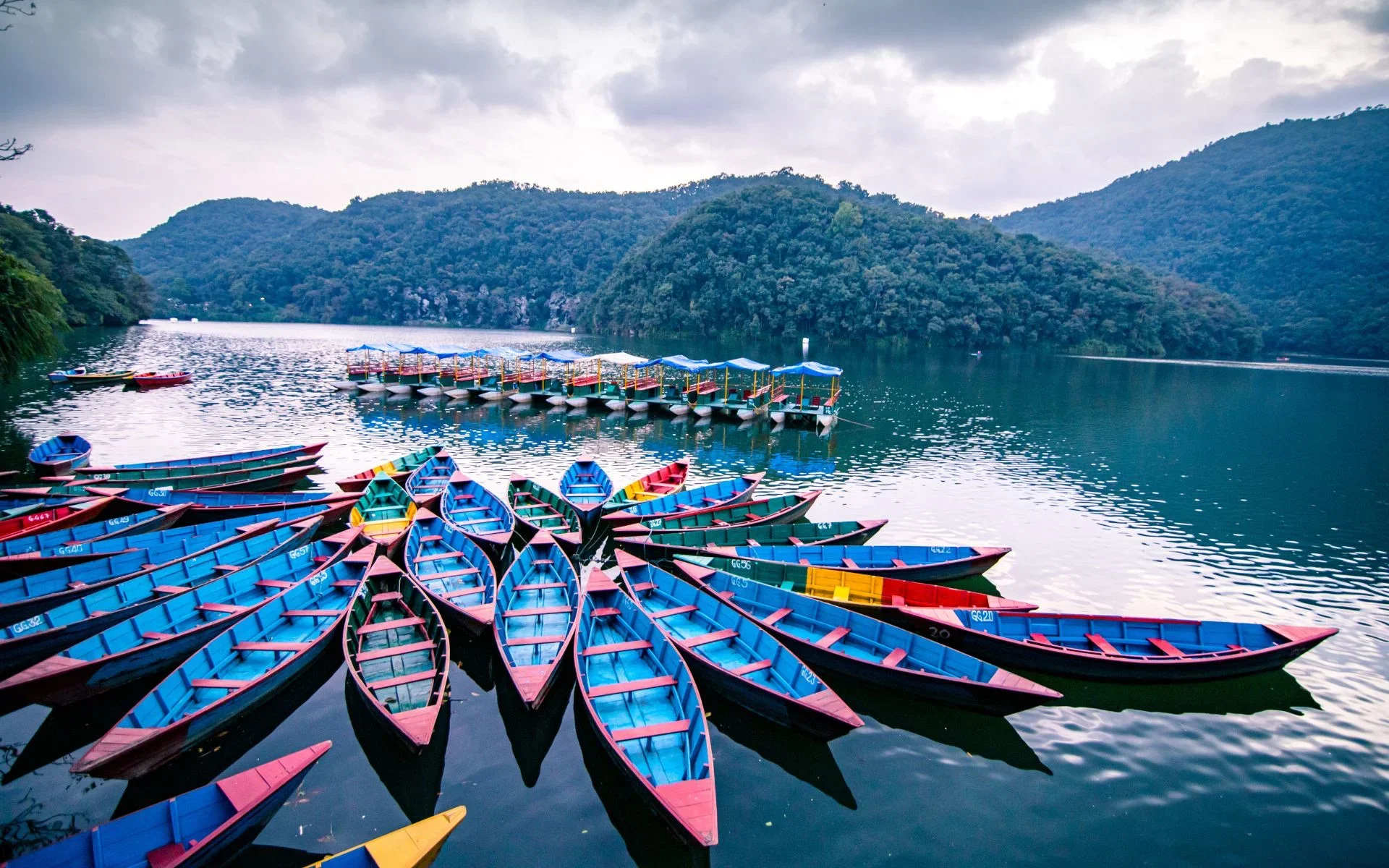
Source: Gorkhe/Magnific, Photograph presents a scenic view of Phewa Lake in Pokhara, Nepal, photo featuring vibrant, handcrafted wooden boats resting on tranquil waters.
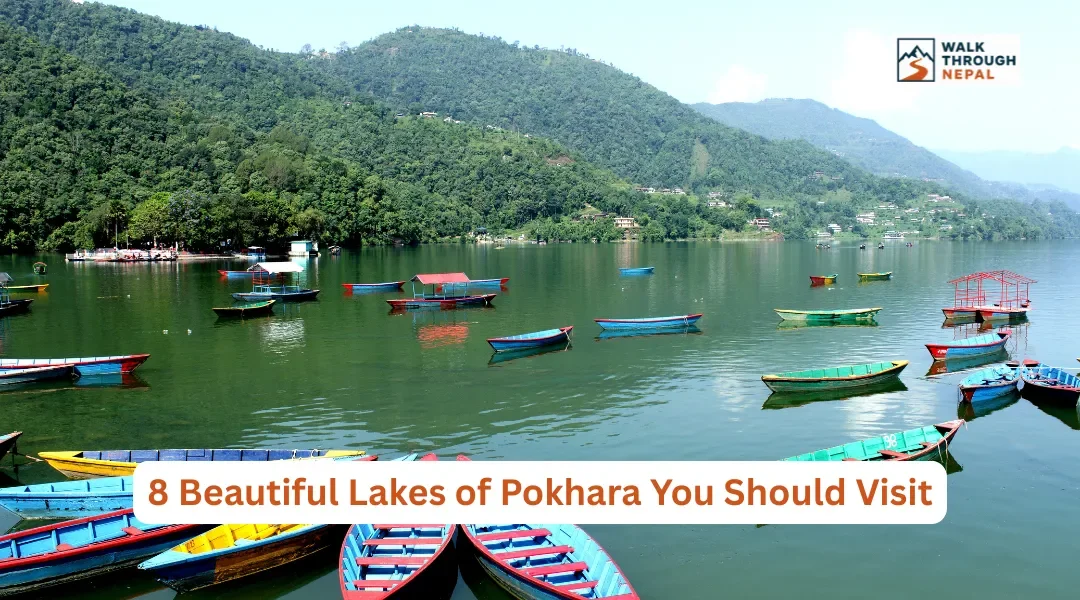
Phewa is the largest and most visited lake in Pokhara, sitting directly beside the Lakeside tourist district. It offers colorful wooden boat rides, the island-set Tal Barahi Temple, and striking reflections of Machhapuchhre and the Annapurnas on calm mornings. This is the lake most first-time visitors experience.
You can rent a hand-paddled or pedal boat from the eastern shore and glide out to the small island temple in the middle of the water. Early risers get the clearest mountain reflections, while sunset paints the whole surface gold as the Lakeside cafes light up behind you.
If you want the classic Pokhara postcard, start here. For a deeper look at the area and where the city sits within the valley, see our guide on where Pokhara is located.
2. Begnas Lake
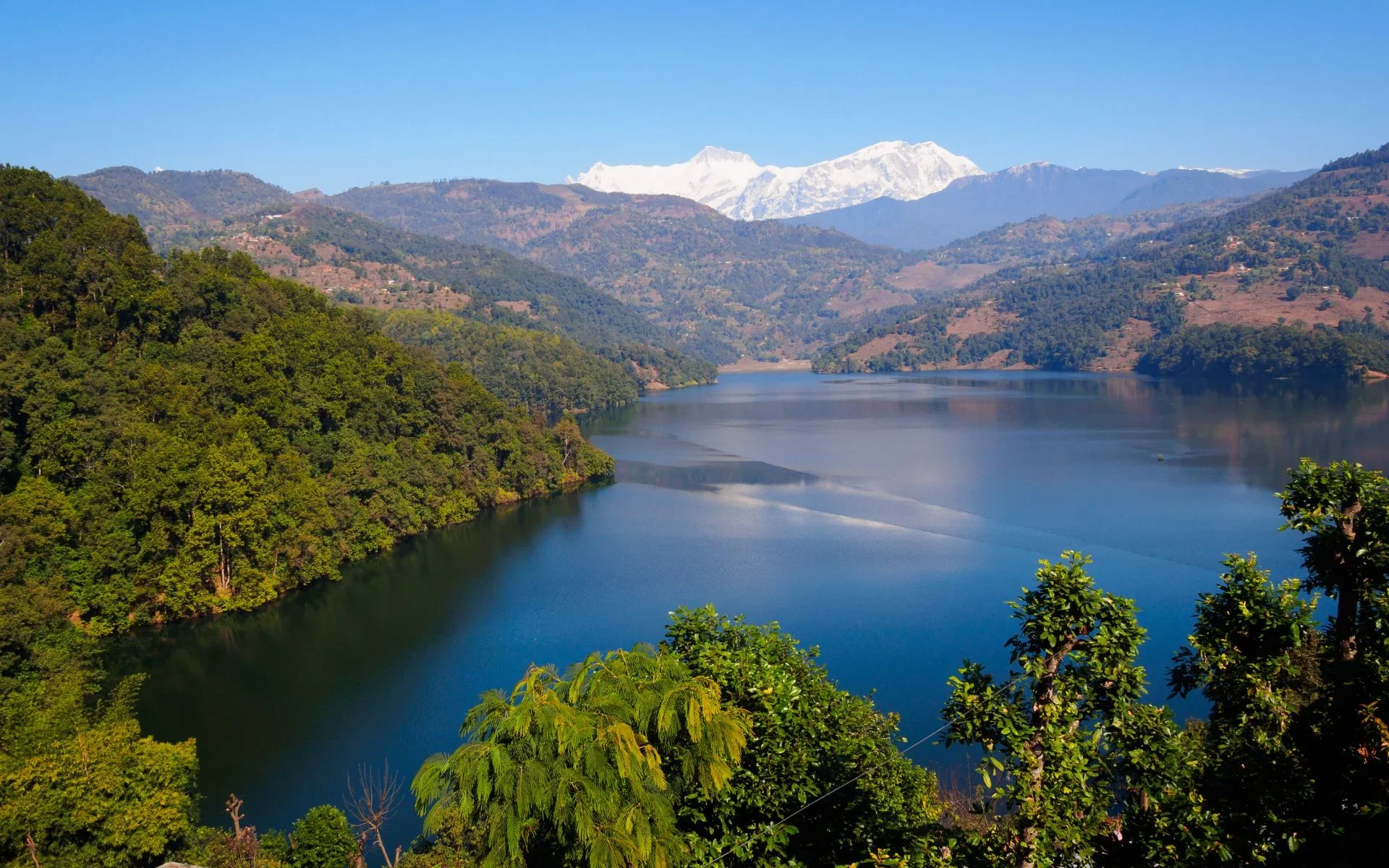
Source: Canva; A scenic view of Begnas Lake in Pokhara, Nepal, with the snow-capped Annapurna Himalayan range visible in the background
Begnas is the second-largest lake in Pokhara, located in the Lekhnath area about a 30 to 40 minute drive east of Lakeside. It is much quieter than Phewa, surrounded by farmland and forested hills, and known for calm boating, freshwater fishing, and a relaxed rural atmosphere.
Where Phewa buzzes with tourism, Begnas feels local. Fishing cages line parts of the shore, terraced fields climb the surrounding slopes, and the boating is peaceful rather than busy. A short walk up the ridge that separates Begnas from Rupa gives you views over both lakes at once.
Begnas suits travelers who want stillness, a picnic by the water, or a slow half-day escape from the city.
3. Rupa Lake
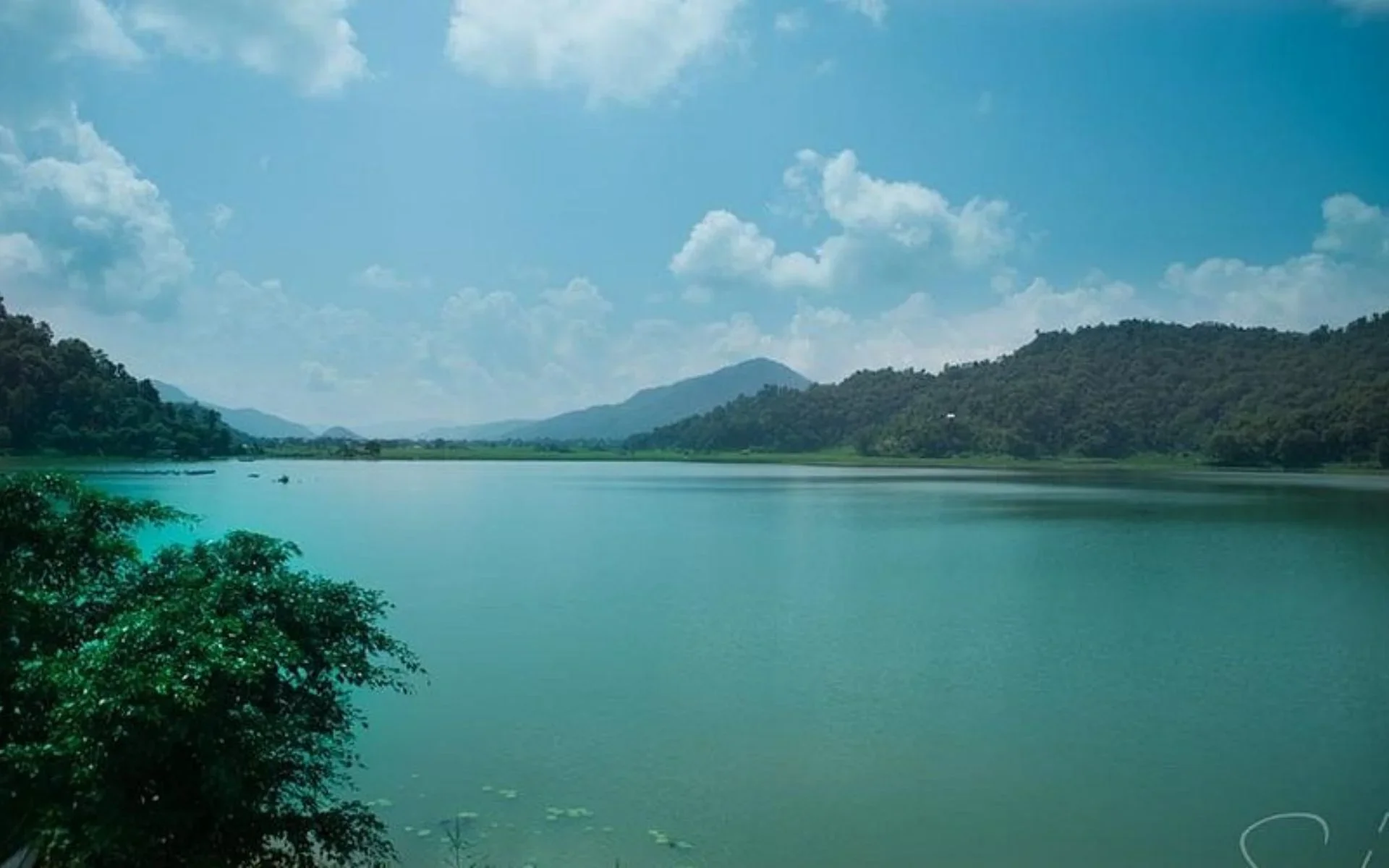
Source: Tripadvisor; Rupa Lake, a peaceful freshwater lake located in the Pokhara Valley of Nepal
Rupa Lake sits just east of Begnas, separated by the Panchbhaiya ridge. It is a narrow, quiet lake fringed by wetlands, farmland, and small villages, and it is one of the best birdwatching spots in the valley. Very few tourists reach it, which keeps its natural character intact.
The lake is fed by streams and surrounded by fertile land, so you will see local farming life alongside herons, kingfishers, and migratory birds in season. Walk the ridge trail from Begnas and drop down toward Rupa for a genuinely untouched slice of the valley.
This is a lake for nature lovers and slow travelers rather than boaters chasing views.
4. Khaste Lake
Khaste is a small wetland lake known primarily for its birdlife and biodiversity. It lies between Pokhara and Lekhnath and is surrounded by reeds and marshy edges rather than restaurants and boat docks. It is a favorite among local birdwatchers and conservation groups.
What sets Khaste apart from the big tourist lakes is its raw wetland feel. There is no lakeside promenade here, just open water, tall grasses, and plenty of resident and migratory birds. Bring binoculars and go early when bird activity peaks.
5. Dipang Lake
Dipang Lake is a quiet natural lake in the Lekhnath area, close to Begnas and Rupa. It has a simple, undeveloped shoreline backed by hills and farmland, offering pleasant views and a peaceful setting for photography and nature walks.
Dipang rarely appears on standard tourist itineraries, which is exactly its charm. You can easily fold it into a day exploring the eastern lake cluster, pausing for photos of the reflective water and green surroundings without another visitor in sight.
6. Maidi Lake
Maidi Lake is a lesser-known lake in the Pokhara and Lekhnath area, valued for its quiet surroundings and local rural landscape. It sees very few outside visitors and offers a calm, off-the-map experience for those who want to see the valley beyond its famous shores.
Expect simple surroundings, local farming activity, and a slow pace. Maidi is best combined with the other eastern lakes on a longer valley loop rather than visited on its own.
7. Neureni Lake
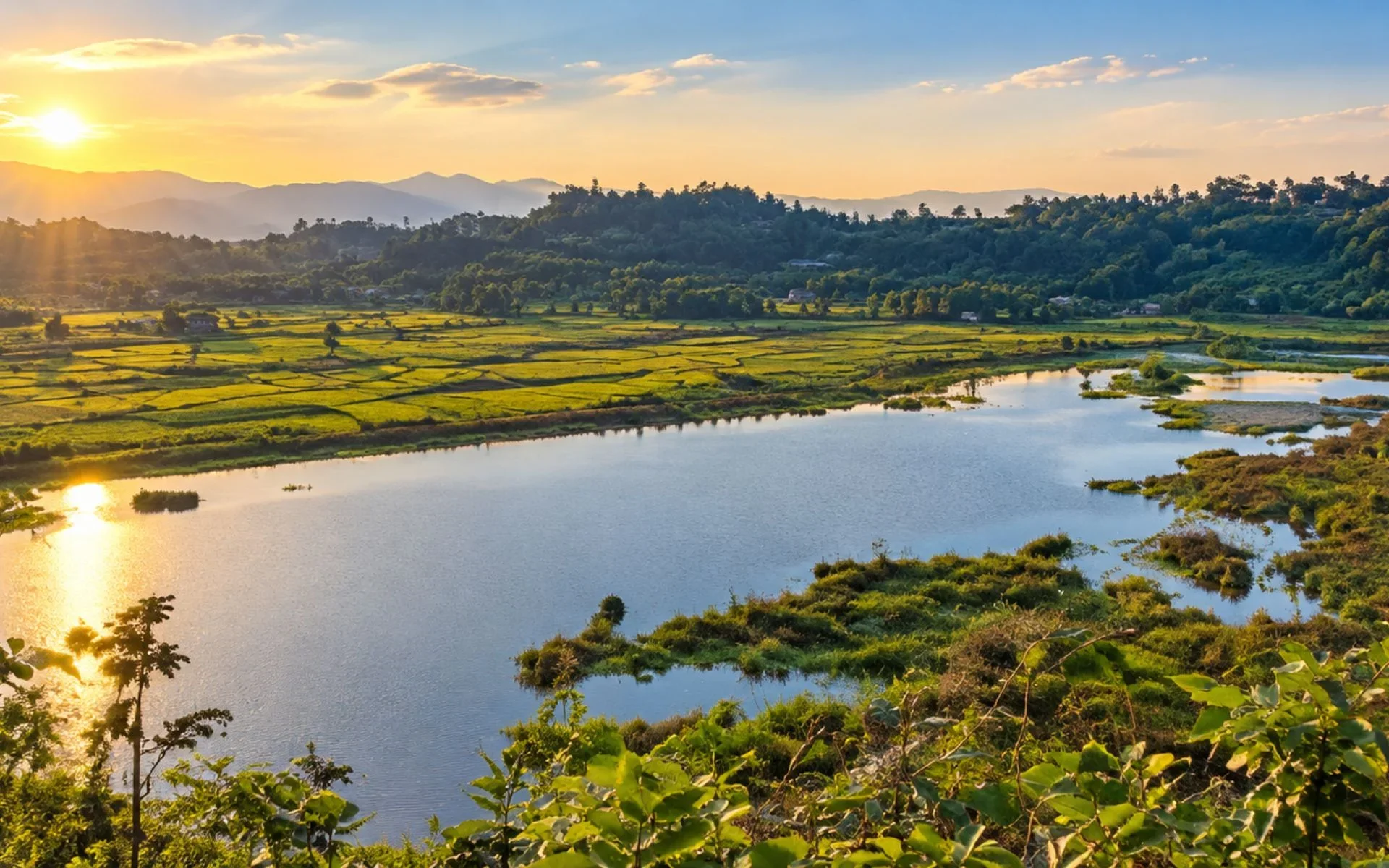
Source: Facebook; Neureni Lake surrounded by green hills and farmland in Pokhara.
Neureni Lake is a small wetland lake in the Pokhara valley, known for its peaceful environment and birdlife. It sits within the same eastern wetland belt as Khaste and Dipang, and its marshy edges attract a good variety of birds throughout the year.
Access is straightforward by private vehicle, though the lake itself remains quiet and undeveloped. If you are building a birdwatching or wetland-focused day, Neureni pairs naturally with Khaste.
8. Gunde Lake
Gunde Lake is one of the smaller and least-visited lakes in the Pokhara area, offering a natural setting surrounded by local landscape. It sees minimal tourism, which makes it appealing to travelers looking for solitude and an authentic glimpse of everyday valley life.
There is little infrastructure here, so keep expectations simple. Gunde is a place to sit quietly, watch the water, and appreciate how much of Pokhara's lake country still belongs to the local community rather than to tourism.
Phewa Lake vs Begnas Lake vs Rupa Lake
These three are the lakes most travelers actually compare. Phewa is the busy, iconic one; Begnas is the calm, scenic middle ground; Rupa is the wild, birdwatcher's lake. Here is how they stack up.
Feature
Phewa
Begnas
Rupa
Popularity
Highest
High
Lower
Boating
Yes
Yes
Yes
Crowds
Higher
Moderate
Lower
Lakeside tourism
Yes
Limited
Limited
Nature
Yes
Yes
Yes
Best for
First-time visitors
Relaxation
Nature and birds
Which Lake in Pokhara Should You Visit?
The right lake depends entirely on your travel style. First-time visitors should start at Phewa for boating and mountain views. Peace seekers should head to Begnas, while nature and bird lovers will prefer Rupa and Khaste. Photographers do well at Phewa and Begnas, and anyone wanting solitude should try the smaller eastern lakes.
Autumn (October to November) and spring (March to April) are the best times to visit Pokhara's lakes, offering clear skies and sharp mountain reflections. Winter is calm and quiet, while monsoon brings vivid greenery but cloud cover. Choose your season based on whether you want views, weather, or lush scenery.
Spring (March to May): Warm days, blooming hills, generally good visibility early in the season.
Monsoon (June to August): Lush and green, but skies are often cloudy and lakes run high. Mountains hide behind haze.
Autumn (September to November): The clearest air of the year and the best mountain reflections on Phewa and Begnas.
Winter (December to February): Cool, calm, and uncrowded, with crisp mornings ideal for photography.
Keep in mind the three don't always align: the greenest scenery comes in monsoon, but the best mountain visibility and calmest water come in autumn and winter.
How to Visit the Lakes of Pokhara
Most lake trips start from Lakeside near Phewa. From there, the eastern cluster of Begnas, Rupa, Khaste, Dipang, and Neureni is easiest to reach by private vehicle or taxi, roughly a 30 to 45 minute drive. Local buses run toward Begnas but are slower and less flexible for multi-lake days.
If you want to combine several lakes, hire a taxi or private car for a half or full day. A relaxed plan is Phewa in the morning near Lakeside, then the Begnas and Rupa area in the afternoon. Trying to reach all eight in one day is possible with a driver but leaves little time to actually enjoy each shore.
We suggest allocating one full day for Phewa and Lakeside, and a second day for the eastern wetland lakes if birdwatching and nature are your priority. Pokhara also makes an ideal base before or after treks like the Ghorepani Poon Hill trek or the Annapurna Base Camp trek.
Frequently Asked Questions
How many lakes are there in Pokhara?
Pokhara Valley is commonly said to have eight lakes, though some local records list nine. The widely accepted eight are Phewa, Begnas, Rupa, Khaste, Dipang, Maidi, Neureni, and Gunde.
What are the 8 lakes of Pokhara?
They are Phewa, Begnas, Rupa, Khaste, Dipang, Maidi, Neureni, and Gunde. Phewa lies beside Lakeside, while most of the others sit in the Lekhnath area to the east.
Which is the most famous lake in Pokhara?
Phewa Lake is the most famous, thanks to its boating, the island Tal Barahi Temple, and its reflections of the Annapurna range.
Which lake is best in Pokhara?
Phewa is best for first-timers, Begnas for relaxation, and Rupa or Khaste for birdwatching and untouched nature.
Is Begnas Lake better than Phewa Lake?
Begnas is quieter, greener, and more rural, while Phewa is livelier with more tourism. Begnas is better for calm, Phewa for a classic Pokhara experience.
Can you visit all 8 lakes of Pokhara in one day?
It is possible with a private vehicle but rushed. A better plan covers Phewa plus the eastern cluster over one or two days.
What is the best time to visit Pokhara's lakes?
Autumn (October to November) and spring (March to April) offer the clearest skies and best mountain reflections.
Conclusion
Phewa will always be the gateway lake, the one that draws you in with boat rides, mountain reflections, and a lively Lakeside evening. But the valley's smaller lakes, from peaceful Begnas to the bird-rich wetlands of Rupa and Khaste, show you a slower, more local Pokhara that most visitors never see.
Give yourself an extra day, hire a driver, and let the eastern lakes surprise you. That is where the quiet heart of the valley still lives.