
Contents
Nepal is blessed with some of the world’s most remarkable trekking routes, and circuit treks that 100% reward a breathtaking experience of Himalayan landscapes.
You don’t need to follow a trail to one destination and return along the same path, as these circuit journeys take you through different valleys, passes, traditional villages and changing landscapes, often forming a large loop through the mountains.
From the well-established trails of the Annapurna region to the remote settlements of Upper Dolpo, Nepal offers circuit trekking experiences for different interests and experience levels.
If you are considering a longer Himalayan adventure, here are five of the most popular and notable circuit-style treks in Nepal, along with what makes each route different.
5 Most Popular Circuit Treks in Nepal
1. Annapurna Circuit Trek
Duration: Approximately 12–18 days
Difficulty: Moderate to challenging
Best seasons: March–May and September–November
The Annapurna Circuit Trek is one of Nepal's classic long-distance trekking routes, taking you around the Annapurna mountain range through a remarkable variety of landscapes.
What makes this journey special is the gradual transition from green river valleys like Marshyangdi river valley and forested hillsides to alpine terrain, high mountain passes and the dry landscapes of the Mustang region.
The trek commonly begins around Besisahar or Dharapani, depending on road access and the chosen itinerary. Following the Marsyangdi River, the trail passes through traditional settlements such as Chame and Pisang before reaching Manang, an important acclimatization stop.
As you gain elevation, the surrounding scenery becomes increasingly dramatic. Views of Annapurna II, III and IV, Gangapurna and other Himalayan peaks accompany several sections of the route.
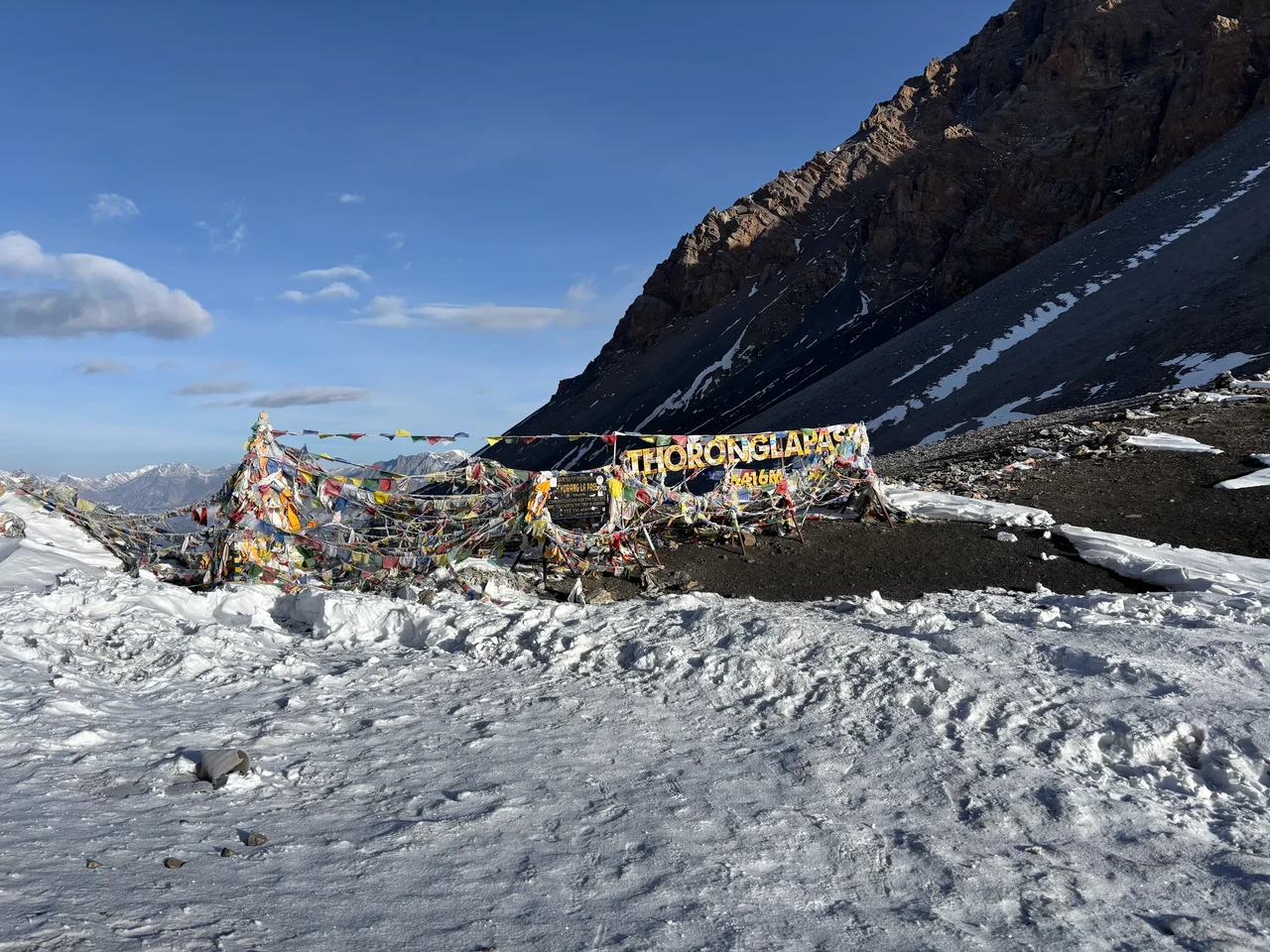
One of the main highlights is crossing Thorong La Pass at 5,416 metres, the highest point of the traditional Annapurna Circuit. The crossing is physically demanding, but reaching the pass offers an unforgettable experience surrounded by the high Himalayas.
After descending from Thorong La, the trail reaches Muktinath, an important pilgrimage destination for both Hindus and Buddhists. The journey can continue through Jomsom and Marpha, where the landscape becomes noticeably drier and the local architecture reflects the cultural influence of the Mustang region.
Annapurna Circuit Trek Highlights:
Thorong La Pass (5,416 m)
Traditional villages of Manang and Pisang
Muktinath Temple
Marpha's traditional Thakali settlement
Changing landscapes from subtropical valleys to high-altitude deserts
Panoramic views of the Annapurna and Dhaulagiri ranges
Who should choose this trek?
The Annapurna Circuit is a good choice for trekkers who want a combination of mountain scenery, cultural experiences and established teahouse accommodation. It suits those interested in a longer Himalayan journey without the logistical demands of some of Nepal's more remote trekking regions.
One thing worth considering is road development. Several sections of the traditional route now have road access, so modern itineraries often adjust the starting and ending points to retain the best walking sections.
Further Read: Annapurna Circuit Trek Safety Tips
2. Manaslu Circuit Trek
Duration: Approximately 13–18 days
Difficulty: Challenging
Best seasons: March–May and September–November
For a quieter mountain trails and traditional Himalayan settlements, the Manaslu Circuit Trek got something different experience from the more established Annapurna route.
Located in the Gorkha district of north-central Nepal, this trek circles Mount Manaslu, the world's eighth-highest mountain at 8,163 metres.
The journey follows the Budhi Gandaki River through deep valleys, forests and small settlements before gradually entering a high-altitude landscape influenced by Tibetan Buddhist culture.
The trek generally starts at Machha Khola and passes through villages such as Jagat, Deng and Namrung. As the trail climbs, mountain views become more prominent, particularly around Lho, where you can see Mount Manaslu rising above the surrounding landscape.
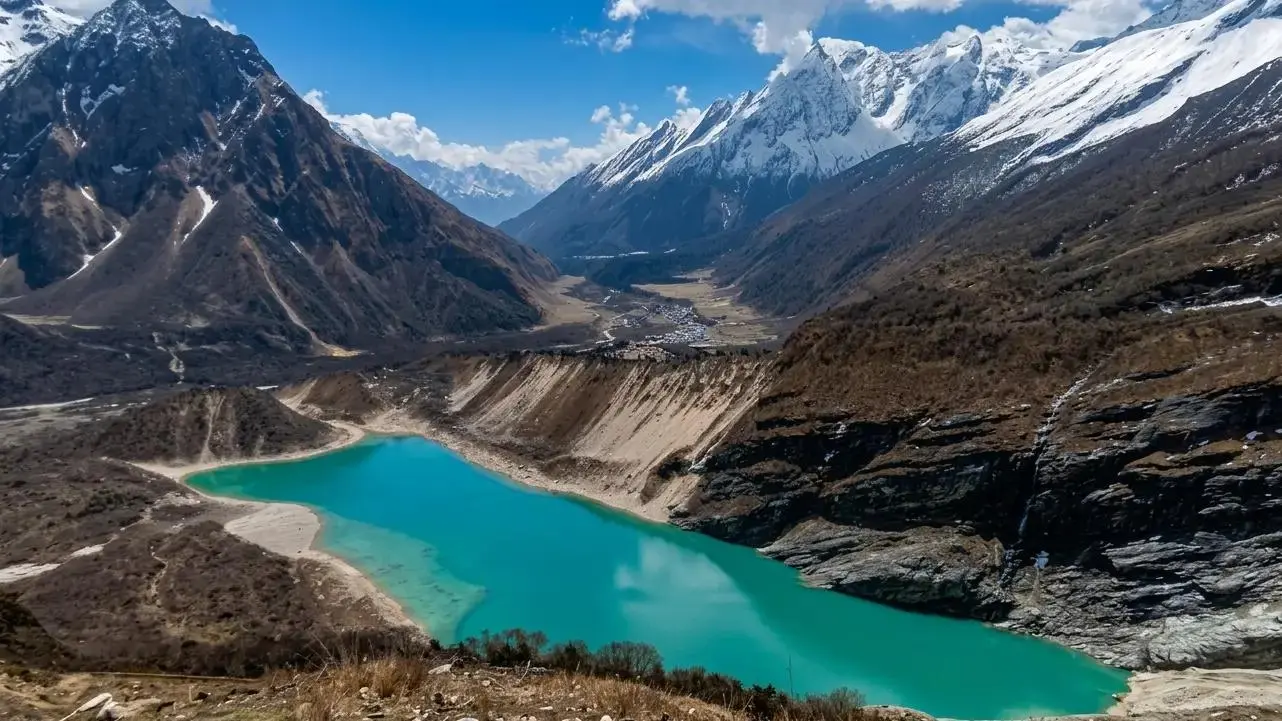
One of the most memorable places along the route is Samagaon. Situated beneath the Manaslu massif, this traditional village provides an opportunity to experience local culture while allowing time for acclimatization.
Trekkers often spend an additional day here, exploring nearby areas such as Pungyen Gompa or taking an acclimatization hike towards Manaslu Base Camp.
Further along, Samdo offers another glimpse into the region's Tibetan-influenced lifestyle. Its remote location and traditional architecture make it one of the most distinctive settlements on the circuit.
The biggest physical challenge comes towards the end of the high-altitude section, with the crossing of Larkya La Pass at approximately 5,106 metres. The long crossing rewards trekkers with impressive mountain scenery before the trail descends towards Bimthang.
Manaslu Circuit Trek Highlights:
Views of Mount Manaslu (8,163 m)
Lho Village and Ribung Monastery
Samagaon and Pungyen Gompa
Traditional settlement of Samdo
Larkya La Pass (approximately 5,106 m)
Alpine landscapes around Bimthang
3. Everest Three Passes Trek
Duration: Approximately 17–21 days
Difficulty: Very challenging
Best seasons: March–May and September–November
For trekkers who want to explore more of the Everest region than the traditional Everest Base Camp route offers, the Everest Three Passes Trek is one of Nepal's most rewarding high-altitude adventures.
Often referred to as the Everest Circuit, this route connects several valleys in the Khumbu region by crossing three major mountain passes: Kongma La, Cho La and Renjo La.
Instead of simply trekking towards Everest Base Camp and returning along the same trail, you explore a wider section of the region, including the Gokyo Valley and remote mountain settlements.
The journey generally begins in Lukla and follows the familiar trail towards Namche Bazaar, an important Sherpa trading and acclimatization centre. From there, the route continues through Tengboche and Dingboche before heading towards the first major crossing.
The three passes are:
Kongma La (5,535 m): A demanding high-altitude crossing between the Chhukung Valley and the Lobuche area, offering dramatic views of surrounding Himalayan peaks.
Cho La (approximately 5,420 m): Connects the Everest Base Camp side of the Khumbu with the Gokyo Valley. Rocky and icy sections can make this crossing particularly challenging.
Renjo La (approximately 5,360 m): Known for its panoramic views of Everest, the Gokyo Lakes and the surrounding mountain landscape.
The route also includes two famous destinations: Everest Base Camp and Gokyo Lakes.
At Everest Base Camp, you can experience the glacier environment and the atmosphere surrounding one of the world's most famous mountaineering destinations. Nearby, Kala Patthar offers one of the best-known viewpoints of Mount Everest.
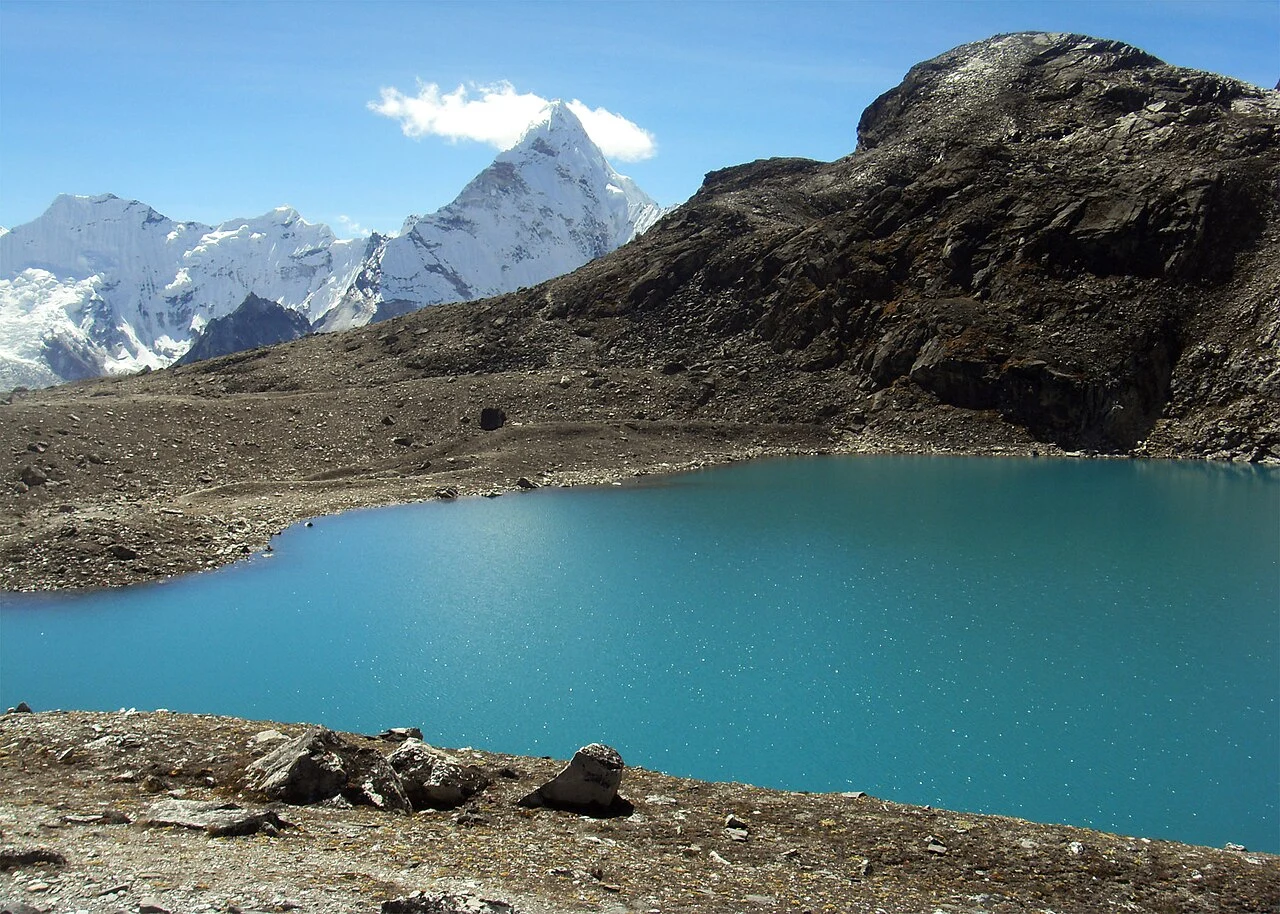
The Gokyo Valley provides a different experience, with a series of turquoise glacial lakes surrounded by snow-covered peaks. A climb to Gokyo Ri offers impressive views of the surrounding Himalayan landscape.
Together, these destinations and the three passes make this route a comprehensive exploration of the Everest region.
Everest Three Passes Trek Highlights:
Namche Bazaar and Tengboche Monastery
Kongma La, Cho La and Renjo La
Everest Base Camp
Kala Patthar viewpoint
Gokyo Lakes
Gokyo Ri
Panoramic views of Everest, Lhotse, Cho Oyu and other Himalayan peaks
Who should choose this trek?
The Everest Three Passes Trek is best for experienced trekkers with good physical fitness and previous high-altitude trekking experience. It is particularly suitable for those who want more than the standard Everest Base Camp experience and are prepared for long walking days, steep ascents and demanding mountain crossings.
Unlike the Annapurna and Manaslu circuits, the Everest Three Passes route is not a simple loop around a mountain range. It is a connected circuit-style journey through the major valleys of the Khumbu.
4. Kanchenjunga Circuit Trek
Duration: Approximately 20–25 days
Difficulty: Very challenging
Best seasons: March–May and September–November
Located in eastern Nepal, the Kanchenjunga Circuit Trek is one of the country's most remote and demanding trekking adventures.
The route explores the northern and southern sides of Mount Kanchenjunga, the world's third-highest mountain, standing at 8,586 metres.
Unlike more developed trekking destinations, the Kanchenjunga region offers a greater sense of wilderness. Villages are spread across long valleys, accommodation choices are more limited, and the journey involves several demanding sections through high-altitude terrain.
The trek commonly begins in the Taplejung area and follows a trail through settlements such as Chirwa, Sekathum and Ghunsa. As you move deeper into the mountains, forests gradually give way to alpine landscapes, with impressive views of the Kanchenjunga massif.
Ghunsa is one of the most important settlements along the northern route. Its traditional houses, monasteries and mountain surroundings provide an interesting look into local Himalayan life.
From here, the trail continues through Kambachen and Lhonak towards Pangpema, the northern base camp viewpoint at approximately 5,143 metres.
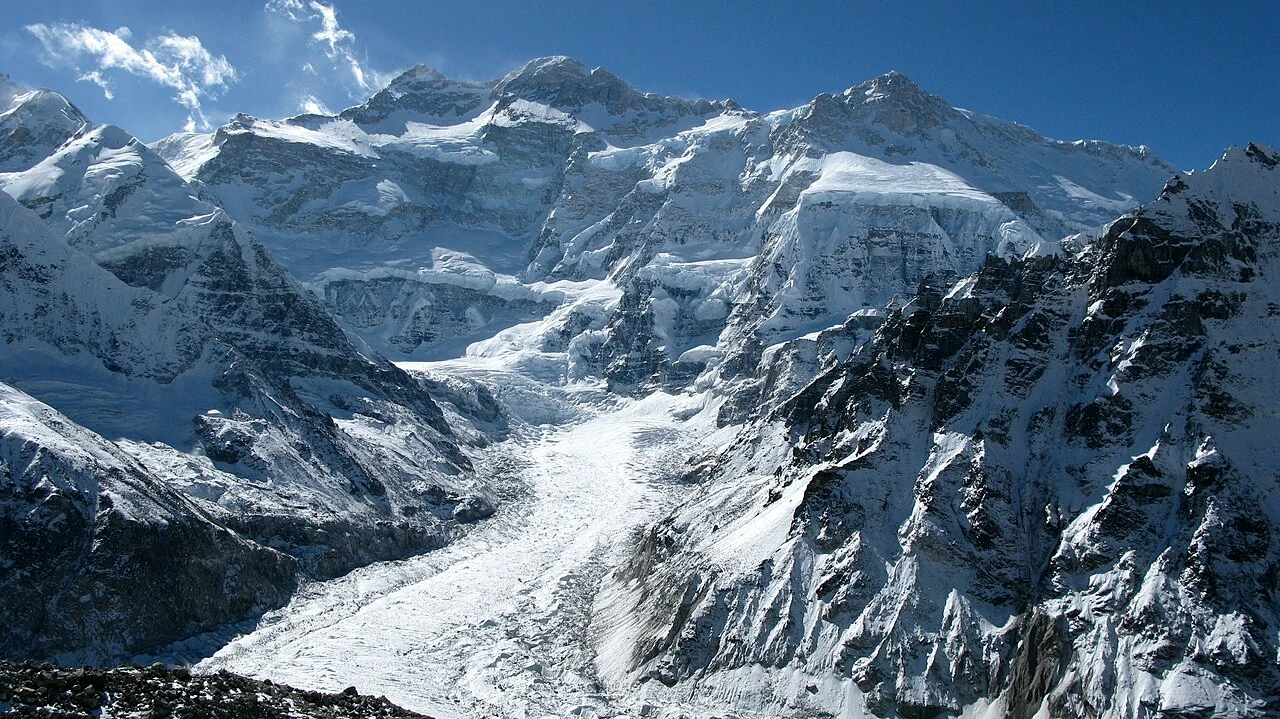
The northern section offers dramatic views of glaciers and the enormous mountain faces surrounding Kanchenjunga.
After returning towards Ghunsa, trekkers following the combined circuit itinerary cross the high passes around the Sele La and Mirgin La area to reach the southern side of the mountain.
The journey continues towards Ramche and Oktang, where trekkers can enjoy views of the Yalung Glacier and the southern faces of Kanchenjunga.
Experiencing both the northern and southern sides of the mountain is what makes the complete Kanchenjunga Circuit particularly special.
Kanchenjunga Circuit Trek Highlights:
Ghunsa and its traditional Himalayan settlements
Kambachen and Lhonak
Pangpema (approximately 5,143 m)
Northern Kanchenjunga Base Camp viewpoint
Sele La and Mirgin La crossings
Ramche and Oktang
Views of the Yalung Glacier and southern Kanchenjunga massif
Who should choose this trek?
The Kanchenjunga Circuit is best suited to experienced trekkers who have sufficient time for a longer expedition and want to explore a less-developed part of the Nepal Himalayas.
It is especially attractive to those who enjoy remote mountain environments, long walking days and the opportunity to experience both sides of a major Himalayan peak.
Because of the region's remoteness, proper planning is essential. Trekkers should be prepared for limited facilities, changing weather and more complicated transportation arrangements.
5. Upper Dolpo Trek
Duration: Approximately 21–27+ days
Difficulty: Very challenging
Best seasons: May–October, depending on the route and conditions
The Upper Dolpo Trek offers one of the most distinctive trekking experiences in Nepal. Located in the northwestern part of the country, Dolpo is known for its dry mountain landscapes, traditional settlements, Buddhist monasteries and strong cultural connections with the Tibetan plateau.
Upper Dolpo lies in the rain shadow of the Himalayas. This creates a landscape of barren mountains, deep valleys, rocky trails and high-altitude settlements that feels very different from other parts of Nepal.
The journey commonly begins in Juphal, reached through Nepalgunj and a domestic flight to Dolpa. From there, the trail follows sections of the Phoksundo Valley towards one of the region's most recognizable attractions: Shey Phoksundo Lake.
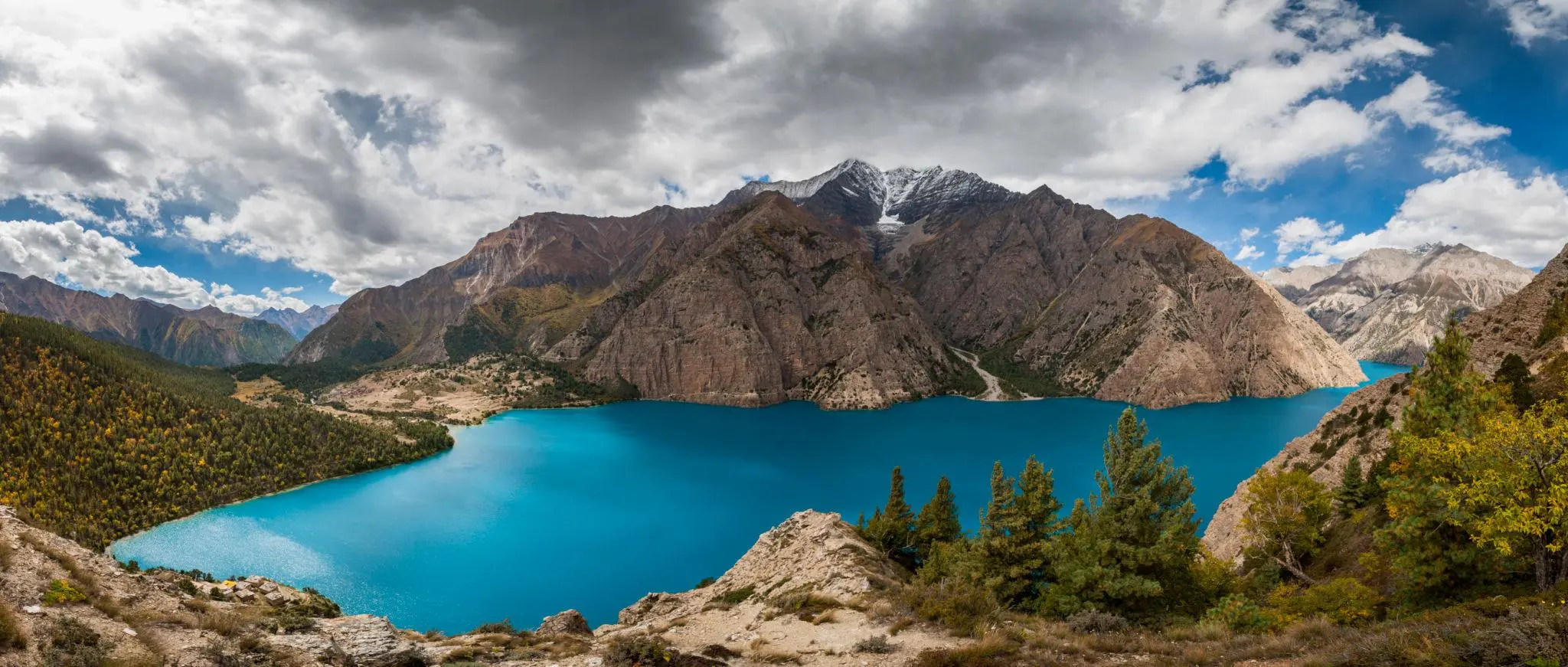
Known for its striking turquoise water and dramatic surrounding cliffs, the lake is one of the most beautiful natural attractions in western Nepal. It is located within Shey Phoksundo National Park and provides an impressive introduction to the region.
Beyond the lake, the journey continues through remote mountain trails towards Shey Gompa, an important Buddhist monastery associated with the spiritual heritage of Dolpo.
Another notable attraction is Crystal Mountain, also known as Riwo Drugdra. It is considered sacred by local Buddhist communities, and pilgrims traditionally make a circumambulation around the mountain.
The trek also passes through traditional settlements such as Saldang and Dho Tarap. These villages provide insight into the region's distinctive architecture, local traditions and Tibetan-influenced way of life.
Upper Dolpo involves several high mountain passes, with some crossings exceeding 5,000 metres. Combined with limited infrastructure and extended camping sections, these conditions make it one of the most demanding trekking experiences in Nepal.
Upper Dolpo Trek Highlights:
Shey Phoksundo Lake
Shey Gompa
Sacred Crystal Mountain
Traditional village of Saldang
Dho Tarap and its distinctive cultural heritage
Remote high-altitude valleys
Challenging mountain passes and wilderness landscapes
Who should choose this trek?
Upper Dolpo is ideal for experienced trekkers interested in remote Himalayan culture, traditional settlements and less-developed trekking destinations.
It is particularly suited to those who are comfortable with camping, limited facilities and long days in high-altitude environments. If you are looking for a comfortable teahouse trek or your first Himalayan trekking experience, more established routes such as Annapurna may be a better starting point.
Comparing the Five Circuit Treks in Nepal
Each of these Nepal circuit trekking routes offers a different experience. Comparing their duration, elevation and difficulty can help you narrow down the options before choosing an itinerary.
Trek | Approx. duration | Highest point | Difficulty |
Annapurna Circuit | 12–18 days | 5,416 m | Moderate–challenging |
Manaslu Circuit | 13–18 days | 5,106 m | Challenging |
Everest Three Passes | 17–21 days | 5,535 m | Very challenging |
Kanchenjunga Circuit | 20–25 days | 5,143 m | Very challenging |
Upper Dolpo | 21–27+ days | Route-dependent | Very challenging |
Note: These are approximate planning ranges. Actual duration and highest elevation depend on the itinerary, side trips, acclimatization schedule and trail conditions. Upper Dolpo does not have one standardized circuit itinerary.
Best Time to Do Circuit Treks in Nepal
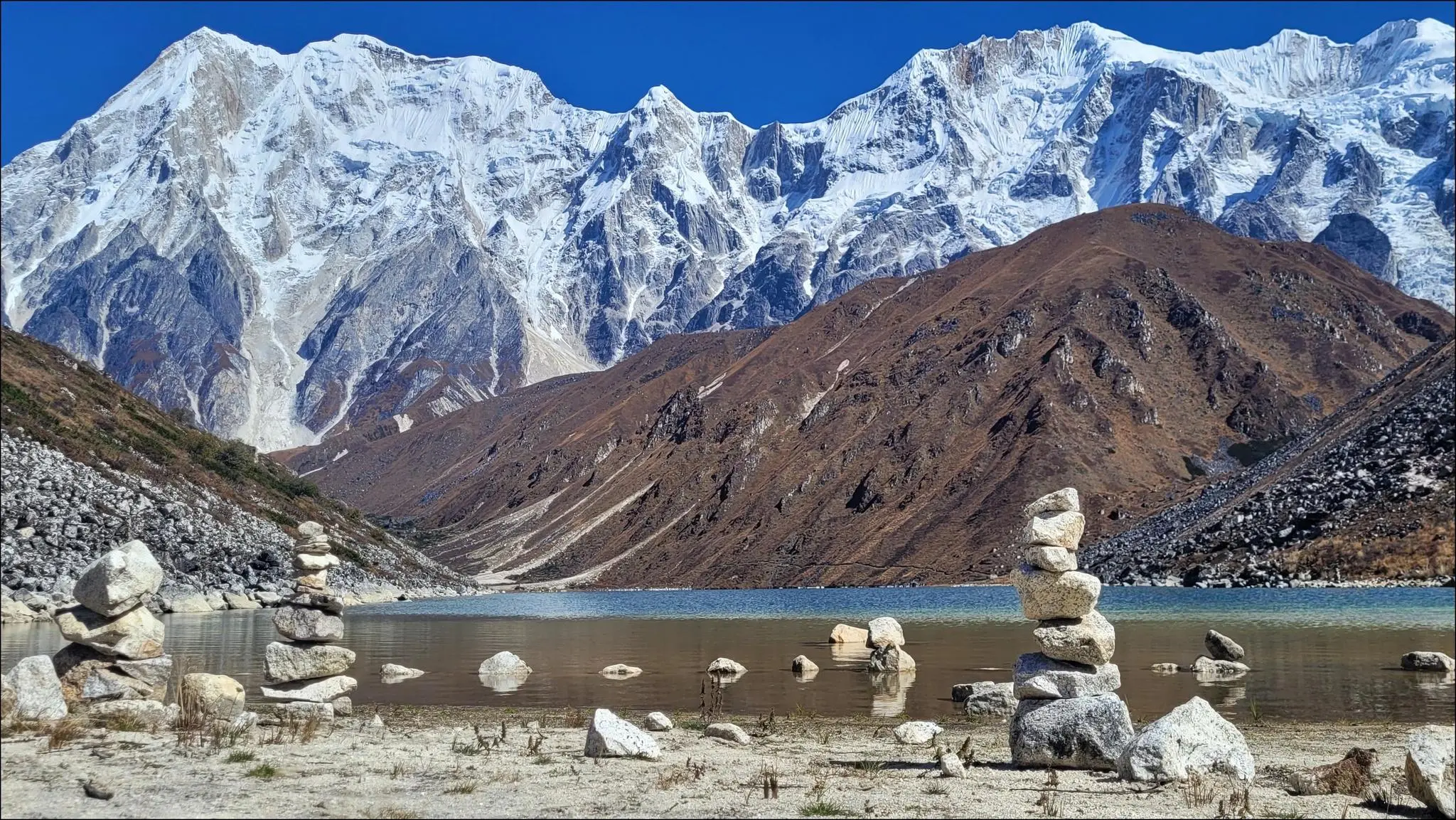
Choosing the right season is an important part of planning a circuit trek in Nepal. Weather conditions, visibility, temperature and snow around high-altitude passes can significantly influence your trekking experience.
Spring (March–May)
Spring is one of the most popular seasons for trekking in Nepal. Temperatures generally become warmer, lower forested sections begin to bloom, and mountain views can be excellent during clear weather.
It is a suitable season for Annapurna, Manaslu, Everest and Kanchenjunga. However, snow can still affect high-altitude passes, particularly earlier in the season.
Autumn (September–November)
Autumn is another excellent season for most Himalayan circuit treks. The monsoon gradually clears, leaving clearer skies and generally favourable trekking conditions.
This season is particularly popular for the Annapurna Circuit, Manaslu Circuit, Everest Three Passes and Kanchenjunga Circuit.
Summer and Monsoon (June–August)
While the monsoon makes many parts of Nepal wet and more challenging to access, Upper Dolpo is a noteworthy exception.
Because much of Upper Dolpo lies in the Himalayan rain shadow, it can be a suitable destination during the summer months. However, flight delays, trail conditions and local weather still need to be considered.
Winter (December–February)
Winter brings extremely cold temperatures and heavy snowfall to many high-altitude trekking areas. Passes such as Thorong La, Larkya La and the three Everest passes can become difficult or inaccessible.
For most trekkers, winter is not the preferred season for these five high-altitude circuit routes.
Permits and Guide Requirements for Circuit Treks in Nepal
Before starting any of these treks, you need to arrange the appropriate trekking permits and follow the applicable guide requirements.
The required documentation differs depending on the trekking region.
Annapurna Circuit: Annapurna Conservation Area Permit (ACAP).
Manaslu Circuit: Manaslu Restricted Area Permit (RAP), Manaslu Conservation Area Permit (MCAP) and Annapurna Conservation Area Permit (ACAP), depending on the route.
Everest Three Passes: Sagarmatha National Park Entry Permit and Khumbu Pasang Lhamu Rural Municipality Entry Permit.
Kanchenjunga Circuit: Kanchenjunga Restricted Area Permit (RAP) and Kanchenjunga Conservation Area Permit.
Upper Dolpo: Upper Dolpo Restricted Area Permit (RAP) and Shey Phoksundo National Park Entry Permit.
Manaslu, Kanchenjunga and Upper Dolpo are restricted trekking regions. These routes have additional requirements involving licensed guides, registered trekking agencies and applicable group arrangements.
Permit fees and requirements can change, so check the latest information with Nepal's Department of Immigration, Nepal Tourism Board or an authorized trekking agency before departure.
Which Circuit Trek in Nepal Should You Choose?
Choosing the right circuit trek depends on your experience, available time, physical preparation and the type of Himalayan experience you want.
If you are interested in diverse landscapes, traditional villages and established teahouse facilities, the Annapurna Circuit is an excellent option.
If you prefer remote settlements and a strong connection with Tibetan-influenced mountain culture, consider the Manaslu Circuit.
For experienced trekkers who want to explore the Everest region beyond the standard base camp route, the Everest Three Passes Trek offers a challenging journey through three major mountain passes.
If you have more time and want to explore a remote Himalayan wilderness, the Kanchenjunga Circuit provides an opportunity to experience both the northern and southern sides of the world's third-highest mountain.
Finally, if traditional Himalayan settlements, ancient monasteries and expedition-style trekking appeal to you, Upper Dolpo offers a particularly distinctive experience.
Regardless of which route you choose, high-altitude trekking requires preparation. Allow enough time for acclimatization, understand the challenges of your chosen trail and arrange the necessary permits and logistical support before setting out.
Conclusion
The most popular circuit treks in Nepal are not all popular for the same reasons. Annapurna offers remarkable geographical diversity, Manaslu brings you closer to traditional mountain communities, Everest challenges you with its high passes, Kanchenjunga offers remote wilderness, and Upper Dolpo provides a rare opportunity to experience the cultural and geographical character of western Nepal.
Rather than choosing a route simply because it reaches a particular altitude or appears on a list of famous treks, consider what you want from the journey. The time you have available, your previous trekking experience and your comfort with remote mountain conditions will help determine which circuit is right for you.
Whichever route you take, each offers a different perspective on the landscapes, communities and mountain environments that make trekking in Nepal so memorable.
Recommended reads: 15 Winter Treks in Nepal 2026/27: Best Routes Ranked
Frequently Asked Questions
1. What are the most popular circuit treks in Nepal?
The most popular circuit-style treks include the Annapurna Circuit, Manaslu Circuit, Everest Three Passes, Kanchenjunga Circuit and Upper Dolpo Trek.
2. Which is the best circuit trek in Nepal for beginners?
The Annapurna Circuit is a good option for beginners with reasonable fitness, proper preparation and a suitable acclimatization schedule.
3. Which is the most challenging circuit trek in Nepal?
Everest Three Passes, Kanchenjunga and Upper Dolpo are among the most challenging due to high passes, remote trails and demanding trekking conditions.
4. How many days are needed for a circuit trek in Nepal?
Most circuit treks take 12–27 days or more, depending on the route, acclimatization days and itinerary.
5. What is the best season for circuit trekking in Nepal?
Spring (March–May) and autumn (September–November) are generally the best seasons for most circuit treks in Nepal.
6. Which circuit trek in Nepal is best for mountain views?
The Everest Three Passes Trek offers spectacular views of Everest, Lhotse, Cho Oyu and other Himalayan peaks.
7. Do I need a guide for circuit treks in Nepal?
Guide requirements depend on the region. Restricted-area treks such as Manaslu, Kanchenjunga and Upper Dolpo require licensed guides and authorised agency arrangements.
8. What permits are required for circuit treks in Nepal?
Permits vary by route and may include conservation area permits, national park permits and restricted-area permits.
9. Is the Annapurna Circuit harder than the Manaslu Circuit?
The Manaslu Circuit is generally considered more challenging due to its remoteness and demanding terrain, while both involve high-altitude trekking.
10. Can beginners do the Everest Three Passes Trek?
It is not recommended for beginners without previous high-altitude trekking experience because of its demanding passes and long walking days.
11. Is Upper Dolpo suitable for summer trekking?
Yes. Upper Dolpo lies in the Himalayan rain shadow, making it one of Nepal's suitable summer trekking destinations.
12. Which circuit trek in Nepal is best for remote experiences?
The Kanchenjunga Circuit and Upper Dolpo Trek are excellent choices for trekkers seeking remote landscapes and traditional Himalayan communities.


