Contents
Winter changes the way you choose a trek in Nepal.
A route that works well in October may be a very different experience in January, when snow covers the trail, temperatures drop below freezing and some teahouses close for the season.
The challenge is not finding a trek that looks good on a map. It is choosing one that makes sense for the conditions.
For a winter trek, elevation, trail conditions and access to accommodation matter as much as the mountain views.
Ghorepani Poon Hill, Khumai Danda and the lower Sikles route offer different ways to experience the Himalayas without committing to a high mountain pass. Routes such as Mardi Himal, Everest Base Camp and the Annapurna Circuit require more careful planning, particularly when snowfall affects the trail or changes the route.
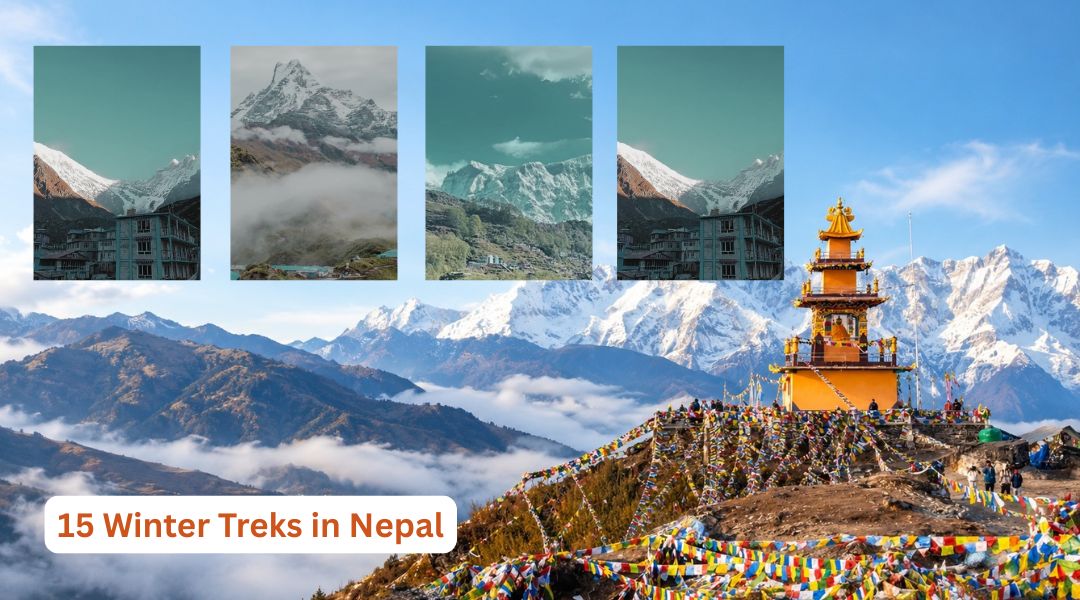
Here are 15 trekking destinations to consider for this winter, ranked by their suitability for the season, with the conditions, difficulty and practical considerations that can help you decide which route fits your plans.
Which Winter Treks in Nepal Are Best in 2026/27?
If you have four or five days, start by comparing Ghorepani Poon Hill, Khumai Danda and Ama Yangri. These routes offer mountain scenery without committing to a high Himalayan pass.
If you have more time and experience, Mardi Himal, Langtang Valley and Annapurna Base Camp are worth considering, provided the weather and trail conditions are suitable.
The higher routes need a different level of planning. Everest Base Camp and Gokyo involve prolonged exposure to cold and altitude, while Manaslu Circuit and the Annapurna Circuit depend on safe passage across high mountain passes.
Winter trek suitability at a glance
More practical for most trekkers: Ghorepani Poon Hill, Khumai Danda, Ama Yangri and the lower Sikles village route.
Possible with careful planning: Mardi Himal, Langtang Valley, Annapurna Base Camp, Rara Lake, Upper Mustang, Everest Base Camp and Gokyo Lakes.
Require particular caution: Gosaikunda, Panch Pokhari, Manaslu Circuit, Tilicho Lake and the high-pass section of the Annapurna Circuit.
These categories are starting points, not guarantees. Recent snowfall, lodge availability, your experience and the possibility of descending to a lower elevation should influence the final decision.
Compare 15 Winter Treks in Nepal
Trek | Key elevation | Typical duration | Difficulty | Winter suitability |
Ghorepani Poon Hill | 3,210 m | 4–5 days(extended 8) | Easy to moderate | More practical |
Khumai Danda | 3,245 m; Korchon ~3,700 m | 2–4 days | Moderate | More practical |
Ama Yangri | 3,771 m | 2–4 days | Moderate | More practical, conditions permitting |
Sikles (Kori Danda) | Kori Danda ~3,800–3,850 m (Sikles village ~1,980 m) | 3–6 days | Easy to challenging | Lower route more practical |
Mardi Himal | approx. 4,450–4,500 m | 4–8 days | Moderate to challenging | Conditional |
Langtang Valley | Kyanjin Gompa 3,870 m | 7–10 days | Moderate to challenging | Conditional |
Annapurna Base Camp | 4,130 m | 7–10 days | Moderate to challenging | Conditional |
Rara Lake | 2,990 m | 5–8 days | Moderate | Conditional |
Upper Mustang | Lo Manthang approx. 3,840 m | 10–14 days | Moderate to challenging | Conditional |
Everest Base Camp | 5,364 m | 12–14 days | Challenging | Demanding |
Gokyo Lakes | Gokyo village ~4,790 m (lakes 4,700–5,000 m) | 12–14 days | Challenging | Demanding |
Gosaikunda | 4,380 m | 5–7 days | Moderate to challenging | High caution |
Panch Pokhari | 4,100 m | 5–6 days | Moderate to challenging | High caution |
Manaslu Circuit | Larkya La approx. 5,106 | 12–18 days | Challenging | High caution |
Tilicho Lake and Annapurna Circuit | Tilicho Lake 4,919 m; Thorong La 5,416 m | 12–16 days | Challenging | High caution |
1. Ghorepani Poon Hill Trek
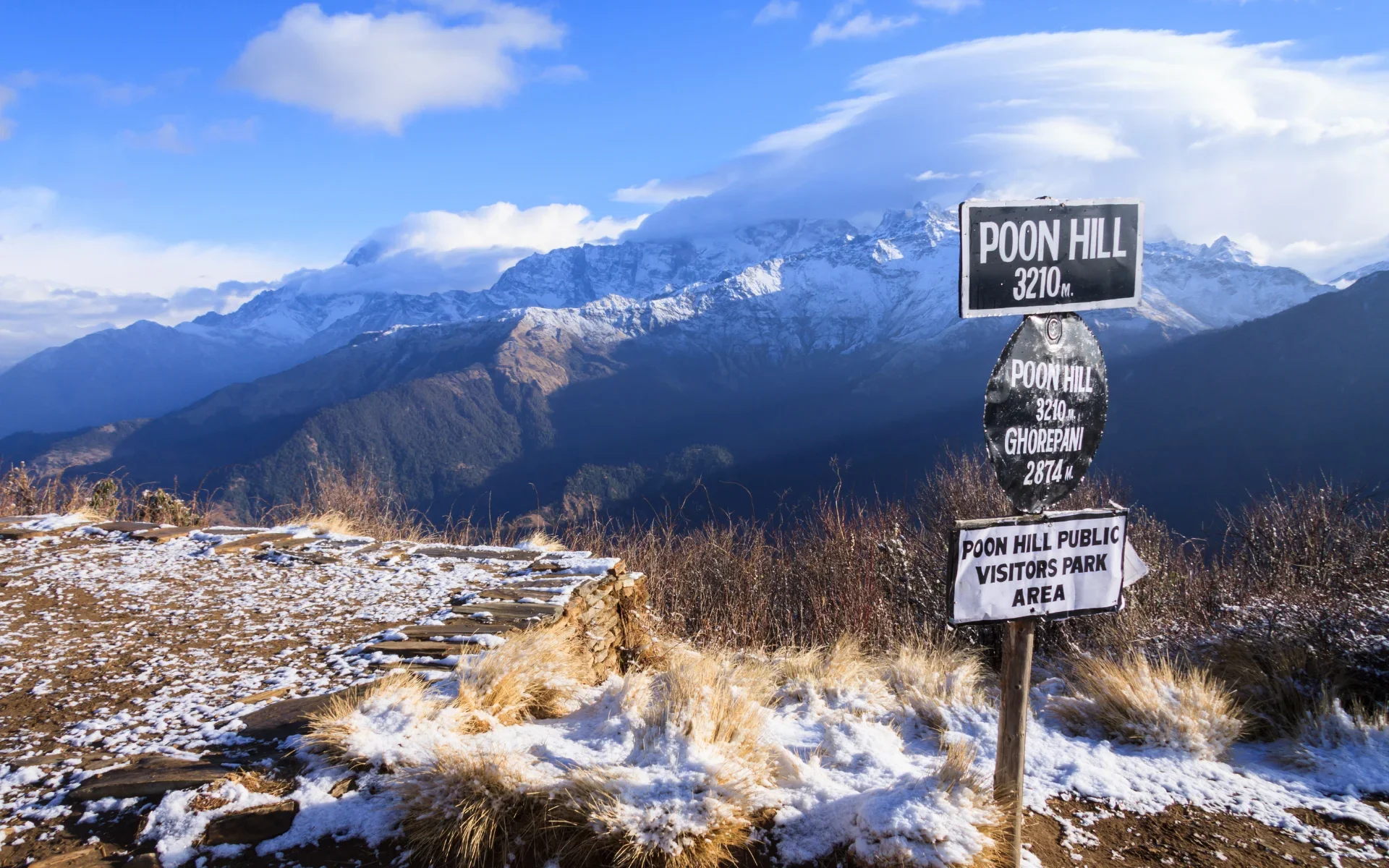
Best for: First-time trekkers, short holidays and Himalayan sunrise views.
At 3,210 metres, Poon Hill offers a mountain viewpoint without requiring a high-pass crossing. Most itineraries take four to five days from Pokhara, passing through forested trails and villages before reaching Ghorepani.
Winter brings a practical consideration: the early-morning climb to the viewpoint can involve frost, icy stone steps and temperatures below freezing. The reward is a panorama of the Annapurna and Dhaulagiri ranges, often with excellent visibility on clear days.
Ghorepani is an established trekking stop, and many lodges generally operate during winter. Confirm accommodation before departure, particularly if travelling around a holiday period or after heavy snowfall.
Route to consider for extended: Ghorepani Poon Hill Trek
2. Khumai Danda Trek
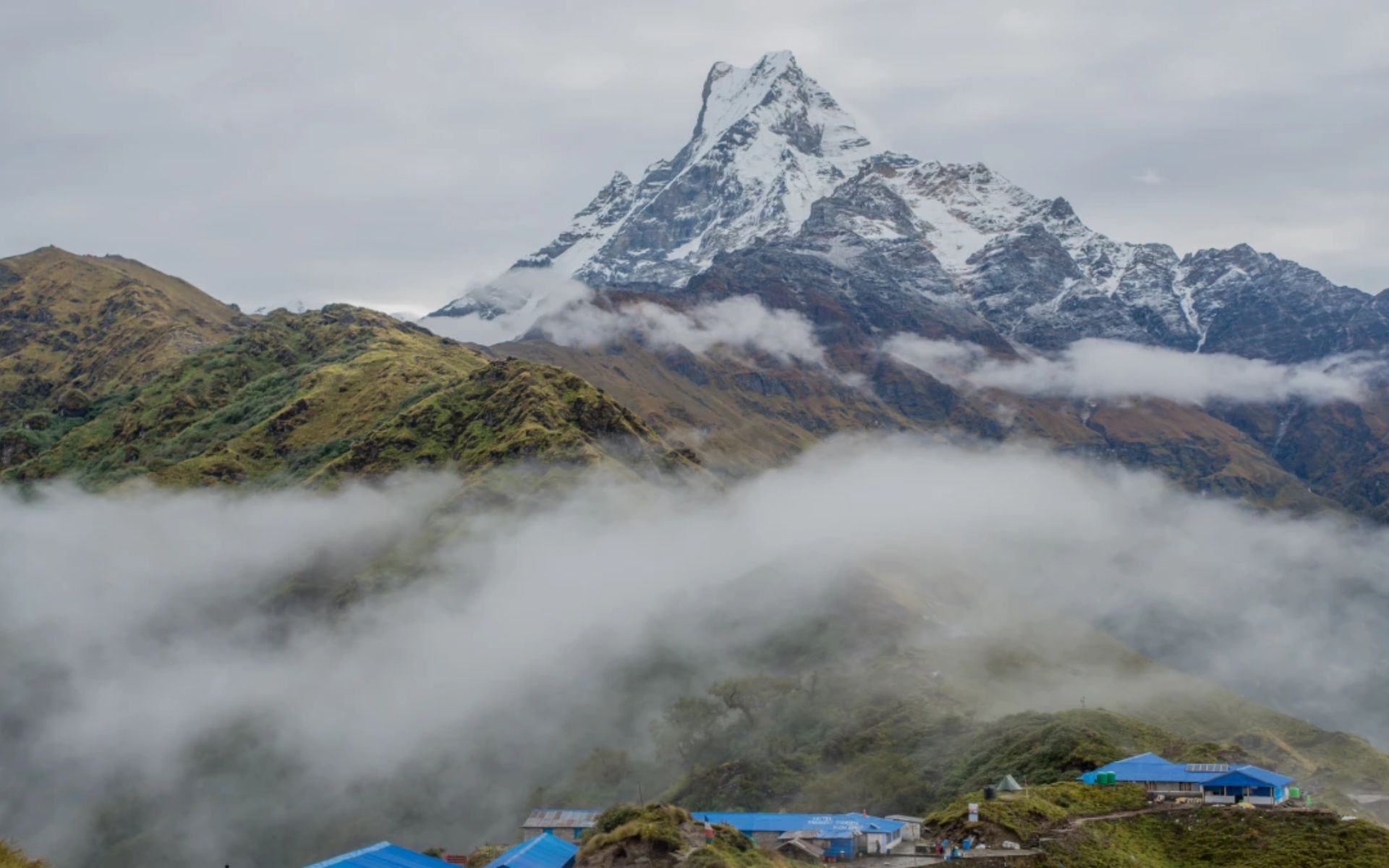
Best for: A short Himalayan trek from Pokhara.
Khumai Danda lies on the Machhapuchhre Model Trek route and is commonly reached from the Hemja or Ghachok area. The main destination is approximately 3,245 metres, while the Korchon extension reaches around 3,700 metres.
A two- to four-day itinerary makes Khumai Danda an option for travellers who cannot commit to a week-long trek. The higher ridge offers closer mountain views, but it also exposes trekkers to stronger winds, snow and icy sections.
The important distinction is between reaching Khumai Danda and continuing towards Korchon. Do not make the extension a fixed goal if recent snowfall has made the ridge difficult to cross.
Winter planning tip: Confirm overnight facilities and the condition of the upper trail before leaving Pokhara.
3. Ama Yangri Trek
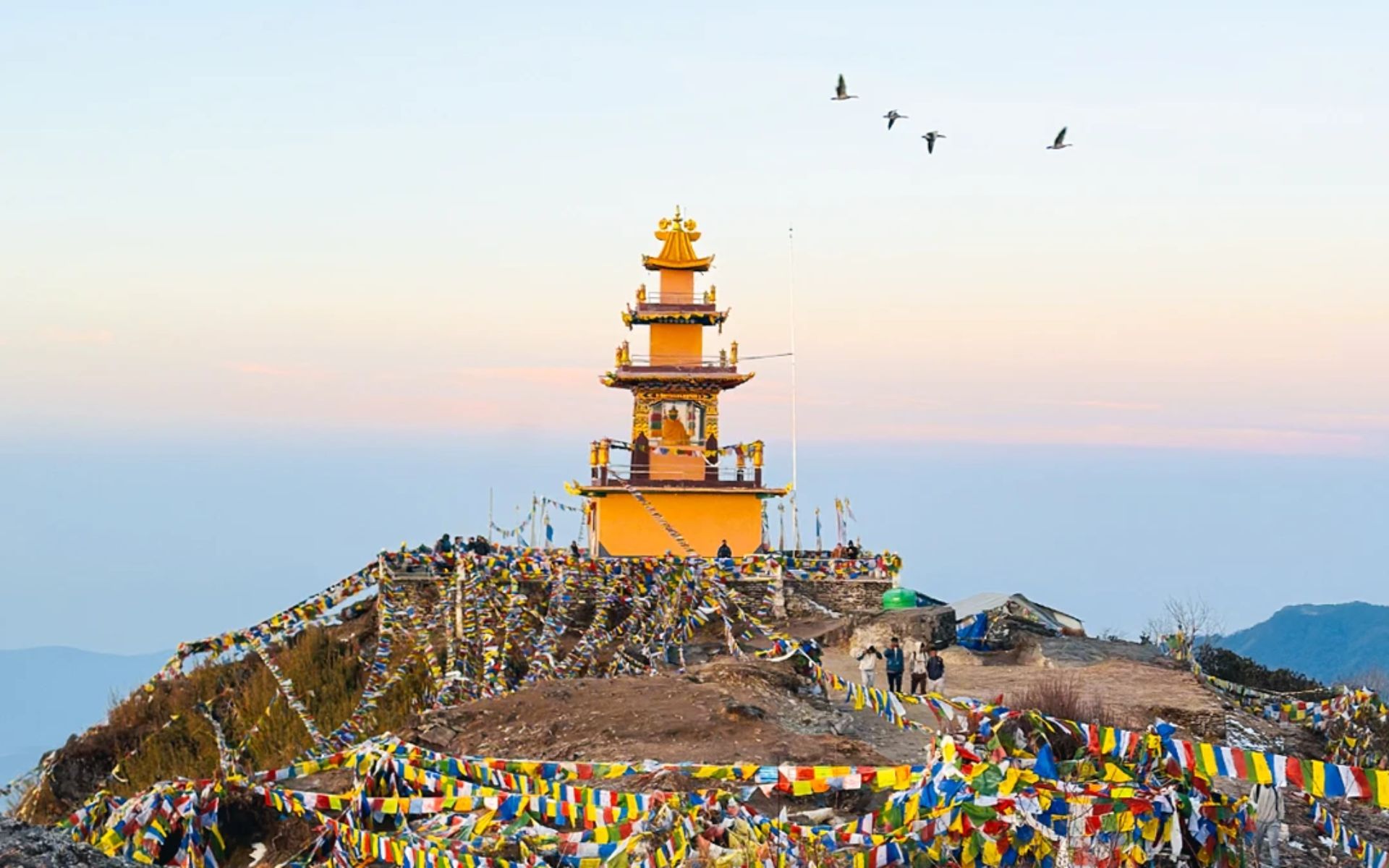
Best for: A short trek from Kathmandu with cultural and mountain scenery.
Ama Yangri is a sacred summit in the Helambu region associated with the Hyolmo community. The summit reaches approximately 3,771 metres, and itineraries commonly approach from the Tarkeghyang area.
The drive from Kathmandu can take around four to five hours, depending on road and traffic conditions. The summit walk is demanding enough to require an early start, suitable footwear and a realistic turnaround time.
Winter can make the upper trail slippery, particularly after snowfall. Although Ama Yangri is a relatively short trip, its elevation means it should not be treated like an easy day hike in all conditions.
Winter planning tip: Check the latest trail report and allow enough time to descend before dark.
4. Sikles Trek
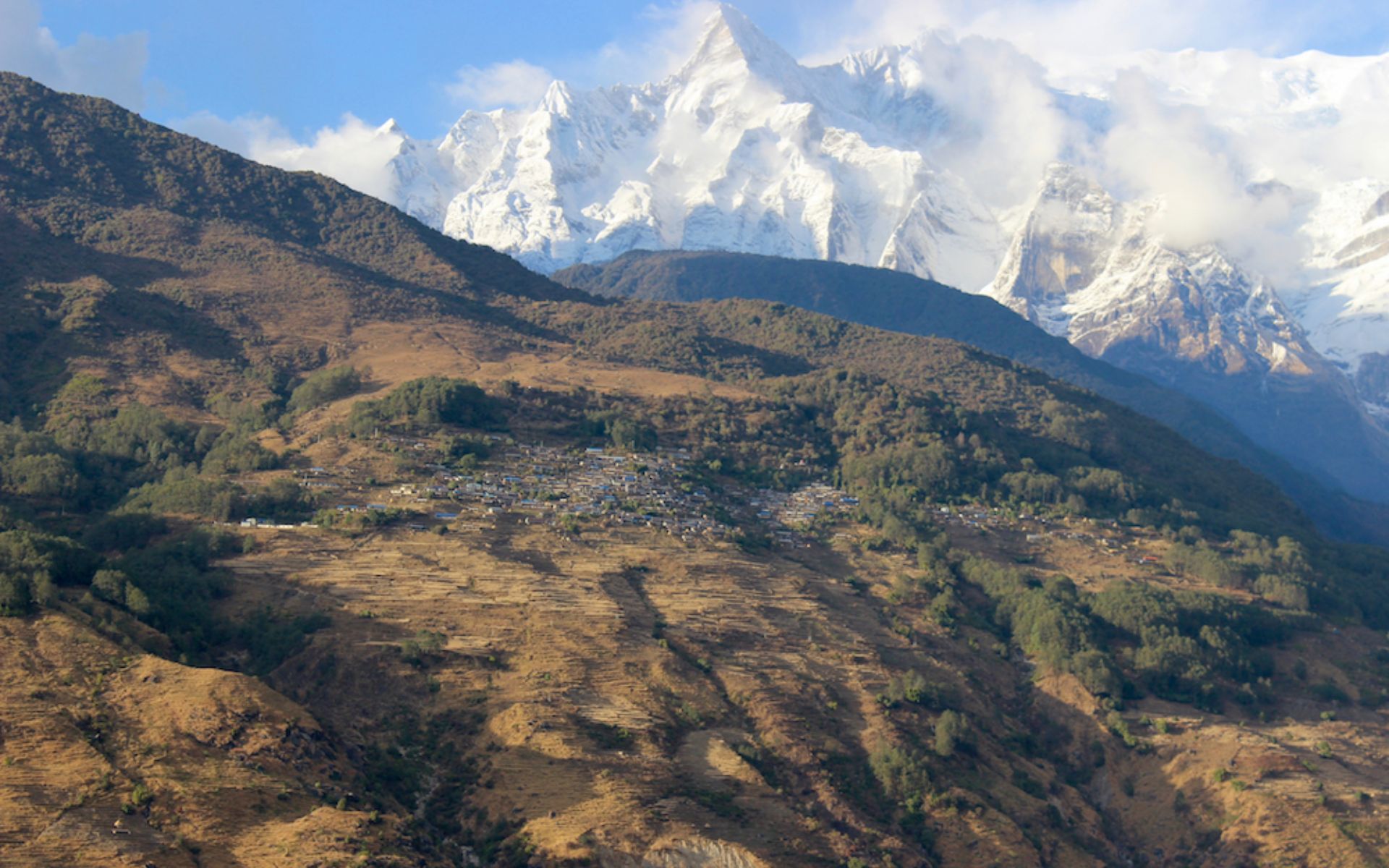
Best for: Gurung village life, local culture and quieter trails.
Sikles is a Gurung village in Kaski at approximately 1,980 metres. The journey from Pokhara can take around two to three hours by jeep, depending on road conditions. A village-focused itinerary can fit into roughly three days.
The lower route offers a different winter experience from Nepal's high-altitude treks: village visits, forested hillsides and mountain views without immediately committing to an exposed ridge.
Kori Danda, at approximately 3,800-3,850 m metres, is a more demanding extension. Accommodation becomes more limited as the route climbs, and snow can change the difficulty considerably.
Winter planning tip: Choose the village-focused itinerary if your priority is a shorter, lower-altitude trip. Attempt Kori Danda only after checking conditions and overnight arrangements.
5. Mardi Himal Trek
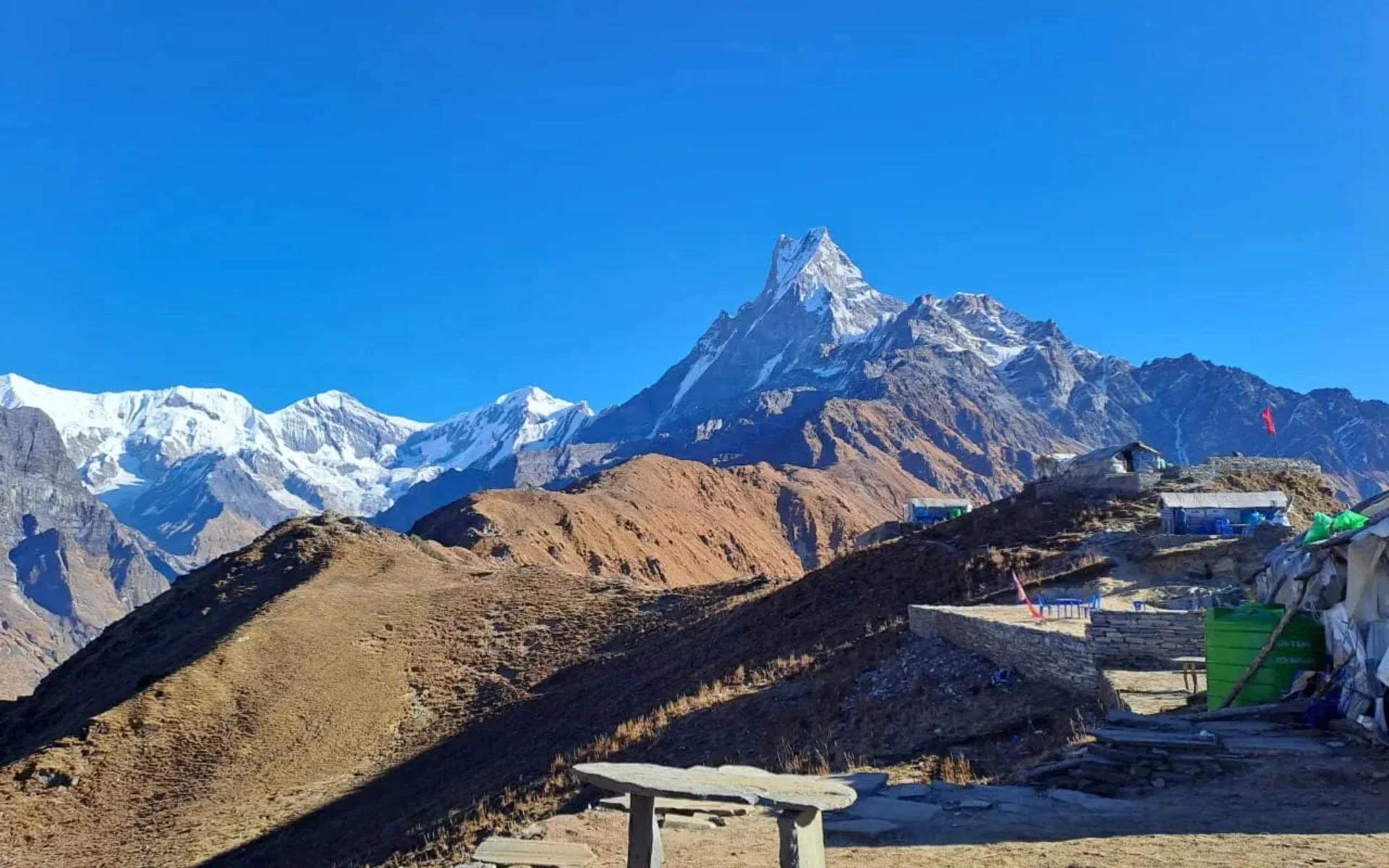
Best for: Close-up views of Machhapuchhre on a relatively short itinerary.
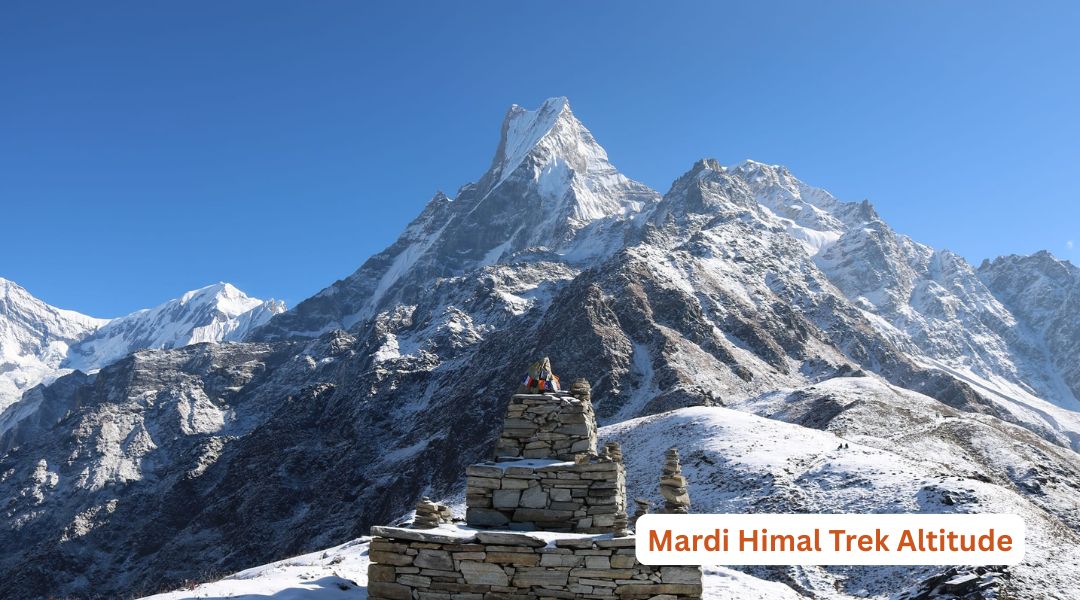
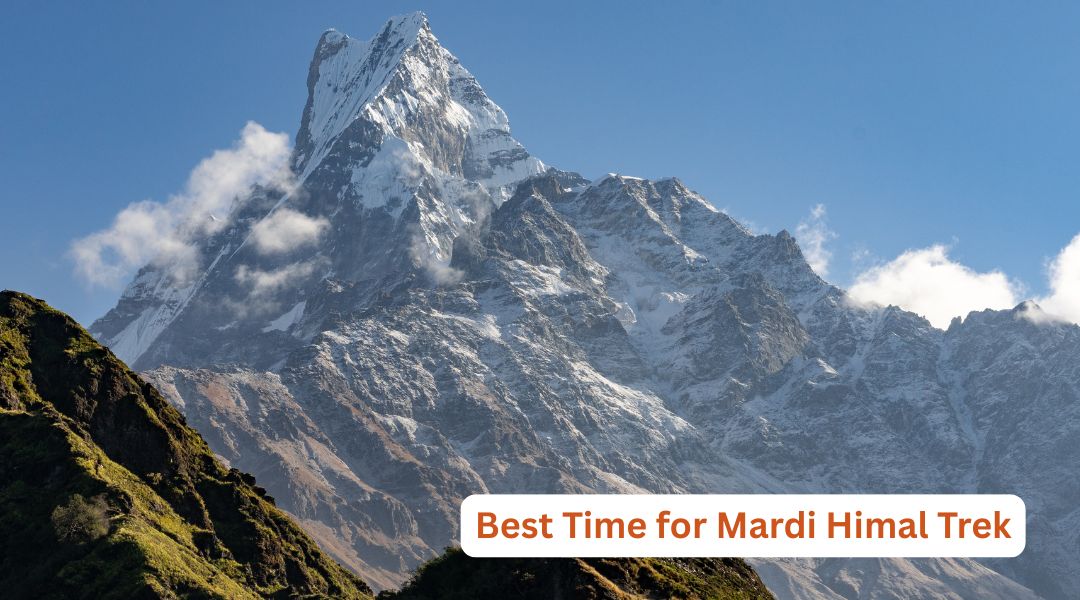
The Mardi Himal route climbs through forest towards Forest Camp, Low Camp and High Camp before continuing along a more exposed ridge. High Camp sits at approximately 3,580 metres, while the Upper Viewpoint is around 4,200 metres. Mardi Himal Base Camp is approximately 4,500 metres.
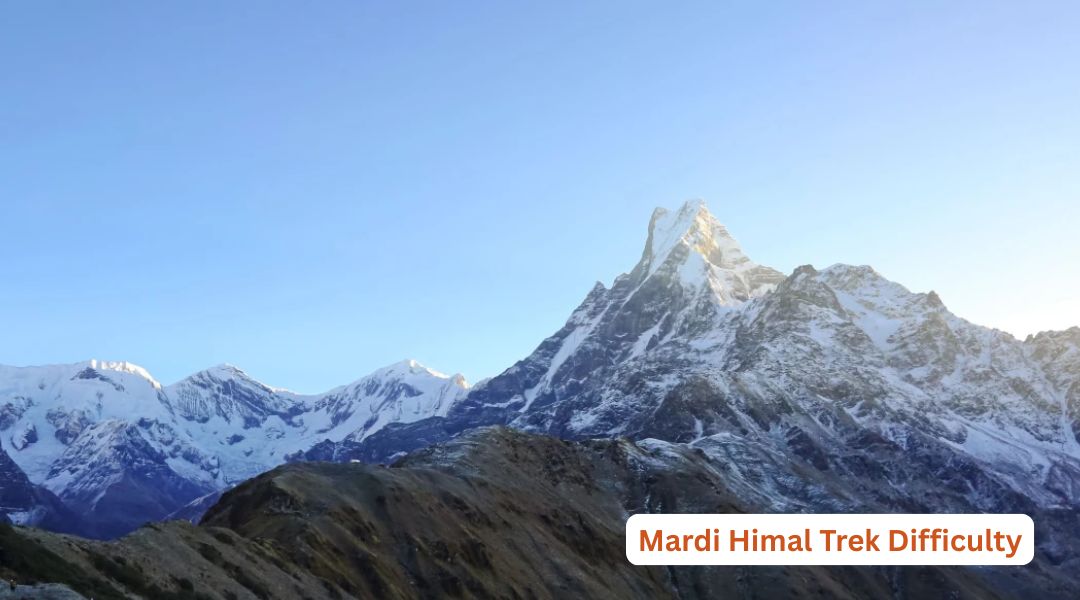
The higher sections are where winter planning becomes more important. Snow and ice can affect the ridge, and shelter becomes limited as you climb. A standard itinerary should therefore leave room to turn around rather than treating the highest point as compulsory.
Winter planning tip: Keep the Upper Viewpoint as a conditional objective and decide whether to continue only after assessing the trail.
Route details: Mardi Himal Trek
6. Langtang Valley Trek
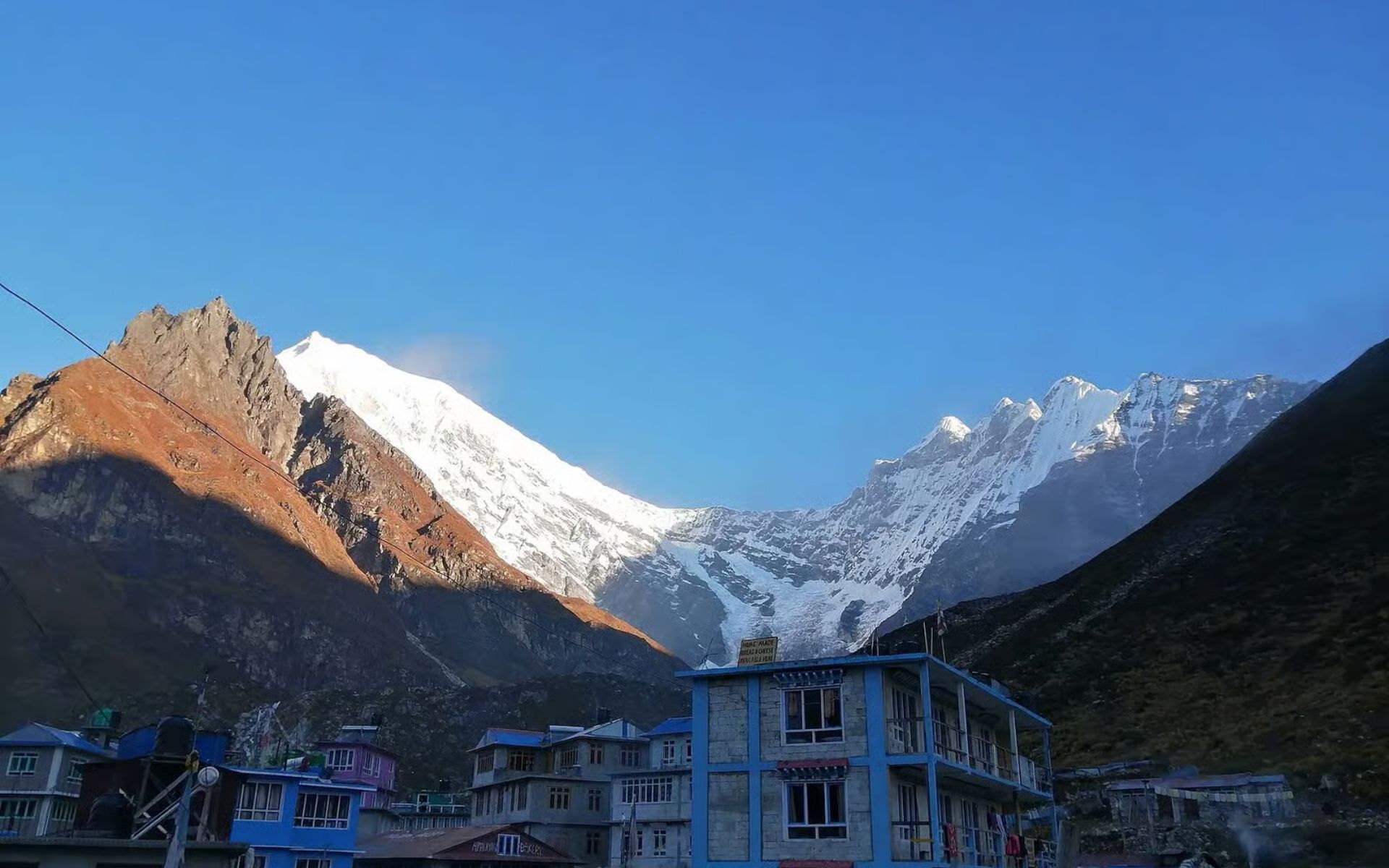
Best for: A longer trek combining Himalayan scenery and Tamang culture.
The trail from Syabrubesi follows the Langtang Valley towards Kyanjin Gompa, at approximately 3,870 metres. Along the way, trekkers pass through settlements and landscapes shaped by local Tamang culture and the region's mountain environment.
Kyanjin Gompa is the main destination for many itineraries. Trekkers looking for additional elevation may consider Kyanjin Ri, around 4,773 metres, or Tserko Ri, around 4,984 metres. These viewpoints involve more demanding ascents and should be assessed separately in winter.
Cold conditions can affect the upper trail and accommodation, so a flexible itinerary is more useful than trying to complete every planned viewpoint.
Winter planning tip: Allow time for gradual acclimatisation and confirm lodge availability before setting out.
Route details: Langtang Valley Trek
7. Annapurna Base Camp Trek
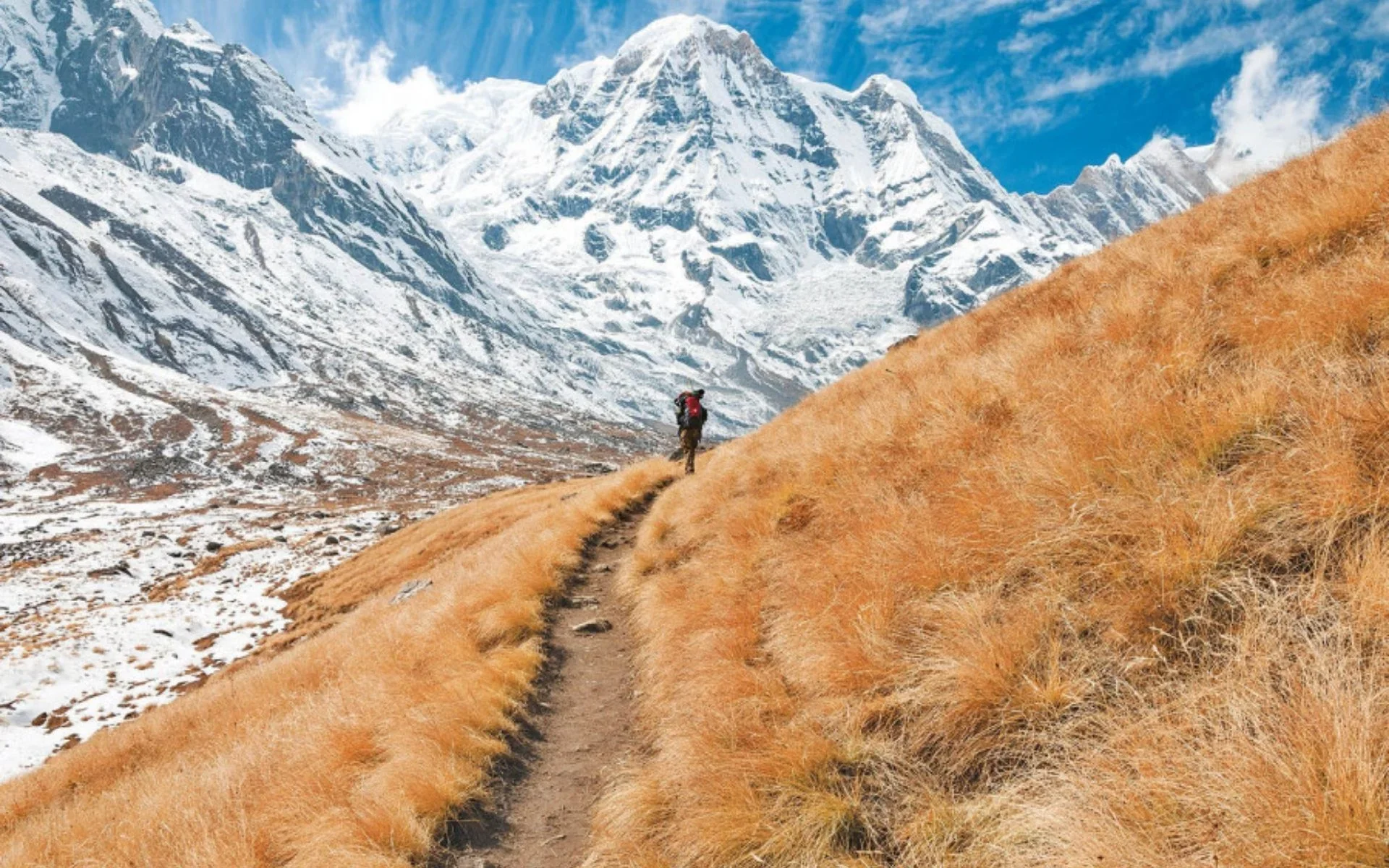
Best for: Reaching a high mountain sanctuary surrounded by Himalayan peaks.
Annapurna Base Camp sits at approximately 4,130 metres and is commonly reached in seven to ten days. The route passes through Chhomrong and Deurali before reaching Machhapuchhre Base Camp and continuing towards the sanctuary.
The main winter concern is not simply the temperature. The upper section between Deurali and Machhapuchhre Base Camp includes avalanche-prone terrain, where heavy snowfall can make travel dangerous. Local teams may recommend waiting or changing plans when conditions are unsuitable.
Winter can still bring clear mountain views, but those views are not worth committing to an unsafe section of trail.
Winter planning tip: Confirm current avalanche and trail information before entering the upper valley. Keep the itinerary flexible enough to turn back or wait if necessary.
Route details: Annapurna Base Camp Trek
8. Rara Lake Trek
Best for: Remote western Nepal and a quieter natural landscape.
Rara Lake lies at approximately 2,990 metres, surrounded by forested hills. One common approach involves flying from Kathmandu to Nepalgunj, connecting to Talcha and walking for around three to four hours towards the lake area.
The lake itself is not the only consideration when planning a winter trip. Flights to Talcha are weather-dependent, and a delay can affect the entire itinerary. Road and local transport conditions may also change with the weather.
For travellers who have enough time, Rara offers an alternative to the more familiar trekking regions around Pokhara and the Everest area.
Winter planning tip: Keep around two buffer days for transport disruption and confirm flights before finalising onward travel.
9. Upper Mustang Trek
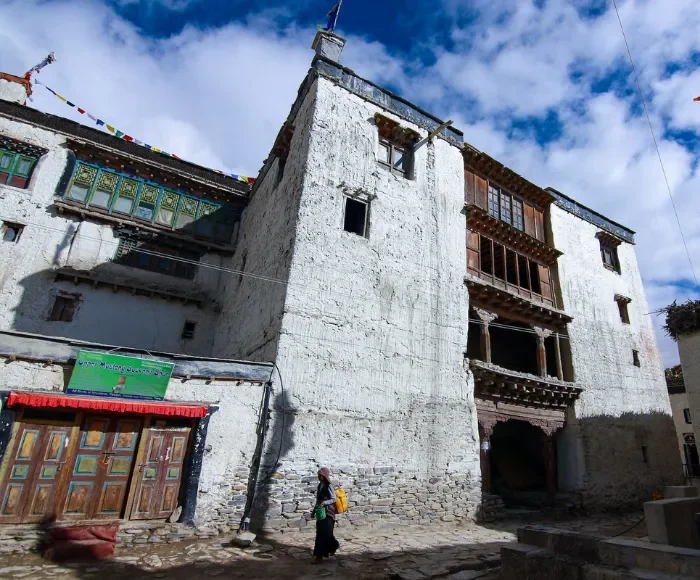
Best for: Traditional settlements, Tibetan-influenced culture and dry Himalayan landscapes.
Upper Mustang lies in the rain shadow of the Annapurna and Dhaulagiri ranges. Its landscape of dry hills, canyons and historic settlements differs from the forested trails found elsewhere in Nepal. Lo Manthang sits at approximately 3,840 metres.
However, a dry climate does not mean warm winter weather. Nights can fall well below freezing, winds can be strong, and some residents move to lower areas during the coldest months. Accommodation, meals and transport services may consequently be reduced.
The supplied 2026 research lists the restricted-area permit at USD 50 per person per day. Confirm the current rate and permit requirements before publishing or booking.
Winter planning tip: Consider whether a vehicle-supported itinerary would better suit the conditions than a full trekking itinerary.
Route details: Upper Mustang Trek
10. Everest Base Camp Trek
Best for: Experienced trekkers prepared for sustained cold and high altitude.
Everest Base Camp reaches approximately 5,364 metres, with standard itineraries commonly taking 12–14 days. The route passes through Namche Bazaar and other high-altitude settlements, with rest days built in to support acclimatisation.
Winter makes the upper section considerably more demanding. Gorakshep, at approximately 5,164 metres, can experience overnight temperatures below −20°C. Fewer lodges may operate, and snowfall or poor visibility can affect the trail and flights to and from Lukla.
The itinerary needs enough time for gradual ascent, rest and possible transport delays. A tight schedule is particularly risky when an onward international flight depends on returning to Kathmandu on a specific date.
Winter planning tip: Arrange suitable cold-weather equipment, confirm accommodation and keep one or two buffer days for flight disruption.
Route details: Everest Base Camp Trek
11. Gokyo Lakes Trek
Best for: Alpine lakes and a different route through the Everest region.
Gokyo village lies at approximately 4,790 metres beside the Ngozumpa Glacier. Gokyo Ri, at around 5,357 metres, provides a higher viewpoint over the surrounding mountains and lakes.
The route usually passes through Namche Bazaar, Dole and Machhermo before reaching Gokyo. The increasing elevation makes acclimatisation essential, while snow and ice can complicate travel in winter.
Some itineraries connect Gokyo with the Everest Base Camp route through Cho La Pass, at approximately 5,420 metres. This crossing adds a separate high-altitude challenge and should not be treated as a guaranteed connection in winter.
Winter planning tip: An out-and-back Gokyo itinerary offers more flexibility than a plan that depends on crossing Cho La.
12. Gosaikunda Trek
Best for: Sacred alpine lakes and a high-altitude route relatively close to Kathmandu.
Gosaikunda sits at approximately 4,380 metres. A common route approaches from Dhunche through Chandanbari and Lauribina, with Lauribina providing an important overnight stop before the final ascent.
The short distance from Kathmandu can make the trek appear straightforward, but the elevation gain and winter conditions tell a different story. Snow and ice can affect the approach to the lake, and the higher route towards Lauribina La may become difficult or inaccessible.
Accommodation near the lake and along the upper route should be confirmed before departure.
Winter planning tip: Consider an out-and-back route rather than committing to a high-pass connection towards Helambu.
13. Panch Pokhari Trek
Best for: Sacred lakes and a quieter route in Sindhupalchok.
Panch Pokhari refers to five sacred lakes at approximately 4,100 metres. The route is commonly approached through the Chautara area and continues towards Nasim Pati, at around 3,700 metres.
Compared with established teahouse routes, winter logistics can be more complicated here. Upper sections may depend on basic shelters or camping arrangements, requiring a clear plan for sleeping equipment, food, cooking and support.
Snow can also make the trail harder to follow and increase the time required for the ascent.
Winter planning tip: Spring and autumn are generally more practical seasons to investigate. A winter itinerary should depend on current local advice and confirmed support arrangements.
14. Manaslu Circuit Trek
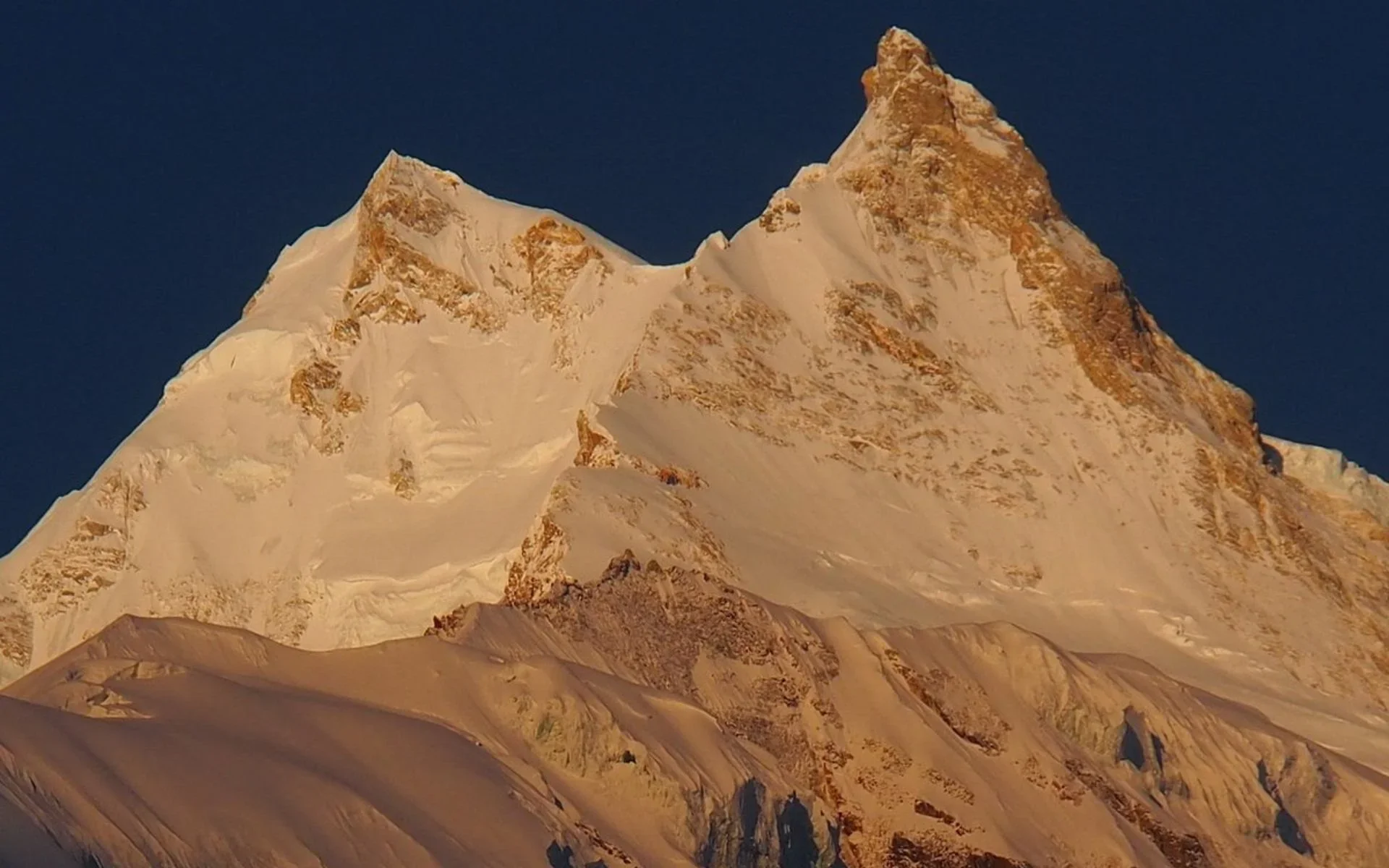
Best for: Experienced trekkers seeking a remote Himalayan circuit.
The Manaslu Circuit crosses Larkya La Pass at approximately 5,106 metres. The route usually takes 12–18 days, depending on the itinerary and acclimatisation schedule.
Winter creates two connected problems: the pass can become unsafe after snowfall, and accommodation at higher stops may be closed or operating with limited services. Samdo and Dharamsala are particularly important places to confirm in advance.
The supplied 2026 research lists the Manaslu Restricted Area Permit at USD 75 for the first seven days during December–August, followed by USD 10 for each additional day. These rates and the current permit requirements need confirmation before publication.
Winter planning tip: Early December may offer a more practical window than the coldest part of winter, but the crossing should proceed only when local conditions support it.
Route details: Manaslu Circuit Trek
15. Tilicho Lake and the Annapurna Circuit
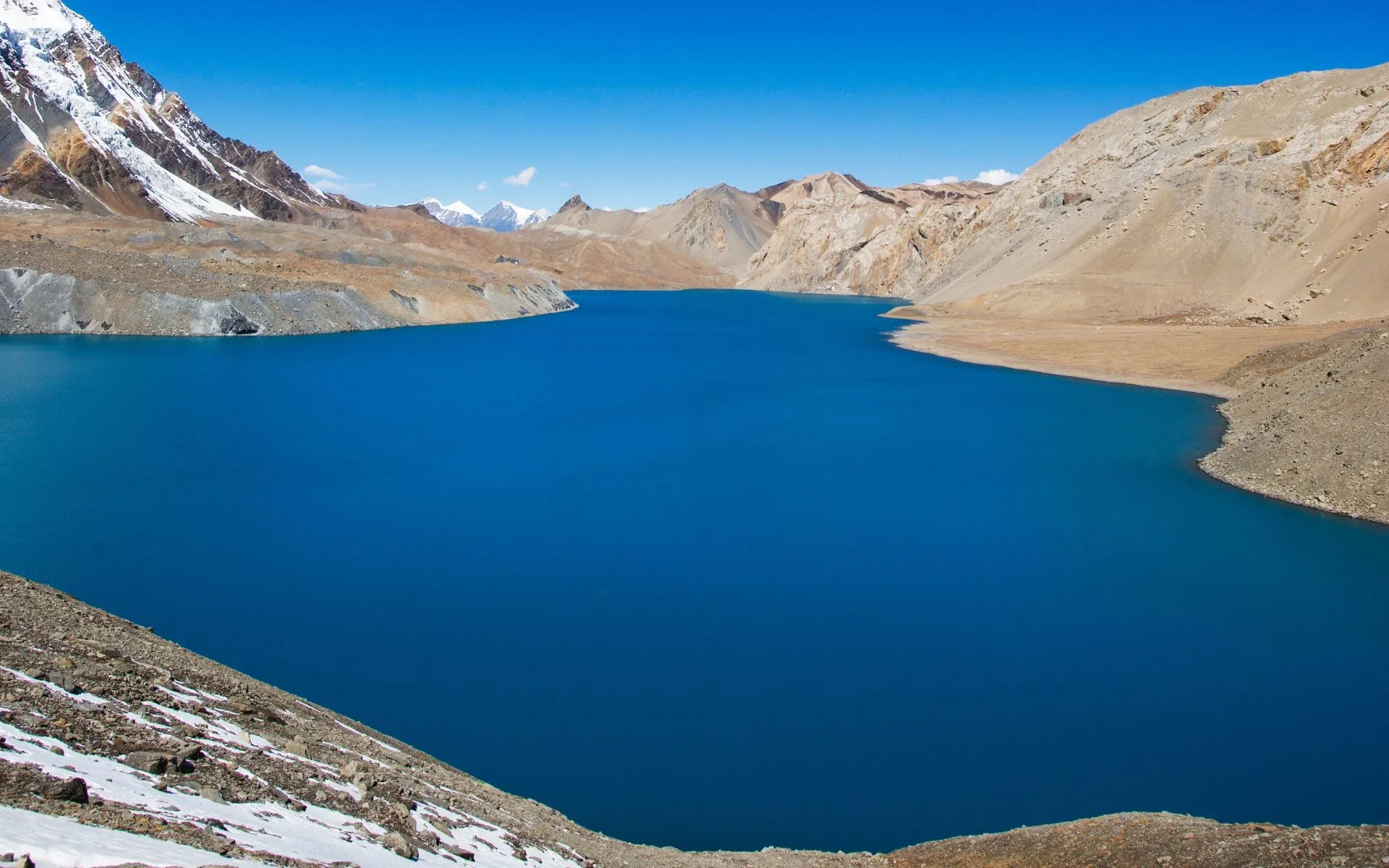
Best for: Experienced trekkers prepared for high-altitude terrain and pass crossings.
Tilicho Lake lies at approximately 4,919 metres and is often included as a side trip on an Annapurna Circuit itinerary. The approach passes through Manang, at around 3,540 metres, and Tilicho Base Camp, at approximately 4,150 metres. The trail includes exposed terrain that can become icy in winter.
The Annapurna Circuit also crosses Thorong La Pass at approximately 5,416 metres. Snow can block the crossing, while accommodation near Thorong Phedi and High Camp may close during the winter season.
Tilicho Lake and Thorong La should not be treated as one simple extension. Each involves separate trail and weather considerations, and attempting both can add substantial demands to an already challenging itinerary.
Winter planning tip: If conditions make the high route unsuitable, consider whether a lower-altitude itinerary around Manang better fits your plans.
Route details: Annapurna Circuit Trek
What Changes Between December, January and February?
Winter is not the same throughout the season. December can offer clear days and cold nights, January is often the toughest month for low temperatures, and February can still bring substantial snow at high elevations.
Month | What to plan for | Practical decision |
December | Cold nights, shorter days and possible early-season snowfall | Investigate suitable routes, but check the latest trail and lodge reports |
January | Severe cold at altitude, icy trails and possible pass closures | Give lower routes priority unless a high-altitude trip is carefully confirmed |
February | Winter conditions continue in the mountains, even as some lower areas begin to warm | Do not assume high passes or lodges are accessible without recent local information |
These are broad seasonal patterns rather than a forecast. A sunny spell can improve conditions temporarily, while one heavy snowfall can disrupt a high route for several days.
Temperatures and daylight
Temperatures vary significantly with elevation and exposure. Typical winter figures include:
Kathmandu in December: daytime highs around 18–20°C, nighttime lows around 2–7°C (commonly near 4–5°C on average).
Namche Bazaar in January: daytime highs around 3°C, nighttime lows around −15°C.
Gorakshep: overnight temperatures frequently drop below −20°C and can reach approximately −25°C or lower in mid-winter.
Daylight is limited in winter, and mountain ridges can lose direct sunlight well before sunset. Plan walking hours around the terrain rather than relying only on the official sunset time. An early start and arrival at the next overnight stop by mid-afternoon can leave a useful margin for unexpected delays.
Do you need a guide for winter trekking?
Guide and permit requirements differ by region. Many popular trekking routes have specific rules, while restricted areas have additional requirements that must be checked before departure.
The supplied research refers to a March 2026 update concerning solo travellers and restricted-area permits, including a guide-to-trekker ratio of 1:7.
What Should You Ask a Trekking Operator Before Booking?
Winter itineraries need room for decisions that cannot be made months in advance. Ask the operator how the team handles these situations before you pay a deposit.
Weather and trail checks: Who checks the latest forecast and local reports each day?
Pass closures: What happens if snowfall makes a planned crossing unsafe?
Lodge availability: Have the overnight stops been confirmed for your exact dates?
Flight disruption: What happens if a flight to or from Lukla is cancelled?
Extra costs: Who pays for additional hotel nights, transport changes and meals caused by delays?
Emergency response: How will the team coordinate medical help or evacuation if required?
Winter Trekking Packing List
Packing depends on how high you go and whether you will stay in established teahouses or use more basic accommodation.
Item | Why it matters |
Down jacket | Provides warmth during cold mornings and evenings |
Thermal base layers | Help retain warmth while managing moisture |
Windproof and waterproof outer layer | Protects against wind, snow and precipitation |
Warm gloves, hat and neck covering | Reduce heat loss from exposed areas |
Sleeping bag suited to the route | Lodge rooms may be unheated |
Microspikes and gaiters, when appropriate | Help with icy trails and snow |
Insulated water bottle | Helps keep drinking water accessible in freezing conditions |
Suitable water treatment | Some equipment can be damaged by freezing |
Power bank and spare batteries | Cold reduces battery performance |
Headlamp | Useful for early starts and unexpected delays |
Cold and altitude risks
Cold exposure and altitude sickness require different responses. Persistent shivering, confusion, fumbling hands or slurred speech can indicate hypothermia. Numbness or pale, waxy-looking skin can indicate frostbite.
Headache, nausea, dizziness and unusual fatigue after ascending can be symptoms of acute mountain sickness. Stop ascending if symptoms develop, seek qualified advice and descend if symptoms worsen. Severe symptoms require urgent assistance.
Do not push for a viewpoint or pass simply because it appears on the itinerary. Conditions and how you feel matter more than reaching a planned elevation.
Frequently Asked Questions
Which trek is best in Nepal during winter?
Ghorepani Poon Hill is a strong option for many travellers because it combines mountain views with a relatively short itinerary and established accommodation. Khumai Danda, Ama Yangri and the lower Sikles route are alternatives for shorter trips.
Is Everest Base Camp open in winter?
The Everest Base Camp route can be trekked in winter, but conditions can be demanding. Extreme cold, snowfall, limited lodge operations and flight disruptions all need to be considered. Confirm current conditions before departure.
Is Thorong La Pass open in January?
Not reliably. Snow can make the 5,416-metre pass unsafe or impassable, sometimes for several days. Check current local reports and follow your guide's decision rather than treating the crossing as guaranteed.
Can you trek the Manaslu Circuit in winter?
It may be possible during suitable weather, but Larkya La Pass can become unsafe after snowfall. Accommodation closures and extreme cold also complicate the route. Confirm the pass and overnight stops before travelling.
Are teahouses open in Nepal during winter?
Many lodges on established lower routes remain open, while some high-altitude lodges close or provide fewer services. Confirm every overnight stop, especially around Dharamsala, Samdo, Thorong Phedi, High Camp and Lo Manthang.
Do Lukla flights operate in winter?
Flights may operate, but fog, wind and other weather conditions can cause delays or cancellations. Check the current operating schedule and leave buffer days for disruption.
How much is a Nepal tourist visa?
The supplied research lists standard tourist visa fees of USD 30 for 15 days, USD 50 for 30 days and USD 125 for 90 days. Verify current fees and eligibility before travelling.
Do I need travel insurance for winter trekking?
Insurance is strongly recommended, especially for high-altitude routes. Check that your policy covers your planned elevation, trekking activities and emergency evacuation, including helicopter rescue where applicable.