Contents
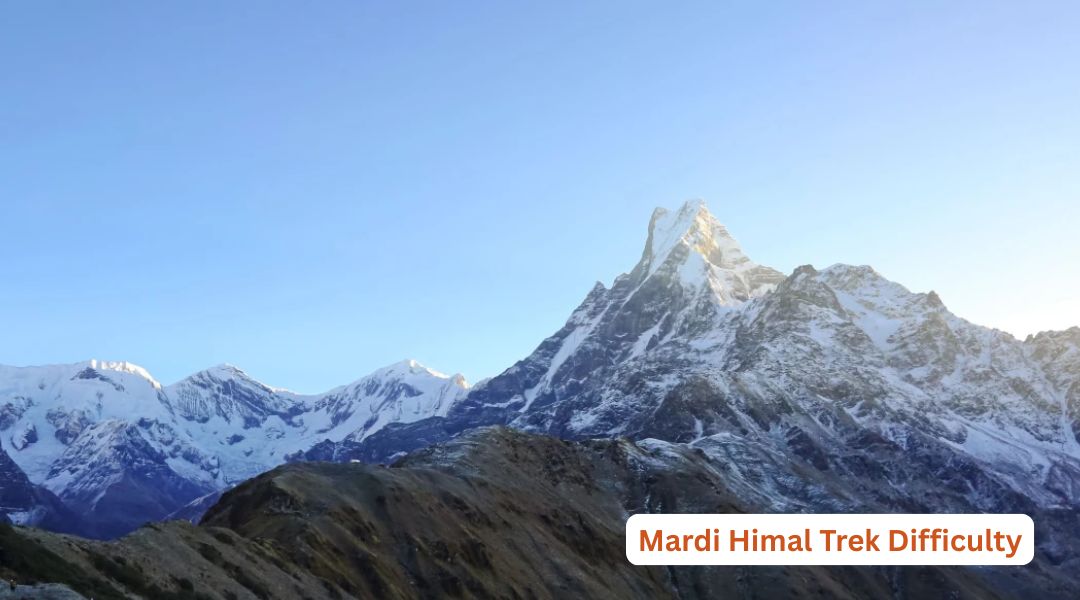
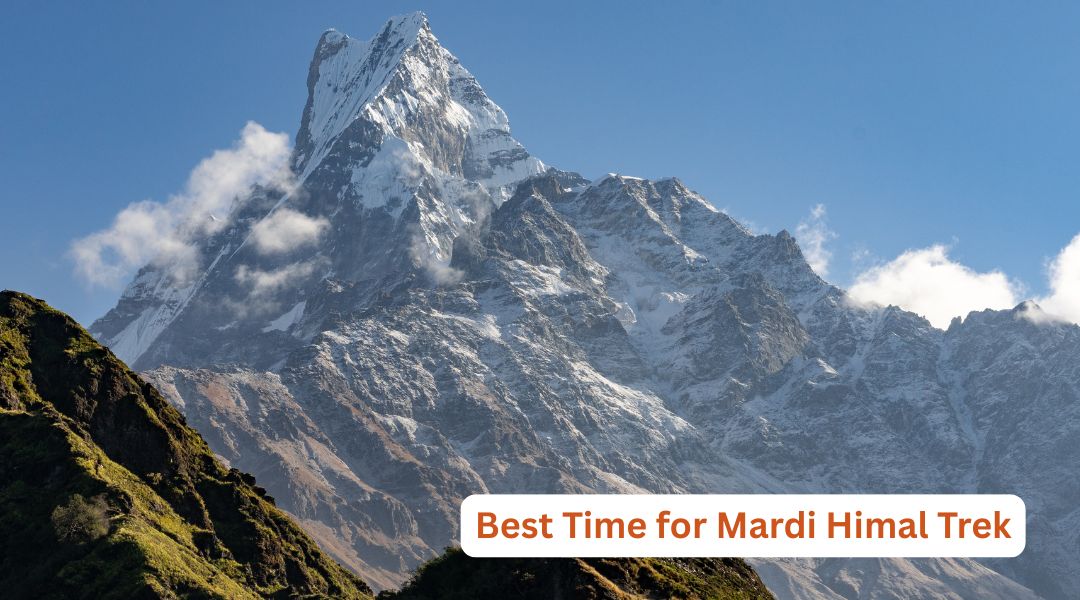
Imagine waking up on the Mardi Himal ridge on a clear October morning. Machhapuchhre, Annapurna South, and Hiunchuli stand sharply against the sky, while the valleys below are still covered in morning shadow.
Now picture the same trail in July. Clouds can settle over the ridge, rain can turn the path slippery, and leeches are common in the forest.
That’s why when you trek Mardi Himal matters. The trail climbs from the green forests above Pokhara to around 4,500 m, and the weather can change the experience completely, from clear Himalayan views to days of clouds and limited visibility.
So, when should you go? This guide breaks down the best seasons and months for the Mardi Himal Trek, what to expect from the weather and trails, and which time of year suits your priorities best.
Quick Answer: When Should You Trek Mardi Himal?
The best time for the Mardi Himal Trek is October to November and March to April. October gives the clearest skies, and April gives rhododendrons and warmer days.
Your priority | Best time |
Clearest mountain views and photography | October to November |
Rhododendrons and spring scenery | March to April |
A first trek with predictable conditions | October, November or April |
Fewer people on the trail | Late September, November or early December |
Lower demand and easier bookings | Off-peak months, with weaker views or harsher weather |
Least favorable | July to August |
Demand follows the seasons, so quieter months can mean easier teahouse bookings. Actual prices depend on the operator and package, always compare current quotes for your exact dates. A cheaper monsoon trip does not help if the mountains stay hidden.
For the full picture of the trek itself (route, itinerary, difficulty and costs), see our complete Mardi Himal Trek Guide.
How Altitude and Season Shape the Weather
The trail starts in warm forest and ends above the tree line, so the season is only half the story. Low Camp sits at about 2,990 m, High Camp at about 3,580 m and the viewpoint near 4,200 m. A mild afternoon in the forest says little about how cold High Camp will be that night.
These are typical patterns; conditions still shift from year to year.
Season | Days | Nights at High Camp | Rain or snow | Views |
Autumn (Sep to Nov) | Comfortable, cooling | Near or below freezing late in the season | Rain fades in September, then mostly dry | Best from October |
Spring (Mar to May) | Mild, warming | Cold early, easing by May | Mostly dry, showers increase in May | Very good in the morning, hazier later |
Winter (Dec to Feb) | Cool, often sunny | Often –5 °C to –10 °C or lower | Snow or ice possible higher up | Excellent on stable days |
Monsoon (Jun to Aug) | Warm and humid | Mild | Frequent, heavy rain | Often poor |
Mardi Himal Trek by Season
Seasons are ordered from most to least reliable. The detailed month-by-month conditions appear in the big table further down; these notes focus on how the trail actually feels.
Autumn: September to November
The most dependable season. The monsoon has washed the air clean, the weather settles, and the ridge gives its sharpest views, especially from October. It is also the busiest period, so book teahouses ahead.
September: Two halves. Early September still feels like the tail of monsoon, damp trails and possible leeches. By the second half, rain eases, skies clear and crowds remain lighter than October.
October: Stable skies, dry firm trail and the classic sunrise views from High Camp. Nights are cold (often near or just below freezing) but manageable. Busiest in the first three weeks.
November: Similar clarity with fewer trekkers. Days cool further and High Camp nights regularly drop below freezing, especially late in the month. Snow is uncommon early on.
Spring: March to May
The flower season. From late March into April, rhododendrons open between Low Camp and High Camp, turning the hillsides red, pink and white. Mornings are usually clear; cloud and haze often build later in the day.
March: Days warm and the trail dries. First blooms appear in the lower forest; some snow can linger near the top early on. Crowds stay moderate.
April: Peak blooms and mild weather, but the trail is busy and High Camp teahouses can fill. Afternoon haze is more common than in autumn.
May: Warmer days and gentler nights. Haze and afternoon showers increase as pre-monsoon weather builds; crowds thin out.
Winter: December to February
Cold, quiet and often clear. On stable days the views are excellent, but nights at High Camp regularly fall well below freezing and snow or ice is possible on the upper ridge. Daylight is short and higher teahouses may have reduced availability in the coldest weeks, confirm with your operator.
Winter suits experienced, well-equipped trekkers who want solitude and accept that the top section may not be reachable every year.
Monsoon: June to August
Heavy rain, low cloud and muddy, slippery trails, especially on descents. Leeches are common in the lower forest and landslides can affect roads around Pokhara. The trail is almost empty. Possible for well-prepared trekkers with flexible dates who prioritise solitude over views.
Mardi Himal Trek Best Time by Month
If you already have dates in mind, this section shows what each month is like. The table gives the overview, and the notes below cover what the table cannot, with more space for the months that involve bigger decisions.
Month | Weather | Mountain views | Crowds | Trail conditions | Best for |
January | Very cold | Crisp between snowfalls | Very low | Icy, snow likely above | Experienced winter trekkers |
February | Cold, easing | Good | Low | Icy early, improving | Quiet winter trekking |
March | Cool to mild | Good | Moderate | Drying | Early blooms, more space |
April | Mild | Very good in the morning | High | Dry | Flowers, warm days |
May | Warm | Good early, hazier later | Moderate to low | Dry, some showers | Warmer nights |
June | Warm, humid, rainy | Limited | Very low | Muddy, leeches | Solitude seekers |
July | Wet | Poor | Very low | Slippery, leeches | Flexible, prepared trekkers |
August | Wet | Poor to occasional | Very low | Slippery, leeches | Flexible, prepared trekkers |
September | Transitional | Improving | Low | Damp, then drying | Quiet, flexible trekkers |
October | Stable, cool | Typically best | High | Dry and firm | Views, first-timers |
November | Cool to cold | Excellent | Moderate to low | Dry and firm | Clear views, fewer people |
December | Cold, clear spells | Often very good | Low | Firm, icy above | Cold-tolerant trekkers |
Choosing Between the Top Months
If you are down to a shortlist, this is where the decision usually gets made.
Month | Choose it if | Skip it if |
October | You want the safest bet for clear views and a firm trail | You dislike a busy trail |
November | You want October's clarity with fewer people | You are sensitive to cold nights |
April | You want flowers and warmer days | Afternoon haze and crowds would bother you |
Late September | You want a quiet trail and can tolerate some cloud | You need dependable weather |
What to Pack and What to Watch For by Season
This only covers what changes with timing. For the rest of your kit, see a dedicated Mardi Himal packing list.
Season | Add to your pack | Main risks to plan for |
Autumn and spring | Light layers, a warm layer for High Camp evenings, a rain shell, sturdy trekking shoes, sun protection | Cold nights at height, crowds in October and April |
Monsoon | Waterproof jacket and pants, a pack rain cover, quick-drying clothes, gaiters and leech protection | Slippery trails, landslides, poor visibility |
Winter | Insulated layers, warm gloves and hat, a sleeping bag suited to sub-zero nights, traction devices if conditions call for them | Snow and ice on the upper ridge, short days |
Weather can change quickly at altitude in any season, so start early and keep your schedule flexible. Check current conditions with your operator before you leave.
Final Verdict: Choosing Your Best Time for Mardi Himal
Choose October to November for clear mountain views and stable conditions.
Choose March to April for spring scenery and rhododendron blooms.
Choose late September or early December for a quieter trek, if you can accept more variable weather.
Consider winter or monsoon only if you are ready for their specific challenges.
Once you have picked your window, the next step is seeing how the days are paced. You can look through the Mardi Himal Trek itinerary at Walk Through Nepal, or get in touch to plan dates around your preferred season.
Frequently Asked Questions
Is October the best month for the Mardi Himal Trek?
For most trekkers, yes. It combines stable weather, a dry trail and the clearest views, though it is also the busiest month.
Is April a good time for the Mardi Himal Trek?
Yes. You get mild weather, blooming rhododendrons and good morning views. Expect crowds and some afternoon haze.
Which is better for Mardi Himal, October or April?
Choose October for the most reliable views and April for flowers and warmer days. Both are popular, so plan ahead.
Can you trek Mardi Himal in September?
Yes, with flexibility. Early September can be wet, and late September usually clears up.
Is Mardi Himal Trek possible in December?
Yes. December is cold but often clear, with freezing nights at High Camp and possible snow or ice higher up.
Can you trek Mardi Himal during monsoon?
It is possible but not ideal. Carry proper rain gear, keep buffer days and check road and trail conditions first.
Is the Mardi Himal Trek possible in every season?
Yes, though winter and monsoon need more preparation and flexibility than spring and autumn.
When can you see rhododendrons on the Mardi Himal Trek?
Mainly March to April. Exact timing shifts with each year's weather.
Which month has the best mountain views on Mardi Himal?
October and November, when post-monsoon air is at its clearest.