
Contents
Step out of Kathmandu airport, and Nepal hits all your senses at once. Horns honk. Motorbikes weave past cows. You smell incense, dust and frying momos, all in one breath.
Then, a few days later, you're sipping tea in a quiet village while the sun turns a snowy peak pink. That's Nepal. Loud and calm. Messy and magical. Often on the same day.
So what's it really like? We're a team of local guides and trip planners. We help first-timers every season, so we know what surprises people most. In this guide, we'll walk you through the cities, the villages, the mountains, the food and the people. We'll keep it honest, the good parts and the tricky ones. If you'd like an easy first trip that shows you a bit of everything, our Golden Triangle Tour is a great place to start.
What Is Nepal Like? The Short Answer
Nepal is a small country with huge contrasts. Its cities are busy, noisy and dusty. Its villages are slow, friendly and simple. Its mountains are quiet, cold and stunning. The food is filling, the people are warm, and travel takes longer than you think. Plan for some chaos, and you'll love it.
You won't be alone, either. About 1.16 million foreign visitors came to Nepal in 2025. Most of them land in Kathmandu first.
Your First 24 Hours in Nepal
Your first day sets the tone. Most visitors fly into Tribhuvan International Airport in Kathmandu. You can get a visa when you land. It costs USD 30 for 15 days, USD 50 for 30 days or USD 125 for 90 days. Buy a local SIM card in the arrivals hall. Then get to your hotel and rest.
Expect a queue at the visa desk, so have your passport and cash ready. Filling in the form online before you fly can save time. Staff at the SIM counters will set up your phone for you.
Getting to your hotel is easy if your trip company meets you, which ours does. If not, the prepaid taxi counter charges about NPR 900-1200 to Thamel, the main tourist area (it can be changed over time, so verify before booking). Ride apps like Pathao and inDrive are cheaper. But they can't pick up inside the airport, so you'd walk out to the Ring Road first.
Our tip? Don't plan much for day one. Jet lag plus Kathmandu traffic is a lot. Take a short walk, eat some momos and get a good sleep.
What Are Nepal's Cities Like?
Nepal's cities are busy, crowded and full of life. Kathmandu is the biggest and the loudest. Traffic is wild, roads can be rough and the air is often dusty. But temples hide on every corner, and the old squares are stunning. There are many calmer and greener cities, but a popular one is Pokhara. Many first-timers love one and need time with the other.
Kathmandu: Chaos With Temples on Every Corner
Kathmandu is a lot to take in at first. Motorbikes, cars, buses and the odd cow share narrow streets. Horns honk all day. Footpaths come and go. Crossing a busy road can feel like a game. But step into a side lane, and you'll find a tiny shrine with fresh flowers and someone ringing a bell.
The air is the hardest part. Dust from building work, traffic smoke and smoke from fires get trapped in the valley. In April 2026, Kathmandu ranked as the second most polluted city in the world, with an air quality score of 216. Pollution is usually worst in the dry months, from late winter to spring, due to firewood and less rain.
So pack an N95 mask. Check an air quality app each morning. On bad days, plan indoor visits or head out to the hills.
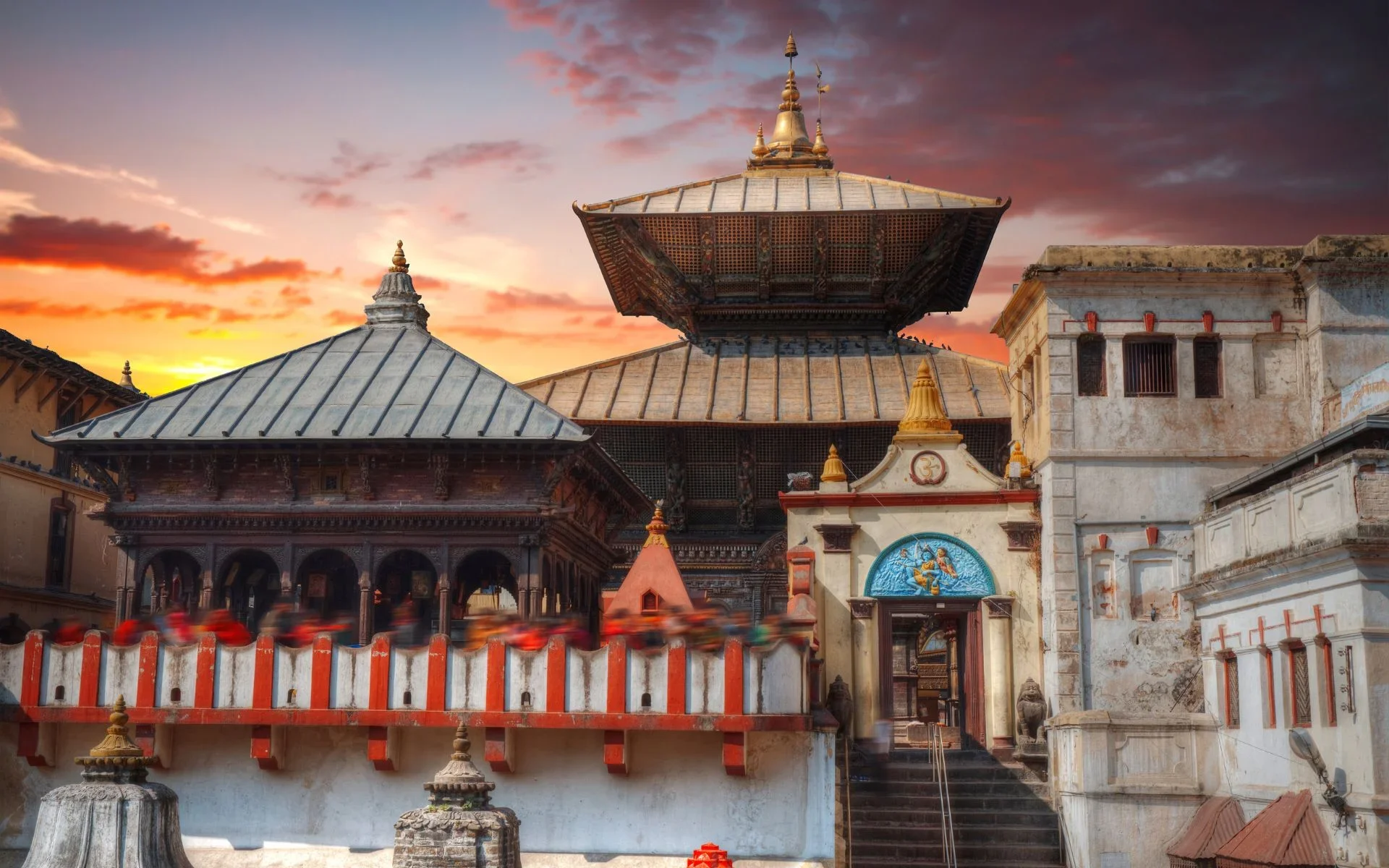
The good news? The old city is amazing. Kathmandu Durbar Square, Swayambhunath (the "Monkey Temple") and Boudhanath stupa feel like stepping back in time. At Pashupatinath, you can watch open-air Hindu cremations by the river. It's powerful, but remember these are real family goodbyes. Be quiet and respectful, and think twice before taking photos.
Lots of power cuts? Not anymore. Nepal ended its daily scheduled power cuts in 2018. Short outages still happen, but most hotels have backup power.
Lalitpur and Bhaktapur: The Calmer Old Towns
Just next to Kathmandu sit two older royal cities, Lalitpur and Bhaktapur. Both have brick lanes, carved wooden windows and temple squares that feel much calmer. Bhaktapur keeps most cars out of its center. Many visitors say this is where Nepal first "clicked" for them.
Try to stay a night in Bhaktapur if you can. Early mornings there are magic: people praying, potters working and the smell of fresh bread. Don't miss juju dhau, Bhaktapur's famous creamy yogurt, served in a little clay bowl.
These sites charge an entry fee for foreign visitors, and it will be affordable. Keep your ticket. You may need to show it again if you come back the next day.
Pokhara: Lakes, Cafes and Mountain Views
Pokhara is Nepal's second big tourist city, and it feels very different. It sits on Phewa Lake at about 822 m, with the Annapurna peaks behind it on clear days. The lakeside streets are full of cafes, bookshops and boats. It's where many treks start and end.
Pokhara is slower and cleaner than Kathmandu. You can paddle a boat, watch paragliders float down from Sarangkot, or just sit and stare at the view. On cloudy days, though, the mountains hide completely. Morning is your best chance to see them.
What Are Nepal's Villages Like?
Nepal's villages are slow, simple and very welcoming. People farm, care for animals and cook over fires or gas stoves. Many families now host guests in homestays as people are tired of busy city life. You eat with them, sleep in their home and see daily life up close. For many visitors, this is the trip highlight.
Homestays: Living Like a Local
A homestay means you stay in a family's home, not a hotel. You'll eat home-cooked meals, often sitting on the floor in the kitchen. You might help cut vegetables, feed the goats or learn a local dance and songs (need little effort). Many hosts are women who use the income to pay for their kids' school.
There's a saying in Nepal: "Atithi Devo Bhava," which means "the guest is god." You'll feel it. Hosts may offer you more food than you can eat and give you the best seat. The Community Homestay Network links about 350 host families across Nepal. It says 80% of the overnight fee goes straight to the host.
What Village Life Feels Like Day to Day
Village life is simple, so set your expectations. Rooms are clean but basic. Toilets are often squat style. Showers may be a bucket of hot water. Wi-Fi might not work. And dinner is early, often by 7 pm, with bed soon after.
What you get in return is special. Kids wave and practice their English. Neighbors stop by to see who's visiting. You may be asked if you're married, how many kids you have or what you earn. These are friendly questions, not rude ones. A smile and a short answer are fine. And always take your shoes off before going inside.
What Are Nepal's Mountains Like?
Nepal's mountain areas are quiet, cold and breathtaking. You walk on trails past prayer flags, stone walls and swinging bridges. You sleep in teahouses, which are simple family lodges. The views are huge, but the comforts are small. The higher you go, the colder, quieter and more basic it gets.
Teahouse Life on the Trail
A teahouse is a small lodge with a warm dining room and plain bedrooms. In the evening, everyone gathers around a stove to eat and chat. Rooms usually have two beds and a blanket, but no heater. That's why we always tell guests to bring a warm sleeping bag.
Menus are much the same from one teahouse to the next. Expect dal bhat, fried rice, noodles, soups and pancakes. Extras cost money. Charging your phone, a hot shower or Wi-Fi often costs NPR 200 to 700 each.
There are no ATMs past towns like Namche Bazaar in the Everest area or Jomsom in the Annapurna area. So carry enough cash for the whole trek.
Guides, Permits and Altitude
Currently, trekkers require a licensed guide with a 1 guide-to-7 travellers ratio. Restricted areas like Upper Mustang and Manaslu also need a guide and a special permit. Everest has its own rules, but a guide is still a smart idea. Rules can change, so always check before you go.
Altitude is the other big thing. Above 3,000 m, the air has less oxygen, and you can get altitude sickness. Good treks climb slowly and add rest days. Tell your guide right away if you get a headache or feel sick.
New to trekking? A short, lower trek is a great way to start. Our Ghorepani Poon Hill Trek takes about 4 to 5 days (trek days) and tops out at 3,210 m. You get sunrise views of the Annapurna range without a big climb.
What Is the Food Like in Nepal?
Nepali food is hearty, tasty and usually not too spicy for visitors. The national meal is dal bhat: rice, lentil soup, vegetable curry and pickle, often with free refills. Momos, little steamed dumplings, are everywhere. Kathmandu also has rich Newari food. Most visitors love the food but should take care with water.
Dishes You Should Try
Here are the foods our guests talk about most after their trip:
Dal bhat: rice, lentils, veggie curry and pickle. Many Nepalis eat it twice a day. Refills are often free, so it's great value.
Momo: steamed or fried dumplings filled with veggies, chicken or buffalo. Dip them in spicy tomato sauce.
Samay baji: a Newari set plate with beaten rice, spiced potato, beans, egg and more. It's often served at festivals.
Chatamari: a thin rice-flour crepe with toppings. Some call it "Newari pizza."
Yomari: a sweet steamed dumpling filled with molasses and sesame.
Thukpa: a warm noodle soup, perfect on cold mountain nights.
Sel roti: a ring-shaped, slightly sweet fried rice bread.
Butter tea: salty tea made with butter, popular in the mountains. You'll either love it or hate it!
Meat is easy to find in cities. In the mountains, though, it's often carried up for days without a fridge. So we suggest veggie meals on the trail.
Eating Customs and Staying Healthy
Nepalis often eat with their right hand. You'll always be offered a spoon, so don't worry. Just never use your left hand to pass food, since it's seen as unclean. Also, once food touches your lips, it's called jutho. Don't share a bitten snack or drink from someone else's bottle.
Tap water isn't safe to drink. Bring a refillable bottle and a filter, a UV pen or purifying drops. That's cheaper and better than buying plastic bottles.
Many first-timers get an upset tummy at some point. Eat hot, freshly cooked food. Wash your hands often. Kathmandu pharmacies sell rehydration salts and stomach medicine without a prescription.
What Are Nepali People Like?
Most visitors say the people are the best part of Nepal. Nepalis are warm, curious and kind to guests. Strangers will help you find your way. Families invite you for tea. People are often shy at first but open up fast. The pace is relaxed, so plans can run a little late.
Hospitality and Everyday Kindness
Nepalis take care of guests. Shopkeepers chat, kids say "hello" and hosts make sure you've eaten. If you look lost, someone will usually point the way, even if they speak little English.
Say "Namaste" with your palms pressed together. It works for hello and goodbye. "Dhanyabad" means thank you, but many Nepalis just say "thank you" in English for small things. Adding "-ji" after a name, like "Ram-ji," shows respect.
Little Things That Surprise First-Timers
A few habits can confuse new visitors, so here's a heads-up:
The head wobble. A small side-to-side tilt of the head often means "no."
Time is flexible. Buses, meetings and meals may start late. Build in extra time and stay patient.
Personal questions. People may ask your age, job or family. It's friendly interest.
Public affection. Male friends often hold hands. But couples kissing in public will get stares.
Staring. In rural areas, people may look at you for a while. It's curiosity, not rudeness.What Is Everyday Travel Like in Nepal?
Getting around Nepal is slow but doable. Roads are often narrow, bumpy and winding, so short distances can take hours. Domestic flights save time but often get delayed by weather. In cities, ride apps make life easier. Cash is still king outside big towns. The key is to plan extra time and stay flexible.
Roads, Buses and Flights
Nepal's mountains make roads hard to build. A drive that looks short on a map can take all day. Kathmandu to Pokhara is about 200 km but often takes 6 to 8 hours by road. Some long bus rides to trailheads take 10 hours or more.
Tourist buses are more comfortable than local ones. Private jeeps or cars are best for comfort and safety, and that's what we use for most guests. Bring snacks, water and patience.
Domestic flights, like Kathmandu to Pokhara or Pokhara to Jomsom, are quick. But they depend on clear weather and often run late or get cancelled. That's why we always add 1 to 2 spare days to trips that use mountain flights. Flight prices change by season, so always check the current fare.
Getting Around Cities
In Kathmandu, ride apps like Pathao and inDrive are cheap and easy. You need a Nepali SIM card to sign up, and you often pay the driver in cash. A car ride across town usually costs a few hundred rupees.
Street taxis are meant to use meters, but many don't. Agree on the price before you get in. Local buses and microbuses are very cheap, but they have no route numbers or timetables. They're hard to use on a first trip.
Money, Bargaining and Tipping
The local money is the Nepali rupee (NPR). ATMs are easy to find in Kathmandu and Pokhara. Bigger hotels and some shops take cards, often with a fee. In villages and on treks, it's cash only, so carry small notes.
Bargaining is normal in street markets and souvenir shops. Keep it friendly and smile. Don't bargain in restaurants, supermarkets or shops with fixed prices.
Tipping is expected for guides, porters and drivers. For a trek, a common range is 10% to 15% of the total trip cost, shared among the crew. In restaurants, check the bill first, since many already add a 10% service charge.
Is Nepal Safe for First-Time Visitors in 2026?
Yes, Nepal is generally safe for visitors. Crime against tourists is low, and people are helpful. On 1 April 2026, the US lowered Nepal to Level 2, meaning "exercise increased caution," and said the security situation is stable. The main risks are road travel, altitude, monsoon floods and sudden local protests.
Some background helps. In September 2025, big youth-led protests spread across Nepal. Things settled down, elections were held in March 2026, and a new government took office. Balen Shah, a former mayor of Kathmandu, became Prime Minister on 27 March 2026.
Protests can still pop up with little warning, mostly in cities. If you see a crowd, walk the other way. Your guide will keep an eye on local news for you. Strikes, called bandhs, can also shut roads and shops for a day.
Nature is the other risk. Floods and landslides are most common from June to September. In late August 2026, flash floods damaged roads toward Langtang, while most trekking areas stayed open. Always buy travel insurance that covers medical care and helicopter rescue, especially if you're trekking.
When Is the Best Time for a First Visit?
The best months for a first trip are October to November and March to May. Skies are clearer, trails are dry and temperatures are mild. Autumn has the best mountain views and big festivals. Spring brings blooming rhododendrons. Summer is rainy in most places, and winter is cold up high.
Season | Months | What it's like | Good for |
|---|---|---|---|
Autumn | September to November | Clear skies, busy trails, big festivals | Trekking, mountain views, festivals |
Winter | December to February | Cold nights, clear days, quiet | City tours, low treks, Chitwan |
Spring | March to May | Warm, flowers, some haze | Trekking, wildlife, photos |
Monsoon | June to August | Rain, leeches, landslides; green hills | Rain-shadow areas like Upper Mustang |
Festivals can make your trip extra special. Tihar, the festival of lights, runs from 7 to 11 November 2026. Homes glow with oil lamps, and people honor crows, dogs and cows on different days. Just know that some shops and offices close during big festivals, and buses fill up fast.
Want to see Nepal's history and temples up close? Our Nepal Heritage Tour focuses on the old towns, palaces and holy sites.
Why a Guided First Trip Makes Nepal Easier
A guided trip takes the stress out of Nepal's trickiest parts. Your trip company handles airport pickup, hotels, permits, drivers, local guides and spare days for delays. You don't have to bargain for taxis, guess bus routes or worry if a flight is cancelled. You just enjoy the experience.
Here's what most guided trips include, and what to budget for yourself:
Usually included: airport pickup, hotels, private transport, licensed guides, entry and trek permits, and help if something goes wrong.
Budget extra for: your visa, travel insurance, some meals, drinks, snacks, tips, souvenirs and trail extras like Wi-Fi and hot showers.
Prices that change: domestic flights and helicopter rides change by season. Always ask for today's price.
Frequently Asked Questions
Is Nepal good for first-time travelers to Asia?
Yes, Nepal is a great first stop in Asia. People are friendly, many speak some English in tourist areas and crime is low. Kathmandu can feel chaotic at first, but you'll adjust in a day or two. A guided trip makes your first visit much smoother.
How many days do you need in Nepal for a first trip?
Most first-timers spend 10 to 14 days in Nepal. That's enough for Kathmandu, Pokhara, a short trek or village stay and maybe Chitwan. If you want a longer trek, like Everest Base Camp, plan for at least two weeks plus spare days for flight delays.
Do people speak English in Nepal?
In Kathmandu, Pokhara and on popular trek routes, many people speak some English. Hotel staff, guides and shop owners usually speak it well. In remote villages, English is rare. Learning a few words like "Namaste" and "Dhanyabad" goes a long way and makes people smile.
Is Kathmandu dirty and polluted?
Kathmandu can be dusty, with trash in some streets and poor air on many days. In April 2026, it ranked as the world's second most polluted city. Bring an N95 mask, check the air quality daily and spend time outside the valley. The old squares are still well worth seeing.
Can I drink tap water in Nepal?
No, tap water isn't safe to drink in Nepal. Use a refillable bottle with a filter, a UV pen or purifying drops. Many hotels and teahouses also sell filtered water refills. Skip plastic bottles when you can, since they add to trash on trails and in towns.
Is Nepal safe for solo female travelers?
Nepal is generally safe for women traveling alone, and many do it every year. Dress modestly, avoid walking alone late at night and use trusted transport. On treks, always use a licensed guide from a registered company. In Annapurna, Langtang and restricted areas, a guide is required anyway.
Do I need cash in Nepal, or can I use cards?
You'll need both. Cards work in bigger hotels, some restaurants and shops in Kathmandu and Pokhara. But villages, small shops and trek routes are mostly cash only. ATMs are common in cities but not in the mountains. Carry Nepali rupees in small notes.
What should I wear in Nepal?
Wear light, modest clothes that cover your shoulders and knees, especially at temples and in villages. Bring layers, since mornings and evenings can be cold. For treks, pack warm layers and a rain jacket. Comfortable shoes are a must, because you'll walk a lot on uneven streets.
Will I get sick in Nepal?
Many visitors get a mild upset stomach at some point. Eat hot, freshly cooked food, wash your hands often and drink only treated water. Pack rehydration salts. On treks, altitude sickness is the bigger risk, so climb slowly and tell your guide about any headache.
Is Nepal expensive to visit?
Day-to-day costs in Nepal are low. A plate of dal bhat or momos in a local cafe is cheap. Costs rise for hotels, private transport, permits, domestic flights and mountain trips. A guided package helps you see the full cost up front, with no surprises later.
What is the best way to see Nepal on a first trip?
Mix the three sides of Nepal. Spend a few days in Kathmandu's old towns. Relax in Pokhara. Then add a village homestay or a short trek like Poon Hill. A guided tour links these smoothly, so you spend more time enjoying and less time on logistics.


8-Day Ghorepani Poon Hill Trek Package – Cost, Itinerary & Guide


Annapurna Base Camp Trek Packages – Cost, Itinerary & 9 or 12 Day Options


Everest Base Camp Trek Packages – Cost, Itinerary & 12, 14 & 16 Day Options


Annapurna Circuit Trek Packages – Cost, Itinerary & 12, 14 or 16 Day Options
Ready to Explore Nepal?
Nepal is easier, and much more fun, with someone local by your side. Our team can plan a first trip that mixes Kathmandu's temples, Pokhara's lakeside and a quiet village or short trek, at a pace that suits you. Take a look at our Golden Triangle Tour, or tell us your dates and we'll build a trip just for you.


