
Contents
In Nepal, there are so many trekking routes that choosing one can feel almost as challenging as the trek itself. Everest has its base camp, Manaslu has its circuit, and Annapurna keeps appearing in almost every trekking discussion. So, what makes the Annapurna region such a popular choice?
A big part of the answer is variety. The region isn't defined by a single trail or one type of mountain experience. You can walk through rhododendron forests and traditional villages on a shorter trek, head into the mountain sanctuary of Annapurna Base Camp, or spend days crossing high-altitude terrain on the Annapurna Circuit.
Along the way, the scenery changes, the cultural experiences differ, and the mountains reveal themselves from different perspectives. Combined with established trekking routes and teahouses along many trails, this variety makes Annapurna appealing to both first-time trekkers and those looking for a longer Himalayan adventure.
But popularity alone doesn't mean every route is right for everyone. Understanding what makes the Annapurna region different can help you decide whether it matches your available time, fitness and expectations.
Spectacular Views of the Annapurna Himalayas
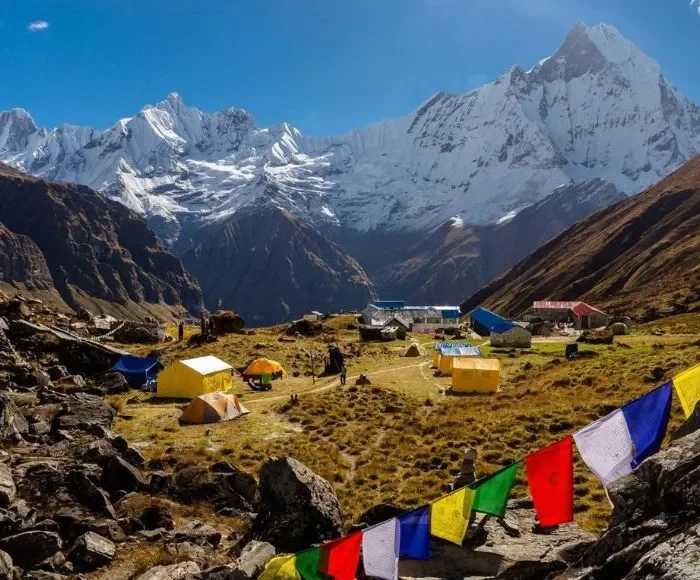
One reason the Annapurna region attracts trekkers is the way its mountain views unfold throughout the journey. The region is home to Annapurna I (8,091 m), Annapurna South and Machhapuchhre, with surrounding peaks appearing from different trails and viewpoints.
The experience depends on the route you choose. On the way to Annapurna Base Camp, the mountains gradually become more prominent as you move through forests and valleys. Eventually, you reach the Annapurna Sanctuary, where towering peaks surround the trail's destination.
Other routes offer a different perspective. From Poon Hill, trekkers can watch the sunrise illuminate the Annapurna and Dhaulagiri ranges from a panoramic viewpoint. Rather than requiring every trekker to venture deep into the mountains, the region offers opportunities to experience Himalayan scenery at different levels of commitment.
This variety in mountain views is part of what makes Annapurna appealing: the experience isn't limited to reaching a single viewpoint or seeing one famous peak.
Trekking Routes for Different Preferences and Timeframes
Annapurna's popularity also comes from the range of trekking experiences available within the region. You don't need to commit to a long expedition to enjoy its scenery, but you can choose a more demanding journey if you want to spend longer in the mountains.
The Ghorepani Poon Hill Trek is known for its sunrise views across the Annapurna and Dhaulagiri ranges. With forest trails, traditional villages and panoramic viewpoints, it offers a shorter introduction to trekking in the region. Walk Through Nepal's package is designed for eight days.
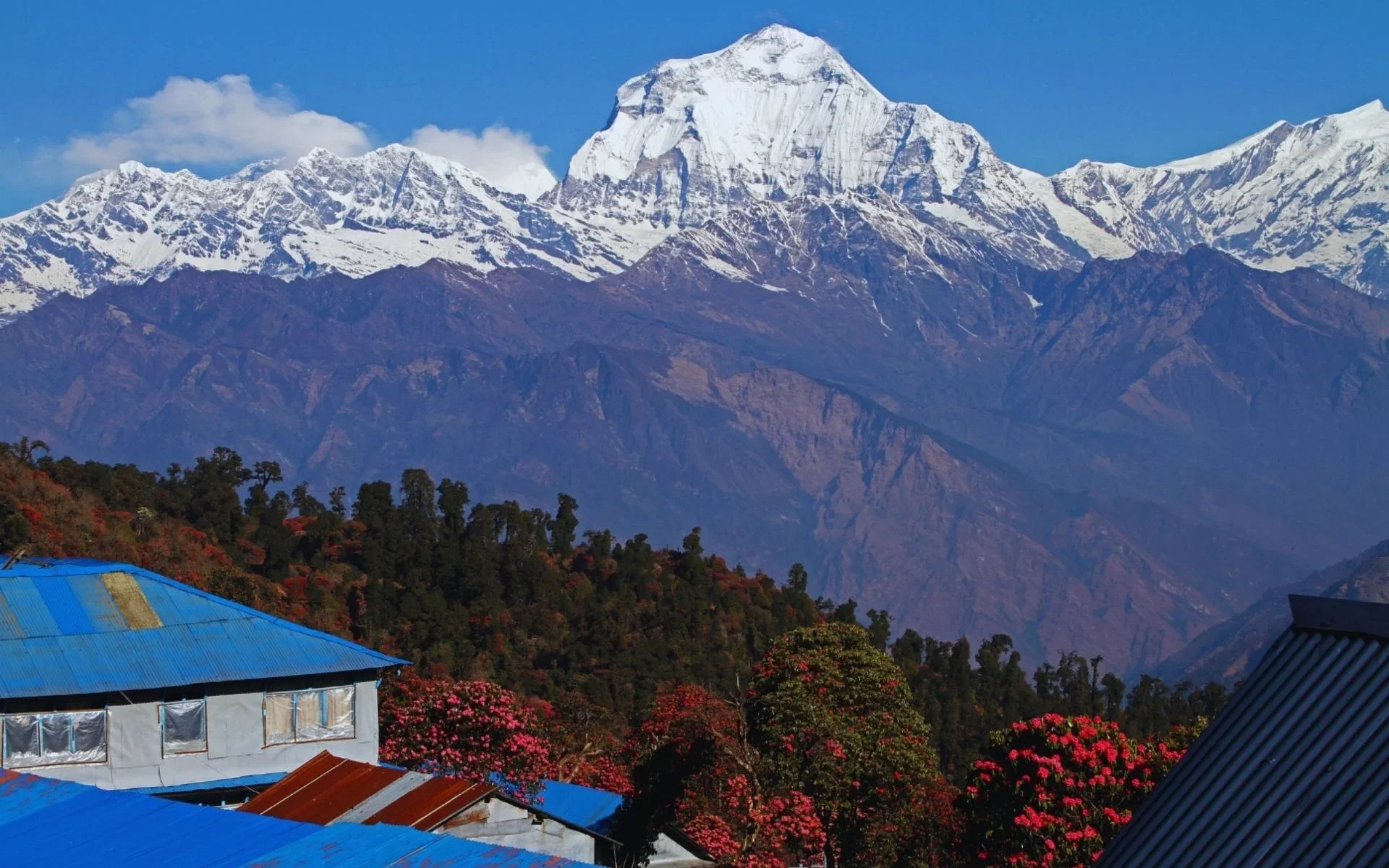
The Annapurna Base Camp Trek takes you into the Annapurna Sanctuary, where the surrounding mountains create a dramatic setting. It's a suitable option for trekkers who want to reach a distinctive Himalayan destination without completing the full Annapurna Circuit. Available package options run for nine or twelve days.
For those looking for a longer journey, the Annapurna Circuit Trek passes through changing landscapes and mountain communities before crossing Thorong La Pass at 5,416 m. The high altitude makes acclimatisation and preparation important, but the route offers a broader journey through the region. Walk Through Nepal offers twelve-, fourteen- and sixteen-day options.
The Mardi Himal Trek provides another alternative, following a ridge towards close-up views of Machhapuchhre and the Annapurna range. Its seven-day package appeals to trekkers looking for a shorter journey with a different perspective on the mountains.
These routes help explain why Annapurna attracts such a broad range of trekkers. Visitors can choose a journey based on their available time, preferred scenery and appetite for a challenge instead of treating the entire region as one trekking experience.
A Mix of Landscapes Within One Region
The Annapurna region offers more than mountain panoramas. Its landscapes change considerably between the greener southern slopes and the drier valleys to the north, giving trekkers a different environment to experience as they move through the region.
On the southern side, trails pass through terraced farmland, forested hills and villages surrounded by green valleys. Rhododendron forests add colour to many routes during spring, while cultivated fields and settlements show how people live across the foothills.
Further north, the landscape changes around areas such as Manang and Mustang. Valleys become more open, vegetation is often sparse, and the terrain takes on a drier, more rugged appearance. This contrast is partly explained by the rain-shadow effect: the Himalayas block much of the monsoon moisture from reaching areas north of the range.
The Kali Gandaki Gorge illustrates this geographical diversity, while Tilicho Lake offers a high-altitude lake setting. Upper Mustang, meanwhile, is known for its dry valleys and distinctive settlements.
Not every trek passes through all these environments. However, the variety of landscapes available across the wider Annapurna region gives visitors more choice in the kind of journey they want to experience.
Local Culture and Mountain Villages
The Annapurna region's appeal isn't limited to scenery. Many trekking routes pass through villages where travellers can stop for tea, eat local meals and stay in teahouses, bringing them into contact with communities that live in the mountains.
The region includes people from different cultural and language groups. Gurung and Magar communities are part of the experience along some trails, while Thakali culture is associated with areas along the Kali Gandaki. Around Manang and Mustang, local architecture, religious sites and settlement patterns offer further contrasts.
Muktinath is an important pilgrimage destination for both Hindu and Buddhist visitors. Elsewhere, monasteries, prayer flags and village customs form part of the surroundings along particular routes.
There is no single culture that represents the entire Annapurna region. Traditions, food, architecture and daily life vary between communities, adding another dimension to the trek. Travellers should respect local customs and ask permission before photographing people.
Established Trails and Teahouses Make Trekking More Practical
Another reason Annapurna appeals to many visitors is that several popular routes have established trekking infrastructure. Pokhara serves as a gateway to much of the region, and teahouses and lodges along many trails provide places to eat and sleep.
For trekkers, this can make planning more straightforward than arranging a fully supported camping expedition. Accommodation and meals are available along established routes, allowing many people to walk between overnight stops without carrying all their camping equipment.
However, practical access doesn't mean every route is easy. Facilities vary by trail and altitude, and higher or more remote sections may offer simpler accommodation. Long walking days, changing weather and altitude still require preparation.
On routes such as the Annapurna Circuit, for example, trekkers need to allow time to acclimatise before crossing Thorong La Pass. The infrastructure helps with logistics, but choosing a suitable itinerary remains essential.
Different Seasonal Experiences Across the Region
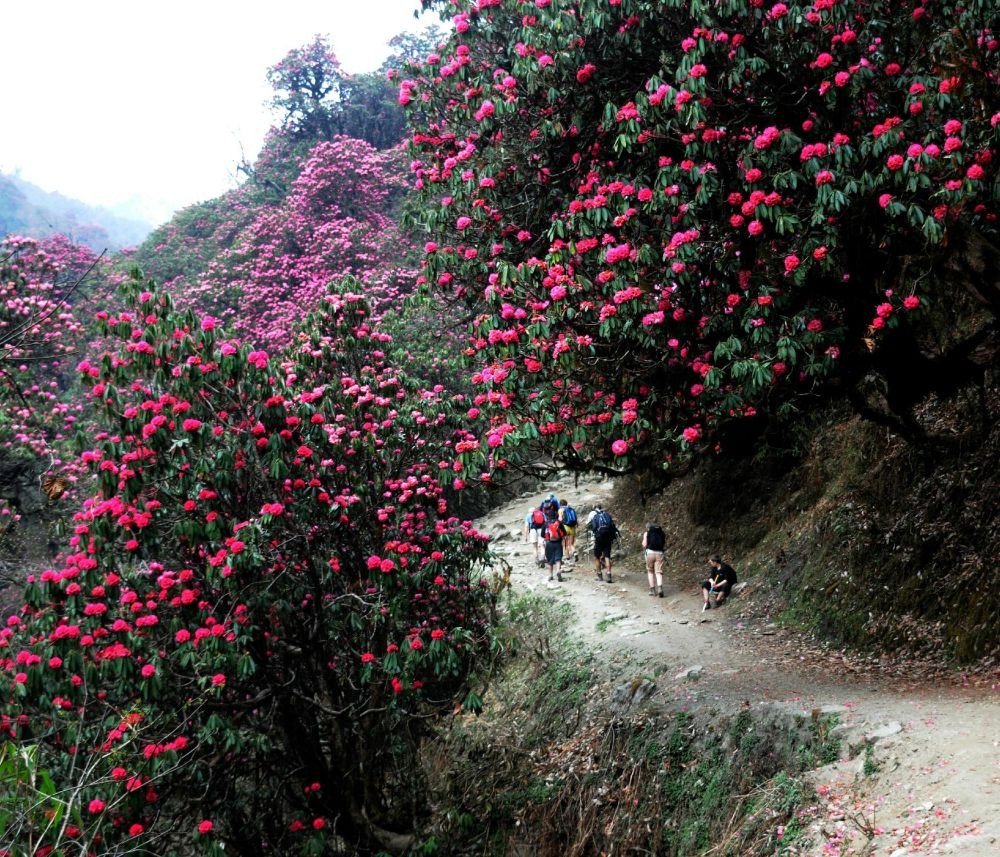
The Annapurna region offers different experiences depending on the season and route. In spring, rhododendron forests bring colour to many trails, while autumn is generally considered a favourable trekking season and attracts many visitors.
The wider region also includes rain-shadow areas, particularly parts of Manang and Mustang, that are often drier during the monsoon than the southern slopes. This can make some routes worth considering at times when other areas receive heavier rainfall.
However, conditions vary across the region. A drier climate in one area doesn't mean every trail is suitable during the monsoon, and higher routes have their own weather and trail risks. Trekkers should check conditions for their chosen route and travel dates rather than assuming the entire region has the same trekking season.
This range of seasonal conditions adds to Annapurna's appeal, but it also means that choosing the right route and timing is an important part of planning.
Why Does the Annapurna Region Stand Out for Trekking?
The Annapurna region is popular because it brings together several experiences that trekkers might otherwise have to travel to different areas to find: panoramic Himalayan views, routes for different timeframes, contrasting landscapes, mountain villages and established teahouse trails.
Its appeal is also practical. Many routes can be accessed through Pokhara, and trekkers can choose between shorter viewpoint-focused journeys and longer high-altitude adventures. That flexibility makes the region worth considering for people with different interests and levels of trekking experience.
The right trek depends on what you want from the journey. Ghorepani Poon Hill is worth considering for a shorter trek focused on sunrise views, Annapurna Base Camp for a walk into the mountain sanctuary, and the Annapurna Circuit for a longer journey across varied terrain and a high mountain pass.
If you're deciding which route suits your plans, compare the individual trek pages and consider your available time, fitness and preferred experience. The Walk Through Nepal team can help you narrow down the options based on your travel dates and interests.
Planning an Annapurna trek? Browse Annapurna treks or send an inquiry to discuss your plans with the team.
FAQs
Why is the Annapurna region famous for trekking?
The region is known for its Himalayan scenery, variety of trekking routes, contrasting landscapes, cultural experiences and established teahouse trails. Trekkers can choose between shorter viewpoint walks and longer high-altitude journeys.
Is the Annapurna region suitable for beginners?
Some routes may suit beginners who are reasonably fit and prepared for walking uphill. Ghorepani Poon Hill is a shorter option, while the Annapurna Circuit involves high altitude and requires more preparation. The best choice depends on your fitness and experience.
How many days do you need to trek in the Annapurna region?
It depends on the route and itinerary. Walk Through Nepal's package options include a seven-day Mardi Himal Trek, an eight-day Ghorepani Poon Hill Trek, nine- or twelve-day Annapurna Base Camp treks, and twelve-, fourteen- or sixteen-day Annapurna Circuit treks.
What makes Annapurna different from Everest or Manaslu?
Each region offers a different trekking experience. Annapurna stands out for its range of routes and landscapes, from shorter viewpoint treks to longer high-altitude journeys, as well as the contrast between greener southern slopes and drier northern valleys.
Is altitude a concern in the Annapurna region?
Yes, particularly on higher routes. The Annapurna Circuit crosses Thorong La Pass at 5,416 m, so acclimatisation and a flexible itinerary are important. Lower routes involve less altitude, but trekkers should still ascend steadily and pay attention to symptoms of altitude illness.
When is the best time to trek in the Annapurna region?
Spring and autumn are popular trekking seasons, but conditions vary by route. Spring brings rhododendron blooms to many trails, while autumn is generally considered favourable for trekking. Check the conditions for your specific route and travel dates.
Can you trek in the Annapurna region during the monsoon?
Some rain-shadow areas, including parts of Mustang and Manang, are drier than the southern slopes. However, conditions vary across the region, so check the weather, trail conditions and suitability of your chosen route before planning a monsoon trek.
Is teahouse trekking available in the Annapurna region?
Yes. Many established routes have teahouses and lodges where trekkers can eat and sleep. Facilities vary by route and altitude, and options may be simpler in higher or more remote sections.
Ready to Plan Your Annapurna Trek?
Whether you're interested in a sunrise viewpoint, a mountain sanctuary or a high-pass circuit, choose a route that fits your time, fitness and interests. Tell the Walk Through Nepal team your dates and preferences, and the team can help you compare options.


