
Contents
Here's the first thing you'll notice north of Kagbeni: the wind.
By late morning, it comes rushing up the Kali Gandaki valley. Prayer flags snap flat. Green fields fade into red and gold cliffs full of old caves. Then, a few days in, a mud wall rises out of a barley field.
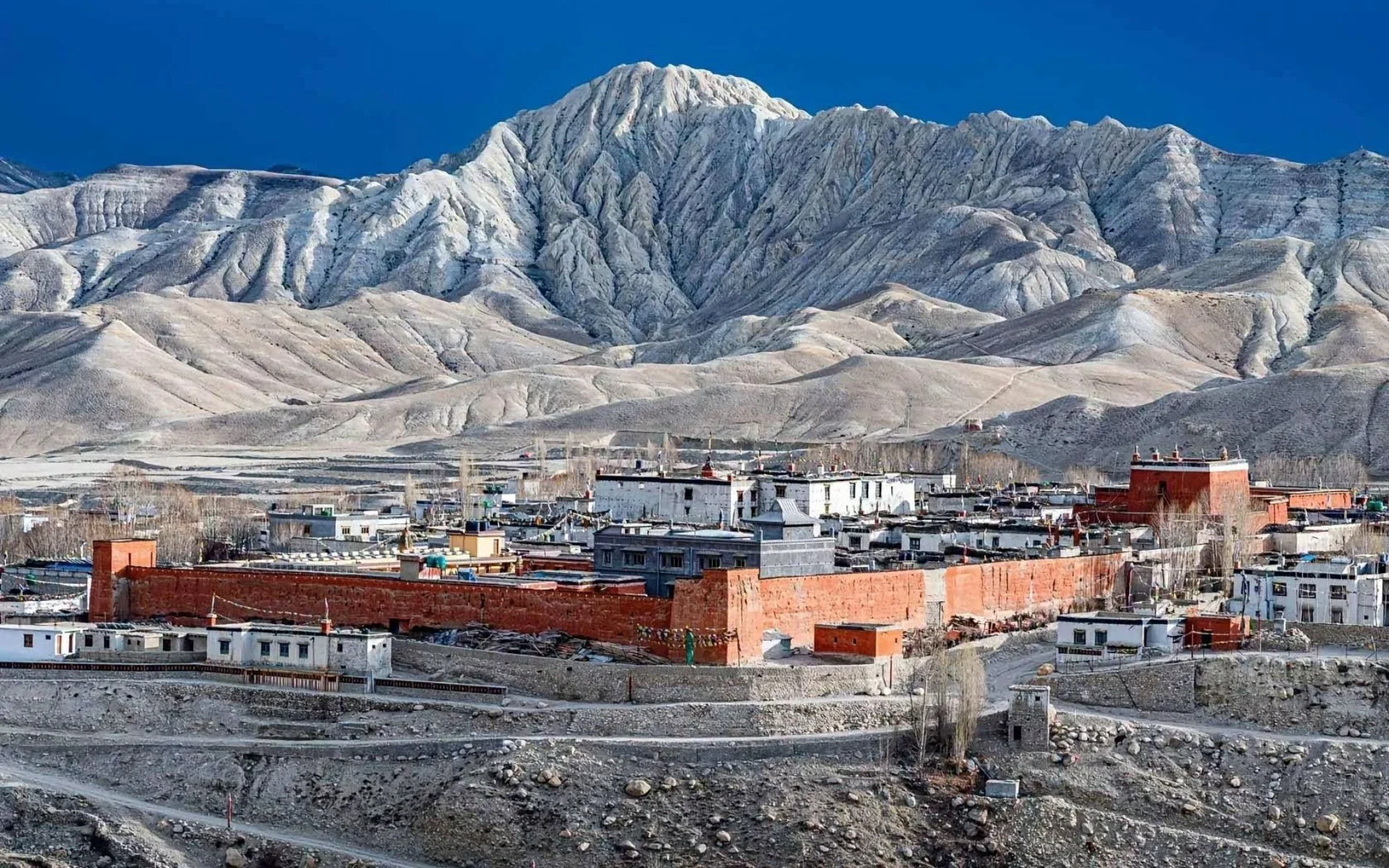
Welcome to Lo Manthang, the capital of a lost kingdom.
You've probably read lists about Mustang before. Most of them say the same three things. We wanted to do better.
Our team of local guides and permit experts picked 15 facts that most people miss. Along the way, we'll share the tips you'll want if you're planning a guided Upper Mustang Trek.
Upper Mustang Had Its Own King Until 2008
Believe it or not, Upper Mustang had a king until 2008. It was called the Kingdom of Lo. A warrior named Ame Pal started it in 1380. Later, Lo came under Nepal's rule, but its kings kept their title. That only ended on 7 October 2008. The last king, Jigme Dorje Palbar Bista, died in December 2016. He was 86.
Ame Pal’s line is believed to have ruled for around 25 generations, with Jigme Dorje Palbar Bista as the last official king.
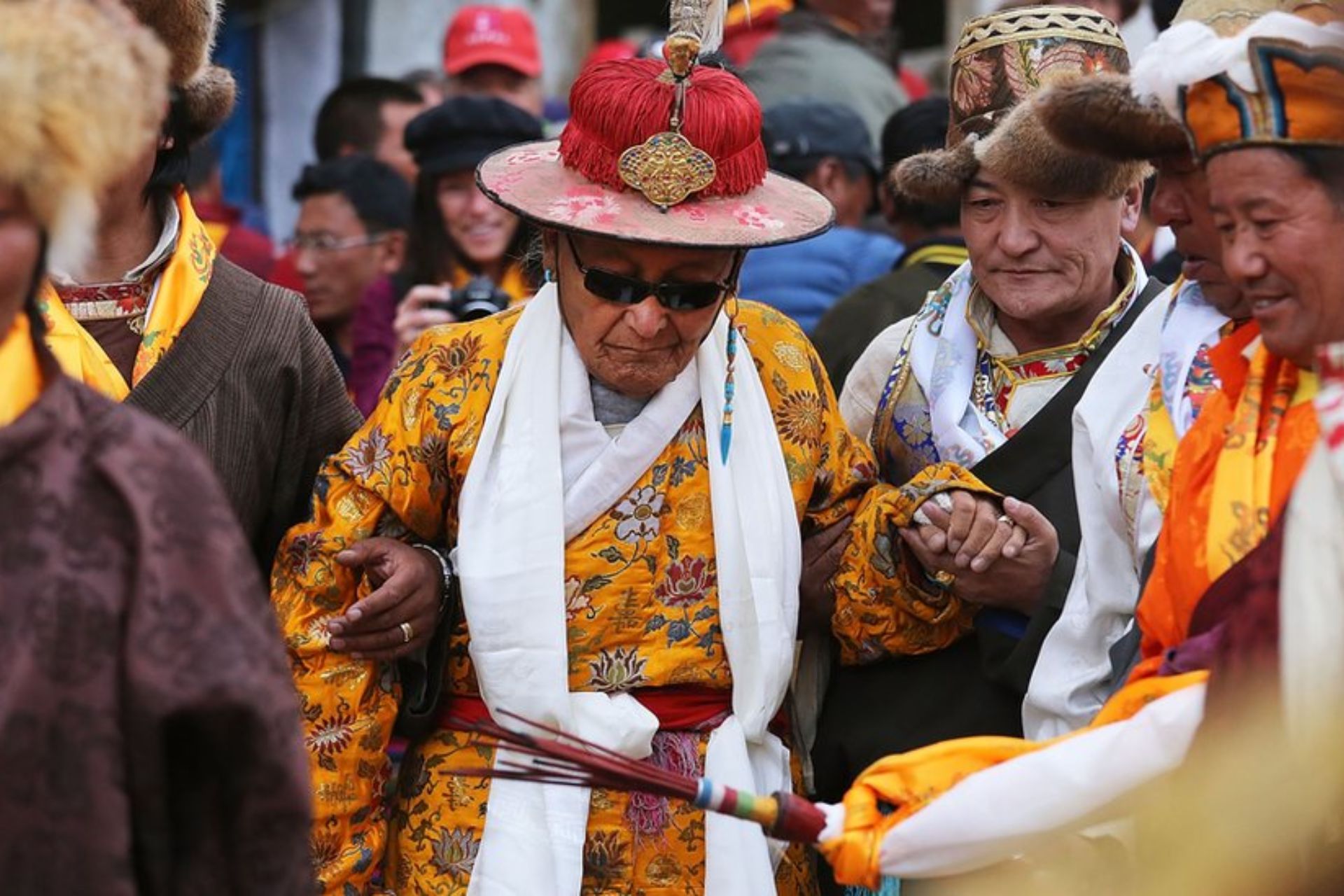
Even the name on your map is a legacy of the capital: one widely repeated explanation holds that "Mustang" is a cartographer's distortion of "Manthang", often translated as "plain of aspiration"
Still, locals honour this royal family. Many people still attend ceremonies and refer to late Jigme Dorje Palbar Bista as their king.
Foreigners Couldn't Visit Until 1992
For a long time, you simply couldn't go. Upper Mustang was closed to foreign visitors until 1992, mostly because it sits on the Tibet border. It's still a "restricted area" today. So you'll need a Restricted Area Permit (RAP), an ACAP permit, and a licensed guide. A Nepal trek company sets it all up. You can't go on your own.
Good news, though: the permit got cheaper for short trips. It used to cost USD 500 for 10 days, even if you stayed less. In November 2025, Nepal changed that. Now you pay USD 50 per person per day inside the zone.
There's another new rule from March 2026. You can now get a permit on your own. Before, you needed at least two people. But you'll still walk with a licensed guide, and one guide can lead up to 7 trekkers.
Worrying about permit things? Your registered tour operator, like Walk Through Nepal, handles this application, so that it gets ready before you leave Kathmandu or Pokhara.
Lo Manthang Is an Old Walled City Where People Still Live
Picture a whole town inside one mud wall. That's Lo Manthang, at about 3,840 m. Ame Pal began building it in 1380, and its streets look much the same today. Inside the wall, you'll find about 180 houses, old temples and a five-floor palace. UNESCO has it on its list of places it may protect.
You might see heights from 3,810 m to 3,910 m. It depends on where someone took the reading. Locals say the wall stands about 9 m tall.
One important update before you go. On 8 September 2026, a 5.3 earthquake hit Lo Manthang. The good news? Trails, lodges and phone service kept working, says the Trekking Agencies' Association of Nepal (TAAN). The hard news is that many homes were hurt. A wall at Chode Monastery was damaged, and the palace got new cracks.
So some buildings may be closed for repair. Stay out of taped-off areas and follow your guide. And know this: the money you spend on lodges and meals really helps local families rebuild.
About 10,000 Caves Are Cut Into Mustang's Cliffs
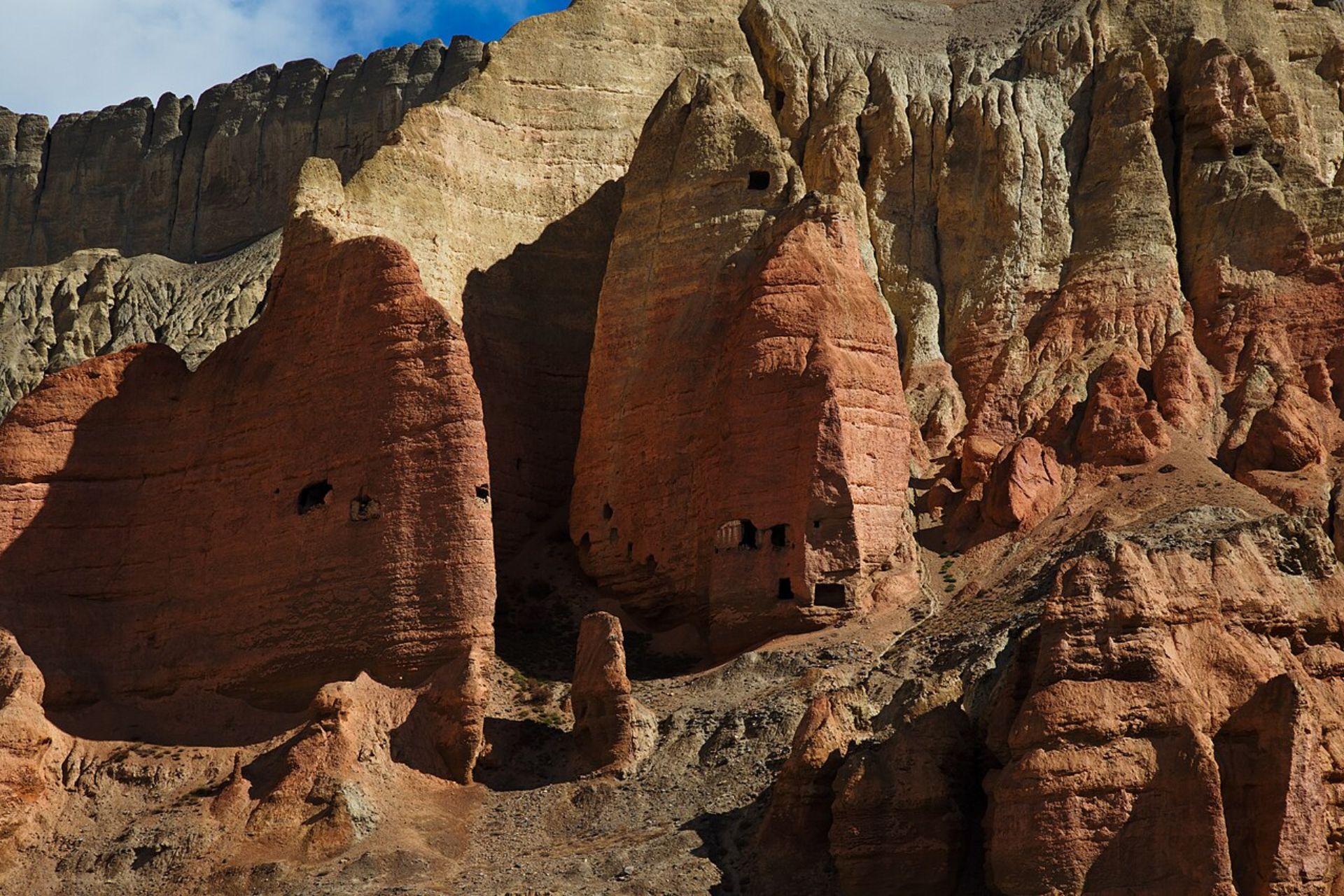
Look up at the cliffs, and you'll see holes everywhere. There are about 10,000 caves, all made by people. Some sit more than 45 m above the valley floor!
Experts think they were used in three ways. First, as graves, about 3,000 years ago. Then as homes, about 1,000 years ago. Later, from the 1400s, for prayer, lookouts and storage.
So how did people even get up there? Honestly, nobody knows for sure. Maybe there were ledges that later fell away. Maybe they used ladders or cut little footholds. Many caves are too hard to reach today, even for skilled climbers.
The rock is loose and crumbly too. Some people on research trips have been badly hurt. You'll spot lots of caves from the trail near Chhusang, Tetang and Tsarang. Enjoy them from the path. Climbing up is risky and can damage old sites.
Ancient defleshing burials
This one's a little spooky. In 2010, climbers and scientists found the bones of 27 people in caves above Samdzong, near the Tibet border.
The bones date from the 3rd to 8th centuries, before Buddhism reached the area. Many have knife marks. The flesh was cut off before burial.
Before you worry, it wasn't cannibalism. The scientists say it was a burial custom. These caves sit at about 4,200 m. Later trips found gold-covered masks, a wooden coffin box and other sacred objects.
One lead scientist, Mark Aldenderfer, thinks this custom may be linked to Tibet's later "sky burial."
That's still just an idea, though. You won't visit Samdzong on a normal trek. But knowing this story makes every cave you pass feel a lot more exciting.
You Can Climb Inside a Five-Floor Cave Home at Chhoser
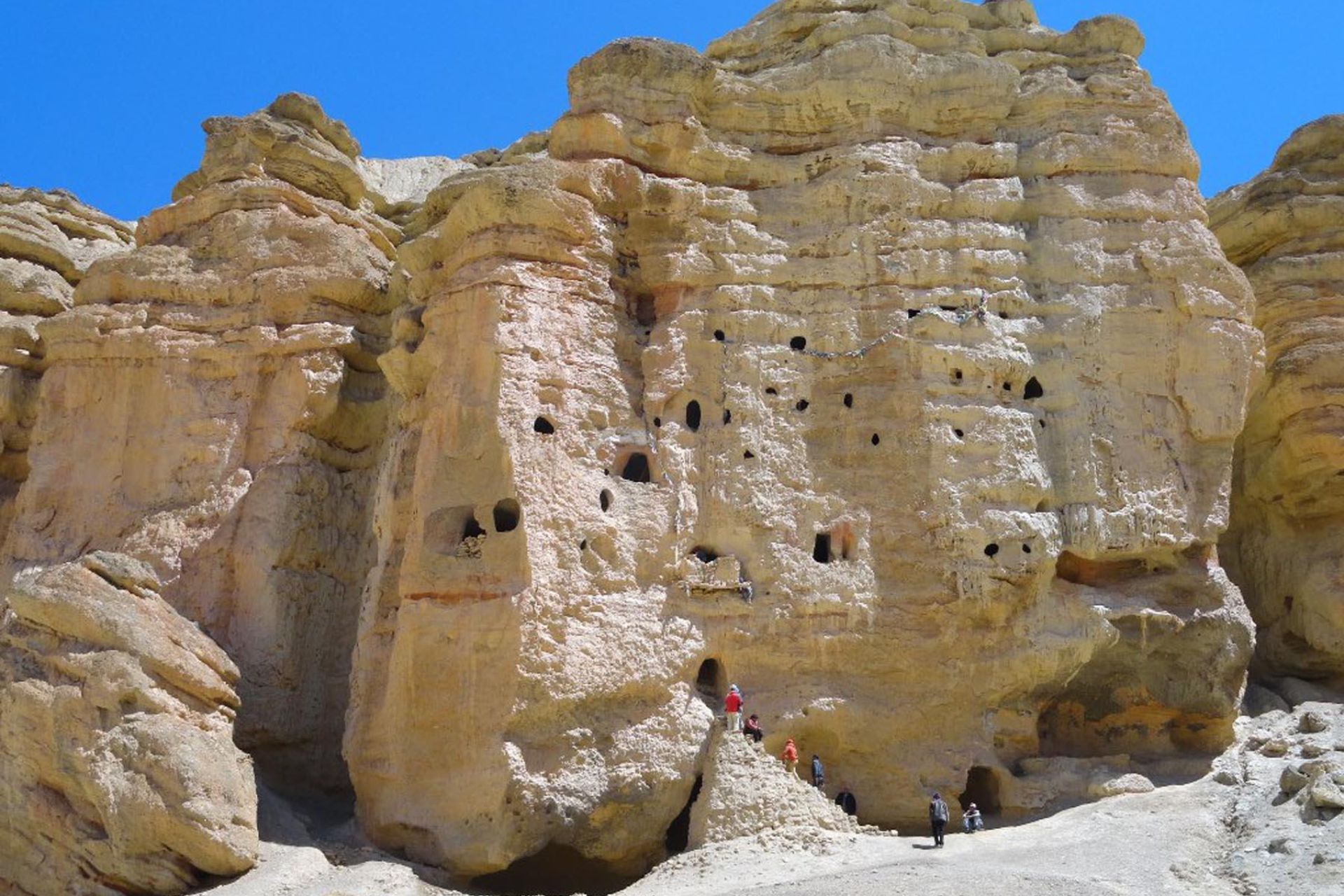
Want to step inside one of these caves? Head to the Jhong Cave, also called Shija Jhong, near Chhoser. It's just north of Lo Manthang. This cave home has five floors and about 40 to 45 rooms. Narrow halls and wooden ladders link them. Tiny windows look out over the valley. It's the easiest big cave to visit here.
Getting there is easy. From Lo Manthang, it's about 2 hours on foot or 30 minutes by jeep. Or you can ride a local horse for a fun half-day trip. Bring a headlamp, and mind your head. The ceilings are low! Let others climb out first in the tight spots.
Caves near Lo Manthang have hidden other treasures too. In 2007, a team from the US, Italy and Nepal found Buddhist paintings, old books and pots. They date from about the 12th to 14th centuries.
Lo Manthang's Temples Are Covered in Painted Circles
Step inside Lo Manthang's temples, and you'll want to stand still and stare. The three main ones are Jampa Lhakhang, Thubchen and Chode Gompa.
Jampa Lhakhang is from the 15th century. Its walls are covered in mandalas, which are round, sacred paintings. Many say no place on Earth has more. Locals still pray here every day.
Here's how these paintings got their color back. Repair work began in the late 1990s, when the old king asked for help. A US group, the American Himalayan Foundation, said yes. An Italian art expert, Luigi Fieni, led the work with local painters.
At first, the Thubchen paintings were hidden under about 500 years of black smoke from butter lamps.
Not everyone agreed on the work, though. Some art experts worried that new paint could change old history. But for locals, these aren't museums. They're living places of prayer. Knowing this back story makes your visit much richer.
A few quick temple rules. Walk clockwise around shrines and prayer walls, so they stay on your right. Take off your shoes and hat before you go in. Skip photos in prayer halls unless a monk says it's okay. A small donation is always welcome.
The Red Cliffs Are Tied to a Demon Story
Ever wondered why some cliffs here look red? Locals have a great story about it.
A Buddhist teacher, Guru Rinpoche, fought a demon here and won. The demon's blood turned the cliffs of Dhakmar red. Its insides became the long prayer wall near Ghami. And the temple of Lo Gekar, or Ghar Gompa, is said to sit right on its heart.
The Ghami prayer wall is often called the longest in Mustang. It's made of thousands of stones carved with prayers. When you walk past, keep the wall on your right. That's the local way.
Ghar Gompa sits at about 3,940 m. It's one of the oldest holy sites around. Lots of guided treks come back from Lo Manthang this way, past Dhakmar. That means you get to see the whole story written right into the land.
Upper Mustang Is a High, Dry Desert
You might picture Nepal as green and rainy. Upper Mustang is the opposite.
It sits behind two giant mountain ranges, Annapurna and Dhaulagiri, which block most rain clouds. Jomsom gets less than 260 mm of rain a year. Upper Mustang gets about 250 to 300 mm. Compare that with Pokhara, which gets over 3,000 mm in the rainy months alone!
Most people here live along the Kali Gandaki River, between about 2,800 m and 3,900 m. With so little rain, every village needs water from melting snow. Small canals carry it to the fields. That's why each village looks like a green patch in a brown land.
Now, the tricky part: the wind. In the afternoon, strong gusts blow up the valley. That's why guided treks start early. You'll aim to reach your lodge by early afternoon. Pack a neck scarf, sunglasses and lip balm. Trust us, you'll use them every day.
You Can Trek Upper Mustang in the Rainy Season
Here's a great secret. Upper Mustang is one of the few Nepal treks that works in June, July and August. That's when heavy rain soaks most of the country.
But the mountains keep Upper Mustang mostly dry and sunny. You'll find quiet trails and bright green barley fields. Upper Dolpo is the other great summer pick.
You Can Find Sea Shells in a Mountain River
Here's something wild. Some dark stones in the Kali Gandaki River hide sea shells! Crack one open, and you may find a fossil. These shells came from sea animals in an ancient sea.
Over millions of years, the land pushed up and became the Himalaya. The fossils are called shaligram. Hindus see them as a form of the god Vishnu.
Upper Mustang Was an Old Salt Road to Tibet
Long before trekkers came, salt traders did. For hundreds of years, Mustang's people carried salt from Tibet down the Kali Gandaki valley.
They traded it with Thakali traders for grain. The Thakalis carried it on to Pokhara and Kathmandu. The border pass, Kora La, sits at 4,660 m. It's said to be the lowest pass you can drive through the Himalayas.
Upper Mustang Was Once a Secret Base for Fighters
This sounds like a spy movie, but it's true. From about 1960 to 1974, Tibetan fighters called Khampas hid in Upper Mustang. From here, they raided Chinese forces in Tibet. For years, the US spy agency, the CIA, trained and paid them. India helped too. The CIA stopped paying in 1969. Then in 1974, Nepal's army took their weapons away.
Why then? China pushed Nepal to act. Life at the base was tough anyway. It was high, cold and always short on food. Some fighters stayed and made homes here. A few older locals still share these stories. Ask your guide if anyone in your village would like to chat.
Even a cave got involved. One cave between Chhusang and Tetang was once a little bar for the fighters. Not a bad spot for a drink!
The Tiji Festival Is a Three-Day Prayer for Rain
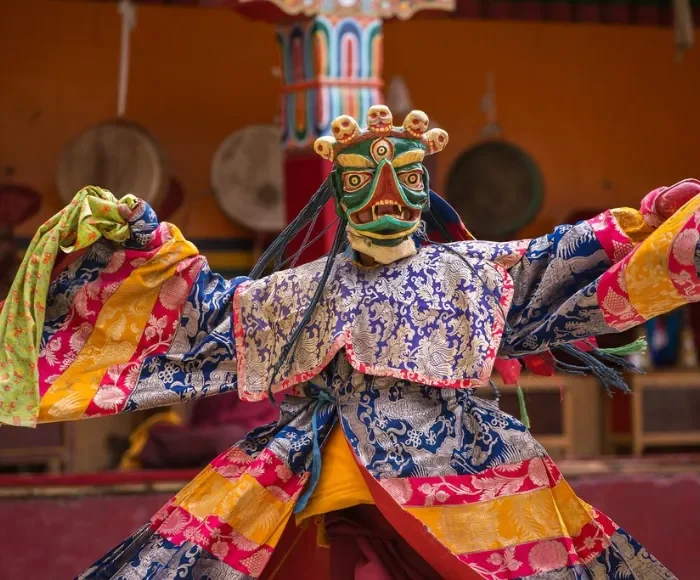
If you can, time your trip for Tiji. The name is short for Tenpa Chirim, which means "prayer for world peace." It lasts three days in Lo Manthang's royal square. Monks from Chode Monastery wear masks and dance. The dances tell how the god Dorje Jono beat his demon father, who had stopped the rain.
In a land this dry, a story about water means a lot. On day one, the Tsa Chham dance starts the story. On day two, the Nga Chham dance shows the big fight. On day three, the Rha Chham dance wraps it up. A figure of the demon, made from barley dough, gets destroyed.
Lo Manthang Has a School for Old-Style Medicine
Here's one most visitors never hear about. Lo Manthang has a clinic and school called Lo Kunphen. The clinic opened in 1993, and the school opened in 2000.
Two brothers, Gyatso and Tenzin Bista, started them. Their family were doctors to the kings of Lo. They teach Sowa Rigpa, Tibet's old healing system, where healers called amchi use plants and minerals.
Mustang once had about 30 amchi, roughly one per village. But fewer young people were learning the skill. So the brothers opened a school to keep it alive. Their students head into the hills to find and gather healing plants.
If the clinic is open, your guide can ask if you may visit. Be polite and patient. It's a lovely reminder that Upper Mustang's culture isn't just history. It's still very much alive.
Conclusion
Upper Mustang is more than a journey through dramatic landscapes. It’s a chance to walk through centuries-old villages, discover Buddhist monasteries, and understand a culture shaped by its connection to Tibet. The experience becomes even more rewarding when you have enough time to explore beyond the usual stops.
If you’re planning a visit, think about what matters most to you: ancient heritage, mountain scenery, local festivals, or quieter days exploring Lo Manthang. Our Upper Mustang Trek can be planned around your travel dates, interests, and available time, with local guidance and permit arrangements to help you prepare for the journey.


