
Contents
The Annapurna region has several trekking routes, and the decisions you make on one trail may not apply to another. A trek to Poon Hill involves different preparations from a longer journey to Annapurna Base Camp. The Annapurna Circuit brings its own considerations, particularly when you approach Manang and prepare to cross Thorong La Pass.
You also need to account for things that are easy to overlook when planning from home: permit checks, changing trail conditions, cash availability, altitude gain and the way local communities use the same paths and facilities.
A little awareness can prevent unnecessary problems along the way. Here are the important do’s and don’ts to keep in mind when trekking in the Annapurna region.
Do’s in the Annapurna Region
1. Arrange Your ACAP, RAP and TIMS Documents Before Starting the Trek
The Annapurna Conservation Area Permit (ACAP) is required for trekking routes within the Annapurna Conservation Area.
Whether you are heading to Ghorepani Poon Hill, Annapurna Base Camp, Mardi Himal or following the Annapurna Circuit, arrange your ACAP permit before starting the trek.
If your itinerary includes Upper Mustang, you will also need a Restricted Area Permit (RAP). The region has additional entry requirements, and the RAP must be arranged through a registered trekking agency via the Department of Immigration. An ACAP permit alone is not sufficient for entering Upper Mustang.
You may also come across information about the Trekkers’ Information Management System (TIMS) card. Nepal Tourism Board's official website still lists several Annapurna routes under its TIMS requirement.
However, TIMS is no longer routinely enforced at checkpoints on standard Annapurna trekking routes, according to current on-ground trekking information. This means the published guidelines and actual checkpoint practice do not fully align.
Before departure, confirm the latest requirements for your particular route with your trekking agency. Do not confuse the TIMS situation on standard Annapurna trails with the additional permit requirements for restricted areas such as Upper Mustang.
Requirements and fees can change, so check the latest information before departure through the Nepal Tourism Board and Department of Immigration.
2. Choose a Licensed Local Guide Who Knows the Route
A guide should do more than lead the group from one village to another. Local knowledge becomes particularly useful when a trail is affected by snowfall, landslides, road construction or sudden weather changes.
Before booking, ask about the guide's licence, experience on your chosen route and familiarity with altitude-related problems. It is also worth understanding how the guide handles an emergency, communicates with the group and decides when conditions are no longer suitable for continuing.
A guide familiar with the Annapurna region can also help you choose between available trail sections, identify suitable stopping points and understand local customs. If you are arranging a guided journey, you can explore the Annapurna Circuit Trek to see one of the region's longer trekking options.
3. Plan Your Itinerary Around Elevation Gain, Not Just Walking Distance
A short distance on a map does not always mean an easy walking day. The elevation you gain, the height at which you sleep and the condition of the trail can matter more than the number of kilometres covered.
For example, the approach to Manang on the Annapurna Circuit involves a gradual transition into higher elevations. Rushing through this section to save a day can leave you poorly prepared for the higher sections ahead.
Look at the elevation of each overnight stop before finalising your itinerary. The Annapurna Circuit route map can help you understand the sequence of villages, trail sections and elevation changes along the route.
4. Include an Acclimatisation Day and Use It Properly
Reaching Manang is not a signal to hurry towards Thorong La. At approximately 3,540 metres, the village is an important place to pause and allow your body time to adjust to the increasing altitude.
Use your acclimatisation day for a short walk to a nearby viewpoint or a higher location, then return to sleep at the same elevation. Avoid turning the rest day into another demanding trekking day.
Pay attention to how you feel, including headaches, nausea, dizziness and unusual tiredness. These symptoms should not be dismissed as ordinary trekking fatigue. The Annapurna Circuit altitude guide provides more information about elevation along the route and the importance of acclimatisation.
5. Check Weather and Trail Conditions Every Morning
A weather forecast checked before leaving Pokhara may not reflect the conditions you encounter several days later. Weather can differ between lower valleys, Manang, Tilicho and the area around Thorong La.
Ask your guide or teahouse owners about recent snowfall, rainfall, strong winds and trail closures. Before heading towards a high pass or exposed section, make sure you have updated information rather than relying on what another trekking group experienced the previous day.
This is particularly important during the transition between seasons, when conditions can change quickly. You can also refer to the Annapurna Circuit weather guide when deciding when to travel and what conditions to prepare for.
6. Keep One or Two Buffer Days in Your Travel Schedule
Do not plan your return flight or international departure around the assumption that every trekking day will go exactly as expected.
Heavy snowfall can temporarily close high passes, while rain and landslides may affect roads and transportation. Even a short delay can disrupt a tightly planned itinerary.
Keep one or two extra days in your overall travel schedule, especially if your route includes Thorong La or other high-altitude sections. These days give you room to wait for safer conditions or adjust your return journey without having to rush.
7. Carry Insurance That Covers Your Trekking Elevation and Helicopter Evacuation
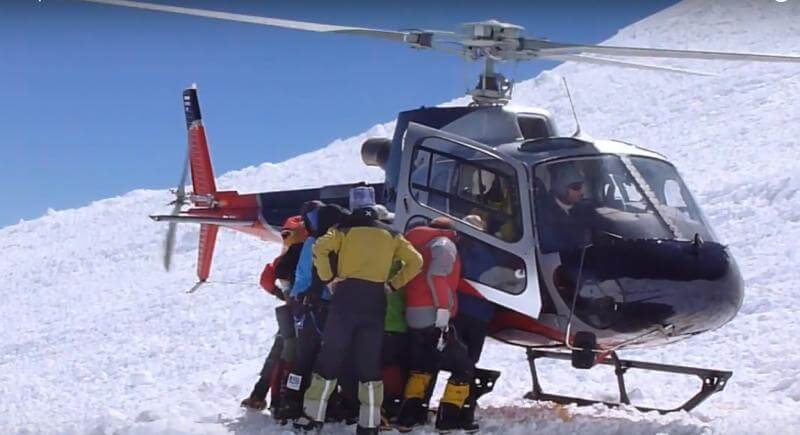
Ordinary travel insurance may not cover activities at the elevations reached on Annapurna trekking routes. Check the policy carefully before departure.
Your insurance should cover trekking at the maximum elevation on your itinerary, medical treatment for altitude-related illness and emergency helicopter evacuation in Nepal. For the Annapurna Circuit, this means checking coverage for the 5,416-metre Thorong La crossing.
Keep your insurer's emergency contact details available offline. Also understand the process for contacting the assistance provider and obtaining approval when required. In a genuine emergency, however, getting medical help should not be delayed.
8. Carry Enough Cash Before Leaving Your Last Major Stop
Do not depend entirely on ATMs or digital payments once you enter the trekking area.
Depending on your route, you might start from Pokhara, Besisahar, Jomsom or another trailhead, but banking facilities become limited as you move into remote mountain villages.
Even where ATMs are available, they may not always be working.
Withdraw enough Nepalese rupees in the last major town where banking facilities are readily available before starting your trek.
Estimate your expenses for meals, drinks, accommodation, device charging, hot showers and other personal needs. Remember that costs can increase at higher elevations, where supplies are harder to transport.
Keep some emergency cash separate from your daily spending money. You may need it if your itinerary changes, you have to stay an extra night or you need to arrange alternative transportation.
9. Carry a Reusable Bottle and Treat Your Drinking Water
Buying bottled water at every stop creates unnecessary plastic waste and can become expensive as you gain elevation. A reusable bottle with a suitable water-treatment method is a more practical option.
You can use a water filter, purification tablets or another reliable treatment method. Ask teahouse staff about available drinking water, but do not assume that clear-looking water is automatically safe to drink.
Refill when convenient and carry enough water for the next section of the trail. In colder conditions, keep your bottle somewhere it is less likely to freeze.
10. Pack for Changing Temperatures and Trail Conditions
The temperature you experience in a lower village can be very different from what you encounter near a high-altitude pass. Packing only for the weather in Pokhara is not enough.
Bring layers that you can add or remove while walking, including a moisture-wicking base layer, insulating clothing and a windproof or waterproof outer layer. Gloves, a warm hat, comfortable trekking socks and suitable footwear are also important.
Your packing needs will depend on the route and season. Use the Annapurna Circuit packing list as a reference if you are preparing for the longer circuit, then adjust it to your own itinerary.
11. Walk at a Steady Pace and Adjust to the Terrain
There is no benefit in trying to match the speed of the fastest person in your group. A steady pace helps you manage your energy over several consecutive walking days.
Take shorter steps on steep uphill sections and pay attention to your footing on loose stones, muddy paths and uneven descents. Trekking poles can help with balance, particularly when your knees are under pressure on downhill sections.
Give yourself enough time for breaks, meals and photographs. The aim should be to reach the next overnight stop safely, not to finish every walking day as quickly as possible.
12. Ask About Alternative Walking Trails Where Roads Affect Your Route
Road access has changed the trekking experience in parts of the Annapurna region. On some sections, jeeps and local buses use roads that run alongside or replace older walking trails. Walking beside vehicle traffic can mean more dust, noise and less enjoyable views.
Before setting out, ask your guide whether an alternative footpath is available. Depending on the route, you may be able to use older village trails, forest paths or quieter tracks instead of following the road for the entire day.
The options differ across the region:
Annapurna Circuit: NATT (New Annapurna Trekking Trails) and older village paths provide alternatives to some road-affected sections. The upper route through Ghyaru and Ngawal, for example, offers a different walking experience from the lower road.
Lower Annapurna and Ghorepani routes: Some access roads connect villages and trailheads, but established walking paths remain available on many sections. Ask which route is suitable for your daily walk.
Annapurna Base Camp and Mardi Himal: Road access affects some approach and departure points, so confirm where the actual trekking trail begins and whether any walking sections share space with vehicles.
Mustang side: Roads connect several settlements, including Jomsom, Marpha and Muktinath. Depending on your itinerary, local footpaths may offer quieter alternatives to certain road sections.
Do not assume every road has a safe or convenient walking alternative. Trail conditions can change after heavy rain, landslides or snowfall, and bridges or footpaths may become temporarily unusable.
Ask your guide about the available options before each walking day. On some stretches, taking a jeep is more practical than spending hours beside traffic. The aim is to choose a suitable walking route, not to avoid every road at any cost.
13. Check the Conditions Before Adding Tilicho Lake
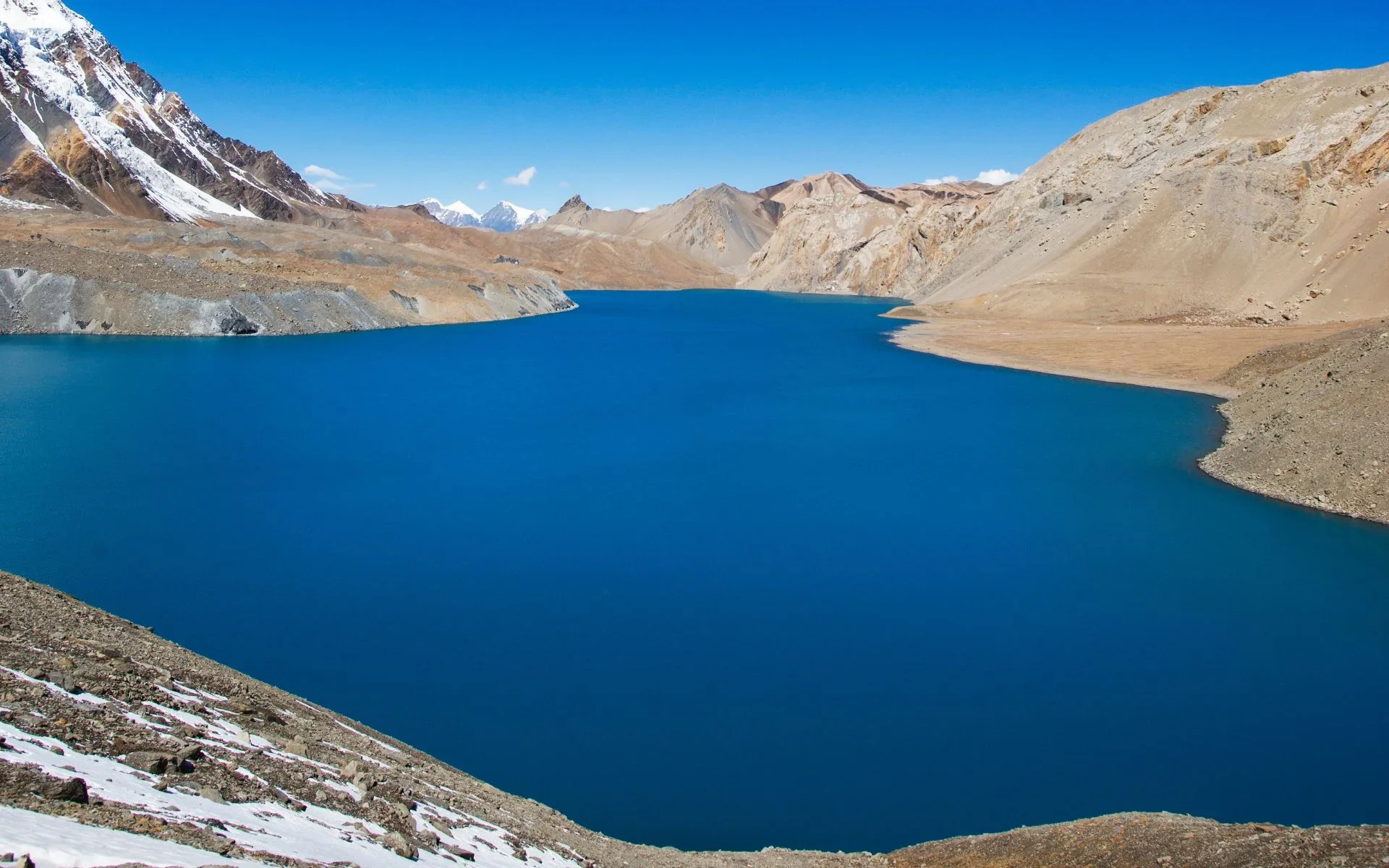
Tilicho Lake, at approximately 4,919 metres, is a high-altitude side trip from the Annapurna Circuit. It is not simply a short stop that you can add without changing your plans.
Allow extra time for the detour and consider whether you are acclimatised enough to go higher. The trail between Shree Kharka and Tilicho Base Camp includes exposed sections with loose rocks and scree, so conditions matter.
After heavy rain or snowfall, ask your guide for an updated assessment. If the route is unsafe, postponing or skipping the lake is a sensible decision. You can explore the separate Tilicho Lake Trek to understand more about this high-altitude route.
14. Respect Religious Sites and Local Customs
The Annapurna region includes villages with different cultural and religious traditions. You may pass Buddhist monasteries, prayer walls, mani stones, chortens and Hindu temples during the trek.
Walk around religious monuments in the locally customary direction, generally clockwise, and avoid climbing on or touching structures for photographs. Remove your shoes where requested before entering religious buildings.
Dress respectfully when visiting temples and monasteries. If you are unsure whether photography is allowed, ask someone before taking pictures.
15. Support Local Businesses and Treat Your Trekking Crew Fairly
Teahouses, small shops, local restaurants, guides and porters are an important part of the trekking economy. Choosing local services helps support the communities along the route.
Be fair when discussing prices and avoid aggressive bargaining over small amounts, especially when you are purchasing food or services in remote villages where supplies must be transported from elsewhere.
If you hire porters, discuss their responsibilities, equipment and load limits before the trek. Make sure they have suitable clothing and footwear for the conditions they will face.
16. Carry Your Rubbish Until You Find a Suitable Disposal Point
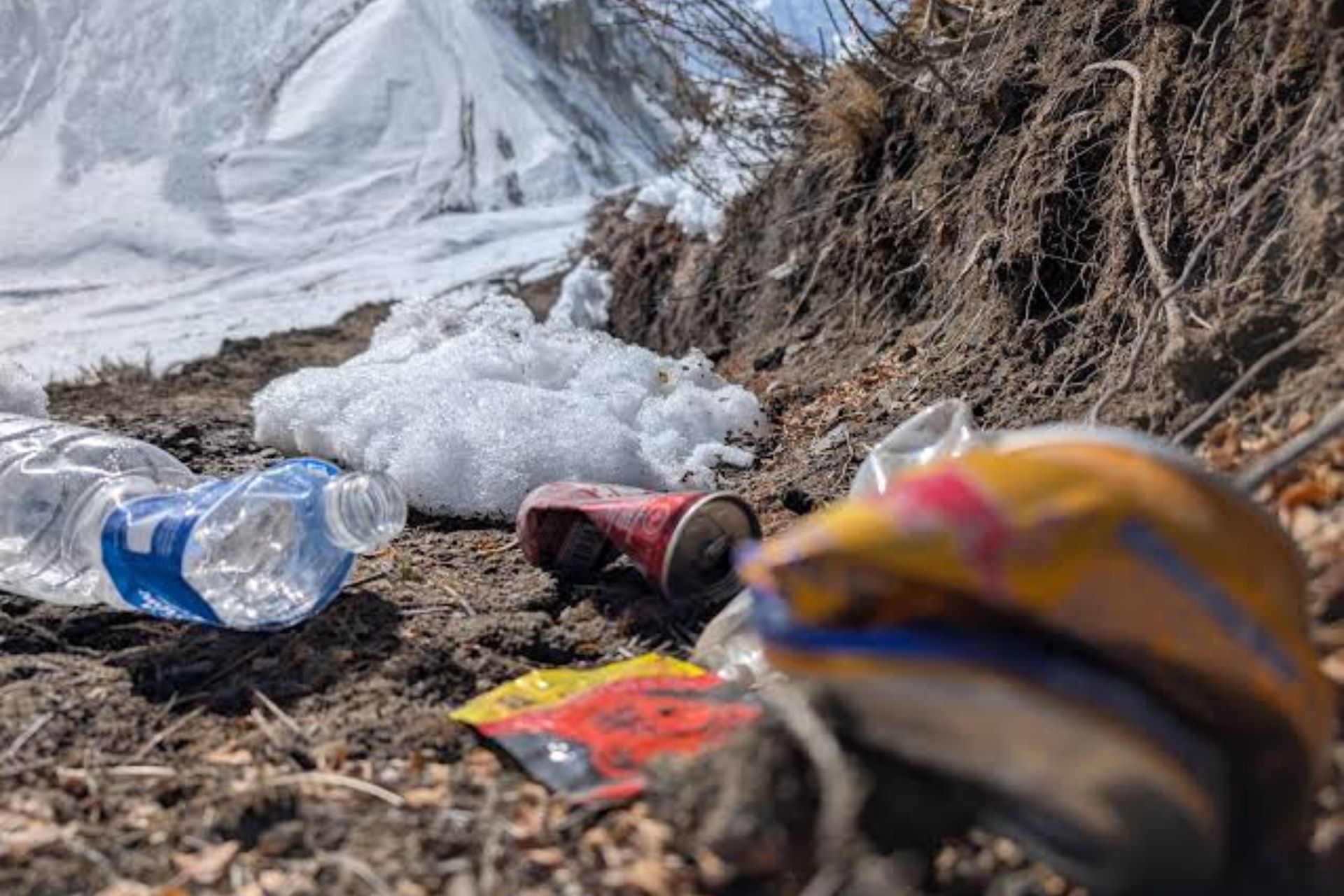
You may not find a dustbin at every resting point or teahouse. Carry a small rubbish bag so that wrappers, tissues and other waste stay with you until you reach an appropriate disposal point.
Avoid leaving plastic bottles, snack packaging or other waste beside the trail. Even biodegradable waste should not be thrown wherever you happen to stop.
The villages, forests and mountain landscapes along the route are shared spaces. Keeping them clean is a responsibility for every trekker.
Don’ts in the Annapurna Region
1. Don't Rush Your Ascent to Higher Elevations
Do not shorten your itinerary simply because a jeep can take you further up the road. Reaching a higher village faster does not mean your body has adjusted to the altitude.
This is especially relevant on the Annapurna Circuit, where road access has changed the traditional walking schedule. A faster journey can leave less time for gradual elevation gain and acclimatisation.
If you are feeling well, that does not automatically mean you should skip planned rest days. Give your body time to adjust before moving towards higher sleeping elevations.
2. Don't Ignore Headaches, Nausea or Unusual Tiredness
A headache after a long walking day may seem ordinary, but at altitude it can also be an early sign of acute mountain sickness (AMS). Nausea, dizziness, loss of appetite and unusual fatigue are other symptoms to take seriously.
Tell your guide or trekking companions if you start feeling unwell. Do not hide symptoms because you are worried about delaying the group or changing the itinerary.
If symptoms persist or worsen, do not continue ascending. Seek medical advice and follow the appropriate descent or treatment guidance. Severe symptoms require urgent medical attention.
3. Don't Attempt Thorong La Just Because It Is on Your Itinerary
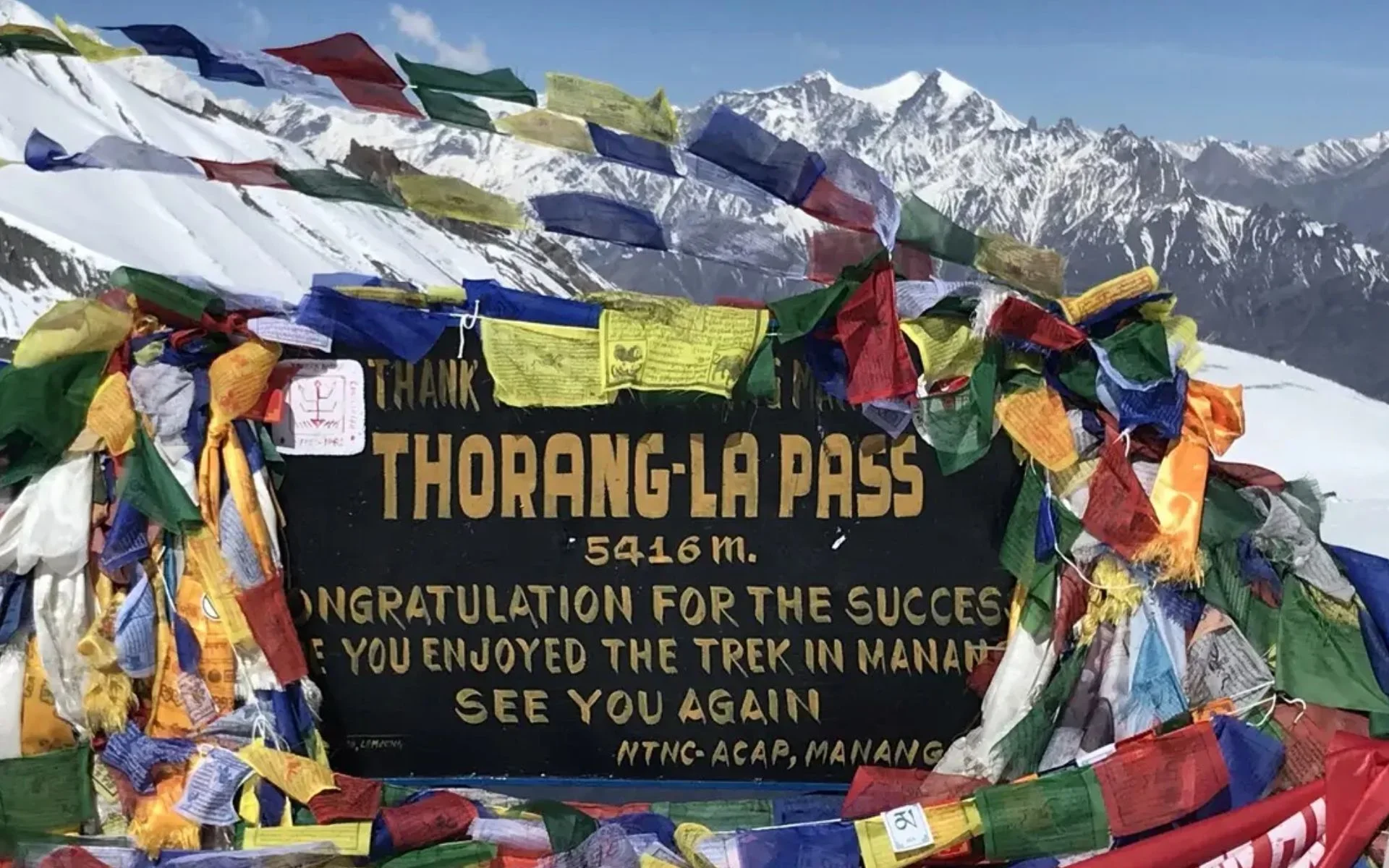
Thorong La Pass reaches approximately 5,416 metres. Crossing it is a demanding day, often involving an early start, cold temperatures, changing weather and a long descent towards Muktinath.
Do not treat the crossing as something you must complete regardless of conditions. Check the latest weather and trail reports, discuss your physical condition with your guide and agree on a suitable turnaround plan.
If snowfall, poor visibility or strong winds make the crossing unsafe, wait or change your plans. You can read more about the route and crossing considerations in our guide to Thorong La Pass.
4. Don't Choose High Camp Without Considering Your Acclimatisation
Choosing where to spend the night is not simply about reducing tomorrow's walking distance. Your sleeping elevation, how much height you have gained during the day and how well your body is adjusting should all influence that decision.
This matters on several Annapurna routes.
On the Annapurna Base Camp trek, for example, you gradually move through villages such as Deurali and Machhapuchhre Base Camp before reaching the higher sanctuary.
On Mardi Himal, the route climbs through forested camps towards higher viewpoints. The Annapurna Circuit and Upper Mustang also involve their own elevation changes.
Above 3,000 metres, a commonly used acclimatisation guideline is to increase your sleeping elevation by around 300–500 metres per day. You may need additional rest time depending on your itinerary, previous sleeping altitude and how your body responds.
Before choosing your next overnight stop, consider:
How much higher you will sleep: A shorter walking day is not necessarily a better choice if it means gaining too much sleeping elevation.
How you have been feeling: Headaches, nausea, dizziness or unusual tiredness should not be ignored when deciding whether to ascend.
Whether you have allowed time to acclimatise: Include suitable rest days in longer itineraries, particularly before reaching higher sections.
What conditions are like ahead: Weather, trail conditions and the availability of accommodation may affect where it is sensible to stop.
Discuss your overnight options with your guide rather than automatically choosing the highest available village or camp. If you are experiencing altitude-related symptoms, do not move higher. Seek medical advice and follow appropriate descent guidance.
An extra night at a lower elevation may feel like a delay, but it is better than pushing your body simply to stay on schedule.
5. Don't Descend Through Heavy Snowfall or a Whiteout Without Guidance
Poor visibility can make familiar trails difficult to recognise. During heavy snowfall or a whiteout, landmarks disappear and it becomes easier to lose the correct route.
Do not continue walking just because you are eager to reach the next village. If the trail is no longer visible or conditions deteriorate, seek shelter in a safe place and follow your guide's instructions.
Waiting for visibility to improve is often safer than attempting an unfamiliar descent in dangerous conditions. Never separate from your group to find your own way down.
6. Don't Continue on a Closed or Unsafe Trail
A trail closure is not simply a suggestion to find another way around. Authorities or local teams may restrict access because of snowfall, landslides, flooding or other hazards.
Do not ignore barriers, notices or instructions from checkpoint staff. Ask about the reason for the closure and whether an alternative route is officially considered safe.
If the route is closed, adjust your itinerary rather than taking an unverified shortcut. A delayed crossing is better than putting yourself and your trekking group in unnecessary danger.
7. Don't Walk Carelessly Along Jeep Roads
Roads connect many villages and trailheads across the Annapurna region. Depending on your route, you may encounter jeeps, motorbikes, tractors and mule trains sharing narrow or unpaved sections with trekkers. Dust, blind corners, loose gravel and steep drop-offs can make walking beside traffic uncomfortable and sometimes dangerous.
This is more noticeable on parts of the Annapurna Circuit and around Mustang, where roads run through several trekking settlements. Some approach and departure sections on other Annapurna routes may also involve road walking.
Follow these safety habits when walking near vehicles:
Stay alert: Listen for horns and engines, particularly around blind corners where drivers may not see you in time.
Move away from the edge: When a vehicle or mule train approaches, step to a safe, stable part of the road, away from steep drop-offs.
Avoid headphones: Keep your ears free so you can hear approaching traffic.
Walk in single file: Use this approach on narrow roads and sections with limited visibility.
Protect yourself from dust: Carry a buff or mask, especially on dry and windy stretches.
Watch for unstable slopes: After heavy rain, be cautious around loose rocks, fresh landslides and exposed slopes.
Avoid walking after dark: Plan your walking day so you reach your accommodation before sunset.
If you are travelling by jeep instead, use a vehicle with an experienced local driver, travel during daylight and wear a seatbelt where one is fitted.
Where a suitable walking trail is available, ask your guide whether you can take it instead of following the road. On some stretches, however, a short jeep ride may be safer and more comfortable than walking beside traffic.
8. Don't Take Mountain Jeeps for Granted
Jeeps can save time on the Annapurna trails, but mountain roads are often narrow, rough and exposed. Landslides, heavy rain and snowfall can cause unexpected delays, so don't treat journey times as fixed.
Keep these points in mind when travelling by jeep:
Choose a reliable operator: Travel with an experienced local driver and a suitable vehicle.
Travel in daylight: Avoid journeys after dark when visibility is limited.
Check road conditions: Wait for local updates before travelling during heavy rain, snowfall or landslides.
Avoid overcrowded vehicles: Never ride on the roof or in unsafe seating positions.
Wear a seatbelt: Use one whenever available.
Allow buffer days: Keep your itinerary flexible in case roads or flights are delayed.
Remember, a jeep ride doesn't replace acclimatisation. Reaching higher elevations quickly doesn't mean your body is ready to ascend further.
9. Don't Treat Tilicho Lake as an Easy Detour
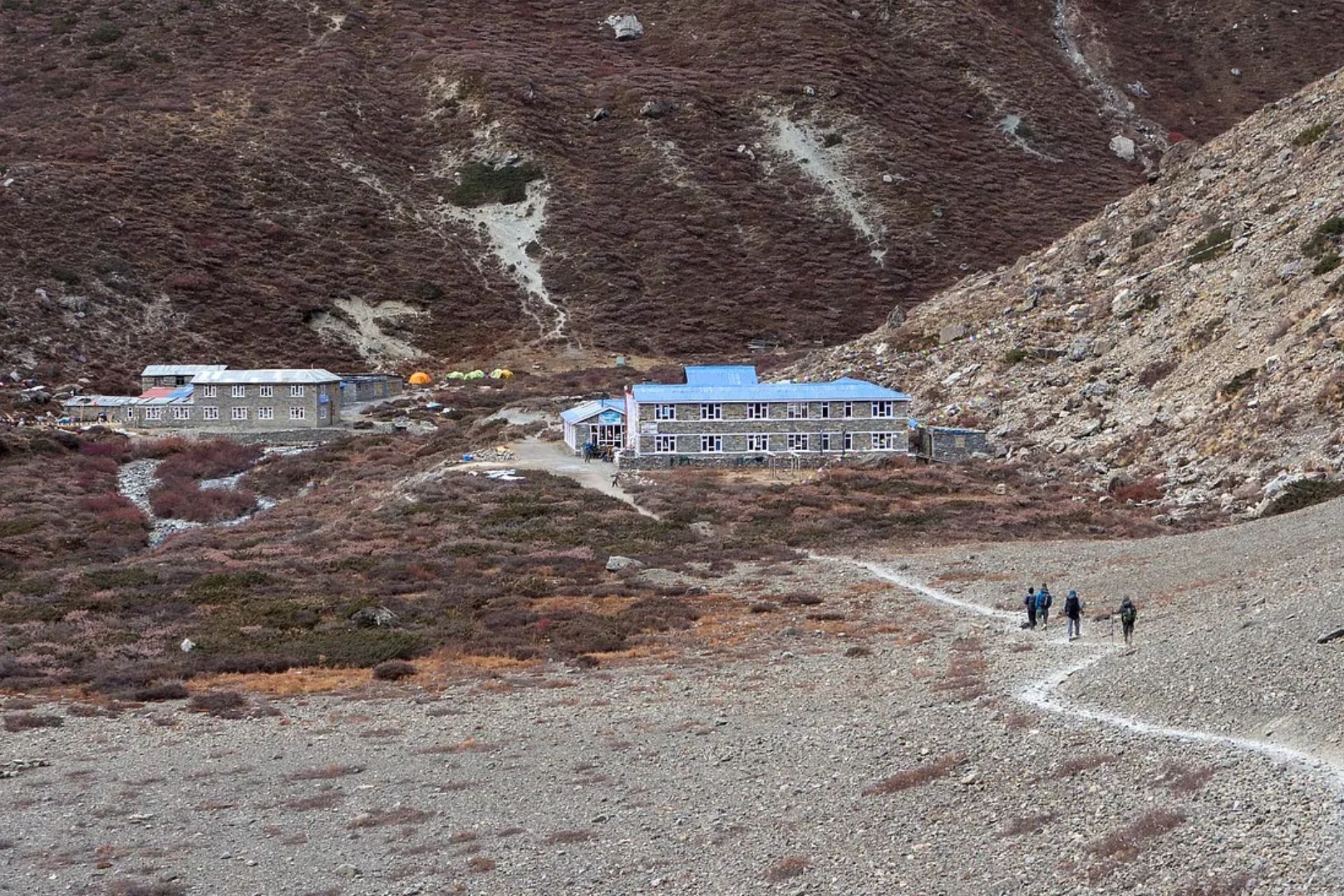
The lake may look close on a map, but reaching it involves a demanding high-altitude walk. The exposed trail towards Tilicho Base Camp can be particularly difficult after rain or snowfall.
Do not attempt the route simply because other trekkers are going. Check recent trail conditions, consider your acclimatisation and follow your guide's assessment.
If the weather is poor or the exposed sections are unsafe, skip the detour. Adding another destination should never take priority over the conditions on the ground.
10. Don't Depend on ATMs, Wi-Fi or Mobile Coverage
Connectivity and banking facilities become less reliable as you move into remote parts of the region. You may find Wi-Fi in some teahouses, but the connection can be slow or unavailable.
Do not assume you will be able to withdraw cash, make online payments or contact someone whenever you want. Prepare before leaving Pokhara and tell someone your planned route and expected return date.
Download important maps and documents for offline access. Keep emergency contact details and essential travel information somewhere you can access without an internet connection.
11. Don't Drink Untreated Water or Ignore Food Hygiene
Clear water from a tap, stream or mountain source is not necessarily safe to drink. Avoid drinking untreated water, even when it looks clean.
Be careful with food that has been sitting uncovered for a long time. Choose freshly prepared meals where possible, wash your hands before eating and carry hand sanitiser for situations where soap and water are unavailable.
If you develop diarrhoea or vomiting, take it seriously. Dehydration can make an already demanding trek harder, and symptoms should be reported to your guide or a medical professional.
12. Don't Expect Every Teahouse to Offer Hotel-Level Facilities
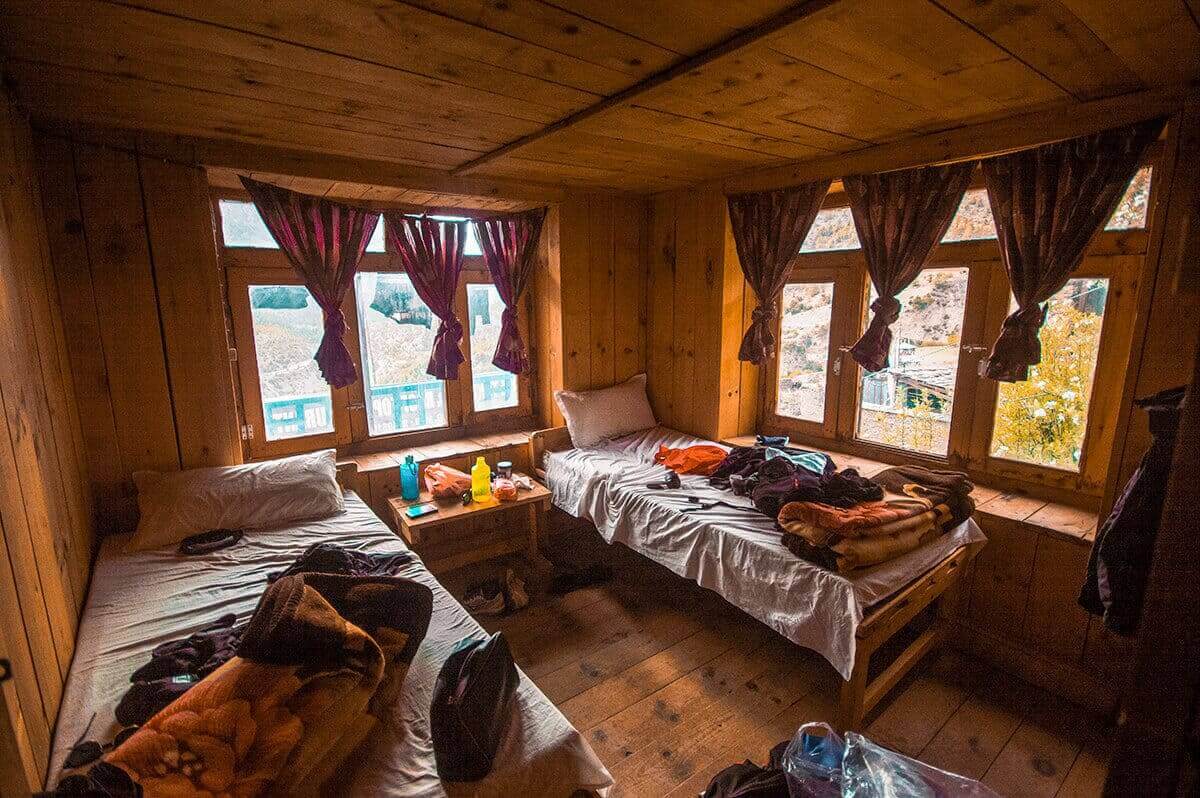
Accommodation varies between villages. Some teahouses have private rooms and attached bathrooms, while others provide more basic facilities with shared toilets and limited hot water.
Do not assume that electricity, charging points, hot showers and reliable internet will always be available. Some facilities may also involve an additional charge.
Ask about the available services when you arrive and carry a power bank for essential devices. A flexible expectation will make it easier to adjust to accommodation in remote areas.
13. Don't Bargain Aggressively Over Mountain Meals and Services
Prices for food and basic services can increase in higher villages because supplies are transported over long distances. What looks expensive compared with Pokhara may reflect the cost and effort involved in getting those goods to the settlement.
You can ask about prices before ordering, but avoid turning every purchase into a negotiation. Be respectful towards the people who run teahouses and provide services along the trail.
14. Don't Photograph People Without Their Permission
The villages of the Annapurna region are people's homes, not simply places for travel photography. Someone working in a field, preparing food or visiting a religious site may not want to be photographed.
Ask before taking close-up photographs of local people, especially children. Respect their response if they decline.
The same consideration applies inside monasteries, temples and private spaces. Follow any photography restrictions and avoid interrupting religious activities for a picture.
15. Don't Hand Out Sweets or Money Directly to Children
Giving sweets, money or gifts to children may seem like a kind gesture, but repeated handouts can encourage children to approach visitors for money rather than focus on their everyday activities and education.
If you want to support a village, consider buying from local shops, using local services or contributing through a responsible community organisation.
Support that benefits the wider community is generally more useful than giving items to individual children along the trail.
16. Don't Leave Rubbish or Disturb Wildlife
Do not throw food wrappers, plastic bottles, cigarette butts or other waste along the trail. Avoid feeding wild animals or approaching them for photographs.
Keep a respectful distance from wildlife and do not disturb animals for a better view. Stay on established paths rather than walking through vegetation or entering restricted areas.
The Annapurna Conservation Area includes forests, rivers, mountain habitats and settlements. Your behaviour can affect all of them, even when the impact of one small action is not immediately visible.
Conclusion
The Annapurna region has different challenges on different trails. A trekker heading to Poon Hill does not face the same decisions as someone preparing for Thorong La, and a person using road transportation on the Circuit needs to consider a different elevation profile from someone walking the entire route.
That is why good trekking advice should go beyond a packing checklist. It should help you decide when to continue, when to take a break and when changing your plans is the better choice.
At Walk Through Nepal, our local team can help you make those preparations before you reach the trail. From selecting a suitable Annapurna route and arranging permits to organising licensed guides and supporting your journey with local knowledge, we can help you plan around your available time and experience.
Planning an Annapurna trek? Get in touch with Walk Through Nepal to discuss your route and guided trekking arrangements.


