
Contents
A trekker walking from Besisahar towards Manang has a different experience from someone travelling the same section by jeep.
One spends several days gaining elevation on foot, while the other can cover the distance in a few hours. Neither approach automatically makes the trek safe or unsafe, but each comes with different considerations.
Even if you walk the entire Annapurna Circuit over weeks, there are things you cannot control.
Snowfall can close Thorong La, a clear morning can turn into poor visibility, and a minor headache can become a reason to reconsider your next day's walk. Adding Tilicho Lake also changes your altitude profile and the time you need before crossing the pass.
This is why Annapurna Circuit safety isn't simply about choosing a longer itinerary or hiring a guide. It involves understanding how your body responds to altitude, recognising changing trail conditions and making sensible decisions throughout the journey.
Whether you're walking the traditional route, using road transportation for certain sections or adding Tilicho Lake to your itinerary, the following tips will help you prepare for the situations you may encounter along the way.
Is the Annapurna Circuit Trek Safe?
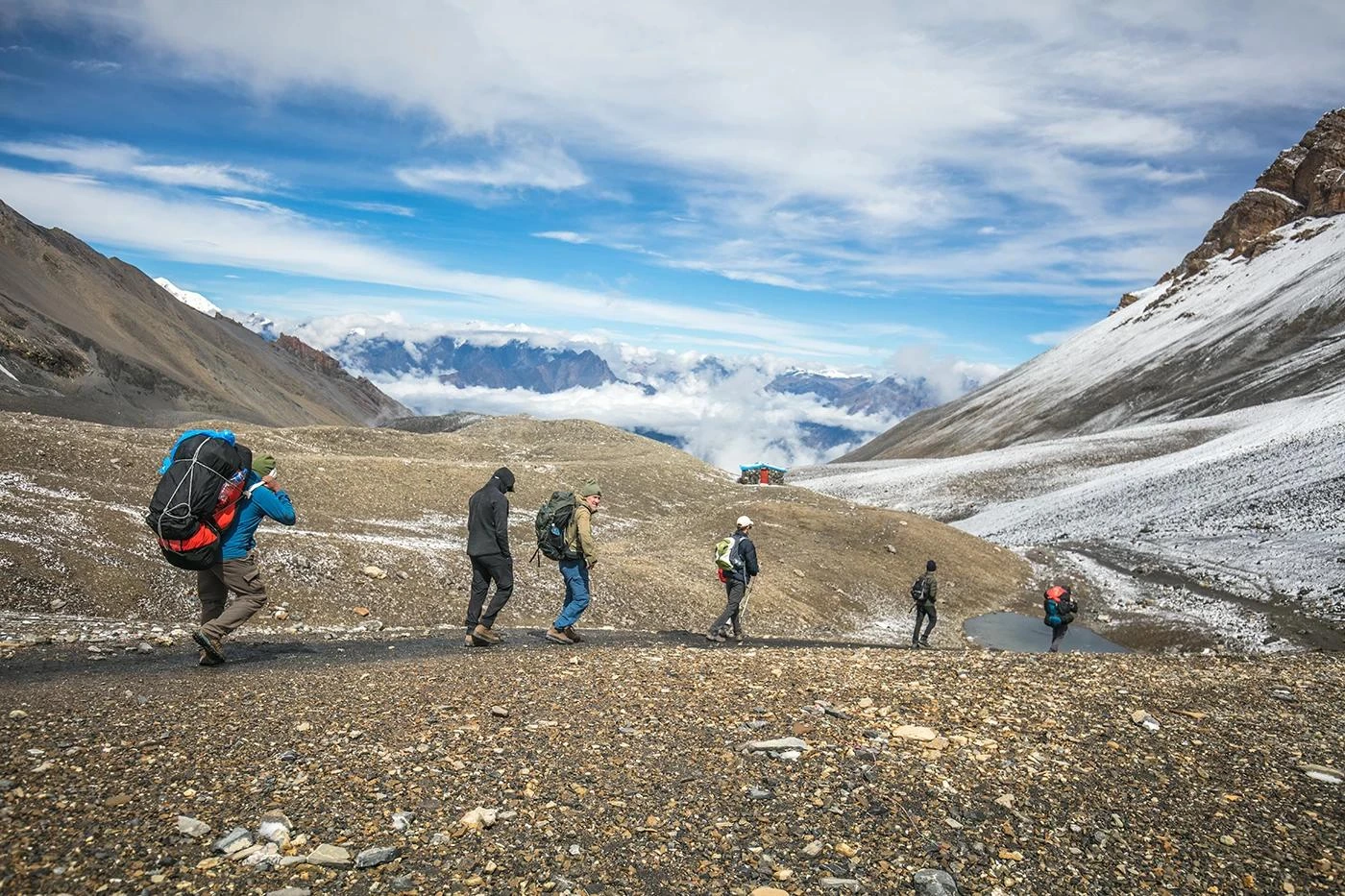
Yes, the Annapurna Circuit is generally safe for trekkers who prepare properly, follow a gradual acclimatization schedule and respect mountain conditions.
The trail itself is well-established, with villages, teahouses and regular stops along the route. However, its highest sections take you above 5,000 metres, where your body needs time to adjust to lower oxygen levels. Weather can also change quickly, particularly around Thorong La Pass.
One of the biggest changes in recent years is road access. What was traditionally a three-week walking journey can now be shortened considerably using jeeps.
While this makes certain sections easier to reach, travelling too quickly to higher elevations can increase the risk of altitude sickness (for someone who travels via jeep).
A safer approach is to walk gradually, spend enough time acclimatizing and avoid treating Thorong La as a destination you must reach regardless of conditions.
You can make your trek safer by paying attention to a few important things:
Choose an itinerary that allows gradual altitude gain.
Spend adequate time acclimatizing in Manang.
Check weather and trail conditions before crossing Thorong La.
Walk with a knowledgeable guide who understands altitude-related illness.
Carry suitable clothing, personal medication and basic first-aid supplies.
Keep a few extra days in your itinerary for unexpected changes.
These precautions do not make the trek less adventurous. They simply give you more room to enjoy it without unnecessary pressure.
1. Pace Your Trek Properly to Avoid Altitude Sickness
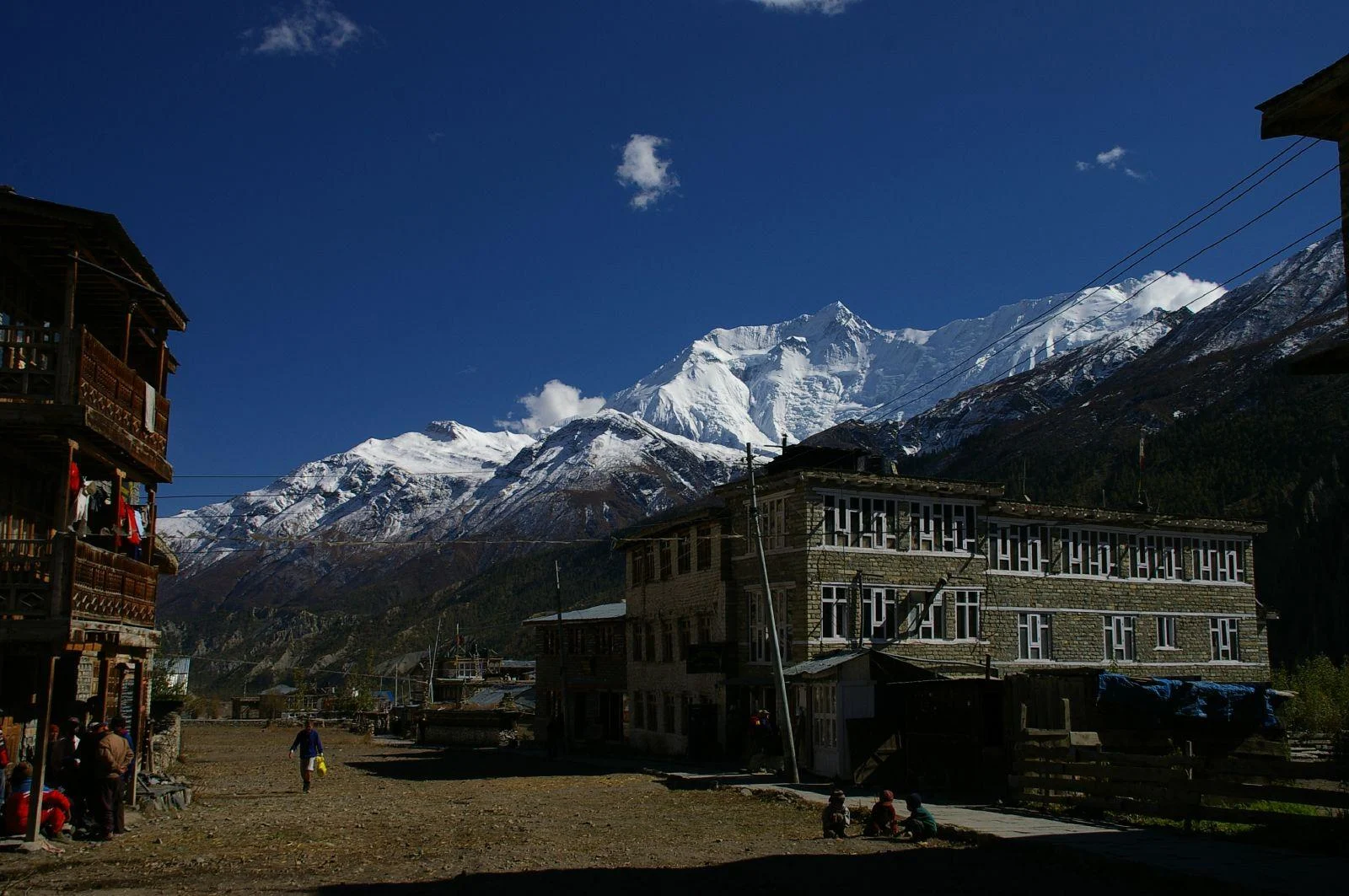
Altitude sickness is one of the main health concerns on the Annapurna Circuit. As you climb higher, the amount of available oxygen decreases, and your body needs time to adapt.
Some trekkers experience headaches, tiredness, dizziness, nausea or difficulty sleeping. These symptoms can develop even in physically fit people.
Being young, strong or experienced in hiking does not automatically protect you from altitude sickness.
The most effective way to manage this risk is to gain altitude gradually.
Choose a longer itinerary instead of rushing
A road-assisted itinerary may take you from Besisahar towards Manang much faster than a traditional walking route. However, reaching a high elevation quickly does not give your body enough time to acclimatize.
For a more comfortable experience, consider a 14–16-day itinerary rather than trying to complete the Circuit in just 7–10 days. Although some have successfully trekked within limited days, it's not recommended as this increases the risk of many things including a life threat.
Above 3,000 metres, a commonly used acclimatization guideline is to increase your sleeping altitude by approximately 300–500 metres per day, with additional rest days built into the itinerary.
This gives your body more time to adjust as you move towards Thorong La.
Read More: Annapurna Circuit Route Explained
Make the most of your acclimatization day in Manang
Manang, at approximately 3,540 metres, is an important acclimatization stop. Instead of treating it as an ordinary rest day, use it to prepare your body for the higher sections ahead.
You can take a gradual day hike to places such as Ice Lake or the Gangapurna viewpoint, depending on your fitness, acclimatization and trail conditions.
The principle is simple: climb higher during the day and return to sleep at a lower elevation.
You can also take the Upper Pisang–Ghyaru–Ngawal route when planning your approach to Manang. This high route offers beautiful mountain scenery while providing a more gradual walking experience than simply rushing along the road.
Depending on your itinerary and how your body responds, two nights in Manang can be useful. Some itineraries may also include an additional acclimatization stop around Pisang or Ngawal.
Visit the Himalayan Rescue Association in Manang
An especially useful resource for trekkers is the Himalayan Rescue Association (HRA) aid post in Manang.
During the spring and autumn trekking seasons, the HRA conducts an altitude awareness talk at around 3 pm on most days. It explains altitude sickness, its symptoms and the precautions trekkers should take before continuing higher.
You can use this opportunity to ask questions and understand what to look for as you gain elevation.
If you experience symptoms that concern you, you can also visit the aid post for medical assessment. It is much better to seek advice early than to assume that discomfort is simply part of trekking.
Monitor your health throughout the trek
A responsible guide should pay attention to how the group is feeling, not just how quickly everyone is walking.
Some useful monitoring practices include:
Checking for headaches, nausea, dizziness, unusual tiredness and breathing difficulties.
Asking trekkers about their sleep and general condition.
Using a pulse oximeter as an additional monitoring tool when appropriate.
Keeping track of symptoms rather than relying on a single oxygen saturation reading.
A pulse oximeter can provide useful information, but it cannot independently diagnose or rule out altitude sickness.
Agree on a clear rule before the trek: if symptoms are worsening or a headache persists despite rest, do not continue ascending until you have been properly assessed.
Discuss medication such as Diamox (acetazolamide) with your doctor before travelling. Do not start medication on the trail without appropriate medical advice.
Remember: The purpose of acclimatization is not to slow down your adventure. It is to give you the best chance of completing it comfortably.
2. Plan Your Thorong La Pass Crossing Carefully
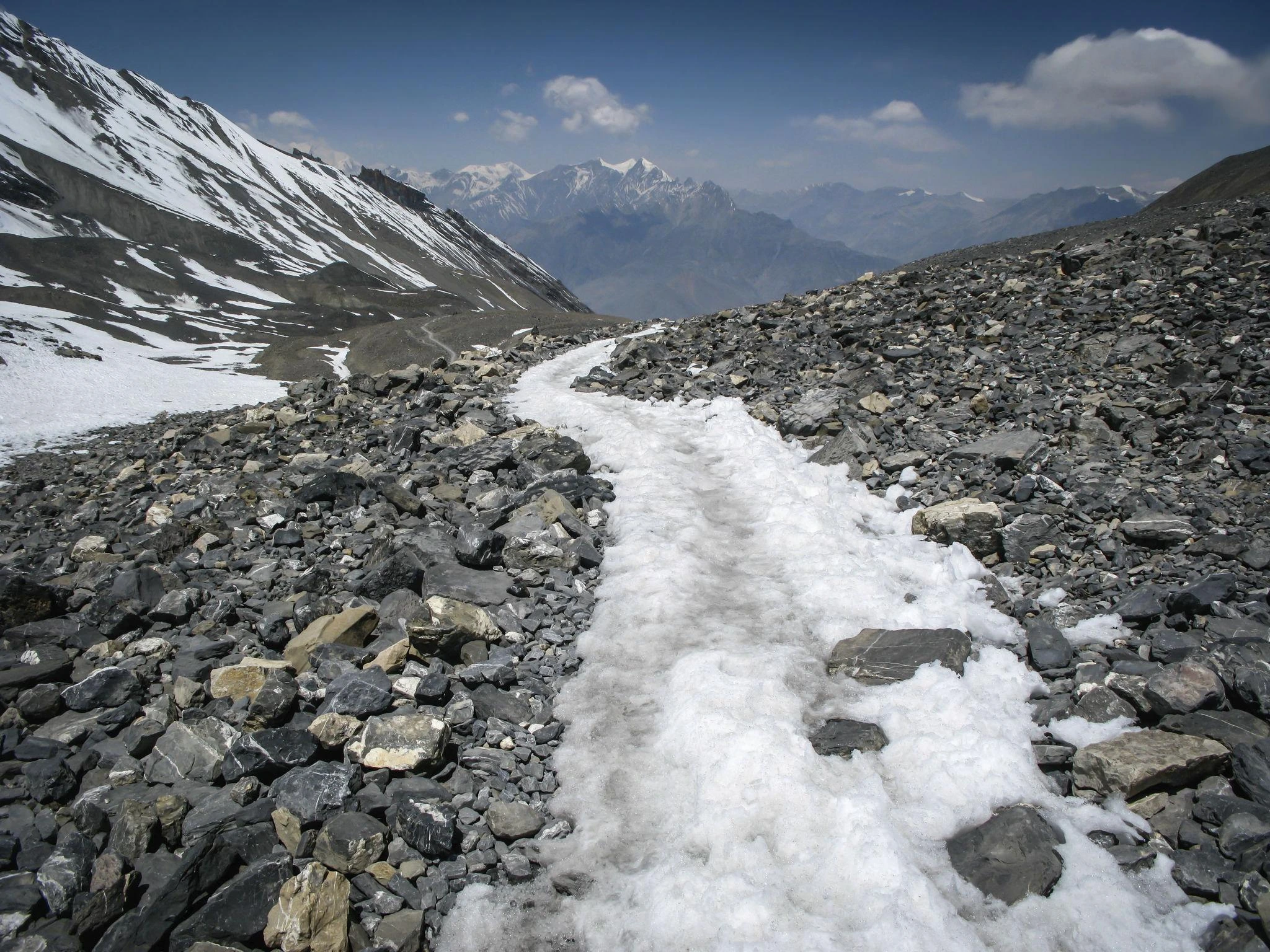
Thorong La Pass is the highest point of the Annapurna Circuit, reaching approximately 5,416 metres. Crossing it is one of the most memorable parts of the journey, but it also requires a little more planning than an ordinary trekking day.
The crossing usually begins early in the morning because weather conditions can become less favourable as the day progresses.
Start early and set a turnaround time
Most trekking groups begin between 3 am and 5 am, depending on their starting point, weather conditions and the guide's assessment.
An early start allows you to make steady progress and aim to reach the pass around 9–10 am, when conditions are generally more favourable than later in the day. Basically, a high wind blows around the area after 10 so most targets are completed in morning time.
However, reaching the top should never become more important than your safety.
Before starting, agree on a turnaround time with your guide. If you are progressing too slowly, the weather is deteriorating or someone is struggling physically, turning back may be the right decision.
A good trekking plan always includes a point at which the group stops trying to reach the pass.
Decide between Thorong Phedi and High Camp carefully
Thorong Phedi and High Camp are the two main overnight stops before the pass.
High Camp is at a higher elevation, so staying there makes the following morning's climb shorter. However, the extra elevation also means less time for your body to adjust.
Your choice should depend on your acclimatization, physical condition and the advice of your guide.
A sensible decision-making approach is:
Feeling well and properly acclimatized: High Camp may be suitable if your guide agrees.
Experiencing mild altitude symptoms: Stay at Phedi rather than climbing higher.
Symptoms getting worse: Descend towards Ledar and seek medical assessment.
Thorong Phedi is lower than High Camp, which can make it an easier place from which to descend if your condition changes.
Do not choose High Camp simply because it makes the following morning shorter. Your health and acclimatization should determine where you sleep.
Wear appropriate clothing and carry essential equipment
Temperatures around Thorong La can be extremely cold, particularly before sunrise. Dressing in layers makes it easier to manage your body temperature during the climb.
Your clothing should include:
A moisture-wicking base layer.
A warm fleece or insulating mid-layer.
A down jacket for colder sections.
A windproof and weather-resistant outer shell.
Insulated gloves with lighter glove liners.
A warm hat and buff.
Thick trekking socks.
Also carry a headlamp, trekking poles, water and snacks. Microspikes can be useful if icy sections are present, but your guide should assess the trail and decide whether they are necessary.
Keep a thermos with a warm drink if possible. Eat small amounts regularly rather than waiting until you are exhausted or hungry.
Read More: Annapurna Circuit Trek Packing List
Prepare for the long descent to Muktinath
Reaching Thorong La is only half the crossing. You still need to descend approximately 1,600 metres towards Muktinath.
This long downhill section can be particularly demanding on your knees and legs.
Trekking poles are useful here. Take shorter steps, maintain a comfortable pace and avoid rushing simply because you have reached the highest point.
The standard Annapurna Circuit route crosses Thorong La from Manang towards Muktinath, moving anticlockwise. This direction allows a more gradual approach to the pass compared with attempting the steep ascent from the Muktinath side.
3. Keep Flexible Plans for Weather and Pass Closures
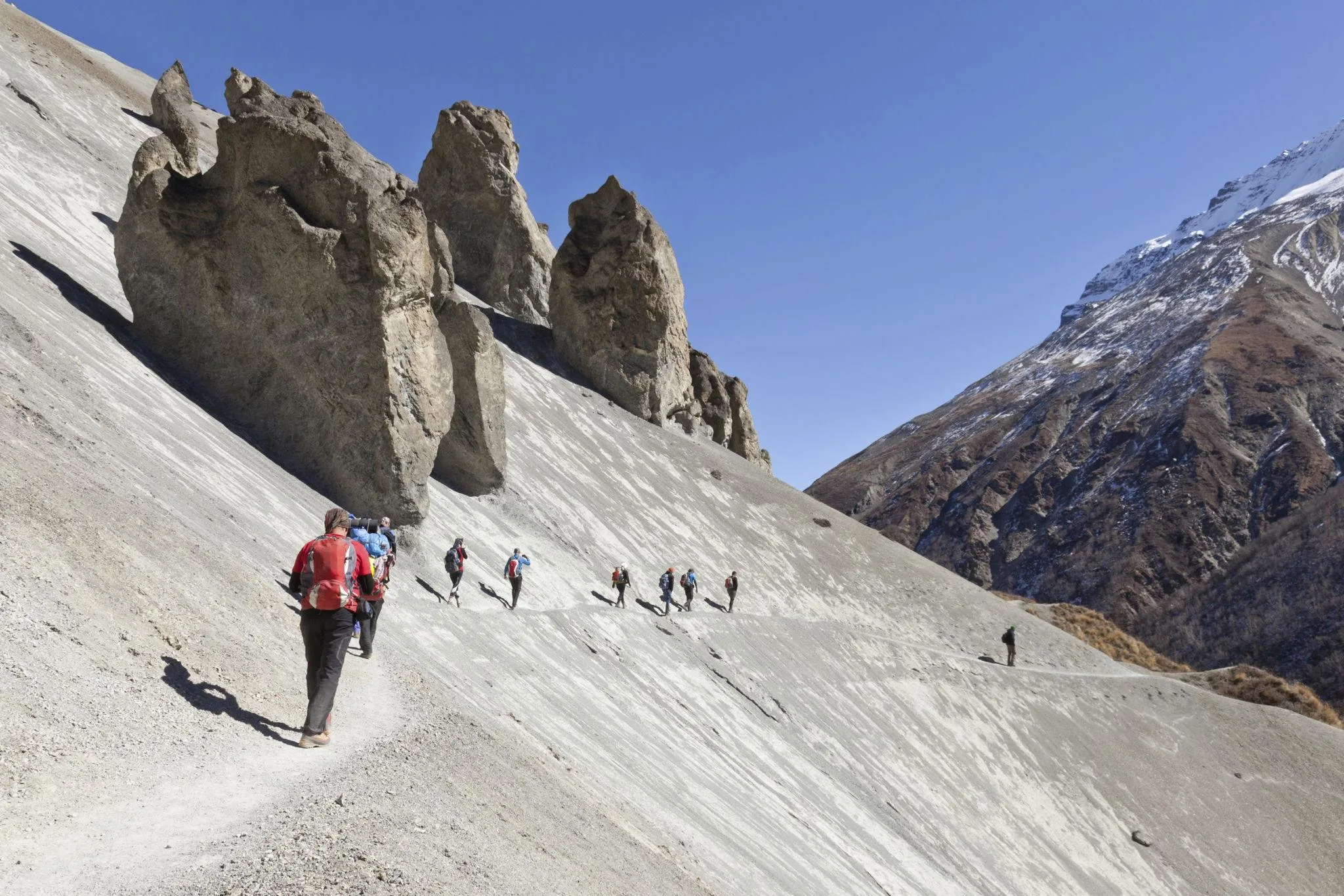
Mountain weather does not always follow the calendar. Even during the popular spring and autumn trekking seasons, snowfall, heavy rain, strong winds and poor visibility can affect the route.
Recent trekking seasons have shown why flexibility matters.
In September and October 2026, severe weather and snowfall disrupted travel around Manang and Thorong La. Authorities temporarily restricted trekking in affected areas, and many trekkers had to change their plans.
The lesson is not to avoid the Annapurna Circuit during these seasons. It is to avoid building an itinerary that leaves no room for unexpected weather.
Include two or three buffer days
When planning your trek, keep two or three additional days available for possible delays around Thorong La.
These days can be useful if:
Heavy snowfall temporarily closes the pass.
Strong winds make crossing conditions unsuitable.
Rain or landslides affect the lower trekking route.
Your body needs an additional acclimatization day.
Road conditions delay your arrival or departure.
If everything goes according to plan, you can use the extra days to relax in Pokhara or enjoy another part of your trip.
Think of buffer days as part of your safety planning, not wasted travel time.
Check the weather before moving higher
Do not depend entirely on the weather you see outside your teahouse.
Conditions at lower elevations can be completely different from those around Thorong La. Ask your guide or trekking operator to check official weather forecasts and local trail updates.
Useful sources include:
The Department of Hydrology and Meteorology (DHM) for weather forecasts.
Annapurna Conservation Area Project (ACAP) offices for local trail information.
Trekking Agencies' Association of Nepal (TAAN) advisories where available.
Lodge owners and local authorities for recent conditions along the route.
Register your trekking route at the ACAP office in Dharapani and reconfirm the conditions when you reach Manang.
Know when to wait instead of continuing
One of the most important mountain safety decisions is knowing when not to walk.
If fresh heavy snow has fallen, wait for reliable information about trail conditions before attempting the pass. Your guide should confirm whether the route has been checked and is safe to use.
Similarly, if visibility becomes poor or a whiteout develops, stay inside a lodge or another safe shelter.
Do not begin descending when you cannot clearly see the trail.
The 2014 Annapurna snowstorm remains an important reminder of this principle. Trekkers who stayed in lodges were among those who survived, while others who attempted to continue in whiteout conditions became lost.
A responsible guide who asks the group to wait is not wasting your trekking day. They are making a safety decision.
If the pass remains closed, your operator can discuss alternatives, such as descending towards Manang or adjusting the route towards other accessible areas when conditions permit.
4. Travel Safely on the Annapurna Circuit Roads
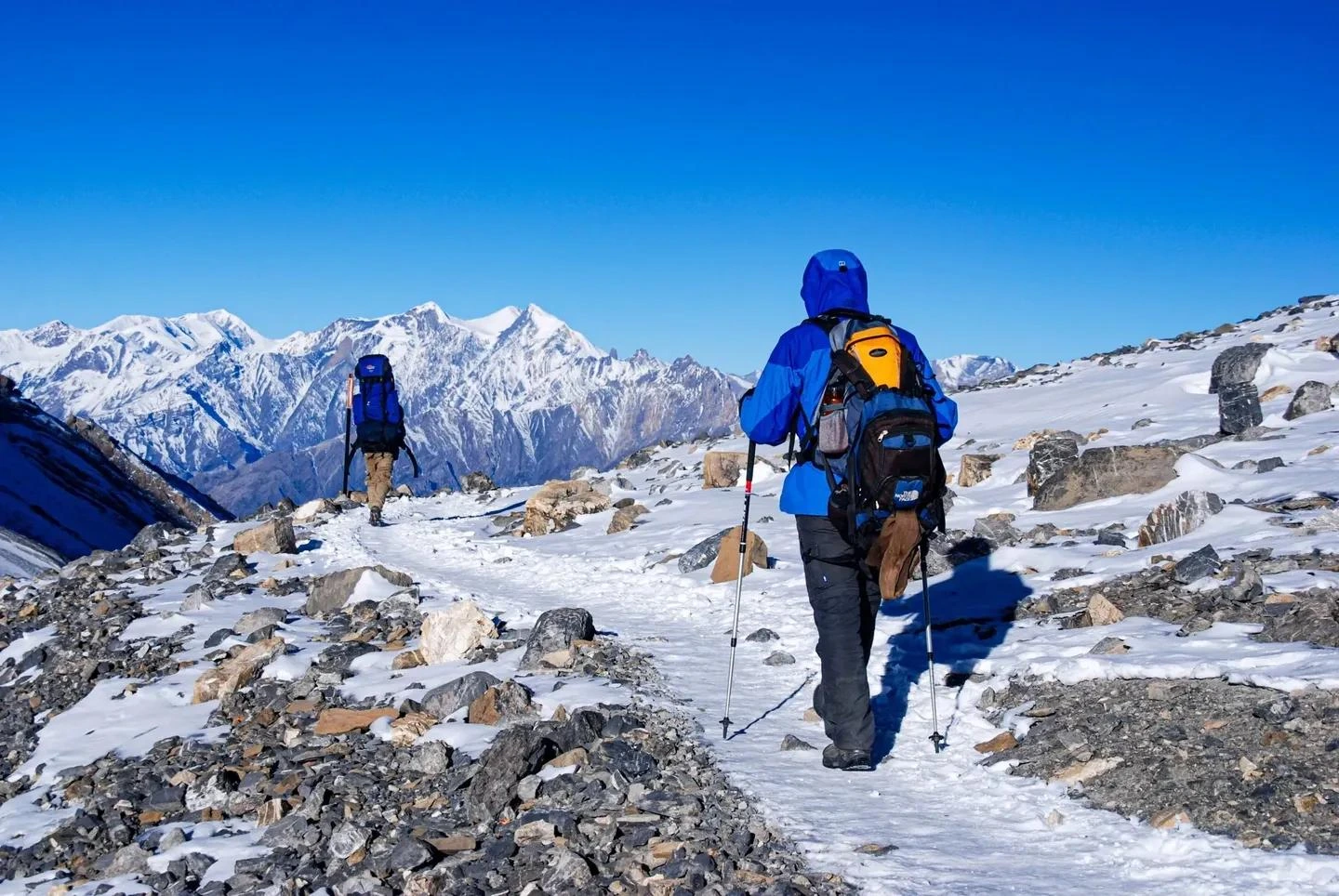
Road access has changed the Annapurna Circuit considerably. Jeeps now connect several villages that were traditionally reached only by walking.
This makes transportation easier, but mountain roads come with their own considerations. Narrow tracks, steep drops, landslides and changing road surfaces require careful driving.
There have been serious jeep accidents on roads connecting Besisahar, Chame and other parts of the Manang region. Choosing the right vehicle and driver is therefore an important part of your trekking preparation.
Choose a reliable vehicle and driver
If you need a jeep transfer, consider booking a private vehicle with a vetted driver rather than relying on an overcrowded public jeep.
Before travelling, check that:
The vehicle is suitable for mountain roads.
The driver has experience on the route.
Everyone has an appropriate seat.
Luggage is properly secured.
The vehicle is not overloaded.
Avoid travelling during heavy rain or when local authorities advise against road movement.
It is also better to travel during daylight, when the driver has clearer visibility of road conditions.
Walk the quieter trails above Chame
You do not need to spend your entire trek walking alongside vehicles.
Above Chame, several NATT (Natural Annapurna Trekking Trails) routes and side paths provide alternatives to road sections.
These trails can offer a more enjoyable walking experience, with less vehicle dust and traffic. They also help you maintain a gradual walking routine as you gain altitude.
Ask your guide which alternatives are accessible and suitable for your itinerary.
Confirm your exit transportation
Your transportation plan should not end when you reach Muktinath.
Road conditions around Jomsom and the Beni–Jomsom route can change after heavy rainfall or landslides. Before departure, ask your operator to confirm the current condition of the exit road.
Depending on availability and weather, a flight from Jomsom to Pokhara may be another option.
5. Treat Tilicho Lake as an Optional Side Trip
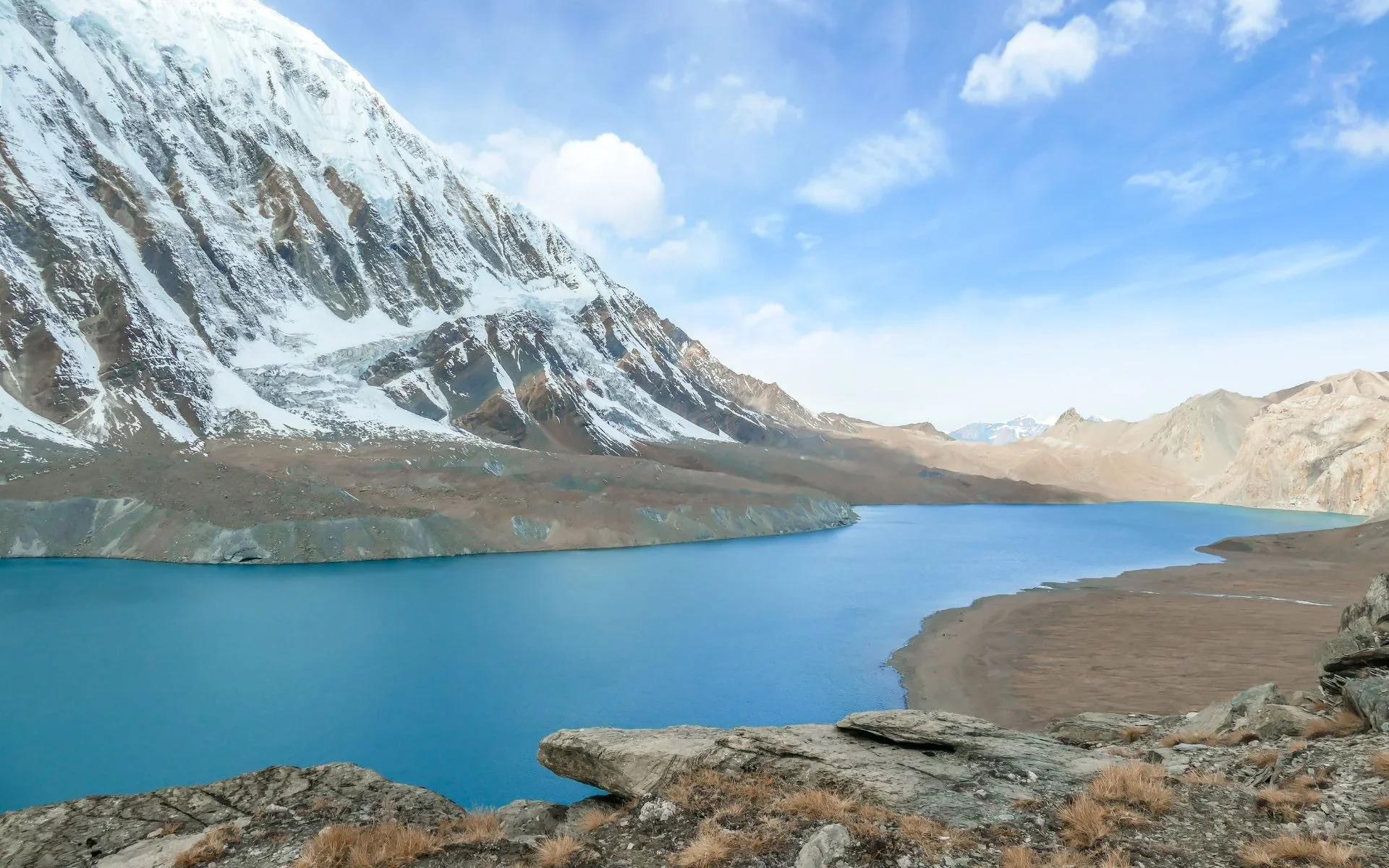
Tilicho Lake, situated at approximately 4,919 metres, is one of the most beautiful side trips on the Annapurna Circuit.
Its turquoise water and surrounding mountain scenery make it a popular addition to the itinerary. However, visiting Tilicho requires extra time, physical preparation and attention to trail conditions.
It should not be treated as a compulsory stop.
Allow extra days for Tilicho
If you want to visit Tilicho Lake, plan for at least two additional days rather than squeezing the excursion into an already tight itinerary.
This allows you to travel at a comfortable pace and maintain your acclimatization schedule before continuing towards Thorong La.
Your decision should also depend on how well you have adjusted to the altitude by the time you reach the area.
Be careful around the landslide section
The section between Shree Kharka and Tilicho Base Camp includes steep, loose terrain where rockfall and landslides can occur.
For this section:
Start early in the morning when conditions are suitable.
Follow your guide's instructions.
Keep a reasonable distance from other walkers.
Avoid stopping directly below loose slopes.
Move steadily through exposed sections.
Do not attempt the route after heavy rain or snowfall without reliable confirmation that it is safe.
If the trail conditions are unsuitable, skip the side trip.
There is no need to risk your main Annapurna Circuit journey for an additional destination. Thorong La and the rest of the Circuit offer plenty of memorable experiences.
6. Look After Your Health and Hygiene on the Trail
Your health during the Annapurna Circuit depends on more than altitude acclimatization. Food, drinking water, sleep and daily hygiene also affect how comfortably you can complete the trek.
Stomach problems are particularly inconvenient at high altitude. Diarrhoea and dehydration can leave you weak, while some symptoms may overlap with those of altitude sickness.
A few simple habits can help you avoid unnecessary problems.
Drink safe water
Avoid drinking untreated water directly from streams, taps or other natural sources.
You can use:
A UV water purifier.
A suitable water filter, such as a Sawyer filter.
Chlorine dioxide purification tablets or drops.
Carry a reusable water bottle and refill it with properly treated water.
Drink regularly throughout the day, especially during long walking sections. You should also avoid forcing excessive amounts of water, as hydration needs vary.
Choose freshly prepared meals
Teahouses along the Annapurna Circuit serve a range of meals, but freshly cooked food is a sensible choice.
Dal bhat is a practical trekking meal because it provides carbohydrates, vegetables and protein, and is commonly prepared fresh.
Other useful habits include:
Prefer freshly cooked meals served hot.
Wash your hands before eating.
Carry hand sanitiser for situations where washing facilities are unavailable.
Avoid food that has been sitting uncovered for long periods.
Carry oral rehydration salts (ORS) for fluid replacement when needed.
If you develop diarrhoea, vomiting or unusual weakness, tell your guide and seek medical advice. Do not automatically assume that your symptoms are ordinary trekking fatigue.
7. Understand Your Travel Insurance and Helicopter Rescue Coverage
Travel insurance is an important part of high-altitude trekking preparation.
An ordinary travel insurance policy may not cover activities above a certain elevation or emergency helicopter evacuation. Since Thorong La is 5,416 metres high, checking your policy before departure is particularly important.
Check your policy before travelling
Look for insurance that explicitly covers:
Trekking at elevations of at least 6,000 metres.
Emergency helicopter evacuation in Nepal.
Treatment for altitude-related illnesses, including AMS, HAPE and HACE.
Emergency medical treatment and hospitalisation.
The duration of your entire trip.
Do not assume that a policy covers helicopter rescue simply because it includes general medical expenses.
Read the exclusions and conditions carefully. Save your insurer's 24-hour emergency assistance number and understand how to contact them from the mountains.
Also ask whether prior authorisation is required before an evacuation and what to do when an immediate emergency makes advance approval impossible.
Understand how a legitimate rescue should work
Helicopter evacuation is sometimes necessary in the mountains, and it can be lifesaving when someone needs urgent medical attention.
However, Nepal has also experienced investigations into fraudulent rescue operations involving unnecessary evacuations and inflated insurance claims.
This is why transparency matters when choosing a trekking operator.
Before booking, ask how emergency evacuations are arranged and who makes the decision.
A legitimate process should involve:
An assessment of the trekker's medical condition.
Consultation with appropriate medical professionals where possible.
Clear communication with the trekker and their emergency contacts.
Coordination with the insurer according to the policy's requirements.
A genuine medical reason for evacuation.
Do not allow anyone to pressure you into an unnecessary helicopter evacuation. At the same time, do not delay a medically necessary rescue simply because you are concerned about costs or paperwork.
Your health comes first. A reliable operator should explain the process before the trek begins, so you know what to expect if an emergency occurs.
8. Choose a Knowledgeable and Responsible Trekking Operator
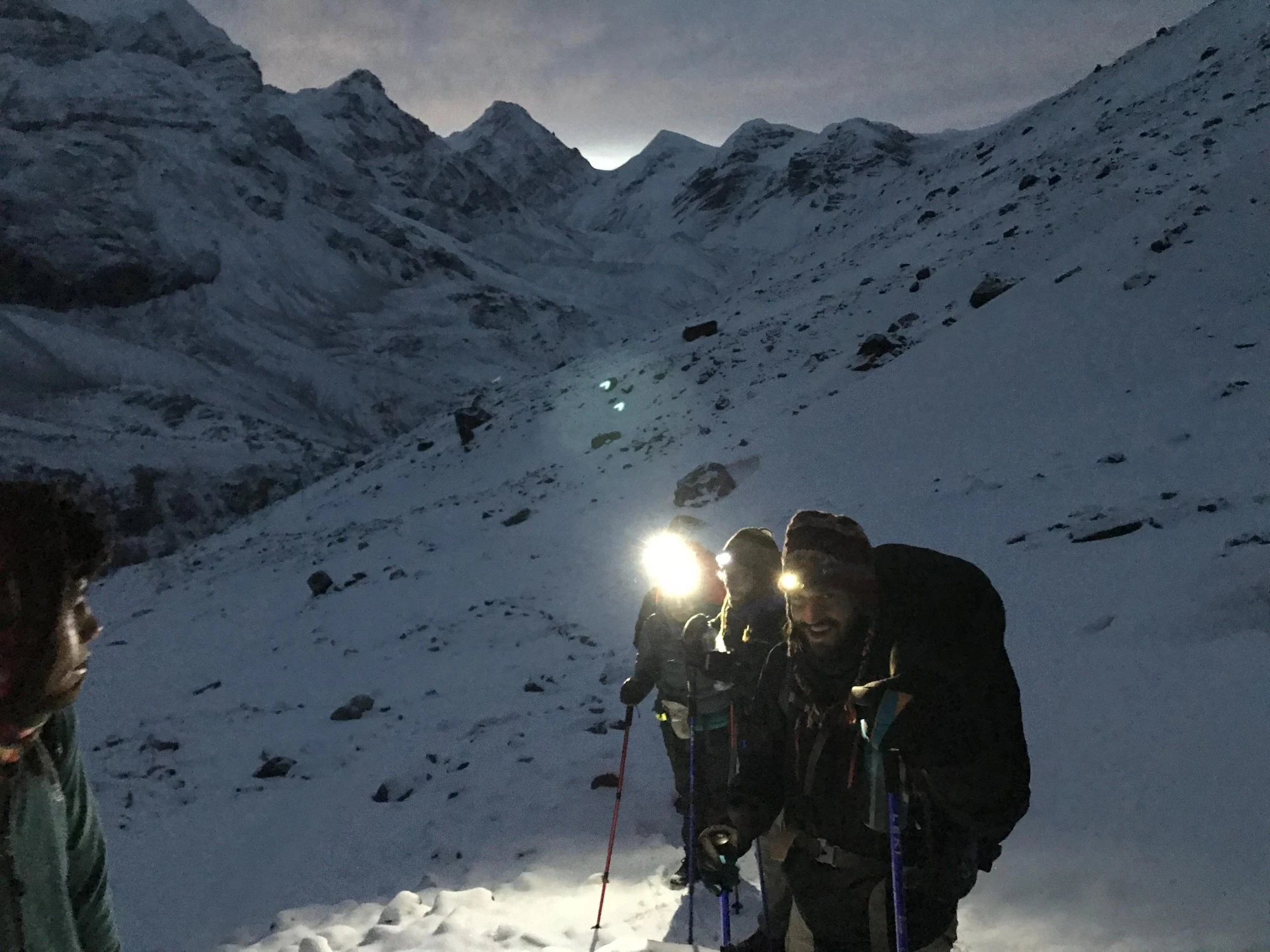
A trekking guide is more than someone who knows the way. On a high-altitude journey like the Annapurna Circuit, the guide helps manage daily decisions, monitors the group's condition and responds when plans need to change.
However, simply having a guide does not automatically make a trek safe. Their experience, training and decision-making abilities matter.
Before booking, ask your trekking operator a few practical questions.
About the guide:
Have they received first-aid and altitude-illness training?
Can they recognise the symptoms of AMS, HAPE and HACE?
Do they carry a first-aid kit and pulse oximeter?
About the itinerary:
How many days are allocated for acclimatization?
Does the itinerary include adequate time in Manang?
What happens if someone develops altitude symptoms?
What is the turnaround rule for crossing Thorong La?
Are there buffer days for weather-related delays?
About emergency support:
How does the guide contact the office during an emergency?
Is there a communication plan for areas without mobile coverage?
How is a medical evacuation arranged?
Does the company explain its rescue and insurance procedures?
About group and staff welfare:
How many trekkers are assigned to each guide?
Are porters properly equipped and insured?
Does the company provide suitable clothing and equipment for its staff?
Can the operator provide references from previous trekking seasons?
These questions help you understand how an operator manages the trek beyond simply arranging accommodation and transportation.
A good trekking company should be comfortable explaining its safety procedures. It should also be willing to adjust the itinerary when conditions or a trekker's health require it.
9. Prepare for Communication and Cash Expenses
Some practical arrangements can make your Annapurna Circuit journey considerably easier.
Mobile coverage is available in several villages, but it becomes unreliable in remote sections and around higher elevations.
Consider purchasing a Nepal Telecom (NTC) SIM card before starting the trek. Ncell may also work in parts of the route, depending on the location and network conditions.
You should also:
Share your trekking itinerary with family or friends.
Agree on regular check-in times.
Keep important emergency contacts saved offline.
Carry a power bank and suitable charging cables.
Ask your operator about communication equipment for emergencies.
Cash is another important consideration. Do not depend entirely on ATMs along the route, as availability and reliability can vary.
Withdraw enough Nepalese rupees before leaving for the trek. Keep additional cash for personal expenses such as charging electronic devices, hot showers, snacks and other lodge services.
These small arrangements help you avoid unnecessary inconvenience when you are far from major towns.
10. Build Your Fitness Before Arriving in Nepal
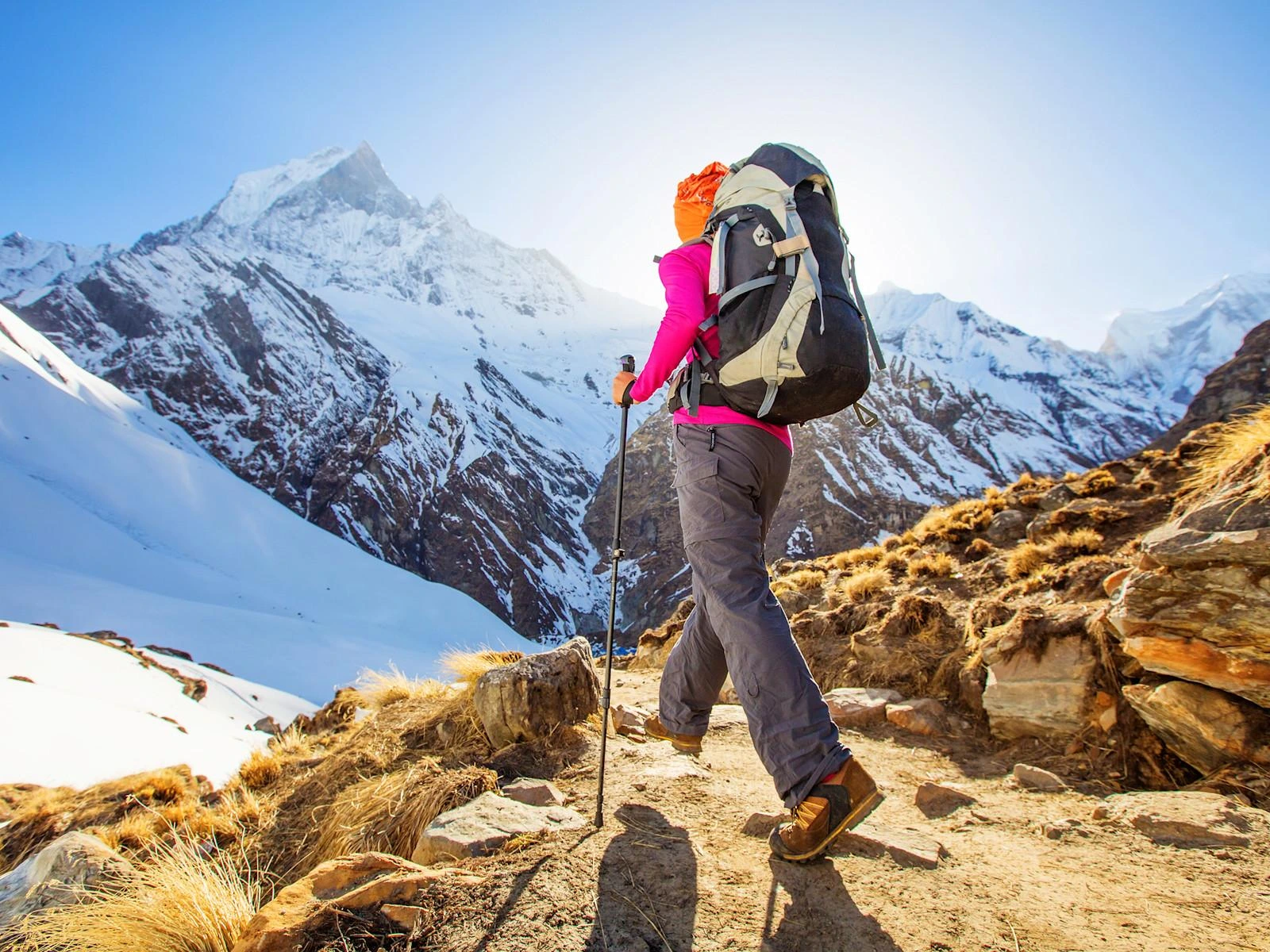
The Annapurna Circuit is a multi-day trekking journey, and your body needs to be prepared for repeated hours of walking.
You do not need to be an athlete or an experienced mountaineer to complete it. However, building basic endurance and leg strength before the trip will make the experience much more comfortable.
Ideally, begin training 8–12 weeks before departure.
Focus on endurance and leg strength
Include activities such as:
Regular hikes with a backpack.
Stair climbing.
Walking on uphill and downhill terrain.
Squats, lunges and other leg-strengthening exercises.
Longer walks on consecutive days.
Gradually increase the duration and difficulty of your training.
A useful preparation target is to become comfortable walking for 6–8 hours with a moderate backpack and handling around 800–1,000 metres of ascent, although the actual demands vary by itinerary.
Break in your trekking boots
Do not bring brand-new trekking boots for the first time on your Annapurna Circuit Hike.
Wear them during your training hikes so your feet can adjust. This also gives you time to identify pressure points, discomfort or fitting problems.
Choose comfortable trekking socks and carry blister-care supplies.
The goal is to arrive in Nepal with a body that is accustomed to walking for several consecutive days, rather than trying to build your fitness during the trek itself.
Conclusion
The Annapurna Circuit is a challenging journey, but it does not have to be an intimidating one. With a sensible itinerary, enough time for acclimatization and a reliable team beside you, you can enjoy the mountains while making informed decisions about your safety.
Give yourself time to adjust to the altitude, pay attention to how you feel and respect changing weather conditions. Do not feel pressured to reach Thorong La on a particular day if conditions are unsuitable. Sometimes, an extra night in a mountain village is a much better decision than pushing ahead.
If you would rather not manage every detail alone, Walk Through Nepal (WTN) can assist with planning and organising your Annapurna Circuit trek. From arranging a licensed local guide and necessary permits to helping you follow a suitable itinerary and responding to changes along the trail, our team can support you throughout the journey.
A good trek is not just about reaching Thorong La. It is also about having people who understand the route, recognise when plans need to change and help you make sensible decisions along the way.
Planning your Annapurna Circuit trek? Get in touch with Walk Through Nepal to discuss a guided trip that fits your schedule, experience and trekking plans.
Frequently Asked Questions
1. Is the Annapurna Circuit safe for beginners?
Yes, beginners can complete the Annapurna Circuit if they have reasonable physical preparation, a suitable itinerary and proper support.
You do not necessarily need previous high-altitude trekking experience. However, you should understand the challenges of walking for several consecutive days and reaching elevations above 5,000 metres.
A longer itinerary with adequate acclimatization is a better choice for first-time trekkers than a rushed schedule.
2. What is the biggest safety concern on the Annapurna Circuit?
Altitude sickness is one of the main safety concerns, particularly as you approach Manang, Thorong Phedi and Thorong La Pass.
Rapid altitude gain can increase the risk, which is why gradual ascent, rest days and proper symptom monitoring are important.
Weather conditions and mountain road travel are other factors to consider.
3. How many days should I spend acclimatizing on the Annapurna Circuit?
Your acclimatization schedule depends on your starting elevation, daily sleeping altitude and overall itinerary.
Manang is an important acclimatization stop, and many itineraries include at least one rest day there. Two nights can provide additional time for adjustment, particularly if you have gained altitude quickly.
Your guide should assess your condition before recommending further ascent.
4. Is it safe to cross Thorong La Pass without a guide?
The answer depends on your experience, preparation, current regulations and trail conditions. However, hiring an experienced guide is a sensible choice, particularly if you are unfamiliar with high-altitude trekking.
A knowledgeable guide can help monitor symptoms, check weather updates, assess trail conditions and make decisions if someone needs to descend.
5. What happens if Thorong La Pass is closed because of snowfall?
If snowfall, strong winds or poor visibility make the crossing unsafe, you should wait until local authorities and experienced guides confirm that conditions have improved.
Your trekking operator can adjust the itinerary, arrange additional accommodation or discuss an alternative route where conditions permit.
This is one reason why keeping two or three buffer days is useful.
6. Should I choose Thorong Phedi or High Camp?
Both are possible overnight stops before crossing Thorong La, but your choice should depend on your acclimatization and physical condition.
High Camp provides a shorter climb on the following morning, while Phedi is lower and may be a more suitable option for someone who is not fully comfortable at higher elevations.
If you have altitude symptoms, do not climb higher simply to make the crossing easier.
7. Do I need travel insurance for the Annapurna Circuit?
Yes. Travel insurance is strongly recommended for the Annapurna Circuit.
Choose a policy that explicitly covers high-altitude trekking above 5,000 metres, emergency medical treatment and helicopter evacuation in Nepal. Check the policy's exclusions and emergency approval process before departure.
8. What is the best time to trek the Annapurna Circuit safely?
Spring (late March to April) and autumn (mid-October to mid-November) are generally popular periods because they often provide favourable trekking conditions.
However, mountain weather can change at any time. Even during peak trekking seasons, snowfall, rain and strong winds can temporarily affect the route.
Always check current conditions rather than relying entirely on the calendar.


