Contents
Short answer: yes, you need a permit for the Annapurna Base Camp trek. Every foreign trekker walking into the Annapurna Sanctuary must carry the Annapurna Conservation Area Permit (ACAP), and most also carry a TIMS card.
As of 2026, you also need a licensed guide. Permit rules and fees are set by the government and can change, so confirm the current requirements before you leave home.
This page focuses only on permits and paperwork for the ABC trek. We keep it practical so you know exactly what to arrange, what it costs, and where to get it. For altitude, difficulty, seasons, and packing, we link to our dedicated guides throughout.
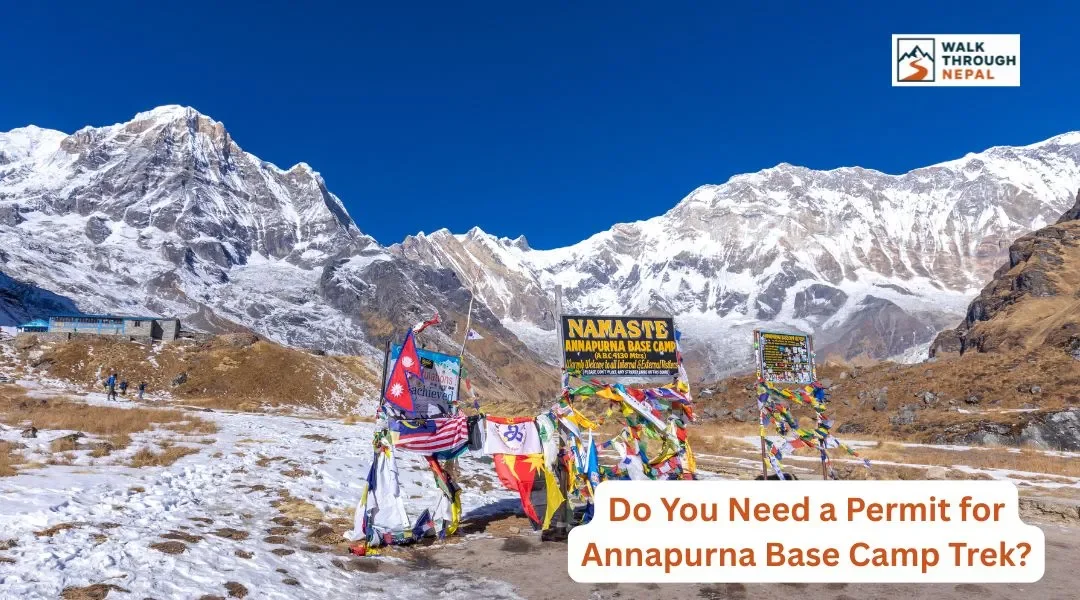
Do You Need a Permit for the Annapurna Base Camp Trek?
Yes. The entire ABC trek route sits inside a protected conservation area, so a permit is legally required. Foreigners need the ACAP permit at NPR 3,000 (about $23 USD), most trekkers also carry a TIMS card, and under 2026 rules a licensed guide is required for the trek.
The reason is simple. From the trailhead through Ghandruk, Chhomrong, and up into the Sanctuary, you are walking through the Annapurna Conservation Area, Nepal's largest protected region. The fees you pay directly fund trail maintenance, waste management, and local community projects along the abc trek route.
You will pass official checkpoints where staff scan and record your documents. Common check points sit at Chhomrong and Jhinu, and you cannot continue toward base camp without valid papers. Whether you do the classic route, the shortest annapurna base camp trekking option, or a combined abc and mardi trek, the same permit rules apply.
What Permits Are Required for Annapurna Base Camp Trek?
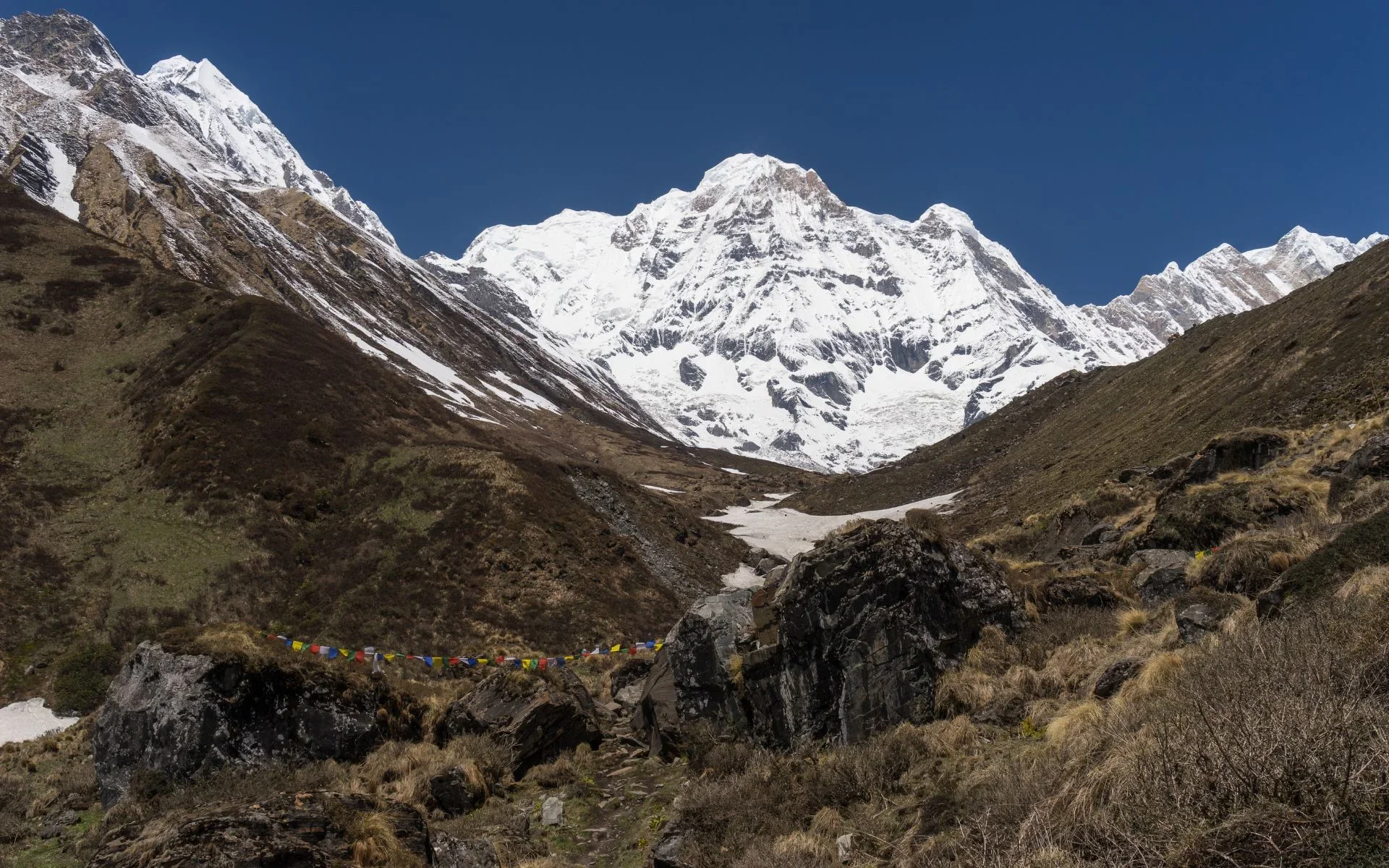
Two documents cover the ABC trek: the Annapurna Conservation Area Permit (ACAP) and the TIMS card. ACAP is mandatory and controls entry into the conservation zone. The TIMS card registers trekkers for safety tracking. In 2026, a licensed guide is also required, which changes how many people arrange these permits.
Annapurna Conservation Area Permit (ACAP)
The ACAP is the core permit for this trek. It is issued by the National Trust for Nature Conservation and applies to everyone entering the Annapurna region, whether you are doing the abc short trek, the abc via poon hill route, or the longer abc circuit trek.
Every foreign trekker needs their own ACAP permit. It is checked repeatedly on the trail, so keep it accessible in a waterproof pouch. This permit covers your access to the whole trekking route to abc, including Ghandruk to Annapurna Base Camp and the poon hill abc trek variations.
TIMS Card (Trekkers' Information Management System)
The TIMS card records your trek details for safety and search-and-rescue coordination. It is issued through the Nepal Tourism Board and Trekking Agencies' Association of Nepal. Most agencies arrange this alongside your ACAP permit as a standard step.
Licensed Guide Requirement (2026)
This is the big change to plan around. Under current Nepal Tourism Board policy, trekkers are strongly required to hire a licensed guide for major regions, including Annapurna. Solo, fully independent trekking is no longer the norm here. Because rules continue to be updated, verify the exact enforcement for your travel dates before booking.
How Much Does the Annapurna Base Camp Trek Permit Cost?
For foreigners, the ACAP permit costs NPR 3,000 (roughly $23 USD) and the TIMS card costs NPR 2,000. SAARC nationals pay reduced rates, and Nepali citizens pay a small local fee. These are fixed government fees, but they can be revised, so always confirm the current amount before you pay.
Permit / Document | Foreigners | SAARC Nationals | Nepali Citizens | Where to Obtain |
ACAP Permit | NPR 3,000 (~$23 USD) | NPR 1,000 | NPR 100 | NTB Kathmandu / Pokhara |
TIMS Card | NPR 2,000 | NPR 1,000 | Free / minimal | NTB Kathmandu / Pokhara |
Licensed Guide (2026) | Required | Required | Optional | Licensed trekking agency |
Permit costs are only one part of your overall trekking budget. Guide fees, transport, lodging, and meals form the larger share. For a full breakdown, see our Annapurna Base Camp trek cost guide. It puts these permit fees in context with the total abc trek price.
Where Can You Get the ABC Trek Permits?
You can obtain both the ACAP permit and TIMS card at the Nepal Tourism Board offices in Kathmandu and Pokhara. A licensed trekking agency can also process everything on your behalf. Because a guide is now required, most trekkers simply let their agency handle all permits as part of the package.
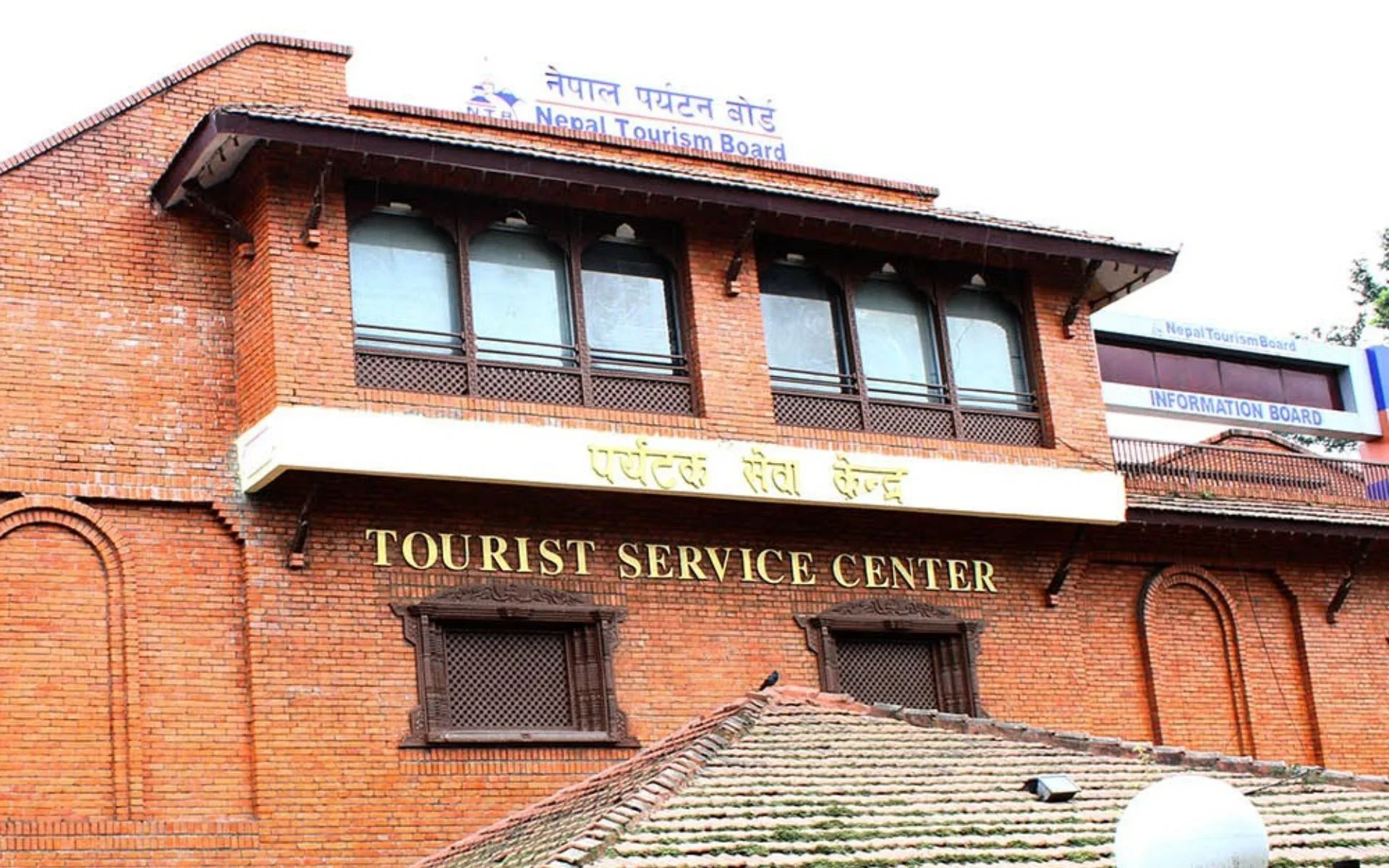
In Kathmandu, permits are issued at the Nepal Tourism Board office at Bhrikutimandap. If you are heading straight to the Annapurna region, the Pokhara office is more convenient since it sits close to your departure point.
If you book an organized abc trekking package, permit arrangements are usually handled for you. Your agency collects your documents, submits the applications, and hands you the finished permits before you start walking. Always check exactly what is included before booking so there are no surprises.
Can You Get the Permit in Pokhara?
Yes. The Nepal Tourism Board office in Pokhara issues both the ACAP permit and TIMS card. Bring your passport and passport-size photos. Offices generally operate during standard business hours on working days, so arrange permits a day before you start, not on a public holiday morning.
This matters because many travelers arrive in Pokhara first, rest, then start the trek. If you are staying overnight, our overview of hotels in Pokhara helps you pick a base close to the tourism board office and trek transport.
Your trekking agency can also collect the permits for you in Pokhara if you provide your documents in advance. This saves you a queue and is the norm for anyone doing a guided abc trek.
What Documents Do You Need for an ABC Trek Permit?
You need a valid passport, passport-size photographs, your entry point and travel dates, travel insurance details, and an emergency contact. If an agency arranges your permits, they collect these from you in advance. Requirements can change, so confirm the current checklist before you travel.
Valid passport (and a copy)
Passport-size photographs (carry 2 to 4 spares)
Trek entry point, route, and dates
Travel insurance details covering high-altitude trekking
Emergency contact information
On insurance, standard travel cover is not enough for a Himalayan trek. You want a policy that specifically covers high-altitude emergency helicopter evacuation up to 6,000 meters and treatment for altitude illness such as AMS, HAPE, and HACE. ABC tops out around 4,130 meters, so altitude is real. Read our guide on Annapurna Base Camp trek altitude to understand the ascent profile.
Can You Trek to Annapurna Base Camp Without a Permit?
No. The route runs entirely through the Annapurna Conservation Area, and permits are checked at official checkpoints such as Chhomrong and Jhinu. Without a valid ACAP permit, checkpoint staff will stop you from continuing. Arrange your documents before entering the conservation area, not on the trail.
There are no permit desks deep on the trail, and there are no ATMs past the lower villages. Carry enough Nepalese Rupees (NPR) in cash for the whole trek. Expect small extra charges on the trail for services like charging power banks, gas-heated hot showers, and Wi-Fi, often NPR 200 to 700 per use, which are rarely included in your lodge stay.
Does an ABC Trek Package Include the Permit Cost?
It depends on the operator, but many organized packages include the ACAP permit, TIMS card, licensed guide, transport, lodging, and meals. Personal expenses, tips, optional services, and insurance are usually excluded. Always confirm the exact inclusions and exclusions in writing before you book your abc trekking itinerary.
Often Included | Often Excluded |
ACAP permit | Personal expenses (snacks, drinks) |
TIMS card | Tips for guide and porters |
Licensed guide | Travel and evacuation insurance |
Transport to trailhead | Hot showers, Wi-Fi, charging |
Teahouse lodging | Optional side trips |
Main meals on trek | International flights |
Permit requirements can also depend on your route and arrangements, so review your full itinerary before departure. If you are still deciding when to go, our guide to the best time for the Annapurna Base Camp trek and our honest look at how difficult the ABC trek is will help you match dates and fitness to the right package.
Annapurna Base Camp Trek Permit Checklist
Use this quick checklist so your paperwork is sorted before you set foot on the trail.
☐ Check current permit requirements and fees
☐ Prepare a valid passport and copies
☐ Bring 2 to 4 passport-size photos
☐ Confirm the ACAP and TIMS fees for your nationality
☐ Confirm whether your agency handles permits
☐ Book a licensed guide (required in 2026)
☐ Arrange insurance covering helicopter evacuation to 6,000m
☐ Keep permit and document copies accessible on the trail
☐ Carry enough NPR cash for the full trek
One more practical note on the trail itself. Prioritize vegetarian meals and the classic Dal Bhat for clean, high-energy fuel with free refills. Skip plastic bottled water to protect the trail; instead carry a reusable bottle with a purification system like a UV purifier or chlorine dioxide drops. For your full kit, use our ABC packing checklist.
Cultural Etiquette on the ABC Trail
As you pass mani walls, stupas, and chortens, always walk clockwise around them, keeping the structure on your right. Remove shoes and hats before entering any monastery, and never photograph inside prayer halls unless a resident monk clearly permits it. These small habits show respect to the communities hosting you.
At the end of your trek, tipping your crew is culturally expected and forms a vital part of their income. A common range is 10% to 15% of the total trek cost, distributed among your guide and porters.
Frequently Asked Questions
Do I need a permit for the Annapurna Base Camp trek?
Yes. You need the ACAP permit at NPR 3,000 for foreigners, most trekkers also carry a TIMS card, and a licensed guide is required in 2026.
How much is the Annapurna Base Camp trek permit?
The ACAP is NPR 3,000 for foreigners, NPR 1,000 for SAARC nationals, and NPR 100 for Nepali citizens. The TIMS card is NPR 2,000 for foreigners.
Where can I get an Annapurna Base Camp permit?
At the Nepal Tourism Board offices in Kathmandu or Pokhara, or through a licensed trekking agency that processes them for you.
Can I get the permit in Pokhara?
Yes. The Pokhara tourism board office issues both the ACAP permit and TIMS card. Bring your passport and photos.
Can a trekking agency arrange my ABC permits?
Yes, and this is the easiest route. Since a licensed guide is now required, most trekkers let their agency handle all permits.
What documents are required?
A valid passport, passport-size photos, your trek dates and route, insurance details, and an emergency contact.
Does the ABC trek package include permits?
Many packages include the ACAP permit, TIMS card, and licensed guide. Always confirm inclusions before booking.
Can I trek to ABC without a guide in 2026?
Under current rules a licensed guide is required for the Annapurna region. Verify the latest enforcement before your trip.