Contents
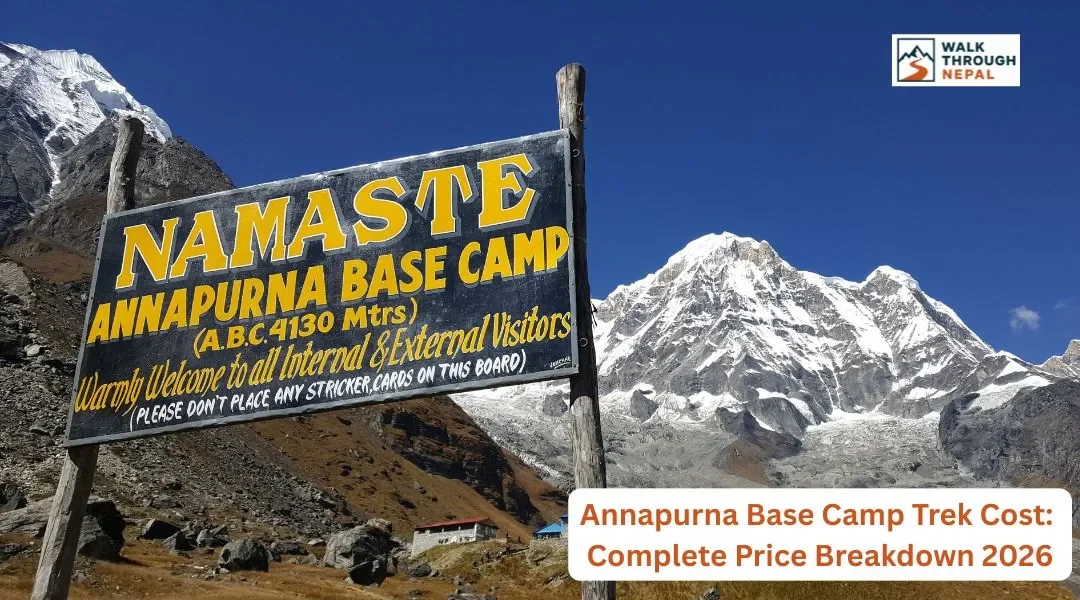
The Annapurna Base Camp trek is one of the best-value mountain trek in Nepal, and the good news is you don't need a huge budget to stand beneath the ring of giants at 4,130 meters.
Because ABC skips the expensive costs, that lets most trekkers finish this route for a fraction of what they expect.
Still, your final bill depends on several moving parts: the type of package you book, your duration (usually a 9 to 12-day trek), the season, your group size, and exactly what your operator includes. This blog aims to give you a clear figure with break down on every rupee and dollar honestly, including the trail extras most brochures don’t mentions.
How Much Does the Annapurna Base Camp Trek Cost?
The Annapurna Base Camp trek costs between $899 and $1200 USD per person for a full guided package, with most standard trips landing around $1000 to $1600 USD. Price varies mainly by group size, season, accommodation standard, and whether transport and city hotels are included in the quote.
Solo travelers pay more per head because guide and porter costs are split across fewer people. A group of four or more will always get a lower per-person rate.
Similarly, the peak season of Annapurna trekking falls into March–May and September–November, which can result in an increase in push lodge and transport, while winter and monsoon shoulder months are cheaper but come with weather trade-offs.
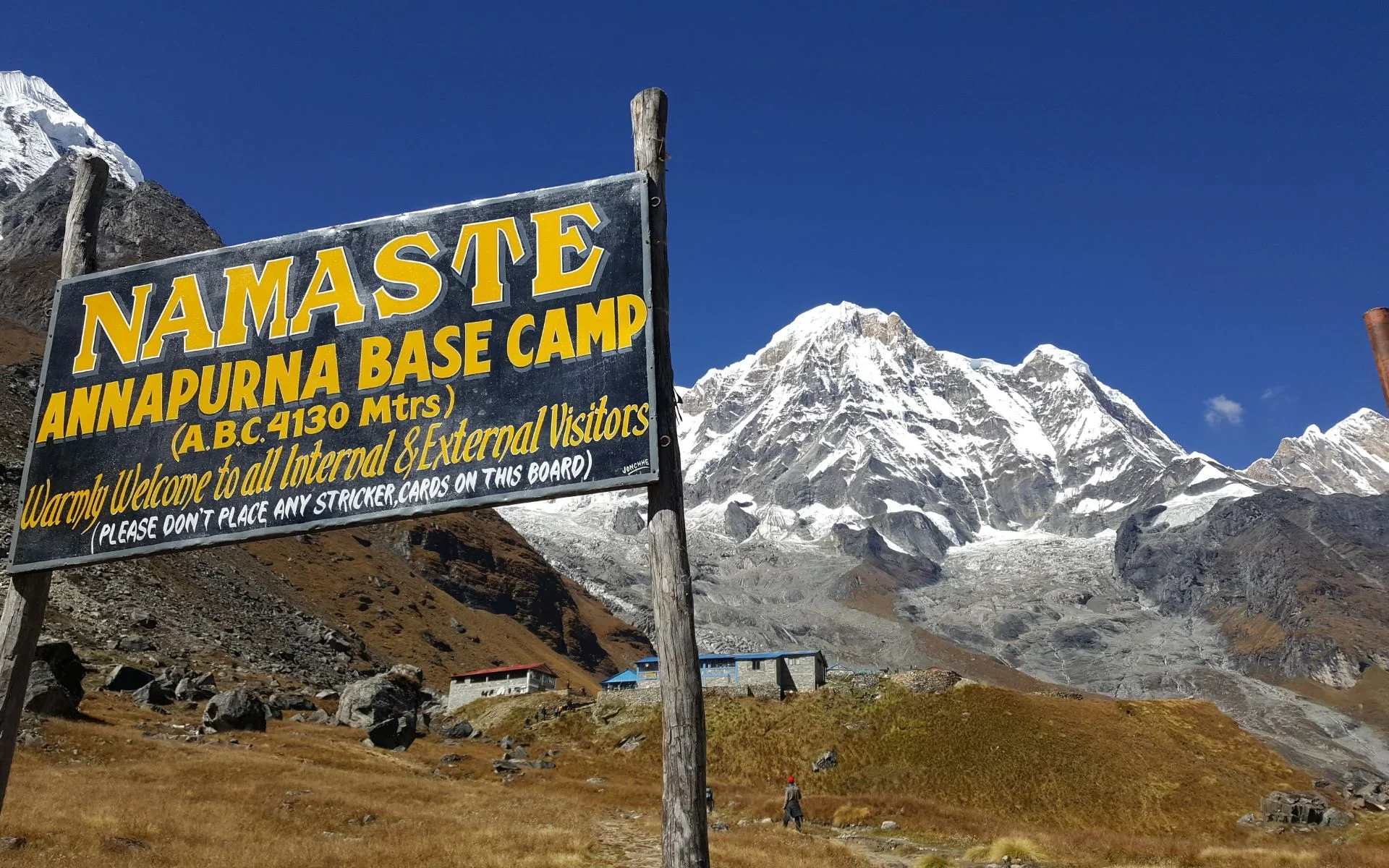
Independent budget trekkers who arrange their own logistics can spend less on paper, but remember that current Nepal regulations strongly enforce hiring a licensed guide across the Annapurna region. It is always required to verify the latest rules before you book trekking activities in this region.
Annapurna Base Camp Trek Cost Breakdown
Here is where your money actually goes on an ABC trek. The biggest fixed costs are permits, guide, and porter wages; the rest depends on your comfort choices. Below is a realistic component-by-component breakdown for a standard trek.
Cost Component | Typical Range | Notes |
ACAP Permit | NPR 3,000 (foreigner) | Fixed government fee, per person |
TIMS Card | NPR 2,000 (foreigner) | Fixed, arranged in Pokhara/Kathmandu |
Licensed Guide | $25–$35 USD/day | Includes their food and lodging |
Porter | $18–$25 USD/day | Carries up to 20–25 kg |
Accommodation | NPR 500–1,500/night | Basic twin teahouse rooms |
Food (3 meals) | NPR 2,500–4,000/day | Rises with altitude |
Transport (KTM–Pokhara–trailhead) | Verify live rates | Tourist bus, private jeep, or flight |
Permits
Two permits are required for ABC. The ACAP permit (Annapurna Conservation Area Permit) costs NPR 3,000 for foreigners, NPR 1,000 for SAARC nationals, and NPR 100 for Nepali citizens. The TIMS card costs NPR 2,000 for foreigners and NPR 1,000 for SAARC trekkers. Carry printed copies and your passport for checkpoints.
Guide and Porter
A licensed guide runs $25–$35 USD per day, and a porter $18–$25 USD per day. These wages cover the crew's own food and beds on the trail. Many trekkers hire a combined guide-porter to save money, which works well on this moderate route.
Accommodation and Food
Teahouse rooms are simple and cheap, often NPR 500 to 1,500 per night for a twin, and lodges frequently offer rooms at low rates on the understanding you eat dinner and breakfast there. Food costs climb as you ascend because everything is carried up by porter or mule. Expect NPR 2,500 to 4,000 per day for three meals near the top.
Transportation
Getting from Kathmandu to Pokhara and on to the trailhead at Nayapul or Siwai is a variable cost. Tourist buses are the cheapest, private jeeps cost more, and a short domestic flight to Pokhara saves time at a premium. Rates shift by season and fuel prices, so verify live transport rates before you commit. If you're spending a night in the lake city, browse our list of hotels in Pokhara to plan your pre-trek stay.
Annapurna Base Camp Trek Package Cost
A typical guided ABC package costs $850 to $1200 USD for the standard route and usually bundles permits, licensed guide, transport to and from the trailhead, teahouse accommodation, and three daily meals on trekking days. Prices drop per person as your group grows.
What a standard package usually includes:
Both permits (ACAP and TIMS)
Licensed guide and their expenses
Ground transport (Kathmandu–Pokhara–trailhead round trip)
Teahouse accommodation on twin-share basis
Breakfast, lunch, and dinner during the trek
What it typically does NOT include:
Nepal visa
Travel and helicopter evacuation insurance
Drinks, snacks, hot showers, Wi-Fi, and charging
Tips for your crew
Personal gear and meals in the city
Two operators may quote very different numbers because one includes a porter, private transport, and better lodges, while the cheaper quote may exclude permits, use shared buses, or skip the porter entirely. Always ask for a written inclusion list. When you're ready, our team can build a tailored ABC itinerary matched to your budget and dates.
Additional Expenses to Budget For
Beyond your package, budget an extra NPR 15,000 to NPR 30,000 (roughly $110 to $220 USD) for trail extras. These small charges add up quickly and are almost never included in any package.
The Annapurna trail runs on a cash micro-economy. ATMs do not exist past Pokhara, so carry enough Nepalese Rupees for everything below:
Charging phones or power banks: NPR 200–500 per device
Hot showers (gas-heated): NPR 200–500 each
Wi-Fi access: NPR 200–700 per stay
Snacks, chocolate, and drinks: prices double as you climb
Crew tips: standard 10% to 15% of your total trek cost, split between guide and porter
Emergency and contingency cash for weather delays or evacuation deposits
Standard vs Premium ABC Trek
The core route is identical across all tiers; what changes is comfort, transport, and support. A budget trek uses shared buses and basic teahouses, a standard trek balances value and comfort, and a premium trek adds private transport, better lodges, and a fuller crew.
Feature | Standard | Premium |
Price range | $899-$1000 | $1200–$1500+ |
Transport | Bus or shared jeep | Private jeep/flight |
Guide | Guide + shared porter | Guide + private porter |
Lodges | Better teahouses | Best available lodges |
Best for | Most trekkers | Comfort seekers |
Budget suits fit, flexible travelers who don't mind rough edges. Standard fits the vast majority of trekkers who want reliable support without overspending. Premium suits those short on time or wanting more comfort at day's end.
Is Annapurna Base Camp Trek Worth the Cost?
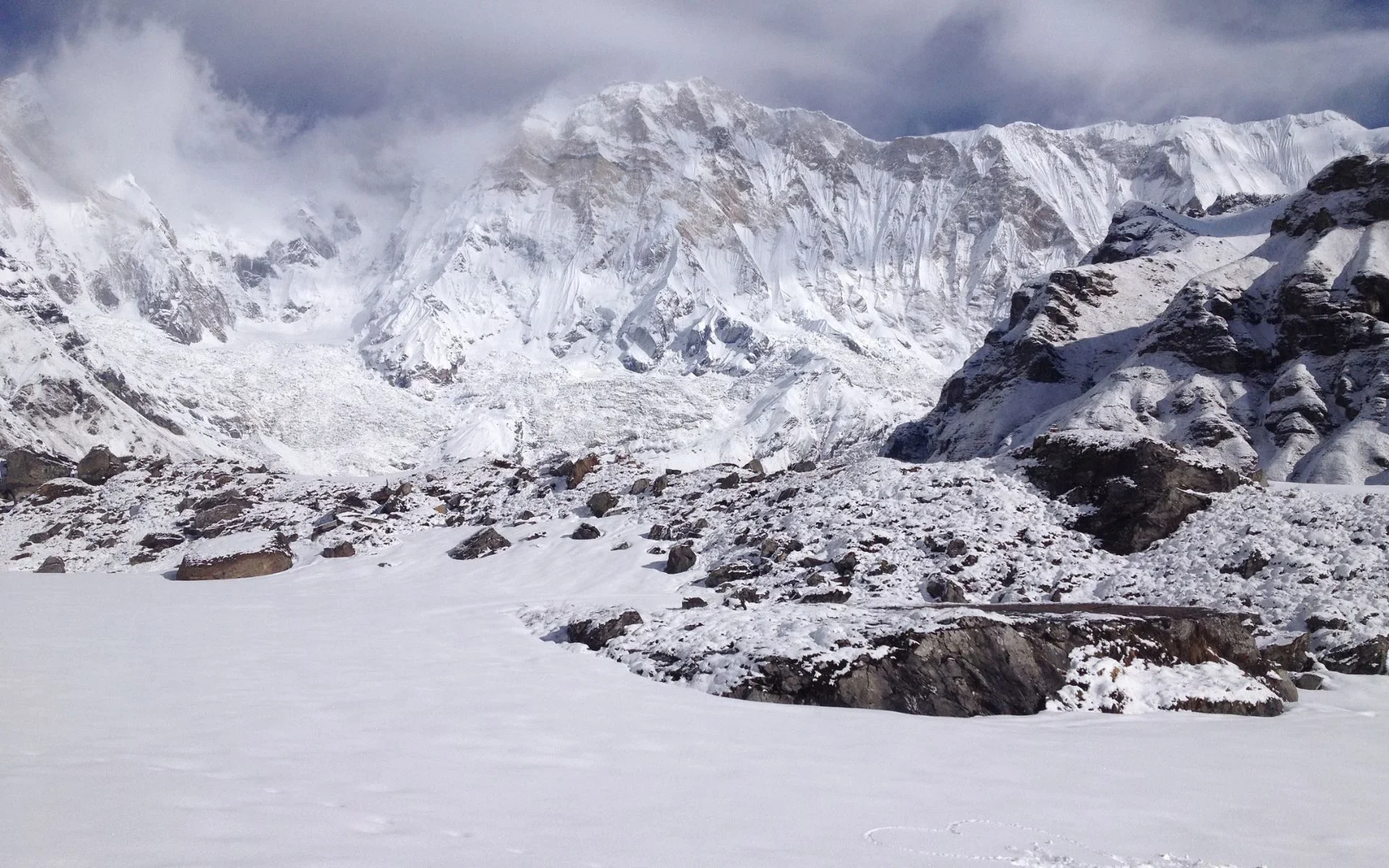
Yes, ABC delivers exceptional value. For a modest price you walk from subtropical valleys and terraced farms into a glacial amphitheater ringed by Annapurna I, Machapuchare, and Hiunchuli, all reached without a single expensive mountain flight.
Compared to Everest Base Camp and Langtang trek, ABC is cheaper, shorter, and gentler on the lungs, since its top point sits at 4,130 meters rather than well above 5,000. The trail's teahouses are warm and welcoming, the diversity of scenery per day is remarkable, and the whole experience punches far above its price.
How to Reduce Your ABC Trek Cost Without Cutting Important Things
You can trim your ABC budget meaningfully without touching your safety, your guide, or your permits. Smart savings come from group size, timing, and gear, not from skipping essentials like a licensed guide or evacuation insurance.
Join a group trek: Splitting guide, porter, and transport across four or more people slashes the per-person rate significantly.
Pick the right season: Shoulder months offer lower lodge and transport prices than the peak of October or April.
Rent gear in Pokhara or Kathmandu: Down jackets and sleeping bags rent for a few dollars a day rather than buying expensive kit.
Carry a water filter: Use a UV purifier, Sawyer filter, or chlorine dioxide drops with a reusable bottle. Never buy plastic bottled water; it harms the trail and costs more each day.
Eat Dal Bhat: The traditional lentil, rice, and vegetable plate comes with free refills, is the best fuel for trekking, and is safer at altitude than meat carried up unrefrigerated.
On altitude safety, keep your ascent conservative above 3,000 meters, sleeping no more than 300–500 meters higher each night. Carry insurance that specifically covers high-altitude helicopter evacuation and AMS treatment; standard travel insurance is not enough.
When passing mani walls, chortens, and stupas along the route, always walk clockwise, keeping the structure on your right. Remove shoes and hats before entering any monastery, and never photograph inside prayer halls without a monk's clear permission.
Conclusion
The Annapurna Base Camp Trek remains one of the best-value adventures in the Himalayas. With realistic costs, proper planning, and the right season, you can experience towering peaks, traditional mountain villages, and the unforgettable Annapurna Sanctuary without stretching your budget. Most trekkers spend between $550 and $850 USD for a standard guided trip, making ABC one of Nepal's most accessible high-altitude treks.
If you're ready to start planning, Walk Through Nepal can help with permits, licensed guides, transportation, accommodation, and a clear cost breakdown before you book. Get in touch with our local team and let us help you build an Annapurna Base Camp trek that fits your budget, schedule, and trekking goals.
Recommended Read:
Frequently Asked Questions
1. Is the Annapurna Base Camp trek expensive?
No, ABC is one of Nepal's more affordable major treks. A guided package typically costs between $500 and $900 USD per person for the standard route, making it far cheaper than Everest Base Camp because you avoid the costly Lukla flight.
2. How much cash should I carry on the ABC trek?
Carry roughly NPR 15,000 to NPR 30,000 in cash per person for a standard trek. ATMs stop after Pokhara, so bring Nepalese Rupees for charging, hot showers, Wi-Fi, snacks, drinks, and tips for your crew.
3. Does the ABC package include food?
Most standard packages include three meals a day (breakfast, lunch, dinner) on the trekking days, but not drinks, snacks, or meals in Pokhara and Kathmandu. Always confirm the exact meal inclusions with your operator.
4. Does the package include permits?
Reputable operators include both the ACAP permit (NPR 3,000) and the TIMS card in the package price. Cheaper quotes sometimes exclude these, so ask for a written inclusion list before booking.
5. How much should I budget beyond the package?
Budget an extra NPR 15,000 to NPR 30,000 (roughly $110 to $220 USD) per person for charging, hot showers, Wi-Fi, drinks, snacks, personal purchases, and crew tips of 10 to 15 percent of the total trek cost.
6. Do I need a guide for the Annapurna Base Camp trek?
Yes. Under current Nepal trekking regulations, licensed guides are strongly enforced across major regions including Annapurna. Verify the latest rules before departure, as solo unguided trekking is no longer permitted on most standard routes.
7. What is the ACAP permit fee for ABC?
The Annapurna Conservation Area Permit (ACAP) costs NPR 3,000 for foreigners, NPR 1,000 for SAARC nationals, and NPR 100 for Nepali citizens per person.
8. Can I use a credit card on the ABC trail?
No. Card payments are not accepted in teahouses above Pokhara. The entire trail runs on a cash micro-economy, so carry enough Nepalese Rupees to cover meals, services, and extras.