Contents
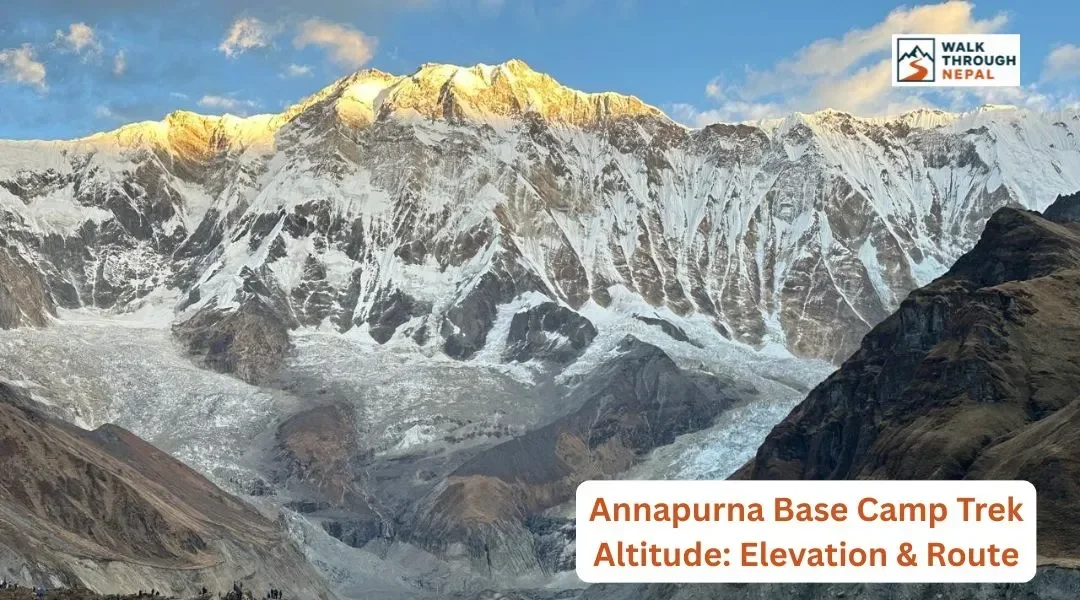
The moment you round the final ridge and Machapuchare and Annapurna I wall you in on three sides, the altitude stops being a number on a map and becomes something you feel in your chest. Annapurna Base Camp is the goal, and the single most common question we field from travelers before they book is simply this: how high does it actually go, and will the elevation be a problem?
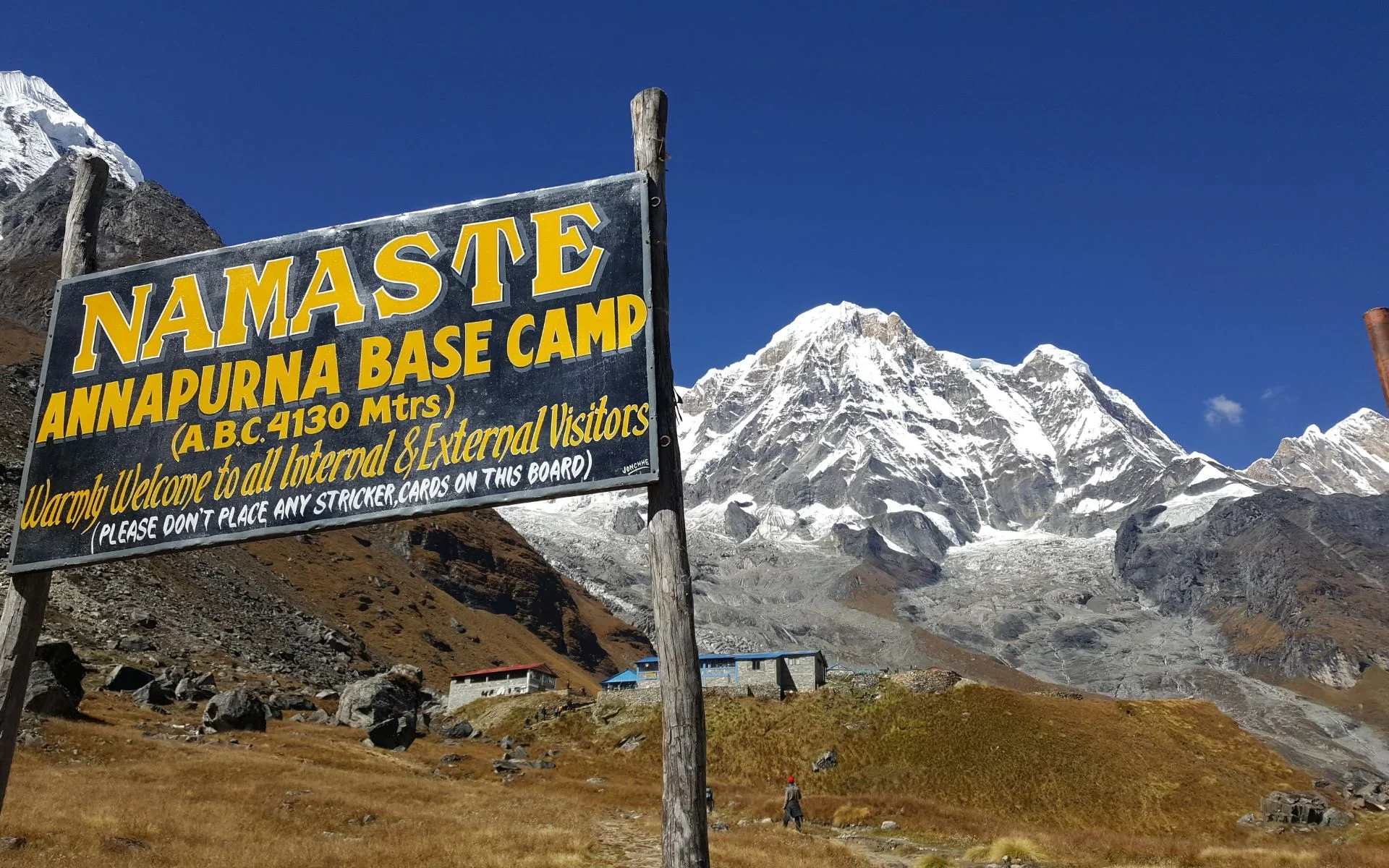
Let us answer that directly. Annapurna Base Camp sits at approximately 4,130 meters (13,550 feet) above sea level. That is high enough to demand respect, but ABC is not an expedition. There is no rope work, no crampons, no technical climbing. The real challenge comes from gaining elevation while walking for several consecutive days, and from giving your body the time it needs to adjust.
How High Is Annapurna Base Camp?
Annapurna Base Camp reaches approximately 4,130 meters (13,550 feet). Most treks begin around 1,070 meters in the Pokhara valley foothills, meaning your body climbs roughly 3,000 meters of net elevation over several days. Machapuchare Base Camp, the last stop before ABC, sits at about 3,700 meters.
Here is the elevation picture at a glance:
ABC elevation: approximately 4,130 meters (13,550 feet)
Typical starting elevation: around 1,070 meters near Nayapul or the roadhead
Machapuchare Base Camp (MBC): approximately 3,700 meters
Total net elevation gain: roughly 3,000 meters across the ascent
Elevation matters because oxygen availability drops as you climb. At 4,130 meters there is noticeably less oxygen in each breath than at sea level, which is why pacing and sleep elevation, not raw fitness, decide how comfortable you feel up high.
Annapurna Base Camp Trek Altitude by Day
The ABC route climbs gradually through terraced farmland, dense rhododendron forest, and finally into the glacial amphitheatre of the Annapurna Sanctuary. The exact villages you sleep in depend on your itinerary and pace, but the elevation progression below reflects the standard classic route.
Trekking Point | Approx. Elevation | Why It Matters |
Roadhead / Nayapul area | 1,070 m | Beginning of the ascent, warm and humid |
Ghandruk | 1,940 m | Classic Gurung village, gentle first climb |
Chhomrong | 2,170 m | Gateway to the Sanctuary; long stone stairs |
Bamboo | 2,310 m | Descent then climb through humid forest |
Dovan | 2,600 m | Elevation climbs steadily into the gorge |
Deurali | 3,230 m | You cross the 3,000 m threshold here |
Machapuchare Base Camp (MBC) | 3,700 m | Last stop; many sleep here to break the climb |
Annapurna Base Camp (ABC) | 4,130 m | Highest point and sleeping elevation |
Notice that once you pass Deurali, sleeping elevation rises quickly. Splitting the final push by sleeping at MBC before ABC is a smart, conservative move that many of our coordinators recommend for travelers who feel any early symptoms.
Where Do You Gain the Most Altitude on the ABC Trek?
The steepest and most concentrated altitude gain happens in the upper gorge, between Dovan and Annapurna Base Camp. In this stretch you climb from roughly 2,600 meters to 4,130 meters over a short horizontal distance, which is where the thinner air becomes obvious.
The Chhomrong staircase is physically the toughest section on the legs, dropping steeply into the river valley before a punishing climb back up. It rarely causes altitude problems, though, because you stay below 2,300 meters there. The altitude-critical zone is higher up, from Deurali onward.
Because so much gain is packed into the final days, we treat the Deurali-to-ABC segment as the part of the trek to slow down on, not speed up. If you want a fuller breakdown of the physical demands, see our guide to how difficult the Annapurna Base Camp trek really is.
How Does Altitude Affect the Annapurna Base Camp Trek?
As you climb past 3,000 meters, reduced oxygen changes how your body performs. Even fit trekkers notice they are working harder for the same effort. This is normal physiology, not a sign of weakness.
Common effects at higher elevations include:
Increased breathlessness on even gentle climbs
Faster fatigue and slower recovery between rest breaks
Mild headaches, especially in the evening
Reduced appetite and lower exercise tolerance
Disturbed or broken sleep at MBC and ABC
These sensations usually ease with a slower pace, steady hydration, and a proper night's rest. The key is to walk slowly enough that you can still hold a conversation. On the ABC trail we call this the guide's pace, and it exists for a reason.
Acclimatization on the Annapurna Base Camp Trek
Acclimatization is your body adjusting to lower oxygen by gradually producing more red blood cells and breathing more efficiently. The single most important rule is that above 3,000 meters, your sleeping elevation should not rise more than 300 to 500 meters per day.
ABC is more forgiving than very high treks like Everest, but the principle still holds. A gradual ascent, an unhurried walking pace, and enough rest give your body room to adapt. Rushing the final two days is the most common mistake we see cause problems.
A few practical acclimatization habits our guides enforce:
Walk slowly and steadily rather than in fast bursts
Break the final climb by sleeping at MBC (3,700 m) before ABC
Drink water consistently through the day
Do not push through a worsening headache to reach the next lodge
Let your guide monitor how you are feeling each evening
A well-designed itinerary already builds in this gradual progression. Padding your schedule with an extra buffer day gives you flexibility if you need to slow down.
Is Annapurna Base Camp High Enough to Cause Altitude Sickness?
Yes. Acute Mountain Sickness (AMS) can develop above 3,000 meters, and ABC at 4,130 meters sits comfortably inside the risk zone. Fitness offers no protection, and individual response varies widely from one person to the next, even year to year.
Early warning signs to take seriously include:
A persistent headache that does not respond to rest or fluids
Nausea, dizziness, or loss of appetite
Unusual fatigue or difficulty coordinating movement
Shortness of breath at rest
The safe response to worsening symptoms is simple and non-negotiable: stop ascending, and if things do not improve, descend. Descent is the most reliable treatment for altitude illness. This is general information, not personalized medical advice, so discuss your health with a qualified doctor before you trek.
Because emergencies at altitude can require air evacuation, standard travel insurance is not enough. You must carry a policy that specifically covers high-altitude emergency helicopter evacuation up to 6,000 meters and medical treatment for AMS, HAPE, and HACE.
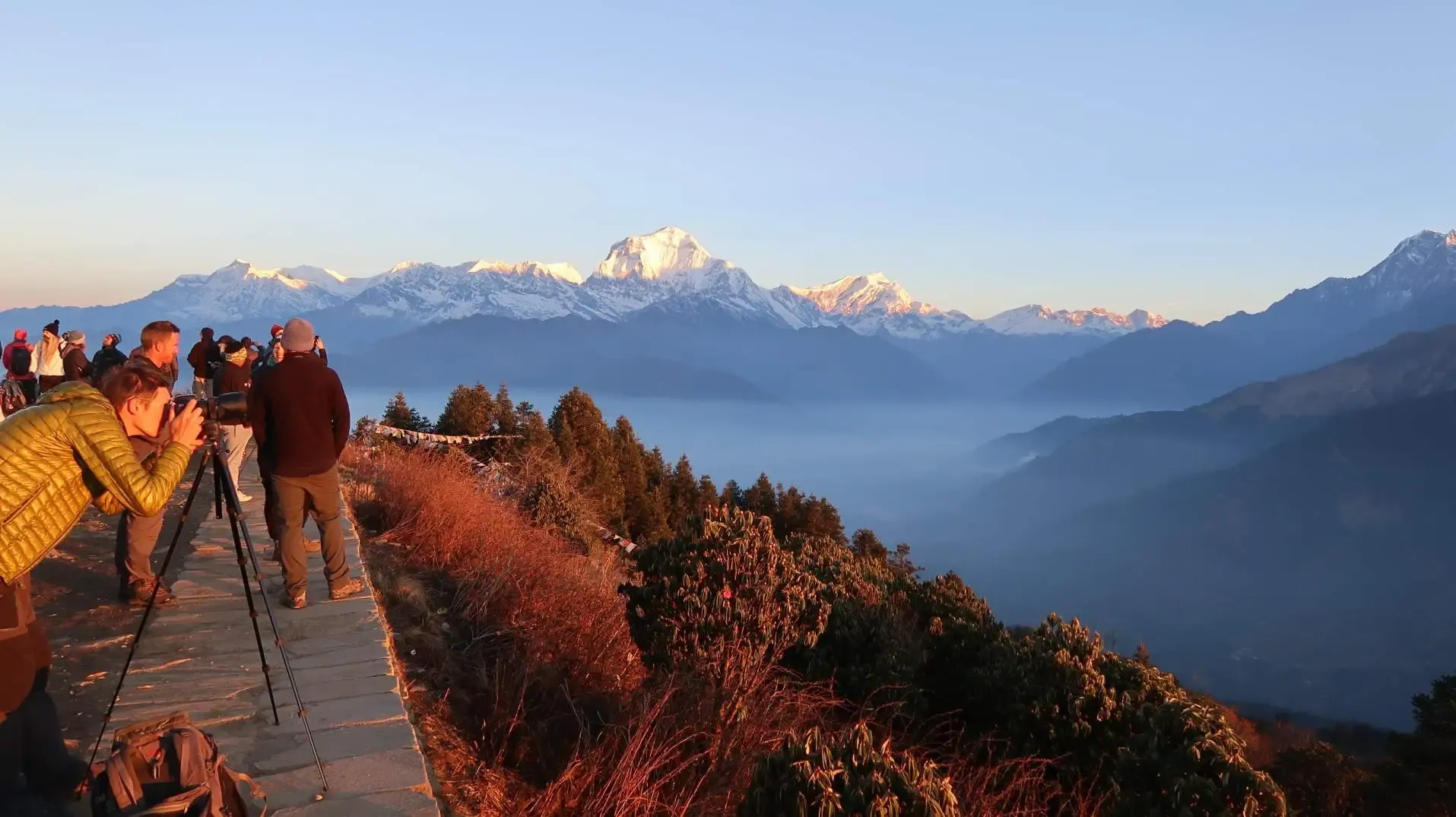
8-Day Ghorepani Poon Hill Trek Package – Cost, Itinerary & Guide
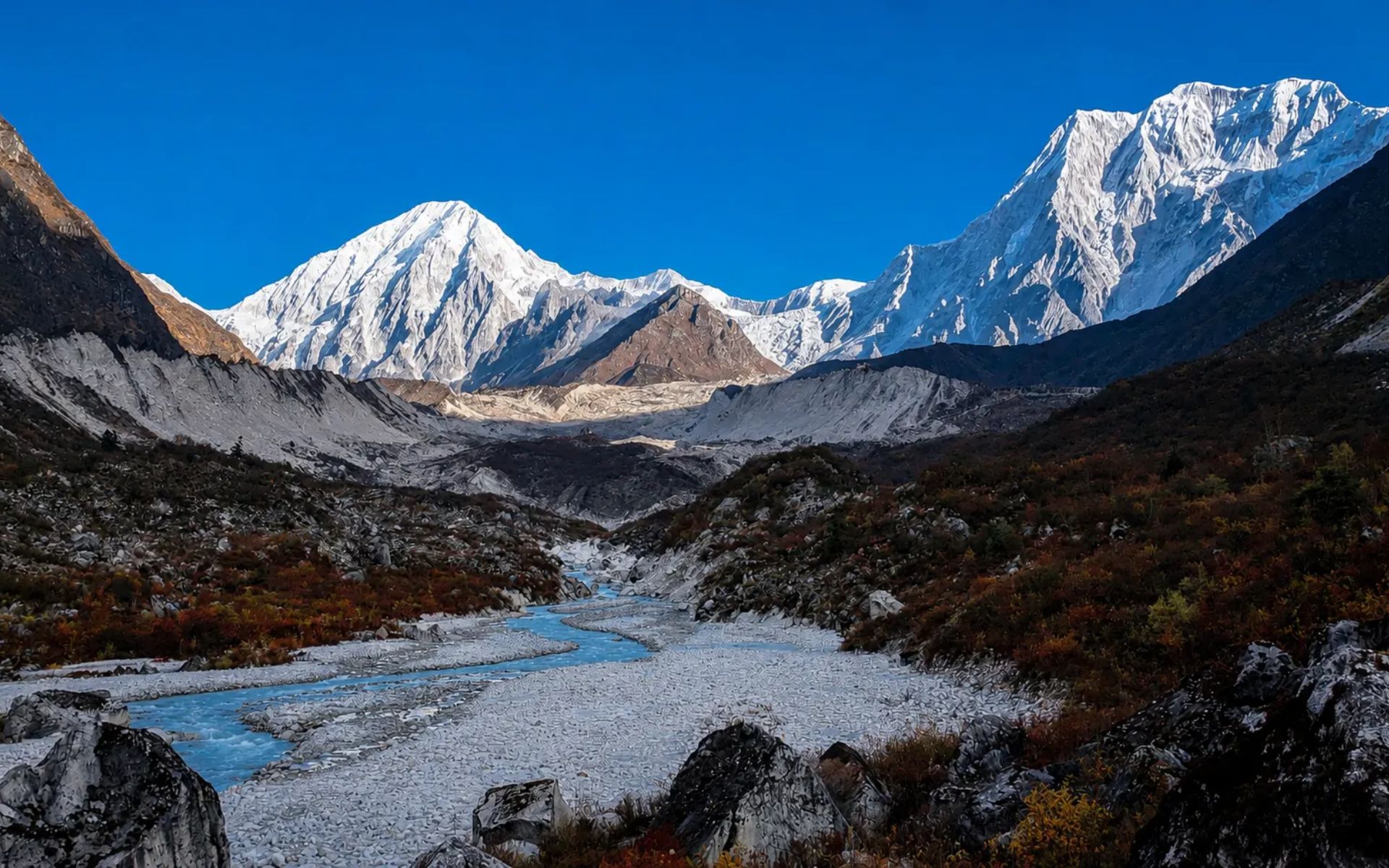
Manaslu Circuit Trek Packages – Cost, Permit & 12, 14 or 16 Day Options
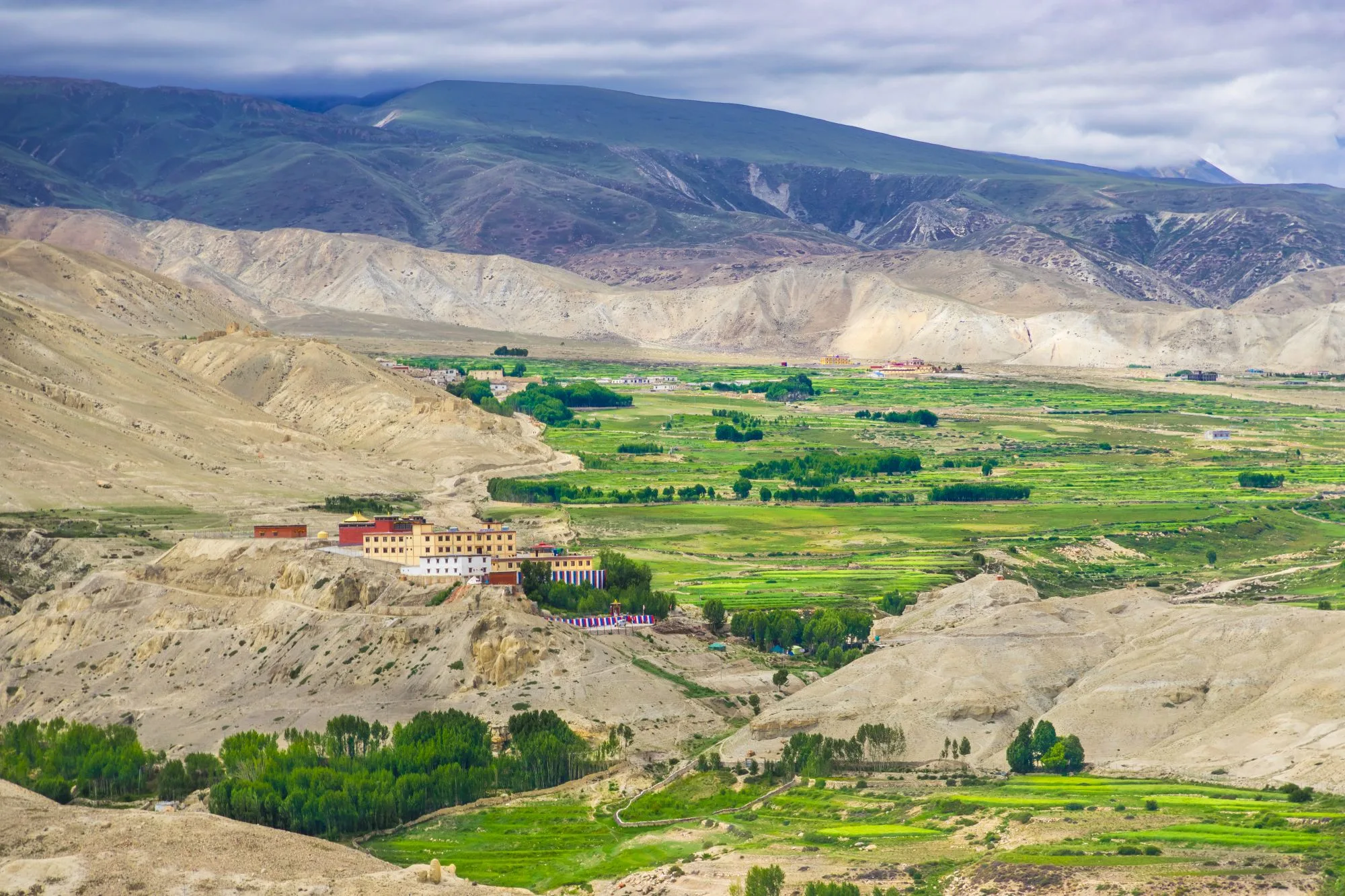
Upper Mustang Trek Packages – Cost, Permit & 14 or 16 Day Options
How Difficult Is ABC Because of the Altitude?
Altitude is only one ingredient in the ABC trek's difficulty. The trek's overall challenge is a combination of altitude, total elevation gain, consecutive walking days, terrain like the Chhomrong stairs, weather, and your individual fitness.
In honest terms, the altitude at 4,130 meters is manageable for most reasonably fit trekkers who ascend gradually. Many people find the long staircase days and the sheer number of consecutive walking days more demanding than the thin air itself.
Further Read: Best Time for Annapurna Base Camp Trek: Month-by-Month Guide
Why Altitude Matters More Than Distance on ABC Trek
If you regularly walk 15 kilometers at home, you might assume ABC will feel easy. But distance alone is a poor predictor of how the trek feels, because a short day at high elevation can be harder than a long walk at low elevation.
At altitude, several factors stack against you:
Less oxygen available in every breath
Steep, sustained elevation gain in the upper gorge
Rocky, uneven terrain that slows your pace
Cumulative fatigue from consecutive trekking days
Slower recovery overnight due to disturbed sleep
This is exactly why we measure ABC days in hours and elevation gained, not kilometers. A 4 to 5 hour day from Deurali to ABC can feel far harder than a longer walk down in the warm foothills.
How to Prepare for the Altitude Before ABC Trek
Good preparation makes the altitude far more comfortable. You cannot fully pre-acclimatize at home, but you can arrive fit, rested, and ready to walk at a sustainable pace.
Practical preparation steps we recommend:
Build cardiovascular endurance with running, cycling, or swimming
Train on hills and stairs to prepare your legs for sustained climbs
Practice back-to-back long walking days to build stamina
Choose an itinerary that does not rush the final ascent
Stay well hydrated and prioritize sleep in the days before you fly
Discuss any relevant health conditions with a qualified medical professional
Cold at higher elevations also shapes what you carry, since evenings at MBC and ABC drop below freezing. See our Annapurna Base Camp trek packing checklist for a complete gear list built around those temperatures.
Trail Realities: Cash, Water, and Food at Altitude
A few on-the-ground details directly affect your comfort at altitude. There are no ATMs past Pokhara on this route, so carry enough Nepalese Rupees (NPR) cash for the whole trek. Expect trail upcharges of roughly NPR 200 to 700 for charging power banks, gas-heated hot showers, and localized Wi-Fi at the higher lodges.
Skip the plastic bottled water to protect the Sanctuary environment. Carry a reusable bottle with an active purification system such as a UV purifier, a Sawyer squeeze filter, or chlorine dioxide drops.
For food, we strongly recommend the classic Dal Bhat, lentil soup with rice and vegetable curry, which comes with free refills and gives you clean, high-energy fuel. Lean toward vegetarian meals at altitude, since meat is carried up by foot over several days without refrigeration.
Timing Your Trek Around Altitude Comfort
Season affects how the altitude feels. Spring and autumn bring stable weather and clearer views, while the higher camps get bitterly cold in winter and cloudy during the summer monsoon. Choosing the right window makes acclimatization and sleep noticeably easier.
For a full seasonal breakdown, read our guide to the best time for the Annapurna Base Camp trek. If you want to understand the full financial picture including permits and guide fees, our ABC trek cost breakdown lays it out clearly.
Cultural Etiquette in the Sanctuary
As you climb through Gurung and Buddhist villages, small gestures of respect matter. Always walk clockwise around mani walls, stupas, and chortens, keeping these sacred structures on your right. Remove shoes and hats before entering any temple or monastery, and never photograph inside prayer halls without explicit permission from a resident monk.
At the end of your trek, tipping your crew is culturally expected and forms a vital part of their income. A standard range is 10% to 15% of your total trek cost, distributed among your guide and porters.
Frequently Asked Questions
How high is Annapurna Base Camp in feet?
Annapurna Base Camp sits at approximately 4,130 meters, which is about 13,550 feet above sea level. This is the highest sleeping point of the entire trek.
Is Annapurna Base Camp higher than Everest Base Camp?
No. ABC at 4,130 meters is considerably lower than Everest Base Camp, which sits around 5,364 meters.
Can you get altitude sickness on the ABC trek?
Yes. AMS can occur above 3,000 meters, and ABC at 4,130 meters is within the risk zone. Ascend gradually and never increase sleeping elevation by more than 300 to 500 meters per day.
Do I need to sleep at Machapuchare Base Camp before ABC?
It is not mandatory, but sleeping at MBC (3,700 m) breaks the final climb and helps acclimatization. Many trekkers who feel early symptoms benefit from this extra step.
How many days does it take to reach ABC?
Most classic itineraries reach ABC in about 5 to 7 days of walking, depending on your starting point and pace. Slower schedules with buffer days are safer for altitude adjustment.
Do I need a guide for the ABC trek in 2026?
Nepal now strongly enforces licensed guides across major trekking regions, including Annapurna. Solo independent trekking is discouraged and increasingly restricted, so verify current rules and hire a licensed guide.
What insurance do I need for the altitude?
You need a policy that specifically covers high-altitude emergency helicopter evacuation up to 6,000 meters and treatment for AMS, HAPE, and HACE. Standard travel insurance is not sufficient.
Which SIM card works best on the ABC trek?
Ncell provides strong coverage throughout the Annapurna Circuit and Sanctuary, making it the reliable choice for connectivity and emergency calls along the route.
Is ABC harder because of the altitude or the stairs?
Many trekkers find the long staircase days, especially around Chhomrong, physically tougher than the thin air. Altitude becomes the main factor only in the final push from Deurali to ABC.
Can I buy bottled water on the trail?
Please avoid it. Carry a reusable bottle with a UV purifier, Sawyer filter, or chlorine dioxide drops to protect the fragile Sanctuary environment and save money on upcharges.