Contents
Upper Mustang doesn't behave like the rest of Nepal. While trekkers on the Annapurna and Everest trails watch monsoon clouds swallow the peaks each summer, this high desert plateau north of the main Himalayan wall stays bone-dry, wind-scoured, and startlingly clear. Understanding its weather is the single most important part of planning a trip here, because the timing that ruins most Nepal treks is precisely when Upper Mustang shines.
This is a rain-shadow zone where wind, altitude, and sun matter far more than rainfall, and that truth holds every year regardless of season. Here's exactly what to expect, month by month.
Why Upper Mustang Weather Is So Different
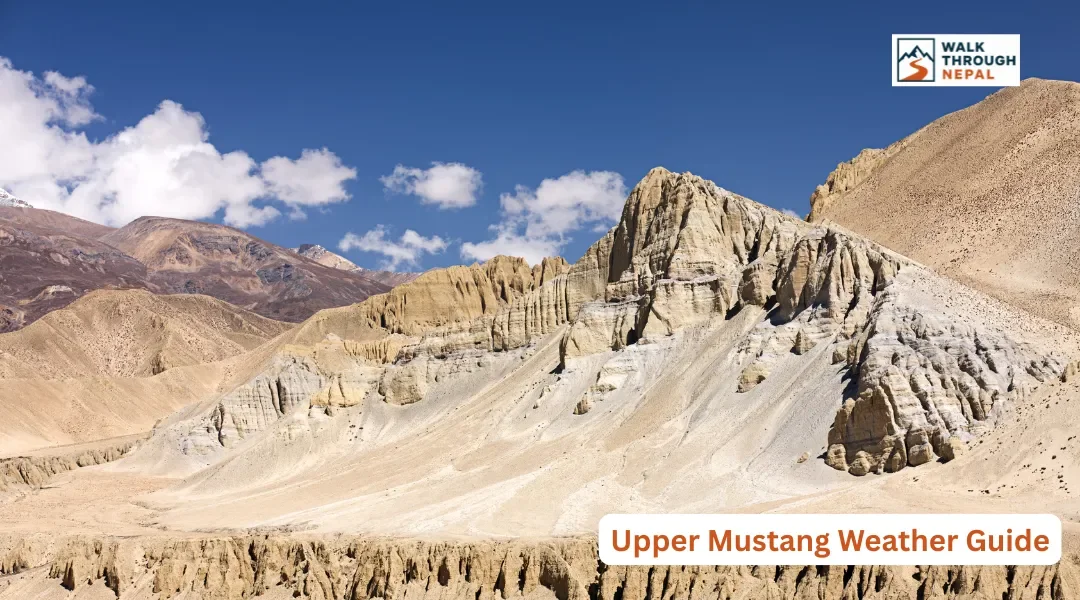
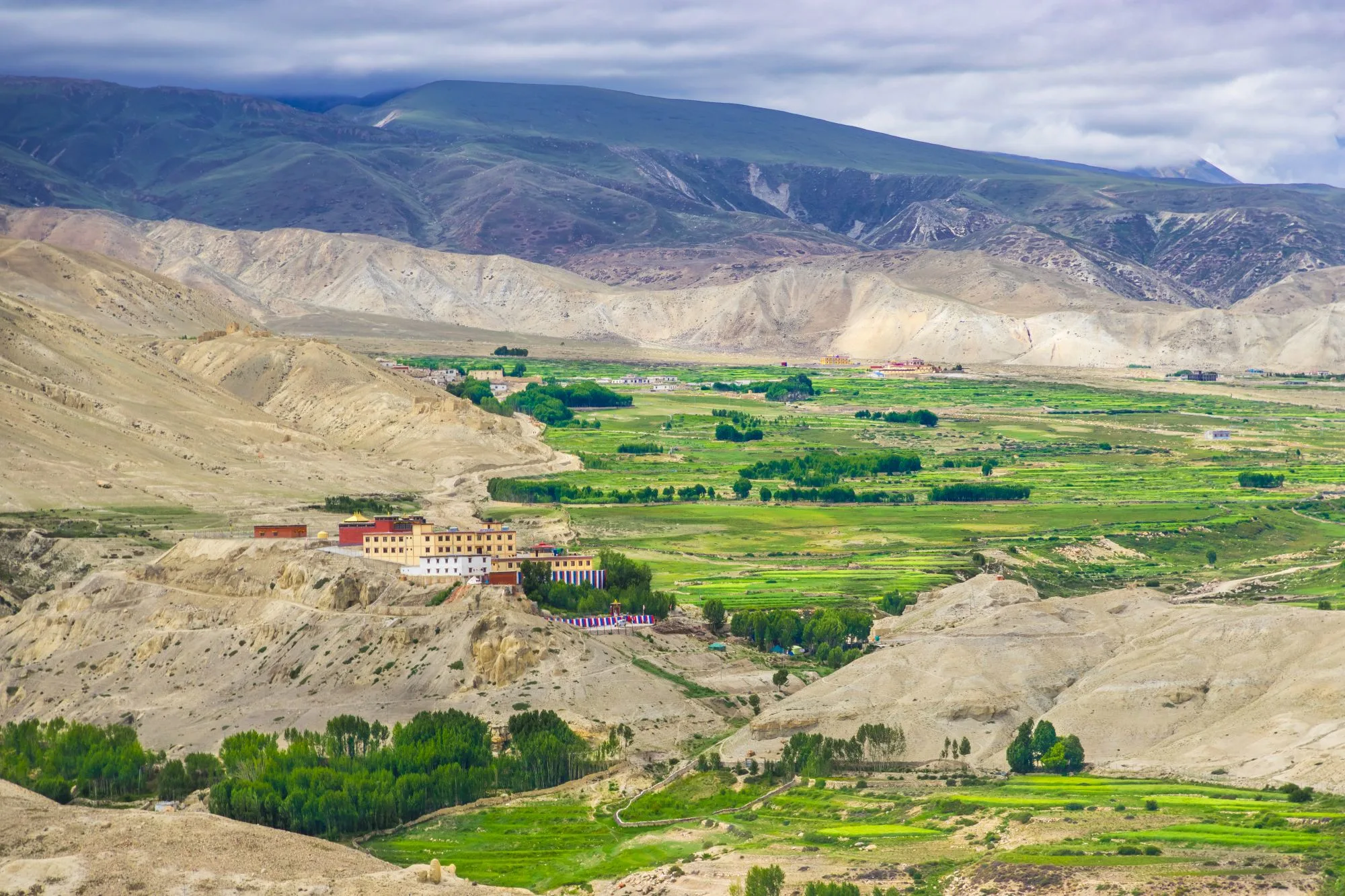
Upper Mustang lies in the Himalayan rain shadow, blocked from monsoon moisture by the Annapurna and Dhaulagiri massifs to the south. The result is a cold high-altitude desert receiving very little annual rainfall, with intense sun, strong afternoon winds, and dramatic day-to-night temperature swings across elevations of 2,800 to 3,840 meters and higher on the passes.
The old kingdom of Lo sits on the Tibetan plateau's edge, and its climate reflects that. You get eroded red-and-ochre cliffs, dry riverbeds, and skies that stay blue while Pokhara drowns in rain. Vegetation is sparse. The land looks lunar, and the weather is a big reason why.
Two forces define daily conditions here. First, the sun at this altitude is fierce and burns exposed skin fast. Second, wind funnels up the Kali Gandaki gorge every afternoon, usually kicking in strongly after 11:00 AM. Experienced trekkers here start walking early and aim to reach the next village before the wind and dust rise.
Upper Mustang Temperature by Season
Upper Mustang daytime temperatures range from a comfortable 16°C to 22°C in spring and autumn down to sub-freezing highs in deep winter. Nights are always cold because of the altitude and dry air. Even in summer, temperatures at Lo Manthang (3,840 meters) can drop close to 5°C after dark, so warm layers are essential year-round.
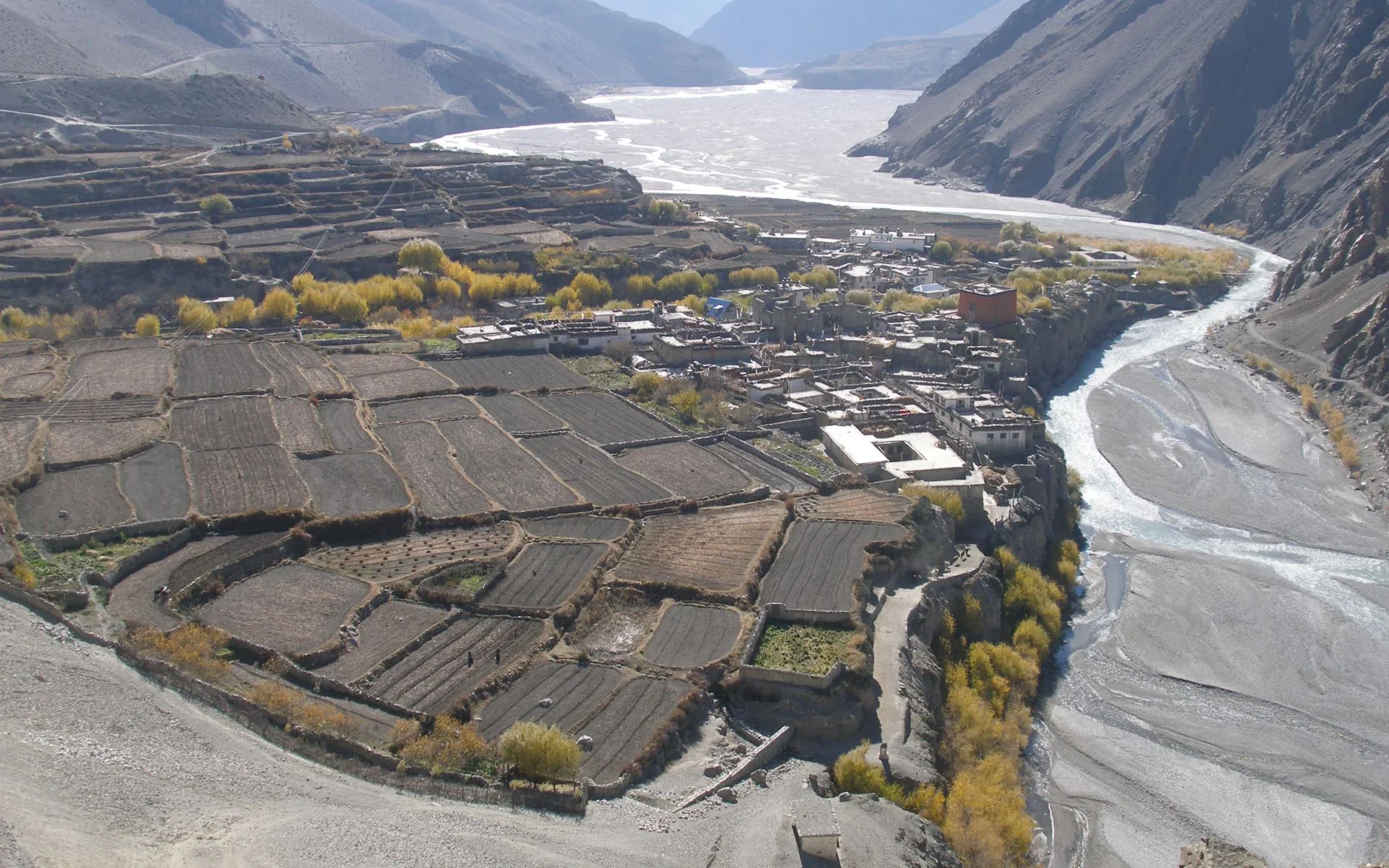
The critical thing to grasp is the daily swing. A pleasant midday walk in a t-shirt can turn into a shivering evening within an hour of sunset. Lower villages like Kagbeni (2,800 meters) stay milder than Lo Manthang, so plan your layers by elevation, not by the calendar alone.
Monthly Weather & Temperature Matrix
Month | Day Temp | Night Temp | Rainfall | Trekking Conditions |
Mar–Apr | 12–18°C | -4 to 2°C | Very low | Excellent, clear, windy afternoons |
May | 16–22°C | 0 to 5°C | Low | Warm, dusty, strong winds |
Jun–Aug | 18–24°C | 5 to 10°C | Low (rain shadow) | Ideal, dry, no leeches |
Sep–Oct | 14–20°C | -2 to 4°C | Very low | Peak season, crisp and clear |
Nov | 8–15°C | -8 to -2°C | Minimal | Cold nights, stable, quiet trails |
Dec–Feb | 0–8°C | -15 to -8°C | Occasional snow | Harsh, many lodges closed |
Which Month Is Best for Upper Mustang?
September–October — Best Overall. Peak-season conditions: crisp, clear skies, very low rainfall, and the most stable weather window of the year. Trails and lodges are busier than the shoulder months.
March–April — Excellent Alternative. Clear conditions and dramatically fewer crowds than autumn, with cold nights but very manageable days.
June–August — Best for Monsoon Travel. The rain-shadow advantage in full effect: dry, warm, and ideal if your travel dates fall during Nepal's wet season elsewhere.
November — Good, Quieter. Cold nights but stable days, with trails noticeably emptier than peak autumn.
May — Good, but Windy and Dusty. Warm and dry, though this is when afternoon winds and dust are at their most intense.
December–February — Not Recommended for Most Trekkers. Night temperatures crash to -15°C or lower, and many upper-village lodges close for the season.
Best Time for Culture and Festivals vs. Best Time for Solitude
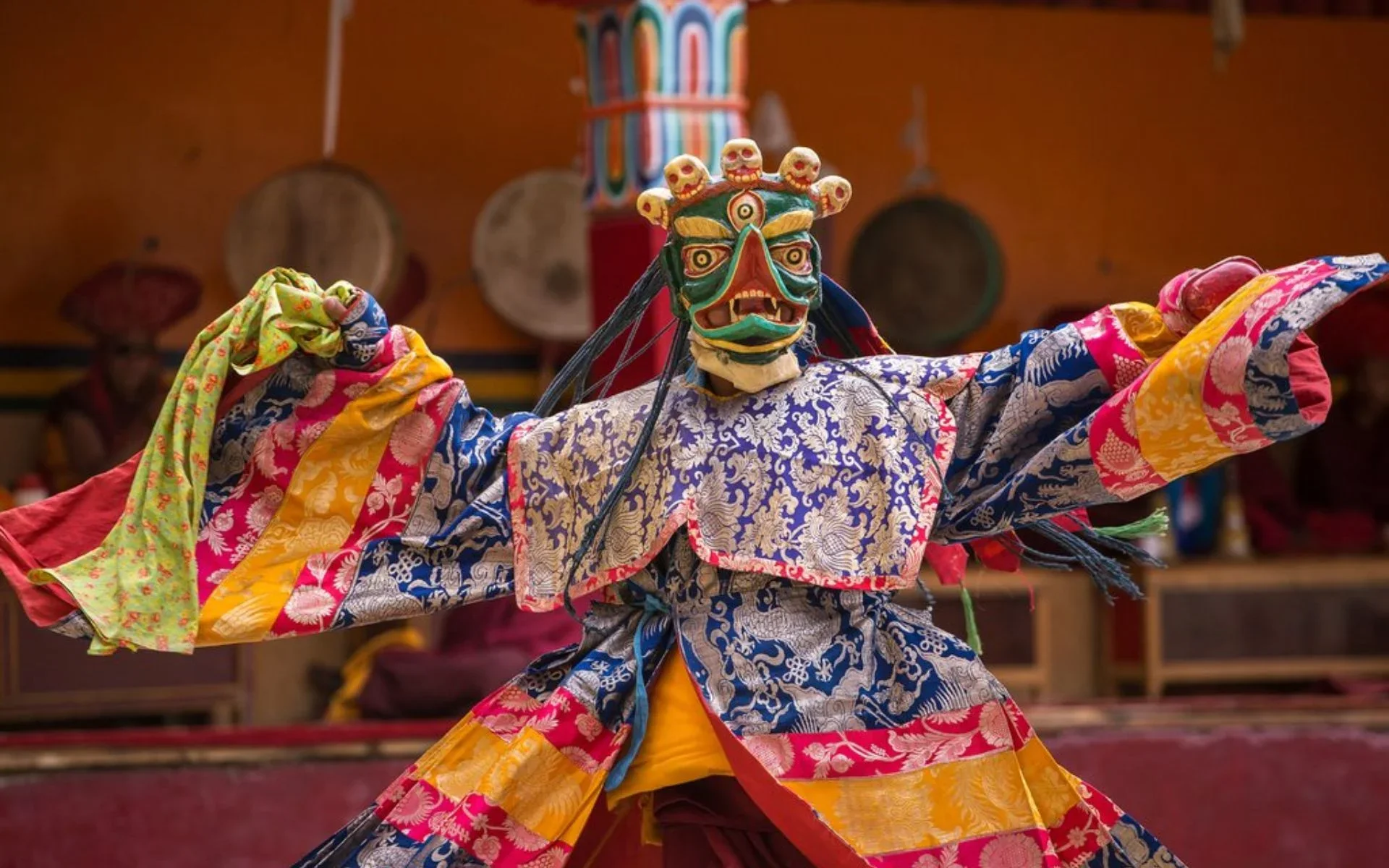
If your priority is the Tiji Festival, plan around May, when this three-day Buddhist ritual takes place in Lo Manthang. Exact dates shift yearly with the Tibetan lunar calendar, so confirm the current year's dates well in advance and book lodges early, since Lo Manthang fills up fast during the festival.
If your priority is empty trails and a quieter, more contemplative version of the plateau, November and early March offer stable weather with a fraction of the peak-season foot traffic. You trade a bit of warmth for genuine solitude on trails that feel busy during September and October.
Rainfall in Upper Mustang: The Monsoon Exception
Upper Mustang receives only a fraction of the rainfall that soaks the rest of Nepal, typically well under 250 mm annually. Because it sits behind the main Himalayan range in the rain shadow, the June to August monsoon that closes most Nepal trails is actually a prime, dry trekking window here, with clear mornings and warm days.
This is the single most useful fact for anyone planning a summer trip to Nepal. When Kathmandu and the Annapurna foothills are choked with rain, mud, and leeches, groups still head up to Lo Manthang under blue skies. Timing a Nepal visit around this rain-shadow quirk unlocks a trek most travelers never consider.
That said, "dry" doesn't mean rainless. Occasional afternoon showers roll in during peak monsoon, and the drive along the Kali Gandaki can get muddy or slip-prone during heavy rain in Lower Mustang. The higher desert plateau itself stays reliably dry, but factor in 1–2 buffer days for road delays on the Jomsom section.
Wind and Dust: The Real Daily Challenge
Wind, not rain, is the defining weather feature of Upper Mustang. Strong gusts funnel up the Kali Gandaki valley almost every afternoon, usually intensifying after 11:00 AM and carrying fine dust that stings eyes and coats gear. Morning starts are calm and clear, which is why local guides always push for early departures.
Wind and Sun Gear Checklist
Buff or face covering for dust and wind
Quality sunglasses or wind goggles
Lip balm with SPF, reapplied often
High-SPF sunscreen, non-negotiable on this trail
A wide-brim sun hat in addition to a warm hat for evenings
Dry air, wind, and altitude sun combine to crack lips and skin within days. The reflective, treeless terrain amplifies UV exposure well beyond what most trekkers expect, so don't treat sun protection as optional here.
Best Time to Trek Upper Mustang
The best times to trek Upper Mustang are the shoulder seasons of March to May and September to November, plus the unique monsoon window of June to August when the rain shadow keeps it dry. Spring and autumn offer the most stable temperatures, while summer provides solitude and clear skies when the rest of Nepal is unwalkable.
Winter (December to February) is technically possible but harsh. Night temperatures crash to -15°C, many teahouses in the upper villages close for the season, and high winds make the experience punishing rather than rewarding. Deep winter is best left to experienced trekkers specifically seeking empty trails.
For comparison, most other Nepal treks follow the opposite pattern, favoring autumn and spring only. See our guide to the best time for the Annapurna Circuit Trek if you're weighing Upper Mustang against a classic circuit itinerary.
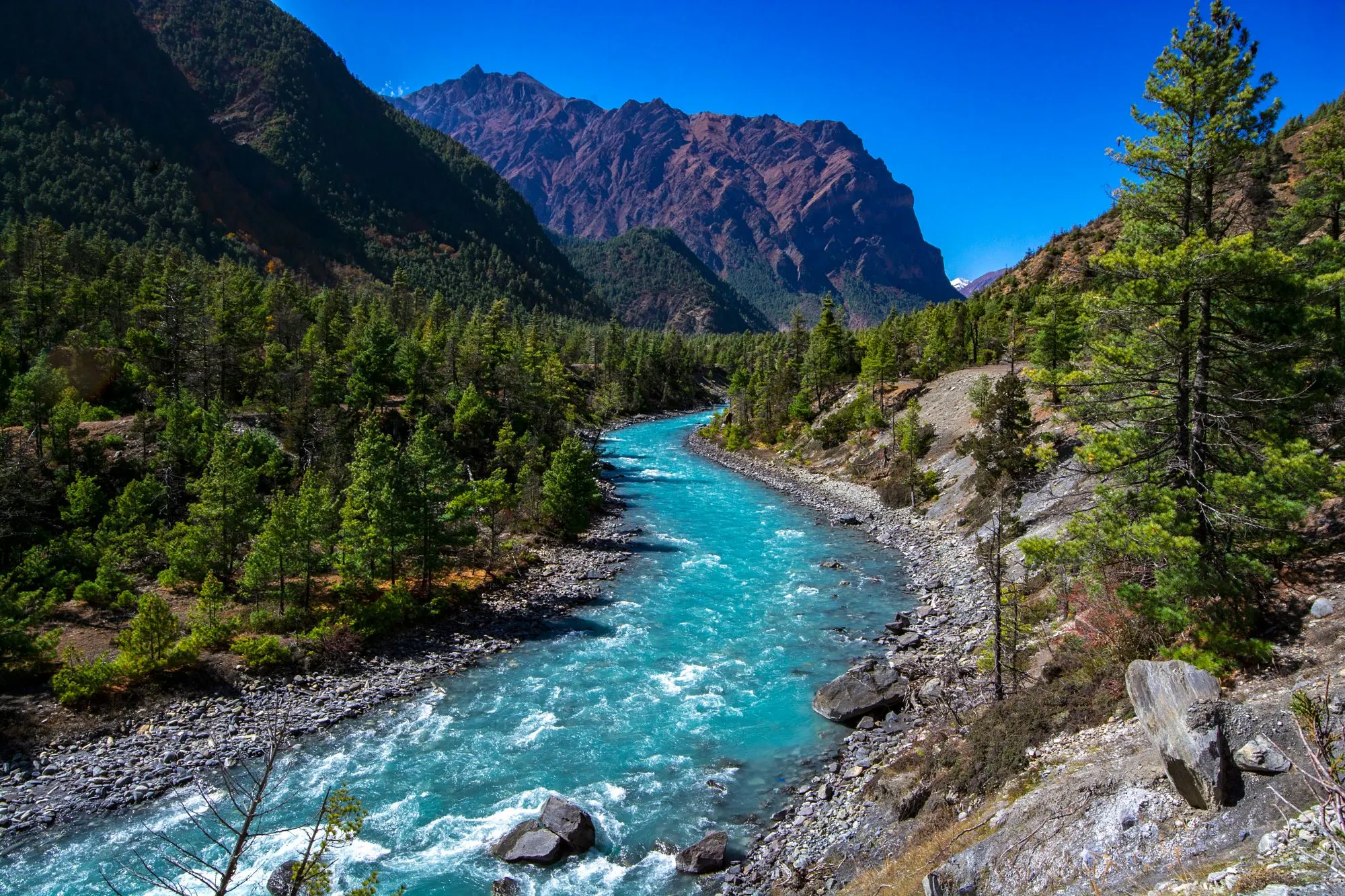
Annapurna Circuit Trek Packages – Cost, Itinerary & 12, 14 or 16 Day Options
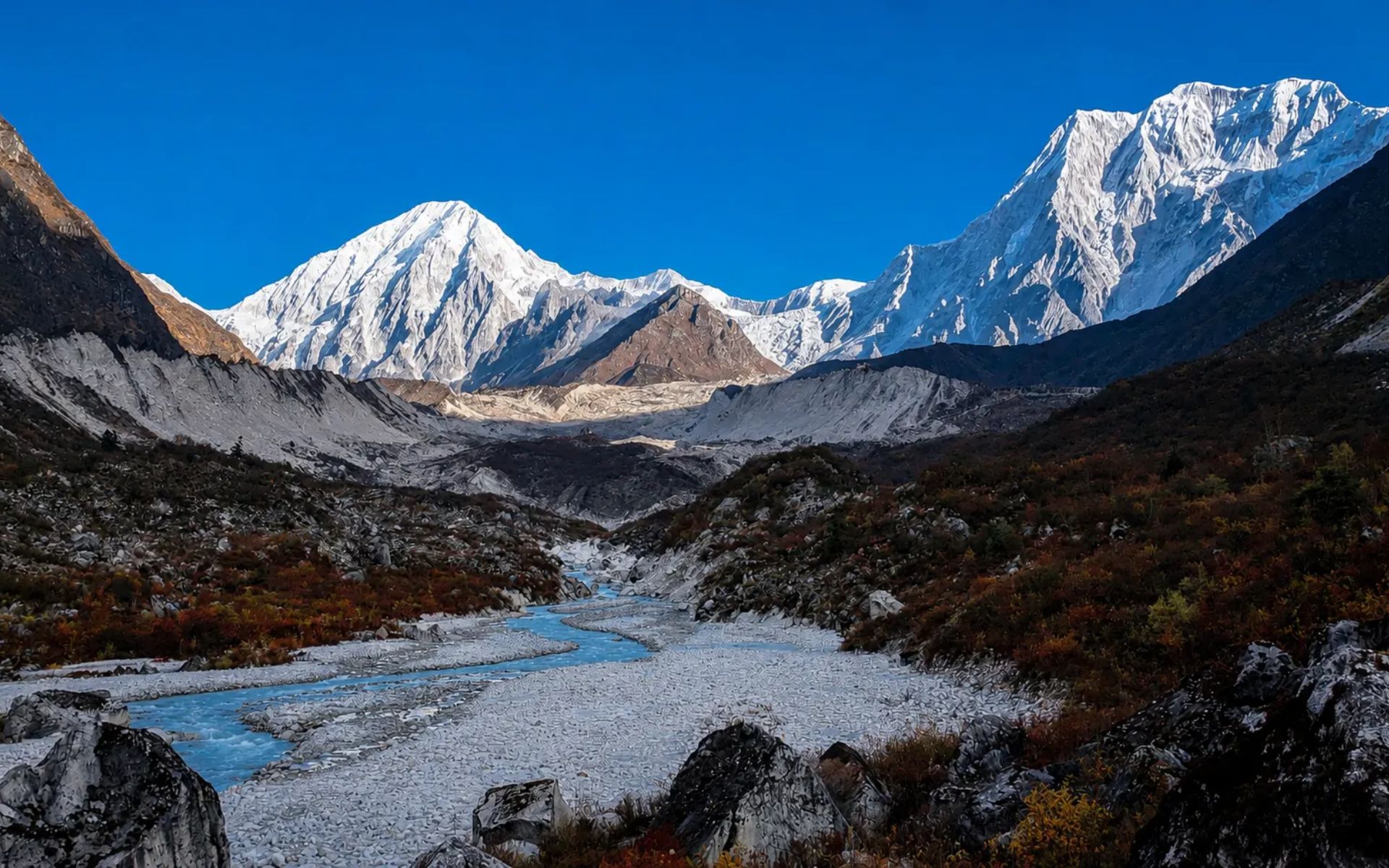
Manaslu Circuit Trek Packages – Cost, Permit & 12, 14 or 16 Day Options
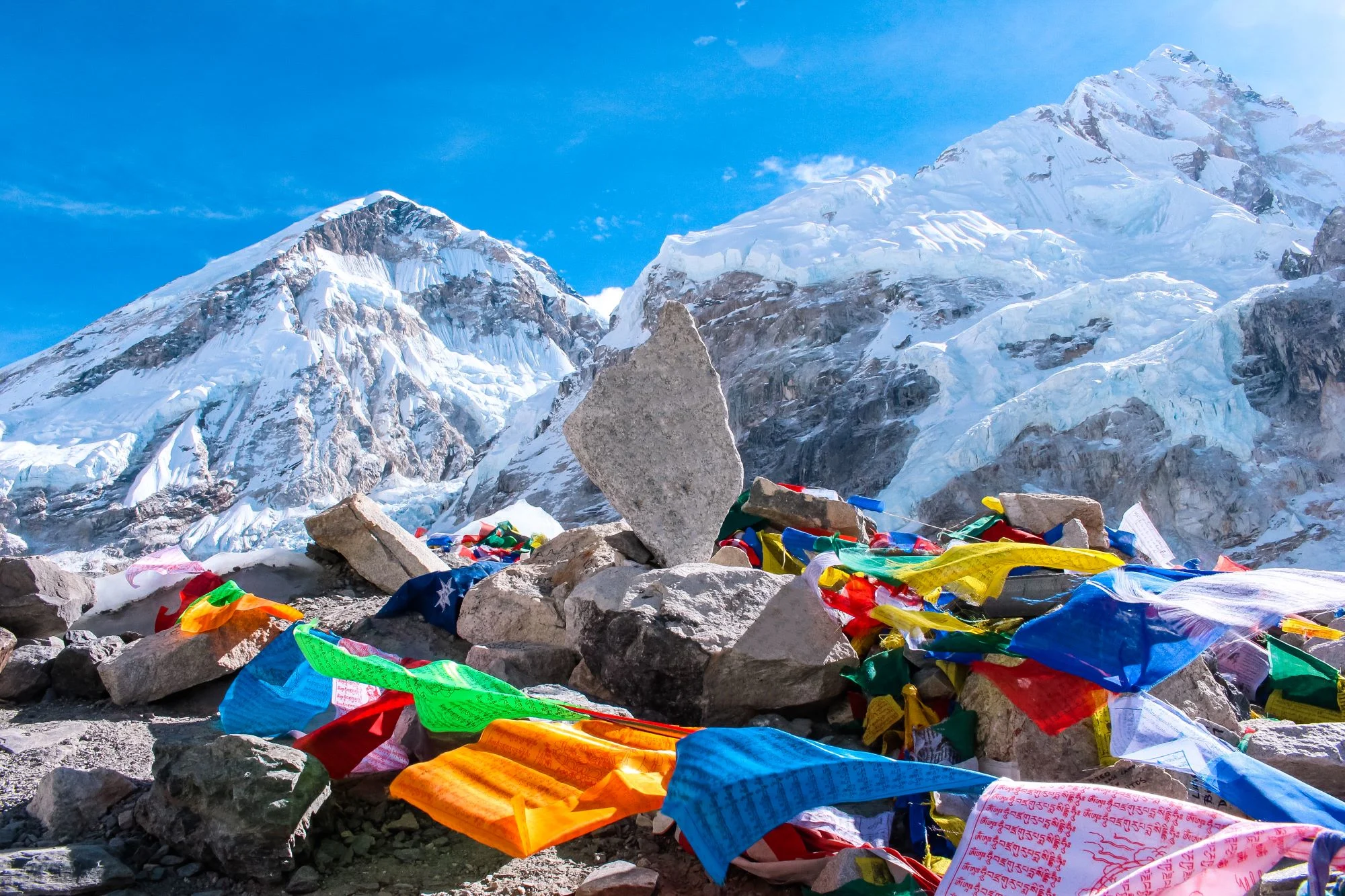
Everest Base Camp Trek Packages – Cost, Itinerary & 12, 14 & 16 Day Options
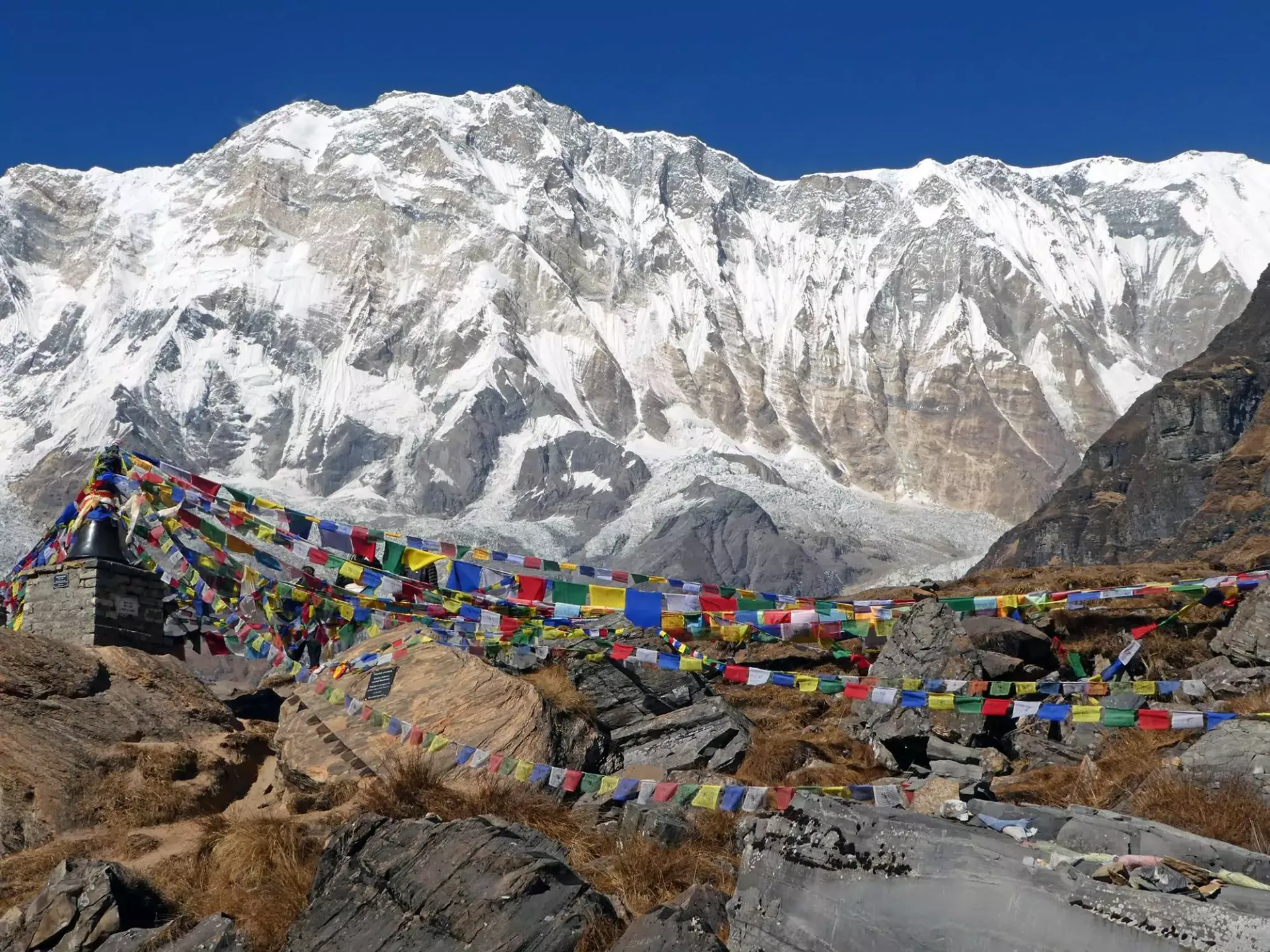
Annapurna Base Camp Trek Packages – Cost, Itinerary & 9 or 12 Day Options
Getting There and Weather-Related Logistics
Most Upper Mustang treks begin with a flight from Pokhara to Jomsom (2,720 meters), a short but weather-sensitive hop. Morning flights are standard because the same afternoon winds that batter the trail also ground aircraft. Delays and cancellations are common, so build in 1–2 buffer days on both ends of your itinerary.
An increasingly popular alternative is the jeep road from Pokhara up the Kali Gandaki. It's dusty and long, but reliable when flights are grounded.
The plateau's dry weather is a blessing for road travel, but the Lower Mustang section around Jomsom can get muddy in monsoon. That road doubling as the trekking trail is exactly why we route groups onto quieter side paths wherever possible to escape vehicle dust.
Frequently Asked Questions
Is Upper Mustang wet during the monsoon?
No. The Himalayan rain shadow keeps it dry from June to August, making it one of the few Nepal treks that stays clear and leech-free during the monsoon. Occasional afternoon showers occur, but the plateau remains reliably dry.
What is the coldest month in Upper Mustang?
January is the coldest, with Lo Manthang night temperatures dropping to -15°C or lower. Many upper-village lodges close in deep winter, so most trekkers avoid December through February.
Do I need a guide to trek Upper Mustang?
Yes. It's a Restricted Area, and a licensed guide is mandatory under 2026 rules. Solo trekking without a guide is not permitted, though a single trekker can now obtain the permit.
How much does the Upper Mustang permit cost?
The Restricted Area Permit is $500 USD for 10 days plus $50 USD per extra day. You also need the ACAP at NPR 3,000 (for foreigners).
What is the best time to see the Tiji Festival?
The Tiji Festival takes place in Lo Manthang, usually in May, over three days. Exact dates follow the Tibetan lunar calendar and shift yearly, so confirm the current year's dates early and book lodges ahead.
How windy does Upper Mustang get?
Very windy. Strong dusty gusts funnel up the Kali Gandaki most afternoons after about 11:00 AM. Start walking early to reach the next village before the wind rises.
Can I drink tap water on the trek?
Not untreated. Use a reusable bottle with a UV purifier, filter, or purification drops. Avoid buying plastic bottled water to protect the desert environment.
Is there mobile signal in Upper Mustang?
Ncell covers much of the corridor, but signal weakens near Lo Manthang. Carry an NTC SIM as backup, and don't rely on data in the far northern villages.
How high is Lo Manthang?
Lo Manthang sits at 3,840 meters. The trek crosses several passes near 4,000 meters, so proper acclimatization is important despite the moderate peak elevation.
Do flights to Jomsom get cancelled often?
Yes, especially due to afternoon winds. Flights run in the morning, and delays are common. Always build in 1–2 buffer days in your itinerary.
Is Upper Mustang a good trek to do during Nepal's monsoon season?
Yes, it's one of the best options. While the Annapurna and Everest regions are wet and cloud-covered from June to August, Upper Mustang's rain-shadow location keeps it dry and clear during the same window.
Conclusion
Upper Mustang rewards travelers who understand its rhythm: dry when others are wet, calm at dawn and fierce by noon, warm in the sun and frozen after dark. Get the timing and gear right, and it delivers one of the most otherworldly cultural treks in the Himalaya.
Pack Upper Mustang like a desert expedition with cold nights: wind and sun protection first, a smart layering system, dust management, reliable water purification, and plenty of cash. Get those right and the walled kingdom of Lo rewards you with some of the most dramatic and culturally rich scenery in the entire Himalaya.
Ready to Trek Nepal?
Planning your Upper Mustang trek? Walk Through Nepal can help you choose the right itinerary, prepare for the terrain, and arrange the logistics for your trip.