Contents
The Annapurna Circuit rewards you differently depending on when you lace up your boots. The same trail that offers crisp, poster-perfect mountain views in October can hand you thigh-deep snow at Thorong La (5,416 meters) in January, or rhododendron forests glowing red in April. Choosing the right month is the single biggest decision you'll make for this trek, and it shapes everything from your views to your safety at the high pass.
We put together this month-by-month breakdown from years of coordinating treks across the Annapurna region. Below you'll find honest seasonal guidance, a quick-decision table, and specific advice based on what matters most to you.
When Is the Best Time for the Annapurna Circuit Trek?
The best time for the Annapurna Circuit is October to November for the most reliable weather and visibility, with March to April as the strongest alternative. April and May bring rhododendron blooms, while March and late November offer fewer crowds. Monsoon and winter are possible but demand extra preparation and flexibility.
The word "best" really depends on your priorities. Clear mountain views, comfortable temperatures, snow conditions at the pass, crowd levels, green landscapes, and lower-season pricing all point toward different windows. Spring and autumn remain the two primary trekking seasons, and October and November stand out for stable, dry conditions.
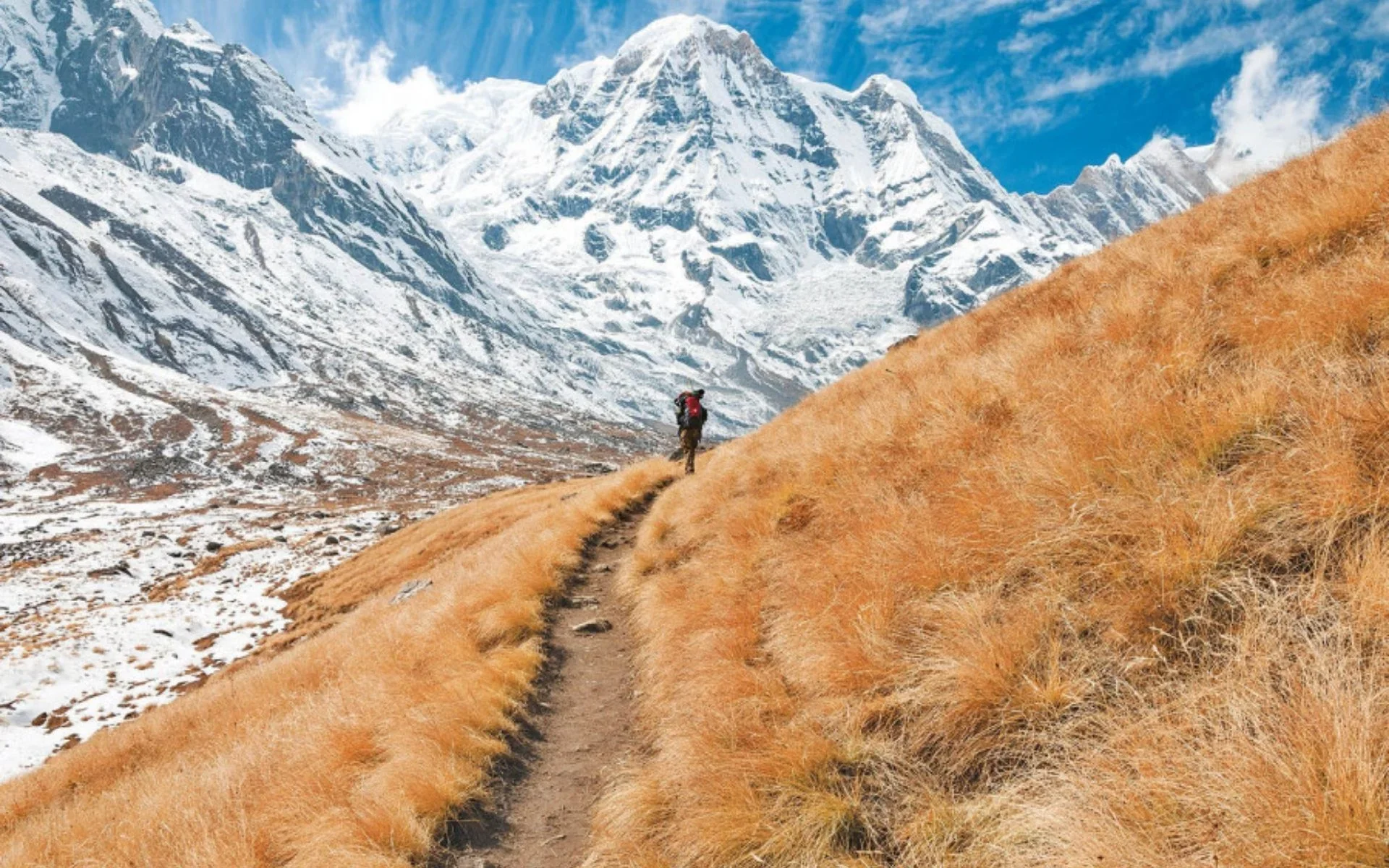
Annapurna Circuit Trek Best Time at a Glance
Here is your quick decision table before we get into the details of each season and month.
Season | Months | Weather | Trail Conditions | Crowds | Overall |
Spring | Mar–May | Mild & generally clear | Good | Moderate–High | ⭐⭐⭐⭐⭐ |
Monsoon | Jun–Aug | Wet lower areas | Mud / landslide concerns | Low | ⭐⭐ |
Autumn | Sep–Nov | Clear & stable | Excellent | High | ⭐⭐⭐⭐⭐ |
Winter | Dec–Feb | Very cold | Snow at high elevations | Low | ⭐⭐ |
For most trekkers, October and November deliver the most dependable overall conditions, while April is an excellent spring choice. Keep in mind conditions around Thorong La shift year to year with snowfall, so treat these as strong tendencies rather than guarantees.
Best Seasons for Annapurna Circuit Trek
Autumn — September to November
Autumn is the best overall season. After the monsoon rains flush the atmosphere clean, skies clear, trails firm up, and mountain visibility peaks. Conditions around Thorong La are generally at their most favorable, which is why this window sees the heaviest trekker traffic.
The three-month label is too broad if you're booking flights, so let's break it down:
September: Early September can still carry monsoon influence with lingering clouds and afternoon showers, especially in the lower valleys. Late September usually turns more attractive as the rains retreat.
October: The classic trekking month. Clear skies, excellent visibility, dry trails, and reliable high-altitude conditions. The trade-off is peak crowds and busy teahouses.
November: Still very good, with clear views and dry paths. Nights turn colder, and later in the month crowds thin as winter influence creeps in.
Spring — March to May
Spring is the second-best major window and the season of color. Warmer days, longer daylight, and rhododendron forests in full bloom make it a favorite for photographers and those who find autumn too busy.
March: Colder, with snow potentially remaining at higher elevations and around the pass. Early-season conditions can be variable.
April: An excellent balance of temperature, scenery, and trail conditions. One of the strongest choices of the entire year.
May: Warmer with lush greenery and blooming flowers, though haze and building clouds often creep in ahead of the monsoon, softening distant mountain views.
For the full breakdown of temperatures and precipitation, see our detailed Annapurna Circuit weather guide.
Is October the Best Month for Annapurna Circuit Trek?
For most trekkers, yes. October is arguably the best single month for the Annapurna Circuit. The post-monsoon atmosphere delivers clear mountain views, dry trails, and reliable conditions for the high-altitude sections, and Thorong La is usually in good shape for crossing.
The catch is popularity. October brings peak crowds, higher demand, and busy lodges, particularly in villages like Manang and around the pass. Advance planning and early daily starts help you stay ahead of the traffic. Mountain weather is never fully guaranteed, so don't assume October is automatically the safest month, but the odds are strongly in your favor.
Best Time for Annapurna Circuit Based on What You Want
Different travelers want different things from this trek. Match the month to your goal.
Best Time for Clear Mountain Views
October–November. The post-monsoon air is at its clearest, giving sharp views of Annapurna, Gangapurna, and the Marsyangdi valley walls.
Best Time for Rhododendron Flowers
April–May. The lower forests below Manang burst into red, pink, and white blooms during spring.
Best Time for Fewer Crowds
March and late November. These shoulder edges keep you off the busiest trail days while still offering workable conditions.
Best Time for Comfortable Temperatures
April and October. Mild days and manageable nights make these the most comfortable months overall.
Best Time for Thorong La Crossing
October–November and April. These windows generally offer the most stable snow and wind conditions at the pass. Read our dedicated Thorong La Pass guide before you commit.
Best Time for a Quieter Trek
Shoulder months and low season, with the honest caveat that quieter periods often come with less predictable weather and reduced lodge services.
Annapurna Circuit Trek Month-by-Month
Here is the complete year at a glance. Note that we describe Thorong La by conditions and risk rather than rigid open/closed claims, because snowfall varies significantly from year to year.
Month | Weather | Mountain Views | Thorong La Conditions | Crowds | Verdict |
January | Very cold | Often clear | Snow risk | Low | Challenging |
February | Cold | Often clear | Snow risk | Low | Challenging |
March | Warming | Good | Snow may remain | Moderate | Good |
April | Mild | Excellent | Generally favorable | High | Excellent |
May | Warmer | Good | Generally accessible | Moderate–High | Good |
June | Wet lower sections | Variable | Variable | Low | Challenging |
July | Monsoon | Poorer | Variable | Very low | Difficult |
August | Monsoon | Variable | Variable | Very low | Difficult |
September | Improving | Increasingly good | Improving | Moderate | Good late month |
October | Stable | Excellent | Excellent | Very high | Best |
November | Cool / dry | Excellent | Generally good early | High | Excellent |
December | Cold | Often clear | Snow risk increases | Low | Challenging |
Annapurna Circuit Trek in Winter
You can trek the Annapurna Circuit in winter, but December through February is a cold, quiet season with genuine snow risk at high elevations. Views can be stunningly clear, yet Thorong La may become difficult or temporarily impassable after heavy snowfall. Winter suits experienced, well-equipped trekkers who stay flexible and rely on current local conditions.
December
Early December often holds decent conditions before the deep cold sets in. As the month progresses, temperatures drop sharply and snow risk grows at higher elevations, particularly near the pass.
January
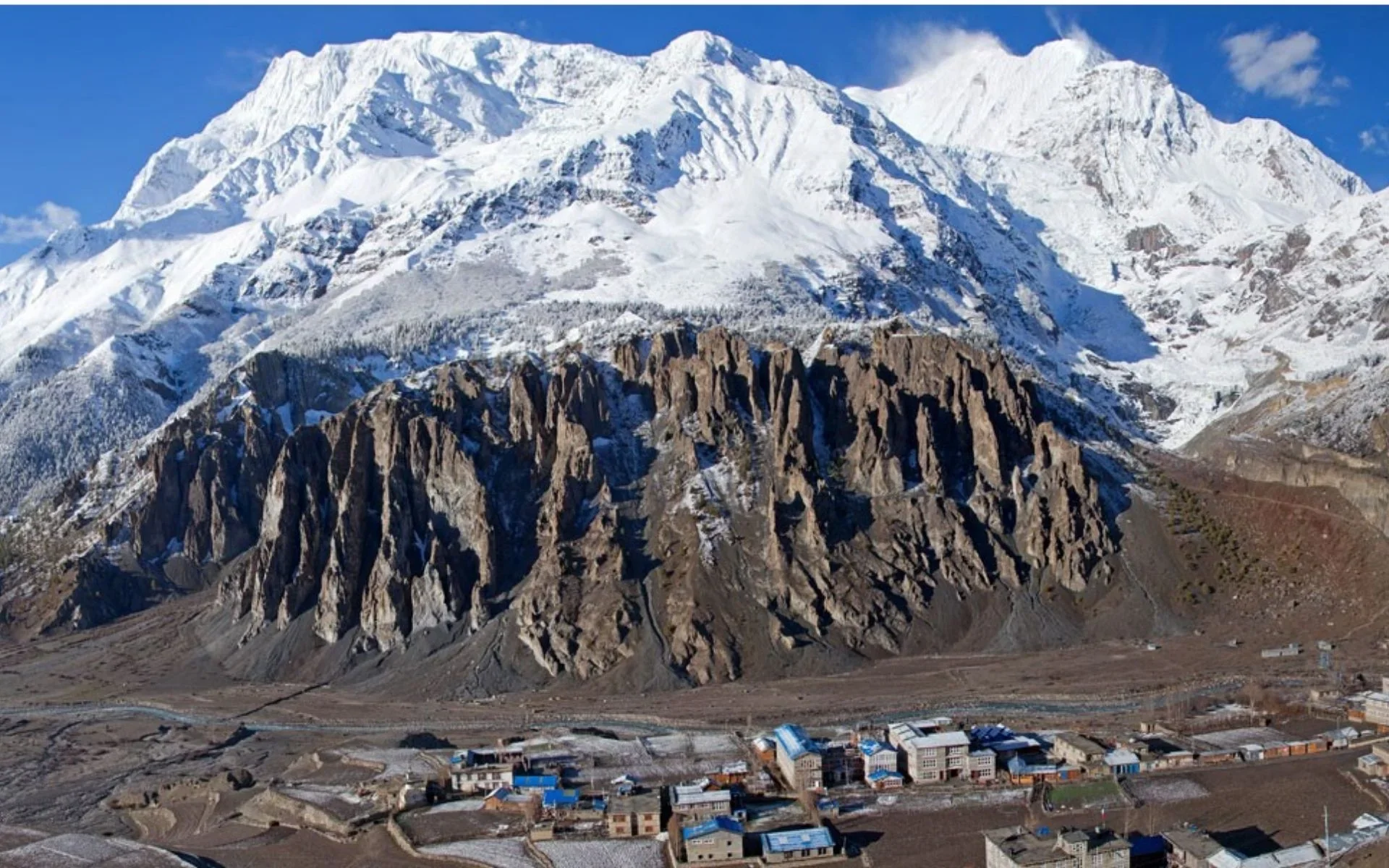
The coldest period of the year. Significant snow concerns can make Thorong La difficult, and some higher teahouses close for the season. Nights are brutally cold above 3,000 meters.
February
Still firmly winter, with snow lingering at altitude, though conditions gradually begin transitioning toward spring by late month.
Winter works for experienced trekkers, those genuinely prepared for cold, flexible travelers, and anyone carrying up-to-date trail information. Review the Annapurna Circuit packing list carefully before a cold-season attempt.
Annapurna Circuit Trek During Monsoon
Can You Trek the Annapurna Circuit During Monsoon?
Yes, but it is not the preferred season for most trekkers. The lower Marsyangdi valley receives heavy rain, mud, leeches, and landslide risk, along with occasional road disruptions and poorer visibility. That said, the upper circuit behaves very differently.
The Manang and upper circuit sections benefit from a rain-shadow effect, staying markedly drier than the soggy lower valleys. The Mustang side beyond the pass is relatively dry throughout summer. This is the same Himalayan rain-shadow logic that makes Upper Mustang and Upper Dolpo premier monsoon destinations elsewhere in Nepal.
If you trek in monsoon, plan for slippery lower trails, build in buffer time for road delays, and manage expectations on views low down. For a deeper look at rainfall patterns, our weather guide covers it month by month.
Best Time for Thorong La Pass
The best time to cross Thorong La (5,416 meters) is October–November and April, when snow, wind, and visibility are typically most manageable. Winter crossings demand serious caution due to snow accumulation and extreme cold. Weather at this elevation changes fast, so timing your crossing well matters more than almost anywhere else on the trek.
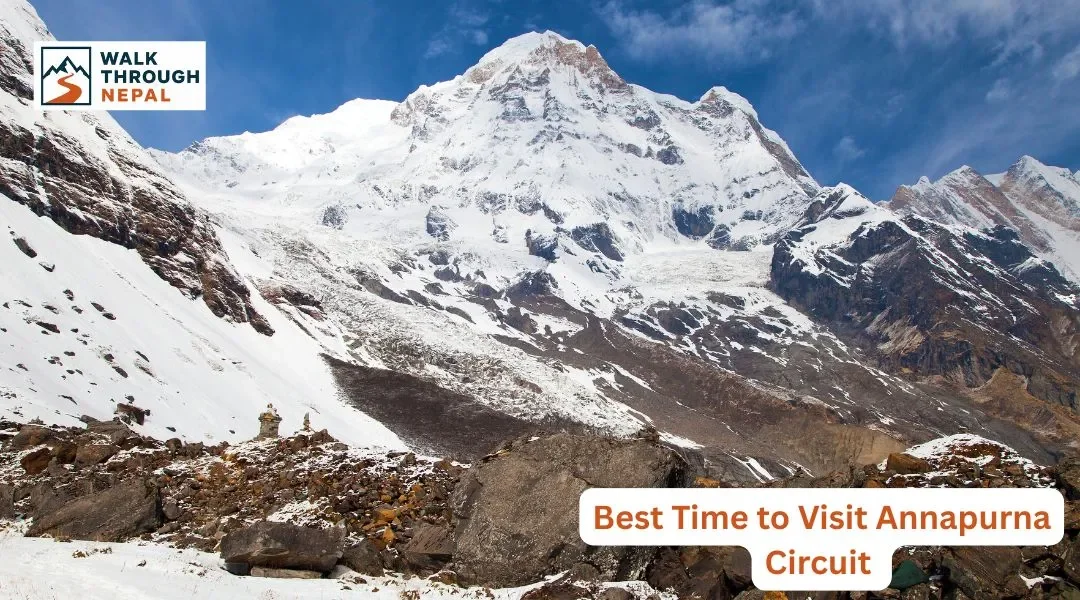
Snow depth determines whether the pass is a straightforward long climb or a knee-deep slog. High winds and whiteout visibility are the main hazards. Autumn and spring generally offer the best balance, while December through February raises the difficulty considerably. Whatever the season, proper acclimatization is non-negotiable: above 3,000 meters, keep your sleeping elevation gain to 300–500 meters per day and take mandatory rest days, especially in Manang. Our full altitude and acclimatization guide walks through the safe ascent profile, and the Thorong La Pass guide covers the crossing itself.
Best Time for Annapurna Circuit Based on Weather
If weather is your main filter, use this quick matrix rather than reading the full seasonal breakdown again.
Weather Priority | Best Time |
Clear skies | October–November |
Warmest comfortable trekking | April–May |
Lowest rainfall | Autumn |
Snow-free high-altitude conditions | Main spring / autumn windows |
Avoiding monsoon | October–November / March–April |
Winter snow scenery | December–February (added difficulty) |
Best Time for Annapurna Circuit Based on Crowds
Crowd levels swing hard with the seasons. Peak crowds land in October–November and parts of spring. Moderate traffic falls in March, May, and September. The lowest numbers come during monsoon and winter.
Here's the important nuance: fewer trekkers don't automatically mean a better trek. Low-season quiet often comes bundled with reduced accommodation availability, closed teahouses at altitude, weather disruptions, snow, or rain. A quiet trail in January is quiet for a reason.
Best Time for Annapurna Circuit Based on Budget
Peak season generally means higher demand and busier logistics, while off-season can be cheaper and quieter. But choosing a low season purely to save money can backfire if weather disrupts your flights, road transport, or the pass crossing. The savings rarely justify a failed trek.
For a full cost breakdown across seasons, see our Annapurna Circuit cost and budget guide.
Best Time for Beginners vs Experienced Trekkers
For first-time trekkers, October, November, and April are ideal. You get more predictable conditions, better visibility, a fully active teahouse network, and easier logistics overall. The margin for error is much larger when the weather cooperates.
Experienced trekkers comfortable with changing conditions can consider shoulder seasons like March, May, and late September. Winter and monsoon are less about "expert only" and more about flexibility, current local information, and a willingness to adjust plans on the fly. If you're unsure how the trek's physical demands match your fitness, our difficulty guide is a useful reality check.
How Long Should You Plan Around the Best Season?
Weather windows should shape how much flexibility you build into your plan. High-pass crossings shouldn't be rushed, and contingency time is invaluable in unpredictable seasons. A rigid, fixed schedule works against you in winter or monsoon when snow or rain can force an extra rest day.
We always recommend padding your plan with buffer days regardless of season. For a full day-by-day structure and the trail sequence through Besisahar, Chame, Manang, and over the pass to Muktinath and Jomsom, see our route map, stops, and elevation guide.
Best Time for Annapurna Circuit Trek: Our Verdict
Best Overall — October: Clear skies, dry trails, and excellent mountain visibility, balanced against peak crowds.
Best Alternative — April: Spring scenery, rhododendron blooms, warmer days, and good visibility.
Another Excellent Choice — November: Clear skies and superb views, colder nights, and thinning crowds later in the month.
For flowers: April–May. For fewer crowds: March and late November. For monsoon travelers: the upper circuit and Mustang side, with caution. For winter travelers: only with appropriate preparation and flexibility.
A Few Practical Reminders for Any Season
Whatever month you pick, a few realities hold year-round. Under current Nepal regulations, most trekkers are strongly encouraged or required to trek with a licensed guide, and rules can change, so verify before departure. Carry adequate Nepalese Rupees (NPR) in cash, since ATMs are scarce past Jomsom and lodges charge extra for services like charging power banks, hot showers, and Wi-Fi, often 200 to 700 NPR per use.
FAQs
What is the best time for the Annapurna Circuit Trek?
October and November for the most reliable weather and views, with April as the top spring alternative. Your ideal month depends on whether you prioritize views, flowers, crowds, or temperature.
Which month is best for the Annapurna Circuit Trek?
October, thanks to post-monsoon clear skies, dry trails, and favorable Thorong La conditions. Expect the biggest crowds during this window.
Is November good for the Annapurna Circuit Trek?
Yes. November offers excellent visibility and dry trails with slightly colder nights and gradually thinning crowds as the month goes on.
Is April good for the Annapurna Circuit Trek?
Very. April balances mild temperatures, blooming rhododendrons, and generally favorable pass conditions, making it the strongest spring month.
Can you trek the Annapurna Circuit in March?
Yes. March is a good early-spring month, though it can be colder with snow lingering at higher elevations and around the pass.
Can you trek the Annapurna Circuit in December?
Yes, but it's a cold, quiet season with rising snow risk at altitude. It suits well-prepared, flexible trekkers carrying current trail information.
Can you trek the Annapurna Circuit during monsoon?
Yes, though it's not preferred. Lower valleys are wet and muddy, but the upper circuit and Mustang side stay drier due to the rain shadow.
Is the Annapurna Circuit open in winter?
The trail remains accessible in winter, but heavy snow can make Thorong La difficult or temporarily impassable, and some high teahouses close seasonally.
Which month has the best mountain views?
October and November deliver the clearest, sharpest Himalayan views thanks to the clean post-monsoon atmosphere.
What is the least crowded time for the Annapurna Circuit?
Monsoon and winter see the fewest trekkers, followed by shoulder edges like March and late November. Fewer crowds often mean less predictable conditions.
What is the best time for the Annapurna Circuit for beginners?
October, November, and April, when predictable weather, good visibility, and a fully active teahouse network make logistics easiest.