Contents
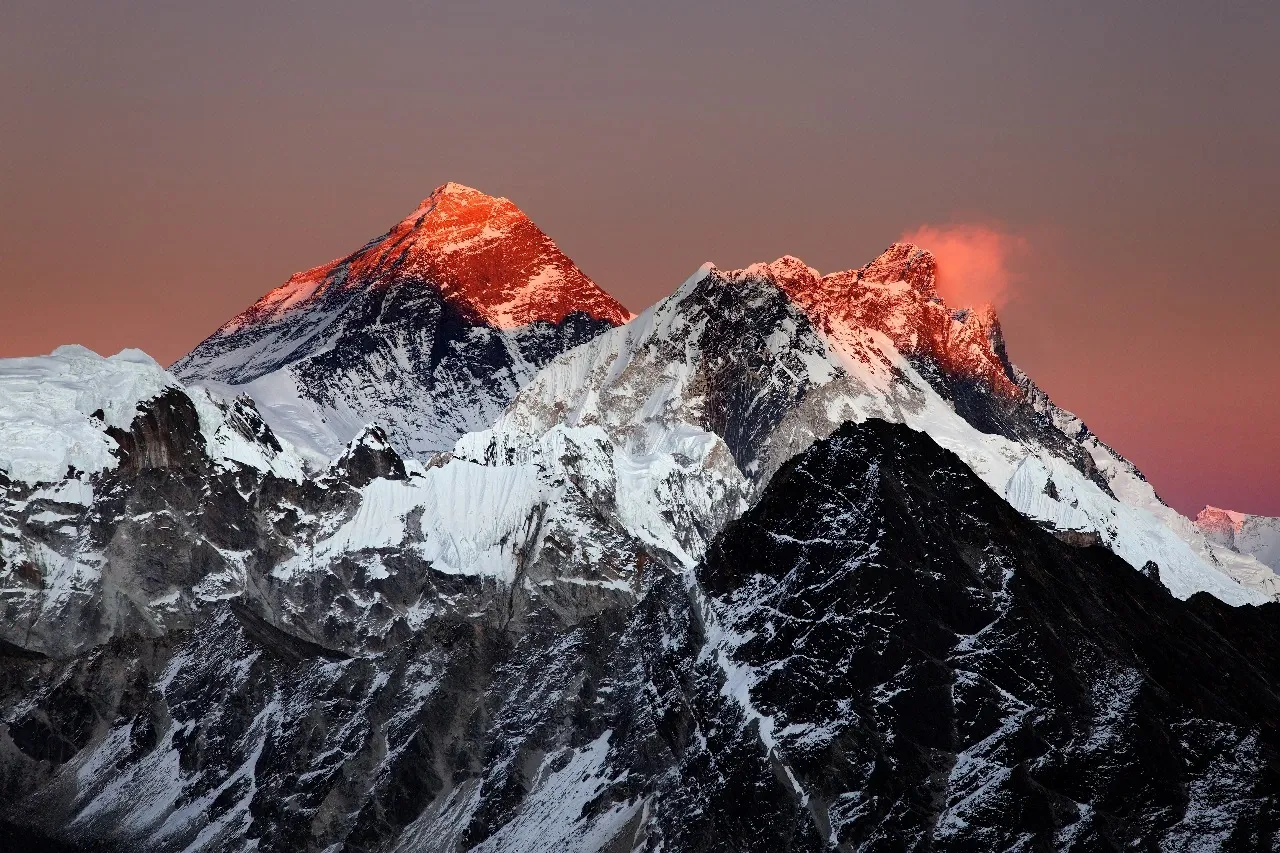
Mount Everest is climbed by hundreds of people every season, but it remains one of the most dangerous mountains on Earth, and the 1996 Everest disaster is the clearest reminder of why. Over two days in May 1996, a sudden storm caught multiple commercial expeditions high on the mountain, and eight climbers didn't make it back down.
This guide walks through what happened, why it happened, the people at the center of the story, how the disaster compares to Everest's other major tragedies, and what actually changed in Everest climbing afterward. We've tried to keep this factual and free of the sensationalism that's crept into a lot of coverage of this event over the years.
What Happened in the 1996 Everest Disaster?
On May 10 and 11, 1996, a sudden, severe storm struck Mount Everest's upper mountain while climbers from multiple commercial expeditions, including teams led by Rob Hall and Scott Fischer, were attempting the summit, resulting in eight deaths over those two days.
Climbers were caught above their high camps as the storm hit, delayed by bottlenecks on the route earlier in the day. Exhausted, low on oxygen, and struggling to see in whiteout conditions, several climbers were unable to descend before the worst of the storm overtook them. The event became internationally known partly because of its scale, and partly because journalist Jon Krakauer, who was on the mountain that season on assignment, later wrote about it in detail.
What Made May 10, 1996 So Dangerous?
Several conditions combined that day: a storm that arrived with little warning, the extreme high-altitude environment above 8,000 meters, unusually long summit-day timelines caused by delays, dangerous traffic bottlenecks at technical sections of the route, limited supplemental oxygen for climbers who spent far longer above camp than planned, and an increasingly difficult descent as visibility and temperatures dropped.
No single factor caused the disaster on its own. It was the combination of all of them, arriving on the same day, that made May 10 so dangerous.
Who Was Involved in the 1996 Everest Disaster?
Several expeditions were on the mountain that day, but two commercial teams became the central focus of nearly every account of what happened.
Adventure Consultants Expedition
Adventure Consultants, led by New Zealand guide Rob Hall, was a 19-person expedition that included eight paying clients aiming for the summit on May 10, 1996. Hall's company was one of the most respected commercial operators on Everest at the time, known for a strong safety record in the years leading up to 1996.
The team included guides, clients of varying experience levels, and a support team of Sherpa climbers. Hall's expedition summited later than planned, a delay that would prove critical once the storm arrived.
Mountain Madness Expedition
Mountain Madness, led by American guide Scott Fischer, was a rival commercial expedition summiting on the same day as Adventure Consultants. Fischer's team included guides such as Anatoli Boukreev, along with a group of paying clients that included journalist Jon Krakauer, who was on assignment for Outside magazine.
Like Hall's team, Mountain Madness experienced delays on summit day, and several of its climbers and guides were caught in the same storm on the descent.
Rob Hall and Scott Fischer
Rob Hall and Scott Fischer became the central figures in most accounts of the 1996 disaster, largely because both were highly experienced, well-respected expedition leaders, and both died on the mountain during the storm. Their deaths, more than any other single detail, are what turned this into one of the most widely covered stories in mountaineering history.
The 1996 Everest Disaster Timeline
Understanding the timeline matters because the disaster wasn't caused by one single event. It developed gradually, through a chain of weather, altitude, delays, exhaustion, and difficult decisions made over roughly 36 hours.
May 10: Summit Attempts Begin
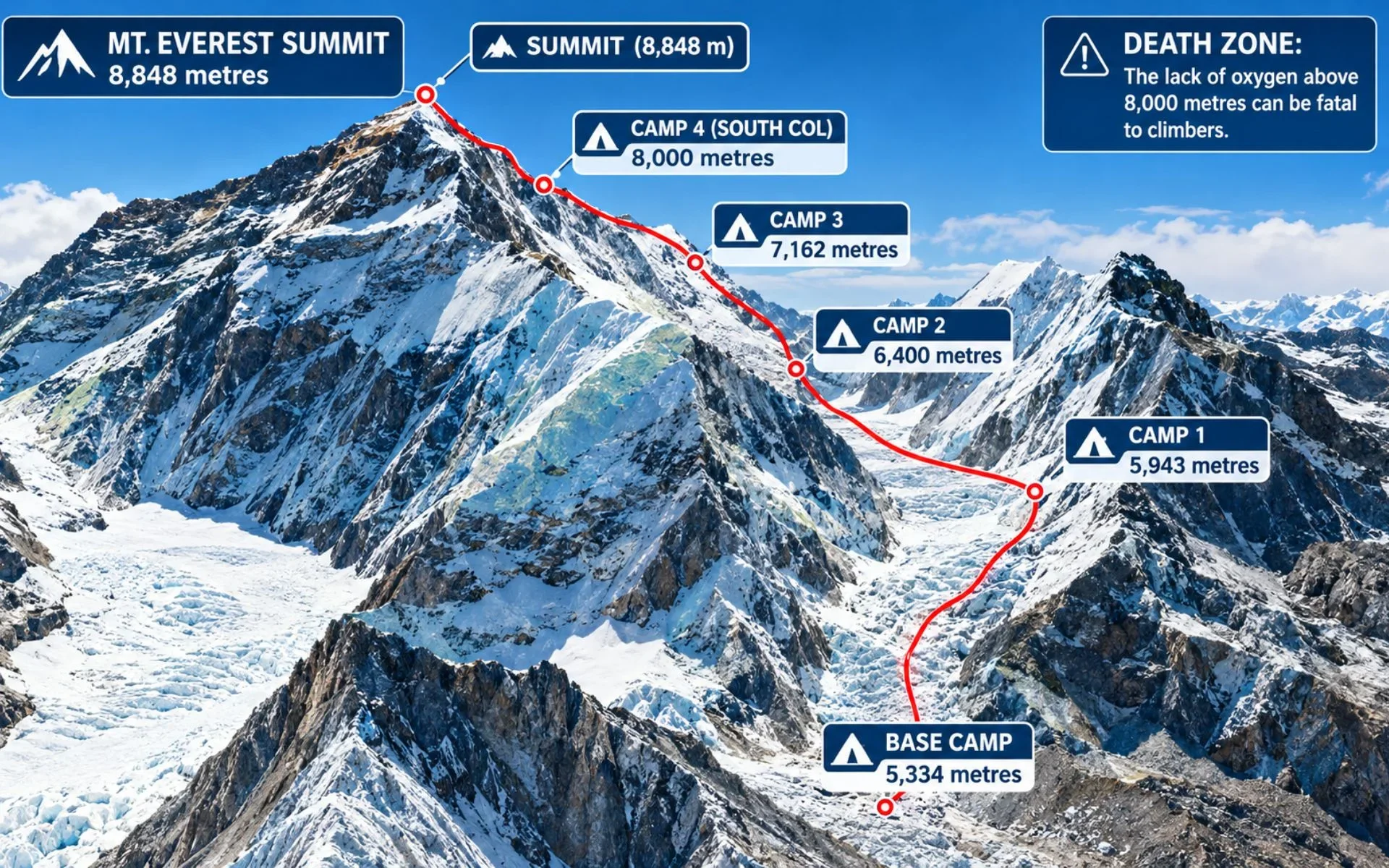
Multiple expeditions left Camp IV on the South Col in the early hours of May 10, aiming for a summit push. Weather reports in the days before had flagged a developing storm, though the exact timing and severity weren't fully clear to expedition leaders at the time.
Delays on the Route
Because several expeditions were climbing on the same day, climbers backed up at technical sections of the route, including areas near the Hillary Step, where fixed ropes hadn't yet been properly prepared. These bottlenecks pushed many climbers well past their planned summit times.
Storm Moves Onto Everest
By late afternoon on May 10, a severe storm moved onto the upper mountain, bringing heavy snow, high winds, and dramatically reduced visibility right as many climbers were still descending from the summit or hadn't yet turned back.
Climbers Struggle to Descend
Exhausted from the delays and running low on supplemental oxygen, several climbers became disoriented in whiteout conditions on the descent. Some became separated from their groups, while others were unable to move quickly enough to reach the safety of Camp IV before nightfall.
May 11: Rescue and Survival Efforts
Through the night and into May 11, guides and Sherpa climbers who had reached camp mounted rescue efforts for those still stranded higher on the mountain, in extremely difficult conditions. Some climbers were successfully brought down; others could not be reached in time.
Why Did So Many Climbers Die on Everest in 1996?
There's no single cause of the 1996 disaster. It resulted from several factors interacting at once, each one making the others more dangerous.
Sudden Severe Weather
The storm that hit on May 10 arrived faster and more severely than most expedition leaders had planned around, catching climbers in exposed, high-altitude terrain with little warning.
Delayed Summit Attempts
Bottlenecks earlier in the day pushed many climbers past the summit turnaround times their own guides would normally have enforced, meaning they were still high on the mountain when the storm hit.
Extreme Altitude and the Death Zone
Above 8,000 meters, in what climbers call the death zone, oxygen levels are too low to sustain the human body for extended periods. Judgment, physical coordination, and decision-making all deteriorate the longer a climber spends at that altitude, which made the delays on May 10 especially dangerous.
Limited Oxygen and Exhaustion
Climbers who spent far longer above Camp IV than planned began running low on supplemental oxygen during the descent, compounding the physical exhaustion that high altitude and bad weather were already causing.
Route Bottlenecks
Overcrowding at narrow, technical sections of the route slowed climbers down earlier in the day, a problem that has continued to affect Everest expeditions in the decades since.
Difficult Turnaround Decisions
Several climbers and guides continued toward the summit later than standard turnaround guidelines would normally recommend, decisions that, in hindsight, left less margin for error once the storm arrived.
Communication and Rescue Challenges
Radio communication between climbers, guides, and base camp was more limited in 1996 than it is today, making it harder to coordinate a rescue response once climbers began running into trouble on the descent.
How Many People Died in the 1996 Everest Disaster?
Eight people lost their lives on Everest during the May 10–11, 1996 disaster: five climbers on the southeast ridge, including Rob Hall and Scott Fischer, and three members of a Tibetan expedition on the north side.
It's worth distinguishing this from the total number of Everest deaths across the entire 1996 season, which reached 12 once other, separate incidents earlier and later in the season are included. The eight deaths from May 10–11 are what most people mean when they refer to "the 1996 Everest disaster," but they weren't the only fatalities on the mountain that year.
Rob Hall and the 1996 Everest Disaster
Who Was Rob Hall?
Rob Hall was a New Zealand mountaineer and the founder of Adventure Consultants, one of the most respected commercial guiding companies operating on Everest by the mid-1990s, known for a strong safety record before 1996.
What Happened to Rob Hall?
Rob Hall reached the summit later than planned on May 10, and remained high on the mountain with client Doug Hansen, who was struggling to descend. Hall stayed with Hansen rather than leaving him, and both men became trapped above the South Summit as the storm intensified and Hall's oxygen supply ran critically low.
Rob Hall's Final Hours
Hall was able to make radio contact with base camp through the night, including a call patched through to his wife, but his oxygen regulator eventually froze, making a further descent impossible in the extreme cold and wind. He died on the mountain, having stayed with his client rather than descending alone.
Scott Fischer and the 1996 Everest Disaster
Who Was Scott Fischer?
Scott Fischer was an experienced American mountaineer and the founder of Mountain Madness, a commercial guiding company that, like Adventure Consultants, was leading a paying expedition on Everest during the 1996 season.
What Happened to Scott Fischer?
Fischer summited later than planned on May 10, already fatigued from the climb, and became increasingly unable to descend as the storm worsened. He was found alive but unresponsive by Sherpa climbers attempting a rescue, and died on the mountain before he could be brought down to camp.
His Role in the Mountain Madness Expedition
As expedition leader, Fischer carried responsibility for a team that included guides, clients, and Sherpa support staff, and his death, alongside Hall's, became one of the two central losses that shaped how the disaster was covered and understood afterward.
What Happened to the Survivors?
Several climbers who were caught in the storm survived, some after enduring extreme exposure and frostbite. American client Beck Weathers, left for dead twice in the snow, was later found alive and rescued in one of the most widely reported survival stories from the disaster.
Guides and Sherpa climbers, including Anatoli Boukreev, carried out difficult rescue efforts in the storm, helping bring several stranded climbers down to Camp IV. Survivors' accounts of the disaster varied significantly depending on their position on the mountain, their role, and what they were able to see and remember under extreme physical stress. Jon Krakauer, who survived the disaster himself, went on to write about it in detail, though his account is one perspective among several, not a complete record of every decision made that day.
Into Thin Air and the 1996 Everest Disaster
Why Did Into Thin Air Become So Famous?
Into Thin Air, published by Jon Krakauer in 1997, became a bestselling account of the disaster partly because Krakauer was both a professional journalist and a participant in the events he described, and partly because the book arrived at a moment of growing public fascination with commercial Everest climbing.
Jon Krakauer's Account of the Disaster
Krakauer's book covers the buildup to the 1996 season, the summit attempt itself, and the storm's aftermath, including his own decisions and observations as a client on Fischer's expedition. It remains one of the most widely read books about Everest ever published.
Why Do Accounts of the Disaster Differ?
Several participants, most notably guide Anatoli Boukreev, disputed parts of Krakauer's account, particularly Krakauer's criticism of Boukreev's decision to descend ahead of his clients and his choice to climb without supplemental oxygen. Boukreev and co-author G. Weston DeWalt responded with their own book, The Climb, published in 1997, which credited Boukreev's rapid descent as a deliberate move that allowed him to mount a solo rescue of several stranded climbers later that night.
It's worth being clear that Into Thin Air is one detailed, well-documented account of the disaster, not an unquestionable objective record of everything that happened. Different climbers, positioned in different places on the mountain and operating under extreme stress, understandably remembered and interpreted events differently.
Other Major Everest Disasters
The 1996 disaster is the most widely known tragedy in Everest's history, but it isn't the only one. Several other events have shaped how the mountain is climbed today.
1924 Everest Expedition: Mallory and Irvine
British climbers George Mallory and Andrew Irvine disappeared during their 1924 summit attempt, last seen climbing toward the top before clouds closed in. Mallory's body was found in 1999, but whether the pair reached the summit before they died remains unresolved, making it one of mountaineering's enduring mysteries.
1970 Everest Disaster
On April 5, 1970, an avalanche in the Khumbu Icefall killed six Sherpa porters supporting a Japanese ski expedition, one of the earliest major tragedies involving Sherpa support staff on the mountain.
2014 Khumbu Icefall Avalanche
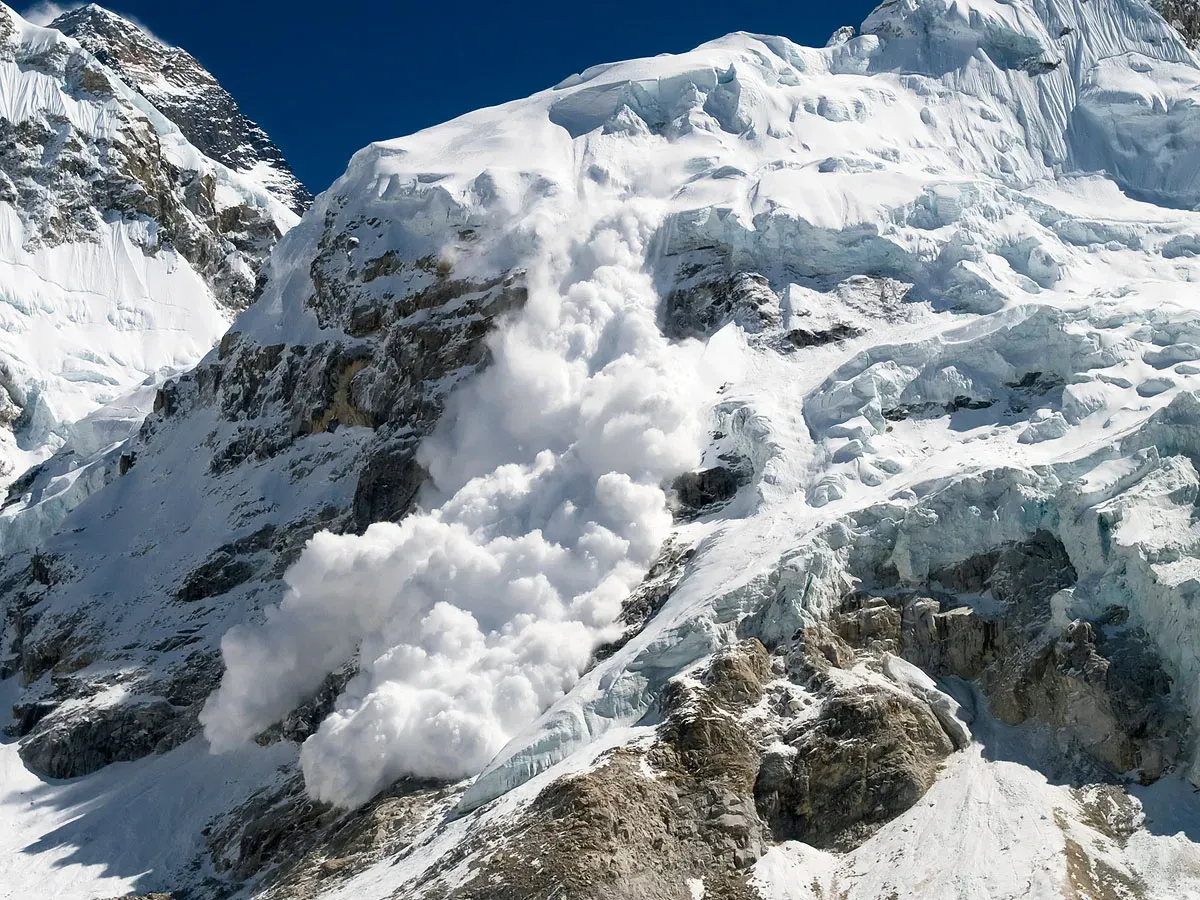
On April 18, 2014, a collapsing serac in the Khumbu Icefall triggered an avalanche that killed 16 Nepali guides, the deadliest single event in Everest's history at the time. The tragedy led to the cancellation of that season's climbing on the Nepal side entirely, and prompted renewed scrutiny of the risks Sherpa climbers take on for every commercial expedition.
2015 Nepal Earthquake and Everest
On April 25, 2015, a magnitude 7.8 earthquake triggered an avalanche that swept through Everest Base Camp, killing at least 19 people there. Combined with the broader devastation across Nepal, the disaster led to the cancellation of the remainder of that year's climbing season.
What Lessons Did the 1996 Everest Disaster Teach Climbers?
The disaster reshaped several aspects of how commercial Everest expeditions operate, though it's worth being careful not to credit 1996 alone with creating every safety practice used today; many of these changes developed gradually over the years that followed.
The Importance of Turnaround Times
The disaster reinforced the value of strict turnaround times, fixed points in the day by which climbers must begin descending regardless of how close they are to the summit, a practice that's now widely emphasized across commercial expeditions.
Better Weather Forecasting
Forecasting for high-altitude conditions has improved substantially since 1996, giving expedition leaders more specific and reliable information about incoming storms and summit weather windows.
More Conservative Decision-Making
Many operators shifted toward more conservative client vetting and guide decision-making in the years following 1996, aiming to reduce the kind of summit-fever-driven choices that contributed to the disaster.
Communication at High Altitude
Radio and communication equipment used on Everest today is far more reliable than what was available in 1996, making it easier to coordinate between climbers, guides, and base camp during an emergency.
Emergency and Rescue Planning
Expeditions today generally plan more explicitly for emergency scenarios, including designated rescue roles and clearer protocols for when a climber becomes unable to descend safely.
Understanding the Limits of Human Performance
The disaster deepened the mountaineering community's understanding of how quickly judgment and physical capability deteriorate in the death zone, reinforcing why conservative decision-making matters more at extreme altitude than almost anywhere else.
How Has Everest Climbing Changed Since 1996?
1996 | Today |
|---|---|
Less sophisticated weather information | More advanced, altitude-specific forecasting |
Limited radio communication | Satellite and radio communication throughout the route |
Fewer tracking tools | GPS and tracking technology widely used |
Commercial climbing still developing | Highly organized, established commercial expeditions |
More limited rescue capabilities | Improved rescue coordination and equipment |
Even with these improvements, Everest remains an extremely dangerous mountain. Better tools have changed how expeditions prepare and respond, not the underlying risks of climbing above 8,000 meters.
Is Everest Safer Today Than in 1996?
In some meaningful ways, yes. Weather forecasting is more precise, equipment and oxygen systems are more reliable, commercial operators are generally more experienced, communication is far better, and the mountaineering community understands the physiological limits of extreme altitude more clearly than it did in 1996.
But several core dangers haven't changed. Extreme altitude still affects the body the same way it always has, weather on Everest remains genuinely unpredictable, avalanches and icefall collapse remain a serious risk (as the 2014 and 2015 disasters showed), crowding at technical sections can still create dangerous bottlenecks, and rescue at extreme altitude is still difficult even with better equipment. The honest answer is that some aspects of Everest climbing have improved since 1996, but the mountain itself is still inherently dangerous.
Everest Disaster Timeline: 1924 to Today
1924: Mallory and Irvine disappear ↓ 1970: Major Khumbu Icefall tragedy ↓ 1996: Major Everest disaster ↓ 2014: Khumbu Icefall avalanche ↓ 2015: Nepal earthquake and Everest Base Camp avalanche ↓ Today: Continued climbing with improved technology but persistent risks
Frequently Asked Questions
What happened in the 1996 Everest disaster?
A severe storm struck Everest on May 10–11, 1996, while multiple commercial expeditions were attempting the summit, resulting in the deaths of eight climbers who were caught above their high camps.
How many people died in the 1996 Everest disaster?
Eight people died during the May 10–11, 1996 disaster; the broader 1996 climbing season saw 12 deaths in total.
Who died in the 1996 Everest disaster?
Those who died include expedition leaders Rob Hall and Scott Fischer, guide Andy Harris, clients Doug Hansen and Yasuko Namba, and three members of an Indo-Tibetan Border Police expedition on the north side.
What caused the 1996 Everest disaster?
No single cause; the disaster resulted from a combination of a sudden severe storm, route bottlenecks and delays, extreme altitude, limited oxygen, and difficult turnaround decisions made under pressure.
What happened to Rob Hall?
Rob Hall stayed high on the mountain with a struggling client rather than descending alone, and died after his oxygen regulator froze in extreme cold, making further descent impossible.
What happened to Scott Fischer?
Scott Fischer became unable to descend as the storm worsened and was found alive but unresponsive by rescuers; he died on the mountain before he could be brought down.
Was Jon Krakauer on Everest in 1996?
Yes. Jon Krakauer was on Scott Fischer's Mountain Madness expedition as a journalist on assignment, and survived the disaster before writing about it in Into Thin Air.
What is Into Thin Air about?
Into Thin Air is Jon Krakauer's 1997 account of the 1996 Everest disaster, covering the lead-up to the climb, the storm itself, and its aftermath, based on his own experience as a client on the mountain that season.
Is Everest safer now than in 1996?
In some ways yes, thanks to better forecasting, communication, and equipment, but Everest remains inherently dangerous due to extreme altitude, unpredictable weather, and the difficulty of rescue at high elevation.
What was the worst disaster on Mount Everest?
It depends on how you measure it. The 2015 earthquake-triggered avalanche killed more people in a single event, and the 2014 Khumbu Icefall avalanche was, at the time, the deadliest single event on the mountain, while the 1996 disaster remains the most widely known due to its extensive documentation and media coverage.
Conclusion
The 1996 Everest disaster wasn't caused by one mistake. It came from weather, altitude, exhaustion, delays, and difficult decisions all interacting on the same two days, each one making the others more dangerous. The event changed how the world understood commercial Everest climbing, and it pushed the industry toward the more conservative safety practices many operators use today.
Modern technology has made Everest expeditions better prepared than they were in 1996, but the mountain remains inherently dangerous, and no amount of forecasting or equipment changes that fact entirely. If the 1996 disaster teaches one lasting lesson, it's this: reaching the summit is never more important than returning safely.