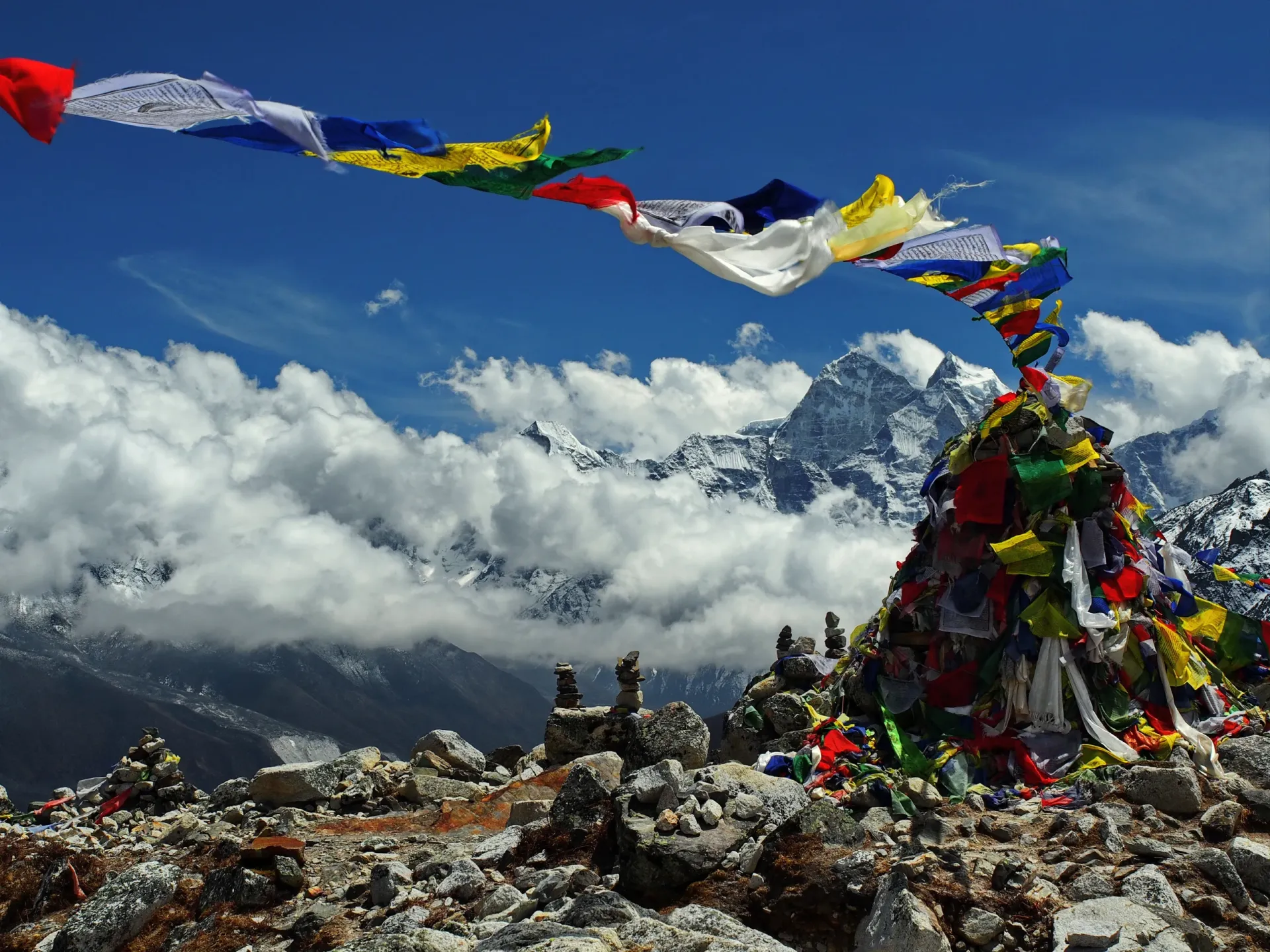
Everest Climbing Season: Best time for the Summit and Hiking
AAsmita KarkiAugust 2, 2026
Local trekking experts, wherever you go
Trips planned around your pace, interests, and time.
Real People, Quick and Helpful Support
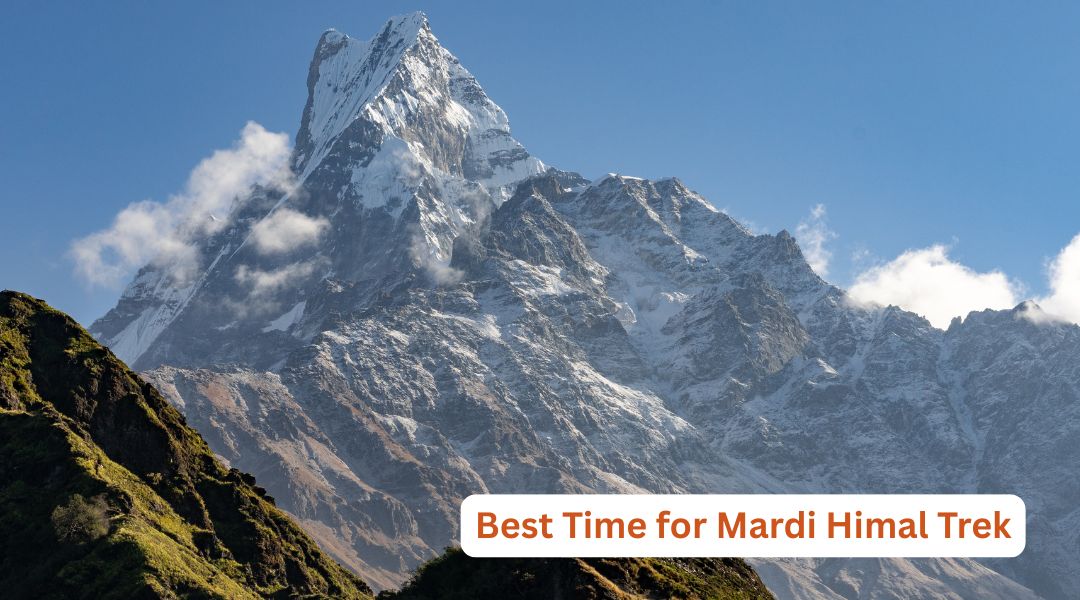
Find the best time for the Mardi Himal Trek with a month-by-month guide to weather, mountain views, crowds, trail conditions, and rhododendrons.
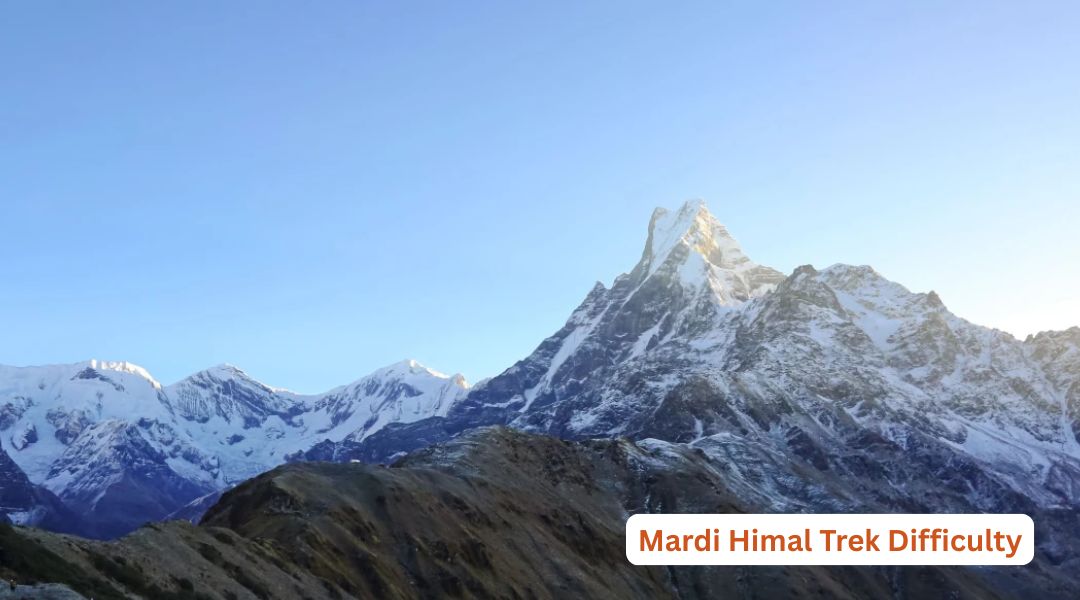
How difficult is the Mardi Himal Trek? A moderate walk with steep climbs and 3,500m+ altitude. Get fitness tips, daily breakdown & trail conditions here.
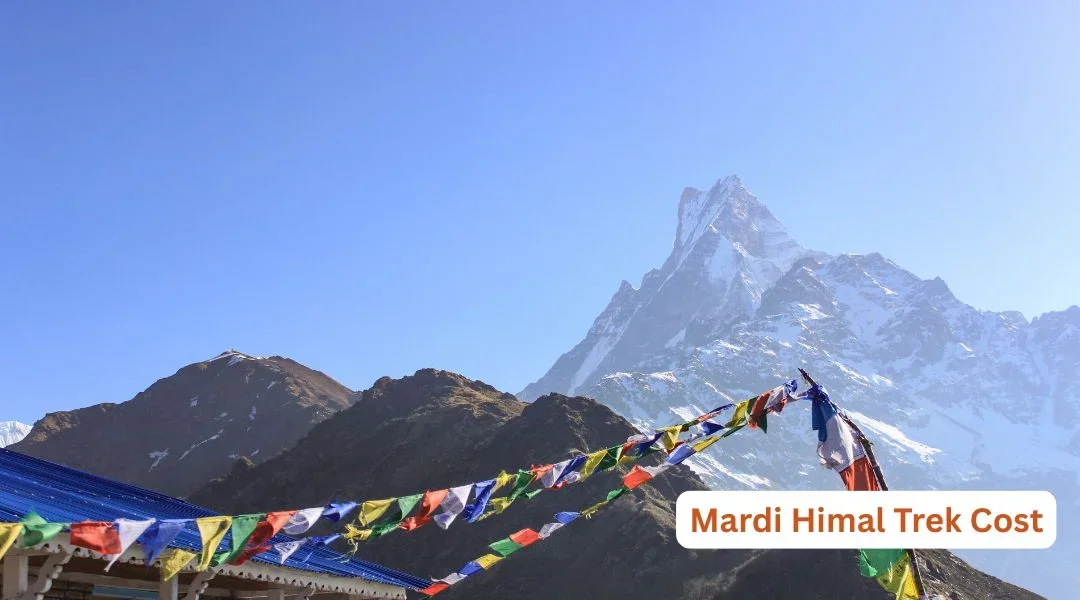
See the real Mardi Himal Trek cost in 2026: permits, guide, porter, food, transport, and hidden fees. Compare budget vs comfort trekking prices.
Somewhere on Everest right now, a jet stream is inching away from the summit, millibar by millibar. That tiny shift decides everything: which few days in May climbers get a shot at the top, and which weeks down at Base Camp trekkers get clear views instead of a wall of cloud.
Most people planning a trip here underestimate how narrow that window really is. Spring and autumn look similar on a calendar, but one gives you a real shot at the summit and the other doesn't, and missing the right stretch by even a week can mean rerouted flights, closed teahouses, or an expedition that never gets its chance.
Get the timing right, and Everest turns into one of the most rewarding trips on Earth: clear skies, full trail infrastructure, and a mountain finally worth the flight. Here's exactly when those windows open, what to expect inside each, and what to lock in before you go.
The main Everest climbing season runs from early April to late May, with the summit push concentrated in a short window in mid to late May. Trekkers heading to Base Camp have more flexibility, with spring (March to May) and autumn (late September to November) both offering stable weather, dry trails, and clear mountain views.
Season | Months | Best For | Conditions |
|---|---|---|---|
Spring | March – May | Summit climbs, EBC trekking | Warming temperatures, rhododendrons blooming, busiest season |
Autumn | Late Sept – Nov | EBC trekking, scenic photography | Clear skies post-monsoon, cooler, fewer crowds |
Monsoon | June – Aug | Not recommended in Khumbu | Heavy rain, leeches, poor visibility, flight delays |
Winter | Dec – Feb | Experienced trekkers only | Sub-zero cold, snow-blocked trails, closed teahouses at altitude |
Everest's climbing season splits into two windows shaped entirely by the jet stream. The spring window (April to May) is when the jet stream temporarily shifts off the summit, opening short stretches of climbable weather. This is when most successful summits happen.
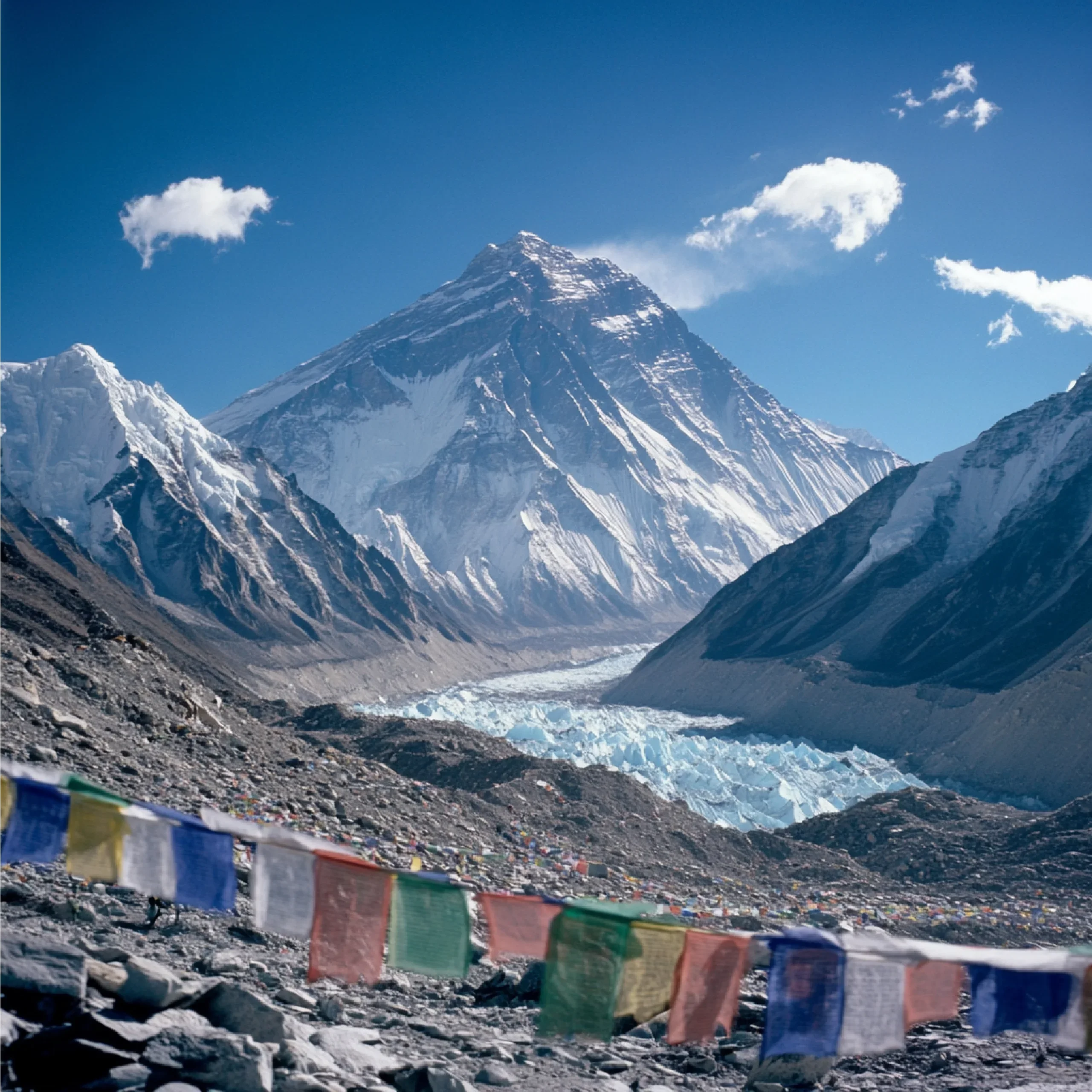
Spring Season (April to May)
Spring is the primary and most reliable climbing season. Expeditions begin arriving in Kathmandu in early April, trek to Base Camp over roughly 8 to 9 days, and spend most of April on acclimatization rotations through Camps 1 to 3. The jet stream typically eases off Everest's upper slopes for a handful of days in mid to late May, and that's when summit bids happen.
Conditions in spring are relatively predictable, teahouses and Base Camp support are fully operational, and the vast majority of Everest summits in history have come during this window.
Fewer expeditions attempt Everest in autumn, and for good reason. The retreating monsoon leaves skies clear and dry, but temperatures drop faster and avalanche risk rises above Camp 2. Some teams still choose this season for quieter routes and dramatic visibility, but it's considered the riskier of the two climbing windows.
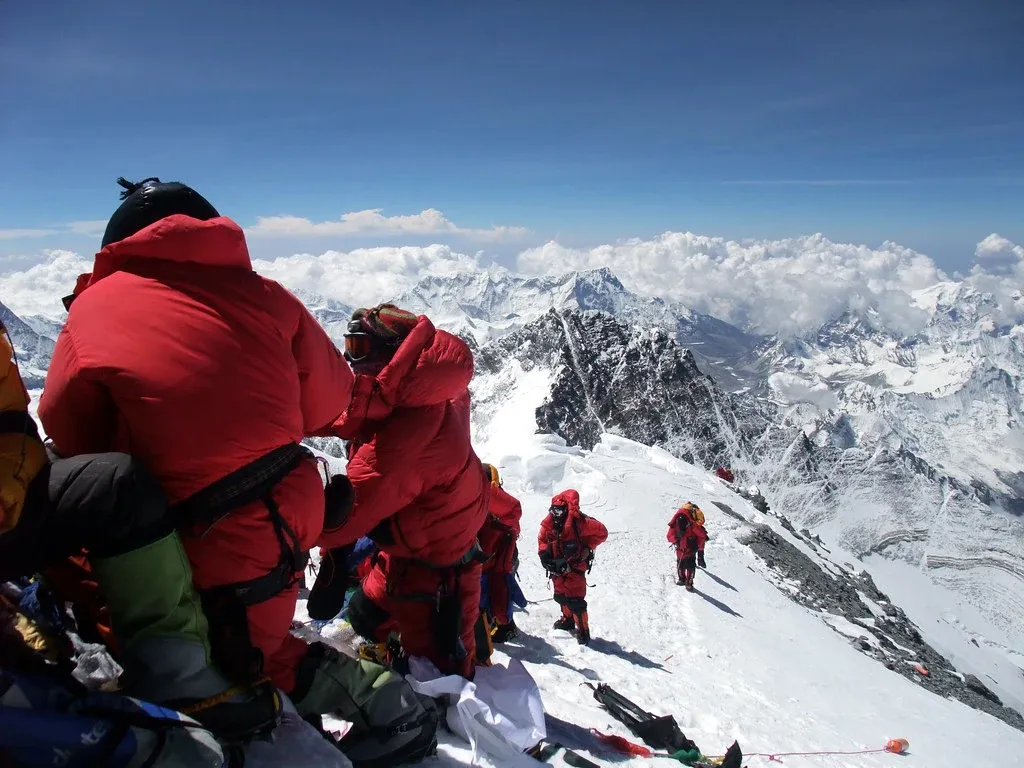
A full Everest expedition runs roughly 8 to 10 weeks, almost entirely within the spring window. Here's how that timeline typically breaks down:
Early April: Climbers finalize permits in Kathmandu, fly to Lukla, and trek to Everest Base Camp (5,364 m), arriving by mid-April.
Mid-April to early May: Acclimatization rotations through Camp 1, Camp 2, and sometimes Camp 3, with rest periods back at Base Camp between each push.
Mid to late May: Teams track weather forecasts closely and launch a summit push the moment a short weather window opens, moving through Camp 4 and summiting before sunrise.
Above 3,000 meters, safe acclimatization means sleep elevation increasing by no more than 300 to 500 meters per day, with rest days built in at key points like Namche Bazaar and Base Camp itself. Expeditions and treks that skip this pattern are the ones that run into altitude sickness.
Climbing to the summit demands a fixed weather window. Trekking to Base Camp doesn't, which is why hikers have more flexibility across two solid seasons.
Spring is the busiest trekking season in the Khumbu. Rhododendrons bloom along the lower trails, daytime temperatures stay comfortable even at altitude, and visibility toward Everest, Lhotse, and Ama Dablam is generally excellent. Trekkers moving through in April and May often cross paths with expedition teams heading up for their summit attempts, which adds a genuine buzz to the trail.
Autumn is the clearer, quieter alternative. Post-monsoon skies are washed clean, trails are dry, and crowds thin out compared to spring. This window also overlaps with Dashain and Tihar, Nepal's two biggest festivals, giving trekkers a chance to see Kathmandu and Khumbu villages at their most festive. Many guides consider October the single best month for photography and mountain visibility.
Monsoon (June to August) brings heavy rain, leeches on the lower trails, landslide risk, and clouds that block most mountain views in the Everest region. If you're set on a summer trip, the Khumbu isn't where to spend it, but Nepal isn't shut down entirely: Upper Mustang and Upper Dolpo sit in the Himalayan rain shadow and stay dry through monsoon, making them the better summer alternative if you want to trek during these months.
Winter (December to February) brings sub-zero temperatures above 4,000 meters, snow-blocked passes, and teahouses that close for the season at higher elevations. Neither season is a good fit for a first-time trekker, though experienced winter trekkers do take on the Khumbu for the solitude.
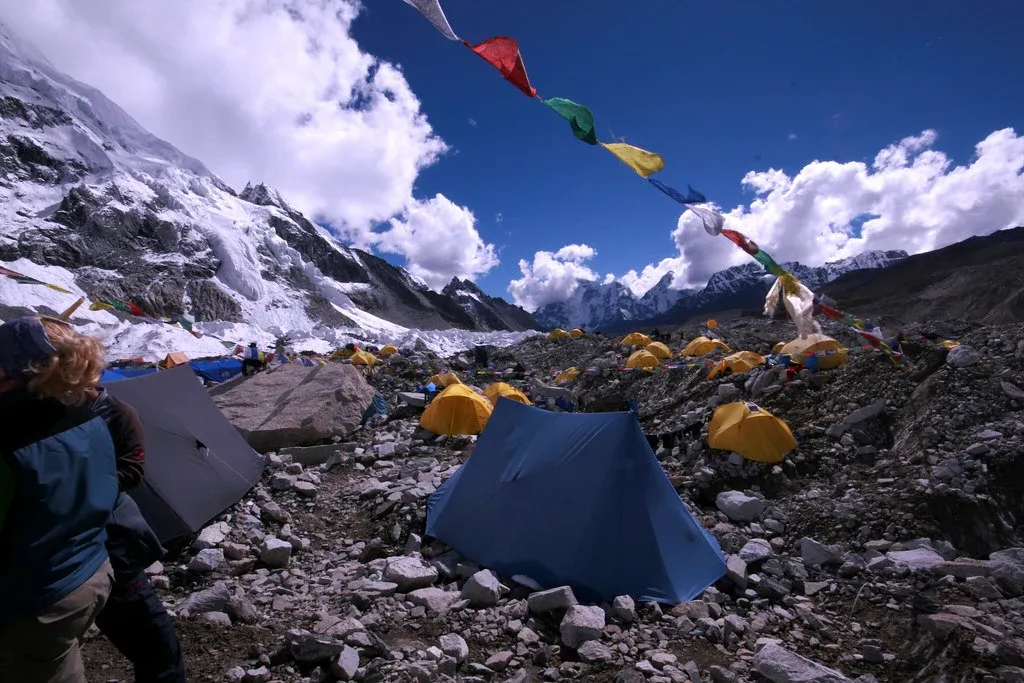
Everest's history includes some sobering years worth understanding before you go. In 2014, a serac collapse in the Khumbu Icefall killed 16 Sherpa climbers in a single morning, making it the deadliest single incident on the mountain at that time. The tragedy highlighted how much risk falls on the guides and load-carriers who make every expedition possible, long before clients reach the higher camps.
The following year, a 7.8-magnitude earthquake on April 25, 2015, triggered an avalanche that swept through Base Camp, killing at least 19 people on the mountain and ending that season's climbs immediately. More recently, the 2024 season saw a different kind of danger: overcrowding near the summit ridge, unpredictable weather swings, and increasing glacial instability tied to a warming climate, all of which have made bottlenecks in the death zone more common.
None of this is meant to discourage a well-planned trip. It's a reminder that Everest sets its own terms, and preparation, timing, and a licensed guide matter more here than almost anywhere else in the world.
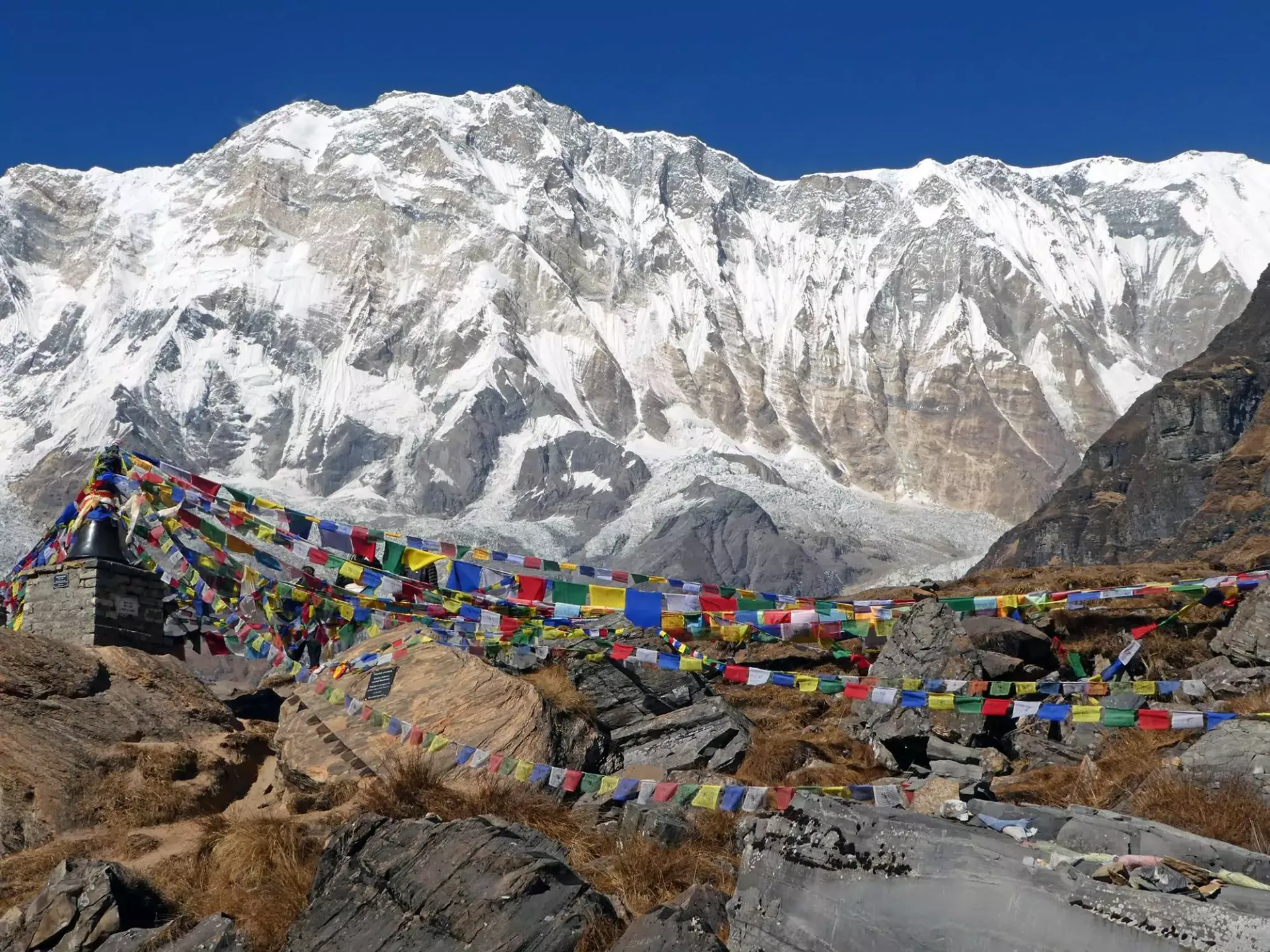
Timing your trip is only half the plan. A few practical pieces make the difference between a smooth trek and a stressful one.
The Khumbu region doesn't use Nepal's standard e-TIMS card. Instead, entry requires the Sagarmatha National Park Permit (NPR 3,000) and the Khumbu Pasang Lhamu Rural Municipality fee (NPR 3,000), both checked at points along the trail. Nepal's current regulations strongly encourage or require licensed guides across major trekking regions, including the Khumbu, so confirm current requirements with a licensed operator before departure.
Standard travel insurance isn't enough for this trip. You'll need a policy that specifically covers high-altitude helicopter evacuation up to 6,000 meters and treatment for altitude illnesses like AMS, HAPE, and HACE. This kind of coverage is worth arranging regardless of season, since evacuation costs at altitude are high and weather can ground rescue flights for days.
ATMs stop working reliably past Namche Bazaar, so carry enough Nepalese Rupees in cash for the rest of the trip. Budget extra for trail upcharges too: charging a phone or power bank, a hot shower, and local Wi-Fi services like Everest Link typically cost an additional NPR 200 to 700 per use and are rarely included in a lodge stay. For a local SIM, Nepal Telecom (NTC) gives the most reliable coverage through the Everest region compared to other providers.
In the Khumbu's Buddhist communities, slaughtering animals is prohibited by local custom, so meat on the trail is carried up by porter or mule over several days without refrigeration. Sticking to fresh, locally grown food, especially the traditional dal bhat (lentils, rice, and vegetable curry, usually with free refills), is the safer and higher-energy choice at altitude. Skip bottled water too. Carry a reusable bottle with a UV purifier, Sawyer squeeze filter, or chlorine dioxide drops instead, both for your stomach and for the trail's plastic waste problem.
Walk clockwise around mani walls, stupas, and chortens, keeping them on your right side, as is customary throughout the region. Remove shoes and hats before entering a monastery, and hold off on photography inside prayer halls unless a resident monk gives explicit permission. If you're trekking with a guide and porter team, a tip equal to 10 to 15 percent of your total trek cost, pooled and distributed among the crew, is the standard way to close out the trip.
During the busiest weeks of spring and autumn, Lukla flights are frequently rerouted through Manthali Airport in Ramechhap rather than Kathmandu, which means a 4 to 5 hour drive, often starting around 1:00 AM, to catch a morning flight. We build 1 to 2 buffer days into every itinerary around this time of year specifically to absorb weather delays without derailing the rest of the trek.
Base Camp trek pricing depends heavily on comfort level and support. A guided group trek, the most common choice for first-timers, runs $1,699 to $2,999 and includes a guide, porter, permits, and a fixed teahouse itinerary. A luxury trek with private guides, upgraded lodges, and possible helicopter transfers from Base Camp can run $2,500 to $4,000 or more.
Prices climb during peak spring and autumn months, so booking early matters most if you're set on those windows. Flight and lodge pricing shift often, so treat these as planning ranges and confirm live rates before booking.
Whether you're aiming for a summit expedition or a Base Camp trek, timing your trip around the right season makes the biggest difference to how it goes. Our team at Walkthrough Nepal can help you pick the right window, lock in permits early, and build in the buffer days that peak-season travel actually needs. Browse our Everest region itineraries or reach out to a licensed guide directly to start planning.
The main climbing season runs from early April to late May, with summit attempts concentrated in a short weather window in mid to late May. A smaller, riskier autumn window runs from late September to early November.
Spring (March to May) and autumn (late September to November) are both good for trekking, with clear skies and dry trails. Avoid the monsoon and deep winter.
The full climbing season runs about 8 to 10 weeks, starting with permits and acclimatization in early April and ending with summit pushes in mid to late May.
It's climbable but riskier than spring, with colder temperatures and higher avalanche risk above Camp 2. Most successful summits still happen in the spring window.
A 7.8-magnitude earthquake triggered an avalanche that hit Base Camp on April 25, 2015, killing at least 19 people and ending that year's climbing season immediately.
They overlap in spring and autumn, but hiking to Base Camp doesn't depend on a short summit weather window the way climbing does, which gives trekkers more flexibility on timing.
Costs range from roughly $1699 to $4000 or more for a luxury trek with private guides and helicopter transfers. A standard guided group trek runs $1699 to $2199 depending on group size.
It's not recommended. June to August brings heavy rain, leeches, landslide risk, and poor mountain visibility in the Khumbu. Upper Mustang and Upper Dolpo stay dry in this period instead.
Nepal's trekking regulations increasingly require or strongly encourage licensed guides across major regions, including the Khumbu. Confirm current requirements with a licensed operator before departure.
The Sagarmatha National Park Permit (NPR 3,000) and the Khumbu Pasang Lhamu Rural Municipality fee (NPR 3,000), checked at points along the trail.
Yes. Standard travel insurance usually doesn't cover high-altitude helicopter evacuation or AMS, HAPE, and HACE treatment, so a specific high-altitude policy is worth arranging before you go.
During peak spring and autumn months, Lukla flights are often rerouted through Manthali Airport in Ramechhap, requiring an early morning drive from Kathmandu.