Contents
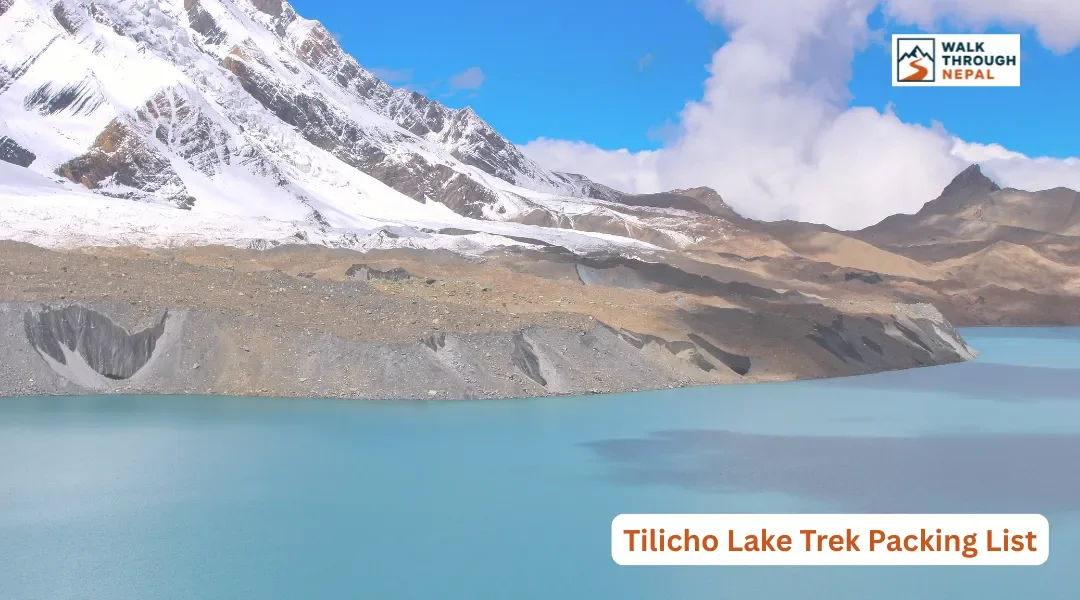
Packing for the Tilicho Lake Trek is less about carrying everything you own and more about choosing the right gear for high altitude, cold temperatures, changing weather, and several consecutive days of walking. Tilicho Lake reaches approximately 4,919 meters, so your clothing and equipment need to hold up to genuine high-altitude conditions, not just a standard hiking trip.
This guide covers clothing, footwear, backpacks, sleeping gear, trekking equipment, toiletries, health and first aid, electronics, documents and money, and seasonal extras, so you can pack once and pack right.
Tilicho Lake Trek Packing List at a Glance
Category | Essential Items |
|---|---|
Backpack | 40–50L trekking backpack, daypack if porter used |
Clothing | Base layers, fleece, down jacket, trekking pants |
Footwear | Hiking boots, trekking socks, camp shoes |
Weather | Waterproof jacket, rain cover, gloves, hat |
Sun protection | Sunglasses, sunscreen, hat |
Trekking gear | Poles, headlamp, water bottles |
Sleeping | Sleeping bag, liner |
Toiletries | Toothbrush, toothpaste, quick-dry towel |
Health | First-aid kit, personal medication |
Electronics | Phone, power bank, charging cables |
Documents | Passport, permits, insurance details |
Miscellaneous | Snacks, cash, reusable water bottle |
Not everything on this list needs to be purchased. A good amount of trekking equipment, from down jackets to sleeping bags, can be rented in Kathmandu or Pokhara before you set off.
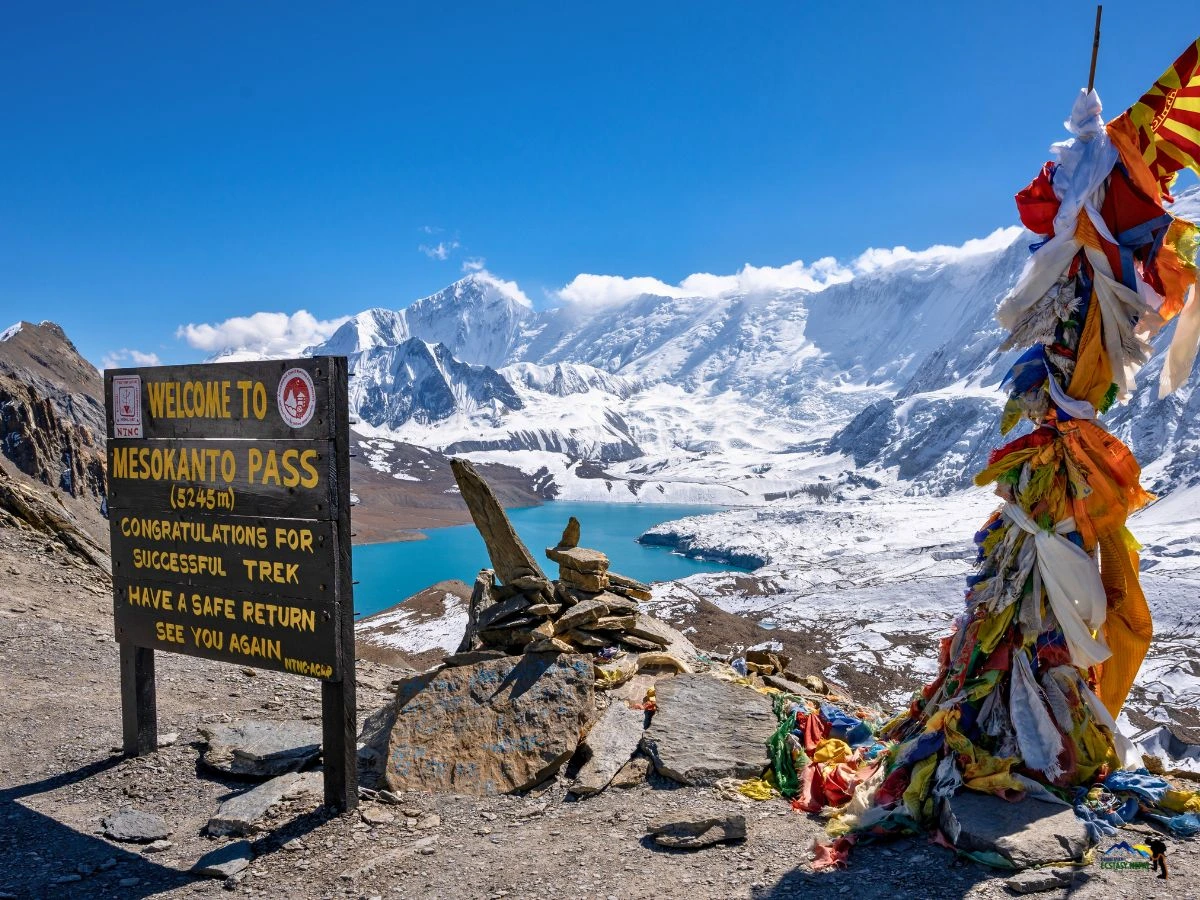
Clothing for Tilicho Lake Trek
Clothing is where most of your packing decisions actually matter, since layering is what gets you through cold mornings, warm midday sun, and freezing evenings on the same day.
Base Layers
A moisture-wicking thermal top and thermal bottoms form the foundation of your layering system. Avoid cotton for your main trekking layers, it holds moisture and stays cold once you sweat.
Trekking T-Shirts
Pack 2–3 quick-dry shirts, choosing short- or long-sleeve depending on the season you're trekking in.
Fleece or Mid-Layer
A fleece or similar mid-layer earns its place on colder mornings and evenings, worn over your base layer and under your jacket.
Down or Insulated Jacket
This is one of the most important pieces of clothing you'll pack. At higher elevations and during cold evenings at teahouses, a good down jacket is what keeps you comfortable once the sun drops.
Trekking Pants
Bring 2 pairs of lightweight, quick-drying trekking pants rather than heavier alternatives that take longer to dry if they get wet.
Waterproof/Outer Layer
A waterproof jacket is essential regardless of season. Waterproof trousers are worth adding if you're traveling during wetter conditions, particularly in spring or the shoulder months.
Footwear for Tilicho Lake Trek
Hiking Boots
Choose boots that are comfortable, already broken in, offer good grip, and are water-resistant or waterproof. Ankle support is a personal preference, but useful on the trek's rockier sections. Do not bring brand-new boots straight onto the trail, break them in well beforehand.
Trekking Socks
Pack 3–4 pairs of wool or synthetic moisture-wicking socks. This is not a place to cut corners, since blisters can derail an otherwise well-prepared trek.
Camp Shoes
Lightweight sandals or comfortable shoes give your feet a break in the evenings and are far more pleasant than staying in boots at the teahouse.
Backpack and Bags
What you actually need to carry depends heavily on whether your trek includes a porter.
Main Trekking Backpack
A 40–50L backpack is generally sufficient for most trekkers if a porter is carrying the main luggage.
Daypack
Useful for carrying water, a camera, snacks, an extra jacket, sunscreen, and other personal essentials you want quick access to during the day's walking.
Waterproof Backpack Cover
Highly recommended, since mountain weather here can shift quickly and without much warning.
Dry Bags
Useful for separating clothes, electronics, documents, and sleeping gear inside your main pack, keeping everything organized and protected if it rains.
Sleeping Gear
Sleeping Bag
Important for cold nights at higher elevations. The warmth rating you need depends on the season you're trekking in and the accommodation along your specific itinerary, so check with your operator on current conditions rather than relying on a generic number.
Sleeping Bag Liner
Optional but genuinely useful, adding extra warmth, improving hygiene, and extending your sleeping bag's comfort range.
Trekking Equipment
Trekking Poles
Useful on uphill sections, descents, and uneven terrain, and they meaningfully reduce strain on your knees over consecutive trekking days.
Headlamp
Bring a headlamp along with spare batteries or a rechargeable option, useful for early starts and evening walks around the teahouse.
Water Bottles
Carry enough bottle capacity to cover the day's route between refill points.
Water Purification
Options include purification tablets, a filter, or a UV purifier. Any of these beats relying on bottled water, both for your budget and for reducing plastic waste on the trail.
Microspikes/Traction Aids
Potentially useful in winter or during snowy conditions, though not necessarily required year-round depending on your trekking season.
Sun Protection
At high altitude, sun exposure is more intense than it feels, thinner air offers less natural UV filtering. Pack sunglasses, sunscreen, lip balm with SPF, a sun hat or cap, and a buff or neck gaiter. We would specifically recommend good-quality sunglasses with real UV protection rather than budget options, your eyes take a real amount of glare at altitude, especially with snow on the ground.
Toiletries and Personal Hygiene
Keep this section lightweight: toothbrush, toothpaste, biodegradable soap, hand sanitizer, a quick-dry towel, toilet paper or tissues, wet wipes, moisturizer, lip balm, and any personal hygiene products you need. Hot showers and similar facilities aren't always available on the trail, and where they are, they often cost extra.
First-Aid and Health Essentials
Personal Medication
Always bring enough of your regular medication to cover the full trek, plus a reasonable buffer for delays.
Basic First-Aid Kit
Include items for minor blisters, cuts, scrapes, and muscle soreness, the kinds of small issues that come up on any multi-day trek.
Altitude-Related Preparation
Rather than planning to self-medicate for altitude symptoms, focus on knowing the symptoms of altitude sickness, trekking at a sensible pace, staying well hydrated, and following your itinerary's acclimatization plan. If you're considering preventive medication, discuss it with a qualified medical professional before the trek. For more on how altitude affects the route itself, see our guide to Tilicho Lake Trek difficulty.
Electronics to Pack
Keep this minimal: smartphone, charging cable, power bank, camera if you want one beyond your phone, spare batteries or a memory card if needed, and a universal adapter.
Do You Need a Power Bank?
Yes, generally. Charging facilities at higher-altitude teahouses can be limited, unreliable, or charged per use, so a power bank gives you a reliable backup for your phone and camera.
Documents, Money & Important Items
Carry your passport, trekking permits, travel insurance details, emergency contact information, and copies or digital backups of your important documents. Bring Nepali rupees as your primary currency, with cards as a backup where useful in larger towns. Keep all important documents in a waterproof pouch; trail conditions and weather don't always cooperate.
Snacks to Pack for Tilicho Lake Trek
Good lightweight options include energy bars, nuts, dried fruit, chocolate, and electrolyte packets. Food is available along the entire route, so snacks are mainly there for convenience and personal preference rather than necessity.
Tilicho Lake Trek Packing List by Season
Spring Packing List
Focus on solid layering, a warm jacket for cold mornings, strong sun protection, and possible traction gear if you're trekking early in the season when snow may still linger.
Summer/Monsoon Packing List
Focus on a reliable waterproof jacket, a backpack rain cover, quick-dry clothing, extra socks, and waterproof bags to keep your gear dry.
Autumn Packing List
Conditions are generally favorable, but still prepare for real cold once you're at altitude, even on an otherwise clear day.
Winter Packing List
Add heavier insulation, warm gloves, thermal base layers throughout, a warmer sleeping system, and appropriate traction or snow equipment for the higher sections.
For a full season-by-season breakdown of weather and timing, see our best time for Tilicho Lake Trek guide.
What Not to Pack for Tilicho Lake Trek
Avoid packing too many clothes, heavy books, multiple pairs of shoes, excess toiletries, large electronics you won't actually use, unnecessary camping equipment since you'll be staying in teahouses, and generally heavy luggage. The goal is light but prepared, not minimalist at the expense of safety.
How Much Should Your Backpack Weigh?
The ideal weight depends on whether you're using a porter, your personal fitness, the length of your trek, and your individual needs. For most trekkers, keeping your daypack light matters more than trying to carry everything yourself. If a porter is part of your package, confirm the current luggage weight allowance with your operator directly, since this can vary between companies and trip types.
What Can You Rent in Nepal?
Commonly rentable items include sleeping bags, down jackets, trekking poles, backpacks, and trekking boots, widely available in both Kathmandu and Pokhara. Availability and quality vary between rental shops, so essential personal items, especially properly fitted footwear, are usually better brought from home rather than rented last-minute.
Tilicho Lake Trek Packing Checklist
Clothing
☐ Base layers
☐ T-shirts
☐ Fleece
☐ Down jacket
☐ Trekking pants
☐ Waterproof jacket
☐ Gloves
☐ Warm hat
☐ Sun hat
☐ Buff
☐ Trekking socks
Gear
☐ Backpack
☐ Rain cover
☐ Sleeping bag
☐ Trekking poles
☐ Headlamp
☐ Water bottles
☐ Water purification
☐ Sunglasses
Personal
☐ Toiletries
☐ First-aid kit
☐ Medication
☐ Sunscreen
☐ Lip balm
☐ Tissues
Documents
☐ Passport
☐ Permits
☐ Insurance
☐ Emergency contacts
☐ Cash
Electronics
☐ Phone
☐ Power bank
☐ Chargers
☐ Camera
Frequently Asked Questions
What should I pack for Tilicho Lake Trek?
Focus on layered clothing, sturdy broken-in boots, a warm sleeping bag, sun protection, water purification, and basic first-aid supplies, adjusted for your specific trekking season.
What clothes do I need for Tilicho Lake Trek?
Base layers, quick-dry t-shirts, a fleece mid-layer, a down jacket, trekking pants, and a waterproof outer layer cover most conditions you'll encounter on the route.
Do I need a sleeping bag for Tilicho Lake Trek?
Yes. Nights get cold at higher elevations, and a properly rated sleeping bag for your season is essential, even when staying in teahouses.
What shoes are best for Tilicho Lake Trek?
Comfortable, broken-in hiking boots with good grip and water resistance, paired with quality moisture-wicking trekking socks.
Do I need trekking poles for Tilicho Lake?
They're not mandatory but genuinely useful, especially on steep ascents, descents, and the loose scree near Tilicho Base Camp.
Can I rent trekking gear in Nepal?
Yes. Items like sleeping bags, down jackets, trekking poles, backpacks, and boots are commonly available to rent in Kathmandu and Pokhara.
How heavy should my backpack be?
This depends on whether you're using a porter, your fitness level, and your trek's duration. If using a porter, confirm the current weight allowance with your operator.
What should I pack for Tilicho Lake Trek in winter?
Heavier insulation, warm gloves, full thermal layers, a warmer-rated sleeping bag, and appropriate traction or snow equipment for icy sections.
What should I pack for Tilicho Lake Trek in monsoon?
A reliable waterproof jacket, a backpack rain cover, quick-dry clothing, extra socks, and waterproof dry bags for your gear.
Do I need a down jacket for Tilicho Lake Trek?
Yes, in nearly every season. Evenings and higher elevations get cold enough that a down jacket is one of the most-used items on the trek.
Conclusion
The best Tilicho Lake Trek packing list is one that prepares you for cold, altitude, and changing weather without weighing you down. Focus on layers, reliable footwear, warm insulation, weather protection, hydration, sun protection, and a few essential trekking items. Your exact packing list should also change with the season and whether you're using a porter or renting gear in Nepal.
Ready to Trek Nepal?
Planning your Tilicho Lake Trek? Walk Through Nepal can help you choose the right itinerary, prepare for the altitude, and arrange the logistics for your trek.