Contents
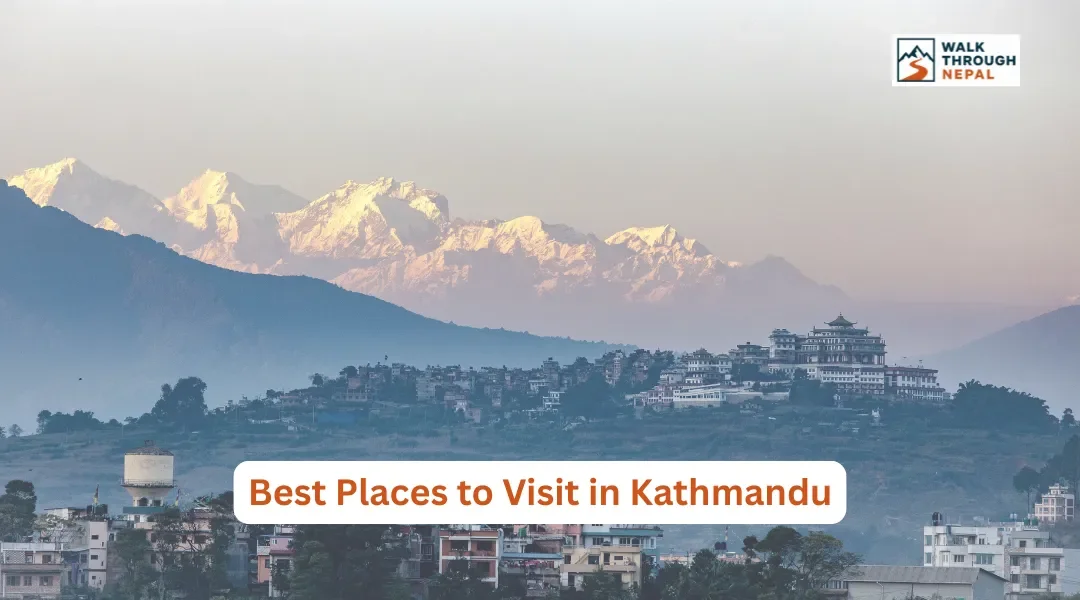
Most travelers land in Kathmandu thinking of it as the doorway to the mountains, a place to sort permits, buy a down jacket, and catch a flight to Lukla or Pokhara the next morning. We understand the temptation to rush through. But Kathmandu holds its own weight as a destination, not just a stopover, and if you check where Kathmandu actually sits in Nepal, you will see why the valley became the country's cultural and political center for over a thousand years.
Ancient temples, Buddhist stupas, royal palaces, stone courtyards, and open-air markets sit within walking distance of each other in the old city. Seven components of the Kathmandu Valley carry UNESCO World Heritage status, more than any other city in South Asia holds within such a compact area. Alongside the heritage sites, modern Kathmandu runs on rooftop cafés, trekking gear shops, and traffic that moves at its own unhurried logic.
Some of the attractions below sit inside central Kathmandu and you can walk between them. Others, like Bhaktapur and Chandragiri, sit a short drive away in the wider valley. We have grouped both types together here because most travelers plan their Kathmandu time as one block, regardless of which municipality a temple technically falls under.
20 Best Places to Visit in Kathmandu at a Glance
Kathmandu rewards travelers who plan by theme rather than by map pin. The table below gives you a quick reference for what each site is best known for and how long to budget, so you can build a route that matches your interests and the number of days you have.
Place | Best For | Suggested Time |
|---|---|---|
Kathmandu Durbar Square | Heritage and architecture | 2 to 3 hours |
Swayambhunath | Buddhist culture and views | 1 to 2 hours |
Boudhanath Stupa | Tibetan Buddhist culture | 1 to 2 hours |
Pashupatinath Temple | Hindu heritage | 1 to 2 hours |
Patan Durbar Square | Newari architecture | 2 to 3 hours |
Bhaktapur Durbar Square | Medieval heritage | Half day |
Garden of Dreams | Relaxation | 1 to 2 hours |
Thamel | Food, shopping, and nightlife | 2 to 4 hours |
Kopan Monastery | Buddhist culture | 1 to 2 hours |
Narayanhiti Palace Museum | History | 1 to 2 hours |
Asan Market | Local life and shopping | 1 to 2 hours |
Kathmandu Valley viewpoints | City and mountain views | Half day |
Kirtipur | Newari culture | Half day |
Chandragiri Hills | Views and cable car | Half to full day |
Rani Pokhari | Heritage | 30 to 60 minutes |
Indra Chowk | Local market | 1 hour |
Newari courtyards | Culture and photography | 1 to 2 hours |
National Museum of Nepal | History | 1 to 2 hours |
Seto Machindranath Temple | Culture | 30 to 60 minutes |
Rooftop cafés and local festivals | Modern and seasonal culture | Varies |
A quick note before you plan around this list: opening hours, entry tickets, and access rules at religious sites shift periodically, especially at Pashupatinath and the Durbar Squares. Confirm current conditions with a local guide through our heritage itineraries or at the ticket counter itself before you build a tight schedule around them.
1. Kathmandu Durbar Square
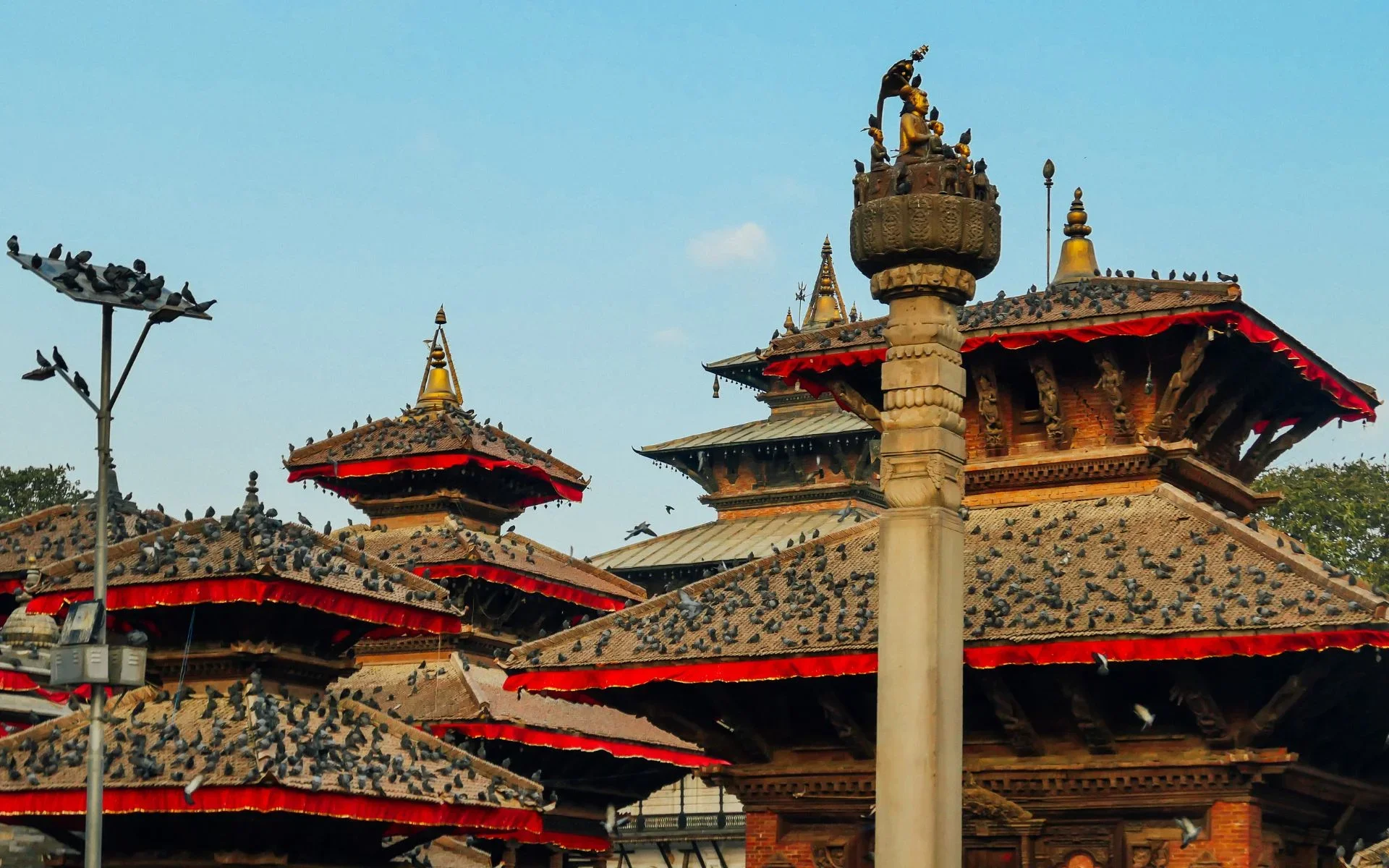
Kathmandu Durbar Square is the former royal palace complex of the Malla and Shah kings, packed with Newari-carved temples, courtyards, and the residence of the Kumari, Nepal's living goddess. This place holds cultural and historical significance. Foreigners currently pay around NPR 1,000 for entry, though this figure changes from time to time, so confirm at the gate.
Hanuman Dhoka, the old royal palace, anchors the square, and the Kumari Ghar next door houses the young girl worshipped as the living incarnation of the goddess Taleju. Visitors sometimes catch a glimpse of her at an upper window, though there is no schedule for this and you should never demand or expect it.
Look closely at the wood carvings on the temple struts, many of them centuries old, and notice the mix of restored and still-scaffolded buildings, a visible reminder of the 2015 earthquake that damaged large sections of the square. Restoration work has brought most major structures back, though a handful of temples are still being rebuilt using traditional joinery rather than modern shortcuts.
Budget 2 to 3 hours here, longer if you hire a local guide to walk you through the courtyards most visitors miss. If the Malla-era architecture pulls you in, our Nepal Heritage Tour is built around exactly this kind of deep dive into the valley's Durbar Squares.
2. Swayambhunath Stupa: The Monkey Temple
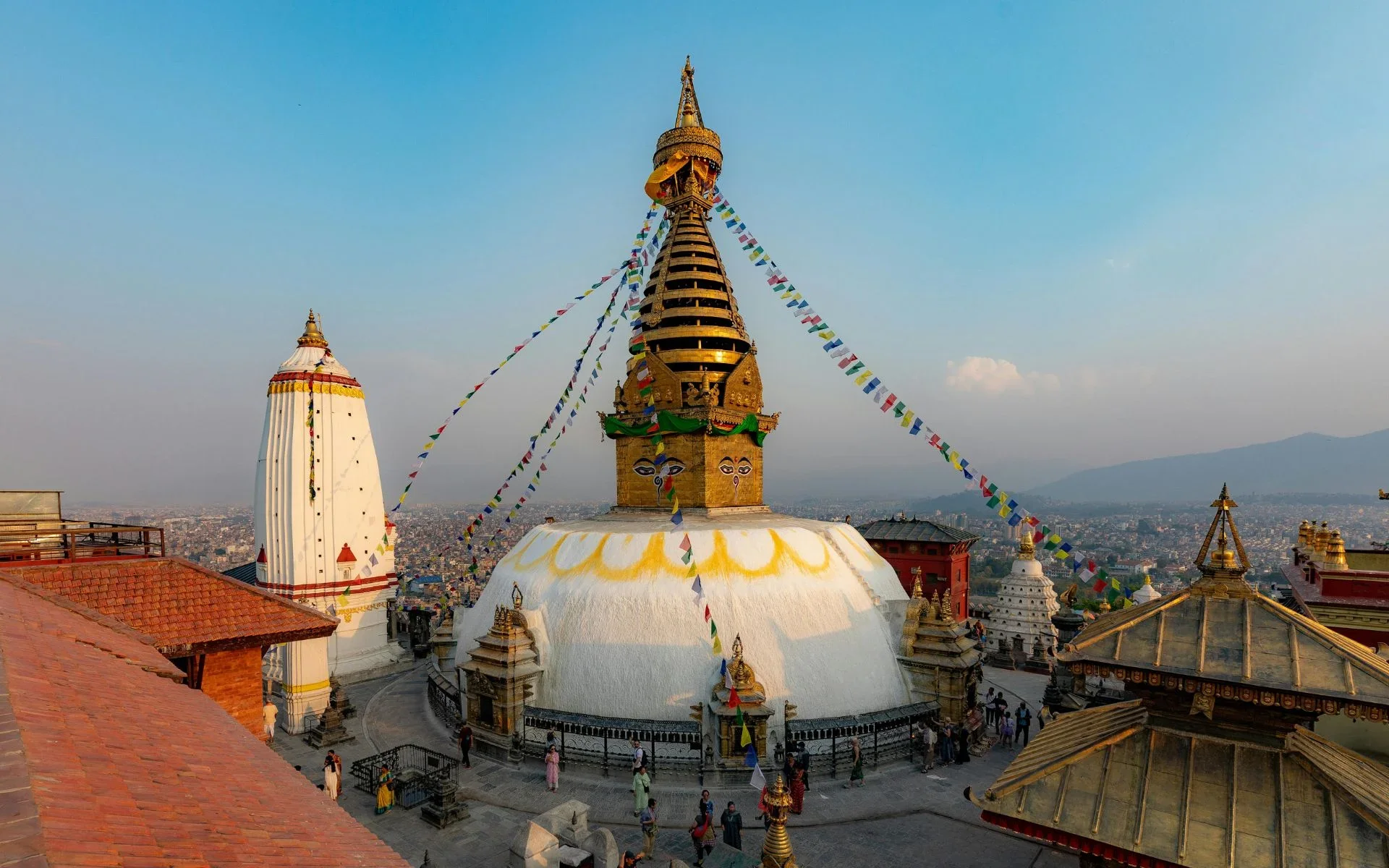
Swayambhunath sits on a hilltop west of the old city, its white dome and painted Buddha eyes visible from much of central Kathmandu. Entry runs around NPR 200 for foreigners, and the site is one of the oldest Buddhist sanctuaries in the valley.
Getting up means climbing roughly 365 stone steps, lined with prayer flags and small shrines, so wear proper shoes and expect a workout at Kathmandu's 1,400 meter elevation. A gentler paved road on the far side allows vehicle access if the stairs are not an option for you.
The site earns its nickname from the resident monkey that moves freely through the grounds, so keep food out of sight and don't make eye contact with the more assertive ones. From the top, the stupa opens onto sweeping views of the Kathmandu Valley, and on clear mornings you can pick out the Himalayan skyline to the north.
Go early, before 8 AM, to beat both the heat of the stairs and the midday tour groups.
3. Boudhanath Stupa
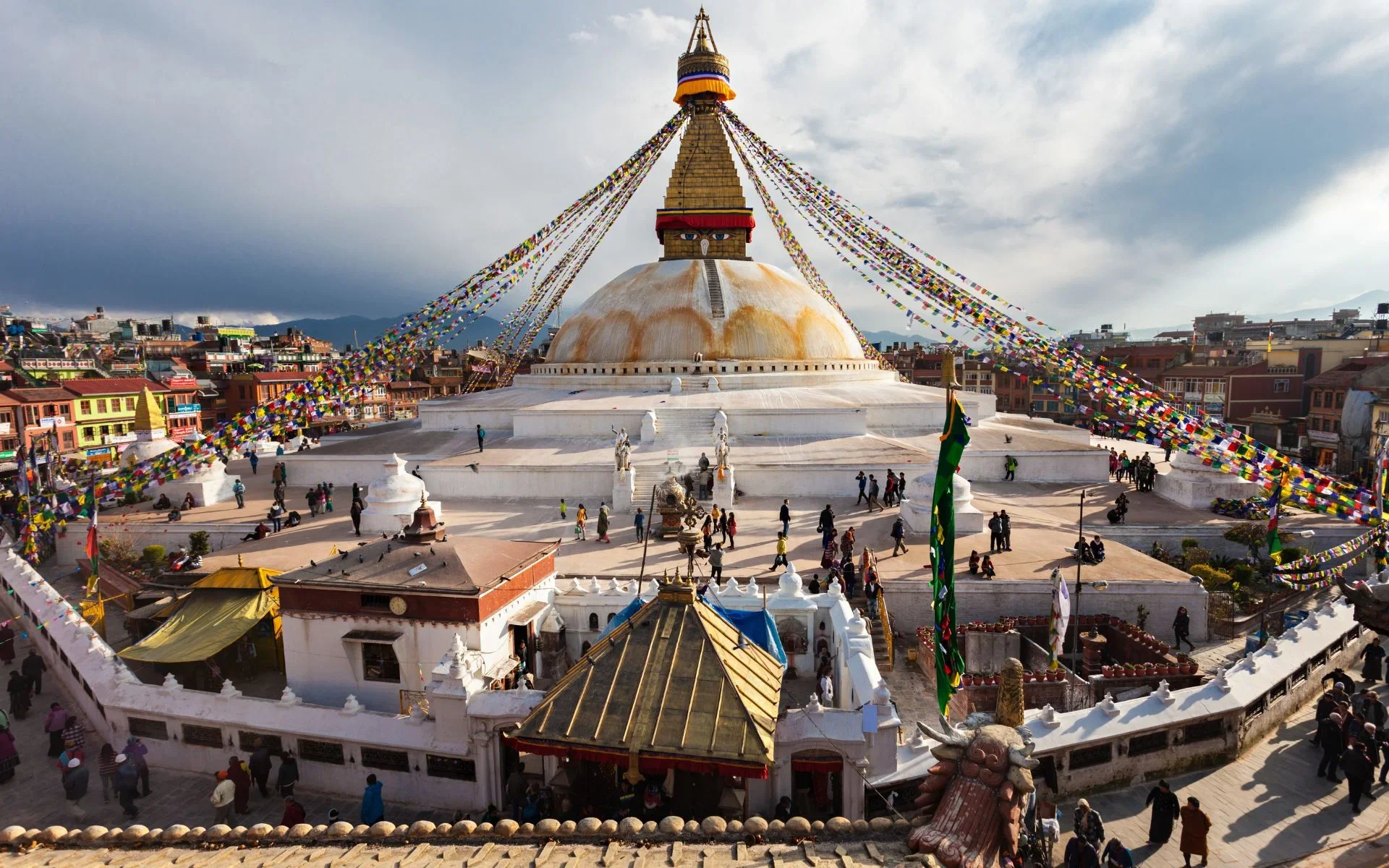
Boudhanath is one of the largest stupas in the world and the center of Tibetan Buddhist life in Kathmandu. Foreigners pay around NPR 400 to enter the plaza, and the mandala-shaped stupa sits surrounded by dozens of active monasteries, making this the easiest place in the city to witness Tibetan Buddhist ritual up close.
Walk the circular path around the stupa in a clockwise direction, spinning the prayer wheels set into its base as you go. This is a working religious site, not a museum, so the etiquette matters. Maroon-robed monks from the surrounding gompas cross the plaza throughout the day, and butter lamps burn continuously at the shrines ringing the base.
Several rooftop cafés overlook the plaza, and the best of them let you watch the evening circumambulation, when hundreds of pilgrims and residents walk the stupa together as the light fades and the prayer flags catch the last sun. Visit once in the morning for quiet reflection and once around 5 PM for the atmosphere.
4. Pashupatinath Temple
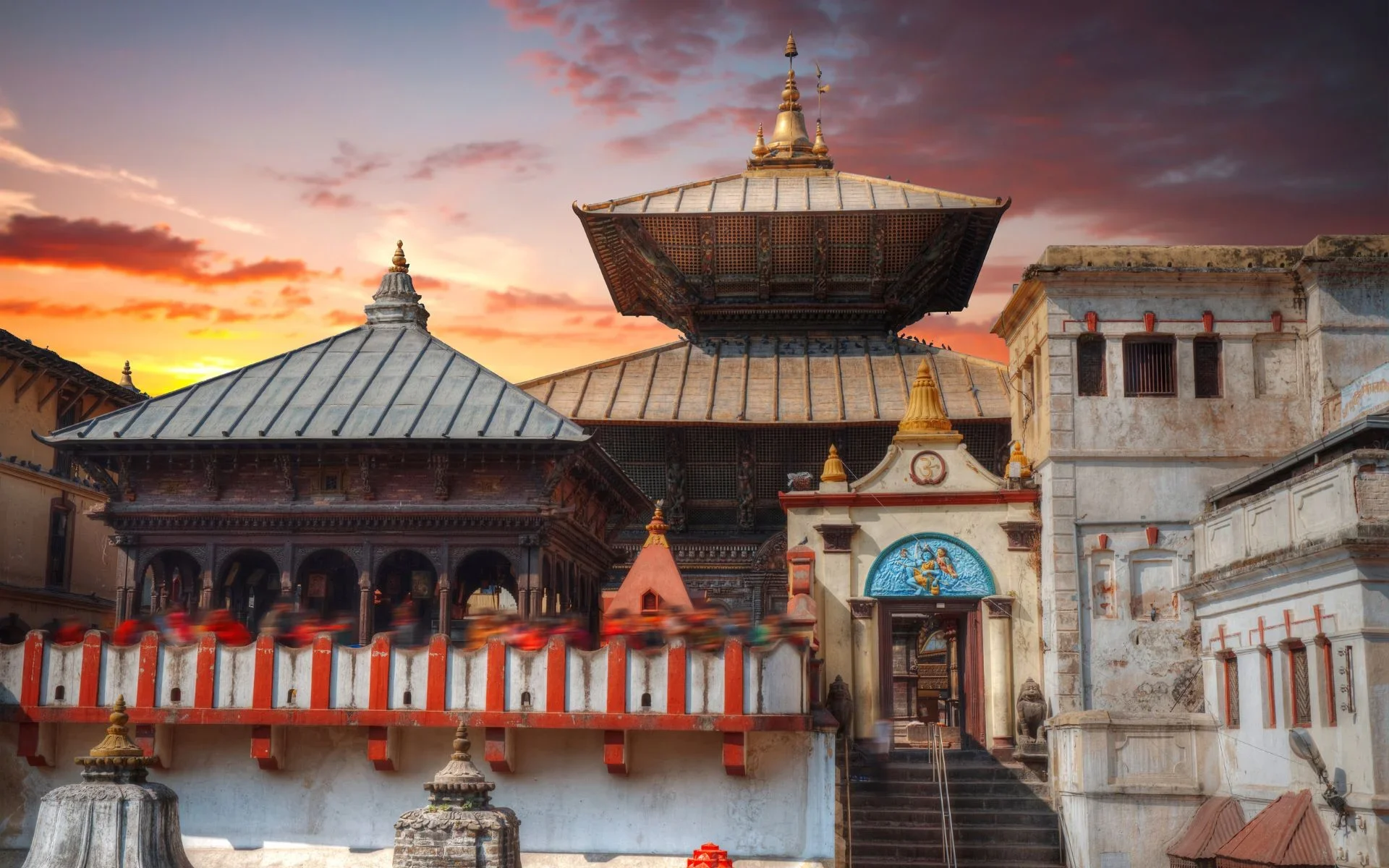
Pashupatinath is Nepal's most sacred Hindu temple complex, dedicated to Shiva and built along the banks of the Bagmati River. The current entry fee for foreign visitors is around NPR 1,000, while Nepali and Indian nationals enter free.
Non-Hindu visitors cannot enter the inner sanctum of the main pagoda-roofed temple, which is reserved for practicing Hindus. What you can access is the wider Pashupati complex: the ghats along the river where open-air cremation ceremonies take place, the Mrigasthali deer park, and viewpoints across the river where you can observe rituals respectfully from a distance.
Photography of the cremation ghats is a sensitive subject. Families are grieving in real time, and treating the scene as a photo opportunity is not appropriate. The evening Aarti ceremony on the riverbank, held most days around dusk, is open to everyone and offers a far more welcoming way to experience the site's spiritual side. If you want structured cultural context around visits like this, browse our pilgrimage-focused trips for guided options.
5. Patan Durbar Square
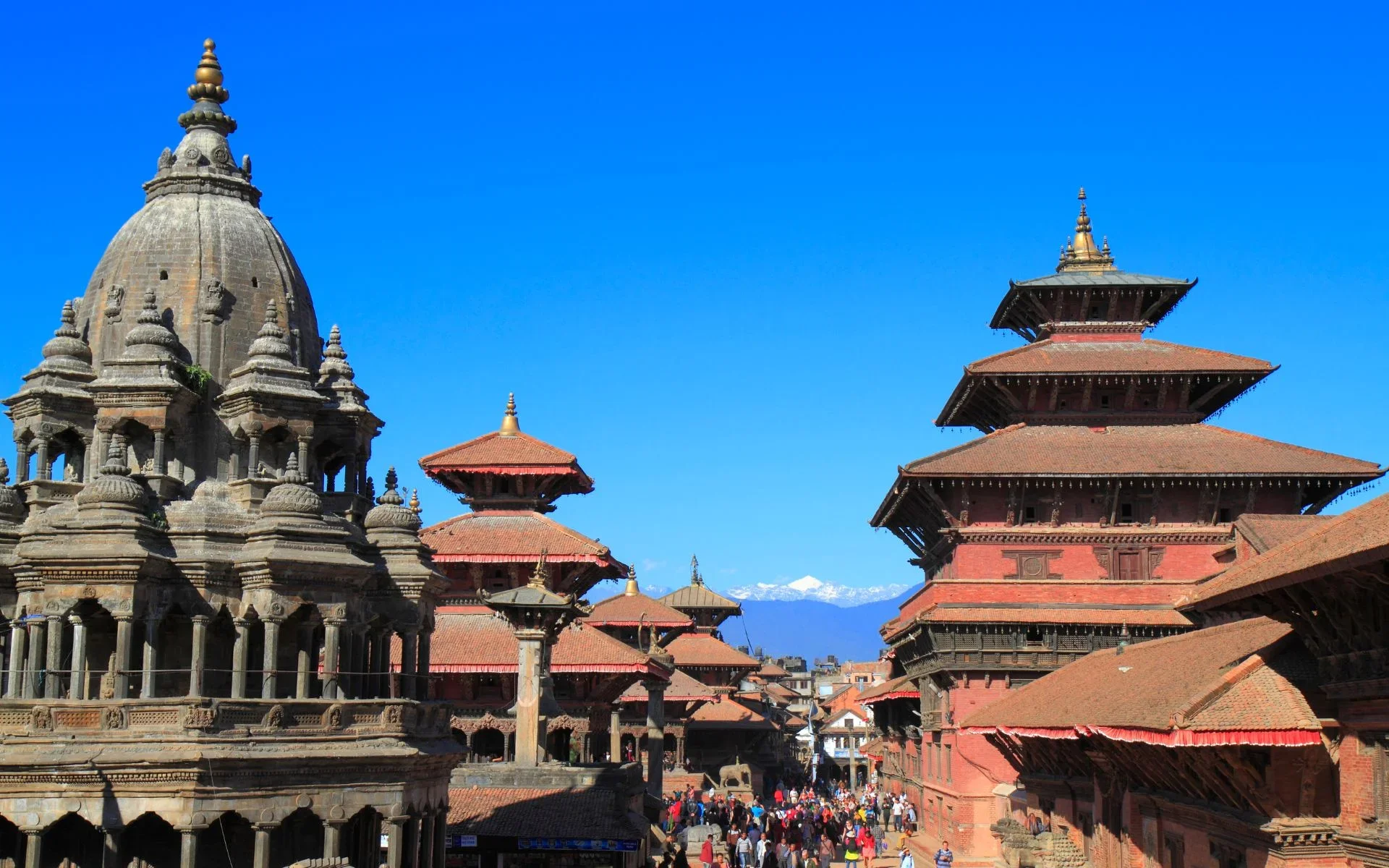
Patan sits just across the Bagmati River from central Kathmandu, technically its own historic city within the valley rather than part of Kathmandu proper, though most itineraries treat it as a half-day extension of a Kathmandu stay.
The square centers on the Krishna Mandir, a stone temple built entirely without wood, an unusual construction method for the valley. The adjoining Patan Museum, housed inside the old royal palace, holds one of the best collections of Newari bronze and religious art in the country. A short walk from the main square brings you to the Golden Temple (Hiranya Varna Mahavihar), a working Buddhist monastery with gilded roof struts.
Entry runs roughly NPR 1,000 to 1,500 for foreigners depending on current rates. Budget 2 to 3 hours, and pair it with lunch at one of the courtyard cafés tucked into the surrounding alleys.
6. Bhaktapur Durbar Square
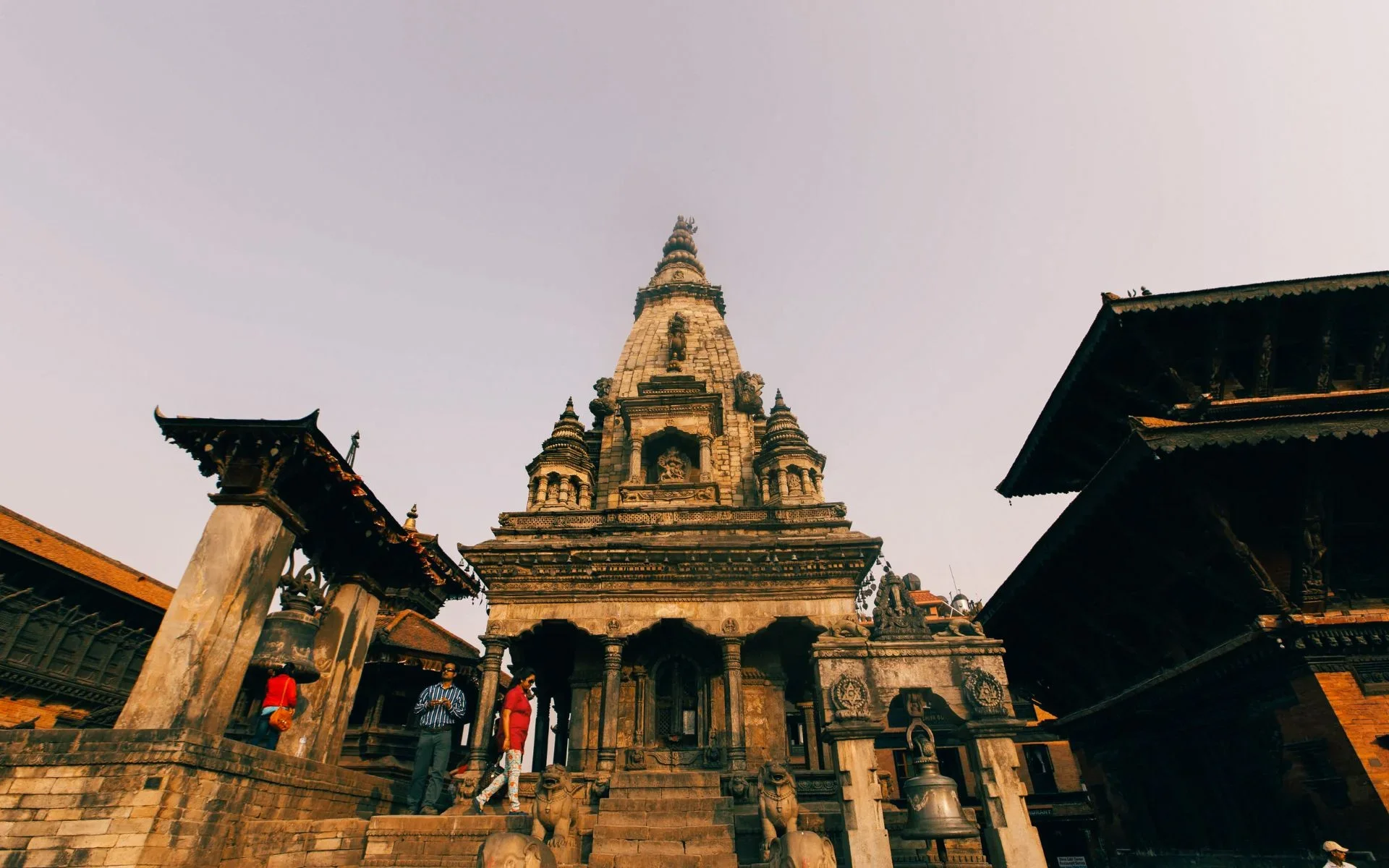
Bhaktapur is the third of the valley's royal cities and, in our experience, the one that feels most like stepping into a functioning medieval town rather than a monument. Traffic is largely restricted from the old city core, which keeps the brick-paved streets quieter than Kathmandu or Patan.
The 55 Window Palace and the five-tiered Nyatapola Temple, one of the tallest pagodas in Nepal, anchor the main square. Pottery Square, a short walk away, is where you can watch potters shape clay on foot-powered wheels the way their families have for generations. Set aside a half day minimum, since Bhaktapur rewards slow wandering through side streets more than any other site on this list.
Entry fees for foreigners are commonly cited around NPR 1,500, though this is another figure worth confirming before your visit. Bhaktapur pairs naturally with Patan on a single day trip, and our Golden Triangle Tour links both cities with Kathmandu into one structured route.
7. Garden of Dreams
After a morning of temple courtyards and market crowds, the Garden of Dreams offers something the rest of this list does not: quiet. This neoclassical walled garden sits a short walk from Thamel, built in the 1920s as a private estate and restored in the 2000s with fountains, pavilions, and manicured lawns.
Entry costs a modest fee, generally cited around NPR 200 for foreigners, and the on-site café is a genuinely pleasant place to sit with a coffee after exploring Thamel's crowded lanes. This is less a must-see attraction and more a reset button, best scheduled right after item eight on this list.
8. Thamel: Kathmandu's Tourist Hub
Thamel is not just a shopping street, even though most guidebooks reduce it to one. It is the place where trekkers buy last-minute gear, where budget guesthouses cluster within a few blocks of each other, and where Kathmandu's nightlife concentrates after dark.
Expect a dense mix of restaurants serving everything from momos to wood-fired pizza, gear shops selling both genuine and replica outdoor brands (check zippers and stitching before you buy anything technical), bookshops, and bars that stay lively into the late evening. Most trekkers heading toward Everest Base Camp or the Annapurna region pass through Thamel at some point to finalize permits and gear, which keeps the neighborhood in a permanent state of pre-trek energy.
Budget 2 to 4 hours just to wander, longer if you are shopping seriously. Evenings here run later than almost anywhere else in the city.
9. Kopan Monastery
Kopan is a working Tibetan Buddhist monastery on a hilltop north of Boudhanath, home to a large community of monks and a well-known meditation center that runs courses for foreign visitors. Even a short visit gives you a quieter, more contemplative counterpart to the crowded plaza at Boudhanath below.
Visitors can walk the grounds, view the main prayer hall from outside when ceremonies are not in session, and take in views back across the valley. Dress modestly, remove your shoes before entering any prayer hall, and keep noise down, since this is an active place of study and worship, not a tourist site built for foot traffic.
10. Narayanhiti Palace Museum
Narayanhiti was the official residence of Nepal's royal family until the monarchy ended in 2008. It now operates as a museum, and walking through its state rooms tells a very different story from the ancient Durbar Squares elsewhere on this list, this is Nepal's modern political history rather than its medieval one.
Exhibits include the throne room, private living quarters left largely as they were, and a wing documenting the events surrounding the royal massacre of 2001 and the country's transition to a republic. Photography is restricted in parts of the building, and bags and phones are checked at entry. Budget 1 to 2 hours.
11. Chandragiri Hills
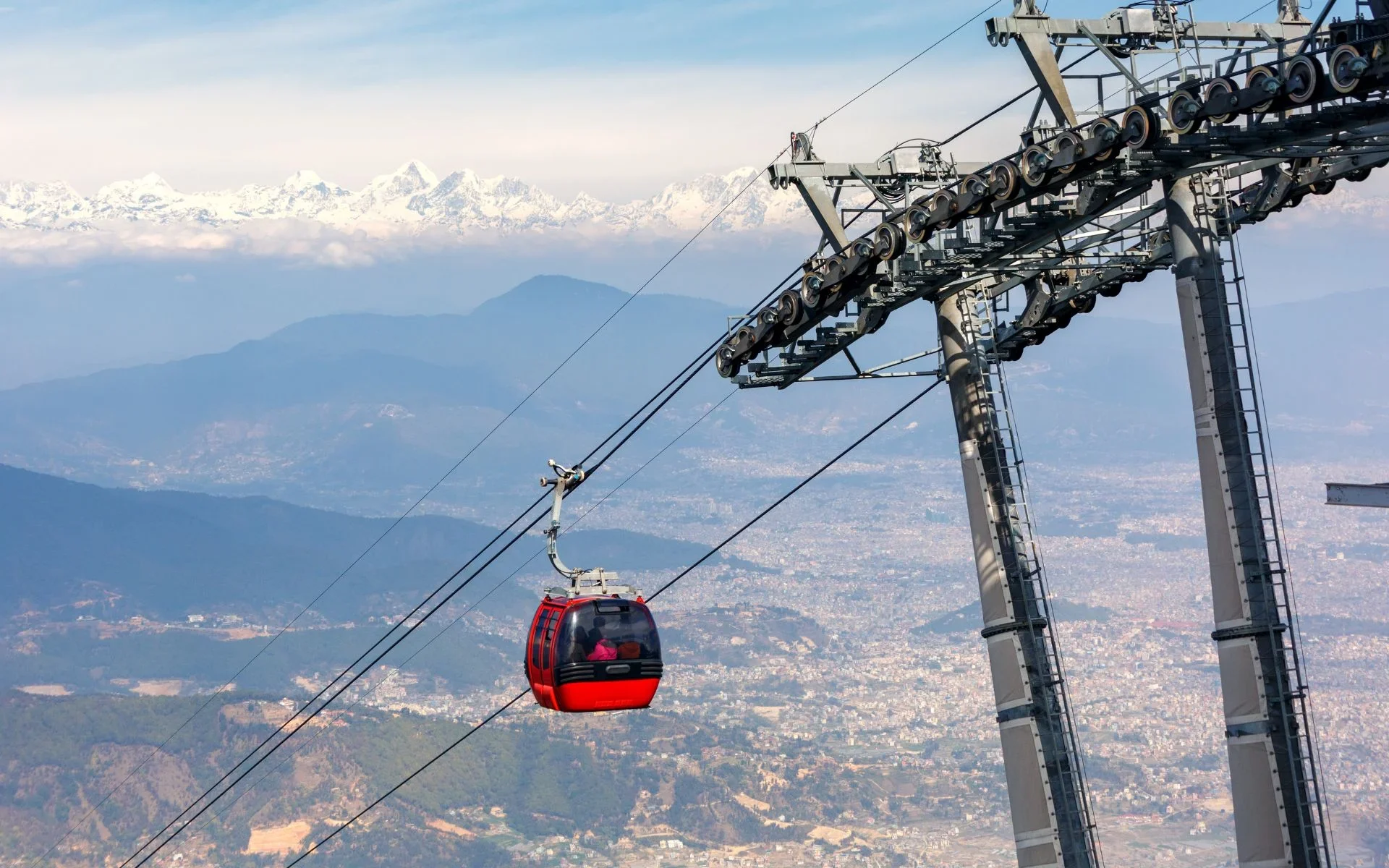
Chandragiri offers the most accessible mountain views near Kathmandu without an actual trek. A cable car covering roughly 2.4 kilometers carries visitors from the base station up to the hilltop in about 10 minutes, with round-trip foreigner pricing generally landing somewhere in the USD 20 to 25 range, though you should check current rates before booking, since cable car pricing shifts more often than temple entry fees.
At the top, the Bhaleshwar Mahadev Temple marks one of Nepal's Shakti Peeth pilgrimage sites, and on a genuinely clear day, usually in the post-monsoon months, you can see across to Everest, Ganesh Himal, and the Langtang range. Cloud cover is common, so treat the mountain view as a bonus rather than a guarantee. Budget a half day, or a full day if you plan to eat at the hilltop restaurants and linger for sunset.
12. Kirtipur
Kirtipur sits on a ridge southwest of central Kathmandu and gets a fraction of the foot traffic that Patan or Bhaktapur see, which is exactly its appeal. This old Newari town predates the unification of the Kathmandu Valley and still carries the layout and temples of that earlier era.
Narrow lanes wind between traditional brick houses, and the Bagh Bhairab and Chilancho Vihar temples anchor two of the town's historic squares. Local weaving and pottery are still practiced here at a household level rather than for tour groups, and the hilltop position gives decent valley views without the crowds you would find at a dedicated viewpoint. If you want a slower, more local feel to your Kathmandu time, this is where to spend it.
13. Asan and Indra Chowk
These two market areas sit close enough together to cover in one outing and work well as a single stop on your route.
Asan Market
Asan is Kathmandu's oldest and busiest trading square, a six-way intersection ringed by spice shops, grain sellers, and textile stalls. Expect crowds, motorbikes squeezing through impossibly narrow gaps, and the kind of unfiltered daily commerce that has run through this square for centuries.
Indra Chowk
A short walk from Asan, Indra Chowk mixes market stalls with several notable temples, including the Akash Bhairab shrine. Shops here lean toward textiles and traditional Newari items, and the surrounding lanes connect naturally back toward Kathmandu Durbar Square.
14. Rani Pokhari
Rani Pokhari is a rectangular pond built in the 17th century in central Kathmandu, with the Bal Gopaleshwar Temple sitting on a small island at its center, reachable by a footbridge that opens only a few days a year during Hindu festivals. The pond has been rebuilt more than once, most recently after 2015 earthquake damage, using a design that mixes traditional and Rana-era architectural elements.
It is not a destination worth a special trip on its own, but as a 30 to 60 minute stop while you are already walking between Durbar Square and the New Road shopping area, it is a pleasant break.
15. National Museum of Nepal
Located in Chhauni, a short taxi ride from central Kathmandu, the National Museum holds the country's most comprehensive collection of historical artifacts, religious art, and a dedicated military history wing covering Nepal's conflicts from the Anglo-Nepalese War onward.
This is the site to visit if you want context before or after seeing the Durbar Squares, since many of the sculptures and architectural fragments displayed here come directly from sites damaged in past earthquakes. Budget 1 to 2 hours, and confirm opening days in advance, since the museum closes on certain public holidays.
16. Seto Machindranath Temple
Tucked into the lanes near Kel Tole in central Kathmandu, Seto Machindranath is a working Buddhist and Hindu shrine dedicated to a deity worshipped under different names by both traditions, a good example of how religious lines blur in the valley rather than staying strictly separate.
The temple hosts its own chariot festival each spring, distinct from the larger Rato Machindranath Jatra in Patan, drawing crowds from across the old city. Outside festival season, it is a quiet stop of 30 to 60 minutes, easily folded into a walking route between Asan and Durbar Square.
17. Explore Kathmandu's Newari Courtyards
Beyond the named monuments, some of the most rewarding parts of old Kathmandu are the bahal and bahi courtyards tucked behind unmarked doorways off the main streets. These enclosed spaces, part residential and part religious, hold small stupas, hidden shrines, and carved windows that most visitors walk straight past.
Wandering into these courtyards works best on foot with no fixed destination in mind. Keep in mind that many are still lived-in residential spaces, so move quietly, ask before photographing people, and step back if a family clearly does not want visitors lingering. For travelers building a broader cultural itinerary around the valley, this kind of unstructured wandering pairs naturally with the formal heritage sites.
18. Visit Kathmandu's Rooftop Cafés
Kathmandu's skyline is low enough that even a modest rooftop puts you above the street chaos and level with stupa domes or distant hills. The best rooftop spots cluster around Boudhanath, where several cafés look directly onto the stupa plaza, and around Thamel, where rooftop bars pick up trekkers winding down after a day of gear shopping.
This is less a single attraction and more a way to close out your day, coffee and prayer flags at Boudhanath in the late afternoon, or a beer above Thamel's lanes once the evening crowds pick up.
19. Experience a Local Festival
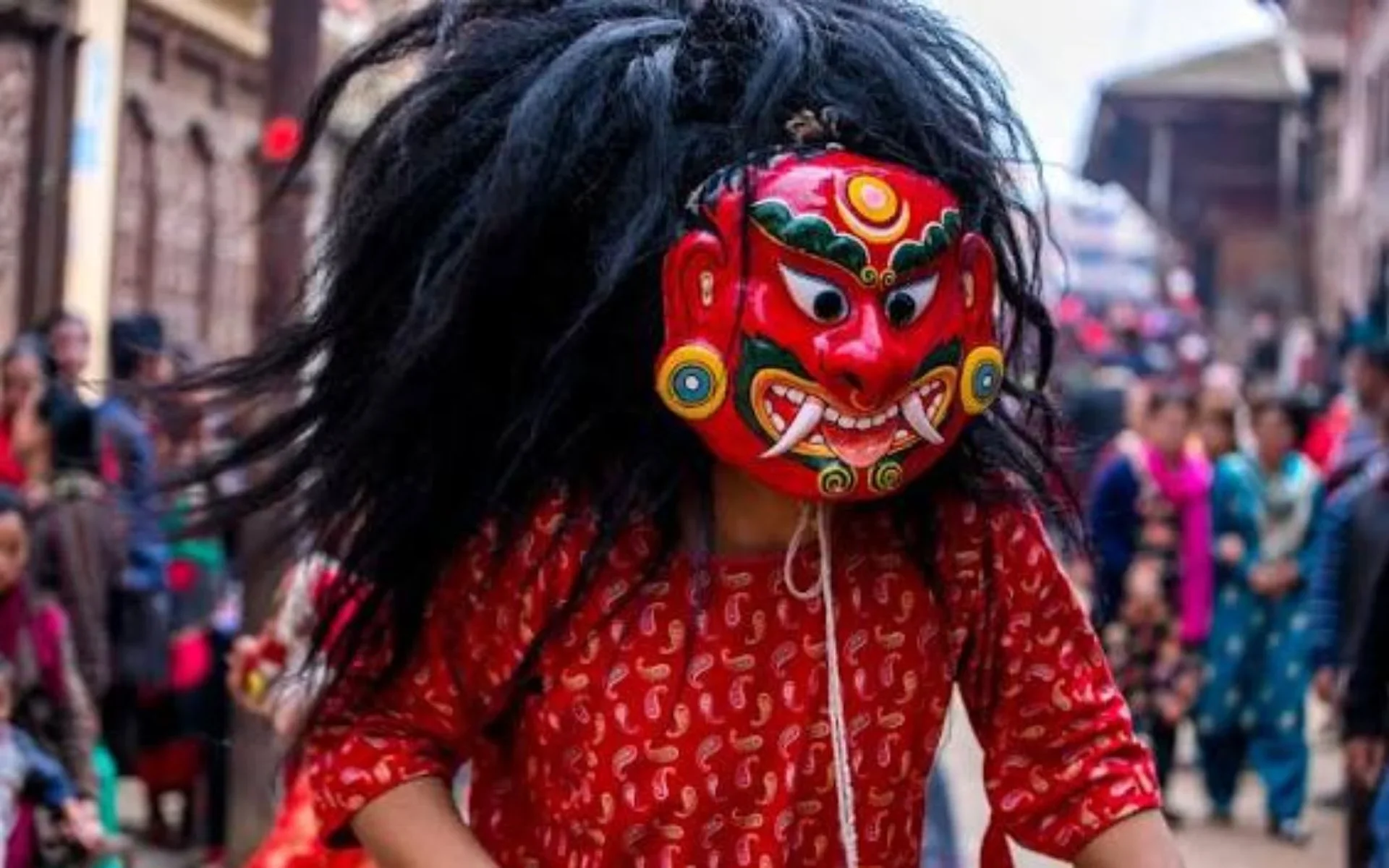
Kathmandu's festival calendar is dense, and catching one changes a visit substantially, though which festival you encounter depends entirely on your travel dates. Indra Jatra, held in September, fills Kathmandu Durbar Square with masked dances and a rare public appearance by the Kumari riding through the streets on a chariot. Dashain in September or October and Tihar in October or November are Nepal's two biggest national holidays, both centered on family and home rather than public spectacle, though street decorations and temple activity increase noticeably. Holi in March brings color-throwing crowds to Durbar Square and Thamel, and the Seto Machindranath Jatra runs its own chariot procession through the old city each spring.
None of these happen year-round, so check the current Nepali calendar against your travel dates rather than assuming a festival will be running during your visit.
20. Take a Day Trip Around Kathmandu Valley
If you have extra time, Kathmandu works well as a base for exploring the wider valley rather than the endpoint of your city stay. Patan, Bhaktapur, Kirtipur, and Chandragiri all sit within an hour's drive, and Nagarkot, a hill station on the valley's eastern rim known for sunrise Himalayan views, makes a worthwhile overnight add-on if your schedule allows it.
Traffic, not distance, is the real variable here, so build buffer time into any day trip rather than estimating by kilometers alone. Our team can help you put together a day-trip route that matches your interests and the number of days you actually have in the valley.
Best Places to Visit in Kathmandu for Different Travelers
Best for First-Time Visitors
Kathmandu Durbar Square, Swayambhunath, Boudhanath, and Pashupatinath together cover the valley's core religious and architectural range in a single, walkable cluster of days.
Best for History Lovers
Kathmandu Durbar Square, Patan Durbar Square, Bhaktapur, and the Narayanhiti Palace Museum span everything from 12th century Malla architecture to Nepal's 21st century transition to a republic.
Best for Buddhist Culture
Boudhanath, Swayambhunath, and Kopan Monastery give you three distinct angles on Buddhist practice in the valley, from a major pilgrimage stupa to an active teaching monastery.
Best for Hindu Culture
Pashupatinath and Seto Machindranath, along with the many smaller shrines scattered through Kathmandu Durbar Square, cover the city's Hindu heritage.
Best for Local Life
Asan, Indra Chowk, and Kirtipur put you closest to how Kathmandu residents actually shop, trade, and live, away from the more curated tourist sites.
Best for Mountain Views
Swayambhunath's hilltop position and the Chandragiri cable car both offer valley and, on clear days, Himalayan views without requiring a trek.
Kathmandu UNESCO World Heritage Sites
The Kathmandu Valley holds seven UNESCO World Heritage components, not seven separate cities as some guides imply, but seven distinct monument zones grouped under one valley-wide listing. These are Kathmandu Durbar Square, Swayambhunath, Boudhanath, Pashupatinath, Patan Durbar Square, Bhaktapur Durbar Square, and Changu Narayan, a fifth-century temple complex outside the city that most visitors skip on a short trip but is worth adding if you have an extra half day and an interest in the valley's oldest surviving architecture.
How Many Days Do You Need in Kathmandu?
1 Day in Kathmandu
Focus on Kathmandu Durbar Square, Swayambhunath, and either Boudhanath or Pashupatinath, depending on whether Buddhist or Hindu heritage interests you more. This is a full, tiring day, so plan a private vehicle rather than relying on walking between sites.
2 Days in Kathmandu
Add Thamel, Asan Market, and a rooftop café evening at Boudhanath to your first day's itinerary. This pace gives you room to actually absorb each site instead of checking boxes.
3 Days in Kathmandu
Add Patan and Bhaktapur, or substitute Kirtipur and Chandragiri if you prefer quieter, less-visited sites over the second and third Durbar Squares.
4 or More Days
Use Kathmandu as a base for the full valley, including Nagarkot for sunrise views and Changu Narayan for the seventh UNESCO site. This is also the pace that makes sense if you are combining city time with a structured heritage tour before heading out to the mountains.
Best Time to Visit Kathmandu
Autumn: Clear Skies and Pleasant Weather
September through November brings the clearest skies of the year, comfortable daytime temperatures, and the highest concentration of festivals, including Dashain and Tihar. This is peak season, and Durbar Square and Thamel both get genuinely crowded.
Winter: Cold but Often Clear
December through February stays dry with cold mornings and evenings, dropping close to freezing at night, but daytime skies are frequently clear, and crowds thin out noticeably at the major sites.
Spring: Warm Weather and Flowers
March through May warms up quickly and brings Holi and the Seto Machindranath Jatra, though visibility toward the mountains can be hazier than in autumn due to pre-monsoon dust and haze.
Monsoon: Rainy but Green
June through August brings daily rain, usually in afternoon or evening bursts rather than all day, and the valley turns noticeably greener. Sightseeing is still possible, just plan around wet afternoons, and check our best time to visit Nepal guide if you are weighing this season against a trek elsewhere in the country.
How to Get Around Kathmandu
Walking covers most of the old city core, since Kathmandu Durbar Square, Thamel, Asan, and Indra Chowk sit within a compact, connected zone. For anything further, metered taxis and ride-hailing apps handle most trips, and negotiating a flat rate with a taxi driver before departure avoids meter disputes.
Local buses run cheaply between major points but move slowly and can be confusing without local language skills. For a full day covering multiple valley sites, a private vehicle with driver is usually the most efficient option and the one we arrange for guests on our organized sightseeing routes.
Traffic, not raw distance, is what actually determines how long a trip takes in Kathmandu, so plan by expected travel time rather than kilometers on a map.
Tips for Visiting Kathmandu
Start heritage-site visits early, ideally before 8 AM, to beat both heat and tour groups.
Dress modestly at religious sites: covered shoulders and knees, shoes off before entering temples and monasteries.
Ask before photographing people directly, especially at Pashupatinath's cremation ghats.
Carry cash in smaller denominations for entrance fees and small shops, since cards are not universally accepted.
Build buffer time into any day plan, since Kathmandu traffic rarely moves at the pace Google Maps predicts.
Keep valuables secure and bags zipped in crowded markets like Asan and Indra Chowk.
Stay quiet and respectful around active religious ceremonies, even if you are not participating.
Group attractions geographically rather than jumping across the city, which saves hours of transit time.
Frequently Asked Questions
What is the best place to visit in Kathmandu?
Kathmandu Durbar Square is usually ranked as the single best stop for first-time visitors, since it combines royal history, Newari architecture, and the Kumari's residence in one walkable complex.
What is Kathmandu famous for?
Kathmandu is known for its UNESCO World Heritage Durbar Squares, the Buddhist stupas at Boudhanath and Swayambhunath, Pashupatinath Temple, and its role as the gateway city for Himalayan trekking.
How many days are enough for Kathmandu?
Two to three days cover the core sites comfortably. Add a fourth or fifth day if you want to include Bhaktapur, Kirtipur, or a Nagarkot overnight for mountain sunrise views.
What should I not miss in Kathmandu?
Kathmandu Durbar Square, Boudhanath Stupa, and Pashupatinath Temple form the essential core, since together they represent the valley's royal, Buddhist, and Hindu heritage in one trip.
Which places in Kathmandu are UNESCO World Heritage Sites?
Kathmandu Durbar Square, Swayambhunath, Boudhanath, Pashupatinath, Patan Durbar Square, Bhaktapur Durbar Square, and Changu Narayan make up the seven components of the valley's UNESCO listing.
Is Kathmandu worth visiting?
Yes. Kathmandu holds one of the densest concentrations of living heritage sites in South Asia, and treating it purely as a trekking gateway means missing centuries of Newari architecture and active religious life.
What are the best places to visit in Kathmandu for first-time travelers?
Kathmandu Durbar Square, Swayambhunath, Boudhanath, and Pashupatinath give first-time visitors the broadest possible introduction in the shortest amount of time.
What are the best places to visit near Kathmandu?
Patan, Bhaktapur, Kirtipur, Chandragiri Hills, and Nagarkot all sit within a short drive of central Kathmandu and work well as half-day or full-day extensions.
Can you explore Kathmandu in one day?
You can cover the highlights in one long day, typically Kathmandu Durbar Square, Swayambhunath, and one of Boudhanath or Pashupatinath, but the pace is rushed and leaves little room for wandering.
What is the best time to visit Kathmandu?
Autumn (September to November) offers the clearest skies and most comfortable temperatures, though winter also delivers clear days with far fewer crowds.
Do I need a guide to visit Kathmandu's heritage sites?
A guide is not legally required for city sightseeing, unlike Nepal's restricted trekking areas, but a local guide adds significant context at sites like Kathmandu Durbar Square and Pashupatinath, where the history and ritual meaning are not obvious from signage alone.
Is Pashupatinath open to non-Hindu visitors?
Non-Hindus can access the outer complex, ghats, and deer park at Pashupatinath, but the inner sanctum of the main temple is restricted to practicing Hindus.
What should I wear when visiting Kathmandu's temples?
Cover your shoulders and knees, and be ready to remove your shoes before entering any temple interior or monastery prayer hall.
Can I combine Kathmandu sightseeing with trekking?
Yes, most travelers spend two to three days in Kathmandu before or after a trek, since permits, gear shopping, and flight confirmations to Lukla or Pokhara are usually handled from the city.
Final Thoughts
Kathmandu shows a different face depending on where you stand: heritage in the Durbar Squares and ancient temples, Buddhist culture at Boudhanath and Swayambhunath, Hindu tradition at Pashupatinath, everyday local life in Asan and Indra Chowk and Kirtipur, and a modern pulse in Thamel's restaurants and rooftop cafés. Chandragiri and the valley's hilltop sites round things out with the mountain views that first drew most travelers to Nepal.
Give the city more than a single rushed day if your schedule allows it. Kathmandu is a country genuinely worth building time around, not just a layover between flights and trailheads.
Planning your Nepal trip? Let Walk Through Nepal help you experience Kathmandu beyond the usual checklist. Whether you want to explore the valley's heritage sites, spend more time discovering local culture, or combine Kathmandu with a trek into the Himalayas, our local team can help you build an itinerary around your time and interests.