Contents
If you only remember one thing from this guide, remember this: October–November and March–April are the two windows that give you the clearest skies, the most stable trails, and the best mountain visibility anywhere in Nepal. Everything else in this article is about the exceptions, the trade-offs, and the months that actually suit you better depending on what you're chasing.
There isn't one universal "best month". It depends on whether you want a trekking trip, a wildlife safari, a cultural tour, or a quiet, low-crowd visit during the shoulder season. The good news is Nepal is a year-round destination for all these activities. Even the monsoon and winter months have real reasons to visit, as long as you know what you're walking into.
When Is the Best Time to Visit Nepal?
The best time to visit Nepal overall is autumn (October–November), followed closely by spring (March–April). Both seasons combine dry weather, moderate temperatures, and open mountain views, making them ideal for trekking, sightseeing, and outdoor travel across the country.
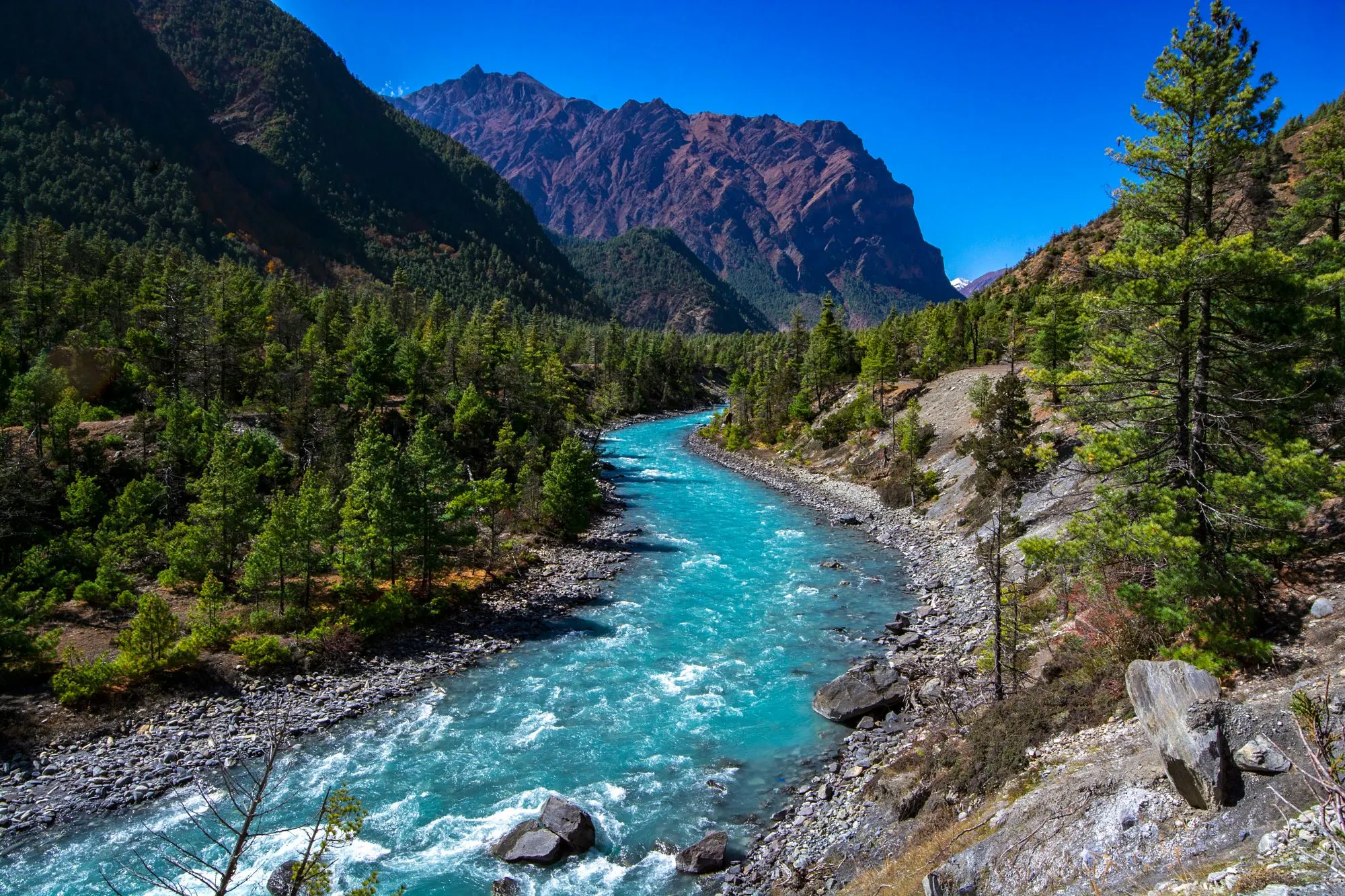
Annapurna Circuit Trek Packages – Cost, Itinerary & 12, 14 or 16 Day Options
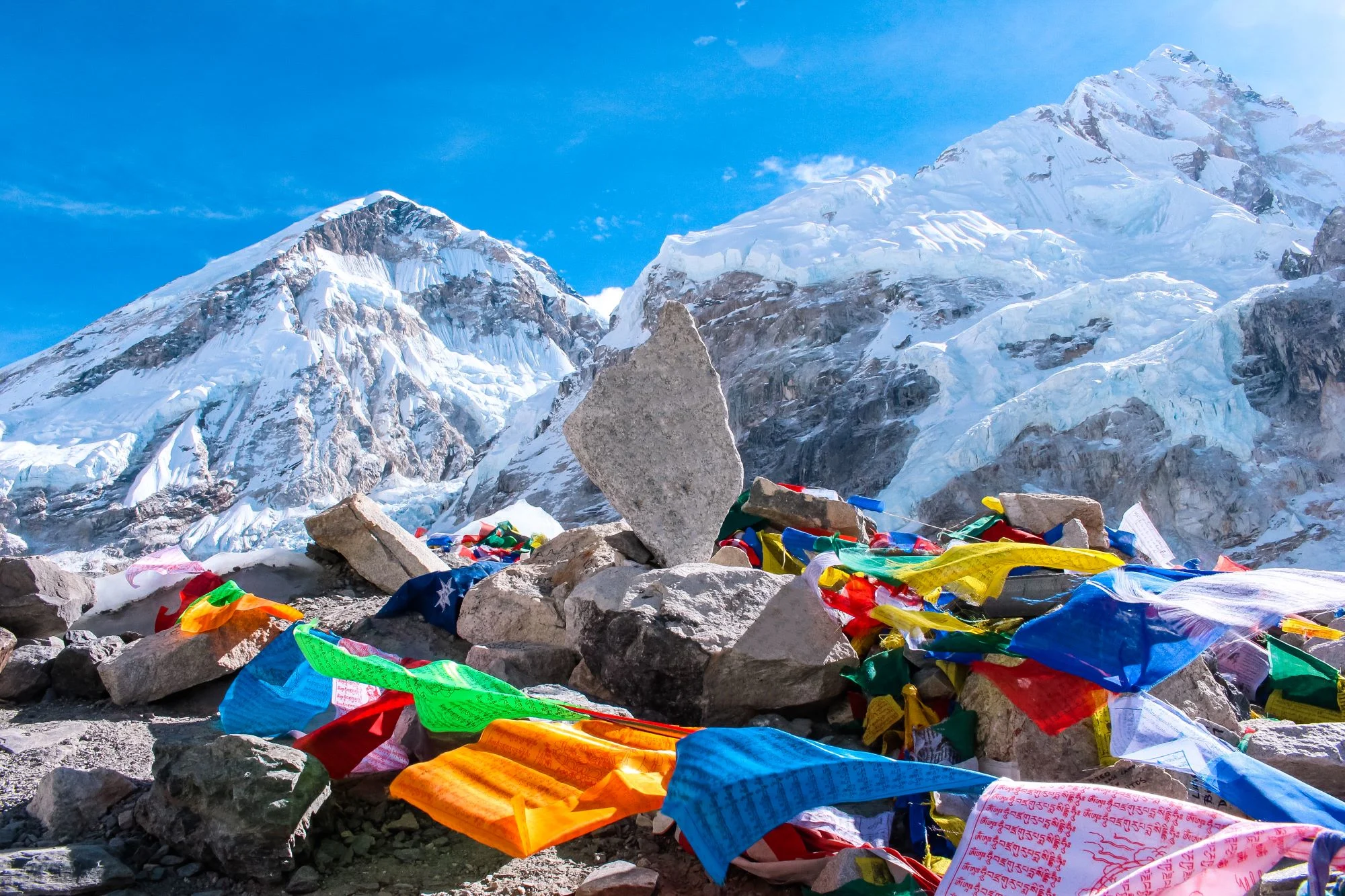
Everest Base Camp Trek Packages – Cost, Itinerary & 12, 14 & 16 Day Options
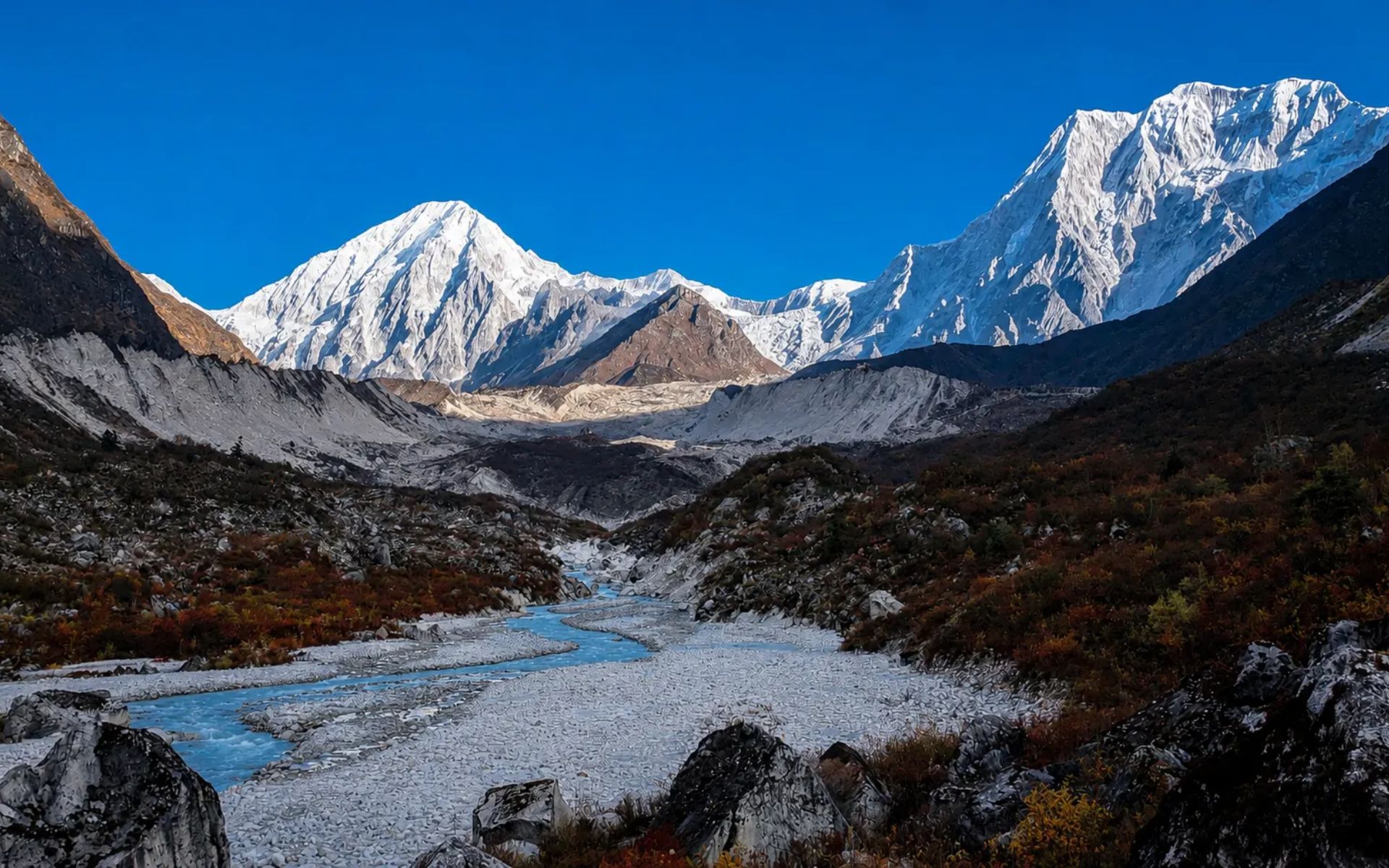
Manaslu Circuit Trek Packages – Cost, Permit & 12, 14 or 16 Day Options
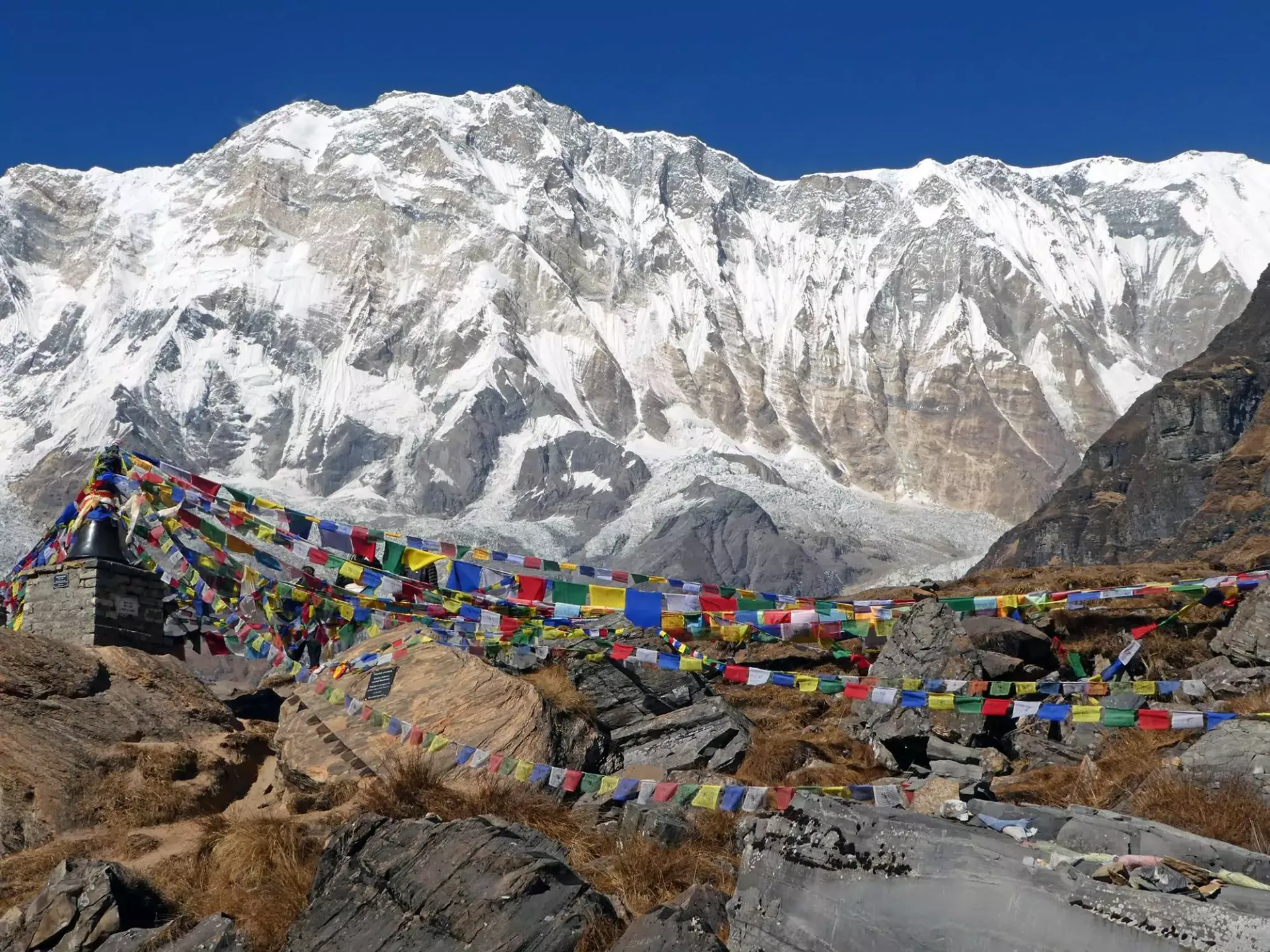
Annapurna Base Camp Trek Packages – Cost, Itinerary & 9 or 12 Day Options
Best Overall Time: October to November
Autumn is Nepal's most reliable season, with clear skies, dry trails, and consistently good mountain visibility from the Kathmandu Valley all the way up to Everest Base Camp at 5,364 meters. Daytime temperatures in the mid-hills sit comfortably between 15–20°C, dropping toward freezing at higher elevations after sunset.
This is peak trekking season, so expect the Everest Base Camp Trek, Annapurna Circuit, and Ghorepani Poon Hill Trek routes to be busy. Teahouses fill up fast in October, and flights to mountain airstrips get booked weeks in advance, so we always tell travelers booking this window to lock in accommodation and permits early.
Best Spring Months: March to April
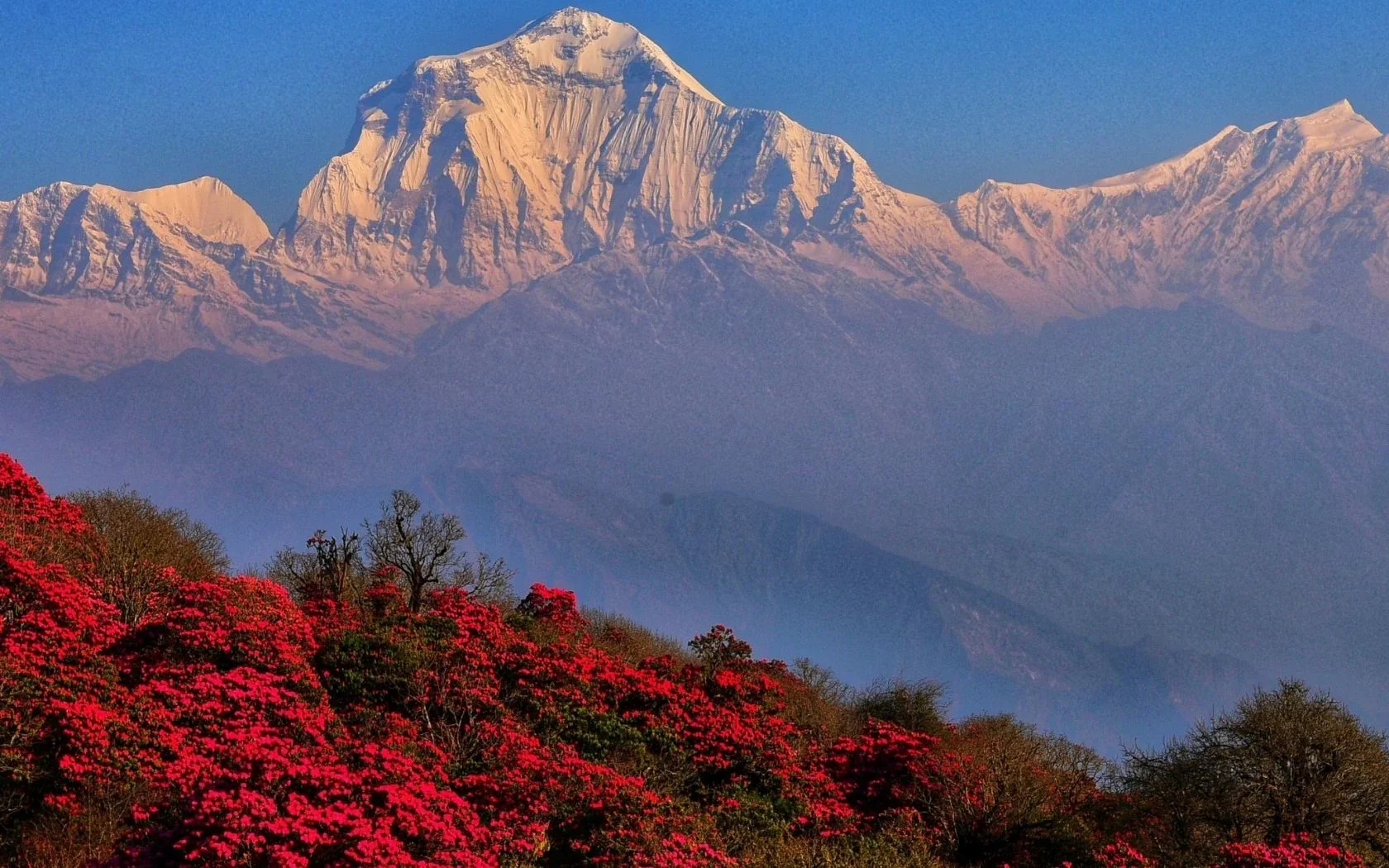
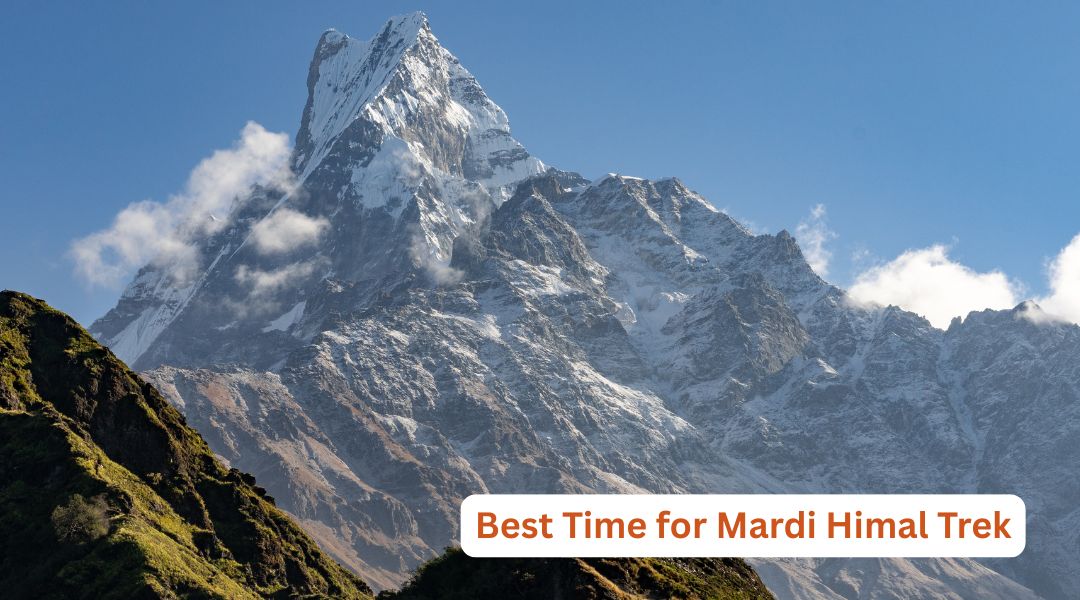
Spring brings rhododendron forests into full bloom across the mid-hills, turning trails like Ghorepani-Poon Hill and Mardi Himal into red-and-pink corridors, alongside stable trekking weather and strong mountain visibility. Temperatures climb steadily through the season, making valley walking noticeably warmer than in autumn.
March and April are also the traditional window for Everest climbing expeditions, since the pre-monsoon period offers the most predictable summit weather on the mountain itself. Trekking below 5,000 meters is comfortable in a standard layering system, though afternoon haze can occasionally soften long-range mountain photography compared to autumn's sharper air.
Is Nepal Worth Visiting During the Monsoon?
Yes, with real caveats. June to September brings Nepal's monsoon, with heavy afternoon rainfall, humidity in the lowlands, and cloud cover that regularly hides mountain views from standard trekking routes.
Landslide-prone sections of highway, particularly on the Kathmandu-Pokhara corridor and rural feeder roads, can see delays after heavy rain. The upside: fewer tourists, greener hillsides, and significantly lower lodge and flight demand. If mountain views matter to you, this isn't your season for the Annapurna or Everest regions, but it's genuinely one of the best times to explore Upper Mustang and Upper Dolpo, which sit in the Himalayan rain shadow and stay largely dry all summer.
Can You Visit Nepal in Winter?
Winter (December–February) works well for lower-altitude travel — Kathmandu, Pokhara, and Chitwan all stay clear and dry, with cold mornings giving way to sunny, pleasant afternoons. Skies are often at their sharpest for mountain photography during this period.
High-altitude trekking becomes genuinely difficult above 4,000 meters, with sub-zero night temperatures, closed teahouses on quieter routes, and snow blocking high passes like Thorong La on the Annapurna Circuit. Lower treks such as Ghorepani-Poon Hill or Mardi Himal remain doable for well-prepared trekkers, but routes crossing high passes should be approached with caution or avoided in peak winter.
Nepal Weather and Seasons at a Glance
Season | Months | Weather | Best For |
|---|---|---|---|
Spring | March–May | Warm, increasingly hot | Trekking, rhododendron blooms, mountain views |
Summer/Monsoon | June–September | Wet, humid, cloudy | Rain-shadow regions (Mustang, Dolpo), fewer crowds |
Autumn | October–November | Clear, dry, stable | Trekking, sightseeing, best mountain visibility |
Winter | December–February | Cold and dry | Kathmandu, Chitwan, cultural tours, lower treks |
Keep in mind that this table is a country-wide generalization. Nepal's elevation range — from roughly 60 meters in the Terai lowlands to 8,849 meters at the summit of Everest — means weather can shift dramatically within a single day's walk, especially once you're above 3,000 meters.
Nepal Weather Month by Month
Here's the month-by-month breakdown we give travelers when they ask "what's Nepal actually like in [month]?" Each section follows the same format: weather, temperature, trekking conditions, and who should plan around it.
January in Nepal
Weather: Cold, dry, and clear across the mid-hills and valleys, with occasional light snow at higher elevations. Temperature: Kathmandu ranges roughly 2–18°C; high mountain trekking zones drop well below freezing at night. Trekking: Lower routes like Ghorepani-Poon Hill remain open; high passes above 4,500 meters see heavy snow and reduced trail traffic. Best for: Clear-sky photography, Chitwan safaris, and travelers who don't mind cold mornings in exchange for near-empty trails.
February in Nepal
Weather: Similar to January but slightly milder, with skies beginning to clear more consistently as the month progresses. Temperature: Daytime highs in Kathmandu reach 10–19°C, with mountain regions still firmly below freezing overnight. Trekking: A good transitional month — lower and mid-altitude treks are comfortable, while high-altitude routes remain a serious cold-weather undertaking. Best for: Early-season trekkers looking for autumn-level clarity without autumn-level crowds.
March in Nepal
Weather: The true start of spring, with warming temperatures and the first rhododendron blooms appearing in the mid-hills. Temperature: Kathmandu climbs into the 12–22°C range, and trekking-altitude days become noticeably more pleasant. Trekking: Trail conditions are excellent, and this is when spring trekking season genuinely begins across the Annapurna and Langtang regions. Best for: Trekkers who want blooming forests and don't mind slightly hazier long-distance mountain views than October offers.
April in Nepal
Weather: Peak spring conditions — warm valleys, strong trekking weather, and rhododendron forests at their fullest across mid-hill trails. Temperature: Kathmandu regularly hits 15–25°C, while high-altitude trekking zones stay cool and comfortable during the day. Trekking: This is spring's busiest and most reliable trekking month, matched only by October and November for popularity. Best for: First-time trekkers wanting classic Himalayan scenery paired with warm, forgiving daytime temperatures.
May in Nepal
Weather: Increasing heat and rising humidity as the pre-monsoon builds, with afternoon haze becoming more common at lower elevations. Temperature: Kathmandu can reach 20–30°C, and lowland areas like Chitwan turn genuinely hot and sticky. Trekking: High-altitude routes above 4,000 meters stay comfortable and are often quieter than peak April, though clouds can build by afternoon. Best for: Trekkers targeting high passes before monsoon arrives, and climbers finishing spring Everest expeditions.
June in Nepal
Weather: The monsoon typically begins in mid-June, bringing the first sustained rains of the season across most of the country. Temperature: Warm and humid almost everywhere, with Kathmandu sitting around 20–29°C. Trekking: Standard mountain routes become muddy, leech-prone, and cloud-covered; this is when we start steering trekking clients toward rain-shadow alternatives. Best for: Upper Mustang and Manang, which stay largely dry thanks to their position behind the Annapurna and Dhaulagiri massifs.
July in Nepal
Weather: Peak monsoon — heavy, near-daily rainfall across the mid-hills and Terai, with limited mountain visibility on standard trekking routes. Temperature: Hot and humid, with Kathmandu holding around 21–29°C under frequent cloud cover. Trekking: Road travel can face delays from landslides on rural highways; domestic flights see more weather-related disruption than any other month. Best for: Upper Mustang and Dolpo trekking, which remain reliably dry and offer some of the quietest trails of the year.
August in Nepal
Weather: Monsoon conditions continue, though rainfall can ease slightly compared to July in some years, with hillsides at their greenest. Temperature: Similar to July — warm, humid, Kathmandu around 21–29°C. Trekking: Standard Everest and Annapurna routes remain difficult and low-visibility; rain-shadow trekking in Mustang stays the reliable choice. Best for: Travelers prioritizing lush, green landscapes and lower prices over guaranteed mountain views.
September in Nepal
Weather: The monsoon begins retreating through the month, with rainfall tapering off and clearer skies becoming more frequent by late September. Temperature: Kathmandu cools slightly to 18–27°C as autumn approaches. Trekking: Early autumn trekking becomes viable in the back half of the month, though trails can still be muddy from recent rain. Best for: Early-bird autumn trekkers hoping to beat the October crowds while accepting slightly less predictable weather.
October in Nepal
Weather: Clear, dry, and stable — this is Nepal's most consistent weather month, with sharp mountain visibility on most days. Temperature: Kathmandu sits at a comfortable 12–24°C, cooling quickly at altitude. Trekking: Peak season on every major route, including Everest Base Camp, Annapurna Circuit, and Annapurna Base Camp; book flights and teahouses well ahead. Best for: Trekkers and sightseers who want the single most reliable weather window of the year, alongside Nepal's biggest festivals.
November in Nepal
Weather: Continues October's clarity with cooler temperatures and some of the sharpest mountain views of the entire year. Temperature: Kathmandu ranges 6–20°C, with mountain nights turning noticeably colder than early autumn. Trekking: Still peak conditions across all major routes, with slightly thinner crowds than October as the month progresses. Best for: Trekkers who want autumn's clear skies with a bit more breathing room on the trail.
December in Nepal
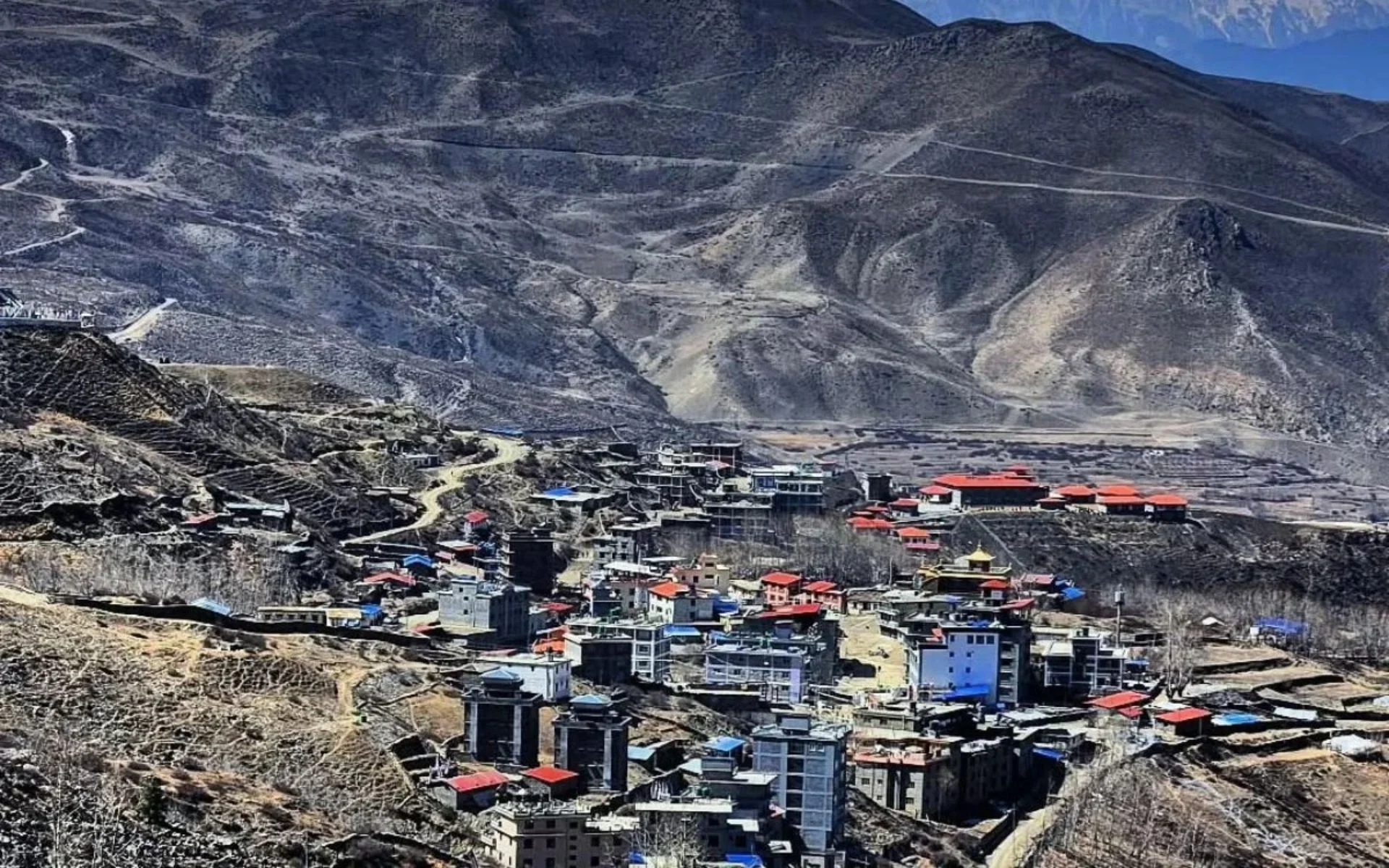
Weather: Cold and dry, with clear skies dominating most of the month before winter fully sets in. Temperature: Kathmandu drops to 2–18°C, and high-altitude regions see regular sub-zero nights. Trekking: Lower-altitude routes remain accessible and quiet; high passes begin seeing snow accumulation by mid-to-late December. Best for: Cultural travel in Kathmandu and Pokhara, Chitwan safaris, and cold-weather-ready trekkers wanting near-empty trails.
Best Time to Visit Nepal for Different Activities
Nepal doesn't have one "best season" — it has a best season per activity. Here's how that breaks down for the trips travelers ask us about most.
Best Time for Trekking in Nepal
The strongest trekking windows are March–May and October–November, when trails are dry, teahouses are open, and mountain visibility is at its best. Which window suits you depends on the region — rhododendron blooms favor spring, while autumn generally wins on sheer visibility and trail stability.
Lower routes, including the Ghorepani Poon Hill Trek and Mardi Himal Trek, stay accessible slightly outside these peak windows too, since they don't cross high passes above 4,000 meters.
Best Time for Everest Base Camp Trek
October–November and March–May are the strongest windows for the Everest Base Camp Trek, with autumn offering sharper mountain views and spring bringing warmer daytime trekking temperatures. Winter is possible for well-prepared trekkers but requires serious cold-weather gear above Dingboche.
For a full seasonal breakdown of Khumbu trail conditions and Everest expedition timing, see our guide to the Everest climbing season.
Best Time for Annapurna Base Camp Trek
Annapurna Base Camp, sitting at 4,130 meters, is most comfortable during March–May and September–November, when the sanctuary walls open up to clear 360-degree mountain views. Monsoon months bring cloud cover and leeches on the lower forested sections of trail.
We've broken this down in more depth in our dedicated guide on the best time for the Annapurna Base Camp Trek.
Best Time for Annapurna Circuit Trek
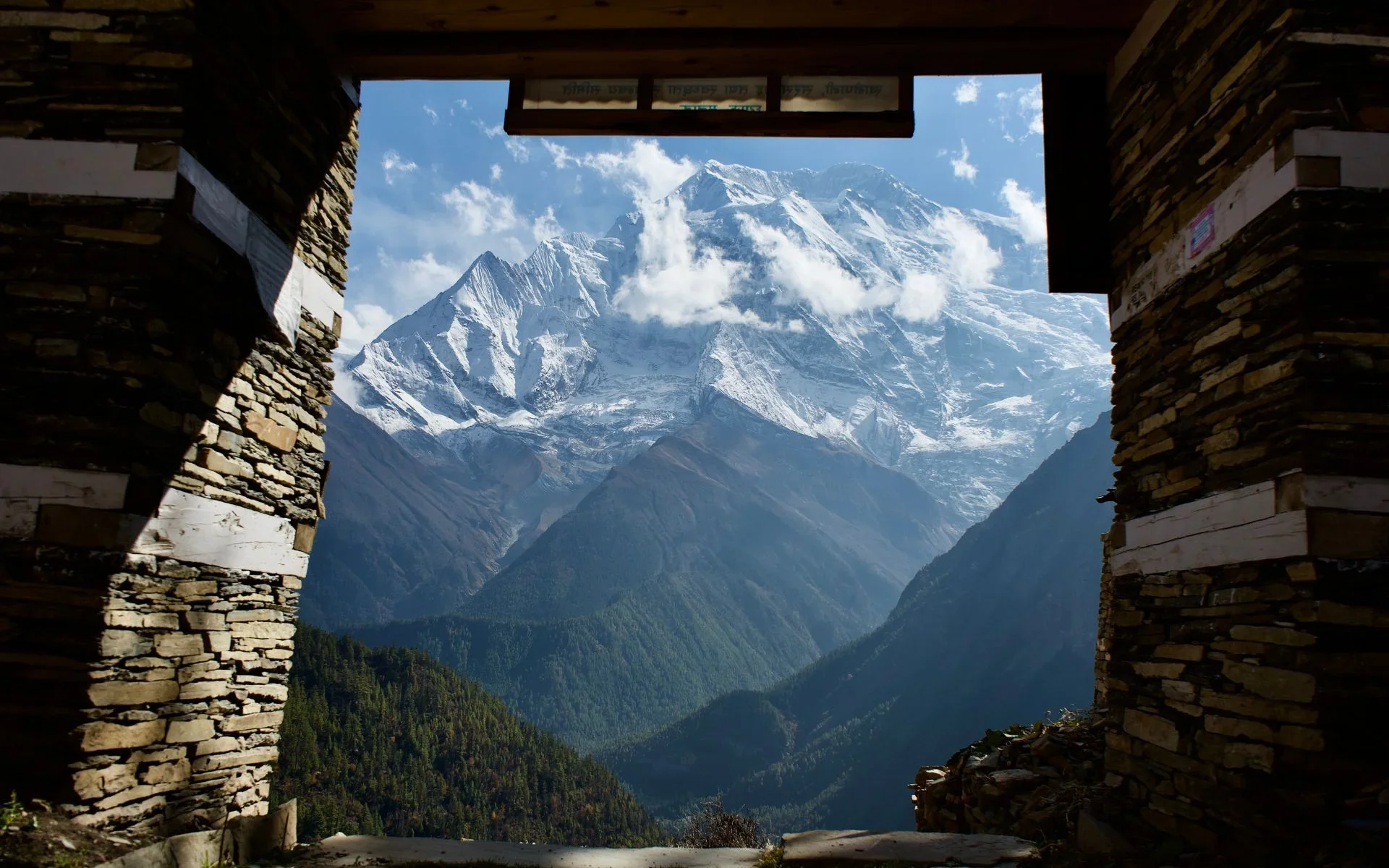
The Annapurna Circuit, which crosses Thorong La Pass at 5,416 meters, is best tackled in October–November or March–April, when the pass is typically snow-free and stable. Winter closures at Thorong La are common, so travelers targeting December–February should build flexibility into their itinerary.
Full seasonal detail is available in our guide to the best time for the Annapurna Circuit Trek.
Best Time for Wildlife and Safari in Nepal
October to March is the strongest window for wildlife viewing in Chitwan and Bardia, when drier grasslands make it easier to spot rhinos, deer, and — with some luck — Bengal tigers. Dense monsoon vegetation from June to September makes animal sightings noticeably harder.
Early spring (February–March) is also a strong pick, since park authorities often conduct controlled grassland burns that improve visibility before the vegetation regrows.
Best Time for Mountain Views and Photography
October and November deliver the sharpest, haze-free mountain photography of the year, followed closely by clear winter days in December and January. Spring views are still good but tend to carry more atmospheric haze by afternoon, especially in the lower hills.
Best Time for Cultural and City Sightseeing
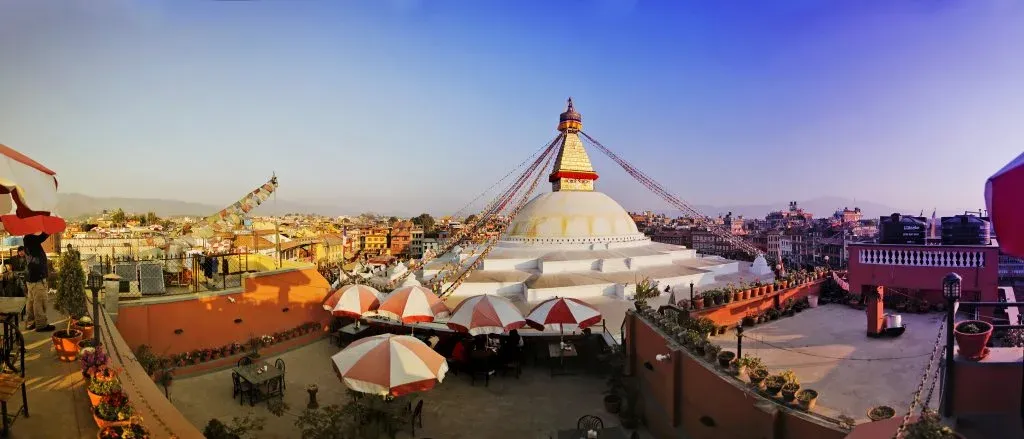
Kathmandu, Bhaktapur, and Patan are comfortable for sightseeing nearly year-round, but October–November and February–April avoid both monsoon rain and the coldest winter mornings. Winter sightseeing works well too, especially for travelers who don't mind cool mornings in exchange for empty temple courtyards.
Best Time for Whitewater Rafting
Post-monsoon (late September–November) brings Nepal's rivers to their most exciting levels, with strong water volume and consistent flow on rivers like the Trishuli and Bhote Koshi. Pre-monsoon spring (March–May) also offers good rafting conditions with slightly calmer water for beginners.
Best Time for Festivals in Nepal
Autumn (September–October) hosts Nepal's two biggest festivals, Dashain and Tihar, when the country genuinely comes alive with family gatherings, lights, and city-wide celebration. Spring's Holi festival (March) is another major highlight, particularly lively in Kathmandu and Pokhara's tourist districts.
Best Time to Visit Nepal by Region
Weather in Nepal changes so much by elevation and geography that "best time to visit Nepal" needs a regional answer, not just a seasonal one.
Kathmandu Valley
Kathmandu, Bhaktapur, and Patan are best visited during October–November and February–April, avoiding monsoon rain and the coldest winter fog that occasionally settles over the valley in December and January. At roughly 1,400 meters, the valley stays temperate year-round compared to the mountains above it.
Everest Region
The Khumbu is at its best during October–November and March–May, when Lukla flights run more reliably and the trail up to Everest Base Camp stays clear of heavy snow. Note that flights during peak March–May and September–November season now operate out of Manthali Airport in Ramechhap rather than Kathmandu, requiring a 4–5 hour night drive departing around 1:00 AM — we always advise building 1–2 buffer days into any Khumbu itinerary for weather delays.
Annapurna Region
Covering the Annapurna Base Camp Trek, Annapurna Circuit, and Poon Hill, this region peaks during October–November and March–April, with rhododendron season giving spring a distinct visual edge over autumn. The region's lower elevation compared to Everest also makes it more forgiving for winter trekking on non-pass routes.
Chitwan and Terai
The Terai lowlands, including Chitwan National Park, run warmest and most humid of any Nepal region, so the comfortable window sits at October–March, avoiding both monsoon rain and the intense pre-monsoon heat of April–May, when temperatures can climb past 35°C.
Mustang and Other Rain-Shadow Regions
Upper Mustang, Manang, and Upper Dolpo sit in the Himalayan rain shadow, making June–August — monsoon season everywhere else — one of the best times to trek here, since these regions stay dry while the rest of Nepal is under cloud cover. As of the March 2026 Department of Immigration update, a solo traveler can now obtain a Restricted Area Permit for Upper Mustang without the old two-person minimum, though a licensed guide is still mandatory, capped at a 1:7 guide-to-trekker ratio.
Nepal Temperature by Month
Approximate daytime temperature ranges by region — actual figures vary by elevation, exposure, and yearly conditions, so treat this as a planning guide rather than a forecast.
Month | Kathmandu | Pokhara | Chitwan | High Mountains (4,000m+) |
|---|---|---|---|---|
January | 2–18°C | 5–20°C | 8–24°C | -15 to -5°C |
February | 5–19°C | 8–21°C | 10–27°C | -13 to -3°C |
March | 8–22°C | 12–25°C | 14–32°C | -8 to 2°C |
April | 12–25°C | 16–28°C | 18–35°C | -5 to 5°C |
May | 16–28°C | 19–30°C | 22–36°C | -3 to 8°C |
June | 19–29°C | 22–31°C | 24–34°C | 0 to 10°C |
July | 20–29°C | 23–30°C | 24–32°C | 2 to 11°C |
August | 20–29°C | 22–30°C | 24–32°C | 1 to 10°C |
September | 18–27°C | 21–29°C | 23–33°C | -2 to 8°C |
October | 12–24°C | 16–27°C | 18–33°C | -8 to 4°C |
November | 6–20°C | 10–24°C | 12–30°C | -12 to 0°C |
December | 2–18°C | 6–21°C | 9–26°C | -15 to -4°C |
Nepal's Peak, Shoulder and Off-Seasons
Peak Season
October–November and March–April are Nepal's peak travel months, driven by dry weather, open mountain views, and the strongest trekking conditions of the year. Expect the busiest trails, fullest teahouses, and the tightest flight availability on domestic routes during these windows.
Shoulder Season
February, May, September, and December sit just outside peak conditions, offering noticeably thinner crowds while keeping most trekking and sightseeing options open. These months are a strong pick for travelers who want good — not perfect — weather without peak-season competition for permits and lodges.
Off-Season
June–August, the monsoon months, form Nepal's true off-season for standard trekking and mountain sightseeing, though rain-shadow regions like Mustang and Dolpo run against this trend entirely. Prices on flights and accommodation tend to be at their lowest during this window.
Is Nepal Crowded During the Best Months?
Yes, on the major routes. October–November and March–April bring the heaviest foot traffic to well-known trails like Everest Base Camp, and Annapurna Base Camp, with teahouses and Lukla flights booking up well in advance. This isn't the same as saying "Nepal is overcrowded" — it's specific to a handful of famous routes.
Lesser-known trails, including Langtang Valley, Mardi Himal, and most of the Manaslu Circuit, stay noticeably quieter even during peak season. If crowds are a concern, we generally recommend booking teahouses 2–3 weeks ahead for peak-season Everest or Annapurna trips, or shifting to a shoulder-season date instead.
Nepal Travel in 2026/27: What Should You Consider?
Weather Conditions
Base your trip dates around October–November or March–April for the most predictable weather, and build in buffer days regardless of season — mountain weather in Nepal can shift faster than forecasts predict, especially above 4,000 meters.
Trekking Season and Trail Conditions
Most major trekking regions now strongly enforce the requirement for a licensed guide, and independent solo trekking without one is increasingly restricted on popular routes. Confirm current trail and permit rules directly with your operator before departure, since regulations have shifted more than once in recent years.
Festivals and Major Events
Dashain and Tihar (September–October) and Holi (March) are Nepal's biggest cultural events, and they're worth timing a trip around if you want an authentic look at Nepali life — just expect domestic transport and accommodation to book out faster around these dates.
Permits and Travel Requirements
Nepal's tourist visa costs $30 USD for 15 days, $50 USD for 30 days, and $125 USD for 90 days, payable on arrival or in advance through the online system. Trekking permits vary by region — the Khumbu uses the Sagarmatha National Park Permit (NPR 3,000) plus the Khumbu Pasang Lhamu Rural Municipality fee (NPR 3,000) instead of the standard e-TIMS card used elsewhere, so budget and paperwork differ by region.
Booking Accommodation and Flights
Peak-season trekkers should book Lukla or Pokhara mountain flights and teahouse accommodation as early as possible, ideally 1–2 months ahead for October–November travel. Domestic flight pricing and seasonal lodge rates shift year to year, so we'd recommend confirming live rates with your operator rather than relying on fixed figures.
What to Pack for Nepal Based on the Season
Spring Packing
Pack breathable layers for warm valley days, a mid-weight insulated jacket for altitude, and rain protection for occasional afternoon showers as the season warms toward monsoon. A reusable bottle with a UV purifier or Sawyer squeeze filter is essential on any trekking route — skip plastic bottled water on the trail entirely.
Summer/Monsoon Packing
Prioritize a quality rain shell, quick-dry clothing, and leech socks if you're trekking standard routes through forested mid-hills. For rain-shadow trekking in Mustang or Dolpo, pack for dry, dusty, windy conditions instead — sun protection matters more than rain gear there.
Autumn Packing
Layer for cold mornings and warm midday sun: a base layer, insulated mid-layer, and a windproof outer shell cover most autumn trekking days. Above 4,000 meters, add a down jacket and warm sleeping bag rated for sub-zero nights.
Winter Packing
Bring your heaviest cold-weather gear — a down jacket, insulated trekking boots, thermal base layers, and a sleeping bag rated to at least -15°C for high-altitude routes. For Kathmandu, Pokhara, and Chitwan travel, a warm layer for cold mornings is usually enough, since afternoons stay mild.
Frequently Asked Questions
What is the best month to visit Nepal?
October and November are generally considered the best months, offering the clearest skies, most stable weather, and best mountain visibility of the year.
Which season is best for Nepal?
Autumn (October–November) is the strongest overall season, with spring (March–April) a close second thanks to rhododendron blooms and warmer trekking temperatures.
Is October or November better for Nepal?
Both are excellent; October tends to be slightly warmer and busier, while November offers sharper mountain visibility with cooler temperatures and marginally thinner crowds.
Is March a good time to visit Nepal?
Yes, March marks the start of spring trekking season, with rhododendrons beginning to bloom and stable, warming weather across most trekking regions.
Is April a good month to visit Nepal?
April is one of the best months of the year, combining peak rhododendron blooms with excellent trekking weather and strong mountain visibility.
Can I visit Nepal during the monsoon?
Yes, particularly if you're headed to Upper Mustang or Upper Dolpo, which stay dry in the Himalayan rain shadow while the rest of the country experiences heavy rain.
Is Nepal cold in December?
Yes, Kathmandu sees cold mornings around 2°C, while high-altitude trekking regions drop well below freezing at night, though daytime skies are usually clear.
Which months are best for trekking in Nepal?
October–November and March–May are the strongest trekking windows, with dry trails, open teahouses, and reliable mountain visibility.
What is the rainy season in Nepal?
The monsoon runs from roughly June through September, bringing heavy afternoon rainfall to most of the country outside the Himalayan rain-shadow regions.
What is the hottest month in Nepal?
May is typically the hottest month nationwide, with Terai lowland temperatures like Chitwan regularly climbing above 35°C.
What is the coldest month in Nepal?
January is generally the coldest month, with freezing or sub-zero temperatures common at trekking altitudes and cold mornings even in Kathmandu.
How many days are enough for a trip to Nepal?
A worthwhile trip typically needs 10–14 days to combine a moderate trek with time in Kathmandu and Pokhara; shorter 5–7 day trips work well for cultural tours or lower-altitude treks alone.
Conclusion
If you want the single best all-around experience, book October or November. If you're chasing spring blooms and warmer trekking days, March–April is your window. Want to skip the crowds without sacrificing much weather quality? Look at the shoulder months — February, May, September, or December.
Set on traveling during monsoon season? Head to Upper Mustang, Manang, or Dolpo instead of the standard routes. Wildlife travelers should aim for October–March in Chitwan and Bardia, and anyone prioritizing cultural sightseeing over mountain views can comfortably visit Kathmandu, Pokhara, and the valleys almost any time of year.
Ready to Trek Nepal?
Not sure which season fits your plans, or which route matches your fitness level and time frame? Talk to our local trekking coordinators or browse tailored Nepal itineraries built around the exact month you're planning to travel.