Contents
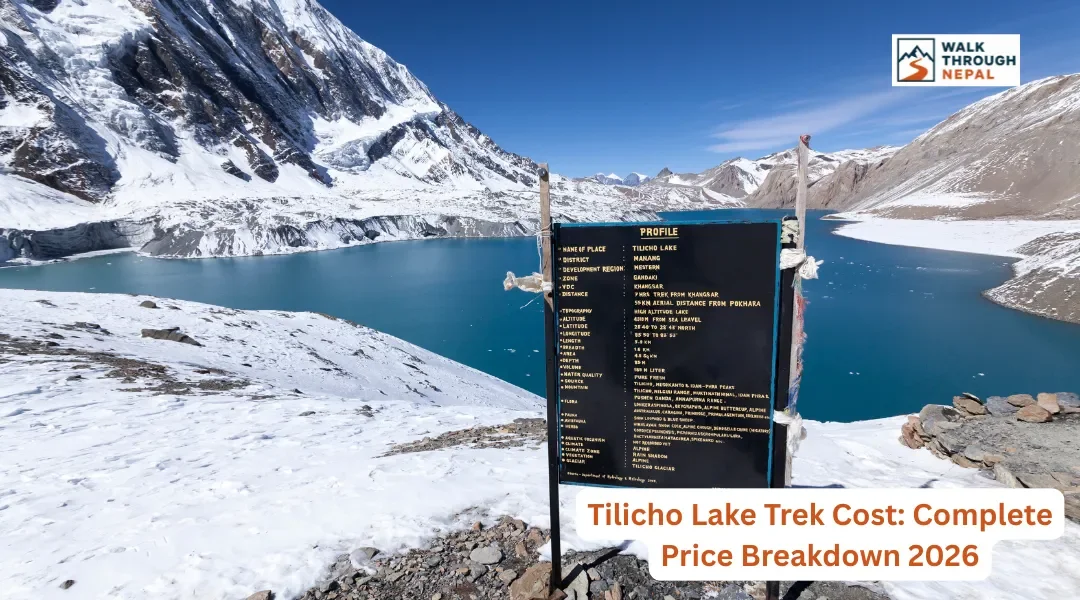
There is no single "correct" price for the Tilicho Lake Trek. Depending on trip length, group size, and how much support you want on the trail, a realistic 2026/2027 budget runs from roughly $1699 for a lean group departure to $1,800 or more for a longer, private, or fully supported itinerary. What actually moves the number is trekking days, group size, guided vs. independent travel, accommodation quality, food, transportation, porter support, and whether you combine Tilicho with the full Annapurna Circuit Trek.
We are not going to hand you one competitor's package price and call it "the" market rate, because that is not how pricing on this trail actually works. Instead, here is a realistic range, broken down piece by piece, so you can see exactly what you are paying for.
How Much Does the Tilicho Lake Trek Cost?
A guided Tilicho Lake Trek typically costs between $1,699 and $2,500, depending on itinerary length, group size, and comfort level. Budget-conscious group departures sit at the low end; private and premium packages sit at the high end.
Trek Style | Estimated Cost | Best For |
|---|---|---|
Standard guided trek | $1,699–$1,800 | Most trekkers |
Private trek | $1,800–$2,200+ | Couples, families, private groups |
Premium/private | $1,800–$2,500+ | Trekkers prioritizing comfort |
These are planning ranges, not fixed Walk Through Nepal prices. Published 2026 estimates vary substantially between operators, itinerary lengths, and how much of the Annapurna Circuit is included, so treat this table as a starting point for your own research and inquiries.
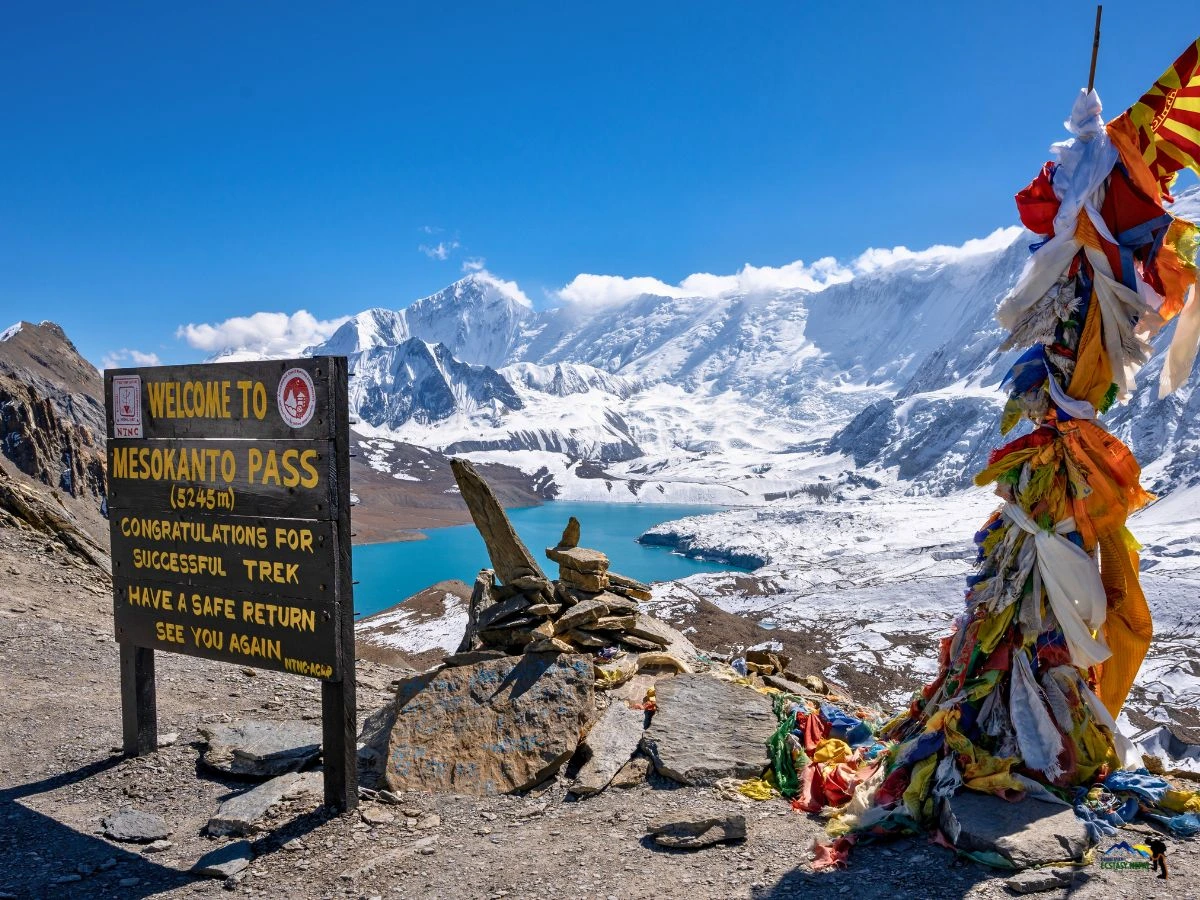
Tilicho Lake Trek Package Cost
Itinerary length is the single biggest lever on price, because every extra day on the trail adds another night of accommodation, another day of meals, and another day of guide and porter wages.
12-Day Tilicho Lake Trek
This is the leanest version of the route, built around Kathmandu-Pokhara transportation, teahouse accommodation, meals on the trail, a licensed guide, and the required permits. It skips extended acclimatization buffers and the full Annapurna Circuit loop, which is why it typically sits at the lower end of the cost table. It suits trekkers who are already acclimatized, comfortable with a tighter schedule, and focused specifically on reaching Tilicho Lake rather than crossing Thorong La.
14-Day Tilicho Lake Trek
Adding two extra days usually means more built-in acclimatization, more flexibility around weather, and often a partial combination with the Annapurna Circuit. That means more nights of accommodation and meals, and sometimes additional transportation legs if the route exits through a different valley than it entered. This middle-length option is a common choice for trekkers who want a buffer day without committing to the full circuit.
16-Day Tilicho Lake Trek
The longer version generally combines Tilicho Lake with the complete Annapurna Circuit, including Thorong La Pass (5,416 m). It costs more simply because there are more trekking days, more teahouse nights, more meals, and often more complex transportation logistics on both ends of the route. For trekkers who want the lake and the pass in one trip, this is usually the itinerary that delivers both without rushing acclimatization.
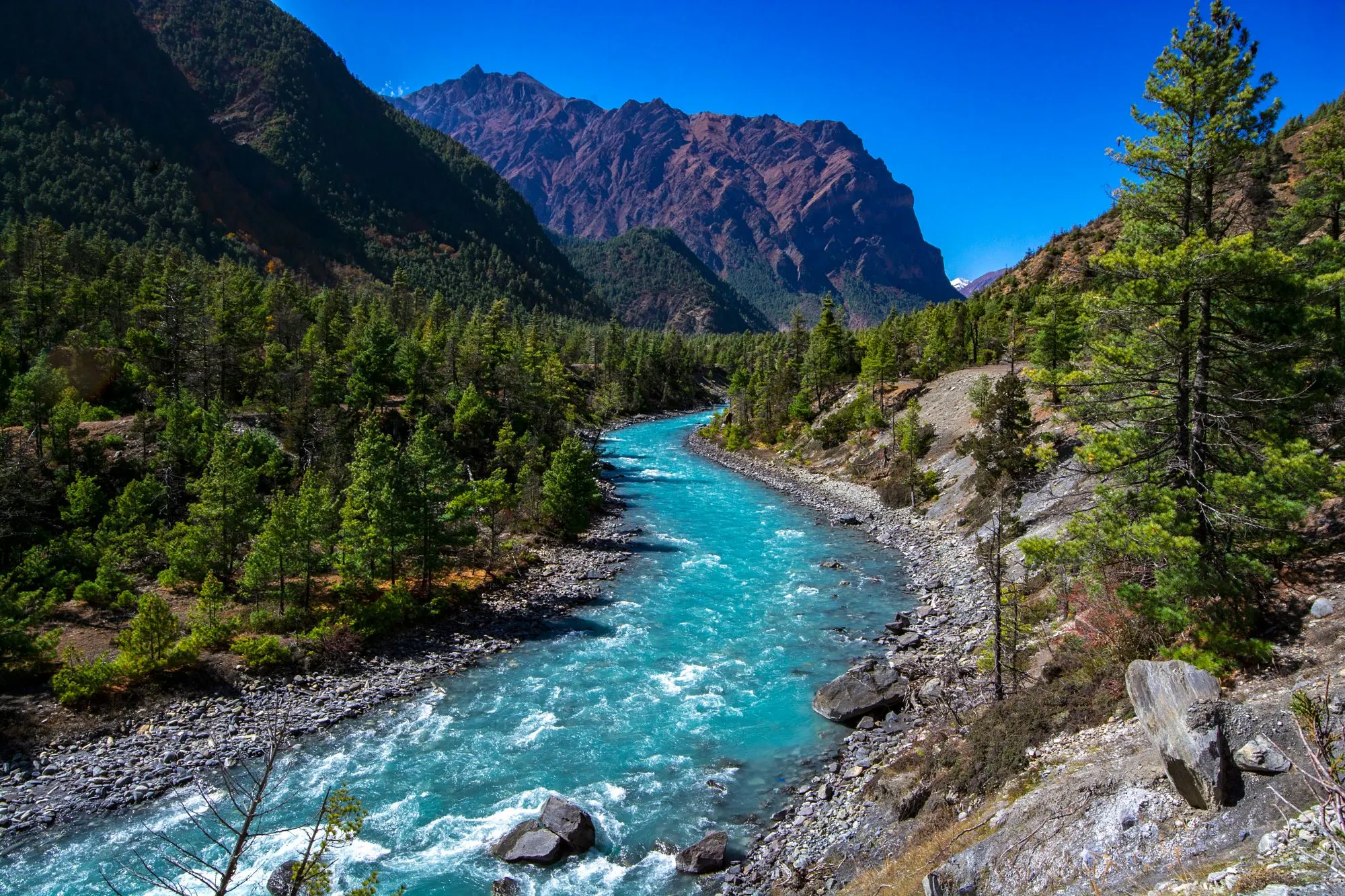
Tilicho Lake Trek Cost Breakdown
Permits
The Annapurna Conservation Area Permit (ACAP) costs NPR 3,000 (approximately $30 USD) for foreign nationals, and covers the entire Annapurna Circuit route including the Tilicho Lake side trip and Thorong La Pass, no separate permit needed. A TIMS card is also required outside the standard package inclusions on some itineraries. SAARC nationals typically pay a reduced rate, often around NPR 1,000. Permit rules and fees can change, so always verify current figures before booking, and confirm whether permits are included in your package or billed separately.
Accommodation Cost
Trekking on this route means staying in teahouses, family-run lodges along the trail rather than hotels or camping. Basic teahouse rooms commonly run $5–$20 per night, with prices climbing as you gain altitude because everything has to be carried or transported in by mule or porter. Hot showers, Wi-Fi, charging, and rooms with attached bathrooms are more common in lower villages like Chame and Manang, and scarcer or pricier the closer you get to Tilicho Base Camp.
Food and Drinking Water
Menus along the route feature dal bhat, noodles, soup, momos, breakfast items, and tea or coffee, along with bottled or filtered water. Food generally gets more expensive as you climb, since every sack of rice or vegetables has to be transported farther on foot, by mule, or by porter. Sticking to dal bhat for main meals is both the most affordable option and the one most Nepal trekking guides recommend for sustained energy at altitude.
Guide Cost
A licensed guide is required on this route and adds directly to your budget, whether paid as a daily rate for independent trekkers or folded into a package price for organized trips. Beyond navigation, a guide handles permit checkpoints, monitors for signs of altitude sickness, coordinates teahouse bookings, and can adjust the itinerary in response to weather. We recommend confirming your guide's exact daily rate and what it covers before booking rather than assuming a fixed number, since this varies between operators and season.
Porter Cost
A porter is optional on some itineraries and included on others. A single porter typically carries loads for two trekkers, which splits the per-person cost roughly in half compared to hiring one porter per person. Whether porter service is bundled into your package price or billed as an add-on materially changes your final total, so confirm this detail before you compare quotes across operators.
Transportation Cost
Getting to the trailhead means traveling from Kathmandu to Besisahar or Chame, usually by jeep or bus, with a return trip at the end. Local transportation along the route and any transfers on either end of the trek add up, and this is one of the bigger swing factors in your total cost depending on whether you share a jeep with other trekkers or book a private vehicle.
Tilicho Lake Trek Daily Budget
Once you are on the trail, your out-of-pocket daily spending mostly comes down to accommodation, meals, and incidentals not already covered by your package.
Expense | Approx. Daily Budget |
|---|---|
Accommodation | $5–$20 |
Meals | $15–$30 |
Water | $2–$5+ |
Charging / Wi-Fi | Variable |
Hot shower | Variable |
Snacks | Variable |
Published 2026 estimates generally put food around $15–$30 per day, rising at higher elevations like Manang and Khangsar. If accommodation and meals are already included in your trekking package, your actual daily out-of-pocket spending can run well below this table, mostly limited to hot showers, charging, snacks, and tips.
What Is Included in a Tilicho Lake Trek Package?
Usually included: trekking guide, porter (depending on the package), accommodation, meals, permits, ground transportation, airport or hotel transfers where offered, government and local taxes, and guide or porter insurance where applicable.
Usually not included: international flights, Nepal visa, travel insurance, personal expenses, snacks and drinks, hot showers, Wi-Fi, charging, tips, and emergency evacuation.
These are general industry patterns, not a guarantee of what any specific package includes. Always check the exact inclusions listed on a trip before booking, since operators structure packages differently.
Tilicho Lake Trek Cost for Solo Travelers vs. Groups
Solo trekker: Traveling alone means guide and vehicle costs are not shared with anyone else, which usually raises your per-person cost compared to joining a group.
Two people: Splitting transportation and guide costs between two trekkers is generally more cost-efficient than trekking solo.
Small group: A small group, typically four to eight trekkers, is often the most economical setup, since fixed costs like guide fees and jeep hire spread across more people.
Larger group: Bigger groups can unlock further savings on shared logistics, but larger numbers also reduce itinerary flexibility, since teahouse room availability and pacing decisions have to accommodate everyone.
How Much Money Should You Carry on the Tilicho Lake Trek?
Carry Nepali rupees in cash. ATMs are unreliable past the lower villages, and there is essentially no card payment infrastructure once you climb toward Manang and beyond. Budget extra for emergencies, personal snacks, charging and Wi-Fi fees, hot showers, tips for your guide and porter, and the possibility of unexpected transportation changes if weather disrupts your return journey. We would rather you carry a bit too much cash than get stuck short at altitude, so avoid cutting this estimate too close.
Hidden and Extra Costs on the Tilicho Lake Trek
Hot Showers
Gas or solar-heated showers are rarely free once you climb above the lower villages, and typically cost a small per-use fee.
Wi-Fi
Local network access, like Everest Link in the Khumbu, has an equivalent setup here and is billed separately from your room rate in most teahouses.
Charging Electronics
Charging phones, cameras, or power banks usually costs extra per device, per charge, especially at higher elevations where electricity is limited.
Bottled Water
We recommend avoiding bottled water altogether. Carry a reusable bottle and a water purification method instead, both for your budget and for the trail environment.
Snacks & Drinks
Chocolate bars, extra tea, and packaged snacks all add small but real costs that stack up daily.
Tips
Tipping your guide and porter crew is culturally expected at the end of the trek, generally in the range of 10% to 15% of your total trek cost, shared among the crew.
Emergency Transportation
Helicopter evacuation, if ever needed, is a significant expense without the right insurance coverage in place.
Travel Insurance
Standard travel insurance is often not enough. Make sure your policy explicitly covers high-altitude emergency evacuation and treatment for altitude-related illness.
This is exactly why trekkers sometimes feel surprised that their final bill runs higher than the advertised package price. The package covers the core logistics; these extras cover everything that happens once you are actually on the trail.
How to Reduce Your Tilicho Lake Trek Cost
Travel in a group to split guide and transportation costs
Choose shared transportation instead of a private vehicle
Book the itinerary length that actually fits your schedule and acclimatization needs
Use basic teahouses rather than the highest-comfort options
Carry a reusable water bottle instead of buying bottled water
Use a water purification method (UV purifier, Sawyer squeeze filter, or chlorine dioxide drops)
Skip unnecessary premium add-ons like daily hot showers if budget is tight
Rent trekking gear instead of buying everything new
Compare exactly what is included across different operators' packages before booking
What we would not recommend cutting: your guide, your insurance coverage, your food intake, or your acclimatization days. Those are the things that keep you safe on a high-altitude route, and they are not the place to save money.
Tilicho Lake Trek Cost vs. Annapurna Circuit Trek
Factor | Tilicho Lake Trek | Annapurna Circuit |
|---|---|---|
Main attraction | Tilicho Lake | Full circuit + Thorong La |
Duration | Shorter options available | Generally longer |
High point | Tilicho Lake, 4,919 m | Thorong La, 5,416 m |
Transportation | Varies by itinerary | Varies by itinerary |
Cost | Depends on itinerary | Usually higher for longer routes |
Adding Tilicho Lake onto a full Annapurna Circuit Trek itinerary changes both your total trekking days and your final cost, since you are effectively combining two experiences into one trip. For a closer look at circuit-specific budgeting, see our Annapurna Circuit Trek cost and budget guide.
Is the Tilicho Lake Trek Worth the Cost?
For most trekkers, yes. You get a genuinely high-altitude lake experience, sweeping Annapurna range views, the cultural texture of Manang's villages, alpine terrain, and a shorter time commitment than some of Nepal's longer classic routes.
That said, this trek is probably not the right fit if you are uncomfortable with high altitude, looking for a luxury travel experience, or generally dislike long walking days on rough terrain. It rewards trekkers who want a real mountain experience over a curated comfort experience.
Ways to Choose the Right Tilicho Lake Package
Choose a budget package if: cost is your main priority, you are comfortable with basic accommodation, and you do not need private transportation.
Choose a standard package if: you want balanced comfort, organized logistics, and dedicated guide and porter support.
Choose a private package if: you want scheduling flexibility, you are traveling as a couple or family, and you want more control over pacing and stops.
Not sure which Tilicho Lake itinerary fits your budget? Talk to Walk Through Nepal about your preferred dates, group size, and trekking style.
Frequently Asked Questions
How much does the Tilicho Lake Trek cost?
A guided trek typically costs between $1,699 and $2,500, depending on itinerary length, group size, and whether you choose a budget, standard, or private package.
How much does a 12-day Tilicho Lake Trek cost?
The 12-day itinerary generally falls at the lower end of the cost range, since it involves fewer trekking days and less time on the full Annapurna Circuit compared to the 14 or 16-day options.
Is Tilicho Lake Trek expensive?
It is moderately priced compared to Nepal's longer classic treks. Costs stay reasonable if you travel in a group and choose basic teahouse accommodation, and rise with private transportation, longer itineraries, and premium comfort.
What is included in the Tilicho Lake Trek cost?
Most packages include a guide, permits, accommodation, meals, and ground transportation. International flights, visa fees, travel insurance, tips, and personal expenses like hot showers and Wi-Fi are usually extra.
How much do permits cost for Tilicho Lake Trek?
The ACAP permit costs NPR 3,000 (about $30 USD) for foreign nationals and covers the entire route, including Tilicho Lake and Thorong La. A TIMS card is also required on most itineraries.
How much does food cost on the Tilicho Lake Trek?
Expect roughly $15–$30 per day for meals, with prices rising at higher elevations like Manang and Khangsar due to transportation costs.
How much does a guide cost for Tilicho Lake Trek?
Guide costs are usually built into package pricing rather than charged as a flat daily add-on. Confirm the exact rate and inclusions with your operator before booking.
How much cash should I carry for Tilicho Lake Trek?
Carry enough Nepali rupees to cover your entire trek, plus a buffer for emergencies, since ATMs become unreliable past the lower villages and card payments are rarely accepted on the trail.
Is Tilicho Lake cheaper than Annapurna Circuit?
It depends on the itinerary. A standalone Tilicho Lake trek can be shorter and cheaper than the full Annapurna Circuit, but combining both into one longer trip raises the total cost due to additional trekking days.
Can I do Tilicho Lake Trek on a budget?
Yes. Traveling in a small group, using basic teahouses, sharing transportation, and skipping premium extras like daily hot showers can bring your total cost toward the lower end of the range.
Conclusion
The Tilicho Lake Trek does not have one fixed price. Your final budget depends on the number of days, group size, transportation choices, accommodation level, and how much support you build into your itinerary. A realistic 2026/2027 planning budget runs from roughly from $1,699 or more for a longer or private itinerary, with premium arrangements potentially costing more.
Ready to Trek Nepal?
Planning your Tilicho Lake Trek? Walk Through Nepal can help you choose the right itinerary and arrange the logistics around your travel dates and group size.