Contents
Here's the honest answer trekkers actually want first: a standard guided Annapurna Circuit Trek in 2026 and 2027 realistically costs somewhere between $900 and $1,600 USD per person for a 12-16 day trip, not counting international airfare, your Nepal visa or travel insurance. That's the number most people land on once you add permits, a licensed guide, teahouse rooms, meals and transport.
But there is no single fixed price for this trek, and anyone quoting one is oversimplifying. The final figure swings based on your trek duration, how you travel to and from the trail, whether you hire a porter, the quality of accommodation you choose, the season you go, and how freely you spend on hot showers, charging and drinks along the way.
We coordinate treks in this region year-round, and the biggest source of budget confusion we see is the gap between the package price and the actual total trip cost. This guide breaks down every line item so you know exactly how much money you'll really need.
How Much Does the Annapurna Circuit Trek Cost in 2026 and 2027?
The Annapurna Circuit Trek costs between roughly $650 and $2,500+ USD per person depending on your travel style. Budget independent trekkers sit at the low end, standard guided treks fall in the middle, and private or comfort-focused trips reach the top. Permits, guides and transport are the main cost drivers.
Trek Style | Estimated Cost (per person) |
Budget / independent | $650 – $950 |
Standard guided trek | $900 – $1,600 |
Comfortable / private trek | $1,600 – $2,300 |
Premium / customized trek | $2,300 – $3,500+ |
A budget trek means local buses and shared jeeps, basic teahouses, minimal extras and a shared guide (solo trekking is heavily restricted under 2026 rules). A standard guided trek is what most international trekkers book: a licensed guide, comfortable teahouses, meals and organized transport.
A comfortable private trek adds private jeep transfers, better rooms and a dedicated guide and porter. A premium trip layers on the best available lodges, flexible pacing and add-ons like a scenic flight out of Jomsom.
We deliberately keep this range honest rather than stretching it. You want to know what you'll realistically spend, not a theoretical minimum you'll never actually hit.
Annapurna Circuit Trek Cost Breakdown
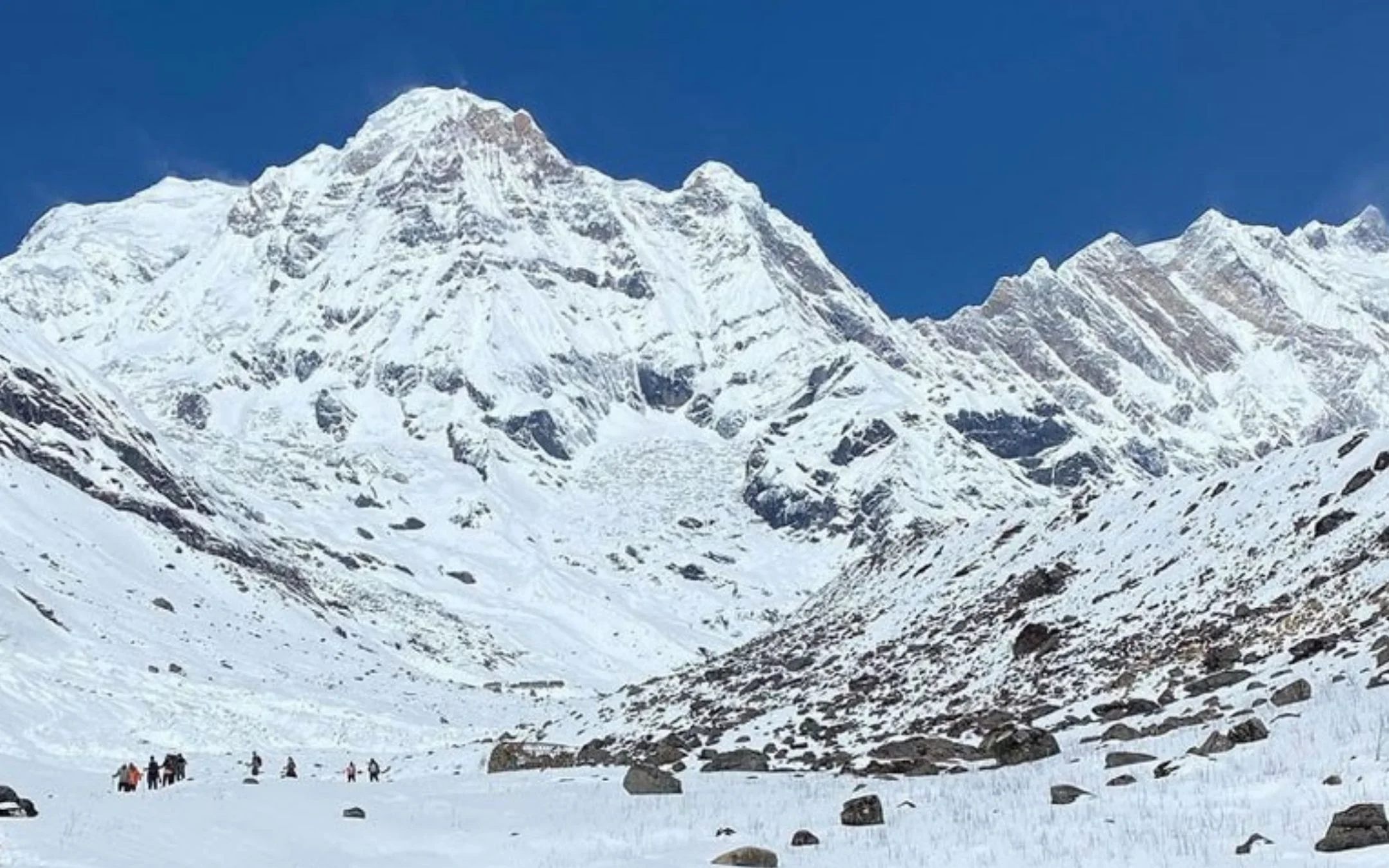
This is where the real budgeting happens. Below we break the trek into every meaningful expense category so you can build your own number from the ground up.
Permits and Entry Fees
The Annapurna Circuit requires two documents in 2026: the Annapurna Conservation Area Permit (ACAP) and the trekking registration card, now issued through the e-TIMS QR system. Foreign nationals pay NPR 3,000 (about $23 USD) for the ACAP permit. The e-TIMS registration costs NPR 2,000 (about $15 USD) for foreigners.
For SAARC nationals, the ACAP fee is reduced to NPR 1,000, and Nepali citizens pay NPR 100. The Annapurna region is not a restricted area, so you do not need an expensive Restricted Area Permit here, unlike Manaslu or Upper Mustang.
If you book through an agency, both permits are almost always included and arranged for you in Kathmandu or Pokhara. Independent trekkers arrange these themselves at the Nepal Tourism Board office. Permit and registration rules do shift, so verify current requirements before you travel, as many major trekking regions now strongly enforce licensed guides.
For a deeper look at the neighbouring region's permit structure, our Annapurna Base Camp permit guide covers the same ACAP framework in detail.
Transportation Costs
Transportation is one of the most variable parts of your Annapurna Circuit budget because you choose between local buses, shared jeeps and private vehicles at every leg.
The main legs are: Kathmandu to Besisahar or Chame (the starting trailhead), local jeep transport during the upper circuit, Muktinath/Jomsom back down to Pokhara, and finally Pokhara to Kathmandu.
A local bus from Kathmandu to Besisahar is cheap but slow. A shared jeep up to Chame or Manang saves days but costs more per seat. Private jeep hire is the most expensive and most comfortable. We don't quote exact figures here because jeep and bus rates fluctuate with fuel prices and season — always verify live transport rates before you commit.
One important note on the Annapurna Circuit: jeep roads now reach deep into the valley on both sides. To escape dust and vehicle traffic, walk the NATT (New Annapurna Trekking Trails) footpaths where they split off from the road. Your guide will know exactly where these quieter alternative trails begin.
Accommodation Costs
Teahouse rooms on the Annapurna Circuit are inexpensive, especially at lower elevations. Basic twin rooms with shared bathrooms are the norm, while private rooms and attached bathrooms are available in larger villages like Chame, Manang and Jomsom.
Room prices climb noticeably at higher altitude — places like Thorong Phedi and High Camp (4,850 meters) charge more because everything must be hauled up by mule or porter. Many lodges keep room rates low expecting you to eat dinner and breakfast where you sleep.
In a standard guided package, all accommodation is included and pre-arranged, which removes the stress of finding beds during the busy autumn season when the best lodges fill fast.
Food and Drinks
Food is your second-largest daily cost after accommodation. Prices rise as you climb because supplies travel further from the roadhead. Expect breakfast, lunch, dinner, hot drinks, snacks and water to add up faster than you think at altitude.
We strongly recommend the traditional Dal Bhat — lentil soup, rice and vegetable curry — as your fuel of choice. It comes with free refills, it's freshly cooked, it's loaded with carbohydrates, and it keeps your energy stable on long ascent days.
Prioritize vegetarian meals on the trail. Meat is carried up by foot or mule over several days without refrigeration, so it carries real food-safety risk at altitude. Stick to fresh, locally grown carbohydrates and hot cooked food.
A realistic daily food budget runs from roughly NPR 2,000 to 4,000 per day depending on altitude and appetite. Never buy plastic bottled water — it's an environmental problem on the trail. Carry a reusable bottle with a UV purifier, Sawyer squeeze filter or chlorine dioxide drops instead.
Guide Cost
A licensed trekking guide typically costs around $25 to $35 USD per day, and this rate usually covers the guide's own food, lodging, transport and insurance. Crucially, the guide fee is charged per group, not per person, so two or four trekkers sharing one guide split the cost.
A good guide handles permits, teahouse bookings, route decisions, altitude monitoring and cultural translation. Under 2026 regulations, most major trekking regions strongly require or enforce licensed guides, so a guide is now closer to mandatory than optional. This is the single biggest reason guided and independent trek costs differ.
Porter Cost
A porter typically costs around $20 to $25 USD per day, and one porter can usually carry the combined luggage of two trekkers, with a standard weight limit of around 20 to 25 kilograms total.
A porter-guide is a budget hybrid who carries a lighter load and provides basic guiding — useful for one or two trekkers who want both support roles combined at a lower total cost. Sharing a porter between two people is the most common way to keep this expense reasonable.
Travel Insurance
Do not treat insurance as optional. Standard travel insurance is not enough for this trek. You need a policy that specifically covers high-altitude trekking above 5,000 meters, emergency helicopter evacuation, and medical treatment for altitude sickness (AMS, HAPE and HACE).
The Annapurna Circuit crosses Thorong La Pass at 5,416 meters, well into the altitude danger zone, so evacuation coverage is essential rather than a luxury. Read the fine print on maximum evacuation altitude before you buy. Budget this as a fixed, non-negotiable cost of the trip.
Annapurna Circuit Trek Cost Per Day
On-trail daily spending for the Annapurna Circuit typically runs from around $30 to $60 USD per day for food, accommodation and extras, before guide and porter fees. Costs rise as you gain elevation because supplies must be carried further uphill.
Expense | Budget | Standard |
Accommodation | $3 – $6 | $6 – $12 |
Food | $15 – $22 | $22 – $32 |
Drinks / snacks | $3 – $6 | $6 – $12 |
Local transport (avg per day) | $3 – $6 | $6 – $10 |
Miscellaneous (charging, shower, Wi-Fi) | $3 – $6 | $5 – $10 |
Estimated daily spend | $27 – $46 | $45 – $76 |
These numbers fluctuate along the trail. A day in Besisahar is far cheaper than a night at High Camp, so your daily average will drift upward during the middle, high-altitude portion of the circuit.
Annapurna Circuit Trek Cost by Trekking Style
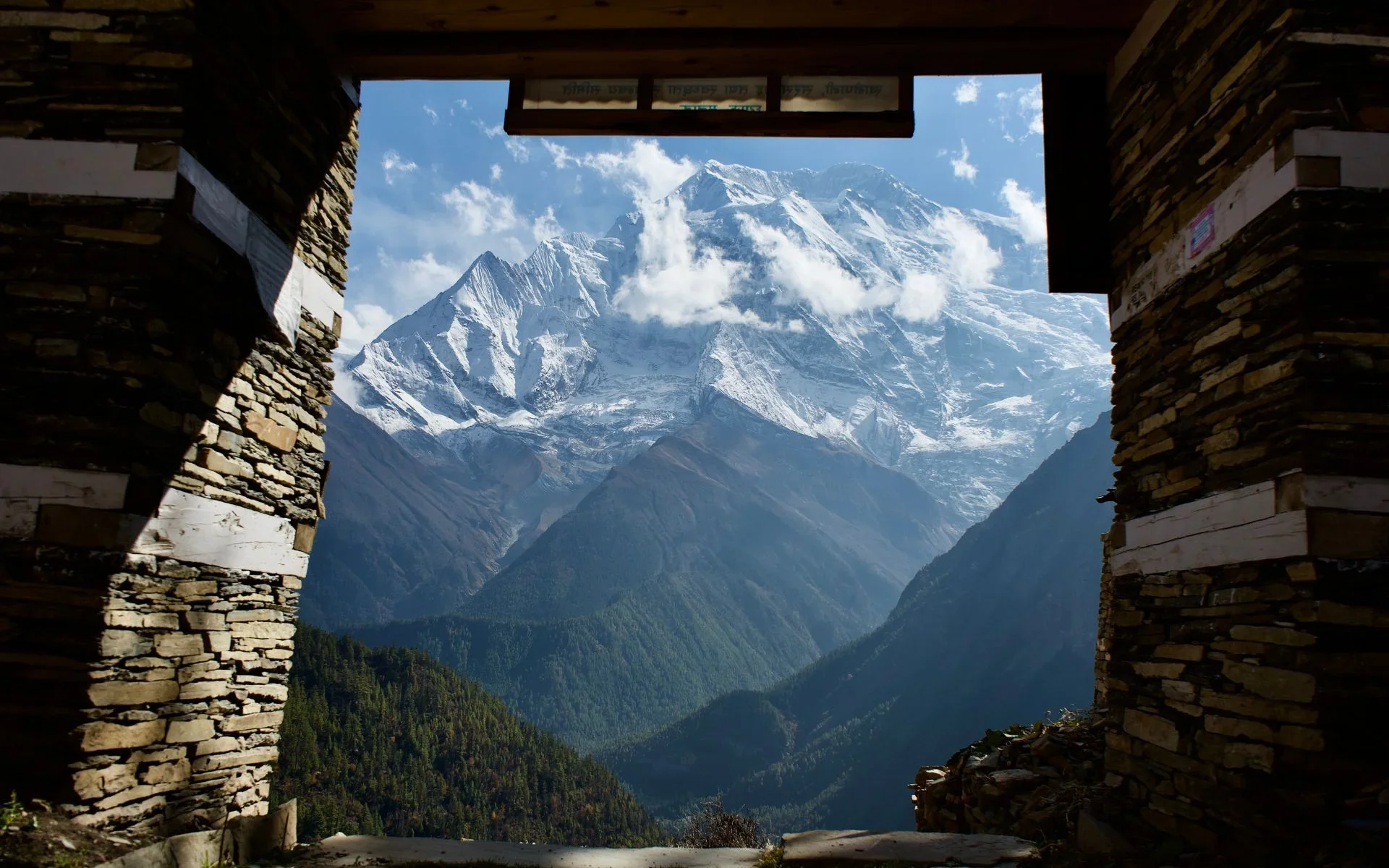
Your trekking style is the single biggest factor in your final bill. Here's what each level actually buys you.
Budget Annapurna Circuit Trek
A budget trek keeps costs low through local buses and shared jeeps, basic teahouses, minimal extras and shared services like a group guide and shared porter. You skip private transport entirely and eat local Dal Bhat rather than imported snacks.
This is very achievable, but remember that solo trekking is restricted, so "budget" still means sharing a licensed guide rather than going completely alone.
Standard Annapurna Circuit Trek
The standard trek is the most realistic option for most international trekkers. It includes a licensed guide, comfortable teahouses, organized ground transport, meals, permits and a reasonable allowance for personal extras.
This is the sweet spot: you get proper safety support and comfortable pacing without paying for private vehicles and luxury lodges. Most agency packages sit here.
Luxury / Comfort Annapurna Circuit Trek
What makes a comfort trek expensive is private transportation, the best available accommodation, a dedicated private guide and porter, a more flexible itinerary and add-on excursions. A scenic flight out of Jomsom or an extra rest day in a premium lodge pushes the price higher.
You're paying for privacy, comfort and flexibility rather than a fundamentally different route.
Independent vs Guided Annapurna Circuit Trek: Which Is Cheaper?
On paper, independent trekking looks cheaper because you avoid guide and porter fees. In practice, once you pay for permits, transport, food and lodging separately — and factor in 2026 rules that heavily enforce licensed guides — the gap narrows sharply.
Cost | Independent | Guided |
Permits | You pay | Usually included |
Accommodation | Pay separately | Usually included |
Food | Pay separately | Usually included |
Guide | Strongly enforced anyway | Included |
Porter | Optional | Depends on package |
Transportation | Arrange separately | Usually included |
Planning & logistics | Your responsibility | Agency handles it |
So is an independent trek actually cheaper? Marginally, at best — and only if you're comfortable arranging everything yourself and navigating the current guide requirements. For most trekkers, a well-priced guided package delivers similar cost with far less stress and better safety.
What's Included in an Annapurna Circuit Trek Package?
A typical Annapurna Circuit package includes accommodation, meals, a licensed guide, permits and ground transport. It usually excludes international flights, your visa, insurance, and personal extras like hot showers, Wi-Fi and tips. Always read the inclusion list line by line.
Usually included:
Teahouse accommodation
Meals (often breakfast, lunch and dinner on the trail)
Licensed guide
Porter (in many packages)
ACAP and e-TIMS permits
Ground transportation
Airport transfers (depending on the package)
Usually excluded:
International flights
Nepal visa
Travel insurance
Personal expenses and snacks
Hot showers, Wi-Fi and device charging
Tips for guide and porter
Emergency evacuation costs
The Nepal visa is a fixed government cost: $30 USD for 15 days, $50 USD for 30 days, and $125 USD for 90 days on arrival. Factor this in when comparing your total trip budget.
Hidden Costs on the Annapurna Circuit You Should Budget For
Hidden trail costs are the number one reason trekkers spend more than the package price. Hot showers, device charging, Wi-Fi, snacks, drinks, tips and emergency contingencies all add up and are rarely included in your lodge stay.
Expect to pay extra for these on the trail:
Gas-heated hot showers — usually NPR 200 to 500 each
Charging phones and power banks — often NPR 200 to 500 per device
Wi-Fi access — around NPR 300 to 700 per session
Snacks, chocolate and extra drinks (prices climb steeply at altitude)
Laundry
Tips for your crew
Emergency transport or helicopter evacuation
Extra accommodation nights due to weather or road delays
Gear rental or last-minute purchases in Pokhara or Kathmandu
These small daily charges are exactly why your real total lands above the headline package number. Budget for them deliberately.
How Much Cash Should You Carry on the Annapurna Circuit?
Carry enough Nepalese Rupees for your entire trek plus a buffer, because ATMs are unreliable and effectively disappear once you pass Chame and Jomsom. Card payments are rare on the trail. Most trekkers budget NPR 3,000 to 5,000 per day for extras.
Here's how to calculate your personal cash requirement: multiply your daily extras budget by your number of trekking days, add a reserve for emergencies, and round up. If your package already covers food and lodging, your cash mostly covers hot showers, charging, Wi-Fi, drinks, snacks and tips.
Withdraw and organize your NPR cash in Kathmandu or Pokhara before you head to the trailhead. The higher and more remote you go, the more essential your cash reserve becomes.
For your local SIM, Ncell and NTC both provides strong coverage throughout the Annapurna Circuit and Sanctuary, so it's the practical choice for staying connected without paying repeated Wi-Fi charges.
How Season Affects Annapurna Circuit Trek Cost
Season affects both price and availability. Peak seasons bring higher demand and the need to book ahead, while off-season trekking can be cheaper but carries weather and route risks.
Spring (March–May)
Spring is a busy, popular season with warm days and rhododendron blooms. Demand pushes up accommodation and transport availability, so booking ahead helps. Budget as you would for standard high-season pricing.
Autumn (September–November)
Autumn is the peak trekking season, with the clearest mountain views and the highest demand. Lodges fill fast, especially at high-altitude stops. Advance booking is strongly recommended, and you'll pay standard peak-season rates.
Winter (December–February)
Winter sees lower demand and fewer trekkers, which can mean quieter trails. However, snow can close or complicate Thorong La Pass, and some high teahouses shut for the season. Factor in cold-weather gear and possible route adjustments.
Monsoon (June–August)
Monsoon brings heavy rain, leeches at lower elevations, and frequent road and transport disruptions across most of Nepal. Cheaper does not mean better here. That said, the upper sections of the circuit around Manang and Mustang sit partly in the Himalayan rain shadow, staying drier than the rest of the country during summer.
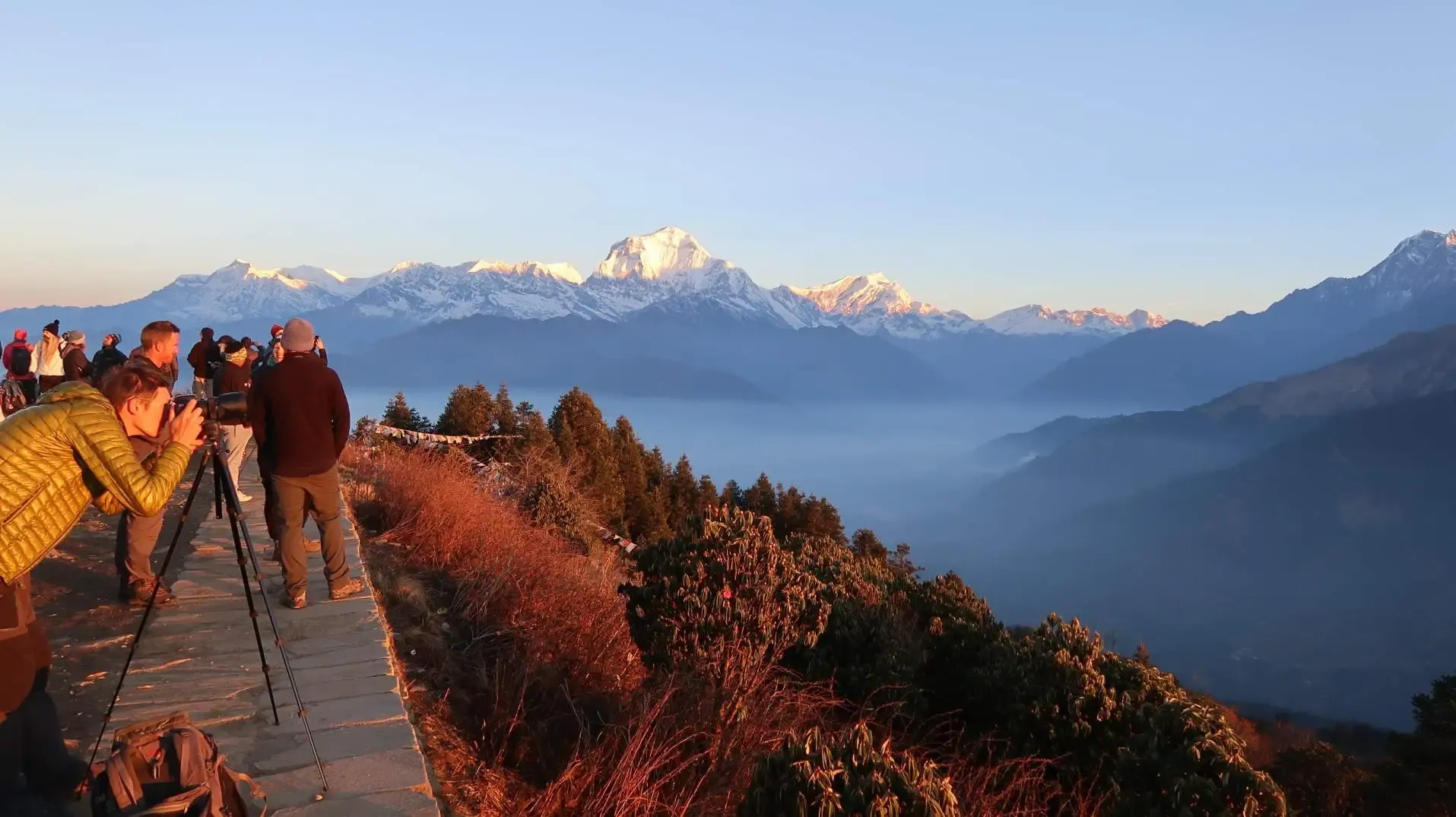
8-Day Ghorepani Poon Hill Trek Package – Cost, Itinerary & Guide
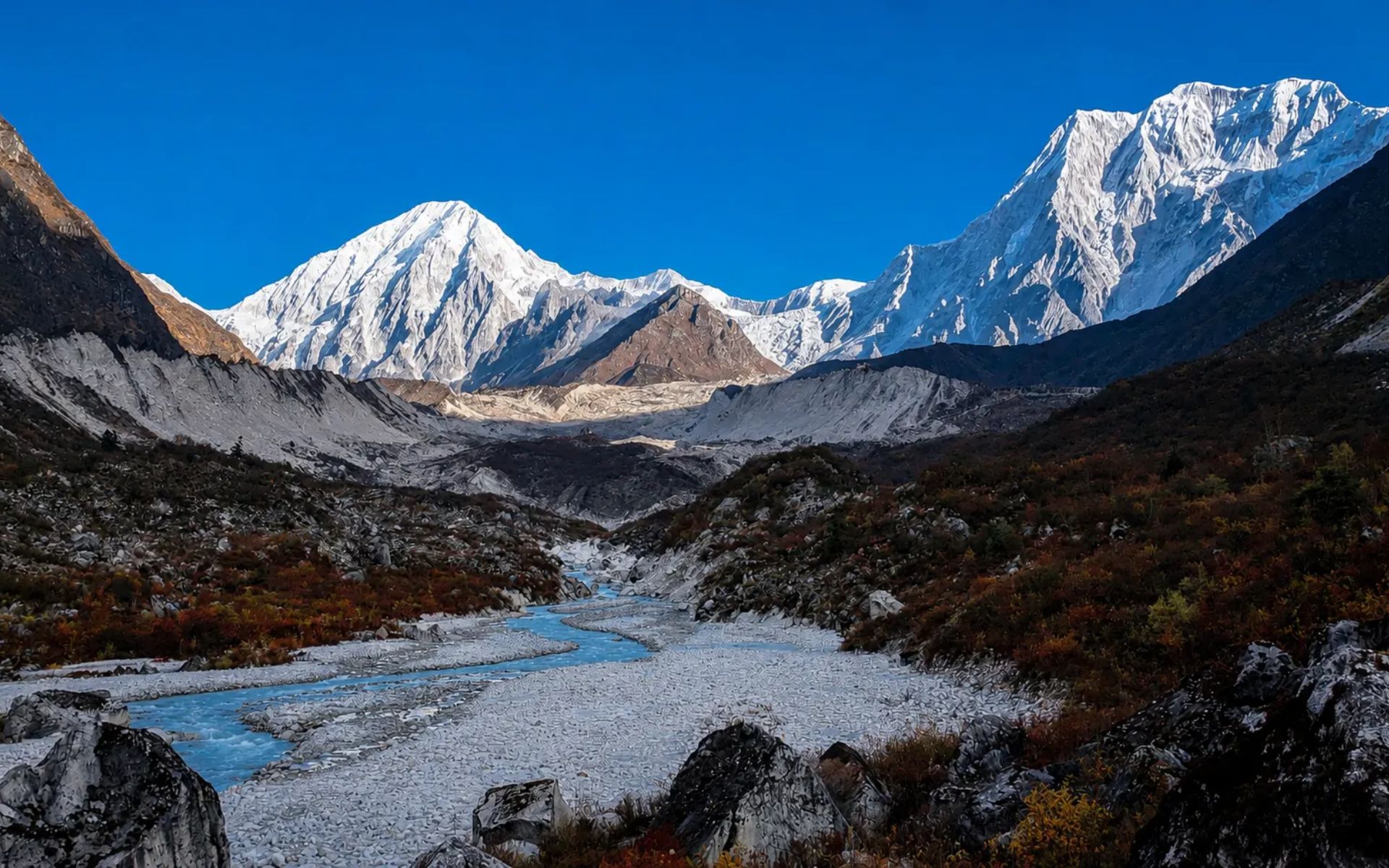
Manaslu Circuit Trek Packages – Cost, Permit & 12, 14 or 16 Day Options
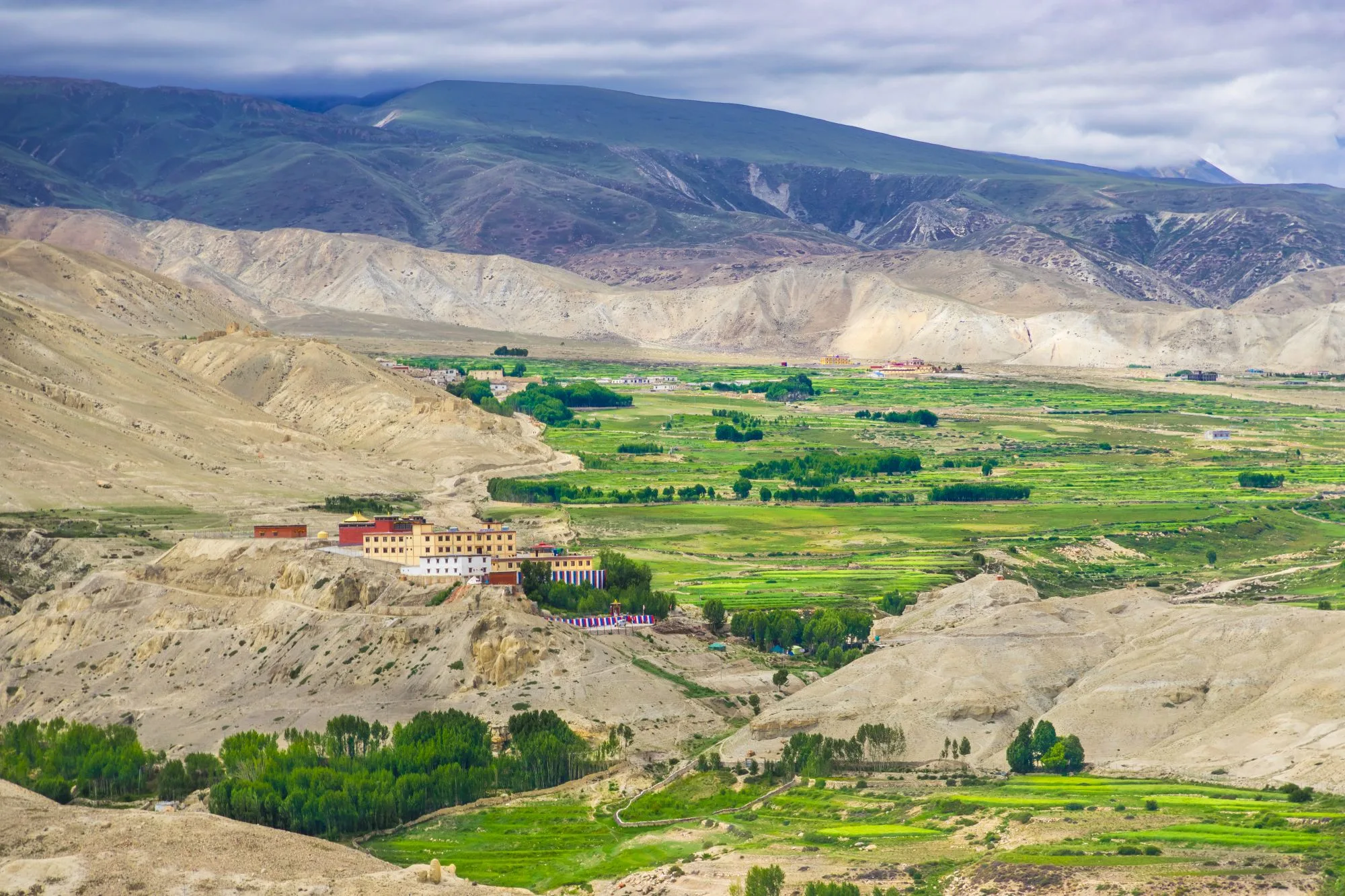
Upper Mustang Trek Packages – Cost, Permit & 14 or 16 Day Options
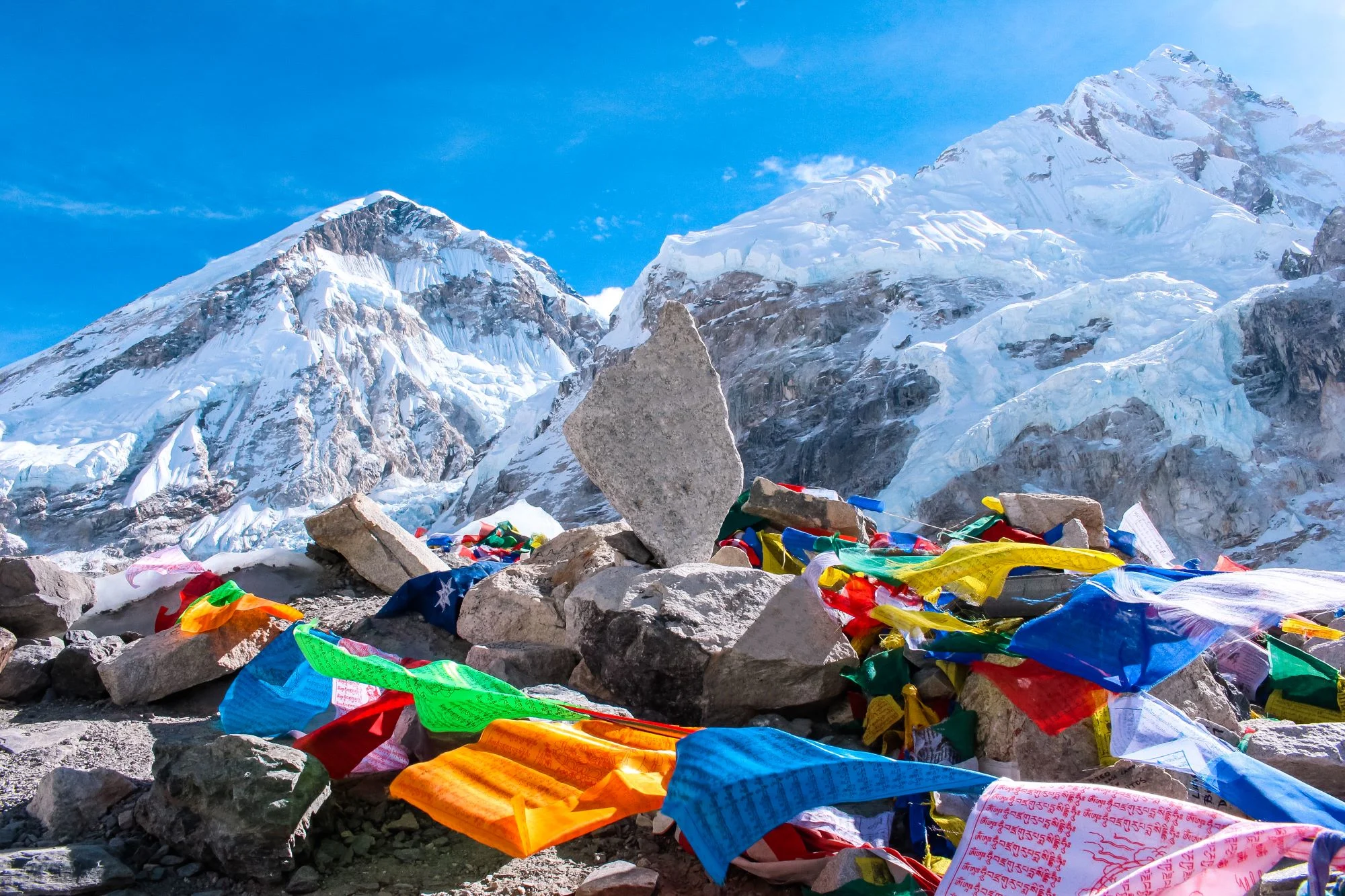
Everest Base Camp Trek Packages – Cost, Itinerary & 12, 14 & 16 Day Options
How to Reduce Your Annapurna Circuit Trek Cost Without Ruining the Experience
You can cut costs meaningfully without gutting the experience. The trick is trimming the right things — private vehicles and imported snacks — rather than compromising on safety or comfort where it matters.
Choose the right itinerary length rather than an unnecessarily long one
Use shared jeeps and buses instead of private hire where practical
Share a porter between two trekkers
Eat local Dal Bhat with free refills instead of imported food
Carry a reusable water bottle and purifier to avoid buying drinks
Walk the NATT trails to skip pricey extra jeep segments
Rent gear in Kathmandu or Pokhara instead of buying everything new
Budget for extras before you leave the roadhead so you're not overpaying at altitude
Compare what's actually included between packages, not just the headline price
Sample Annapurna Circuit Trek Budget
Here's a worked example for a standard 14-day guided trek. Treat it as a planning framework, not a fixed quote.
Expense | Estimated Cost (USD) |
Permits (ACAP + e-TIMS) | $38 |
Kathmandu ↔ trailhead transport | $40 – $90 |
Trail transport (jeeps) | $40 – $80 |
Accommodation (14 nights) | $90 – $150 |
Food & drinks | $280 – $420 |
Guide (shared) | $180 – $250 |
Porter (shared) | $120 – $175 |
Travel insurance | $100 – $180 |
Personal expenses & tips | $120 – $200 |
Estimated total | $1,000 – $1,580 |
This is an example budget, not a fixed price. Your actual cost depends on your itinerary, season, services and spending habits.
How Much Should You Budget for the Annapurna Circuit in 2027?
For 2027, budget a realistic planning estimate of around $1,000 to $1,700 USD per person for a standard guided trek, and treat it as an estimate rather than an official price. Transport, lodging, package rates and permit rules can all change well before then.
We don't simply take 2026 numbers and tack on an arbitrary percentage. Instead, build a contingency buffer of 10-15% into your 2027 budget to absorb fuel-driven transport increases and possible permit fee revisions. Always confirm live rates and current regulations closer to your departure date.
Is the Annapurna Circuit Trek Worth the Cost?
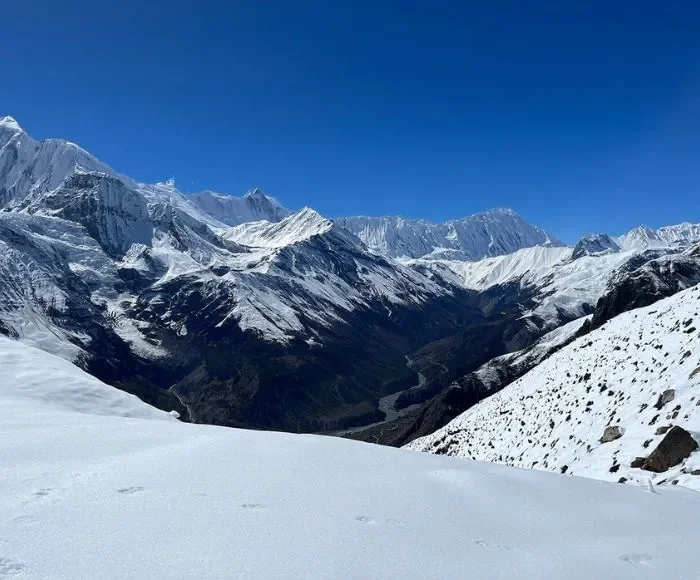
For the money, the Annapurna Circuit delivers one of the most varied treks in the world. Your budget buys subtropical valleys, high Himalayan desert, the dramatic crossing of Thorong La Pass at 5,416 meters, and a genuine long-distance trekking experience across diverse terrain.
Along the way you pass through Manang's high mountain villages, walk toward the arid Mustang landscape, and visit the sacred temple complex at Muktinath. When you reach mani walls, stupas and chortens, always walk clockwise, keeping the structure on your right side. Remove shoes and hats before entering any monastery, and never photograph inside prayer halls without explicit permission from a resident monk.
At the end of your trek, tipping your crew is culturally expected and forms a vital part of their income. A standard range is 10% to 15% of your total trek cost, distributed fairly among your guide and porters.
Planning both this circuit and its famous neighbour? Compare it with our detailed Annapurna Base Camp cost breakdown, check the best time to trek in the region, and review realistic difficulty expectations before you decide.
Frequently Asked Questions
How much does the Annapurna Circuit Trek cost in 2026?
A standard guided Annapurna Circuit Trek in 2026 typically costs $900 to $1,600 USD per person for a 12-16 day trip, excluding international flights, the Nepal visa and travel insurance.
How much money do I need for the Annapurna Circuit Trek?
Budget your package cost plus NPR 3,000 to 5,000 per day in cash for extras, insurance, your visa and tips. Most trekkers need a total of $1,000 to $1,700 for a comfortable standard trip.
Is the Annapurna Circuit Trek expensive?
Compared to treks in many other countries, no. Permits are modest, teahouses are affordable, and food is cheap. Guide, porter, transport and insurance are the main costs.
Can I do the Annapurna Circuit Trek on a budget?
Yes. Use local buses and shared jeeps, stay in basic teahouses, eat Dal Bhat, share a porter and skip paid extras. Budget trekkers can complete the trek for around $650 to $950.
Is it cheaper to trek the Annapurna Circuit independently?
Only marginally. Once you add permits, transport, food and lodging separately — plus 2026 rules that heavily enforce licensed guides — the savings over a good guided package are small.
How much does a guide cost for the Annapurna Circuit?
A licensed guide costs around $25 to $35 USD per day, charged per group rather than per person, usually including the guide's own food, lodging and insurance.
How much does a porter cost on the Annapurna Circuit?
A porter costs roughly $20 to $25 USD per day and typically carries the combined luggage of two trekkers, up to about 20 to 25 kilograms.
Are permits included in Annapurna Circuit Trek packages?
Yes, almost all guided packages include the ACAP permit and e-TIMS registration and arrange them for you. Independent trekkers obtain them at the Nepal Tourism Board office.
How much does food cost on the Annapurna Circuit?
Plan roughly NPR 2,000 to 4,000 per day for meals and drinks, with prices rising at higher altitude. Dal Bhat offers the best value thanks to free refills.
How much cash should I carry for the Annapurna Circuit?
Carry your full trek budget in NPR plus a buffer, since ATMs are unreliable past Chame and Jomsom. Most trekkers budget NPR 3,000 to 5,000 per day for extras.
How much should I budget for the Annapurna Circuit Trek in 2027?
Plan around $1,000 to $1,700 USD per person for a standard guided trek as an estimate, and add a 10-15% buffer for possible transport and permit changes.
Conclusion
For a standard guided Annapurna Circuit Trek, plan around $1,000 to $1,600 USD per person, excluding international airfare and personal pre- and post-trek expenses. Budget trekkers can spend less, while private transport, better lodges and extra excursions push the cost significantly higher.
The smartest move isn't chasing the lowest package price — it's understanding exactly what's included, budgeting honestly for hidden trail costs, and carrying enough cash. Do that, and your final bill will match your plan instead of surprising you.