Contents
What you pack for the Annapurna Base Camp trek depends on a handful of real decisions, not on copying a generic list. Your season, your trek duration, whether you are using a porter, how cold you personally run, and how much gear you already own all change what belongs in your bag. Get those decisions right and you carry less, spend less, and enjoy the walk more.
This checklist comes from our team of Pokhara-based coordinators and licensed guides who watch trekkers arrive over-packed almost every week. The ABC trail climbs from warm subtropical forest near Nayapul up to the amphitheatre of peaks at 4,130 meters, so you are packing for two very different climates in one bag. Below is everything you need, why each item matters, and what you can safely leave in your hotel in Pokhara.
Annapurna Base Camp Trek Packing List at a Glance
The core ABC packing list breaks into eight groups: clothing layers, footwear, bags, sleeping kit, personal items, health and first aid, electronics, and documents. On a guided teahouse trek with a porter, most trekkers manage comfortably with a 10 kg duffel and a 5 to 8 kg daypack. Everything else is optional refinement.
Clothing: base layers, trekking shirts, trekking pants, fleece, down jacket, waterproof shell, underwear, hiking socks, warm hat, gloves, sun hat
Footwear: broken-in trekking boots, camp sandals, spare socks
Bags: daypack, porter duffel, rain cover, dry bags or packing cubes
Sleeping: sleeping bag (season-dependent), optional liner
Personal: toiletries, sunscreen, lip balm, quick-dry towel, tissues, hand sanitizer
Health: first-aid kit, personal medication, blister care, pain relief
Electronics: phone, charging cable, power bank, headlamp, spare batteries
Documents and money: passport, permits, insurance details, NPR cash
The rest of this guide explains the choices behind each group so you pack for the trek you are actually doing.
Clothing for the Annapurna Base Camp Trek
Layering is the whole strategy for ABC. You start each morning in cool forest, sweat on the climbs, then chill fast when you stop or when altitude bites in the late afternoon. Instead of counting T-shirts, choose layers that manage moisture, trap warmth, and block wind and rain, then add or remove them through the day.
Item | Why you need it |
Merino or synthetic base layer | Moves sweat off your skin and dries fast; keeps you warm at MBC and ABC |
2-3 trekking shirts | Quick-dry tops for daily walking in mixed temperatures |
Fleece or light insulated mid-layer | Core warmth for cold mornings and evenings |
Down jacket | Essential above 3,000 meters where evenings drop below freezing |
Waterproof, breathable shell | Rain and wind protection; weather turns quickly in the Sanctuary |
Trekking pants (1-2 pairs) | Comfortable, quick-dry movement on long climbs and descents |
Warm hat and buff | Heat loss through the head is significant at altitude |
Gloves | Cold hands slow you down at the higher camps |
Wool hiking socks | Cushioning and warmth; carry 3-4 pairs to keep feet dry |
Two trekking shirts washed and rotated beat five you never wear. Because temperatures swing so sharply with the seasons, read our guide to the best time for the Annapurna Base Camp trek before finalizing your layers.
Footwear for the ABC Trek
Wear mid-cut, waterproof trekking boots with a firm grippy sole. The ABC route is a stone-step trail through forest and villages, not a glacier climb, so heavy mountaineering boots are unnecessary and will only tire your legs. Break in new boots for several weeks at home before you fly.
Grip matters most on the long stone descents past Chhomrong and Sinuwa, which are hard on the knees and slippery when wet. Bring a lightweight pair of camp sandals or slip-ons to change into at teahouses each evening; your feet will thank you. Pack an extra pair of dry socks in your daypack so you can swap out if you cross a wet section.
Do you really need boots, or will trail runners work?
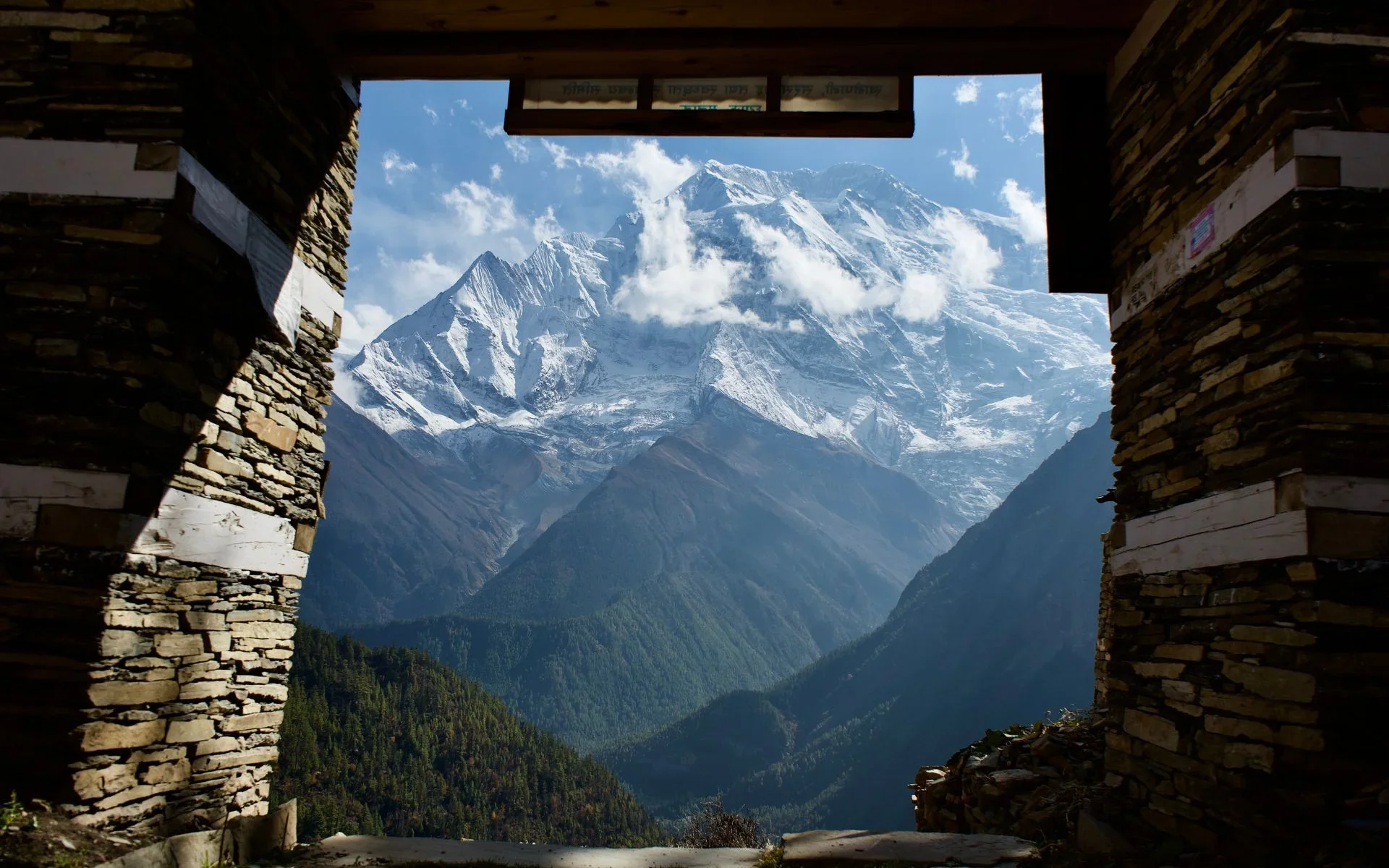
Experienced trekkers with strong ankles sometimes manage in sturdy trail runners in dry autumn conditions. For most people carrying a daypack over thousands of steps, ankle-supporting boots remain the safer choice, especially in spring snowmelt or winter snow near the base camps.
Do You Need a Sleeping Bag for Annapurna Base Camp?
Yes, in most seasons. Teahouses provide blankets, but they are thin and unreliable at Deurali and Machhapuchhre Base Camp (3,700 meters) where nights routinely fall below freezing. A sleeping bag rated to around -10°C covers spring and autumn comfortably; go warmer for winter.
Your exact need depends on four things: the season, how much your teahouse provides, your personal cold tolerance, and whether your trekking package includes a bag. If you run cold or trek in winter, add a silk or fleece liner for an extra few degrees of warmth. Renting is a smart option, which we cover below.
What to Pack for the ABC Trek by Season
The single biggest factor in your packing list is the month you walk. Here is how each season changes the bag.
Season | Key packing adjustment |
Spring (Mar-May) | Warm days, cold high camps; carry sun protection plus a solid down jacket. Rhododendron forest is stunning but afternoons can cloud over. |
Summer/Monsoon (Jun-Aug) | Rain protection is priority one: shell jacket, pack cover, dry bags, and leech socks. Trails are wet and slippery. |
Autumn (Sep-Nov) | The most stable season; still prepare for genuine cold at MBC and ABC with a proper down layer and gloves. |
Winter (Dec-Feb) | Maximum insulation: warmer sleeping bag, thermal base layers, thick gloves, and traction spikes for possible snow near the base camps. |
Note that the Annapurna region is not in the Himalayan rain shadow, so monsoon here means real rain and leeches, unlike Upper Mustang or Upper Dolpo which stay dry in summer. If you are set on trekking outside autumn, pack accordingly for the conditions you will actually meet.
What Can You Leave Behind?
Pack for the trek you are actually doing, not the expedition you imagine. This is where most first-timers go wrong. The ABC route has warm teahouses, hot Dal Bhat, and gear shops in Pokhara, so you do not need to carry your whole camping cupboard.
Too many clothes: two or three trekking shirts are plenty when you can rotate and wash
Full-size toiletries: decant into small bottles; every gram counts on the steps
Tent, stove, and cooking kit: teahouses provide beds and meals throughout
Multiple heavy shoes: one pair of boots plus light camp sandals is enough
Bulky books and gadgets: a phone or e-reader replaces a shelf of paperbacks
Bottled water: bring a filter or purification drops instead and refill on the trail
Anything you forget can usually be bought or rented in Pokhara's Lakeside shops before you set off.
What Should Go in Your Daypack?
Your daypack carries everything you need during the walking day, while your porter carries the duffel. Keep it light but complete, because you will not see your main bag until you reach the next teahouse. A 25 to 35 litre pack with a rain cover works well.
Water bottle or bladder (1.5 to 2 litres) and purification
Waterproof shell and a warm layer for sudden weather changes
Snacks such as nuts, chocolate, and energy bars
Sunscreen, lip balm, and sunglasses
Phone or camera and a small power bank
Personal medication and a small first-aid pouch
Passport, permits, insurance details, and NPR cash
Headlamp and a buff or warm hat
Keep documents and cash on your body or in the daypack, never in the porter's duffel.
How Heavy Should Your Backpack Be?
Aim for a daypack of 5 to 8 kg and a porter duffel under 10 kg per person. On guided treks, one porter typically carries a single bag for two trekkers, so keeping duffels light is a shared courtesy. Independent trekkers carrying everything themselves should cap the total load at 10 to 13 kg.
Extra weight is the quiet enemy of enjoyment. Every unnecessary kilo becomes noticeable on the endless stone steps and can genuinely increase how hard the trek feels; for more on that, see our honest breakdown of how difficult the Annapurna Base Camp trek really is. Be ruthless before you leave Pokhara, not sorry halfway up.
Should You Buy or Rent Trekking Gear in Nepal?
Renting in Pokhara makes strong sense for one-off cold-weather gear. Lakeside shops rent down jackets, sleeping bags, and trekking poles for roughly NPR 100 to 300 per item per day, with a refundable deposit or passport photocopy held. This saves you buying expensive kit you will rarely use again.
Bring your own boots, base layers, socks, and anything worn directly against your skin, since fit and hygiene matter most there. Down jackets, sleeping bags, poles, and gaiters are the classic rentals. Genuine branded gear can also be bought in Pokhara and Kathmandu, though check zips and seams carefully as many cheaper items are imitations.
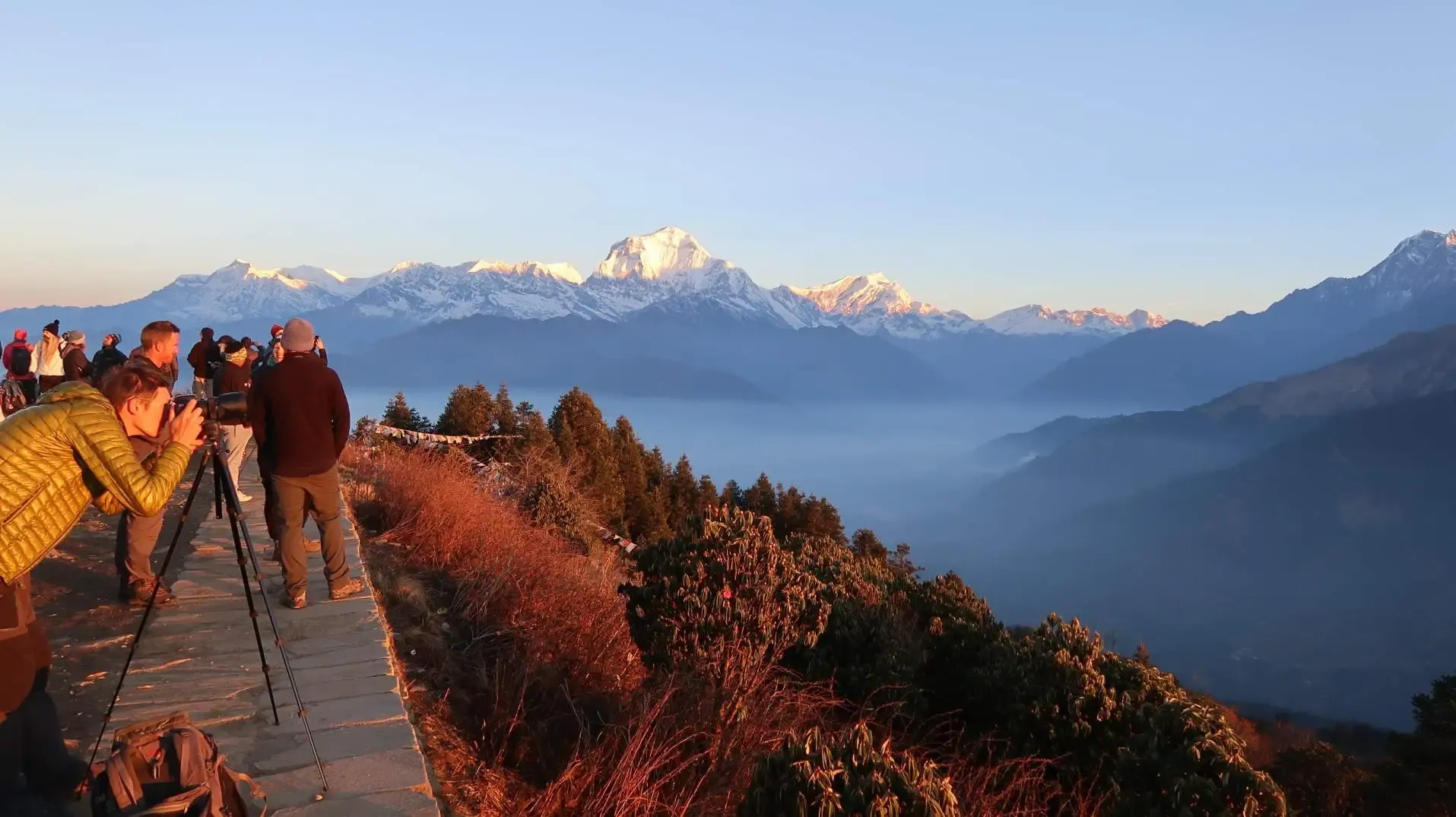
8-Day Ghorepani Poon Hill Trek Package – Cost, Itinerary & Guide
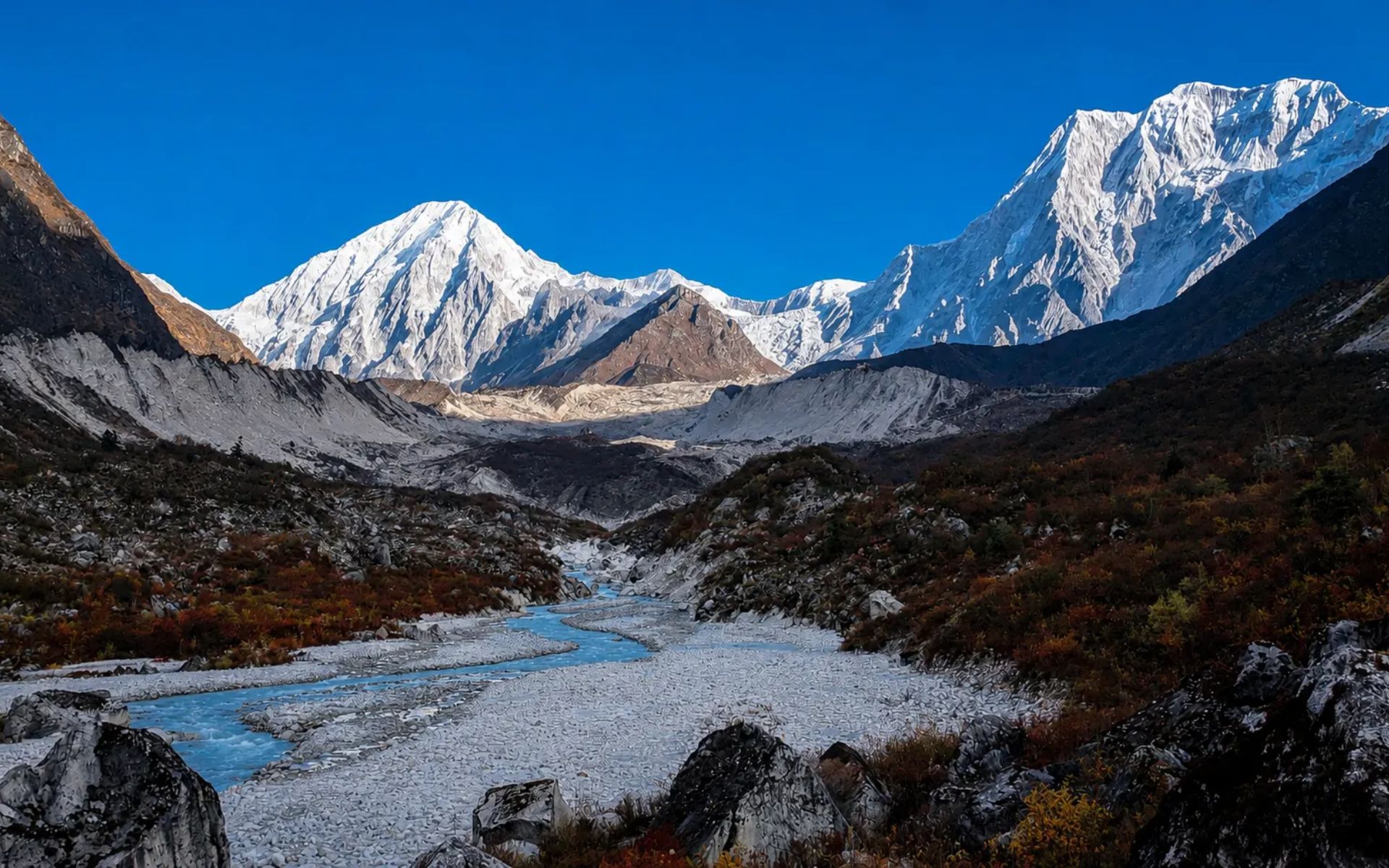
Manaslu Circuit Trek Packages – Cost, Permit & 12, 14 or 16 Day Options
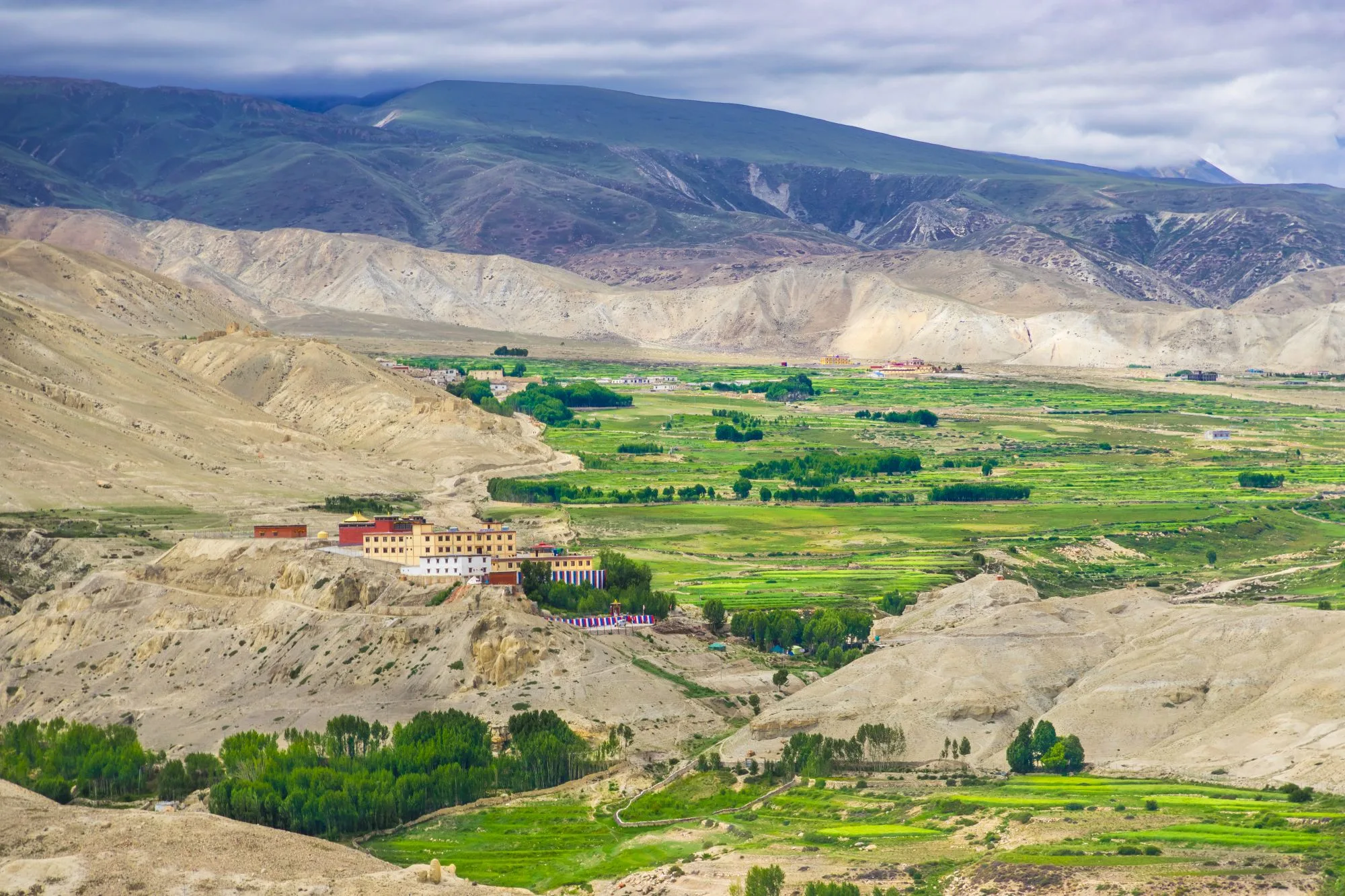
Upper Mustang Trek Packages – Cost, Permit & 14 or 16 Day Options
Everest Base Camp Trek Packages – Cost, Itinerary & 12, 14 & 16 Day Options
Health, First Aid, and Water Safety
Carry a compact first-aid kit with blister plasters, pain relief, rehydration salts, antiseptic, and any personal prescriptions. Add basic altitude awareness to your packing mindset: the sleep elevation between the mid-camps and ABC at 4,130 meters is manageable, but never rush the ascent and take rest if you feel unwell.
Make sure your travel insurance specifically covers high-altitude trekking and emergency helicopter evacuation up to 6,000 meters; standard policies often exclude this. For food, lean on the traditional Dal Bhat: lentil soup, rice, and vegetable curry, which is clean, high-energy fuel and usually comes with free refills. Prioritize fresh, locally grown carbohydrates over meat, which is carried up unrefrigerated over several days.
For water, ban single-use plastic bottles. Bring a reusable bottle plus a UV purifier, Sawyer squeeze filter, or chlorine dioxide drops, and refill from taps and lodge sources along the way.
Electronics, Charging, and Connectivity
Bring a headlamp, a power bank of at least 10,000 mAh, and your charging cables. Lodges have electricity, but charging your phone or power bank often costs an extra 200 to 700 NPR per session at the higher teahouses, and the same applies to gas-heated hot showers and localized Wi-Fi. A good power bank saves you money and hassle.
For a SIM card, Ncell gives the strongest coverage across most of the Annapurna Sanctuary, with Nepal Telecom (NTC) as a useful backup. Buy and register your SIM with your passport in Kathmandu or Pokhara before you start walking.
Documents, Permits, and Cash
Keep your passport, two permits, insurance proof, and cash together in a waterproof pouch. For ABC you need the ACAP permit (Annapurna Conservation Area Permit) and the TIMS card, both arranged in Kathmandu or Pokhara. Under current 2026 rules, trekkers are strongly required to trek with a licensed guide, so book through a registered agency and verify the latest regulations before departure.
There are no ATMs on the trail, so carry all your trek cash as Nepalese Rupees. Budget for meals, drinks, charging, showers, and Wi-Fi, and set aside crew tips. Tipping is culturally expected as a vital part of guide and porter income, with a standard range of 10% to 15% of the total trek cost shared among the crew. To plan those numbers, see our full Annapurna Base Camp trek cost breakdown.
Cultural Etiquette to Pack in Your Head
Some of the most important things you carry are not physical. Always walk clockwise around mani walls, stupas, and chortens, keeping these sacred structures on your right. Remove shoes and hats before entering any monastery, and never photograph inside prayer halls unless a resident monk gives you clear permission. A little respect goes a long way in these mountain communities.
Printable ABC Trek Packing Checklist
Run through this final checklist the night before you leave Pokhara:
Trekking boots (broken in) and camp sandals
Base layers, trekking shirts, and trekking pants
Fleece mid-layer and down jacket
Waterproof shell jacket
Warm hat, sun hat, gloves, and buff
Wool socks (3-4 pairs) and underwear
Sleeping bag and optional liner
Daypack with rain cover and dry bags
Sunglasses, sunscreen, and lip balm
Reusable water bottle and purification
Headlamp and power bank plus cables
First-aid kit and personal medication
Toiletries, quick-dry towel, and tissues
Passport, ACAP permit, TIMS card, and insurance details
Nepalese Rupees cash for the whole trek
Trekking poles (recommended)
Conclusion
Packing for the Annapurna Base Camp Trek is not about carrying more. It is about carrying the right things. A well-planned bag keeps you comfortable in changing mountain conditions, reduces unnecessary weight, and makes every day on the trail more enjoyable. Focus on layers, reliable footwear, essential safety items, and leave the extras behind.
If you're unsure what gear to bring, what to rent in Pokhara, or how to prepare for the season you're trekking in, Walk Through Nepal is here to help. Our local team can guide you through everything from packing and permits to experienced guides and complete trek planning.
Ready for Annapurna Base Camp? Contact Walk Through Nepal and let our local experts help you trek lighter, smarter, and with confidence.
FAQs
1. Do I need a sleeping bag for the Annapurna Base Camp trek?
Teahouses provide blankets, but they are rarely enough at Deurali and Machhapuchhre Base Camp where nights fall below freezing. We recommend carrying a sleeping bag rated to around -10°C in spring and autumn, and warmer in winter. Bags can be rented in Pokhara for roughly NPR 100 to 200 per day.
2. How heavy should my ABC backpack be?
If you hire a porter, your duffel should stay under 10 kg per person as most porters carry one bag for two trekkers. Your own daypack should weigh 5 to 8 kg with water, layers, and valuables. Independent trekkers carrying everything should aim for 10 to 13 kg maximum.
3. Can I rent trekking gear in Pokhara?
Yes. Pokhara has many gear shops near Lakeside renting down jackets, sleeping bags, and trekking poles for roughly NPR 100 to 300 per item per day. This is ideal for one-off trekkers who do not want to buy expensive cold-weather gear they will rarely use.
4. Do I need heavy mountaineering boots for ABC?
No. The Annapurna Base Camp trek is a teahouse trek on maintained stone-step trails, so mid-cut waterproof trekking boots with good grip are perfect. Heavy insulated mountaineering boots are unnecessary and overkill unless you trek in deep winter snow.
5. How much cash should I carry on the ABC trek?
Carry enough Nepalese Rupees for the entire trek in cash. There are no ATMs past Pokhara, and lodges do not accept cards. Budget for meals, plus extra for phone charging, hot showers, and Wi-Fi, which cost an extra 200 to 700 NPR per service.
6. Should I buy bottled water on the trail?
No. Plastic bottles create serious waste in the Annapurna Conservation Area. Bring a reusable bottle and a water purification method such as a UV purifier, Sawyer filter, or chlorine dioxide drops, and refill from taps and lodge sources.
7. Do I need trekking poles for Annapurna Base Camp?
They are optional but highly recommended. The route to and from ABC has thousands of stone steps, and poles significantly reduce knee strain on the long descent, especially the steep drop from Chhomrong.
8. Which SIM card works best on the ABC trek?
Ncell provides strong coverage across most of the Annapurna Sanctuary, though signal fades at the highest camps. Nepal Telecom (NTC) is a useful backup. Buy and register your SIM in Kathmandu or Pokhara with your passport.