Contents
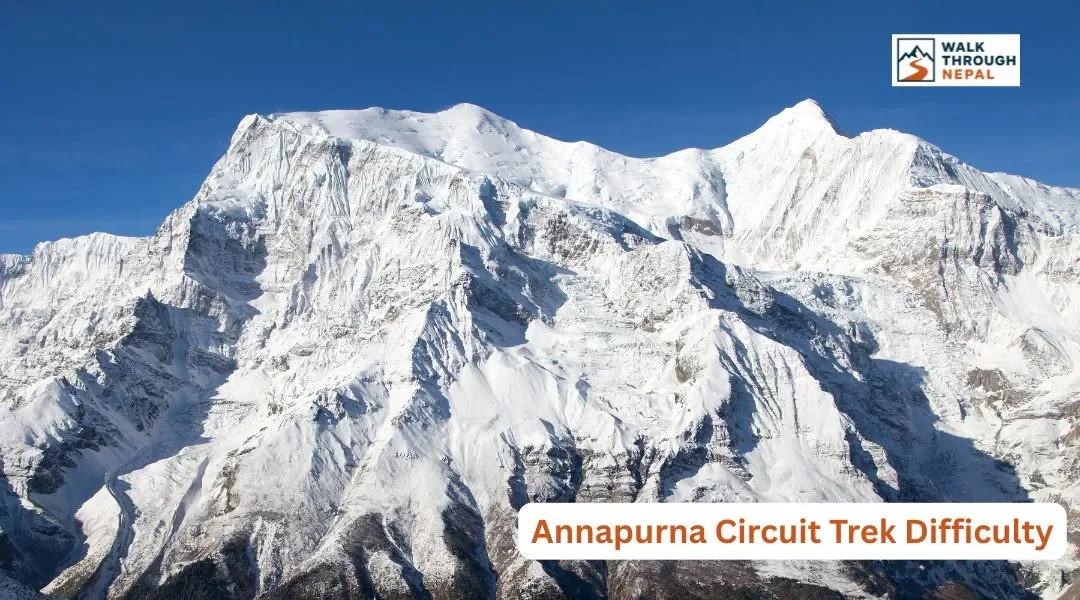
Let us give you the honest answer first: the Annapurna Circuit is a moderate to challenging trek. It is not a technical mountaineering expedition, you will not touch a rope or an ice axe, and you do not need climbing skills. What makes it hard is the combination of thin air near 5,416 meters, long consecutive walking days, sustained steep climbs and descents, and unpredictable mountain weather at the high passes.
Our team of licensed guides and regional coordinators has walked this route across every season, and the pattern is consistent. Fit, well-prepared trekkers who follow a sensible itinerary succeed. Those who rush the Manang section or underestimate the Thorong La day struggle. Difficulty here is less about raw strength and more about patience, pacing, and respect for altitude.
How Difficult Is the Annapurna Circuit Trek?
The Annapurna Circuit sits at moderate to challenging on any honest difficulty scale. The trek demands endurance over roughly 12 to 18 days, tolerance for altitude beyond 5,000 meters, and the ability to handle steep stone terrain. It requires no technical climbing, but the sustained effort at altitude is what separates it from an easy walk.
Factor | Difficulty |
Physical fitness | Moderate–High |
Altitude | High |
Walking distance | Moderate–High |
Technical climbing | Low |
Steep sections | High |
Weather variability | High |
Overall | Moderate–Challenging |
What Makes the Annapurna Circuit Trek Difficult?
Four things drive the difficulty: high altitude, long walking days, relentless steep ascents and descents, and the single big crossing at Thorong La Pass. Understanding each one lets you plan around it rather than get blindsided on the trail.
High Altitude
The circuit tops out at 5,416 meters on Thorong La Pass. Above roughly 2,500 meters the air holds progressively less oxygen, and by Manang at 3,540 meters most trekkers feel the change. Altitude is the great equalizer here. Being a strong runner at sea level does not make you immune to Acute Mountain Sickness (AMS).
This is why acclimatization matters more than fitness. We build the itinerary so that above 3,000 meters your sleeping elevation increases no more than 300 to 500 meters per day, with a mandatory rest day at Manang. Skip that and you invite headaches, nausea, and in serious cases HAPE or HACE.
Long Walking Days
Most days involve 5 to 7 hours of walking, sometimes more on longer stages. Consecutive days without a real break wear on your legs and mind. What feels like an easy distance at low elevation feels far harder as the air thins near Yak Kharka and Thorong Phedi.
Steep Ascents and Descents
The Annapurna Circuit rarely stays flat. You climb stone staircases, gain hundreds of meters in a morning, then lose it again on long descents. The descent from Thorong La down to Muktinath is especially punishing on the knees. Trekking poles are not optional here; they save your joints over the steepest sections.
Thorong La Pass: The Crux
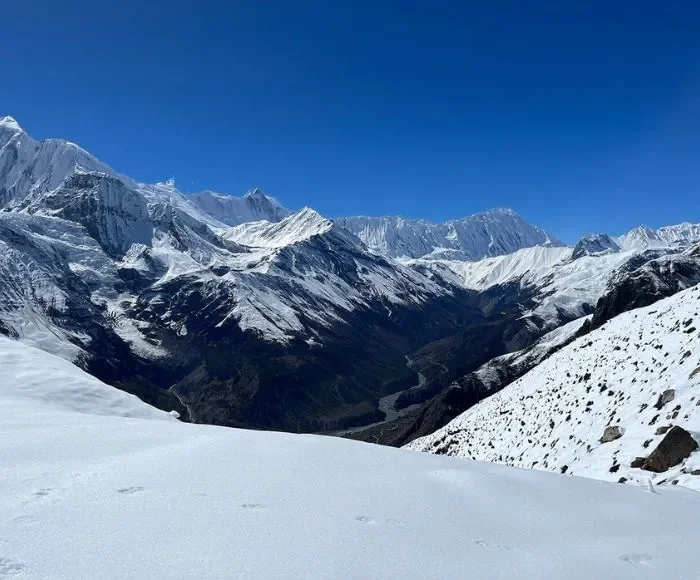
Thorong La is the single hardest point of the whole route, and it deserves its own respect. Trekkers start in darkness around 4:00 to 5:00 AM from Thorong Phedi or High Camp to cross before the afternoon winds pick up. The ascent is a slow, steady grind of 4 to 5 hours in cold, oxygen-thin air, often below freezing at the top.
The pass itself is not technical, but the descent that follows is long and steep, dropping over 1,600 meters to Muktinath in a single push. Weather can turn a manageable crossing into a genuinely dangerous one, which is why guides watch the forecast closely and never rush an unacclimatized group over.
Annapurna Circuit Trek Difficulty by Section
Difficulty is not uniform across the trail. The lower valleys are gentle, the middle section builds altitude steadily, and the upper stages near the pass are where the real effort lives. Here is how the classic sequence breaks down.
Section | Difficulty | Why |
Besisahar → Chame | Moderate | Gradual elevation gain, jeep road sections |
Chame → Pisang | Moderate | Longer mountain stages, forest climbs |
Pisang → Manang | Moderate–Hard | Increasing altitude toward 3,540m |
Manang → Yak Kharka | Moderate | Thin air, steady climb |
Yak Kharka → Thorong Phedi | Hard | Altitude plus sustained uphill |
Thorong Phedi → Muktinath | Very Hard | Thorong La crossing at 5,416m |
Muktinath → Jomsom | Moderate | Long descent, windy road sections |
A practical note on this route: large stretches of the lower and Manang-side valleys now carry a jeep road. To avoid dust and vehicle traffic, we route clients onto the alternative walking trails, the New Annapurna Trekking Trails (NATT), wherever possible. It adds quiet and scenery, though it can add modest effort too.
How Hard Is Thorong La Pass?
Thorong La Pass is generally considered the hardest single day on the circuit. The crossing takes most groups 8 to 10-plus hours door to door, starting before dawn to beat the wind. The challenge is not technical difficulty; it is the stacked combination of extreme altitude, cold, sustained uphill effort, and a very long descent afterward.
The reason so many trekkers find this day brutal is oxygen. At the top you are breathing roughly half the oxygen available at sea level. Every step is slower, rest breaks are frequent, and the cold saps energy fast. Reaching the prayer-flag-draped saddle is emotional, but the day is only half done, with the knee-heavy drop to Muktinath still ahead.
Annapurna Circuit Trek Difficulty by Fitness Level
Difficulty is relative to who you are. The trek rewards steady, prepared walkers over sprinters. Here is how it lands for different fitness profiles.
For Beginners
Can a complete beginner do the Annapurna Circuit? Yes, with honest preparation. You need to arrive able to walk 5 to 7 hours comfortably, follow an itinerary with proper acclimatization days, keep a slow and manageable pace, and understand the signs of altitude sickness. Beginners who prepare well and never rush do very well here.
For Moderately Fit Trekkers
This is the sweet spot. If you hike regularly, do cardio a few times a week, and have handled multi-day walks before, the circuit will feel demanding but firmly achievable. You will have enough reserve to enjoy the scenery rather than merely survive the days.
For Very Fit Trekkers
Strong fitness makes the daily walking easier, but here is the point that catches athletes off guard: fitness does not protect you from altitude sickness. Very fit trekkers sometimes push too fast, skip acclimatization, and suffer more as a result. On this trail, discipline beats horsepower.
How Many Hours Do You Walk Each Day?
Plan for 5 to 7 hours of walking on typical days, with shorter acclimatization days and one long summit-style day at the pass. These are moving times plus reasonable breaks; your actual pace depends on weather, fitness, and trail conditions.
Trekking Day | Approx. Walking Time |
Shorter / acclimatization days | 4–5 hours |
Typical trekking days | 5–7 hours |
Harder high-altitude days | 7–9+ hours |
Thorong La Pass day | 8–10+ hours |
Is the Annapurna Circuit Harder Than Annapurna Base Camp?
Overall, yes. The Circuit is longer, climbs higher, and demands more endurance. That said, the two treks feel different rather than simply harder or easier. Here is a direct comparison.
Factor | Annapurna Circuit | Annapurna Base Camp |
Duration | Longer (12–18 days) | Shorter (7–12 days) |
Maximum altitude | Higher | Lower |
Highest point | Thorong La – 5,416m | ABC – ~4,130m |
Altitude challenge | Higher | Moderate |
Endurance required | Higher | Moderate |
Overall | Moderate–Challenging | Moderate |
Base Camp is not a soft option; it has its own long staircase days. If you are weighing the two, our detailed breakdown of how difficult the Annapurna Base Camp trek is worth reading alongside this guide.
How to Prepare for the Annapurna Circuit Trek
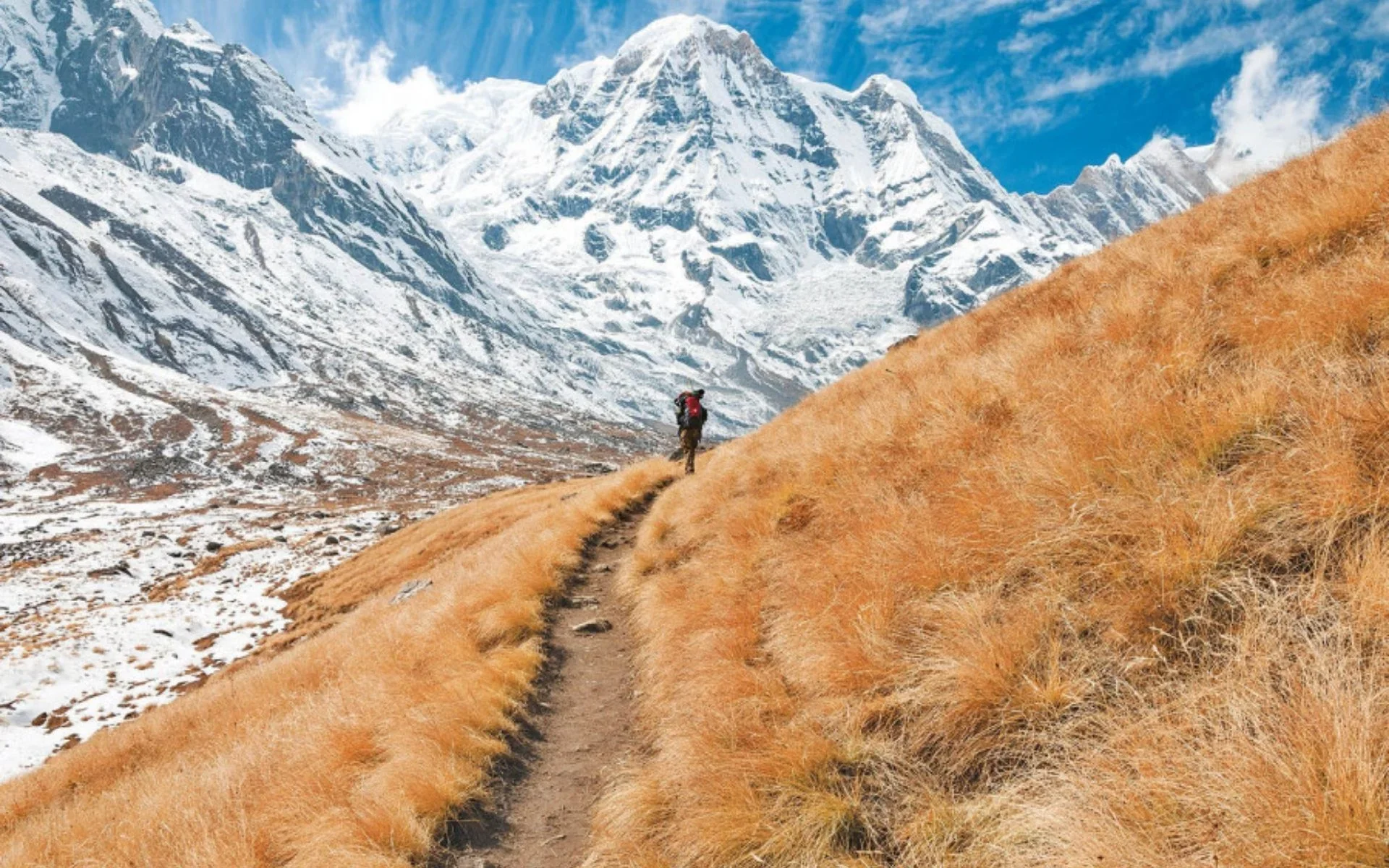
Start training 8 to 12 weeks before departure. The goal is endurance over consecutive days, strong legs for steep terrain, and comfort carrying a daypack. Aerobic base matters more than gym strength.
8–12 Weeks Before the Trek
Build a routine of regular walking, weekend hiking, and cardio (running, cycling, or stair machines) three to four times a week, plus targeted strength work. Consistency beats intensity.
Build Endurance
Do long day hikes of 5 to 8 hours, and where possible walk on back-to-back days to simulate the fatigue of a multi-day trek. Add uphill and downhill sections to condition your legs for the real terrain.
Strengthen Your Legs
Squats, lunges, step-ups, and calf raises directly prepare you for the endless stone stairs and the long Muktinath descent. Strong quads protect your knees on the way down.
Practice With a Backpack
Train with the daypack you will actually carry, gradually adding weight until it feels routine. Your body should be used to the load well before you land in Kathmandu.
How to Make the Annapurna Circuit Trek Easier
You cannot lower the altitude, but you can stack the odds in your favor with smart choices.
Choose a longer itinerary with built-in buffer days.
Do not rush the Manang section; take the acclimatization rest day.
Keep a slow, steady pace, especially above 3,000 meters.
Stay well hydrated and sleep properly each night.
Respect the Thorong La day and start early.
Hire a porter so you carry only a light daypack.
Leave unnecessary weight behind.
Prioritize the classic Dal Bhat (lentils, rice, vegetable curry) for clean, high-energy fuel with free refills.
On food, stick to vegetarian meals at altitude. In remote areas all meat is carried up by foot or mule over days without refrigeration, so fresh local carbohydrates are the safer, cleaner choice.
Can You Do the Annapurna Circuit Without Previous Trekking Experience?
Yes, but preparation decides everything. There is a huge gap between no experience plus good fitness and a generous itinerary and no experience plus poor fitness and a rushed schedule. The first group thrives; the second gets into trouble. Prior trekking helps, but disciplined preparation and a sensible pace matter far more.
What Age Is Suitable for the Annapurna Circuit Trek?
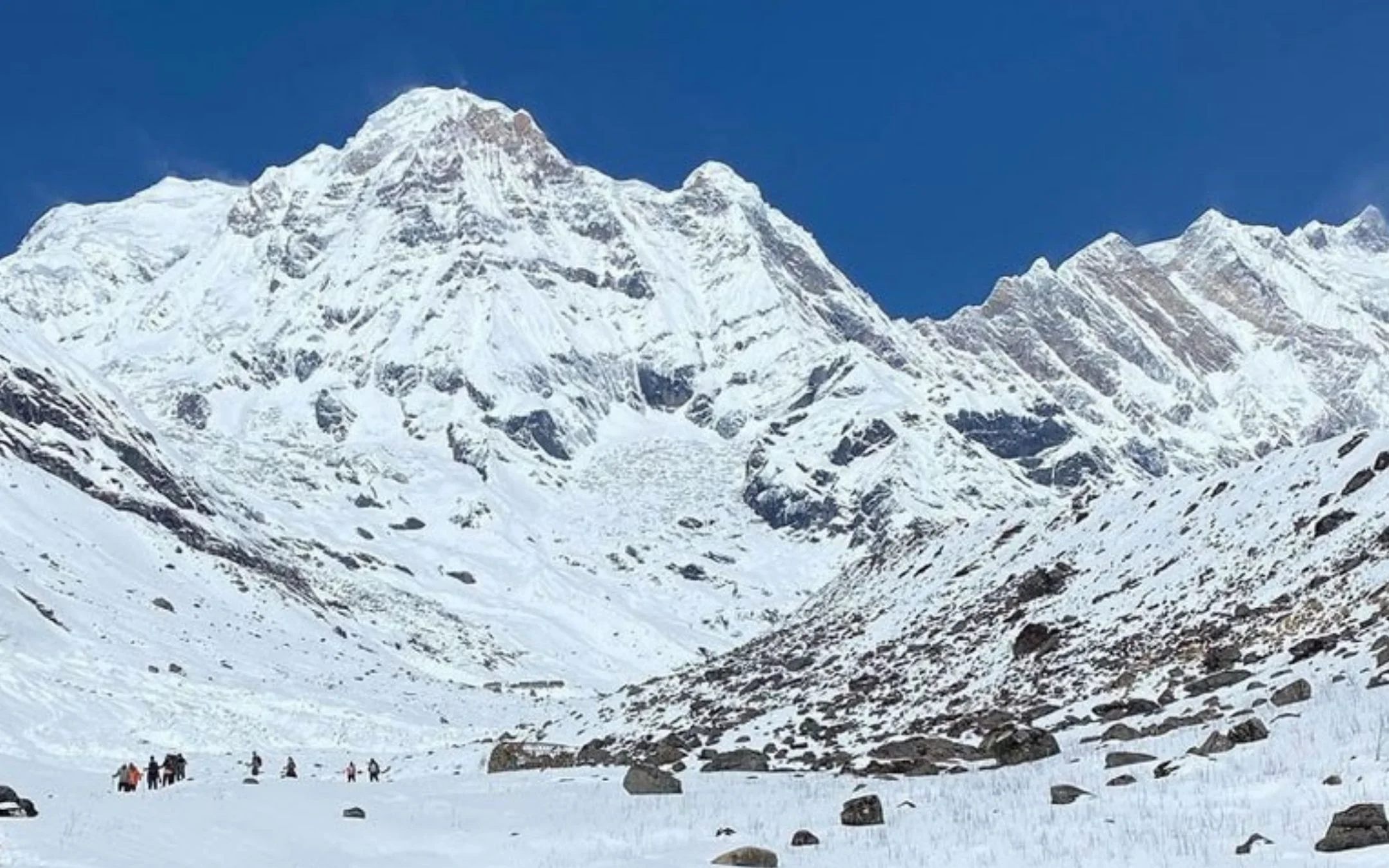
There is no hard maximum age. What matters is physical condition, prior hiking experience, any medical considerations, and a willingness to acclimatize slowly. We have coordinated successful crossings for trekkers in their sixties and beyond. Age alone is not a reliable measure of trekking ability; overall health and pacing are.
What Is the Hardest Day of the Annapurna Circuit Trek?
The Thorong La Pass crossing at 5,416 meters is the hardest day. The pre-dawn start, the long slow ascent in freezing thin air, and the punishing descent to Muktinath combine into the most demanding 8 to 10-hour stretch of the entire trek.
Permits, Guides, and 2026 Regulations
The Annapurna Circuit requires an ACAP permit (Annapurna Conservation Area Project) and a valid TIMS registration. For foreign trekkers the ACAP fee is NPR 3,000 per person, with a reduced SAARC-national rate. Under current 2026 Nepal Tourism Board rules, independent solo trekking is no longer permitted across most regions, so plan on a licensed guide and verify the latest requirements before you fly.
Nepal's tourist visa fees remain $30 USD for 15 days, $50 USD for 30 days, and $125 USD for 90 days on arrival. For budgeting the full trip, see our Annapurna Circuit cost and budget guide.
Safety, Insurance, and Practical Trail Realities
Carry insurance that specifically covers high-altitude emergency helicopter evacuation up to 6,000 meters and treatment for AMS, HAPE, and HACE. Standard travel insurance is not enough, and this coverage is a genuine safety essential on this route.
ATMs disappear once you leave the roadhead, so carry sufficient Nepalese Rupees (NPR) cash for the whole trek. Budget for common trail upcharges: charging a power bank or phone, gas-heated hot showers, and Wi-Fi typically cost an extra 200 to 700 NPR each and are rarely included in lodge stays. For connectivity, Ncell offers strong coverage across most of the Annapurna Circuit and Sanctuary.
Please skip plastic bottled water to protect the region. Carry a reusable bottle with an active purification system such as a UV purifier, Sawyer squeeze filter, or chlorine dioxide drops.
Cultural Etiquette on the Trail
Always walk clockwise around mani walls, stupas, and chortens, keeping these sacred structures on your right. Remove shoes and hats before entering any temple or monastery, and never photograph inside prayer halls unless a resident monk gives explicit permission. At the end of your trek, tipping the crew is culturally expected as a vital supplement to their income; a standard range is 10% to 15% of the total trek cost distributed among guides and porters.
So, Is the Annapurna Circuit Trek Right for You?
You are likely ready if you can honestly check these boxes:
Walk 5–7 hours comfortably in a day.
Handle consecutive hiking days without collapsing.
Manage sustained uphill walking.
Carry a daypack for several hours.
Commit to a gradual acclimatization schedule.
Accept that altitude, not just fitness, is the main factor.
Conclusion
The Annapurna Circuit is not the easiest trek in Nepal, but it is one of the most rewarding. With proper preparation, a realistic itinerary, and respect for altitude, most reasonably fit trekkers can complete the journey successfully without any mountaineering experience.
The key is not speed. It is giving your body time to acclimatize, trekking at a steady pace, and planning the route around the right season and weather conditions.
Ready to take on the Annapurna Circuit? Walk Through Nepal can help you plan every step of the journey, from permits and experienced local guides to transportation and acclimatization-friendly itineraries. Contact our team today and start preparing for one of the Himalaya's most unforgettable adventures.
FAQs
Is the Annapurna Circuit Trek difficult?
The Annapurna Circuit is rated moderate to challenging. It is a walking trek, not a technical climb, but the combination of high altitude at Thorong La Pass (5,416 meters), long consecutive days, and steep terrain makes it demanding. Reasonably fit trekkers who prepare and acclimatize properly complete it successfully.
How difficult is Thorong La Pass?
Thorong La Pass at 5,416 meters is the hardest day of the trek. It involves an early 4:00-5:00 AM start, a steep 4-5 hour ascent in thin, cold air, and a long knee-punishing descent to Muktinath. It is not technical, but altitude and endurance make it tough.
Can beginners do the Annapurna Circuit Trek?
Yes. Beginners with good pre-trek preparation, a generous itinerary with acclimatization days, and a steady pace can complete the Annapurna Circuit. The key risks come from rushing the schedule or arriving unfit rather than from a lack of prior trekking experience.
How many hours do you walk each day on the Annapurna Circuit?
Most days involve 5 to 7 hours of walking. Shorter acclimatization days can be 4 to 5 hours, while the Thorong La Pass crossing is the longest at 8 to 10-plus hours. Actual times vary with pace, weather, and trail conditions.
Is the Annapurna Circuit harder than Annapurna Base Camp?
Yes, overall. The Annapurna Circuit reaches 5,416 meters at Thorong La versus roughly 4,130 meters at Annapurna Base Camp, and it is longer with more sustained endurance required. ABC is still a genuine trek, but the Circuit's altitude and duration make it more challenging.
Do I need a guide for the Annapurna Circuit in 2026?
Under current 2026 Nepal Tourism Board rules, solo independent trekking is no longer permitted in most trekking regions, and a licensed guide is strongly required or enforced for the Annapurna Circuit. Always verify the latest rules before departure.
Is altitude sickness a concern on the Annapurna Circuit?
Yes. Above 3,000 meters your sleeping elevation should rise no more than 300-500 meters per day, with rest days at Manang. AMS, HAPE, and HACE are real risks. Carry insurance covering helicopter evacuation up to 6,000 meters.
How fit do I need to be for the Annapurna Circuit?
You should be able to walk 5 to 7 hours comfortably over consecutive days while carrying a daypack. Moderate cardiovascular fitness and strong legs help significantly, but fitness alone does not protect against altitude, so acclimatization remains essential.