Contents
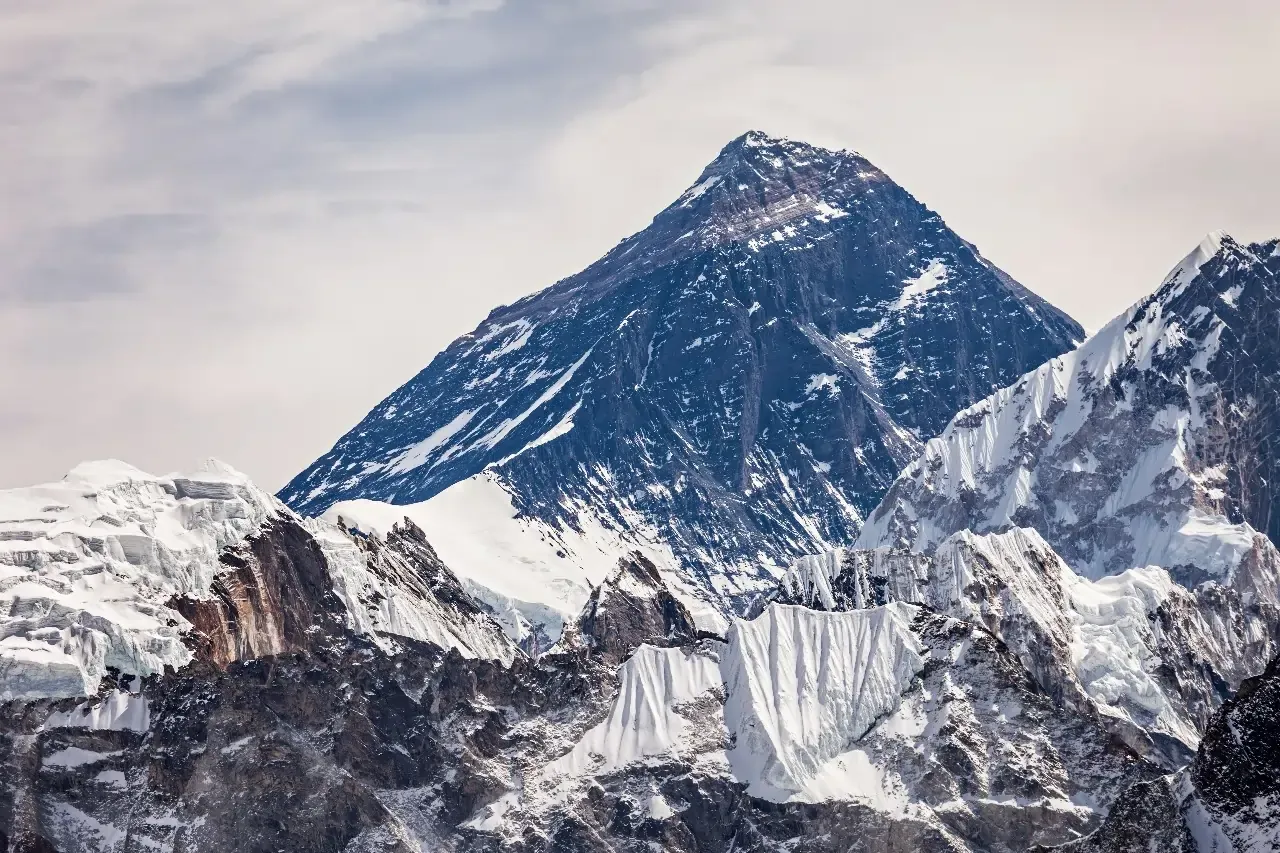
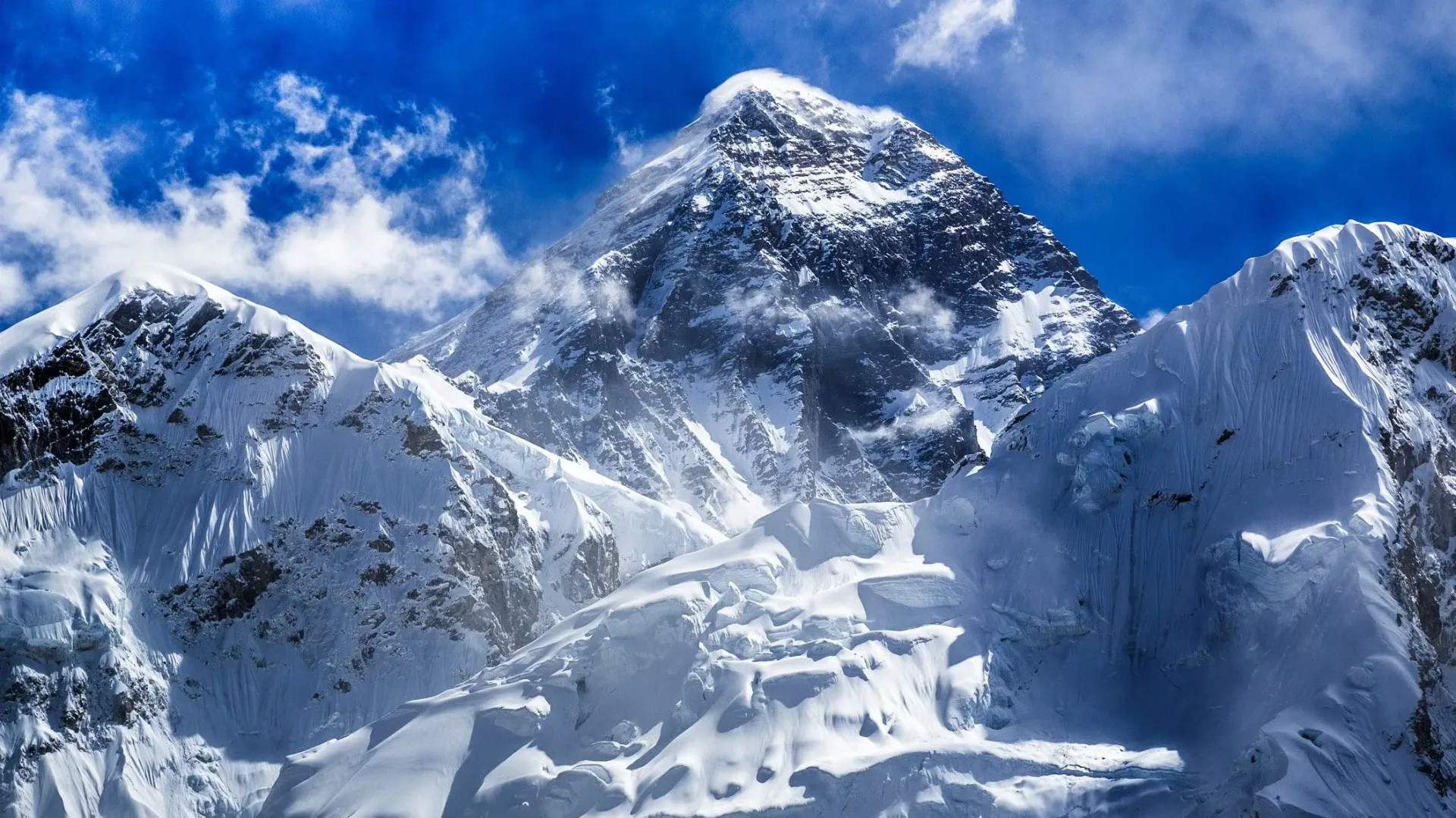
Mount Everest is the highest mountain on Earth above sea level, standing at 8,848.86 meters, and its summit history is one of the most closely documented chapters in modern exploration. From the first British survey teams who spotted it from hundreds of kilometers away to the record-breaking climbers making headlines this year, Everest's story spans more than a century of ambition, tragedy, and human endurance.
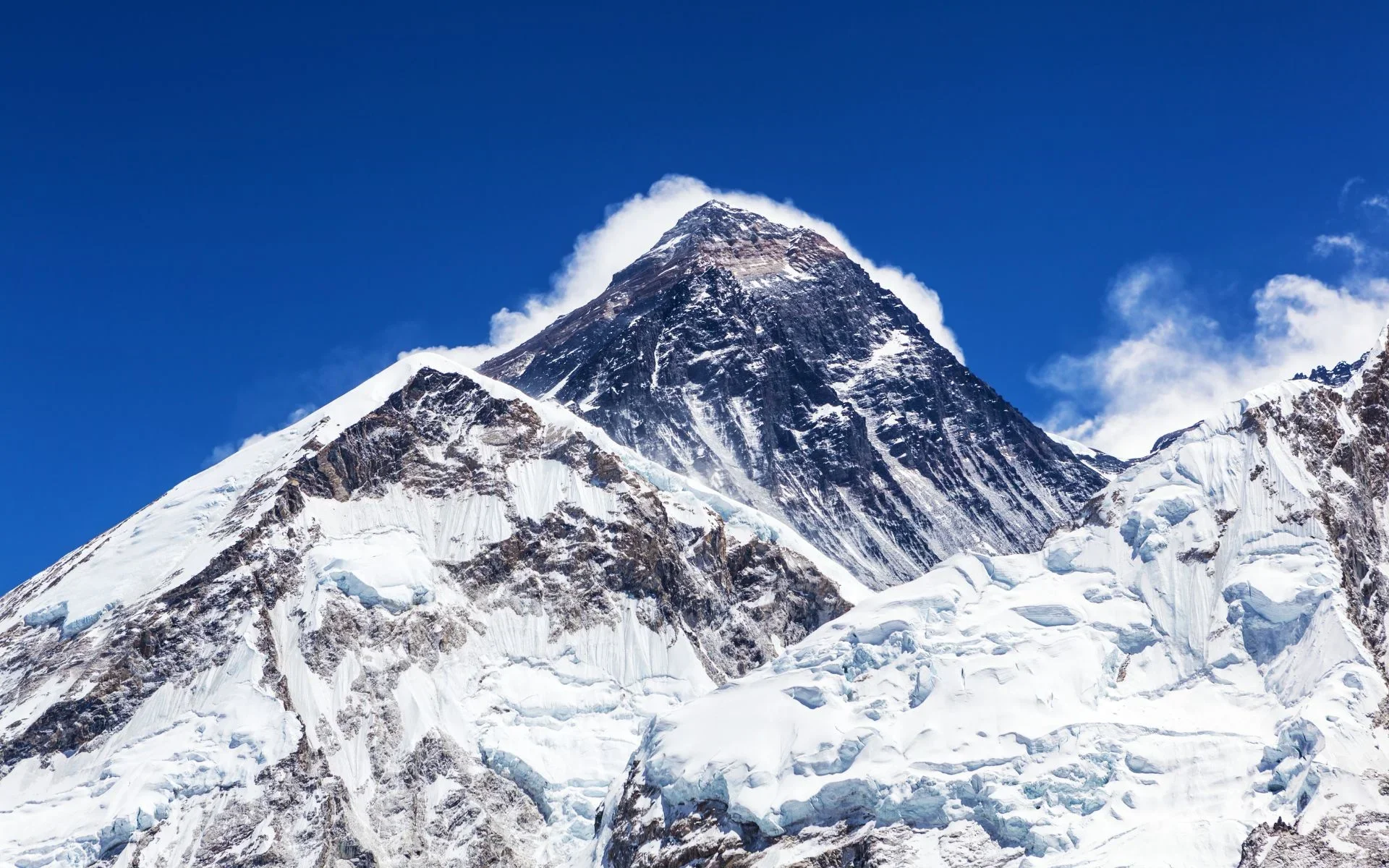
The turning point in that story came on May 29, 1953, when Edmund Hillary and Tenzing Norgay became the first climbers confirmed to reach the summit. But that single day sits in the middle of a much longer timeline: decades of early reconnaissance before it, and more than 70 years of records, disasters, and commercial expeditions after it. This guide walks through that full history in order, from the earliest surveys to where Everest climbing stands today.
The Early History of Mount Everest Expeditions
Before any climber set foot on Everest, surveyors and cartographers had to find it, measure it, and name it. That groundwork happened decades before the first serious summit attempt.
When Was Mount Everest First Discovered by Western Surveyors?
British surveyors working on the Great Trigonometrical Survey of India identified Everest, then known only as Peak XV, in the 1840s and 1850s, using triangulation to measure it from stations far to the south in India since the mountain itself was closed to foreign access.
By 1852, calculations by the survey's Bengali mathematician Radhanath Sikdar indicated that Peak XV was the highest point on Earth, a conclusion the Survey of India formally announced in 1856. At the time, nobody involved in the measurement had ever gotten close to the mountain itself.
How Did Mount Everest Get Its Name?
Mount Everest was named after Sir George Everest, a former Surveyor General of India, by his successor Andrew Waugh, who proposed the name in 1856 because the mountain had no single widely used local name that the British survey could confidently apply.
Interestingly, George Everest himself reportedly objected to having the mountain named after him, partly because his name couldn't easily be written in Hindi or pronounced by local communities. Waugh's proposal was accepted anyway, and the name stuck internationally even though it was never used by the communities living closest to the mountain.
What Was Everest Called Before It Was Named Mount Everest?
Long before Western surveyors assigned it a name, the mountain already had established names in the region: Sagarmatha in Nepal, and Chomolungma (also spelled Qomolangma) in Tibetan, meaning roughly "Goddess Mother of the World."
Both names remain in everyday use today. Nepali sources and government documents use Sagarmatha, while Chomolungma is still the standard Tibetan and Chinese name for the mountain, reflecting its deep cultural and spiritual significance in the region long before it became an international climbing destination.
Early Attempts to Climb Mount Everest
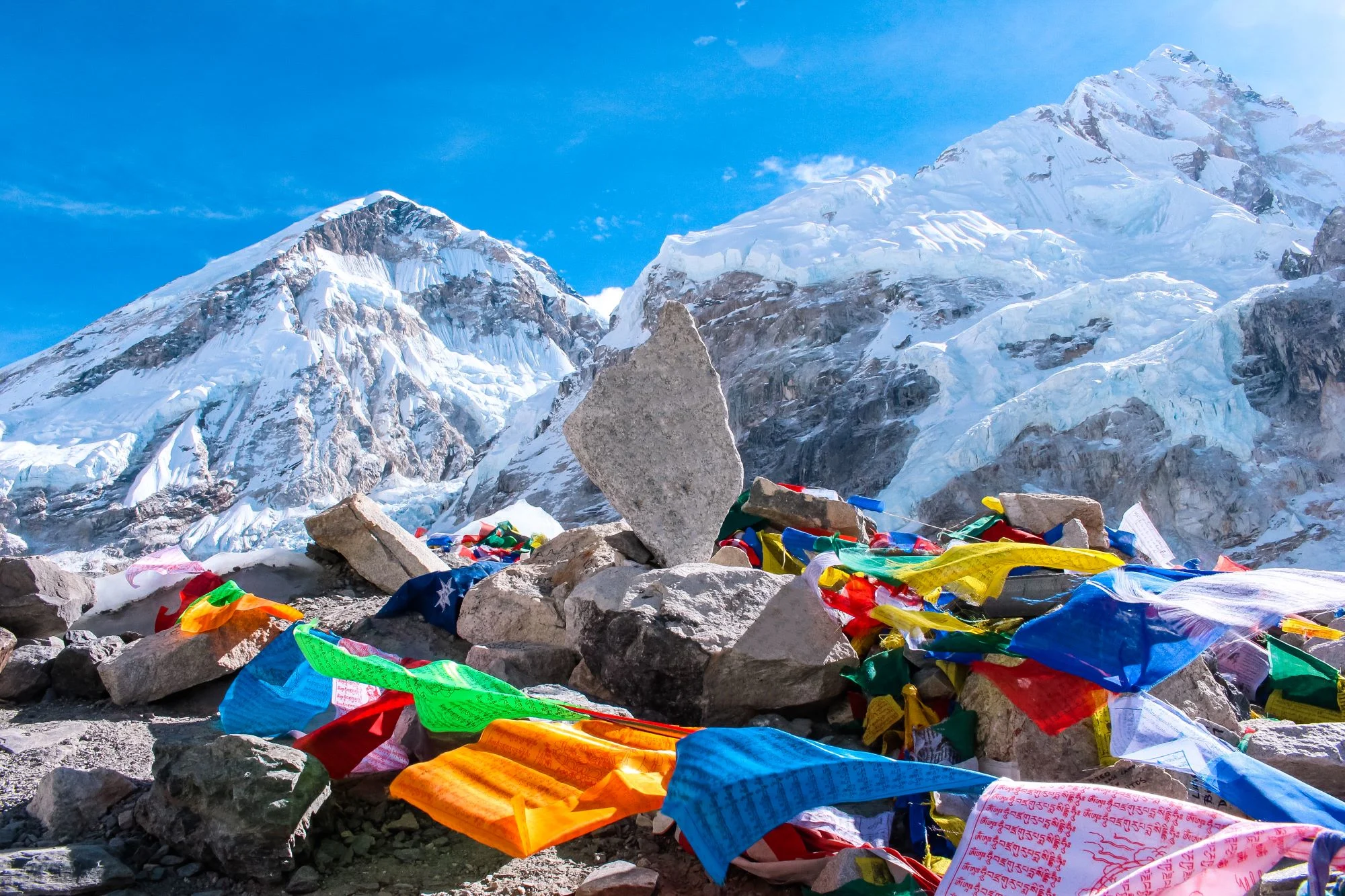
Once Everest had been measured and named, it took nearly 70 more years before anyone attempted to climb it, largely because Nepal remained closed to foreign travelers, leaving Tibet as the only viable access point.
The 1921 Everest Reconnaissance Expedition
The 1921 British Everest Reconnaissance Expedition was the first serious attempt to explore the mountain up close, sent to scout possible climbing routes from the Tibetan (north) side, since Nepal was still closed to foreigners at the time.
The team, which included George Mallory, mapped much of the northern approach and identified the North Col as a viable route toward the summit. No serious summit attempt was made this year; the goal was purely reconnaissance, but it laid the groundwork for every British expedition that followed for the next three decades.
The 1922 Everest Expedition
The 1922 British Everest Expedition marked the first serious summit attempts on the mountain, and the first time supplemental oxygen was used on Everest, a controversial choice at the time since many climbers considered it against the spirit of the sport.
The expedition reached roughly 8,320 meters, setting a new altitude record without full confirmation of exact figures by modern standards. The attempt also came at a serious cost: an avalanche during the expedition killed seven Sherpa porters, marking Everest's first recorded climbing deaths.
The 1924 Everest Expedition
The 1924 British Everest Expedition is one of the most significant in the mountain's history, remembered largely for the disappearance of George Mallory and Andrew Irvine during their summit attempt on June 8, 1924.
The pair were last seen by a fellow expedition member, Noel Odell, climbing toward the summit before clouds obscured the view. Neither returned to camp, and their fate remained unknown for 75 years. Their disappearance turned Everest into far more than a climbing objective; it became one of exploration's most enduring mysteries.
Did George Mallory Reach the Summit?
Nobody knows for certain whether George Mallory reached Everest's summit before he died. His body was discovered in 1999 on the mountain's north side, but he was found without the camera he was known to be carrying, and Andrew Irvine's body has never been located.
Without photographic evidence or a clear account of how far the pair got, it remains impossible to confirm whether Mallory and Irvine summited nearly three decades before Hillary and Tenzing's confirmed 1953 ascent. Most historians treat the question as genuinely unresolved rather than leaning toward either answer.
The 1953 First Successful Ascent of Mount Everest
After more than three decades of British attempts, Everest was finally climbed in 1953, a moment that reshaped both mountaineering and Nepal's relationship with the outside world.
Who First Climbed Mount Everest?
Edmund Hillary, a New Zealand mountaineer, and Tenzing Norgay, a Sherpa climber from the Khumbu region, reached the summit of Mount Everest together on May 29, 1953, becoming the first climbers confirmed to stand on top of the mountain.
Both men are credited as joint first summiteers rather than one being "first" and the other "second." They climbed the final stretch together and reached the top within moments of each other, a detail both men maintained throughout their lives despite public curiosity about exactly who stepped onto the summit first.
The 1953 British Everest Expedition
The 1953 expedition was led by John Hunt, a British Army officer, and approached the mountain from Nepal via the South Col route, a shift from the north-side attempts of the 1920s and 1930s that had become possible after Nepal opened to foreign travelers.
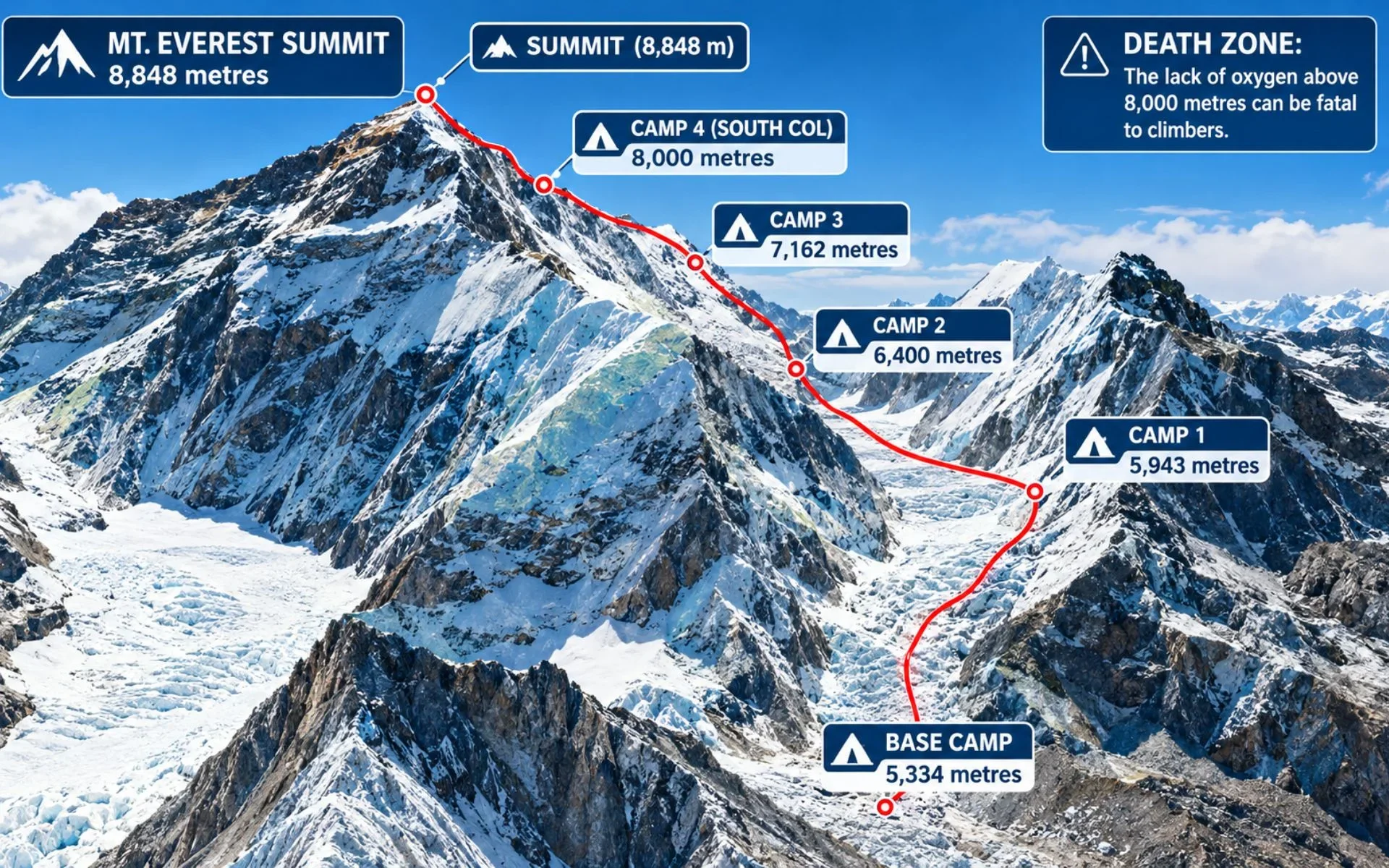
The expedition established Base Camp near the base of the Khumbu Icefall and pushed a series of camps up through the Western Cwm and onto the South Col, using a large support team of Sherpa climbers to ferry supplies. Hillary and Tenzing were selected as the final summit pair after an earlier attempt by two other expedition members fell just short of the top.
Hillary and Tenzing's Final Summit Push
Hillary and Tenzing left their final high camp early on the morning of May 29, 1953, and climbed the last technical section of the route, a rock step now known as the Hillary Step, before reaching the summit at roughly 11:30 a.m..
They spent about 15 minutes at the top, taking photographs and leaving offerings, before beginning their descent back to the South Col. News of the successful summit reached London on June 2, 1953, timed to coincide with the coronation of Queen Elizabeth II, and the story made headlines around the world within days.
Why the 1953 Everest Summit Changed Mountaineering History
The 1953 ascent proved that reaching Everest's summit was physically possible, ending decades of speculation about whether the human body could function at that altitude at all, even briefly.
The success also depended heavily on careful technological preparation, coordinated teamwork across a large expedition, and Sherpa expertise that had quietly made every earlier attempt possible, even when Sherpa climbers received little public credit for it at the time. Tenzing Norgay's role in the summit began shifting that recognition, and Sherpa guides have remained central to Everest climbing history ever since. If you want the fuller story of how the region and the mountain relate, our guide on where Mount Everest is located covers the geography behind the 1953 route.
Everest Summits After 1953
Once Everest had been climbed once, attention quickly turned to a series of new firsts: different routes, different nationalities, and eventually, climbing without the help of supplemental oxygen at all.
First Successful Ascent From the North Side
The first confirmed ascent from Everest's north side came from a Chinese expedition, with climbers Wang Fuzhou, Gonpo, and Qu Yinhua reaching the summit on May 25, 1960, via the North Ridge route that Mallory's generation had originally attempted.
The team famously formed a human ladder to climb the difficult Second Step, a rock face near the summit, after running out of supplemental oxygen close to the top. Because the team didn't bring back clear summit photographs, some Western climbers questioned the claim for years, though it's now generally accepted within the mountaineering community as the first successful north-side ascent.
First Woman to Summit Mount Everest
Japanese climber Junko Tabei became the first woman to summit Mount Everest on May 16, 1975, reaching the top as part of an all-female Japanese expedition despite having survived an avalanche that buried her team's camp just days earlier.
Tabei's summit was a major milestone in mountaineering more broadly, at a time when high-altitude climbing was still dominated almost entirely by men. She went on to become the first woman to complete the Seven Summits, and remained an active climber and mountaineering advocate for decades afterward.
First American to Summit Everest
Jim Whittaker became the first American to summit Mount Everest on May 1, 1963, as part of the American Mount Everest Expedition, reaching the top via the same South Col route used in 1953.
The same expedition later achieved a separate milestone weeks later, when climbers Tom Hornbein and Willi Unsoeld completed the first traverse of the mountain, ascending via the West Ridge and descending via the South Col route, a technically demanding achievement that remains rarely repeated today.
First Ascent Without Supplemental Oxygen
Reinhold Messner and Peter Habeler became the first climbers to summit Everest without supplemental oxygen on May 8, 1978, a feat many physiologists at the time believed was physically impossible above 8,000 meters.
The achievement fundamentally changed what climbers and scientists believed the human body could endure at extreme altitude. It opened the door to a new style of high-altitude climbing focused on speed and minimal equipment, an approach Messner himself pushed further just two years later.
Major Mount Everest Summit Milestones
Year | Milestone | Significance |
|---|---|---|
1921 | First major reconnaissance expedition | Established the northern route |
1924 | Mallory and Irvine disappear | Everest's enduring mystery begins |
1953 | Hillary and Tenzing summit | First confirmed successful ascent |
1960 | First north-side ascent | Chinese expedition milestone |
1963 | First American summit | Jim Whittaker reaches the top |
1975 | Junko Tabei summits | First woman to summit Everest |
1978 | Messner and Habeler summit without oxygen | Redefined high-altitude climbing |
1980 | Messner's solo ascent | First solo summit |
1996 | Major climbing disaster | Global attention on Everest's risks |
2014 | Khumbu Icefall avalanche | Deadliest single event at the time |
2015 | Earthquake-triggered avalanche | Deadliest year in Everest's history |
2026 | Modern summit and speed records | 32 summits by Kami Rita Sherpa; fastest ascent by Tyler Andrews |
Everest's record books shift almost every climbing season, so treat this table as a snapshot rather than a permanent list, and verify current figures before republishing.
The 1996 Everest Disaster and Its Impact on Summit History
The 1996 season remains one of the most closely examined in Everest's history, largely because it exposed how quickly things can go wrong even on a mountain that had, by then, become increasingly commercialized.
What Happened on Everest in 1996?
Between May 10 and 11, 1996, a sudden and severe storm struck Everest's upper mountain while multiple guided expeditions, including teams led by Rob Hall and Scott Fischer, were attempting the summit, resulting in eight deaths over those two days.
The disaster became one of the most publicly documented events in mountaineering history, partly because it involved several commercial expeditions carrying paying clients, and partly because journalist Jon Krakauer, who was on the mountain that season, later wrote extensively about it.
Why Did So Many Climbers Die?
The deaths resulted from a combination of factors: a storm that arrived faster and more severely than forecast, delayed summit attempts that pushed climbers past safe turnaround times, extreme cold and wind at altitude, and dangerous bottlenecks at technical sections like the Hillary Step where climbers were forced to wait in exposed conditions.
Decision-making under extreme fatigue and low oxygen played a significant role as well, with several climbers continuing toward the summit well past the point most guides would normally have turned them back.
How Did the 1996 Disaster Change Everest Expeditions?
The disaster led to lasting changes across the industry: more conservative turnaround times, improved weather forecasting specifically for high-altitude conditions, stricter expedition management practices, and better communication equipment between climbers, guides, and base camp.
Commercial expedition operators also began enforcing stricter client vetting and guide-to-client ratios in the years that followed, changes that remain part of how most reputable Everest expeditions operate today.
The Rise of Commercial Mount Everest Expeditions
As climbing technology and logistics improved through the 1990s and 2000s, Everest shifted from an exploration-driven pursuit into a far more accessible, guided experience.
When Did Commercial Everest Expeditions Become Popular?
Commercial guided expeditions on Everest began growing significantly in the early-to-mid 1990s, as operators started offering paid climbs with professional guides, fixed ropes, and logistical support, opening the mountain to a wider range of climbers beyond elite mountaineers.
By the 2000s and 2010s, commercial expeditions had become the dominant model for climbing Everest, a shift that dramatically increased the number of people reaching the summit each year compared to the 1950s through 1980s.
How Did Sherpa Guides Change Modern Everest Climbing?
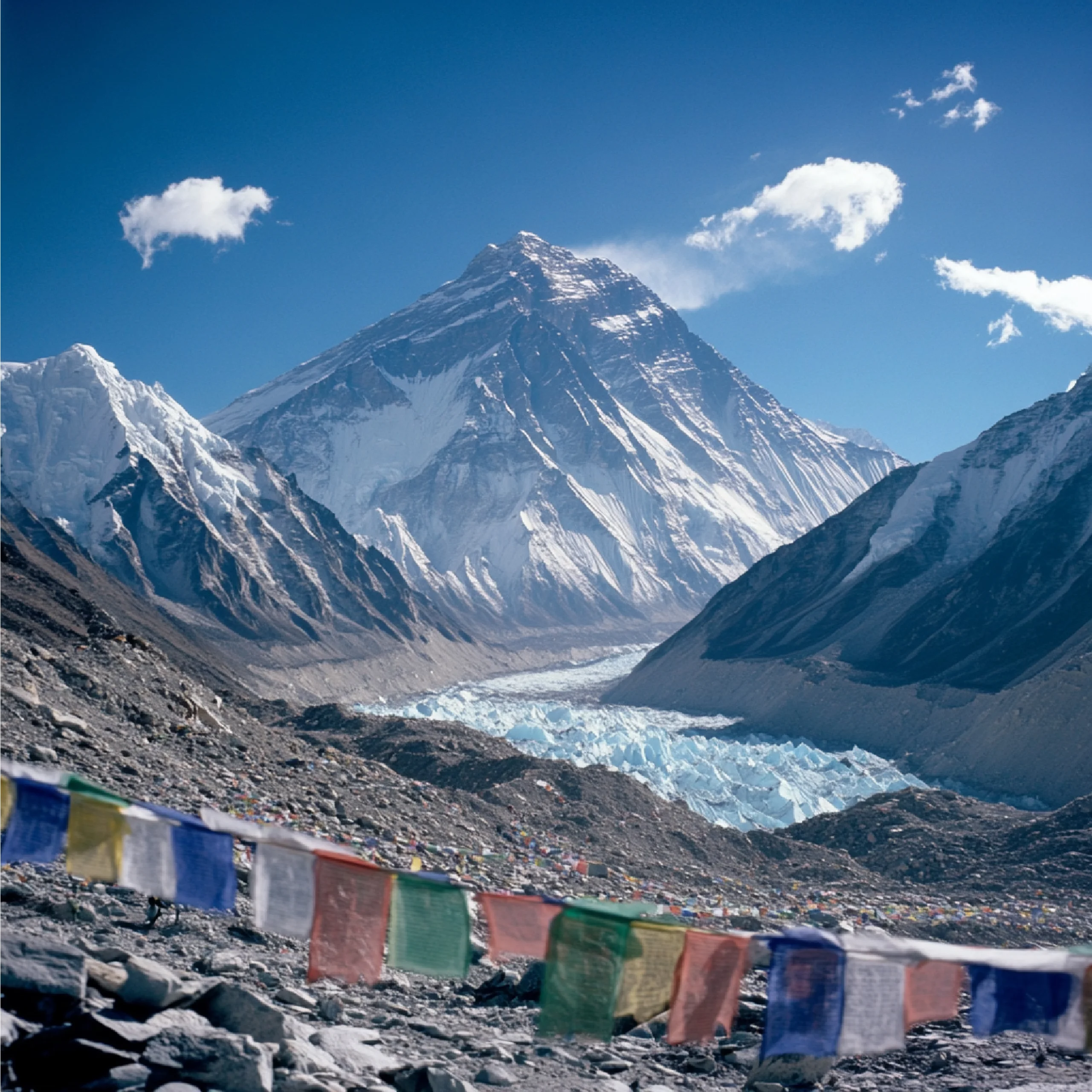
Sherpa guides have always been central to Everest expeditions, but their role expanded significantly with commercial climbing, taking on responsibility for fixing ropes, establishing camps, carrying supplies, and guiding clients through the most technical and dangerous sections of the route.
Today, Sherpa climbers hold the vast majority of Everest's most significant summit records, including the record for most total summits, reflecting decades of accumulated high-altitude experience that commercial climbing has depended on since its earliest days.
How Has Everest Climbing Technology Changed?
Everest climbing technology has advanced substantially since 1953: fixed ropes now run along nearly the entire standard route, modern oxygen systems are lighter and more reliable, high-resolution weather forecasting allows teams to plan around narrow summit windows, and satellite communication equipment keeps climbers connected to base camp and the outside world throughout an expedition.
High-altitude gear has also improved dramatically, with modern insulated boots, down suits, and tents built specifically for Everest's extreme conditions replacing the comparatively basic equipment used by early expeditions.
Why Are There More Everest Summits Today?
The sharp rise in Everest summits since the 1990s comes down to a combination of factors: better logistics and fixed camps, more accurate weather forecasting, permanently fixed climbing routes maintained each season, the growth of commercial guiding, and steadily improved equipment that has made the climb more manageable for a wider range of climbers.
None of this makes Everest safe in any absolute sense, but together these changes have made a successful summit attempt far more achievable than it was for the expeditions of the 1950s through 1970s.
Record-Breaking Mount Everest Summits
Everest's record books continue to be rewritten almost every climbing season, particularly around total summits, speed, and age.
Who Has Summited Mount Everest the Most Times?
Kami Rita Sherpa holds the record for the most Everest summits by any climber in history, reaching the top for the 32nd time on May 17, 2026, a record confirmed by Nepal's Department of Tourism. He first summited in 1994 and has climbed nearly every year since as a working high-altitude guide.
Who Was the First Woman to Summit Everest?
Junko Tabei of Japan was the first woman to summit Mount Everest, reaching the top on May 16, 1975.
Who Climbed Everest Without Supplemental Oxygen?
Reinhold Messner and Peter Habeler were the first climbers to summit Everest without supplemental oxygen, on May 8, 1978.
Who Made the First Solo Ascent?
Reinhold Messner completed the first solo ascent of Everest in August 1980, climbing without supplemental oxygen and without a support team, via a new route on the north side during the monsoon season, a combination widely regarded as one of the boldest achievements in the mountain's history.
What Is the Fastest Everest Ascent?
The current fastest ascent of Everest with supplemental oxygen, from Base Camp on the Nepal side, is 9 hours and 55 minutes, set by American climber Tyler Andrews on May 28, 2026, breaking the previous record of 10 hours, 56 minutes held by Nepali climber Lhakpa Gelu Sherpa since 2003.
It's worth distinguishing this from ascents without supplemental oxygen, which remain considerably slower given the added physical demands, and from north-side speed records, which are tracked separately due to the different route and access logistics.
Youngest and Oldest Everest Summiters
American climber Jordan Romero summited at age 13 in 2010, and Indian climber Malavath Purna reached the top at age 13 in 2014, among the youngest people to summit Everest. Japanese climber Yuichiro Miura summited at age 80 in 2013, and Japanese climber Tamae Watanabe reached the top at age 73 in 2012, among the oldest.
These records occasionally shift as new attempts are made, so they're worth reverifying before citing in future updates.
Major Everest Summits and Tragedies
Everest's history isn't only a record of triumphs. Several major disasters have shaped how the mountain is climbed today, and understanding them is part of understanding Everest's full summit history.
The 1970 Everest Disaster
On April 5, 1970, an avalanche in the Khumbu Icefall killed six Sherpa porters who were supporting a Japanese ski expedition, marking one of the earliest major tragedies involving Sherpa support staff on the mountain.
The 1996 Everest Disaster
Covered in more detail above, the storm of May 10–11, 1996, killed eight climbers across several expeditions and remains one of the most widely documented disasters in Everest's history.
The 2014 Khumbu Icefall Avalanche
On April 18, 2014, a collapsing serac in the Khumbu Icefall triggered an avalanche that killed 16 Nepali guides, making it, at the time, the deadliest single event in Everest's history and prompting the cancellation of that season's climbing on the Nepal side entirely.
The 2015 Nepal Earthquake and Everest
On April 25, 2015, a magnitude 7.8 earthquake struck Nepal and triggered a massive avalanche that swept through Everest Base Camp, killing at least 19 people there, part of a broader death toll from avalanches across the mountain that made 2015 one of the deadliest years in Everest's climbing history.
How Everest Summits Have Changed Over Time
Looking across the full history, Everest climbing has moved through several distinct eras, each shaped by the technology and approach available at the time.
From Exploration to Organized Expeditions
Early attempts in the 1920s were fundamentally exploratory, focused on simply finding a viable route up an unclimbed mountain. By the 1950s, expeditions had become large, carefully organized military-style operations built specifically around reaching the summit.
From Siege-Style Expeditions to Commercial Climbing
Mid-20th-century expeditions used a siege-style approach, slowly establishing a chain of camps up the mountain with large support teams. Starting in the 1990s, this shifted toward commercial climbing, where guided teams follow largely pre-established routes and infrastructure each season.
From Limited Oxygen Technology to Modern Equipment
Early supplemental oxygen systems were heavy, unreliable, and controversial. Today's systems are lighter and far more dependable, alongside modern insulated clothing and gear that has meaningfully reduced (though not eliminated) the physical toll of a standard expedition.
The Growing Role of Sherpa Climbers
Sherpa expertise has been essential to every Everest expedition since the 1920s, but their recognition and central role in modern climbing, from route-fixing to holding nearly every major summit record, has grown substantially compared to the early decades of Everest history.
Everest Today
Modern Everest climbing combines fixed ropes, detailed weather forecasting, satellite communication, and a well-established commercial guiding industry, resulting in far higher summit numbers each season than at any earlier point in the mountain's history, alongside ongoing conversations about crowding, environmental impact, and safety.
How Many People Have Summited Mount Everest?
As of 2026, roughly 7,500 unique individuals have successfully summited Mount Everest, according to the Himalayan Database, while the total number of successful summit ascents exceeds 13,700, since many climbers, particularly Sherpa guides, have reached the top multiple times.
This distinction matters: the number of unique summiters tells you how many different people have stood on top of Everest, while the total ascent count reflects every individual climb, including repeats. A single climber like Kami Rita Sherpa, with 32 summits, accounts for dozens of those total ascents on their own.
Mount Everest Summit History Timeline
1921: First major reconnaissance expedition ↓ 1922: First serious summit attempts, first use of supplemental oxygen ↓ 1924: Mallory and Irvine disappear ↓ 1953: Hillary and Tenzing make the first confirmed successful ascent ↓ 1960: First successful north-side ascent ↓ 1963: First American summit ↓ 1975: First woman reaches the summit ↓ 1978: First ascent without supplemental oxygen ↓ 1980: First solo ascent ↓ 1996: Major Everest disaster ↓ 2014: Khumbu Icefall avalanche ↓ 2015: Earthquake-triggered avalanche ↓ 2020s: Continued record-breaking summits and commercial expeditions
Frequently Asked Questions
Who first climbed Mount Everest?
Edmund Hillary and Tenzing Norgay were the first climbers confirmed to reach Everest's summit, on May 29, 1953.
When was Mount Everest first climbed?
Mount Everest was first climbed on May 29, 1953.
Who reached the summit of Everest first?
Hillary and Tenzing are credited as joint first summiteers, reaching the top together rather than one climber preceding the other.
Did Mallory reach the summit of Everest?
It's unknown. George Mallory's body was found in 1999, but without conclusive evidence of whether he reached the summit before he died in 1924, and Andrew Irvine's body has never been found.
Who was the first woman to climb Mount Everest?
Junko Tabei of Japan was the first woman to summit Everest, on May 16, 1975.
Who was the first person to climb Everest without oxygen?
Reinhold Messner and Peter Habeler were the first to summit without supplemental oxygen, on May 8, 1978.
Who made the first solo ascent of Mount Everest?
Reinhold Messner completed the first solo ascent in August 1980.
How many times has Mount Everest been summited?
Everest has been summited more than 13,700 times as of 2026, counting every individual ascent, including repeat climbs.
Who has climbed Mount Everest the most times?
Kami Rita Sherpa holds the record, with 32 summits as of May 2026.
How many people have died climbing Mount Everest?
More than 340 people have died on Mount Everest since expeditions began in the 1920s, according to the Himalayan Database.
How has Everest climbing changed since 1953?
Everest climbing has shifted from small, exploratory expeditions to large commercial operations supported by fixed ropes, modern oxygen systems, detailed weather forecasting, and a well-established guiding industry, resulting in far more summits each season than in earlier decades.
Conclusion
Everest's summit history moves through clear stages: 1920s exploration, the 1953 breakthrough, a wave of new climbing records through the 1960s and 1970s, and the rise of commercial expeditions that defined the mountain from the 1990s onward into today's era of record-setting climbs.
That history isn't just a record of people reaching 8,848.86 meters. It's also a history of Sherpa expertise, evolving technology, genuine exploration, real risk, hard-earned tragedy, and a lot of human endurance, all of which is still being written every climbing season. If you're drawn to that history yourself, a trek toward Everest Base Camp is the closest most travelers get to walking the same ground the earliest expeditions did.
Ready to Trek Nepal?
Want to see the mountain behind this history for yourself? Talk to our local trekking coordinators or browse tailored Everest region itineraries built around your fitness level and travel dates.
Read More