Contents
Nepal gets talked about for its mountains, but the country's lakes are just as varied. Some sit at the edge of a lakeside city where you can rent a boat after breakfast. Others sit above 4,000 meters, reached only after days of walking through rhododendron forest and high pasture. In this guide, we're covering 10 of Nepal's most beautiful lakes, where each one is, how high up it sits, and what kind of trip it actually takes to get there. A few of these you can visit independently in an afternoon. The rest require a proper trek, and we'll be upfront about which is which.
10 Most Beautiful Lakes in Nepal at a Glance
Here's the quick comparison before we go region by region.
Lake | Location | Approx. Elevation | Best Known For |
|---|---|---|---|
Phewa Lake | Pokhara | 742 m | Boating & mountain views |
Begnas Lake | Pokhara | 650 m | Peace & boating |
Rupa Lake | Pokhara | ~600 m | Nature & birdlife |
Tilicho Lake | Manang | 4,919 m | High-altitude lake |
Rara Lake | Mugu | 2,990 m | Himalayan scenery |
Phoksundo Lake | Dolpa | 3,611 m | Turquoise water |
Gosainkunda Lake | Langtang | 4,380 m | Pilgrimage & trekking |
Tsho Rolpa | Dolakha | 4,580 m | Glacial scenery |
Panch Pokhari | Sindhupalchok | ~4,100 m | Sacred high-altitude lakes |
Kapuche Lake | Annapurna | ~3,900 m | Glacial lake below Hiunchuli |
1. Phewa Lake – Nepal's Most Famous Tourist Lake
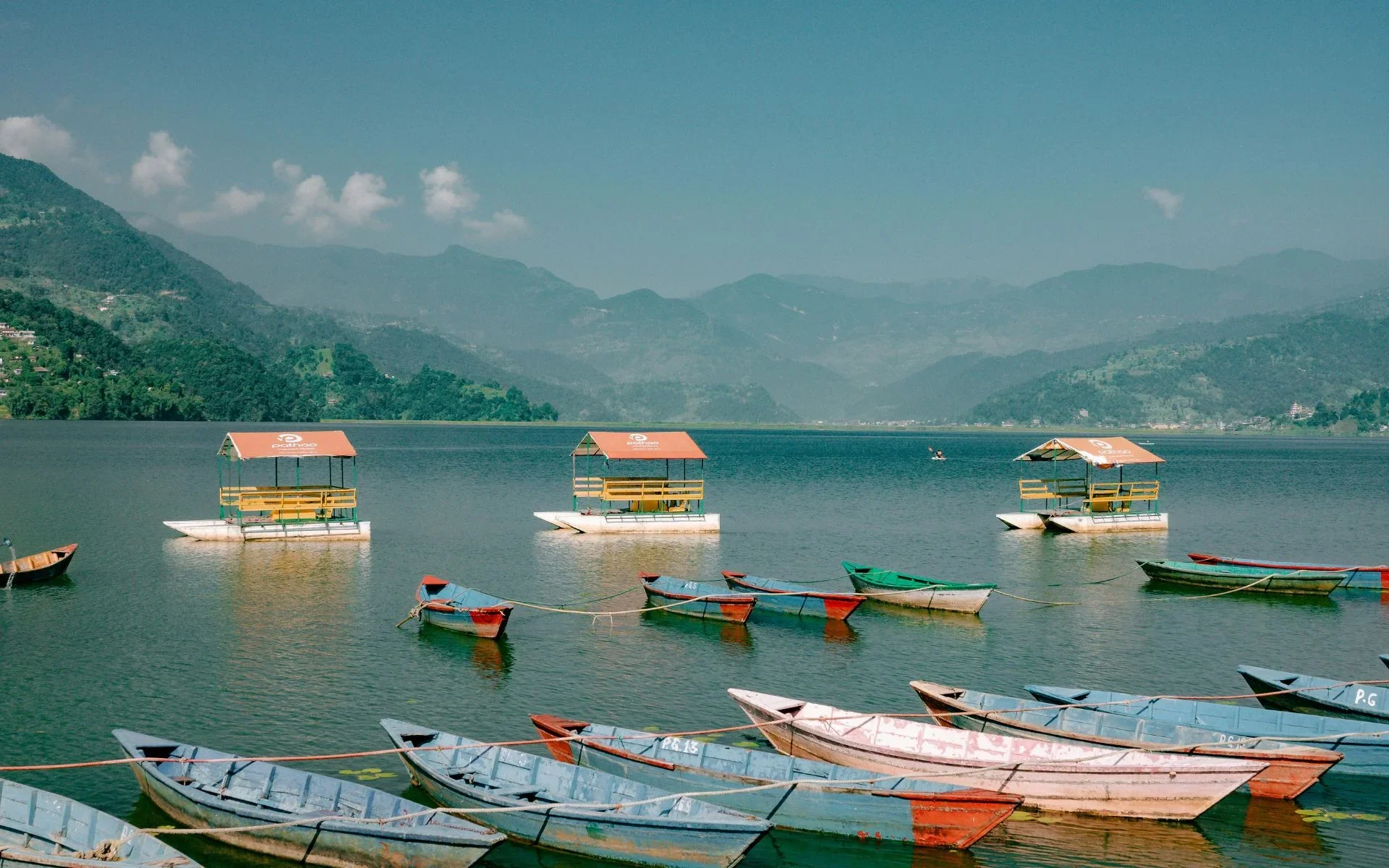
Phewa Lake sits right at the edge of Pokhara at 742 meters, making it the most visited and most photographed lake in the country. It's the only lake on this list you can walk to from your hotel.
What makes Phewa work is how little effort it takes. You rent a wooden doonga boat from the lakeside ghats, row out toward Tal Barahi Temple on its small island, and on a clear morning you get Annapurna and Machhapuchhre (Fishtail) reflected on the water. The Lakeside strip around it is where most of Pokhara's restaurants, cafés, and gear shops are clustered, so this is also where most trekkers stage their trip before heading into the hills, you can browse our own lakes of Pokhara guide if you want the full picture of Pokhara's three lakes side by side.
Visit October to April for the clearest mountain reflections; the monsoon months (June–August) cloud the views and can raise the water level. Phewa suits first-time visitors to Nepal, families, and anyone who wants mountain scenery without a multi-day walk.
2. Begnas Lake – A Peaceful Escape Near Pokhara
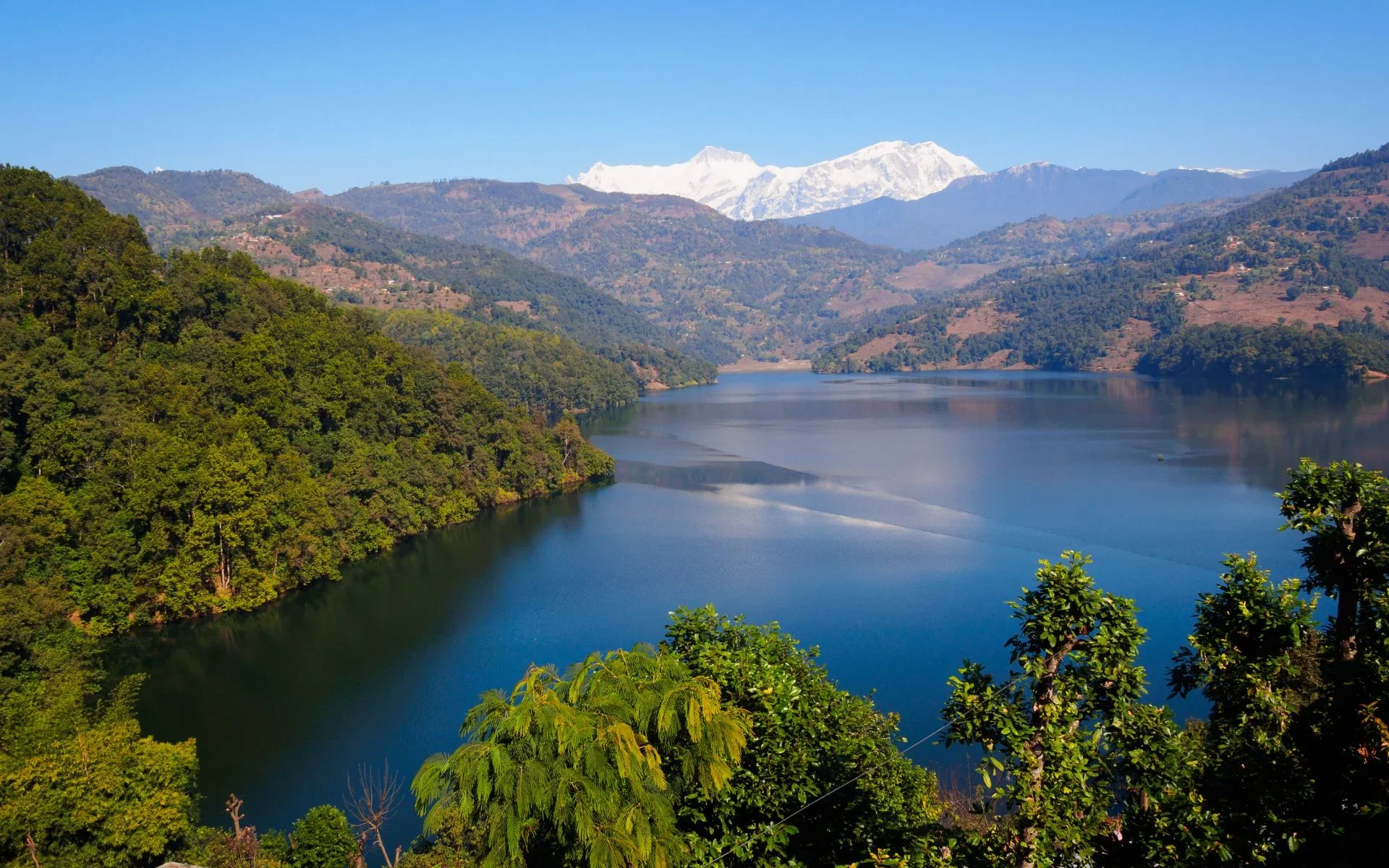
Begnas Lake sits about 10 kilometers southeast of Phewa at roughly 650 meters, and it's the lake locals go to when they want to skip the tourist crowd.
The difference from Phewa is immediate: no rows of gift shops, no traffic of boats. Fishing families still use Begnas commercially, and you'll see them out on wooden boats early in the morning. Rolling hills wrap the shoreline instead of a built-up strip, and on a clear day you still get distant views of the Annapurna range from the higher ground around it. October to March is the best window, when the water is calm and the surrounding hills are dry enough for walking.
3. Rupa Lake – A Quiet Natural Lake Near Pokhara
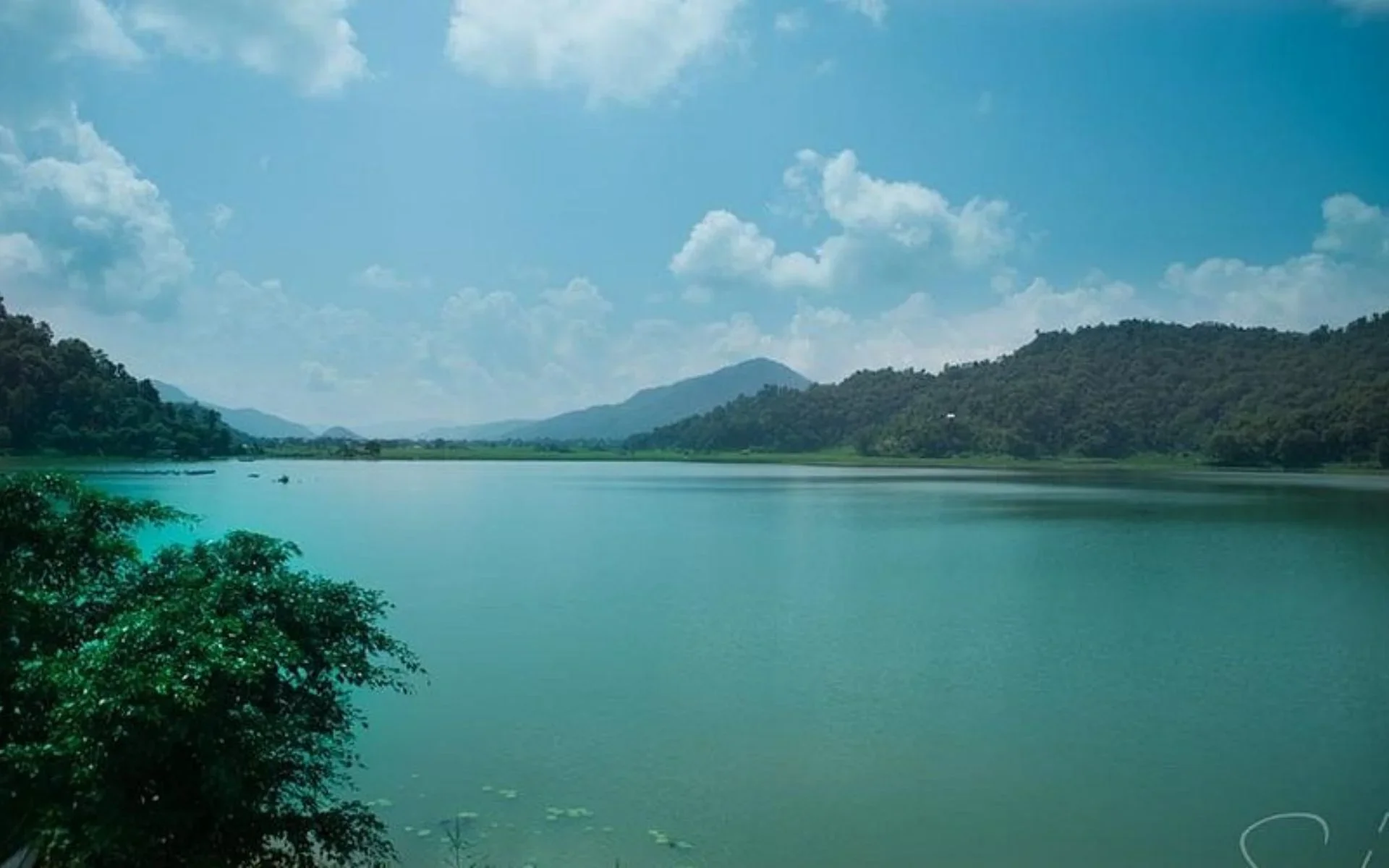
Rupa Lake is the smallest and least developed of the three Pokhara lakes, sitting close to 600 meters elevation on the opposite side of the valley from Phewa.
There's no real tourism infrastructure here, which is exactly the appeal for birdwatchers and anyone who wants to see rural Pokhara life up close. Local farming communities work the terraces along the shore, and the lake itself supports a noticeable amount of birdlife, especially in the early morning. If Phewa feels too busy, Rupa is the quiet alternative within the same valley.
4. Tilicho Lake – One of the World's Highest Lakes
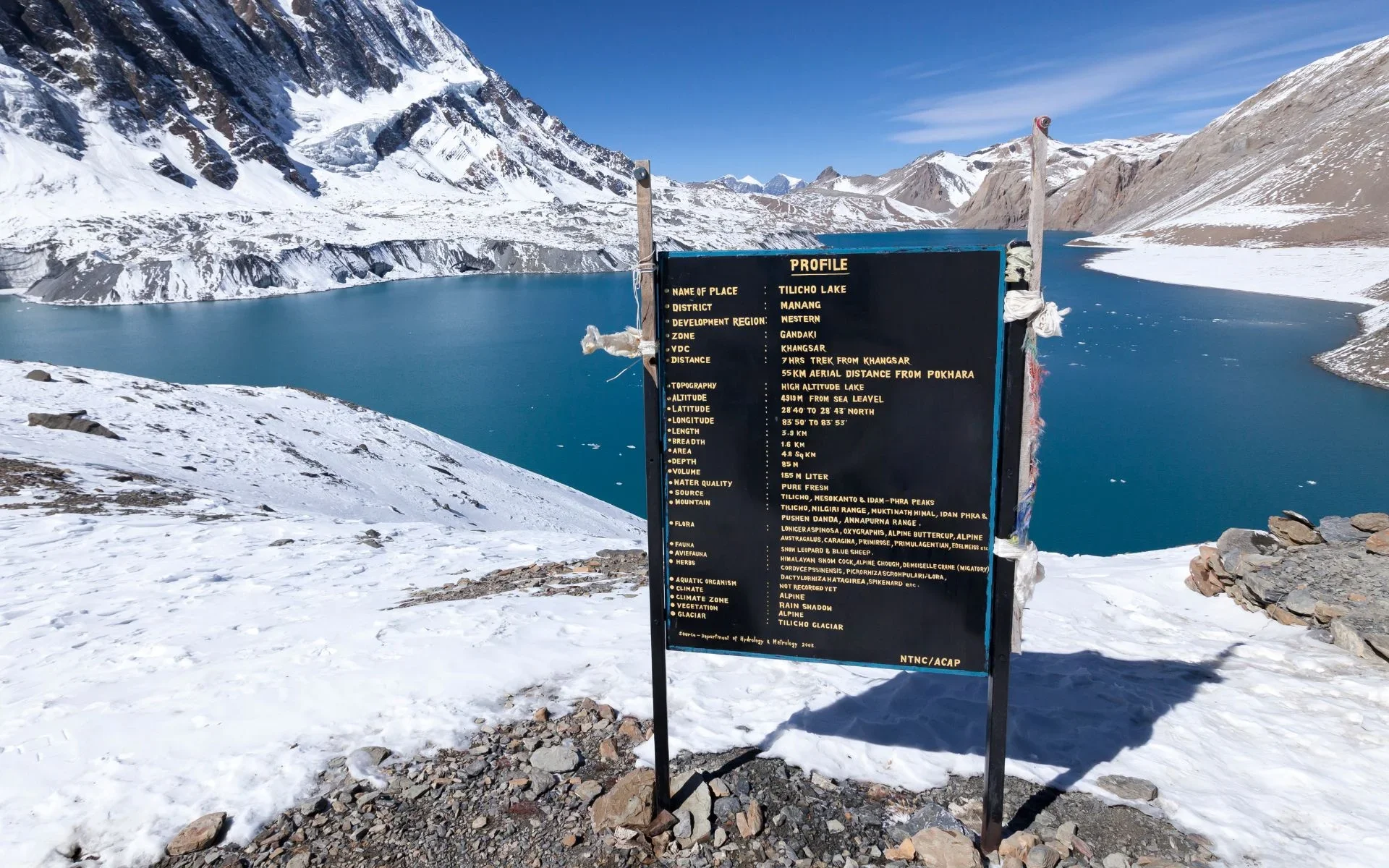
Tilicho Lake sits in Manang at 4,919 meters, and it's regularly cited as one of the highest lakes of its size on earth. It's the highest lake on this list, and the only one that demands serious trekking fitness.
Getting there means joining the Tilicho Lake Trek, usually as a side trek off the Annapurna Circuit through Manang village. The trail crosses an exposed, unstable landslide section before the final climb to the lake, and the payoff is a frozen-blue basin surrounded by the Tilicho and Nilgiri peaks with essentially no vegetation left at that altitude. Because you're sleeping above 4,000 meters for several nights, this trek requires proper acclimatization days, sleep elevation shouldn't jump more than 300–500 meters per day once you're past 3,000 meters. September to November and March to May are the reliable trekking windows; the trail is snowbound in winter and the landslide section gets riskier in the monsoon.
5. Rara Lake – The Queen of Lakes
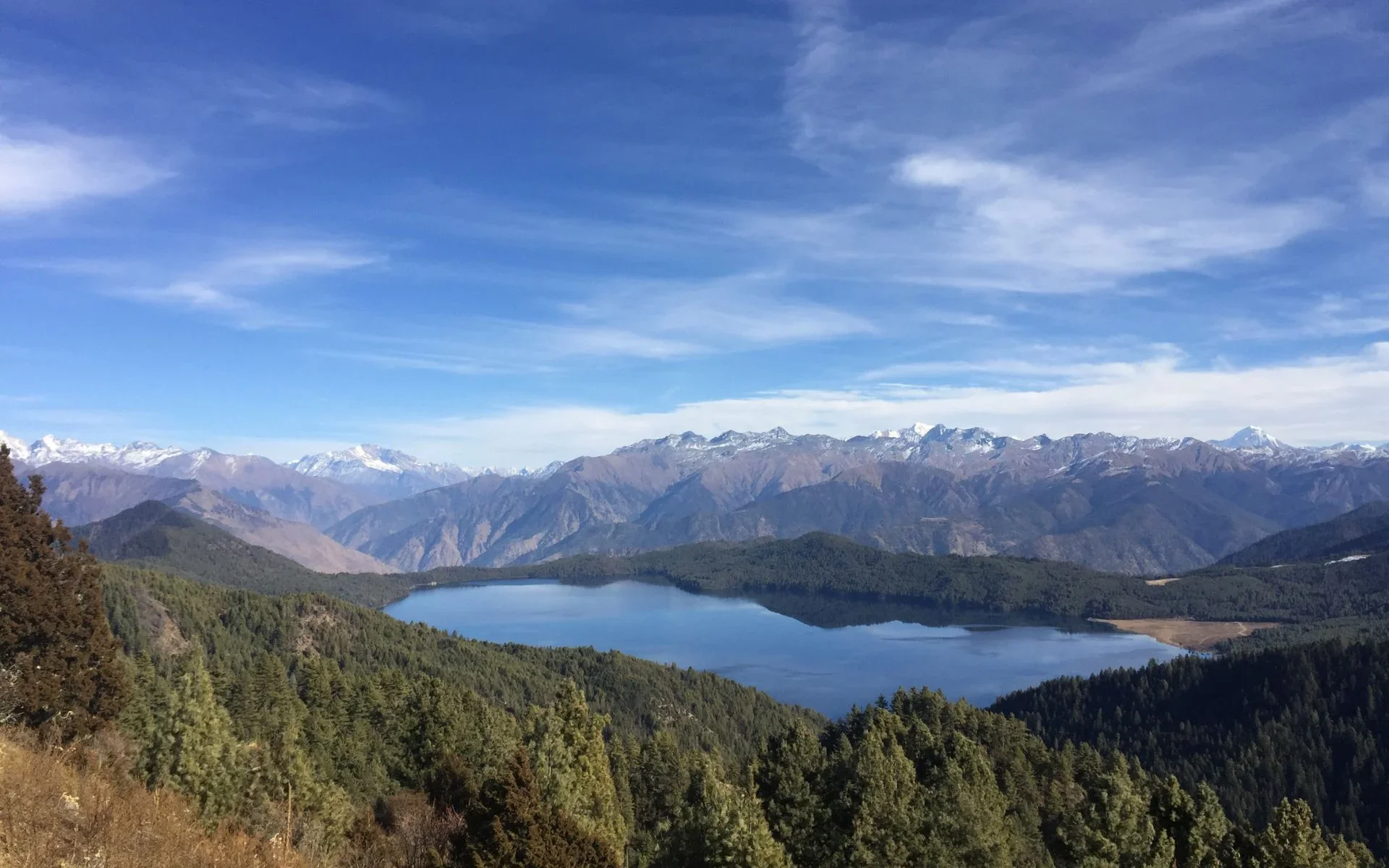
Rara Lake sits in remote Mugu district at 2,990 meters, and locals call it the "Queen of Lakes" for its size and color, it's Nepal's largest lake by surface area, and the water shifts from deep blue to near-black depending on the light.
The lake sits inside Rara National Park, ringed by pine and juniper forest with the Chuchemara peaks behind it. Getting here is genuinely remote: most travelers fly into Talcha airstrip near Mugu and trek in over a few days, since Rara sits far from any major highway. That isolation is also why it stays this untouched. May, June, and October are the clearest months to visit, before or after the monsoon closes the trails.
6. Phoksundo Lake – The Turquoise Jewel of Dolpa
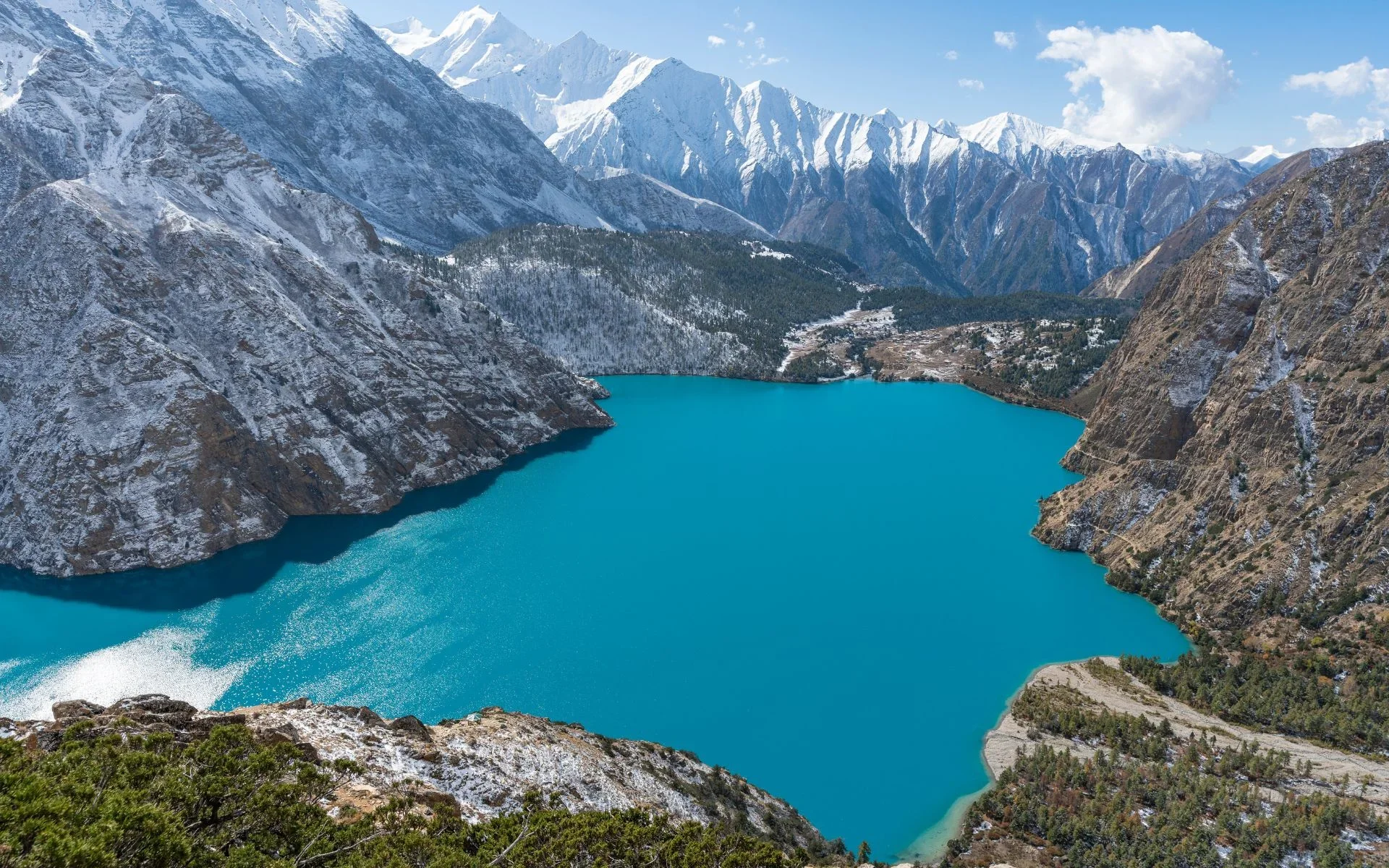
Phoksundo Lake sits at 3,611 meters in Dolpa district, and it's Nepal's deepest lake; the turquoise color comes from mineral sediment, not algae, which is why the water stays that shade year-round.
The lake sits inside Shey Phoksundo National Park, and nearby is Nepal's tallest waterfall, fed by the lake's outflow. This is Tibetan-influenced Dolpa, culturally closer to the Tibetan plateau than to lowland Nepal, with Bon and Buddhist monasteries scattered through the valley. Reaching it means joining a proper Phoksundo or Upper Dolpo trek, since there's no road access, this is one of the least-visited high-altitude regions in the country, which is part of why it's worth the effort. May to October works best, and Dolpa's rain-shadow position means it stays walkable even during parts of the monsoon when other regions are washed out.
7. Gosainkunda Lake – A Sacred Himalayan Lake
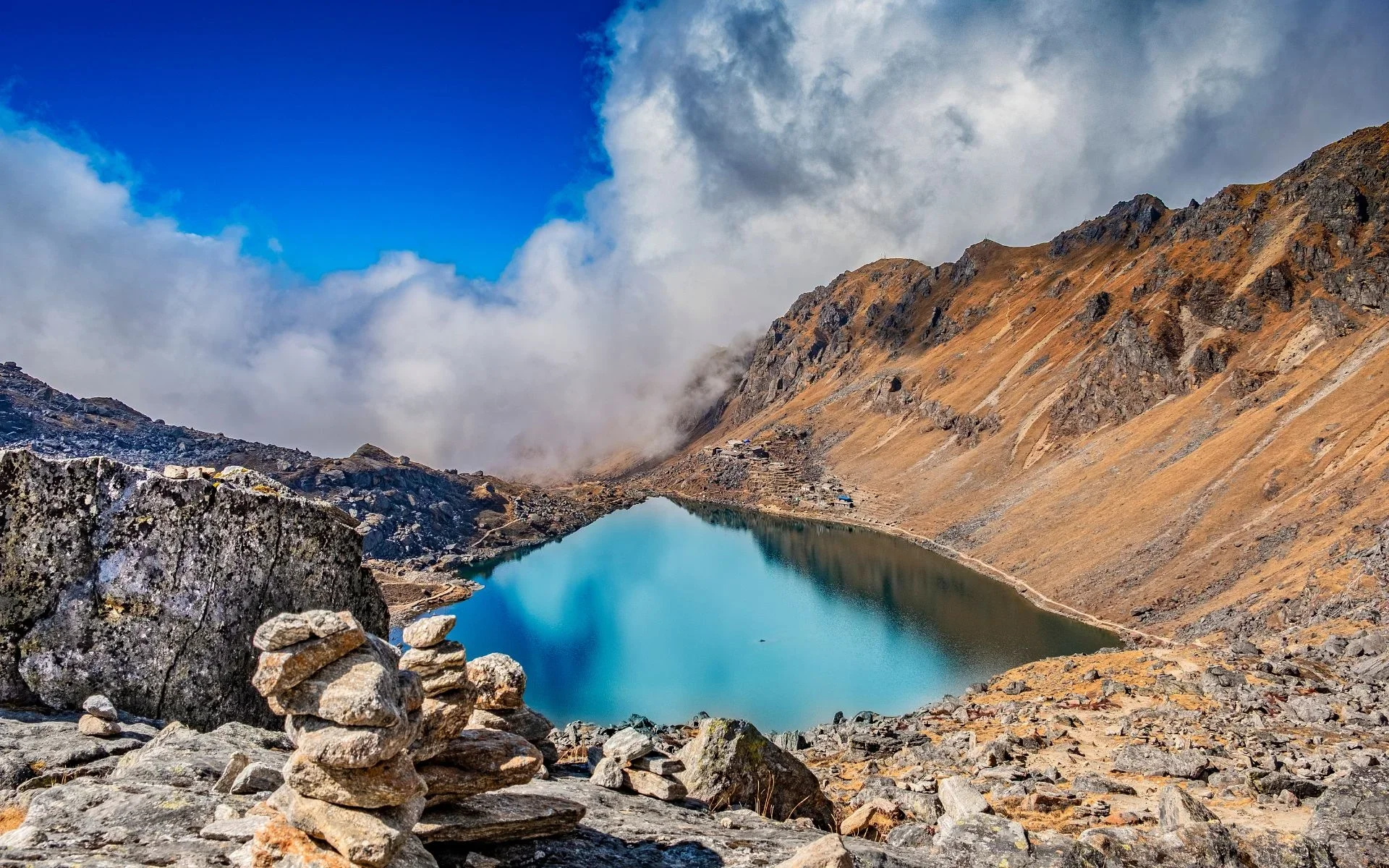
Gosainkunda sits in the Langtang region at 4,380 meters, and it's one of Nepal's most important Hindu and Buddhist pilgrimage sites: thousands of pilgrims camp at the lakeshore every August for Janai Purnima.
According to Hindu mythology, Lord Shiva created the lake by striking his trident into a glacier to find water after swallowing poison during the churning of the ocean. Gosainkunda is usually reached as part of the Langtang Valley Trek, with the trail passing a chain of smaller alpine lakes on the approach. The best trekking season is March to May and September to November; the lake freezes over in winter, and pilgrims specifically time their visit for the August full moon despite the monsoon rain.
8. Tsho Rolpa – A Dramatic Glacial Lake
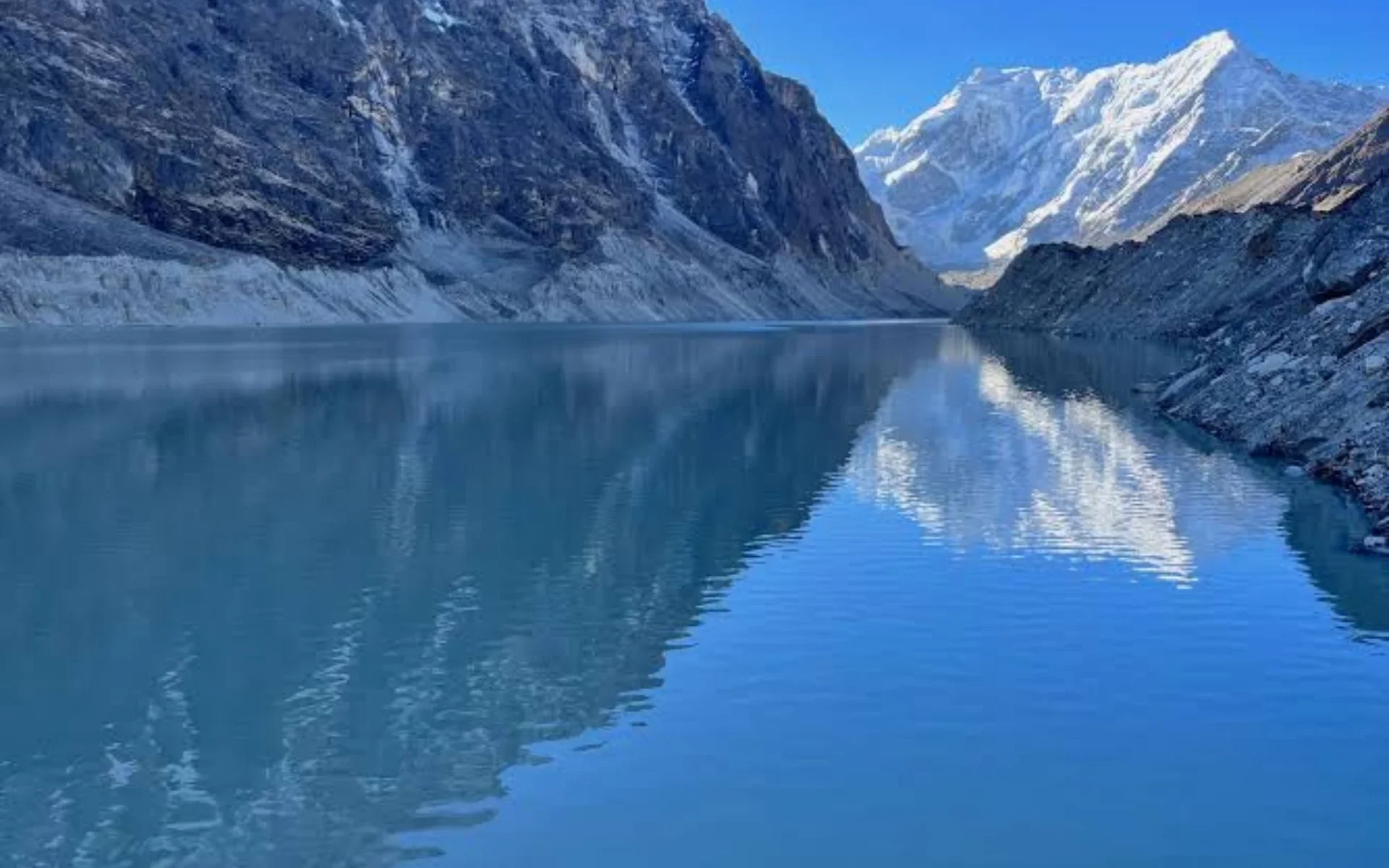
Tsho Rolpa sits in the Rolwaling valley of Dolakha district at around 4,580 meters, and it's Nepal's largest glacial lake, formed by meltwater from the Trakarding Glacier.
This is a different kind of scenery from the other lakes on this list: a milky, glacier-fed lake hemmed in by moraine walls and the peaks of the Rolwaling range, with almost no trekking infrastructure compared to Everest or Annapurna. The Tsho Rolpa Trek is a genuinely off-the-beaten-path route with basic teahouses and long trail days, best suited to trekkers who've done a high-altitude trek before. October to November and March to May are the safest windows for trail conditions.
9. Panch Pokhari – Five Sacred Lakes in the Himalayas
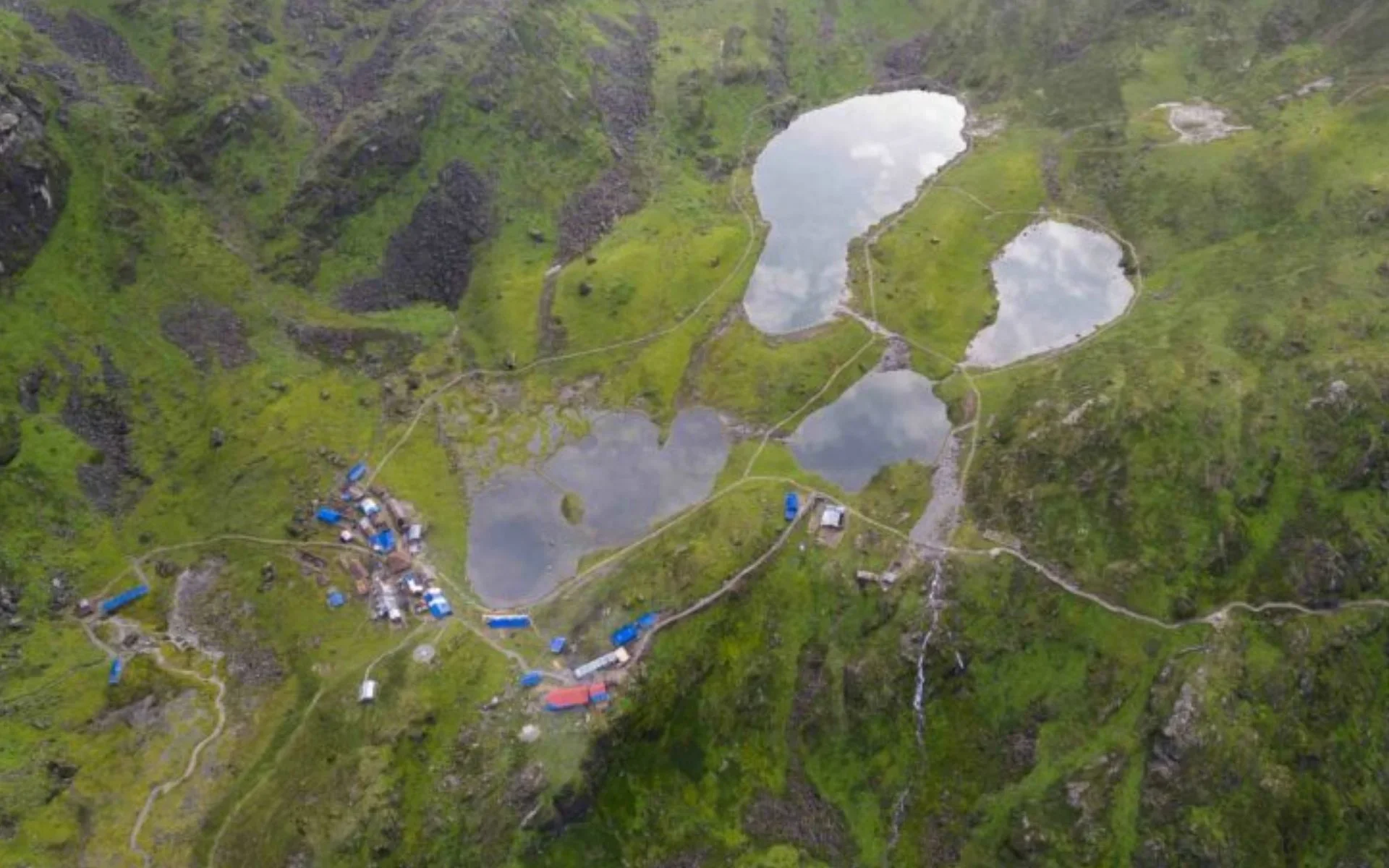
Panch Pokhari means "five ponds" in Nepali, and this cluster of interconnected, sacred alpine lakes sits in Sindhupalchok district at roughly 4,100 meters.
Like Gosainkunda, Panch Pokhari draws Hindu pilgrims, particularly around Janai Purnima, and the trek there passes through rhododendron forest and high pasture before opening onto the lakes with Jugal Himal and Langtang peaks visible behind them. It's a quieter alternative to Gosainkunda for trekkers who want the same high-altitude, pilgrimage-lake experience without the August crowds. March to May and September to November are the best months.
10. Kapuche Lake – A Hidden Glacial Lake Near Annapurna
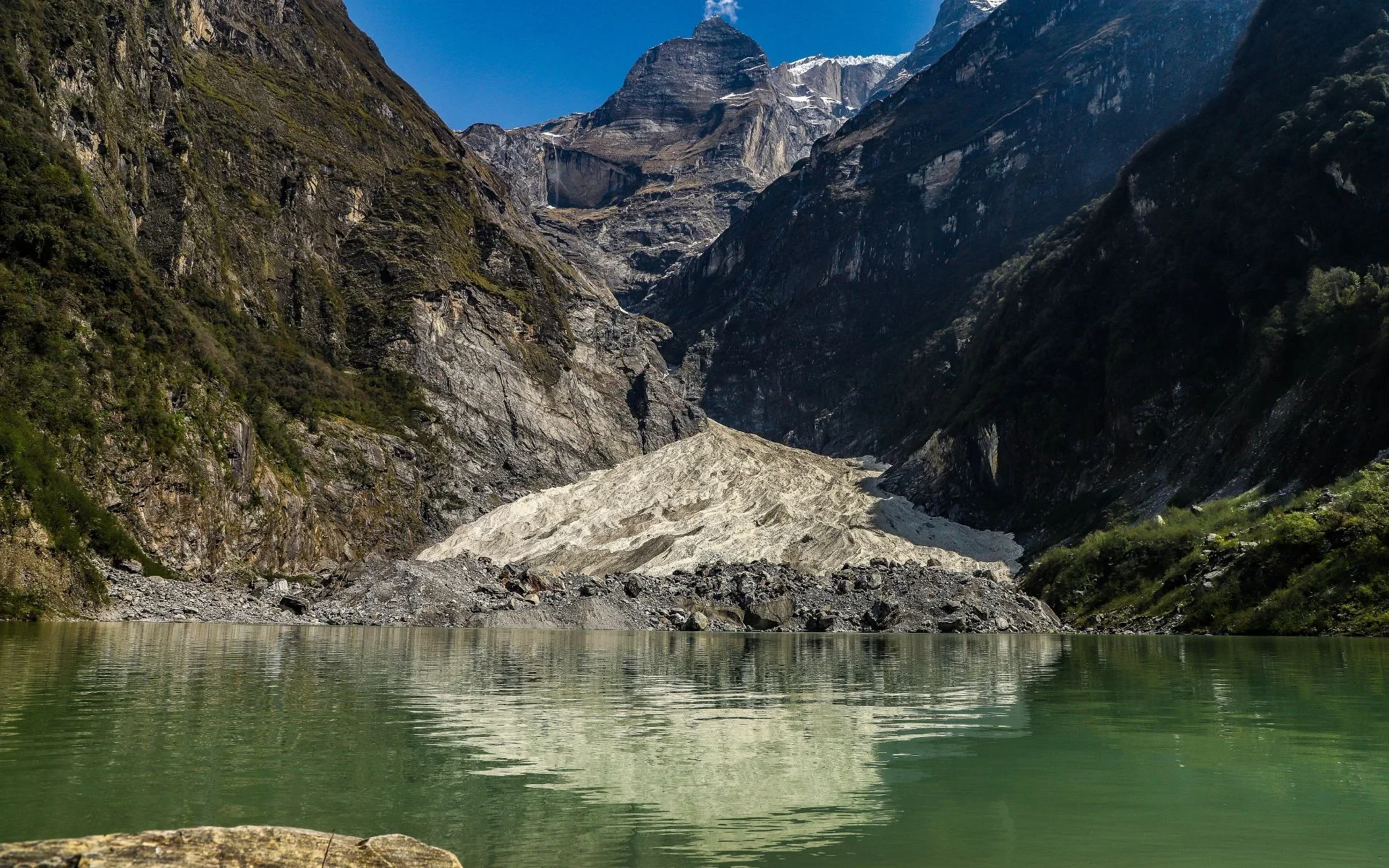
Kapuche Lake (also called Khayer Lake by some guides) sits at roughly 3,900 meters below the south face of Hiunchuli, tucked into a side valley off the main Annapurna Sanctuary route.
Very few trekkers add this detour, which is exactly what makes it worth mentioning here: a glacial lake framed by hanging glaciers and near-vertical rock walls, reached by a steep, unmarked side trail that branches off the standard route to the sanctuary. It works best as an extension for trekkers already doing the Annapurna Base Camp Trek who have an extra day and don't mind a rough, less-trodden path. October to November offers the clearest views of the surrounding peaks.
Which Lake in Nepal Should You Visit?
The right lake depends on how much time you have and how much trekking you're up for.
Best Lake for First-Time Visitors
Phewa Lake: walkable from your hotel, no trekking gear needed.
Best Lake for a Peaceful Getaway
Begnas Lake: same region as Phewa, a fraction of the crowd.
Best High-Altitude Lake
Tilicho Lake: the highest and most dramatic of the group.
Best Lake for Remote Adventure
Phoksundo Lake: Nepal's deepest lake, in one of its least-visited regions.
Best Lake for Religious Pilgrimage
Gosainkunda: the center of the Janai Purnima pilgrimage.
Best Lake for Mountain Scenery
Rara Lake or Tilicho Lake, depending on whether you want forest-ringed calm or high-altitude drama.
If you're still weighing your first Nepal trek against a lakeside trip, our guide to the best treks in Nepal for beginners breaks down which routes suit a first-timer.
Best Time to Visit the Lakes of Nepal
There isn't one single "best month" for Nepal's lakes; it depends entirely on elevation.
Best Time for Lower-Altitude Lakes
Phewa, Begnas, and Rupa are visitable year-round, though October to April gives the clearest mountain reflections and driest weather. Monsoon (June–August) brings haze and higher water levels but doesn't close them off.
Best Time for High-Altitude Lakes
Tilicho, Gosainkunda, Tsho Rolpa, and Panch Pokhari are only realistically trekkable in spring (March–May) and autumn (September–November). Winter brings snow and frozen trails above 4,000 meters, and monsoon rain makes the approach trails muddy, leech-heavy, and prone to landslides on exposed sections like the Tilicho route. Phoksundo is the exception, Dolpa's position in the Himalayan rain shadow keeps it walkable through parts of the monsoon when the rest of the country is soaked. For a broader seasonal breakdown across the whole country, see our best time to visit Nepal guide.
How to Reach Nepal's Lakes
Easy to access: Phewa, Begnas, and Rupa. All reachable by short drive or taxi from central Pokhara, no trekking permit required.
Require trekking: Tilicho, Gosainkunda, Tsho Rolpa, Panch Pokhari, and Phoksundo. Each needs multiple days of walking, proper acclimatization, and (for Tilicho and the restricted regions) a licensed guide.
Remote destinations: Rara and Phoksundo stand apart even among the trekking lakes. Both require flights into small regional airstrips and days of walking through areas with minimal tourism infrastructure or connectivity.
Lakes of Nepal by Elevation
Below 1,000 m: Phewa (742 m), Begnas (650 m), Rupa (~600 m)
2,000–4,000 m: Rara (2,990 m), Phoksundo (3,611 m), Kapuche (~3,900 m)
Above 4,000 m: Panch Pokhari (~4,100 m), Gosainkunda (4,380 m), Tsho Rolpa (~4,580 m), Tilicho (4,919 m)
The pattern here is simple: the higher the lake sits, the more trekking days and acclimatization it demands, and the shorter its accessible season becomes.
Frequently Asked Questions
Which is the most beautiful lake in Nepal?
This comes down to taste: Phewa Lake is the most photographed for its mountain reflections, while Phoksundo Lake's turquoise water and Tilicho Lake's high-altitude setting are usually named the most dramatic.
What is the most famous lake in Nepal?
Phewa Lake in Pokhara is Nepal's most visited and best-known lake by a wide margin.
Which is the highest lake in Nepal?
Tilicho Lake, at 4,919 meters in Manang district, is the highest lake on this list and among the highest lakes of its size in the world.
How many lakes are there in Nepal?
Nepal has over 5,000 lakes and ponds of varying size, though only a small number are developed for tourism or trekking access.
Which lakes in Nepal can you visit without trekking?
Phewa, Begnas, and Rupa lakes near Pokhara are all reachable by road, with no trekking permit or multi-day hike required.
What is the best time to visit lakes in Nepal?
October to April for the low-altitude Pokhara lakes; March–May and September–November for the high-altitude trekking lakes.
Which lake is called the Queen of Lakes in Nepal?
Rara Lake in Mugu district, Nepal's largest lake by surface area.
Which lake is closest to Pokhara?
Phewa Lake sits directly within Pokhara city; Begnas and Rupa are both a short drive away in the same valley.
Which lakes in Nepal are above 4,000 meters?
Panch Pokhari, Gosainkunda, Tsho Rolpa, and Tilicho Lake all sit above 4,000 meters.
Do I need a permit to visit Tilicho Lake or Gosainkunda?
Yes. Both fall within regions requiring an ACAP (Annapurna Conservation Area Permit) or TIMS card, and current regulations require trekkers in these areas to travel with a licensed guide.
Is Rara Lake worth the extra effort to reach?
For travelers who want a Himalayan lake without the crowds of Pokhara or the Everest and Annapurna trails, yes. Its remoteness is a large part of its appeal.
Conclusion
Nepal's lakes cover a wider range than most travelers expect. Phewa and Begnas give you mountain views and a boat ride without leaving the road network. Rara and Phoksundo put you in front of Himalayan scenery few travelers ever see. And Tilicho, Gosainkunda, and Tsho Rolpa turn a lake visit into a full high-altitude trekking expedition.
If any of these have you thinking about your next trip into the hills, our team can help you design your Nepal trip around the trekking routes that pass by them, or you can browse our full range of itineraries directly on the site.