Contents
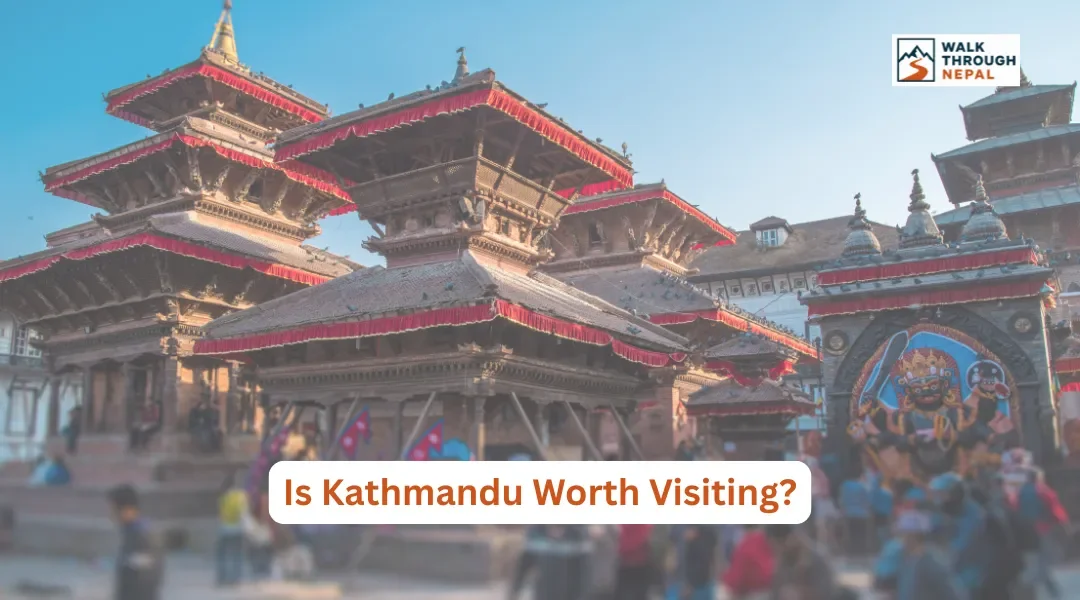
Yes, Kathmandu is worth visiting, but whether you will love it depends on what you came for. This is a city of ancient temples and UNESCO heritage sites, Buddhist and Hindu culture practiced in the open, narrow market streets, and Thamel's restaurants and rooftop cafés. It is also a city of traffic, dust, and noise, and the gateway most travelers pass through on the way to a Himalayan trek. We are writing this as an honest assessment, not a brochure, because Kathmandu earns strong opinions in both directions and you deserve to know which one you are likely to have.
So, Is Kathmandu Worth Visiting?
Kathmandu is worth visiting if you want history, religion, architecture, local markets, food, or a cultural base before heading into the mountains. It is less suited to travelers who want pristine mountain scenery immediately, dislike busy cities, have very limited time and only want to trek, or prefer quiet nature destinations over an urban experience.
If your priority is history, culture, and a genuine first introduction to Nepal, Kathmandu delivers that better than almost anywhere else in the country. If you have three days total and your only goal is standing under the Himalayas, you may be better served flying straight to a trailhead and treating Kathmandu as a brief transit stop.
10 Reasons Kathmandu Is Worth Visiting
1. Kathmandu Has an Incredible Concentration of Heritage Sites
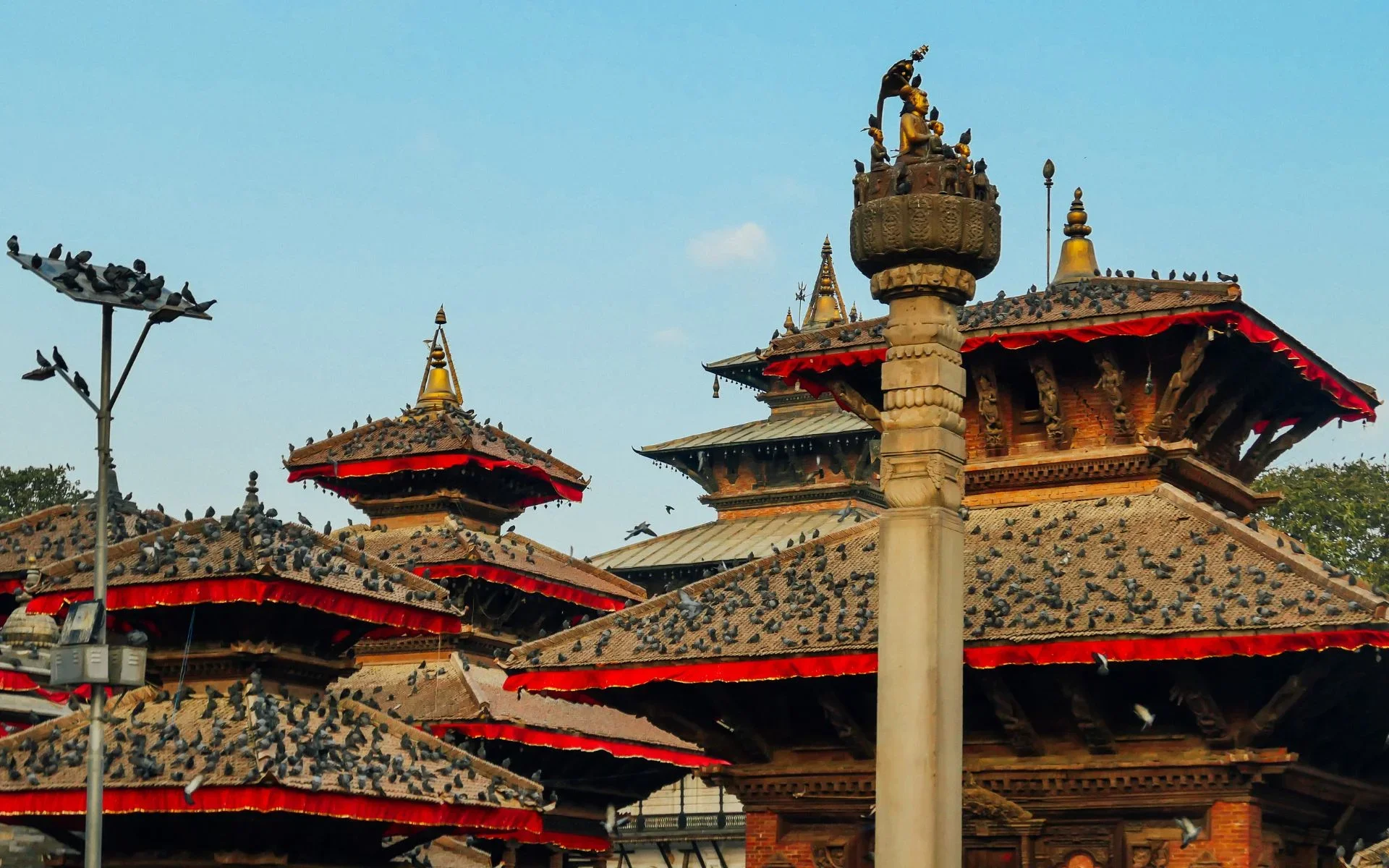
Few cities anywhere pack this much architectural history into such a small area. Kathmandu Durbar Square, Patan Durbar Square, and Bhaktapur Durbar Square sit within a short drive of each other, each showcasing centuries of Newari carving, royal palaces, and temple courtyards.
These three squares, along with Swayambhunath, Boudhanath, Pashupatinath, and the fifth-century Changu Narayan complex, form the seven components of the Kathmandu Valley's UNESCO World Heritage listing. Beyond the named monuments, unmarked bahal and bahi courtyards hide small stupas and carved windows behind ordinary doorways throughout the old city. If heritage architecture is what draws you to Nepal, our Nepal Heritage Tour is built specifically around these three Durbar Squares.
2. You Can Experience Hindu and Buddhist Culture in the Same City
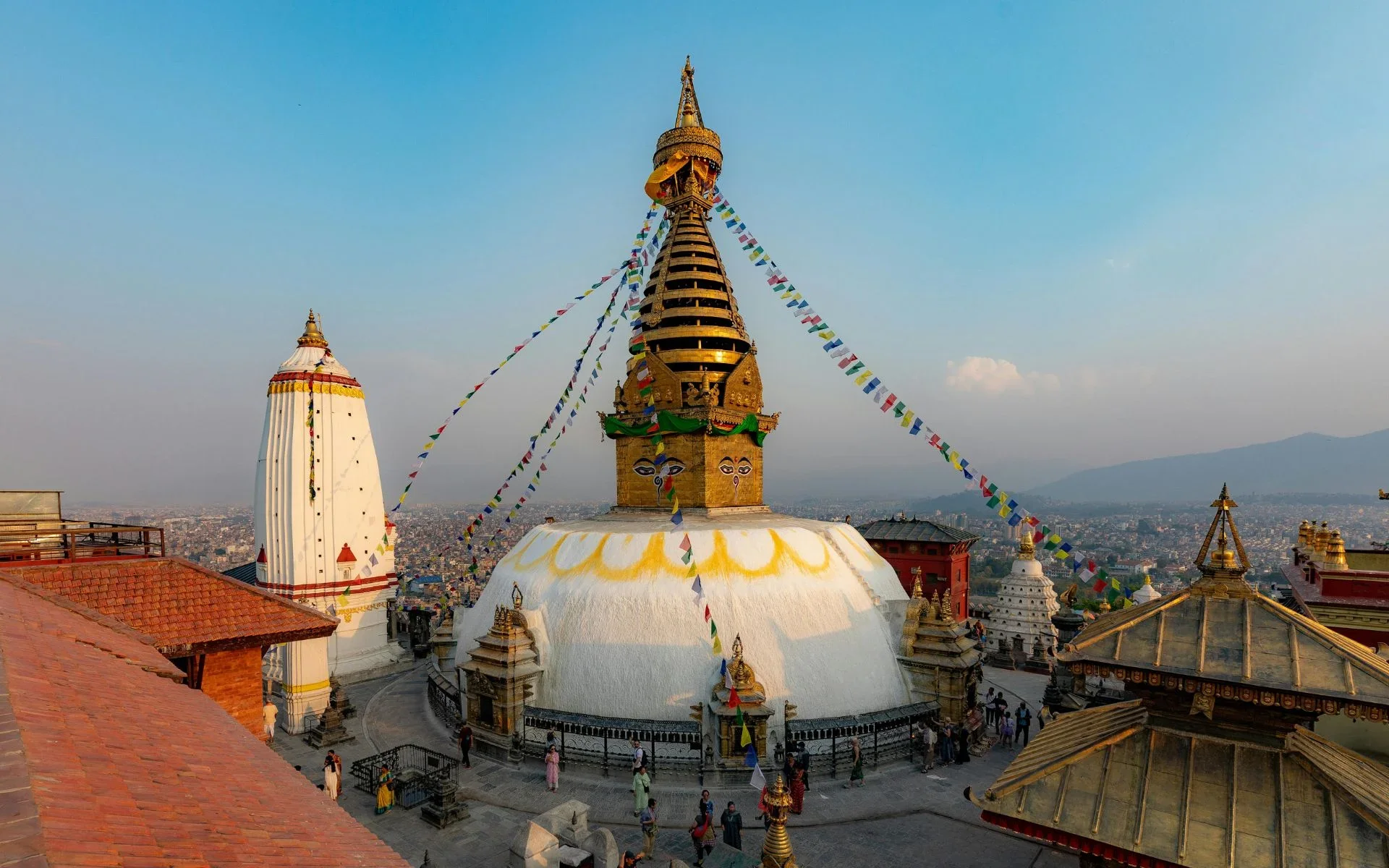
Kathmandu is one of the few places in the world where major Hindu and Buddhist pilgrimage sites sit within a short taxi ride of each other, and where the two traditions have coexisted and blended for centuries rather than staying strictly separate.
Pashupatinath, one of the holiest Shiva temples in the Hindu world, sits roughly 5 kilometers from Boudhanath, one of the largest Buddhist stupas anywhere. Swayambhunath, the hilltop "Monkey Temple," carries both Buddhist and Hindu significance, and smaller neighborhood shrines dedicated to deities worshipped under different names by both faiths appear throughout the old city. This is not a museum experience. It is religion woven into daily commutes, market runs, and evening rituals, and browsing our pilgrimage-focused trips is a good starting point if you want structure around visiting these sites respectfully.
3. Kathmandu Is the Gateway to Nepal's Himalayas
For most trekkers, Kathmandu is where the actual trip begins, not just an airport stopover. Permits get sorted here, gear gets bought or rented in Thamel, and flights or jeep transfers to trailheads all originate from the city.
Whether you are heading toward Everest Base Camp, the Langtang Valley, or the more remote Manaslu Circuit, you will almost certainly spend at least one night in Kathmandu before departure and often another on return, since flight schedules and buffer days for weather rarely allow a same-day connection straight through. Most trekkers find this time useful rather than wasted, since it gives your body a day to adjust before altitude becomes a factor.
4. Thamel Gives You a Completely Different Side of Kathmandu
If the Durbar Squares represent old Kathmandu, Thamel is the city's modern, restless counterpart. Restaurants serving everything from momos to wood-fired pizza sit alongside trekking gear shops, rooftop bars, souvenir stalls, and budget guesthouses packed into a compact grid of lanes.
Thamel runs later and louder than the rest of the city, and most travelers heading into the mountains pass through here at some point to finalize gear and permits.
5. Kathmandu Is One of the Best Places to Experience Newari Culture
The Kathmandu Valley is the historic homeland of the Newar people, and their architecture, food, and festival traditions define much of what makes the valley visually distinct from the rest of Nepal.
Patan and Bhaktapur, both a short drive from central Kathmandu, preserve this culture at its most intact, with pagoda-roofed temples, carved wood struts, and brick courtyards still in daily use rather than roped off as museum pieces. Newari festivals like the Rato Machindranath Jatra in Patan and Bhaktapur's own chariot processions bring these traditions into the street each year. Our cultural trip listings go deeper into this side of the valley if it is what draws you here.
6. The Food Is Part of the Experience
Kathmandu's food scene is genuinely one of the city's underrated draws, and it spans a wider range than most first-time visitors expect. Momos, Nepal's steamed or fried dumplings, show up on nearly every menu, while dal bhat, the lentil, rice, and vegetable curry combination, remains the everyday staple across the country.
Newari cuisine, distinct from general Nepali food, includes dishes like bara (lentil pancakes) and choila (spiced grilled meat), best found in Patan, Bhaktapur, and Kathmandu's older neighborhoods. Thakali food, originating from the Thak Khola region along the Annapurna trekking route, has its own dedicated restaurants scattered around the city. Thamel adds an international layer on top, from wood-fired pizza to genuinely good coffee at rooftop cafés overlooking the old city rooftops.
7. Kathmandu Has More Than Just Temples
Some travelers arrive expecting a purely historical city and are surprised by how much else Kathmandu offers. The Garden of Dreams, a restored neoclassical estate near Thamel, gives you a quiet green space to sit with a coffee. The National Museum in Chhauni holds the country's most complete collection of historical artifacts and military history.
Kirtipur, an old Newari hilltop town that sees a fraction of the tourist traffic of Patan or Bhaktapur, and Chandragiri Hills, reachable by cable car and offering Himalayan views on clear days, both round out a Kathmandu stay well beyond the main religious sites. Our full best places to visit in Kathmandu guide covers all twenty of these attractions in detail if you want to plan a longer stay around them.
8. You Can Explore Kathmandu at Different Paces
Kathmandu adapts to however much time you actually have. A half day covers Thamel plus one major attraction, usually Kathmandu Durbar Square or Swayambhunath. A full day covers the major heritage highlights at a rushed but manageable pace.
Two days let you add local neighborhoods and a slower walk through the old city's markets. Three or more days open up proper valley exploration, including Patan, Bhaktapur, and a day trip to Nagarkot or Chandragiri. There is no single "right" amount of time, only what matches your itinerary and interests.
9. Kathmandu Is a Good Starting Point for Exploring the Valley
Kathmandu works less as a single city and more as a base for the wider Kathmandu Valley, which holds several destinations worth a half or full day each. Patan and Bhaktapur cover the valley's other two royal cities, Kirtipur offers a quieter Newari hill town, and Changu Narayan rounds out the valley's seventh UNESCO site for travelers with extra time.
Nagarkot, a hill station on the valley's eastern rim, adds sunrise Himalayan views if you can spare an overnight, and Chandragiri gives a same-day cable car alternative if you cannot. Understanding where Kathmandu actually sits within the valley helps explain why these day trips work so naturally from a single base.
10. Kathmandu Gives You Context for the Rest of Nepal
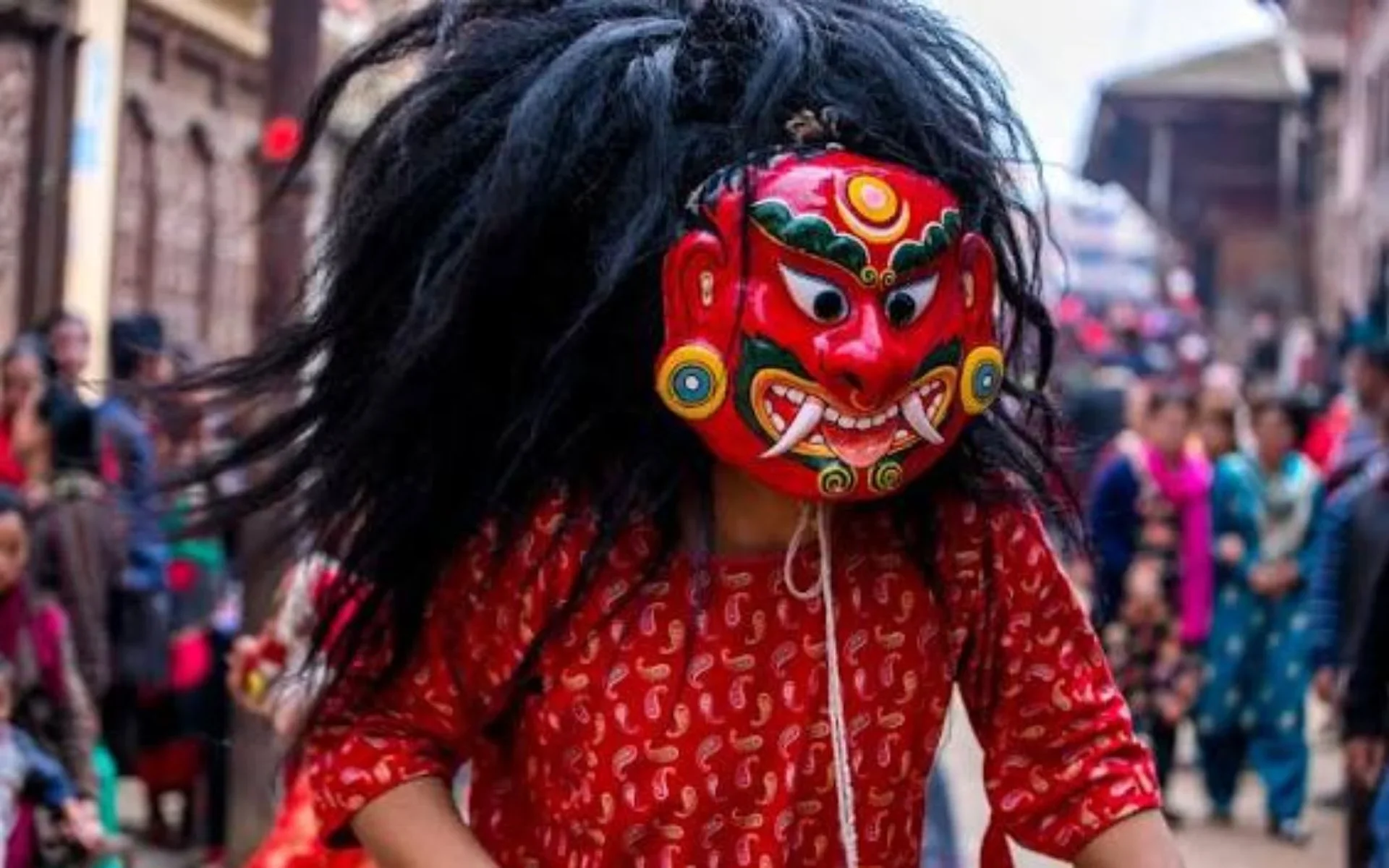
This is less a checklist item and more an editorial observation from years of running trips here: travelers who spend time in Kathmandu before heading into the mountains tend to get more out of the trek itself. Understanding Nepal's religious life, Newari architecture, festival calendar, and daily rhythms in the city gives context to what you encounter later in mountain villages, monasteries, and teahouses.
Skipping straight to the trailhead is entirely possible, but most of our guests who spend two or three days in Kathmandu first tell us it changed how they experienced the trek that followed.
What Might Make You Not Like Kathmandu?
Kathmandu is not for every traveler, and pretending otherwise would not serve you well. Traffic congestion is a real and constant factor, and travel times between sites rarely match what a map suggests. The city is loud and crowded, particularly around Thamel, Asan, and Indra Chowk, and the major connecting roads see near-constant motorbike and vehicle noise.
Air quality varies noticeably by season, generally worse in the dry pre-monsoon months and improved after monsoon rains clear the air. If you came to Nepal specifically for quiet mountain scenery, lakes, or rural landscapes, Kathmandu will not deliver that on its own. Pokhara, or an actual trek into the hills, serves that need far better.
Kathmandu vs Pokhara: Which Is Better?
Neither city is objectively better. Kathmandu wins on culture and heritage, Pokhara wins on scenery and pace, and the right choice depends on what you actually want from your time in Nepal.
Category | Kathmandu | Pokhara |
|---|---|---|
Culture | Excellent | Moderate |
Heritage | Excellent | Limited |
Mountain views | Distant, seasonal | Much more prominent |
Lakes | No major tourist lake | Phewa, Begnas, Rupa |
Adventure activities | Strong | Excellent |
Trekking gateway | Excellent | Excellent |
Atmosphere | Busy | More relaxed |
Nightlife | Stronger | Relaxed |
First-time Nepal experience | Cultural | Scenic |
Choose Kathmandu for culture and history. Choose Pokhara for nature, lakes, and mountain views. If your itinerary allows, visiting both gives you a far more complete picture of Nepal than either city alone. Our guides to places to visit in Pokhara and things to do in Pokhara cover the other side of that comparison in detail.
How Many Days Should You Spend in Kathmandu?
Is 1 Day Enough?
One day covers the major highlights, usually Kathmandu Durbar Square, Swayambhunath, and one of Boudhanath or Pashupatinath, but the pace is rushed and leaves little room to actually absorb any single site.
2 Days in Kathmandu
Two days strike a good balance for most first-time visitors, adding Thamel, local markets, and a slower walk through the old city on top of the major heritage stops.
3 Days in Kathmandu
Three days allow the core heritage sites, local neighborhoods, and one valley day trip, typically Patan and Bhaktapur together, or Kirtipur and Chandragiri for a quieter alternative.
4 or More Days
Four or more days suit travelers who want a slower cultural pace or several separate valley day trips, including Nagarkot for sunrise views and Changu Narayan for the valley's seventh UNESCO site.
Best Places to Visit If You Only Have One Day
A single-day Kathmandu itinerary works best split into three blocks, and it moves fast, so plan a private vehicle rather than relying on walking between every stop.
Morning: Swayambhunath, followed by Kathmandu Durbar Square. Afternoon: Pashupatinath, followed by Boudhanath. Evening: Thamel, for dinner and a final walk through the shops before your next move.
This is a genuinely fast-paced day, and if you have any flexibility at all, spreading it across two days will let you enjoy each site rather than checking it off. Our full guide to Kathmandu's best places to visit breaks down all twenty attractions with suggested timing if you want to build a longer route.
Is Kathmandu Worth Visiting Before a Trek?
Yes, and for most trekkers it is close to unavoidable given how flights and permits are structured. Nearly every trekking route in Nepal, from Annapurna Base Camp to Everest and Manaslu, routes through Kathmandu for permit processing, gear shopping or rental, and meeting your guide before departure.
Arriving a day or two early also gives your body time to recover from international travel before altitude becomes a factor, and it gives you a chance to explore the city's heritage sites before your attention shifts fully to the mountains. How much time makes sense depends on your specific trek and flight schedule, but building in at least one full day in Kathmandu before departure is worth the buffer against delayed flights or last-minute permit issues.
Is Kathmandu Safe for Tourists?
Kathmandu is generally safe for tourists, though ordinary city precautions apply. Stay aware of your belongings in crowded markets like Asan and Indra Chowk, where pickpocketing is the main risk rather than violent crime. Traffic, not crime, is the more immediate hazard, so cross roads carefully and expect motorbikes to fill any available gap.
Use licensed taxis or arranged transportation where possible, particularly after dark, and keep valuables secured rather than visible. Dress modestly and follow local guidance at religious sites, and stick to bottled or properly filtered water rather than tap water throughout the city.
Who Should Visit Kathmandu?
Kathmandu suits history lovers, culture travelers, first-time visitors to Nepal, trekkers passing through before or after a mountain trip, food travelers, and photographers drawn to architecture and street life.
It may suit you less if you are looking purely for nature, have extremely limited time and want to prioritize trekking exclusively, or are searching specifically for a quiet mountain retreat rather than an urban cultural experience. Neither profile is wrong. They simply point toward different parts of Nepal.
Frequently Asked Questions
Is Kathmandu worth visiting?
Yes, for travelers interested in culture, history, religion, and food. It is less suited to those seeking immediate mountain scenery or a quiet, slow-paced destination.
How many days do you need in Kathmandu?
Two to three days work well for most first-time visitors, enough to cover the major heritage sites plus one valley day trip.
Is Kathmandu worth visiting before Everest Base Camp?
Yes. Nearly every Everest Base Camp itinerary routes through Kathmandu for permits, gear, and flight connections to Lukla, and a day or two here also helps with recovery from international travel before the trek begins.
Is Kathmandu better than Pokhara?
Neither is better overall. Kathmandu offers stronger culture and heritage, while Pokhara offers more direct mountain views, lakes, and a more relaxed pace.
What is Kathmandu famous for?
Kathmandu is known for its UNESCO World Heritage Durbar Squares, the Buddhist stupas at Boudhanath and Swayambhunath, Pashupatinath Temple, and its role as the main gateway city for Himalayan trekking.
What should I not miss in Kathmandu?
Kathmandu Durbar Square, Boudhanath Stupa, and Pashupatinath Temple form the essential core of a first Kathmandu visit.
Is Kathmandu good for first-time visitors to Nepal?
Yes. Kathmandu gives first-time visitors cultural and historical context that makes the rest of a Nepal trip, particularly time spent trekking, easier to understand and appreciate.
What is the best time to visit Kathmandu?
Autumn (September to November) offers the clearest skies and most comfortable conditions, though winter also delivers clear days with far fewer crowds.
Is Kathmandu safe for tourists?
Generally yes, with ordinary city precautions around traffic, crowded markets, and secured belongings applying just as they would in any major city.
Can you see mountains from Kathmandu?
On clear days, yes, particularly from Swayambhunath or the Chandragiri cable car viewpoint, though visibility depends heavily on season and air quality, with autumn and winter offering the best chances.
Conclusion
Yes, if you give it enough time to look past the traffic and first impressions. Visit Kathmandu for culture, history, temples, food, and the wider Kathmandu Valley. Do not expect a quiet mountain town or immediate Himalayan scenery, since that experience lives elsewhere in Nepal. For a first visit, two to three days is the sweet spot that lets you see the essentials without feeling rushed.
If Kathmandu is the beginning of your Nepal journey, you can combine your time in the valley with a trek into the Himalayas or a longer Nepal itinerary built around both culture and mountains.
Plan Your Nepal Trip with Walk Through Nepal
Our local coordinators can help you build a Kathmandu stay that fits around a trek, a valley-wide cultural trip, or both. Get in touch to design your itinerary and we will match it to your dates, pace, and interests.