Swipe to explore
BEST SELLER
10-Day Upper Mustang Tour with Muktinath
10 Days / 9 Nights
Duration
Breakfast, Lunch & Dinner
Meals
MODERATE
Difficulty
1–14+ (Private & Group Departures Available)
Group Size
↑
3,840 m / 12,598 ft (Lo Manthang)
Max Altitude
March–May & September–November
Best Season
Hotels, Guesthouses & Local Lodges
Accommodation
Private Tourist Vehicle
Transportation
Upper Mustang Tour Overview
The Upper Mustang Tour with Muktinath Darshan is a remarkable journey into one of Nepal's most remote and culturally preserved regions, known for its dramatic desert-like landscapes, ancient monasteries, sacred pilgrimage sites, traditional Tibetan-influenced villages, and the legendary walled city of Lo Manthang.
Unlike Nepal’s greener destinations, Upper Mustang offers a completely different Himalayan experience. Deep gorges, colorful cliffs, barren valleys, high mountain passes, centuries-old monasteries, sacred temples, traditional stone villages, and Tibetan-influenced culture come together to create a remarkable journey through one of Nepal’s most unique regions.
Whether you're interested in Tibetan-influenced culture, Hindu-Buddhist pilgrimage sites, ancient Himalayan history, photography, remote landscapes, or an adventurous road journey, the Upper Mustang Tour with Muktinath from Walk Through Nepal offers an unforgettable way to discover one of Nepal's most distinctive and spiritually significant regions.
Note: Upper Mustang is a restricted area, so all travelers must obtain the required permits and travel according to the applicable regulations. Also, the itinerary and road conditions may change depending on weather, local conditions, and transportation availability.
Trip Highlights
Explore the restricted Upper Mustang region, one of Nepal's most culturally distinctive destinations.
Discover Lo Manthang, the historic walled city and cultural heart of Upper Mustang.
Seek blessings at Muktinath Temple, one of the holiest pilgrimage sites for Hindus and Buddhists, located at 3,710 m.
Travel through the spectacular Kali Gandaki Valley and its dramatic trans-Himalayan landscapes.
Visit the ancient gateway settlement of Kagbeni.
Experience traditional Mustang villages including Chele, Ghami, and Tsarang.
Explore centuries-old Buddhist monasteries, sacred temples, chortens, mani walls, and prayer flags.
Witness dramatic red, orange, and ochre cliffs shaped by centuries of Himalayan erosion.
Experience the unique Tibetan-influenced culture, architecture, and traditions of Mustang.
Visit the historic Ghami Monastery and famous mani wall.
Travel through the contrasting landscapes of Tatopani, Jomsom, Muktinath, and Upper Mustang.
Enjoy a dedicated exploration day in Lo Manthang and its surrounding areas.
Experience the changing scenery from lush green valleys to the arid high-altitude landscapes of Mustang.
Discover remote Himalayan communities while traveling through one of Nepal's most fascinating regions.
Enjoy spectacular views of the surrounding Annapurna, Nilgiri, Dhaulagiri, and Mustang mountain landscapes.
Why Choose the Upper Mustang Tour?
The Upper Mustang Tour is ideal for travelers who want to experience a remote side of Nepal beyond the country's popular trekking routes.
Explore Restricted Upper Mustang: Travel into one of Nepal's most culturally preserved and geographically unique regions.
Discover Lo Manthang: Spend a full day exploring the historic walled city and its ancient cultural heritage.
Visit Muktinath Temple: Pay homage at one of the most sacred pilgrimage destinations in the Himalayas, revered by both Hindus and Buddhists.
Experience Tibetan-Inspired Culture: See traditional architecture, monasteries, prayer flags, and centuries-old customs.
Spectacular Himalayan Landscapes: Travel through dramatic cliffs, deep valleys, barren hills, and snow-capped mountain scenery.
Comfortable Road Journey: Explore Upper Mustang and Muktinath without committing to a long multi-week trek.
Rich History & Heritage: Discover ancient settlements and Buddhist cultural sites that reflect Mustang's long history.
Perfect for Photographers: The unusual colors, cliffs, villages, monasteries, and Himalayan backdrop provide exceptional photography opportunities.
Ideal for Adventure Travelers: Experience remote roads and landscapes while traveling through one of Nepal's most extraordinary regions.
Well-Planned Route: The itinerary balances driving, sightseeing, cultural exploration, and time in Lo Manthang.
Local Expertise: Travel with an experienced team familiar with Mustang's terrain, permits, local culture, and logistics.
Important Itinerary Note
The distances and driving durations are approximate and can change depending on road conditions, weather, construction, traffic, and seasonal accessibility. Upper Mustang's mountain roads can be rough and slow in sections, so the actual journey time may vary.
Book this Trip
Tell us your preferences and we'll craft the perfect private tour for your group.
Itinerary
Approx. 5–8 km Approx. 20–40 minutes HotelWelcome Dinner
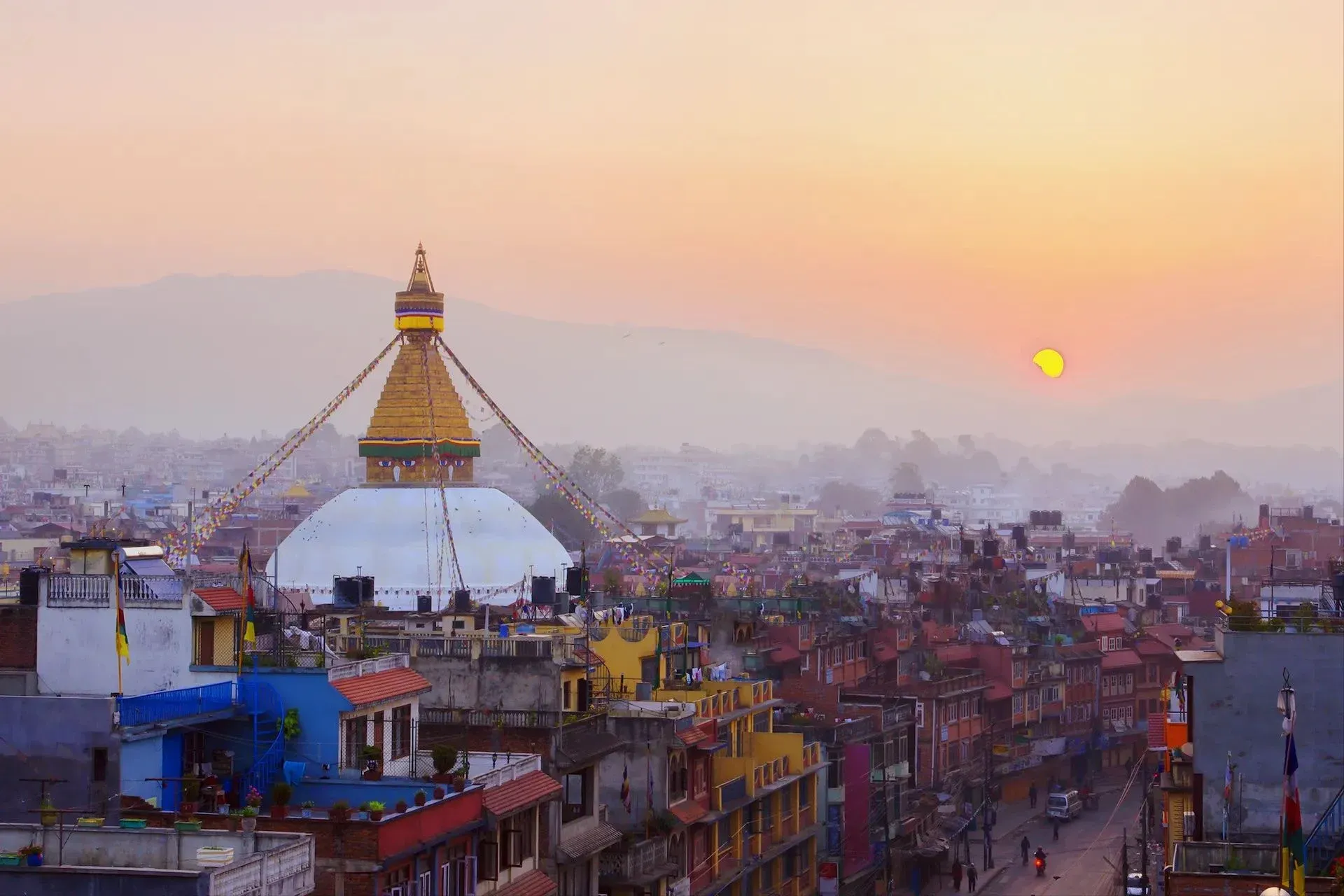
Welcome to Nepal! Upon arrival at Tribhuvan International Airport, our representative will meet you and transfer you to your hotel.
After check-in, you can take some time to rest and settle in. Later, you'll receive a trip briefing covering the Upper Mustang route, road conditions, permits, accommodation, packing recommendations, and important travel information.
The rest of the day is free to relax and prepare for your journey into the remote landscapes of Mustang, or you can walk around the streets of Kathmandu, exploring its cultural heritage.
Approximately 300 km Approximately 9–11 hours HotelBreakfastLunchDinner
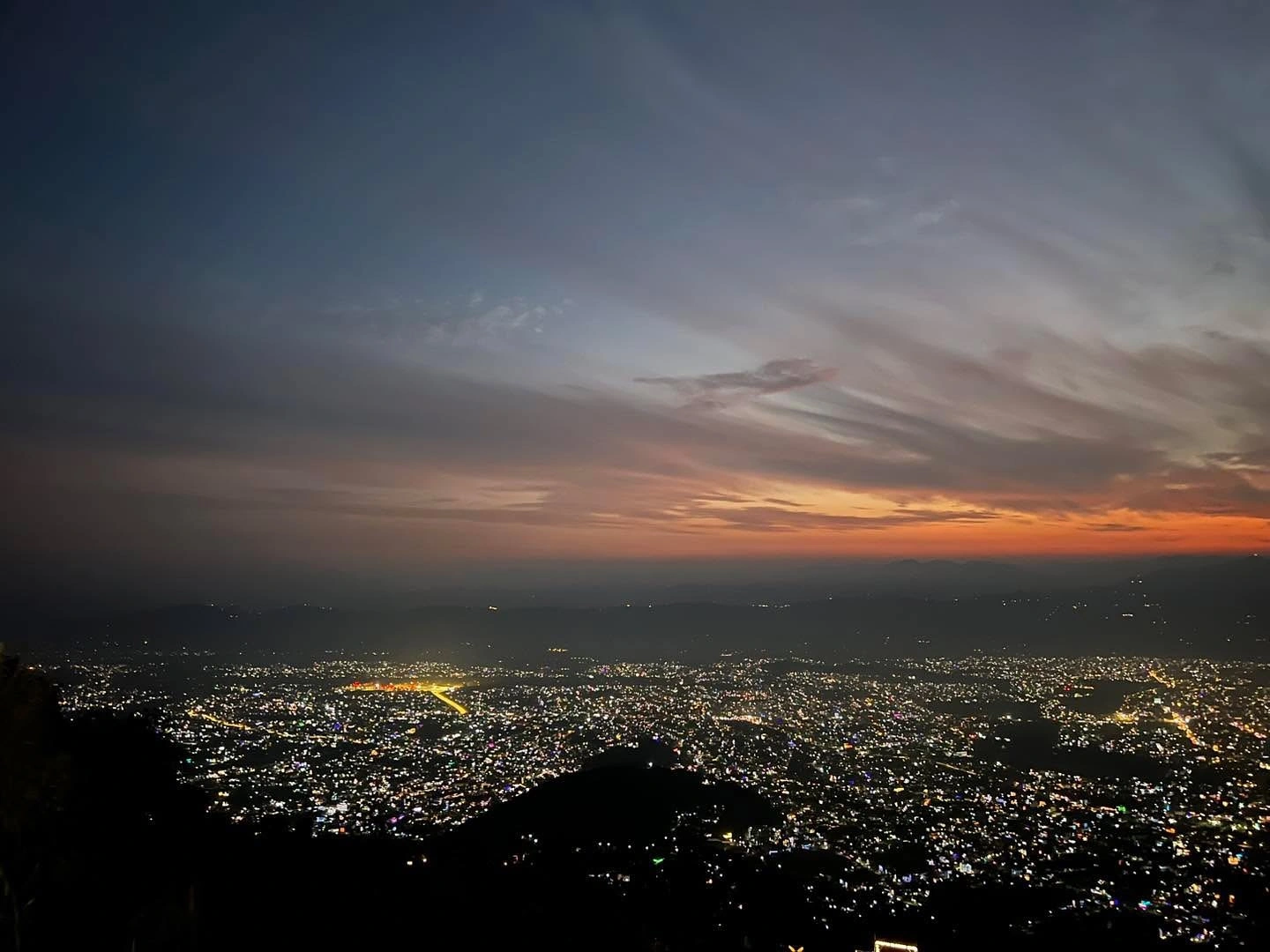
After an early breakfast, begin the scenic drive from Kathmandu toward Tatopani via Pokhara.
The journey follows winding mountain roads through river valleys, terraced farmland, forests, traditional villages, and hillside settlements. After passing through Pokhara, continue westward toward the Kali Gandaki Valley.
As the road approaches Tatopani, the landscape becomes increasingly mountainous and rugged. Upon arrival at Tatopani, settle into your accommodation and relax at the famous natural hot springs, a refreshing way to unwind after the long drive.
This marks the beginning of your journey from Nepal's greener mid-hills toward the dry, high-altitude landscapes of Mustang.
Approx. 2,520 m cumulative Approx. 870 m Approx. 95–105 km Approx. 6–8 hours GuesthouseBreakfastLunchDinner
Continue north through the spectacular Kali Gandaki Valley, following one of Nepal's most dramatic mountain corridors.
The road gradually climbs toward Jomsom (2,720 m / 8,923 ft), passing through changing landscapes, mountain villages, waterfalls, and increasingly arid terrain. Along the way, you'll pass through settlements such as Ghasa, Marpha, and Tukuche, depending on road and travel conditions.
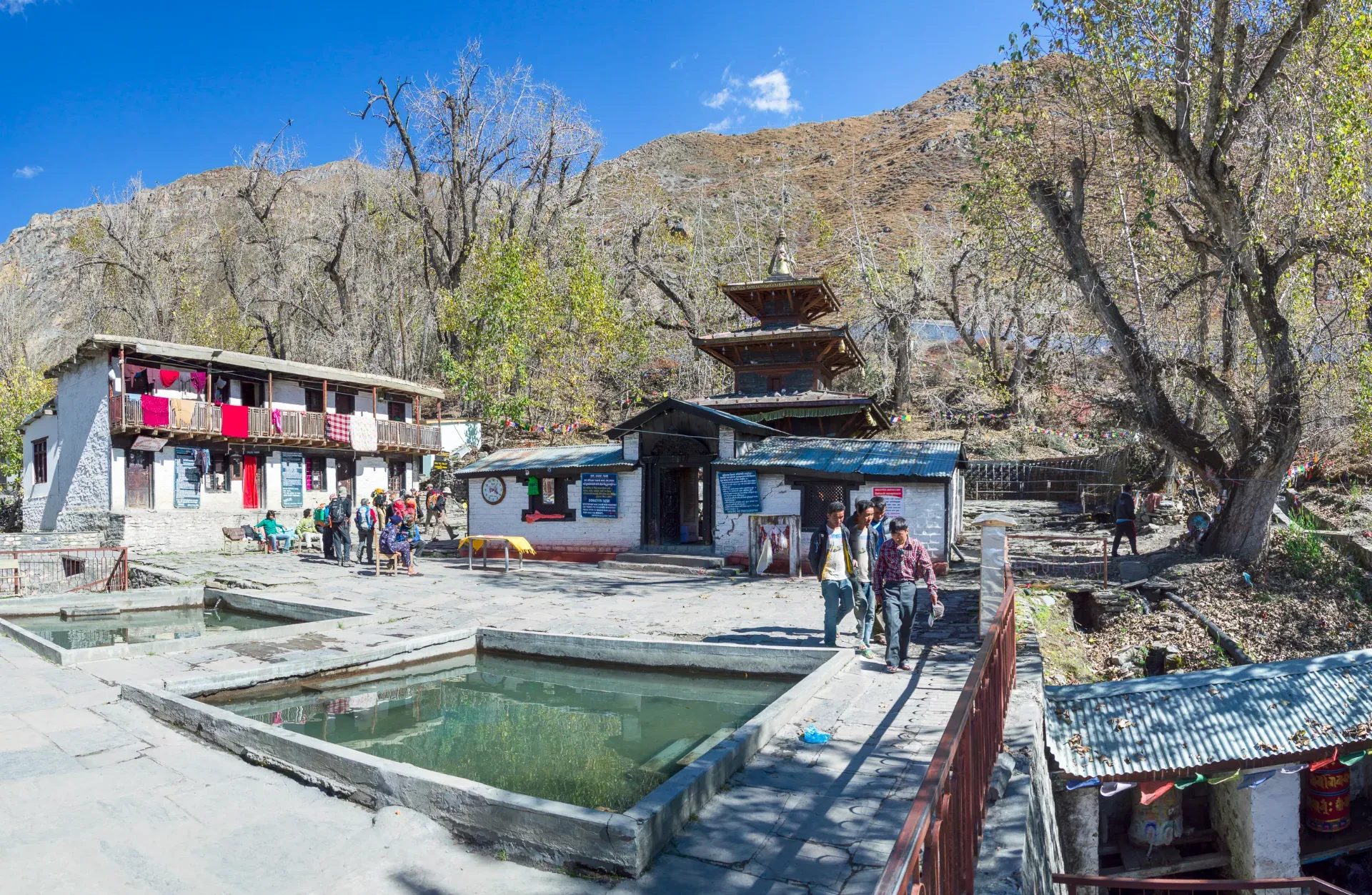
From Jomsom, drive up to Muktinath (3,710 m / 12,172 ft), one of the most important Hindu and Buddhist pilgrimage sites in the Himalayas. Revered by both Hindus and Buddhists, Muktinath is home to the Vishnu Temple and its 108 stone water spouts, along with the eternal flame at Jwala Mai Temple, where natural gas keeps a flame burning beside a natural spring. Take time to explore the temple complex, observe pilgrims performing rituals, and soak in the spiritual atmosphere of this revered site.
From Muktinath, continue to Kagbeni (2,840 m / 9,318 ft), an ancient settlement and traditional gateway to Upper Mustang.
In the evening, explore Kagbeni's narrow lanes, traditional stone-and-mud houses, Buddhist prayer wheels, chortens, and distinctive Himalayan architecture.
Approx. 680 m Approx. 150–250 m Approx. 56 km Approx. 5–7 hours GuesthouseBreakfastLunchDinner
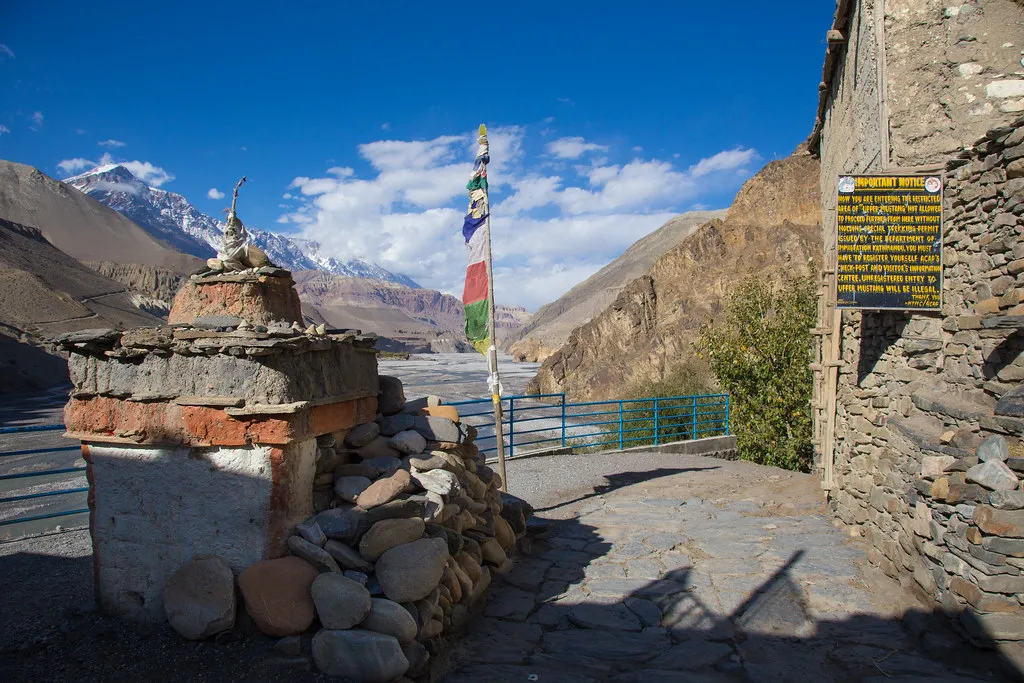
On this day, you officially enter the Upper Mustang restricted area, where your restricted area permit will be checked and used as you travel deeper into this remote Himalayan region.
From Kagbeni, the road climbs through dramatic mountain terrain toward Chele (3,050 m / 10,007 ft). The landscape changes noticeably, with barren cliffs, colorful rock formations, deep valleys, and traditional Tibetan-influenced settlements replacing the greener scenery of lower Mustang.
Continue toward Ghami (3,520 m / 11,549 ft), one of the most culturally important villages in Upper Mustang.
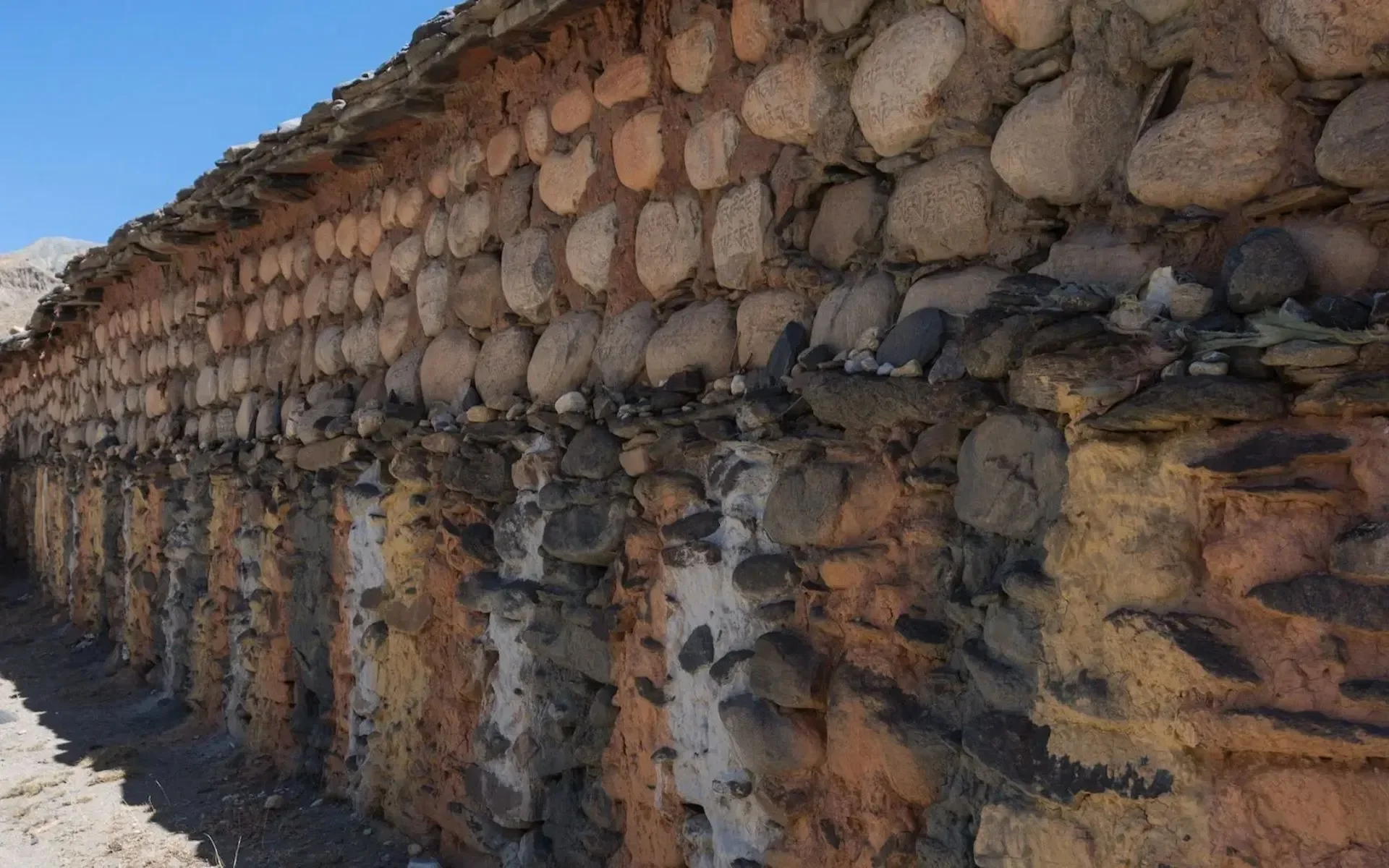
After arrival, you’ll explore the village and its famous mani wall, traditional houses, and Buddhist heritage. The surrounding cliffs and barren mountains provide excellent opportunities for photography.
Approx. 320 m cumulative Approx. 200–300 m over intervening sections Approx. 35–40 km Approx. 4–6 hours GuesthouseBreakfastLunchDinner
After breakfast, continue deeper into Upper Mustang toward the historic walled city of Lo Manthang.
Before leaving the area, take time to appreciate Ghami's distinctive cultural heritage. The road then continues toward Tsarang (3,560 m / 11,680 ft), an important former royal settlement known for its traditional architecture and Buddhist heritage.
From Tsarang, continue through the spectacular trans-Himalayan landscape toward Lo Manthang (3,840 m / 12,598 ft).
As you approach the ancient walled city, you'll encounter wide barren valleys, dramatic cliffs, colorful rock formations, and snow-capped Himalayan surroundings.
Upon arrival, check into your accommodation and enjoy your first evening in the cultural heart of Upper Mustang.
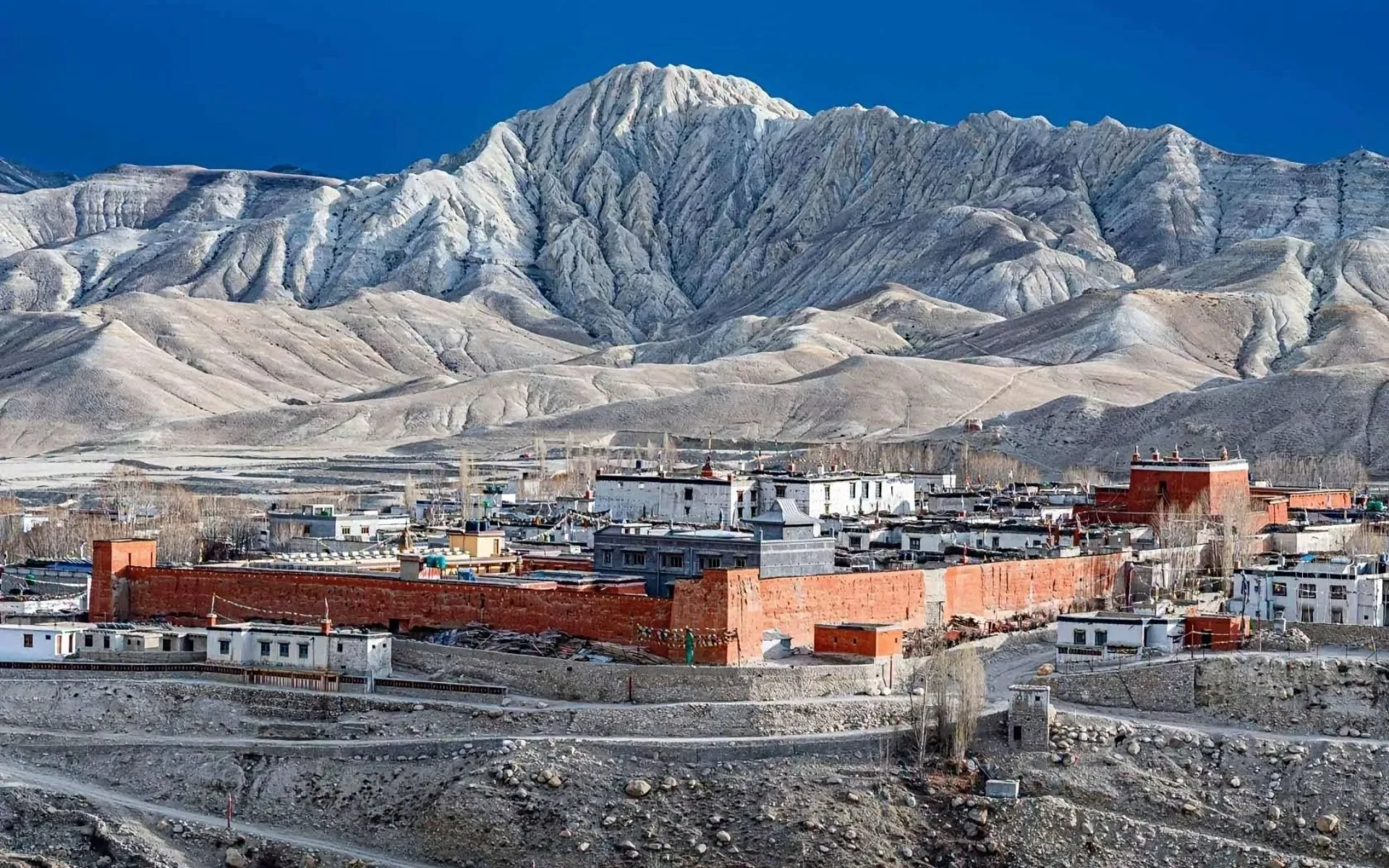
Approx. 5–15 km locally Approx. 4–6 hours GuesthouseBreakfastLunchDinner
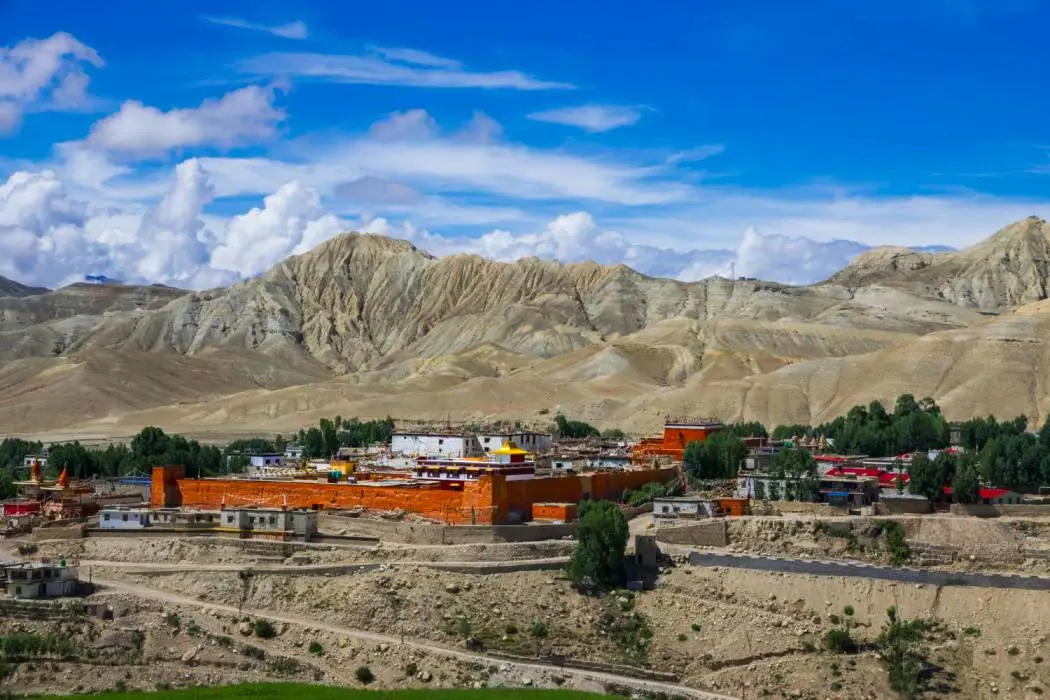
This day is dedicated to discovering Lo Manthang, the historic walled city and cultural center of Upper Mustang.
You’ll explore the ancient settlement on foot and discover its narrow lanes, traditional mud-brick houses, courtyards, prayer wheels, chortens, and centuries-old Buddhist heritage.
Visit important cultural landmarks and monasteries where accessible, and learn about the distinctive traditions and architecture that have developed in this remote Himalayan region.
You'll also have time to interact with local communities, photograph the unique landscape, and experience the peaceful atmosphere of Lo Manthang without the pressure of a long driving day.
The relaxed schedule allows you to appreciate the cultural side of Upper Mustang rather than simply passing through the region.
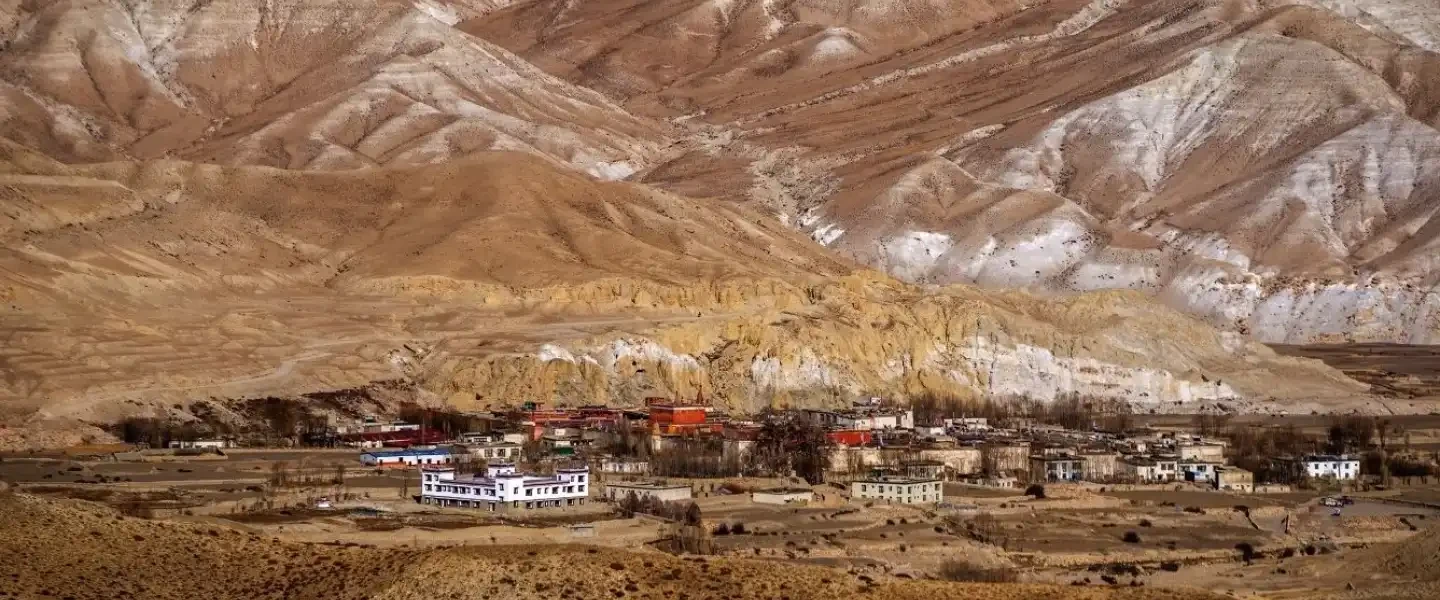
Approx. 1,120 m Approx. 75–85 km Approx. 6–8 hours HotelBreakfastLunchDinner
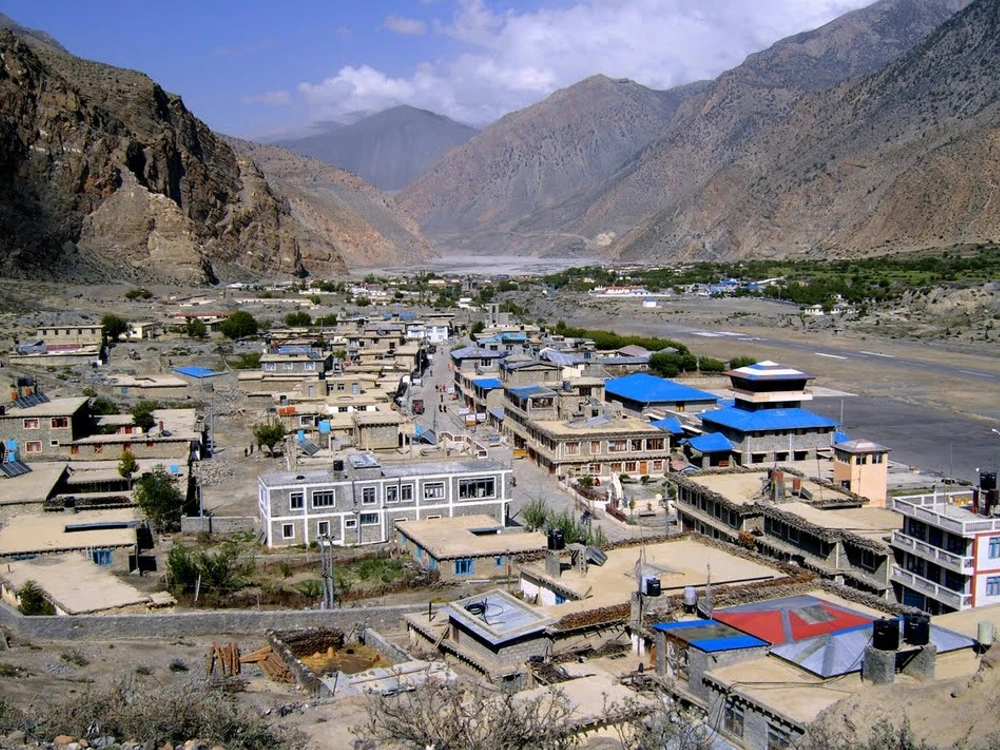
After breakfast, your journey returns from Lo Manthang to Jomsom.
Retrace the spectacular Upper Mustang route, passing through remote villages, high mountain valleys, dramatic cliffs, and barren trans-Himalayan landscapes.
The journey gradually descends from the high-altitude environment of Lo Manthang toward the Kali Gandaki Valley. You'll notice significant changes in the landscape as vegetation becomes more abundant and the climate becomes milder.
After arriving at Jomsom (2,720 m / 8,923 ft), you can spend your evening relaxing after the day's drive.
Approx. 1,900 m Approx. 150–160 km Approx 7–9 hours HotelBreakfastLunchDinner
Today, you’ll leave the high-altitude landscapes of Mustang and begin your scenic journey toward Pokhara.
The route follows the Kali Gandaki Valley through Marpha and Tukuche, two well-known settlements famous for their traditional architecture, mountain scenery, and cultural heritage.
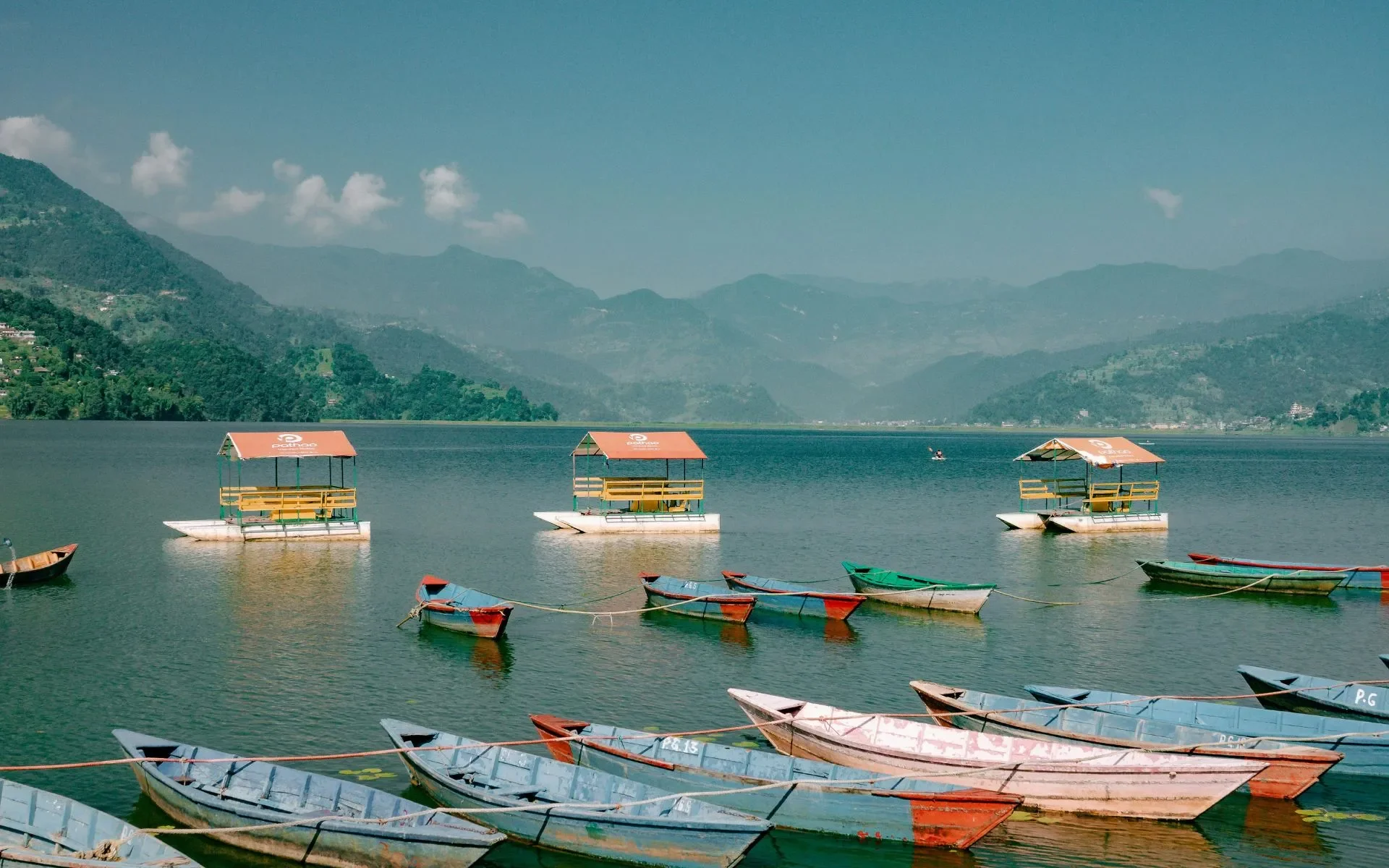
Continue south toward Tatopani, where the dry Mustang landscape gradually transforms into greener hills and subtropical vegetation. From Tatopani, continue toward Pokhara (822 m / 2,697 ft).
From Tatopani, continue toward Pokhara (822 m / 2,697 ft). Upon arrival, check into your hotel and enjoy a relaxing evening in Pokhara. You can unwind around the lakeside area or simply rest after the long journey.
Approx. 600 m Approx. 200 km Approx. 6–8 hours HotelBreakfastLunchDinner
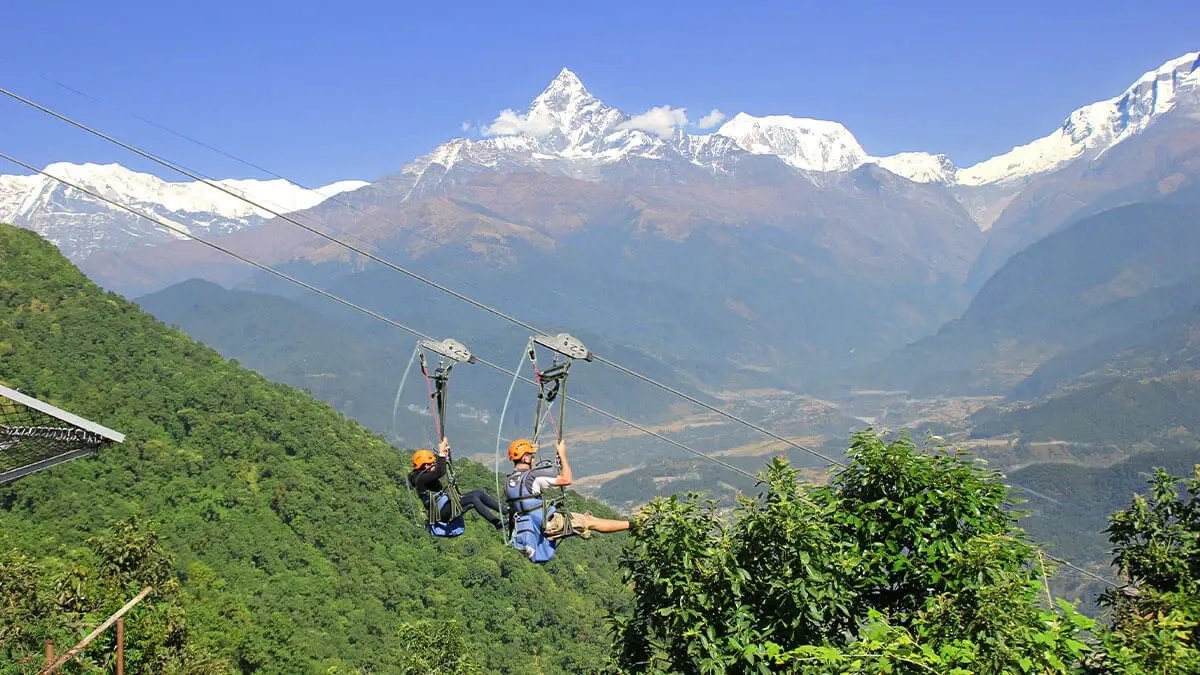
After breakfast, begin the scenic drive from Pokhara to Kathmandu.
The route follows Nepal's picturesque countryside, passing through river valleys, green hills, terraced farmland, forests, and traditional settlements.
Enjoy the changing scenery as the road gradually climbs toward the Kathmandu Valley.
After arriving in Kathmandu, check into your hotel and enjoy the remainder of the day at leisure. You can relax, explore nearby areas, or shop for traditional Nepalese handicrafts and souvenirs.
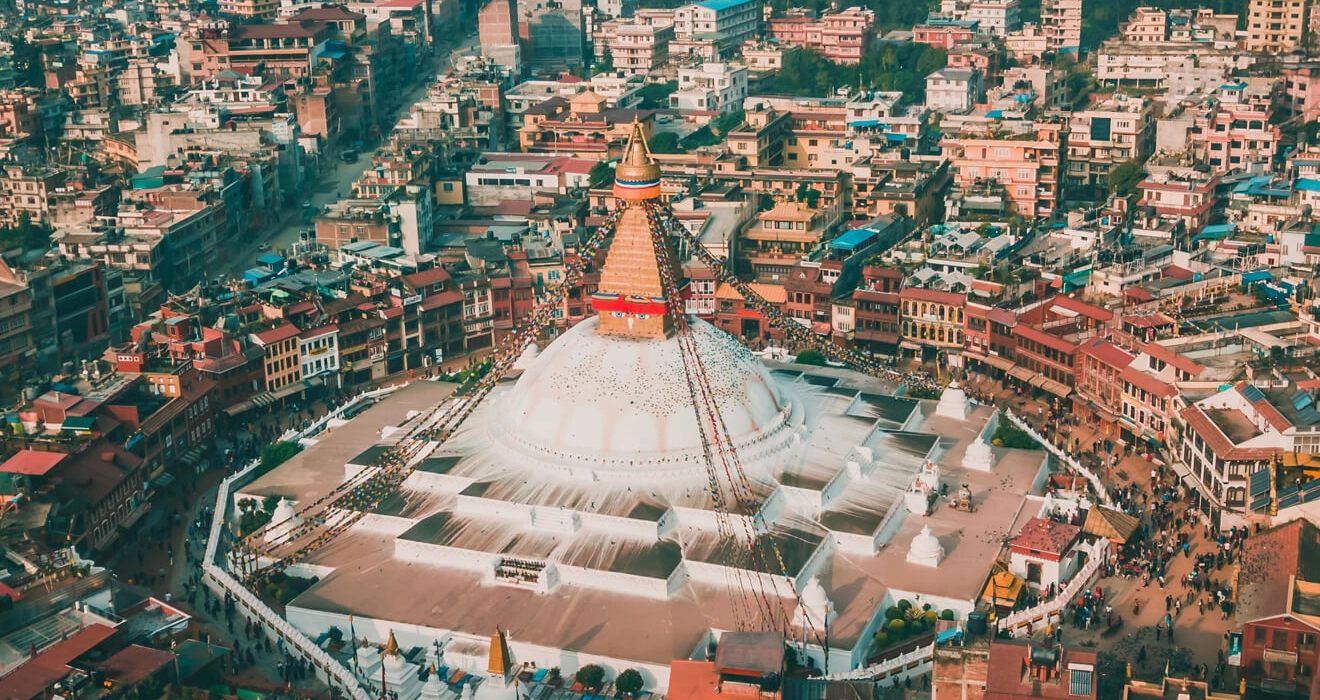
Approx. 5–8 km Approx. 20–40 minutesBreakfast
Your 10-Day Upper Mustang Tour comes to an end today.
Depending on your flight schedule, enjoy your final moments in Kathmandu before our representative transfers you to Tribhuvan International Airport for your onward flight.
We hope your journey through Kagbeni, Ghami, Muktinath, Tsarang, and Lo Manthang has given you an unforgettable experience of Upper Mustang's ancient culture, Buddhist heritage, traditional villages, and spectacular trans-Himalayan landscapes.
Upper Mustang Tour Cost & Price Breakdown
The Upper Mustang Tour cost depends on the number of travelers, accommodation category, transportation, guide services, permits, meals, and other services included in your package.
At Walk Through Nepal, we provide a carefully planned 10-day Upper Mustang Tour package covering Kathmandu, Pokhara, Tatopani, Kagbeni, Ghami, Lo Manthang, Jomsom, Muktinath, and return to Kathmandu. Also, if you’re a trekking enthusiast, we also have an option for 14/16 days upper mustang trek.
Our standard package is designed to provide a comfortable and hassle-free experience with 3-star hotel accommodation, private tourist transportation, an experienced English-speaking guide, meals according to the day-by-day itinerary, required permits, and essential ground transportation.
Upper Mustang Tour Price Per Person
Group Size | Price Per Person |
1 Person | USD 2,699 |
2–3 People | USD 2,429 |
4–6 People | USD 2,294 |
7–10 People | USD 2,159 |
10+ People | Contact for Group Rate |
Upper Mustang Tour Package Includes
Package Details | Price Per Person |
10-Day Upper Mustang Tour | USD 2,699/person |
Hotel Category | 3-Star Hotels / Quality Local Lodges |
Tour Type | Private Cultural & Adventure Tour |
Group Size | Customizable |
Note: The final price may vary depending on group size, travel season, room requirements, vehicle type, and any additional activities or services requested.
What's Included
Airport pickup and drop-off in Kathmandu
Comfortable 3-star hotel accommodation in Kathmandu, Pokhara, and suitable hotels/guesthouses during the Mustang journey
Accommodation on a twin-sharing basis for groups and couples; solo travelers are welcome, with a single-room supplement at an additional cost
Breakfast, lunch and dinner according to the day-by-day itinerary
Required Upper Mustang Restricted Area Permit
Annapurna Conservation Area Permit (ACAP)
Necessary government and local permits
Entrance fees for sightseeing sites specifically listed as included in the confirmed itinerary
Kathmandu–Pokhara–Mustang–Muktinath–Pokhara–Kathmandu transportation
Private tourist vehicle for the entire overland journey
Driver's salary, fuel, and vehicle expenses
Experienced English-speaking local tour guide
Guide's accommodation, meals, and expenses
Necessary government taxes and service charges
Basic first-aid support
Assistance from the Walk Through Nepal team throughout the journey
Note: Exact inclusions can vary depending on the selected package, group size, accommodation category, and customized services. Confirm the final inclusions with Walk Through Nepal before booking.
What's Excluded
International airfare to and from Nepal
Nepal entry visa fee
Personal travel insurance
Emergency medical expenses or evacuation
Personal expenses and shopping
Alcoholic and bottled beverages
Snacks and drinks outside included meals
Entrance fees not specified in the itinerary
Tips for guides, drivers, and support staff
Laundry services
Additional accommodation caused by delays or itinerary changes
Expenses resulting from natural disasters, road closures, or circumstances beyond the operator's control
Travel Tip: We recommend confirming the final list of inclusions and exclusions before booking, particularly for permits, entrance fees, meals, and accommodation upgrades.
Upper Mustang Tour Route Map
The Upper Mustang Tour route follows the historic Kali Gandaki corridor from the lower Himalayan foothills into the arid trans-Himalayan landscapes of northern Mustang, with a dedicated stop at the sacred Muktinath Temple.
Kathmandu → Pokhara → Tatopani → Jomsom → Muktinath → Kagbeni → Chele → Ghami → Tsarang → Lo Manthang → Jomsom → Tatopani → Pokhara → Kathmandu
The journey begins in Kathmandu and travels west toward Pokhara before continuing through Tatopani and the Kali Gandaki Valley. After reaching Jomsom, you'll drive up to Muktinath for darshan before continuing to Kagbeni, where the route enters the restricted Upper Mustang region.
From Kagbeni, you'll travel through Chele, Ghami, and Tsarang before reaching Lo Manthang, where you'll spend a full day exploring the area's cultural and historical attractions.
The return journey follows the Mustang route back to Jomsom, then continues through Tatopani and Pokhara before returning to Kathmandu.
Major Stops on the Upper Mustang Route
Kathmandu: The starting and ending point of the journey and Nepal's main international gateway.
Pokhara: A scenic lakeside city surrounded by Himalayan foothills and the gateway to the western mountain region.
Tatopani: A popular stop in the Kali Gandaki Valley, known for its natural hot springs and lush lower-Mustang surroundings.
Jomsom: The administrative center of Mustang and an important transportation hub in the Kali Gandaki Valley.
Muktinath: A sacred pilgrimage site revered by Hindus and Buddhists, home to the Vishnu Temple, 108 water spouts, and the eternal flame of Jwala Mai.
Kagbeni: A historic settlement and traditional gateway to Upper Mustang, famous for its narrow lanes, old houses, and distinctive Himalayan culture.
Chele: One of the first major settlements inside Upper Mustang, surrounded by dramatic cliffs and high-altitude landscapes.
Ghami: A historic Mustang village known for its monastery, traditional houses, and one of the region's famous long mani walls.
Tsarang: An important cultural settlement featuring traditional architecture, monasteries, and dramatic views across the Mustang landscape.
Lo Manthang: The highlight of the journey and the historic walled capital of the former Kingdom of Mustang, renowned for its monasteries, palaces, traditional houses, and Tibetan-influenced heritage.
Packing List
Packing for the Upper Mustang Tour requires preparation for changing temperatures, strong mountain winds, dusty roads, and high-altitude conditions. Although this is a road-based tour, you'll still spend time walking around historic villages, temples, monasteries, and viewpoints.
Packing Tip: Keep your luggage practical and manageable. Road conditions can be rough in parts of Mustang, and carrying a smaller daypack during sightseeing makes exploring much easier.
Recommended Packing List
Warm jacket or down jacket – Essential for cold mornings and evenings at higher elevations.
Lightweight layers – Allow you to adjust easily as temperatures change during the day.
Comfortable walking shoes – Useful for exploring Lo Manthang, Muktinath, Kagbeni, monasteries, and village trails.
Windproof or waterproof outer layer – Mountain weather can change quickly.
Warm hat, gloves, and thermal layers – Particularly important during spring, autumn, and winter.
Sunglasses with UV protection – Protect your eyes from strong sunlight and mountain glare.
Sunscreen and lip balm – High-altitude sunlight can be intense.
Reusable water bottle – Helps you stay hydrated while reducing plastic waste.
Personal medications and basic first-aid items – Carry any medication you regularly require.
Small daypack – Convenient for carrying essentials during sightseeing.
Camera, smartphone, and extra batteries/power bank – Ideal for capturing Mustang's landscapes and cultural sites.
Passport and required travel documents – Keep your original identification accessible during the journey.
Nepalese rupees – Useful for personal purchases and small expenses in remote areas.
Useful Info
The best time to visit Upper Mustang is generally during spring (March–May) and autumn (September–November). These seasons typically offer favorable road conditions, clearer mountain views, and comfortable conditions for exploring the region.
Season | Months | Conditions | Recommendation |
Spring | March–May | Mild, generally stable | Excellent |
Summer/Monsoon | June–August | Rain in lower areas; changing conditions | Weather dependent |
Autumn | September–November | Clear, dry, stable | Excellent |
Winter | December–February | Cold; possible snow and difficult conditions | Limited/Weather dependent |
Spring – March to May
Spring is an excellent period for an Upper Mustang road trip. Temperatures become more comfortable, mountain scenery is often clear, and the landscape begins to show signs of seasonal activity.
Autumn – September to November
Autumn is also a good time to visit Upper Mustang, offering clear mountain views, pleasant daytime conditions, and opportunities to explore the region’s unique landscapes and cultural heritage. Although the experience may differ from spring, this season is still suitable for sightseeing and enjoying the beauty of the Mustang region.
Summer/Monsoon – June to August
Upper Mustang lies in the rain-shadow region of the Himalayas, so northern Mustang generally receives less rainfall than many other parts of Nepal. However, roads leading through lower Mustang and the Pokhara region can still be affected by monsoon rain, landslides, and changing road conditions.
Winter – December to February
Winter can bring very cold temperatures and occasional snowfall, particularly at higher elevations. Some services and accommodation options may also operate on a limited basis, so winter travel requires additional planning and flexibility.
Upper Mustang is a restricted area of Nepal, so foreign travelers require a special Upper Mustang Restricted Area Permit (RAP) to enter the region. The permit is issued through an authorized trekking agency in accordance with the regulations of the Department of Immigration (DoI), Government of Nepal. Muktinath itself lies within the Annapurna Conservation Area and does not require a separate restricted-area permit.
According to the current Department of Immigration trekking-route permit schedule, the Upper Mustang Restricted Area Permit costs USD 50 per person per day.
Upper Mustang Restricted Area Permit Fee
The current official permit structure is:
Permit | Current Rate | Applicable Days | Cost Per Person |
Upper Mustang Restricted Area Permit (RAP) | USD 50/person/day | 4 days | USD 200 |
Annapurna Conservation Area Permit (ACAP) | NPR 3,000/person | As applicable | NPR 3,000 |
Estimated Total Permit Cost | — | — | USD 200 + NPR 3,000 |
The Upper Mustang RAP is calculated according to the number of days covered by the restricted-area permit. For this itinerary, the permit is required for 4 days within the Upper Mustang restricted area.
The calculation is:
USD 50 × 4 days = USD 200 per person
Therefore, the estimated Upper Mustang Restricted Area Permit cost for this tour is USD 200 per foreign traveler.
The USD 50 per person per day rate is the current rate published by the Department of Immigration for Upper Mustang.
Annapurna Conservation Area Permit (ACAP)
The route also passes through the Annapurna Conservation Area, so an Annapurna Conservation Area Permit (ACAP) is required in addition to the Upper Mustang RAP, subject to the applicable regulations and traveler category.
For foreign travelers, the current ACAP fee is NPR 3,000 per person, while SAARC nationals pay NPR 1,000 per person. These fees are separate from the Upper Mustang RAP.
The two permits should therefore be budgeted separately:
Upper Mustang Restricted Area Permit: USD 200 per person
Annapurna Conservation Area Permit: NPR 3,000 per person
Estimated Permit Cost: USD 200 + NPR 3,000 per person
Permit Arrangements by Walk Through Nepal
We arrange the required permits and documentation for your Upper Mustang journey through the appropriate government-authorized process. Our team handles the permit processing before your entry into the restricted area, based on the current government regulations, your itinerary, and traveler category.
For this, you need to provide the necessary passport and personal details required for permit processing.
Important Permit Information
The Upper Mustang Restricted Area Permit must be carried during the restricted-area journey. Travelers must follow the authorized route and comply with the applicable rules and regulations governing restricted areas.
Permit fees and government regulations may change. The final permit cost will be confirmed according to the applicable government rates at the time of permit issuance.
See the permit fee table above for the full RAP and ACAP breakdown.
Weather and road conditions are important considerations when planning an Upper Mustang and Muktinath tour from Kathmandu. The journey combines long-distance road travel with high-altitude terrain, and conditions can change quickly in the Himalayas.
The route from Pokhara toward Jomsom, Muktinath, and Upper Mustang follows the Kali Gandaki Valley and includes sections of rugged mountain road. During the monsoon season, rainfall can occasionally cause landslides, muddy sections, or temporary road disruptions.
Inside Upper Mustang and around Muktinath, the landscape is predominantly dry and mountainous, but strong winds are common, particularly during the afternoon.
For a smoother journey:
Start road journeys early in the morning when conditions are generally more favorable.
Allow flexibility in case of unexpected road delays.
Carry warm layers even during warmer months.
Follow local road and safety instructions.
Keep your itinerary flexible during monsoon and winter.
Travel Tip: Weather and road conditions can affect travel times, so the actual arrival and departure times may vary from the sample itinerary.
The Upper Mustang Tour is primarily a cultural, spiritual, and scenic road journey rather than a demanding trekking expedition. Our 10-day itinerary is designed for travelers who want to explore the remote landscapes, historic villages, sacred temples, monasteries, and cultural heritage of Mustang without undertaking a long multi-day trek.
Most sightseeing during the Mustang tour involves short walks around villages, temples, monasteries, complexes, viewpoints, and historic sites. However, the high altitude means travelers should still take reasonable precautions. Some days may involve several hours of driving on rough mountain roads, while sightseeing may require walking on uneven paths, stone steps, or slightly uphill terrain.
You do not need advanced trekking experience for this tour, but a reasonable level of fitness and the ability to walk comfortably at altitude will make the journey more enjoyable. Since the tour reaches elevations of around 3,800–4,000 meters, it is also important to stay hydrated, avoid rushing, and pay attention to any symptoms of altitude sickness.
Who Can Join the Upper Mustang Tour?
The tour is suitable for:
Families and private groups
Couples and honeymoon travelers
Senior travelers who are comfortable with long mountain-road journeys, uneven walking surfaces, and elevations above 3,000 m
Pilgrims and spiritually inclined travelers visiting Muktinath
Cultural and history enthusiasts
Photographers and nature lovers
Adventure travelers
Travelers interested in Tibetan-influenced Himalayan culture
Visitors looking for a comfortable alternative to the Upper Mustang trek
Altitude is an important consideration during an Upper Mustang and Muktinath trip, as the route gradually reaches some of the highest settlements in the region.
This includes:
Location | Elevation |
Kathmandu | 1,400 m / 4,593 ft |
Pokhara | 822 m / 2,697 ft |
Tatopani | 1,190 m / 3,904 ft |
Jomsom | 2,720 m / 8,923 ft |
Muktinath | 3,710 m / 12,172 ft |
Kagbeni | 2,840 m / 9,318 ft |
Ghami | 3,520 m / 11,549 ft |
Lo Manthang | 3,840 m / 12,598 ft |
The itinerary progresses from lower elevations toward Jomsom, Muktinath, and Lo Manthang, but some days involve substantial elevation changes. Travelers should pace themselves, stay hydrated, allow adequate rest, and monitor how they feel at altitude.
Tips for Traveling at High Altitude
Drink plenty of water throughout the day.
Avoid excessive alcohol at higher elevations.
Walk slowly and avoid unnecessary exertion.
Eat regular, nutritious meals.
Get adequate rest.
Inform your guide if you experience unusual symptoms.
Follow your guide's advice regarding altitude and travel pace.
Important: Altitude affects everyone differently. Travelers with existing medical concerns should consult a qualified medical professional before traveling to high-altitude destinations.
The journey to Upper Mustang and Muktinath is part of the experience. Rather than simply traveling from one destination to another, the route reveals dramatic changes in Nepal's landscape and culture.
As you travel from Kathmandu to Pokhara, Tatopani, Jomsom, Muktinath, Kagbeni, and eventually Lo Manthang, the scenery gradually changes from green hills and terraced farmland to dry valleys, cliffs, barren mountains, and high-altitude desert landscapes.
Along the way, you can expect:
Scenic Himalayan mountain views
Kali Gandaki River and valley landscapes
Traditional mountain villages
Sacred temples and pilgrimage sites, including Muktinath
Ancient monasteries and chortens
Tibetan-influenced architecture
Dramatic cliffs and rock formations
Traditional agricultural landscapes
Historic trading settlements
Remote Himalayan communities
The changing landscape and blend of Hindu-Buddhist heritage is one of the defining features of an Upper Mustang and Muktinath road tour.
Upper Mustang is renowned for its distinctive Tibetan-influenced culture, architecture, religion, and traditions, while Muktinath adds a unique layer of shared Hindu-Buddhist pilgrimage heritage. The region historically developed strong cultural and trade connections with Tibet, which remain visible in its monasteries, prayer flags, mani walls, traditional homes, and Buddhist practices.
During the tour, you'll encounter historic settlements such as Muktinath, Kagbeni, Chele, Ghami, Tsarang, and Lo Manthang, each offering a different perspective on Mustang's cultural and spiritual heritage.
Look for:
Traditional mud-brick houses
Buddhist monasteries and Hindu temples
Prayer wheels and prayer flags
Mani walls and chortens
Ancient courtyards
Sacred water spouts and eternal flames at Muktinath
Traditional agricultural practices
Local handicrafts and cultural traditions
Respect for local traditions is an important part of visiting Upper Mustang. Dress appropriately at religious sites, ask before photographing local people, and follow any guidelines when entering monasteries or sacred areas.
During the Upper Mustang Tour, you’ll stay in a mix of comfortable hotels, guesthouses, and locally run lodges, depending on what’s available in each place. In larger settlements such as Jomsom and Lo Manthang, you’ll generally find better-equipped accommodation, while smaller villages tend to have simpler rooms and facilities.
Food is also fairly straightforward but varied. You can expect a mix of Nepali, Tibetan-influenced, and familiar international dishes. Local meals you’re likely to come across include:
Dal Bhat
Tibetan bread
Thukpa
Momos
Noodles
Soups
Rice and vegetable dishes
As you travel farther into Upper Mustang, food and accommodation options become more limited. That’s part of the experience; you’ll be traveling through a remote Himalayan region where simple stays, local food, and traditional surroundings are part of the journey.
The Upper Mustang Tour takes you through some of Nepal's most fascinating Himalayan settlements, where ancient Buddhist and Hindu traditions, dramatic landscapes, and centuries-old architecture remain deeply connected to everyday life.
From the sacred pilgrimage site of Muktinath to the ancient walled city of Lo Manthang, each destination offers a different glimpse into the cultural and spiritual heritage of Mustang.
Muktinath – Sacred Pilgrimage Site
Located at approximately 3,710 m (12,172 ft), Muktinath is one of the most sacred pilgrimage destinations in the Himalayas, revered by both Hindus and Buddhists. The complex includes the Vishnu Temple, 108 stone water spouts believed to have purifying powers, and the Jwala Mai Temple, where a natural flame burns beside a spring. A visit here offers travelers a deeply spiritual experience alongside stunning mountain views.
Kagbeni – Gateway to Upper Mustang
Located at approximately 2,840 m (9,318 ft), Kagbeni is one of the most historic settlements along the Kali Gandaki Valley and the traditional gateway to Upper Mustang.
Its narrow alleyways, traditional stone-and-mud houses, Buddhist prayer wheels, chortens, and ancient monastery create an atmospheric introduction to the region.
Kagbeni is also an important stopping point before entering the restricted Upper Mustang area.
Chele – First Glimpse of Upper Mustang
Chele marks the beginning of the dramatic high-altitude landscapes of Upper Mustang. As you travel beyond Kagbeni, the scenery becomes increasingly dry and rugged, with towering cliffs, barren slopes, and traditional settlements scattered across the valley.
The village provides an excellent opportunity to experience the distinctive architecture and lifestyle of the Mustang region.
Ghami – Ancient Village & Monastic Heritage
Ghami, situated at around 3,520 m (11,549 ft), is one of the most picturesque traditional villages in Upper Mustang.
The village is known for its historic Ghami Monastery and one of the region's longest mani walls, decorated with rows of prayer stones. The surrounding cliffs and colorful rock formations create a striking backdrop for photography.
Tsarang – Historic Fortress Settlement
Tsarang, also known as Charang, is a historic settlement surrounded by dramatic Himalayan terrain. The village is famous for its ancient monastery, traditional whitewashed houses, prayer flags, and historic palace complex.
Its elevated position provides beautiful views across the surrounding Mustang landscape and makes it an important cultural stop on the way to Lo Manthang.
Lo Manthang – The Ancient Walled City
At approximately 3,840 m (12,598 ft), Lo Manthang is the cultural heart of Upper Mustang and the main highlight of the tour.
The historic walled settlement is characterized by narrow streets, traditional mud-brick houses, ancient monasteries, royal-era architecture, and Buddhist cultural traditions.
Exploring Lo Manthang offers travelers a rare opportunity to experience the heritage of one of Nepal's most remote Himalayan regions.
Lo Manthang is one of the most extraordinary destinations in Nepal and the cultural centerpiece of the Upper Mustang Tour.
Surrounded by high Himalayan landscapes, this ancient settlement preserves a distinctive Tibetan-influenced architectural and cultural heritage. Its whitewashed buildings, narrow lanes, prayer flags, monasteries, and historic structures provide an authentic glimpse into Mustang's past.
During your exploration day, you can discover:
Lo Manthang Palace and the historic royal area
Jampa Lhakhang, one of the area's important Buddhist temples
Thubchen Monastery, known for its historic religious art
Chodey Monastery and surrounding Buddhist heritage
Traditional houses and narrow alleyways
Ancient courtyards and city walls
Local markets and traditional handicrafts
Beyond the historic center, the surrounding countryside reveals spectacular views of barren cliffs, high-altitude valleys, and snow-capped Himalayan peaks.
Travel Tip: Take your time exploring the narrow streets of Lo Manthang rather than treating the city as simply a sightseeing stop. The traditional architecture, monasteries, and local way of life are a major part of the Upper Mustang experience.
Religion is deeply woven into the history and daily life of Upper Mustang. The region's monasteries, chortens, mani walls, prayer wheels, and sacred caves reflect centuries of Tibetan Buddhist influence, while Muktinath adds a significant Hindu pilgrimage dimension to the journey.
During the tour, you'll have opportunities to visit or see important religious sites around Muktinath, Kagbeni, Ghami, Tsarang, and Lo Manthang.
These sites are not simply tourist attractions; many remain active places of worship and community life.
Visitors should:
Dress respectfully when entering monasteries and temples.
Follow local instructions regarding photography.
Avoid touching religious objects without permission.
Walk clockwise around sacred structures where appropriate.
Keep voices low inside religious sites.
Respect monks, priests, and local worshippers.
Avoid disturbing religious ceremonies.
Experiencing this living Hindu-Buddhist heritage is one of the most memorable aspects of an Upper Mustang and Muktinath cultural tour.
Upper Mustang is famous for a landscape unlike most other regions of Nepal. Located in the rain shadow of the Annapurna and Dhaulagiri ranges, the region features a striking combination of arid valleys, colorful cliffs, eroded rock formations, deep gorges, and snow-capped mountains.
As you travel deeper into the region, you'll see the landscape gradually change from the greener valleys around Tatopani and Jomsom to the dry, desert-like terrain of Muktinath and Upper Mustang.
Highlights include:
Kali Gandaki Valley
Dramatic red and orange cliffs
High-altitude desert landscapes
Snow-capped Himalayan peaks
Sacred pilgrimage sites like Muktinath
Ancient mountain passes
Remote valleys and settlements
Traditional agricultural terraces
Wind-carved rock formations
Upper Mustang offers exceptional photography opportunities, from ancient villages, sacred temples, and monasteries to dramatic cliffs and Himalayan panoramas.
For the best results:
Carry different lenses to capture landscapes, portraits, and detailed scenes.
Photograph during early morning or late afternoon for softer natural light.
Keep extra batteries and memory cards with you.
Protect cameras from dust and strong winds.
Capture traditional architecture and local details respectfully.
Ask permission before photographing local people or pilgrims.
Take advantage of viewpoints around Muktinath, Lo Manthang, Ghami, Tsarang, and Kagbeni.
Use the changing light on the Mustang cliffs to capture their distinctive colors.
Photography Tip: The contrast between the barren Mustang landscape, whitewashed villages, sacred temple architecture, colorful prayer flags, and snow-covered mountains creates some of the most distinctive photographs of the journey.
Accommodation is an important part of the Upper Mustang travel experience, particularly because the region is remote and has fewer hotel options than Kathmandu or Pokhara.
During the tour, you'll stay in a combination of comfortable hotels, guesthouses, and locally operated lodges. Accommodation standards vary depending on the destination.
Accommodation by Destination
Destination | Elevation | Typical Accommodation |
Kathmandu | 1,400 m / 4,593 ft | Tourist-standard hotel |
Tatopani | 1,190 m / 3,904 ft | Hotel/guesthouse |
Jomsom | 2,720 m / 8,923 ft | Hotel/guesthouse |
Muktinath | 3,710 m / 12,172 ft | Local hotel/guesthouse |
Kagbeni | 2,840 m / 9,318 ft | Local hotel/guesthouse |
Ghami | 3,520 m / 11,549 ft | Local lodge/guesthouse |
Lo Manthang | 3,840 m / 12,598 ft | Hotel/guesthouse |
Pokhara | 822 m / 2,697 ft | Tourist-standard hotel |
In remote villages such as Ghami, accommodation may be simpler than in Kathmandu, Pokhara, or Jomsom. Staying in locally operated properties also allows you to experience the hospitality and lifestyle of the Mustang region more authentically.
Yes. The Upper Mustang Tour is worth it for travelers looking for a combination of ancient culture, sacred pilgrimage sites, dramatic Himalayan landscapes, remote villages, and a comfortable road-based adventure.
Unlike many popular destinations in Nepal, Upper Mustang offers a distinctly different environment characterized by:
Ancient Tibetan-influenced culture
The sacred pilgrimage site of Muktinath
Historic monasteries and Buddhist heritage
The walled city of Lo Manthang
Dramatic trans-Himalayan landscapes
Traditional mountain villages
Remote and less-developed surroundings
The spectacular Kali Gandaki Valley
A unique combination of natural, cultural, and spiritual attractions
For travelers who have limited time or prefer not to undertake a long trek, this 10-day Upper Mustang tour with Muktinath from Kathmandu provides an excellent way to experience the region while maintaining a relatively comfortable travel style.
Upper Mustang's cultural heritage, sacred sites, and fragile Himalayan environment require responsible travel. Tourism provides valuable opportunities for local communities, but visitors also have a responsibility to protect the region's traditions, landscapes, and historic sites.
How to Travel Responsibly
Respect local culture and traditions when visiting villages, temples, and monasteries.
Ask permission before photographing local people and pilgrims.
Avoid touching or climbing on historic structures and monuments.
Do not remove stones, artifacts, fossils, or religious objects.
Carry reusable water bottles and reduce single-use plastic.
Dispose of waste properly and avoid littering.
Support local businesses by using locally operated hotels, restaurants, and shops.
Follow designated routes and permit regulations.
Respect monasteries, temples, and religious ceremonies.
Keep noise levels low in villages and sacred areas.
Responsible tourism helps ensure that the unique cultural and spiritual identity and natural beauty of Upper Mustang and Muktinath remain protected for future generations.
Choosing the right local operator can make a real difference when traveling through a remote region like Upper Mustang. With Walk Through Nepal, you have local knowledge, experienced guides, organized transportation, and permit assistance taken care of, so you can spend less time worrying about logistics and more time enjoying the landscapes, culture, and history of the region.
Whether it’s navigating remote mountain roads, arranging accommodation, or helping you understand local customs, our team is there to make your Upper Mustang journey comfortable, well-organized, and more enjoyable from start to finish.
Why Travel With Walk Through Nepal?
Experienced local travel team with knowledge of Nepal's cultural, spiritual, and Himalayan destinations.
Complete permit assistance for the Upper Mustang restricted area.
Experienced local guides familiar with the region's culture, history, routes, and pilgrimage sites.
Private transportation throughout the planned itinerary.
Accommodation and meals arranged in advance.
Transparent package pricing with clearly defined inclusions.
Flexible travel arrangements for families, couples, pilgrims, and private groups.
24/7 local support during your journey.
Responsible tourism approach focused on respecting local communities and heritage.
Personalized assistance from booking through the completion of your tour.
From the first day in Kathmandu to your return from Upper Mustang and Muktinath, our team works to make your journey comfortable, culturally enriching, and memorable.
Planning an Upper Mustang Tour with Muktinath from Kathmandu requires advance preparation because the region is restricted and travel arrangements involve permits, accommodation, transportation, and local logistics.
We recommend booking your tour in advance, particularly during the popular spring and autumn travel seasons.
Once your booking is confirmed, Walk Through Nepal can assist with:
Upper Mustang Restricted Area Permit processing
Annapurna Conservation Area Permit arrangements
Hotel and lodge reservations
Private vehicle arrangements
Experienced guide services
Airport transfers
Itinerary coordination
Local travel support throughout the journey
How to Book Your Upper Mustang Tour
Contact Walk Through Nepal with your preferred travel dates and group size.
Choose your package and confirm the services you require.
Provide passport and traveler information needed for permit processing.
Confirm your booking and payment according to the agreed terms.
Our team will arrange the necessary permits, accommodation, transportation, and guide services.
Arrive in Kathmandu and begin your Upper Mustang and Muktinath adventure.
Planning a private Upper Mustang holiday? Contact our team for the latest package price, availability, group rates, and customized travel options.
Couldn't find what you're after?
Reach out to our travel experts.
$2,699/pp
Group booking discount
| No. of people | Price per person |
|---|---|
| 2-3 Pax | $2,42910% Off |
| 4-6 Pax | $2,29415% Off |
| 7-10 Pax | $2,15920% Off |
More than 10 people? Inquire us!
Need Help Planning?
Our travel experts are here to help you plan your perfect trip.
+977-9866266688
info@walkthroughnepal.com
Frequently Asked Questions
General
Our standard Upper Mustang tour itinerary is 10 days, beginning with arrival in Kathmandu and ending with departure from Kathmandu.
The tour starts and ends in Kathmandu. The route travels through Pokhara, Tatopani, Jomsom, Muktinath, Kagbeni, and several important Upper Mustang settlements before returning to Kathmandu.
Yes. Upper Mustang is designated as a restricted area, and foreign travelers require a Restricted Area Permit to enter the designated region.
The current Upper Mustang Restricted Area Permit rate is USD 50 per person per day. For the planned restricted-area portion of this itinerary, the estimated RAP cost is USD 200 per person for four days, subject to final permit issuance.
Yes. This road-based itinerary is suitable for many families because it does not require several hours of trekking every day. However, travelers should be comfortable with long mountain-road journeys and high-altitude environments.
Itinerary & Transportation
The standard package begins in Kathmandu, but a customized itinerary can be arranged for travelers who are already in Pokhara, subject to transportation and permit arrangements.
This itinerary uses private road transportation through the Kali Gandaki Valley, traveling from Kathmandu toward Pokhara, Tatopani, Jomsom, Muktinath, Kagbeni, and Upper Mustang.
Some sections of the route are rugged and winding, particularly around the Kali Gandaki Valley and higher Mustang region. Travel times can therefore vary depending on road and weather conditions.
The itinerary provides one full exploration day in Lo Manthang, allowing time to visit its historic monasteries, traditional streets, cultural sites, and surrounding areas.
Yes. Day 6 includes an overnight stay in Lo Manthang, allowing you dedicated time to explore the ancient walled city, its historic monasteries, traditional Tibetan-style architecture, and local culture at a relaxed pace.
Yes. Private Upper Mustang tours can be customized according to your travel dates, group size, accommodation preferences, and desired sightseeing activities.
Cost & Package
Starting from USD 2,699 per person for solo travelers, with lower per-person rates for groups, as low as USD 2,159 per person for 7–10 travelers. Final pricing depends on group size, accommodation category, travel season, and any customized services. Contact Walk Through Nepal for a quotation tailored to your dates
Yes, the standard package includes accommodation according to the selected package category.
Yes. Meals are included throughout the standard 10-day Upper Mustang Tour. You’ll have a welcome dinner on the first day, breakfast, lunch, and dinner from Days 2 to 9, and breakfast on the final day.
Yes. The planned package uses private tourist transportation for the scheduled road journey.
Entrance fees for attractions included in the confirmed package are covered. Any entrance fee not specifically listed in the confirmed inclusions is excluded.
Yes. This is a fully private and customizable tour, you're welcome to travel solo, as a couple, or in a group of any size. Solo travelers receive a private single room for an additional supplement; group itineraries, accommodation category, and services can all be tailored to your preferences.
Altitude & Safety
The highest elevation reached on the itinerary is approximately 3,840 m (12,598 ft) at Lo Manthang, where you stay overnight. Muktinath is visited during the day at approximately 3,710 m (12,172 ft).
Because the itinerary gradually increases in elevation, your body has some time to adjust. However, altitude affects travelers differently, so you should stay hydrated, avoid excessive exertion, and communicate any symptoms to your guide.
Yes. Altitude-related symptoms can occur at elevations above 2,500 m, and both Muktinath and Lo Manthang lie well above this level. Travelers should take altitude seriously and follow appropriate precautions.
Yes, Upper Mustang is a well-established destination for organized tourism. However, its remote location, high altitude, and mountain roads require proper planning and experienced local support.
Road conditions and weather can occasionally cause delays. If unexpected conditions affect the planned itinerary, our local team will coordinate reasonable adjustments based on safety and road accessibility.
Culture & Sightseeing
Major attractions include Muktinath, Kagbeni, Chele, Ghami, Tsarang, Lo Manthang, ancient monasteries, traditional villages, Buddhist monuments, and the spectacular trans-Himalayan landscape.
Muktinath is famous as one of the holiest pilgrimage sites in the Himalayas, revered by both Hindus and Buddhists, and known for its 108 sacred water spouts and the eternal flame at Jwala Mai Temple.
Lo Manthang is famous for its historic walled settlement, traditional architecture, ancient monasteries, Buddhist heritage, and long-standing cultural traditions.
Upper Mustang is particularly known for its Tibetan-influenced culture, ancient monasteries, sacred pilgrimage sites like Muktinath, dramatic desert-like Himalayan landscape, historic villages, and Lo Manthang.
Yes. The itinerary includes opportunities to visit important monasteries and religious sites, including Muktinath, subject to local opening hours and religious activities.
Photography rules vary between religious sites. Always follow local instructions and ask permission where required.
Yes, but it is respectful to ask permission before photographing individuals, particularly monks, elders, and people involved in religious activities.
Packing & Practical
Bring warm layers, comfortable walking shoes, sunglasses, sunscreen, a reusable water bottle, personal medication, a small daypack, your passport, and appropriate travel documents.
Heavy trekking boots are generally not necessary for this road-based tour. However, comfortable shoes with good grip are recommended for walking around villages and uneven surfaces.
Temperatures vary considerably by season. Nights and mornings can be cold at higher elevations, particularly around Lo Manthang, so warm layers are recommended throughout the year.
Connectivity varies by location and can be limited in remote villages. Travelers should not rely on continuous internet access throughout the journey.
ATM and banking facilities are limited compared with Kathmandu and Pokhara. It is advisable to carry sufficient Nepalese rupees before traveling deeper into the region.
Best Time & Travel Planning
March to May and September to November are generally among the best periods for comfortable travel and sightseeing. Upper Mustang's rain-shadow location also makes it a popular destination during Nepal's monsoon season.
Yes. Upper Mustang receives considerably less rainfall than many other regions of Nepal because it lies in the rain shadow of the Annapurna and Dhaulagiri ranges. However, road conditions on the journey toward Mustang can still be affected by monsoon weather.
Yes, but winter can be very cold and some services may operate on a reduced basis. Snow, freezing temperatures, and road conditions may also affect travel.
Booking several weeks or months ahead is recommended during peak seasons, especially for private groups, because permits, accommodation, and transportation need to be arranged in advance.
Booking & Travel Agency
Walk Through Nepal provides local travel expertise, permit assistance, private transportation, experienced guides, accommodation arrangements, and ongoing support throughout the journey.
Yes. Private tours can be arranged for couples, families, friends, photography groups, and other private travelers.
Group pricing may be available depending on the number of travelers and selected services. Contact us for a customized quotation.
Yes. You can combine Upper Mustang with destinations such as Pokhara, Chitwan, Lumbini, Kathmandu, or other trekking and cultural experiences in Nepal.
For travelers interested in Himalayan culture, sacred pilgrimage sites, ancient settlements, Buddhist heritage, and unusual landscapes, the Upper Mustang Tour with Muktinath offers an experience that is very different from Nepal's more crowded trekking destinations. The road-based format also makes it accessible to travelers who prefer not to undertake a long trek.
From
$2,699/pp